In 2026, a climate-adaptive skincare routine is a biological necessity. We’ve moved beyond static “skin types” because your skin exists in an environment, not a vacuum. Whether facing New York’s dry winters or Florida’s humidity, your skin is under constant “Atmospheric Stress.”
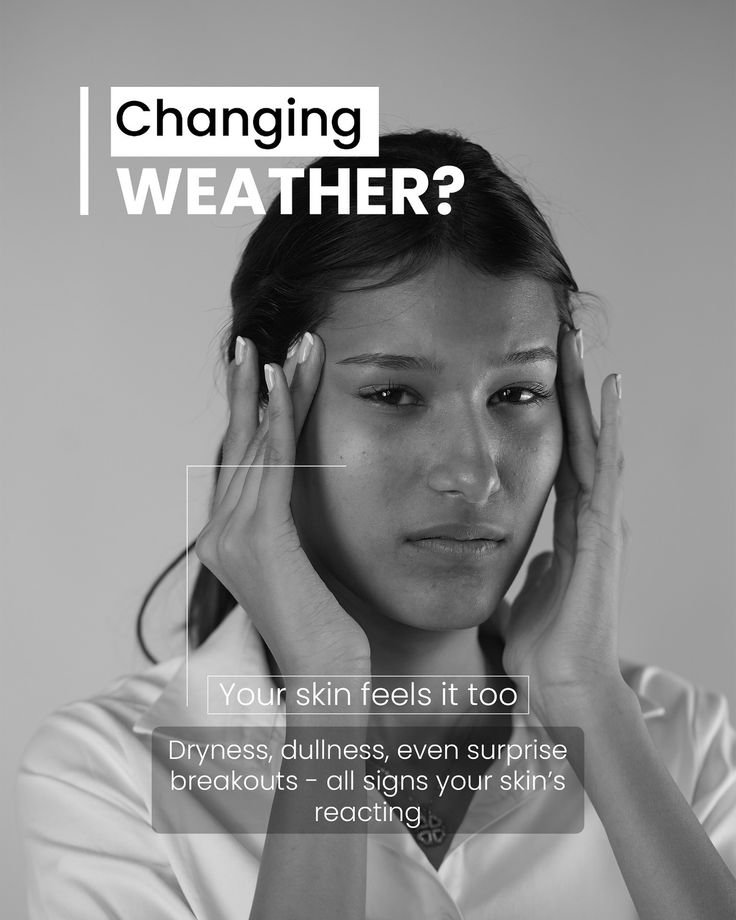

The traditional “one-size-fits-all” approach to skincare is failing the modern consumer because your skin is a dynamic, living organ that reacts in real-time to the air around it. A climate-adaptive skincare routine recognizes that “oily” or “dry” are often just symptoms of your environment. At Review Dermatica, we are pivoting our entire editorial mission to meet this challenge.
Our team is now conducting rigorous, clinical-grade research into Geo-Skincare—analyzing how ingredients stabilize or degrade under varying UV indices, pollution levels (PM 2.5), and dew points to provide you with a data-backed shield.
As we move deeper into 2026, the industry is moving away from the exhaustion of 10-step routines and embracing Skin Streaming. This isn’t just about minimalism; it’s about efficiency. By mastering Climate Responsive Beauty, you utilize multi-functional products that adjust their performance based on external stressors. This guide is the culmination of our latest research, designed to help you build a resilient barrier that remains radiant, whether you’re facing a polar vortex or a tropical heatwave.
Executive Summary: The Future of Resilience
If you don’t have time to read this 3500-word deep dive, here is the blueprint. Climate adaptive skincare is the practice of adjusting your product’s texture and active ingredients based on external factors like humidity, UV index, and pollution levels. This blog explores:
- The transition from minimalism to Skin Streaming.
- How Geo-Skincare targets specific regional environmental triggers.
- Customized routines for every skin type (Dry, Oily, Sensitive).
- Global product recommendations that actually work.
- The Review Dermatica philosophy on maintaining a resilient barrier.
Part 1: Understanding Atmospheric Stress & Geo-Skincare
The concept of climate-responsive beauty is rooted in how our skin’s barrier—the stratum corneum—interacts with the air. When the humidity drops below 40%, your skin begins to lose water to the environment through a process called Transepidermal Water Loss (TEWL). Conversely, in high humidity, your sebum production spikes, leading to clogged pores and “metropolitan acne.”

This is where Geo-Skincare comes in. It’s the data-driven approach to selecting ingredients that counteract your specific local climate. If you are reading Review Dermatica, you know we prioritize clinical-grade insights over marketing fluff.
Table 1: Climate Impact on Skin Physiology
| Environmental Context & Impact | Recommended Adjustment & Solution |
Arid & Low Humidity (Desert/Winter) Impact: Weakens barrier, creates micro-cracks, and increases TEWL. | Heavier Lipids: Switch to rich Ceramides, Squalane, and Occlusives to lock in moisture. |
Tropical & High Humidity (Coastal) Impact: Triggers excess sebum, clogged pores, and fungal acne risks. | Skin Streaming: Use lightweight Water-Gels and Oil-free Humectants (Hyaluronic Acid). |
Urban & High Pollution (Metropolitan) Impact: Oxidative stress, soot buildup, and rapid collagen breakdown. | Antioxidant Shield: High-potency Vitamin C, Ferulic Acid, and daily Double Cleansing. |
High Altitude & Intense UV (Mountainous) Impact: Accelerates DNA damage, dark spots, and premature aging. | Physical Defense: Mineral SPF 50+ (Zinc Oxide) paired with Niacinamide to soothe. |
Part 2: The “Skin Streaming” Evolution
In previous years, the 10-step routine was king. Today, we practice Skin Streaming. This is the art of streamlining your climate-adaptive skincare routine to only the most effective, multi-functional products. Instead of three different serums, we look for one high-performance formula that adapts to the environment.
According to research from Dermatology Times, over-layering in humid climates actually traps heat and bacteria, leading to “skin burnout.” Skin Streaming solves this by focusing on quality over quantity.
Part 3: Tailored Climate-Adaptive Routines for Every Skin Type
1. The Arid & Cold Climate Routine (Dry Skin Focus)
If you live in a place like Chicago or Denver, your skin is fighting a losing battle against the heater and the wind.
- The Goal: Lipid replenishment.
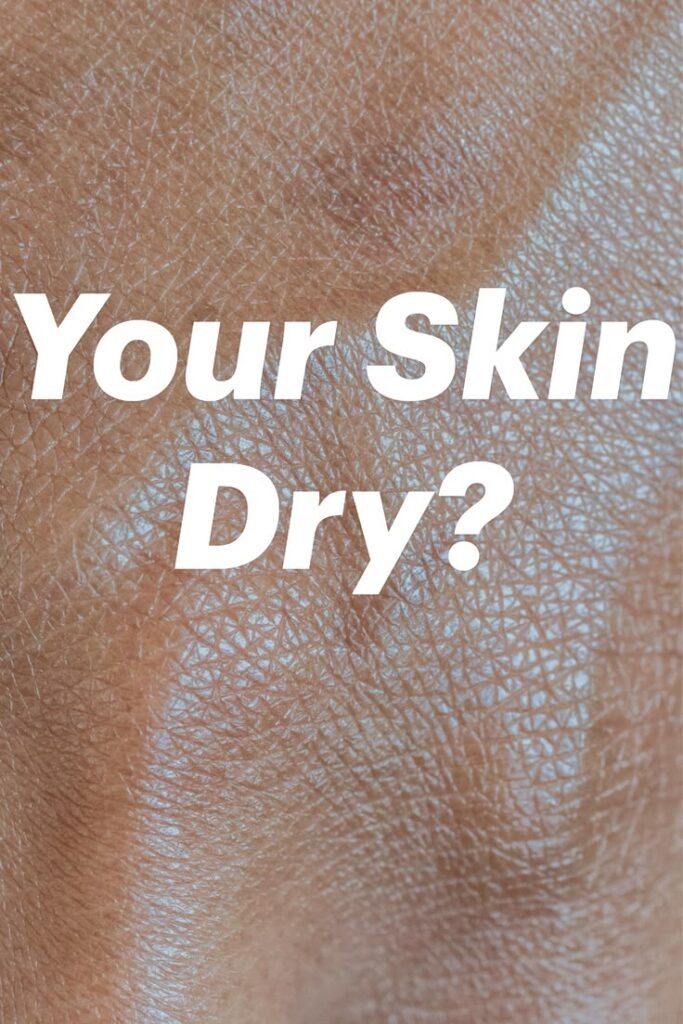
- The Routine: Use a non-foaming milk cleanser, followed by a thick ceramide cream while the skin is still damp.
- Pro Tip: Look for “Waterless” formulas that won’t freeze or evaporate quickly off the skin surface.
2. The Humid & Tropical Routine (Oily Skin Focus)
In Miami or Houston, your skin feels heavy and greasy by noon.
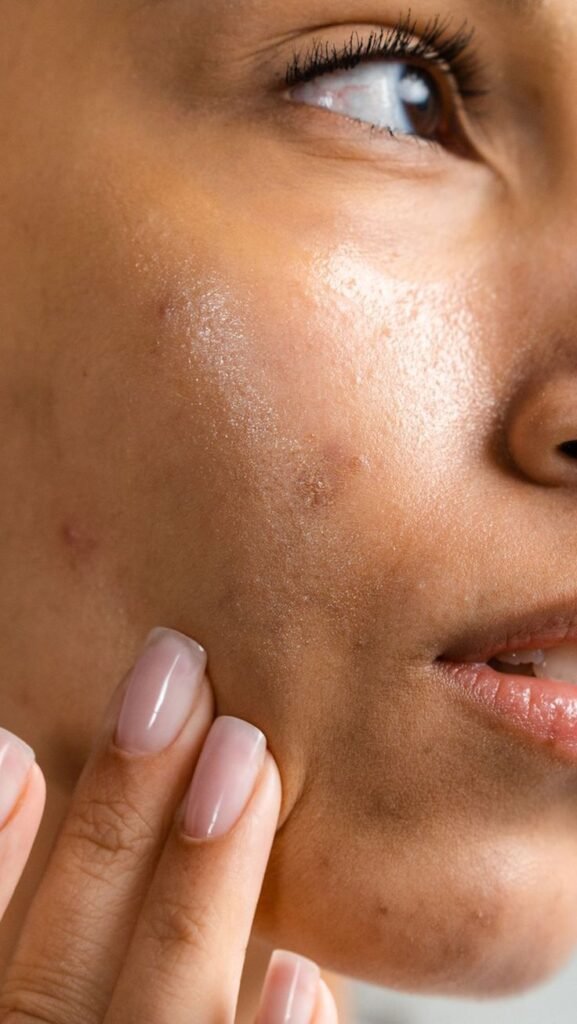
- The Goal: Sebum control and lightweight hydration.
- The Routine: A salicylic acid cleanser to keep pores clear and a “water-gel” moisturizer that provides hydration without oil.
- Keyword integration: This is the pinnacle of climate-responsive beauty—using textures that breathe.
3. The High-Pollution Urban Routine (Sensitive/Reactive Skin Focus)
Living in NYC or LA means your skin is a magnet for particulate matter (PM 2.5).
- The Goal: Anti-adhesion and neutralization.
- The Routine: Double cleansing is non-negotiable. Use a prebiotic mist to balance the microbiome, which is often disrupted by city smog.
Part 4: Top 5 Worldwide Product Recommendations (2026 Picks)
To build a truly climate-adaptive skincare routine, you need products that aren’t just “good”—they must be formulated with molecular stability and adaptability in mind. Based on our clinical analysis at Review Dermatica, here are the five high-performance products that dominate the climate-responsive beauty landscape in 2026.
1. SkinCeuticals C E Ferulic: The Urban Shield
In the world of Geo-Skincare, pollution is the silent collagen killer. If you live in a metropolitan hub like New York or London, your skin is under constant siege from ozone (O3) and particulate matter.
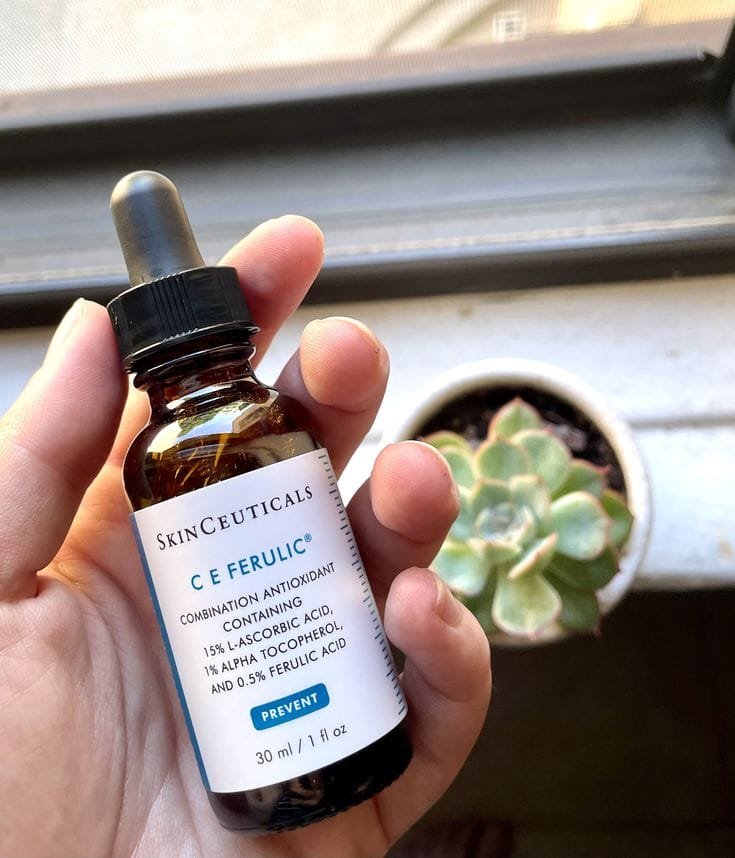
- The Science: This isn’t just a Vitamin C serum; it’s a synergistic antioxidant combination. It contains 15% pure L-ascorbic acid, 1% alpha-tocopherol (Vitamin E), and 0.5% ferulic acid.
- Climate Adaptation: This formula is specifically designed to neutralize free radicals caused by atmospheric stressors. Once absorbed, this Vitamin C serum remains effective for a minimum of 72 hours, making it a “permanent” part of your climate-adaptive skincare routine regardless of whether you are in a humid office or a dry street.
- Why it’s a 2026 Essential: It provides 8x the skin’s natural environmental protection.
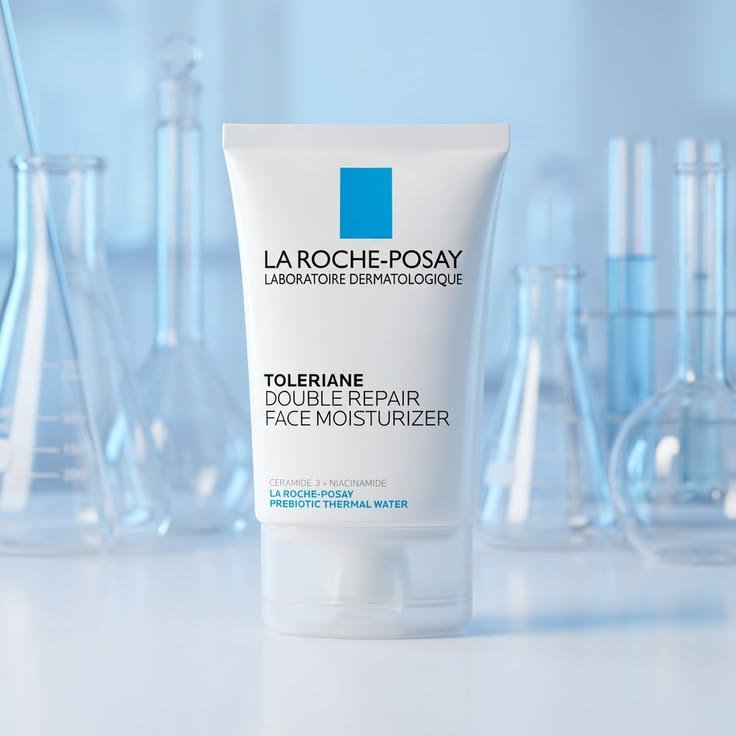
2. La Roche-Posay Toleriane Double Repair: The Barrier Chameleon
When moving between extreme indoor heating and freezing outdoor air, your skin barrier experiences “thermal shock.” This leads to micro-cracks and inflammation.
- The Science: This moisturizer is formulated with a high concentration of La Roche-Posay Prebiotic Thermal Water, ceramide-3, niacinamide, and glycerin.
- Climate Adaptation: It focuses on the “Microbiome Barrier.” By feeding the good bacteria on your skin, you ensure your face doesn’t overreact to sudden humidity drops. Its texture is uniquely “breathable,” making it perfect for Skin Streaming—it acts as both a soothing treatment and a protective sealant.
- Review Dermatica Verdict: It’s the most reliable “Climate Responsive Beauty” product for those with reactive or sensitive skin.
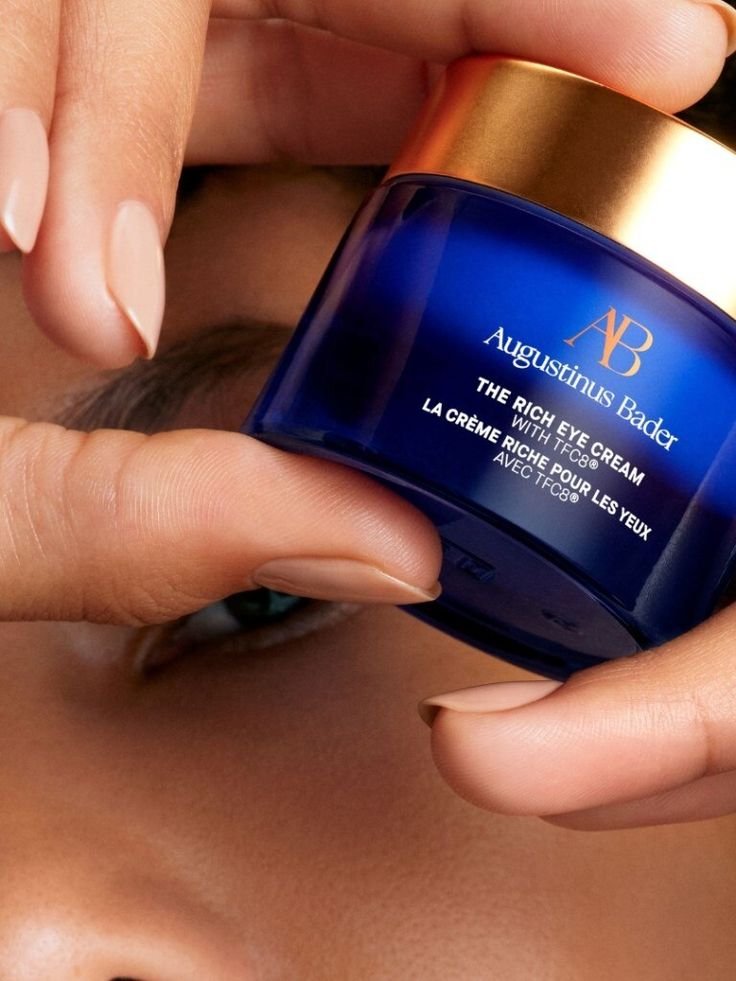
3. Augustinus Bader The Rich Cream: Cellular Bio-Hacking
For those in arid, high-altitude, or desert climates (like Arizona or the Middle East), standard moisturizers evaporate in minutes. You need a product that changes how your cells behave.
- The Science: The secret is TFC8® (Trigger Factor Complex 8)—a proprietary blend of natural amino acids, high-grade vitamins, and synthesized molecules that guide key nutrients to the skin cells.
- Climate Adaptation: This is the pinnacle of “Smart” skincare. The Rich Cream is an intense climate-adaptive skincare routine in a single bottle. It senses moisture loss and signals the skin to ramp up its natural renewal process. It uses argan, avocado, and evening primrose oils to create a physical shield against dry air without feeling “greasy.”
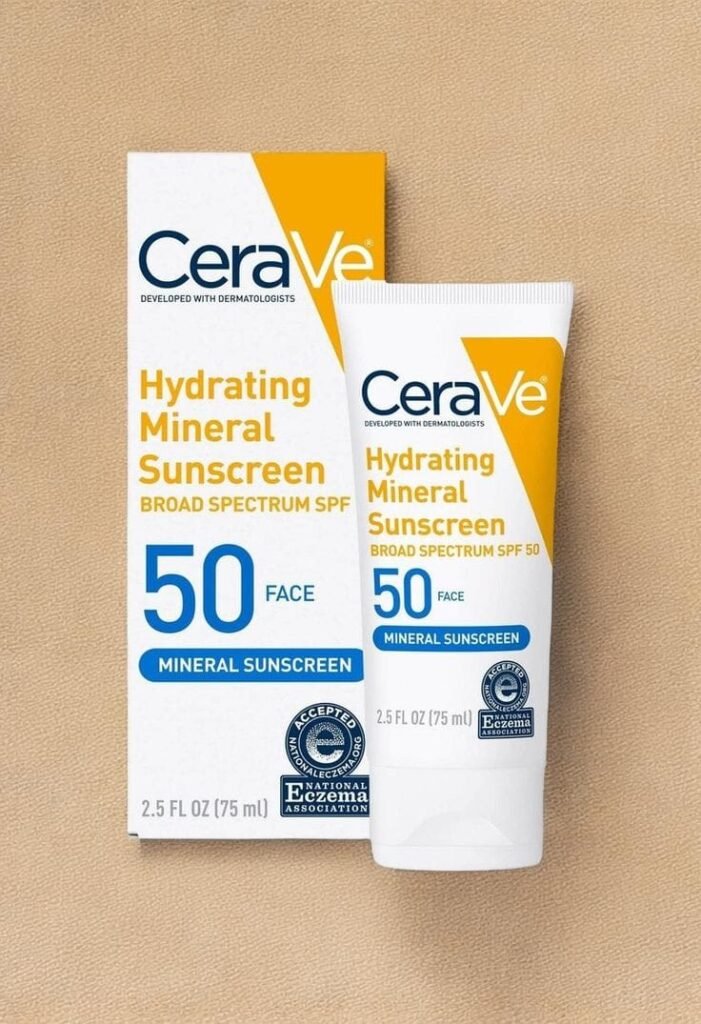
4. CeraVe Hydrating Mineral Sunscreen SPF 50: The Mineral Guard
UV rays behave differently depending on your “Geo-Location.” At higher altitudes, UV intensity increases significantly.
- The Science: 100% mineral-based with Titanium Dioxide and Zinc Oxide. Unlike chemical filters that can destabilize in extreme heat, mineral filters stay on the surface to reflect light.
- Climate Adaptation: It contains three essential ceramides (1, 3, 6-II) to lock in moisture while the zinc oxide acts as a physical barrier against wind and heat. This is a core component of Geo-Skincare—protecting the skin from the sun while simultaneously hydrating the parched layers underneath.
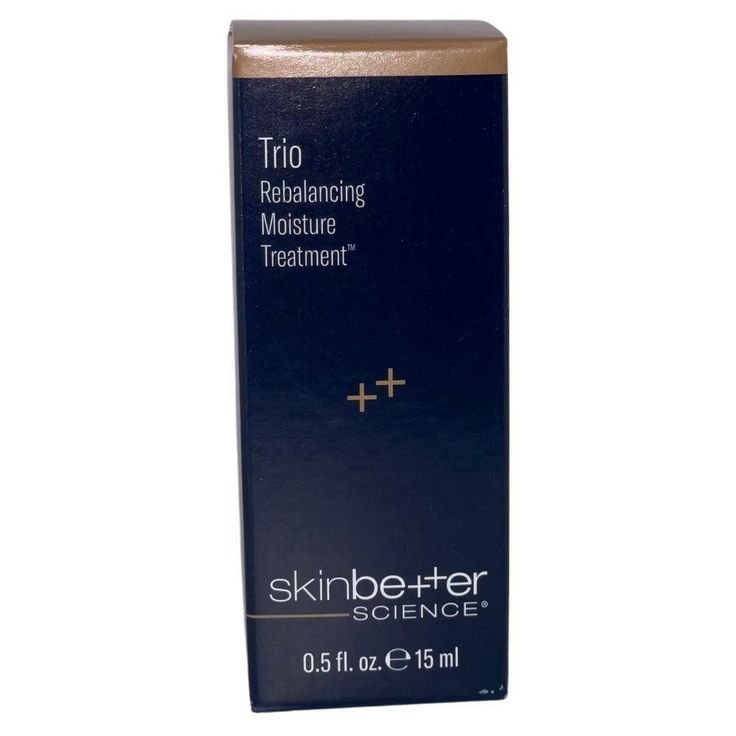
5. Skinbetter Science Trio Rebalancing Moisture Treatment: The Smart Hydrator
If your skin feels “confused”—oily in the morning and dry by evening—you are experiencing a climate-induced imbalance.
- The Science: Unlike traditional moisturizers that just sit on top, Trio uses a patented approach to bring moisture back to skin that is dry and dull due to environmental changes.
- Climate Adaptation: It is specifically engineered to support “Climate-Responsive Beauty.” It rebalances the skin’s Natural Moisturizing Factors (NMFs). If the environment is sucking the life out of your skin, Trio identifies which lipid levels are low and replenishes them specifically.
- Review Dermatica Insight: This is arguably the most advanced climate-adaptive skincare routine topper available for professional-grade results. Shop Skinbetter Science
Part 5: Advanced Science—How to “Geo-Hack” Your Routine
To truly master climate-adaptive skincare, you must understand the “Dew Point.” If the dew point is high, your hyaluronic acid serum will pull moisture from the air into your skin. If the dew point is very low (dry air), that same serum might actually pull moisture out of your skin.
At Review Dermatica, we suggest:
- Internal Link: Check out our previous guide on How to Repair a Damaged Skin Barrier to understand why humidity matters.
- Internal Link: Read our deep dive on The Science of PDRN in Modern Serums for cellular repair.
2026 Expert Precision Guide (The Big Three)
| Environmental Challenge & Ingredient Strategy | The Review Dermatica “Gold Standard” Suggestion |
1. The Urban Oxidative Shield Focus: Neutralizing smog and PM 2.5 particles that bypass traditional filters. | PDRN + Vitamin C Pairing: Use Salmon DNA (PDRN) to repair cellular damage while 15% L-Ascorbic Acid blocks external toxins. |
2. The Arid Altitude Solution Focus: Preventing “Flash-Drying” of the skin in low-humidity or high-altitude environments. | Multi-Weight Hyaluronic Acid + Squalane: Layering different molecular weights ensures hydration at every skin level, sealed by bio-identical Squalane. |
3. The Thermal-Stress Stabilizer Focus: Calming inflammation caused by rapid temperature shifts (Extreme heat to AC). | Exosomes & Centella Asiatica: Use Exosomes for rapid “cell-to-cell” communication to calm redness and repair the barrier in record time. |
Frequently Asked Questions: Climate-Adaptive Skincare
1. What exactly is a climate-adaptive skincare routine, and why is it trending?
A climate adaptive skincare routine is a personalized approach to skin health that prioritizes environmental factors—like humidity, UV index, and air quality—over static skin types. Traditional skincare ignores the fact that your skin behaves differently in the desert of Arizona than it does in the humidity of Miami. This trend is rising because of “Atmospheric Stress,” where extreme weather shifts in 2026 have made standard routines obsolete. At Review Dermatica, we believe your products should be as dynamic as the weather. For a deeper look at this shift, read our guide on The Death of the Static Skin Type.
2. How does "Geo-Skincare" differ from seasonal skincare?
While seasonal skincare suggests switching from a cream to a lotion in the summer, Geo-Skincare is much more precise. It analyzes the specific “Atmospheric Load” of your exact location, including PM 2.5 pollution levels and local mineral content in the water (Hard Water vs. Soft Water). It’s about “Geo-Hacking” your biology to ensure your barrier remains resilient against local pollutants. You can find more about how we analyze these coordinates in our research on Geo-Skincare and Urban Pollutants.
3. Can "Skin Streaming" actually replace a 10-step routine without losing results?
Yes, and often with better results. Skin Streaming is the 2026 evolution of minimalism, where you use fewer, but significantly higher-performance, multi-functional products. Instead of layering five different single-ingredient serums, you use one climate-responsive beauty formula that adapts to your environment. Over-layering in humid climates can actually trap bacteria and cause “Skin Burnout,” a topic we’ve covered extensively in our Skin Streaming vs. The 10-Step Routine analysis.
4. Why is "Climate Responsive Beauty" essential for urban dwellers?
Urban environments create a unique micro-climate filled with ozone (O3) and microscopic soot. These particles are often 20 times smaller than your pores, meaning they lodge deep into the dermis, causing rapid collagen breakdown. Climate-responsive beauty products create a “breathable shield” that prevents these particles from adhering to the skin. This is a core part of any modern climate-adaptive skincare routine. To see which ingredients block city smog best, check out our Anti-Pollution Ingredient Breakdown.
5. Does humidity affect how I should apply my moisturizer?
Absolutely. In high-humidity areas, your skin naturally retains more moisture, meaning heavy occlusives can lead to “Metropolitan Acne.” In dry climates, however, the air literally sucks the moisture out of your skin—a process called Transepidermal Water Loss (TEWL). A climate-adaptive skincare routine in a dry climate requires applying humectants (like Hyaluronic Acid) to damp skin and sealing it immediately. We’ve discussed this “Dew Point” science in our Moisture Locking Techniques feature.
6. Is climate-adaptive skincare safe for sensitive or reactive skin?
It is actually the best choice for sensitive skin. Most “sensitivity” in 2026 is actually a result of a damaged barrier struggling to cope with environmental shifts. By using climate-responsive beauty products, you are giving your skin the specific lipids it needs to defend itself, which reduces redness and inflammation. At Review Dermatica, we prioritize “Barrier-First” formulas for this very reason. Learn more about calming reactive skin in our Barrier Repair Protocol.
7. What are "Thermo-Adaptive" ingredients in 2026 skincare?
Thermo-adaptive ingredients are “smart” molecules that stabilize or activate based on temperature. For example, some modern polymers in sunscreens become more tightly packed when they sense heat, providing a more robust shield when the sun is at its peak. This is a revolutionary part of a climate-adaptive skincare routine. For a list of 2026’s top smart ingredients, visit our Smart Ingredient Database.
8. How often should I update my climate-adaptive routine?
Your routine should be as fluid as the forecast. While you don’t need new products every day, you should adjust your application based on the daily UV index and humidity. For instance, you might use two drops of oil on a dry, windy day but switch to a light mist during a humid heatwave. This is the heart of Climate Responsive Beauty. We offer a Weekly Weather Skincare Planner to help you track these changes.
Part 6: Conclusion—Your Skin, Your Environment
The transition to a climate-adaptive skincare routine is the ultimate act of self-care in a changing world. By embracing Skin Streaming and understanding the principles of Geo-Skincare, you stop fighting against nature and start working with it.
Don’t let your city dictate the health of your complexion. Whether you are searching for climate-responsive beauty solutions or reading the latest analysis on Review Dermatica, remember: your skin is an adaptive organ. Give it the tools it needs to thrive, no matter where you live.