Top 10 Dermatologist Skin Care Tips for Naturally Healthy & Glowing Skin
If you’ve ever felt confused about which skincare advice to trust, you’re not alone.
With thousands of influencers and endless product marketing, it’s easy to lose track of what really works. But dermatologists — the true skin experts — rely on science, research, and experience rather than trends.
In this guide, we’ll explore the top 10 dermatologist skin care tips that ensure real, long-lasting skin health. Each section features guidance from renowned dermatologists along with extra pro Dermatologist Skin Care tips to help you build a routine that truly works.
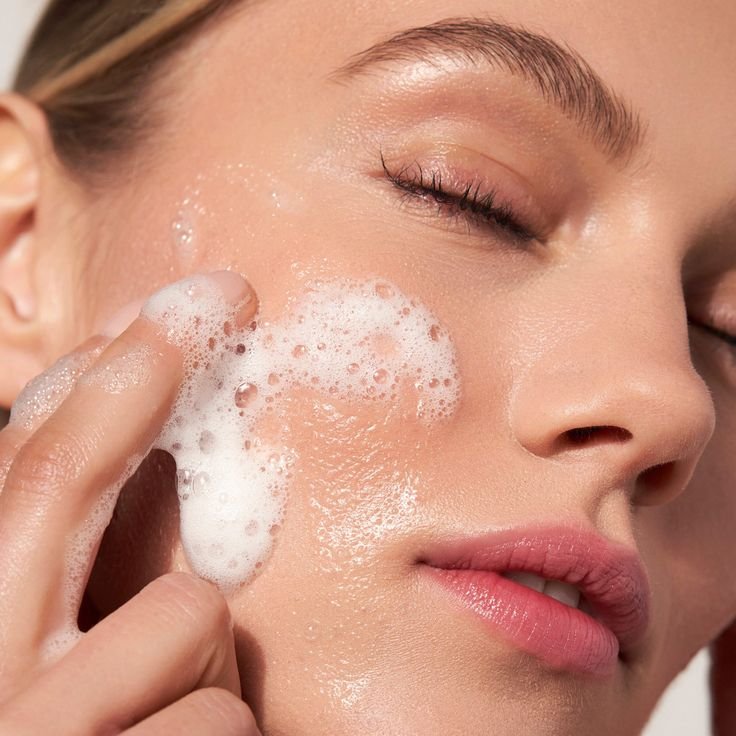
1. Start with a Gentle Cleanser — Not a Harsh One
Dr. Shereene Idriss, a New York–based dermatologist, says:
“Harsh cleansers strip the skin barrier and trigger irritation. Always choose a gentle, pH-balanced face wash that preserves your natural oils.”
Source: Harper’s Bazaar Interview
Extra Tip: Avoid cleansers that contain sulfates, alcohol, or artificial fragrance. Look for hydrating ingredients like ceramides or glycerin for a balanced, soft feel after washing. Dermatologist Skin Care
2. Sunscreen Is Non-Negotiable
Dr. Ava Shamban, founder of Skin Five Clinic, warns:
“Skipping sunscreen is the number one skincare mistake. UV rays damage collagen and cause premature aging, even indoors.”
Source: Allure Magazine
🧠 Extra Tip:
Use a broad-spectrum SPF 30+ daily, even when it’s cloudy. Reapply every 2–3 hours if you’re outside.
Mineral sunscreens (with zinc oxide or titanium dioxide) are ideal for sensitive skin.
3. Moisturize Every Day — Even for Oily Skin
Dr. Whitney Bowe, author of “The Beauty of Dirty Skin,” explains:
“Hydration keeps the barrier strong. When you skip moisturizer, your skin overproduces oil to compensate — leading to breakouts.”
Source: Book & Interview with Self Magazine
🧠 Extra Tip:
If your skin is oily, choose a light gel-based moisturizer with hyaluronic acid.
For dry skin, look for ceramide-rich creams that lock in moisture and repair micro-cracks.
4. Introduce Retinoids Slowly
Dr. Joshua Zeichner, Director of Cosmetic & Clinical Research at Mount Sinai, says:
“Retinoids are gold-standard anti-aging ingredients. But if you rush, you’ll get redness and peeling. Start slow.”
Source: Mount Sinai Health Research
🧠 Extra Tip:
🕐 Use retinol only 2–3 nights per week at the start to help your skin adjust.
💧 Follow with a rich, barrier-repairing moisturizer to minimize dryness or peeling.
- ⚠️ Avoid mixing retinol with acids (like AHA/BHA) on the same night — consistency matters more than strength.
5. Exfoliate, But Don’t Overdo It
Dr. Sandra Lee (Dr. Pimple Popper) cautions:
“Over-exfoliating weakens your barrier, causing irritation and breakouts. Two to three times a week is plenty.”
Source: Dr. Pimple Popper YouTube Channel
Extra Tip:
Derms always say gentle exfoliation over harsh scrubbing. Physical scrubs with rough particles can cause micro tears and long term skin sensitivity. Instead choose chemical exfoliants — they’re safer, more effective and derm approved.
For glowing skin glycolic acid (AHA) removes dull surface cells and boosts radiance. If you have acne prone or oily skin salicylic acid (BHA) goes deep into pores to clear oil and prevent breakouts.
Don’t exfoliate more than 2-3 times a week and never exfoliate with acids and retinol on the same night. Always apply a hydrating moisturizer after to keep your skin healthy, smooth and radiant. Dermatologist Skin Care.
6. Keep Your Routine Simple
Dr. Morgan Rabach, board-certified dermatologist at LM Medical NYC, recommends:
“A simple 3-step routine — cleanse, moisturize, protect — beats complicated routines that confuse your skin.”
Source: LM Medical NYC Blog
🧠 Extra Tip:
Stick to fewer, well-formulated products. Don’t mix actives randomly (like retinol + vitamin C) unless prescribed.
Minimalism keeps your skin calm and consistent.
7. Eat for Your Skin — Not Just for Taste
Dr. Michelle Henry, a dermatologist in New York, emphasizes:
“What you eat shows up on your skin. Nutrient-rich foods fight inflammation and slow aging.”
Source: Dermatology Times Interview
🧠 Extra Tip:
Doctors agree beautiful skin starts with good nutrition. What you eat affects collagen production, hydration and overall glow. Eat plenty of omega 3 rich fish, leafy greens, berries and nuts in your daily meals – these foods are packed with antioxidants and healthy fats that reduce inflammation and support skin elasticity. Dermatologist Skin Care.
On the other hand limit processed sugar and refined carbs as they trigger a process called glycation which breaks down collagen and speeds up visible aging. A diet rich in vitamins, minerals and healthy oils will give you a radiant, firm and youthful looking skin from the inside out. Dermatologist Skin Care.
8. Prioritize Sleep & Manage Stress
Dr. Mona Gohara, professor of dermatology at Yale, states:
“Sleep deprivation raises cortisol levels, leading to inflammation, acne, and dullness.”
Source: Yale School of Medicine Interview
🧠 Extra Tip:
Try to sleep 7–8 hours nightly.
Practice deep breathing or meditation before bed — your skin regenerates best while you rest.
9. Customize Products for Your Skin Type
Dr. Corey Hartman, Dermatologist Skin Care Wellness Center, explains:
“Dry, oily, or sensitive — every skin type needs tailored care. Don’t copy others blindly.”
Source: Skin Wellness Dermatology Blog
🧠 Extra Tip:
If you’re unsure of your skin type, consult a dermatologist.
Use non-comedogenic products if you’re acne-prone, and opt for fragrance-free formulas if your skin is sensitive.
10. Don’t Trust Every Social Media Trend
Dr. Marisa Garshick, Dermatologist Skin Care at MDCS Dermatology, warns:
“DIY lemon masks, toothpaste on acne, or soap bars for cleansing are myths — not skincare.”
Source: MDCS Dermatology Journal Interview
🧠 Extra Tip:
If something sounds “too good to be true,” it probably is. Stick to dermatologist-approved, science-backed methods, not viral hacks.
Bonus: When to See a Dermatologist
If you face persistent acne, pigmentation, eczema, or sudden breakouts, don’t rely on random remedies.
A professional dermatologist can identify hidden causes — from hormones to allergies — and prescribe effective treatments before permanent damage occurs.
Conclusion:
Following dermatologist skin care principles is the smartest investment you can make for your skin. Dermatologist Skin Care.
Healthy, radiant skin doesn’t come from expensive creams — it comes from consistency, balance, and expert guidance.
As Dr. Whitney Bowe puts it beautifully:
“Skin care isn’t vanity — it’s health care.”
Make these dermatologist-approved tips your everyday habit, and you’ll see a visible, lasting transformation from the inside out. Healthline