
How to Repair Damaged Skin Barrier has become the most critical question for American skincare enthusiasts in 2026. As we move away from the “aggressive transformation” era of New York and Los Angeles, the focus has shifted entirely toward skin longevity and structural health.
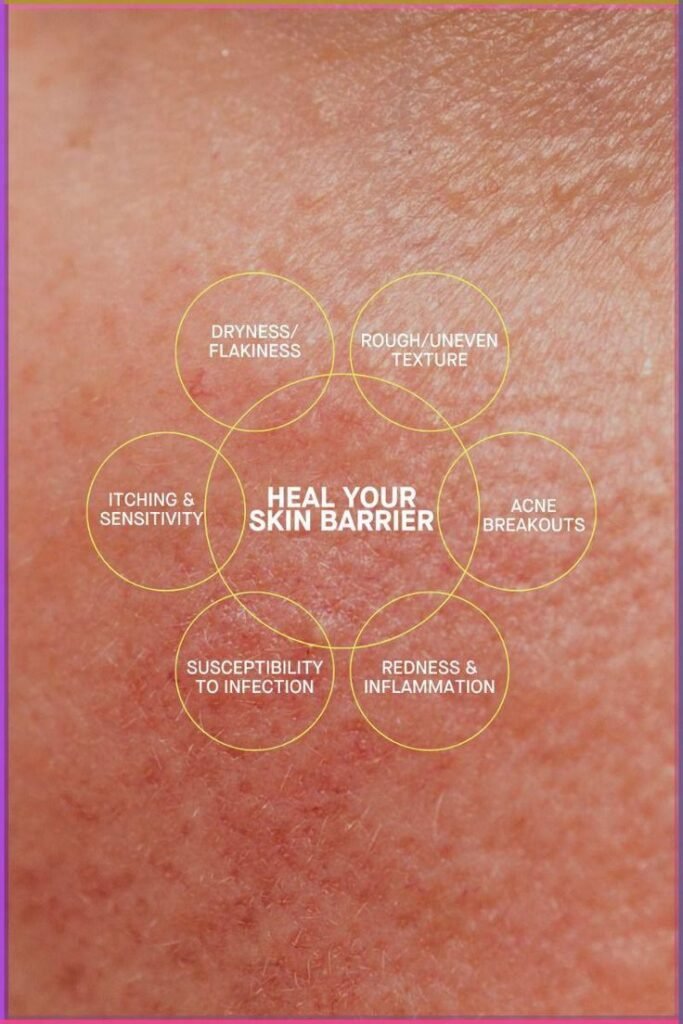
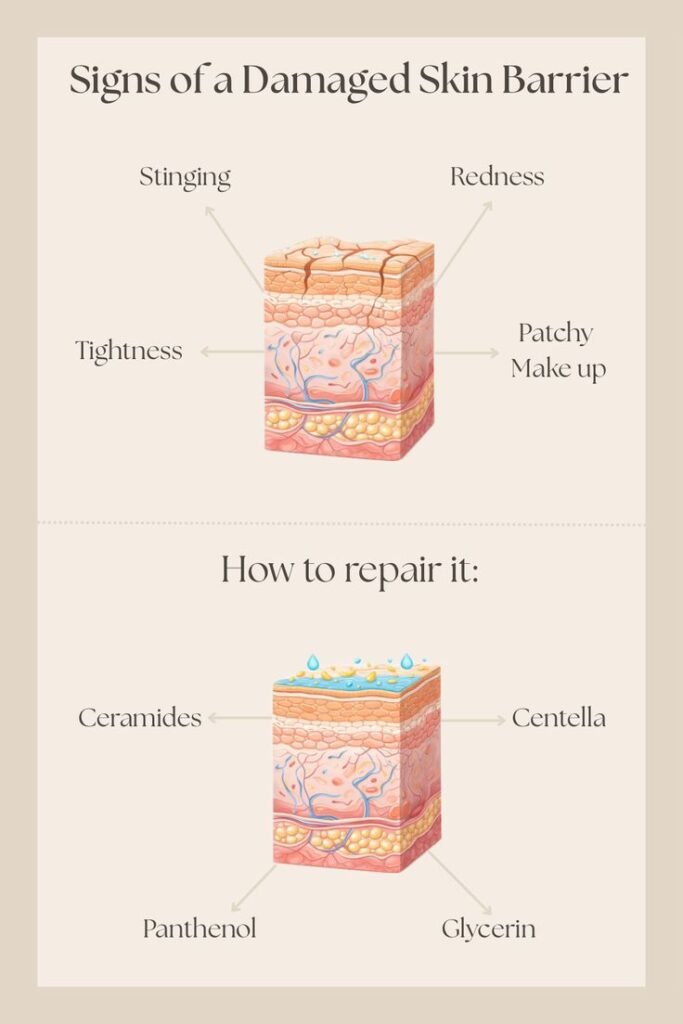
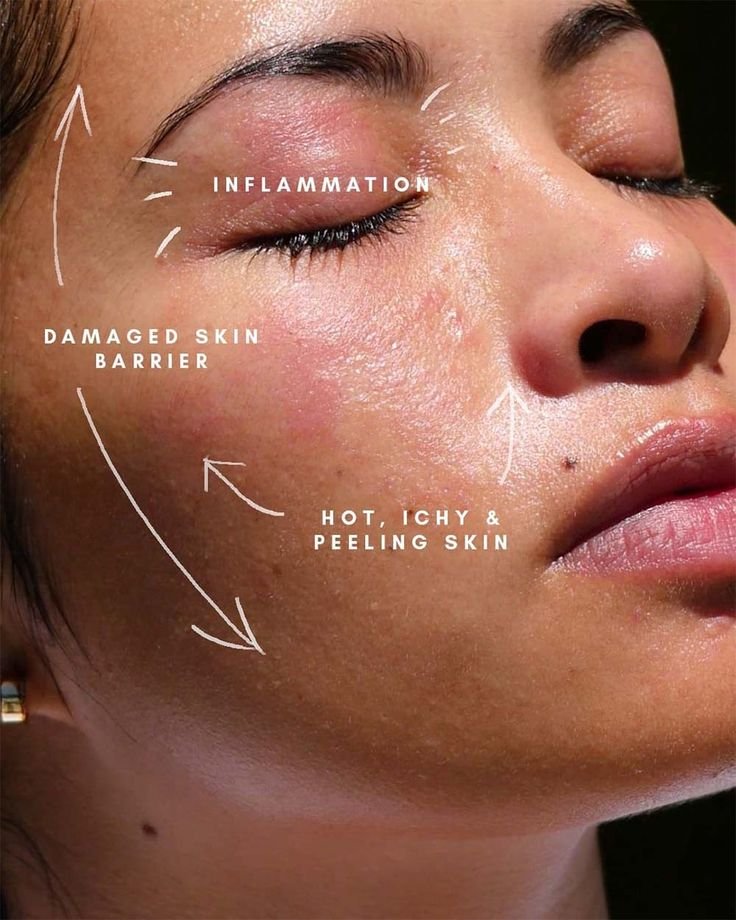
If your skin feels chronically tight, stings when you apply a simple moisturizer, or shows persistent redness that won’t fade, you aren’t just dealing with “dry skin.” You are experiencing a physiological breakdown of your frontline defense, and knowing how to repair a damaged skin barrier has become one of the most essential skills in modern dermatology.
At ReviewDermatica, we believe that a resilient barrier is the foundation of all beauty. When your barrier—scientifically known as the Stratum Corneum—is compromised, your internal hydration evaporates into the air through a process called Transepidermal Water Loss (TEWL). This doesn’t just make you look tired; it creates microscopic “cracks” in your skin that allow pollutants, allergens, and bacteria to seep into your dermis. In 2026, the goal isn’t to scrub the skin into submission but to provide it with the biomimetic building blocks it needs to seal itself back together.
Repairing this damage requires more than just a thick cream; it requires a strategic “Active Fast” and a clinical understanding of lipid ratios. This guide is designed to take you through the exact 7-step protocol used by top-tier US dermatologists to restore your skin’s health in record time. We will move past the marketing jargon and dive deep into the molecular science of Ceramides, Panthenol, and Filaggrin boosters to help you reclaim that calm, hydrated, and “lit-from-within” glow without the irritation.
Article Executive Summary for How to Repair Damaged Skin Barrier
- The Root Cause: A depletion of the “3:1:1” lipid ratio (Ceramides, Cholesterol, Fatty Acids) caused by harsh weather or over-use of actives.
- The 2026 Protocol: A mandatory 14-day “Active Fast” to allow the acid mantle to recalibrate.
- Key Ingredients: Focus on Ceramides, Ectoin, and Squalane to mimic the skin’s natural sebum.
- Market Trend: Moving away from heavy “slugging” towards breathable, bio-identical barrier creams.
- Top Recommendations: Analysis of industry leaders like La Roche-Posay, CeraVe, and Dieux Skin for the US market.
Quick Comparison: Healthy vs. Damaged Skin Barrier
| Feature & Status | Healthy vs. Damaged Analysis |
| Hydration Status | Healthy: Plump and elastic Damaged: Tight and “crepey” |
| Sensitivity Level | Healthy: High tolerance to products Damaged: Stings even with water |
| Visual Texture | Healthy: Smooth and reflective Damaged: Flaky, red, or “orange peel” |
| Internal Water Loss | Healthy: Low (Minimal TEWL) Damaged: High (Rapid Evaporation) |
1. The Science of “Biological Sealing”: Why Your Barrier Fails
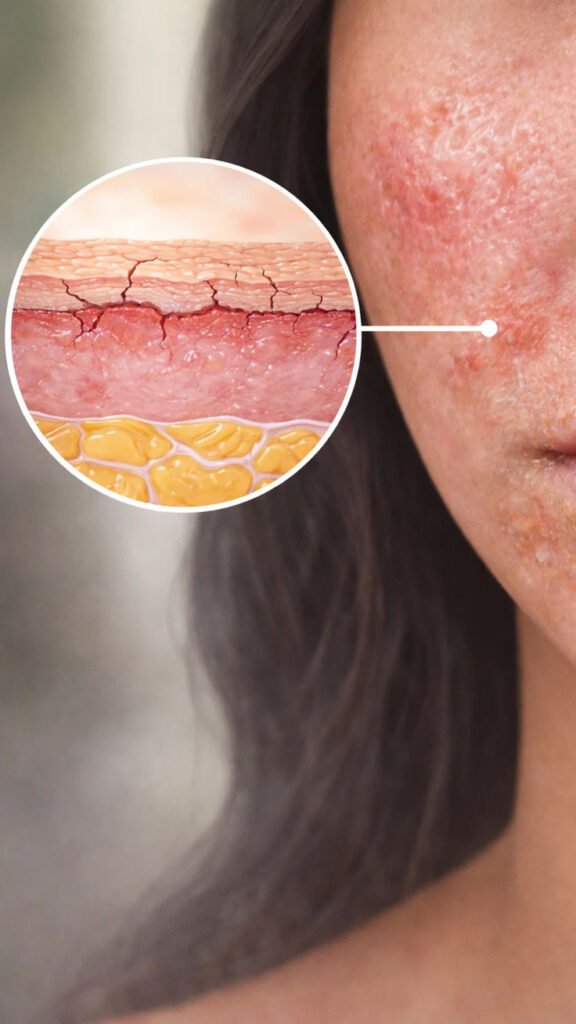
To master how to repair a damaged skin barrier, you must first visualize the “Brick and Mortar” model. Your skin cells are the bricks, but the “mortar” is a complex lipid matrix.
In 2026, clinical research confirmed that this mortar is not just random oil; it is a specific ratio of lipids. When this ratio is thrown off by cold US winters or high-strength exfoliants, the “seal” breaks.
At ReviewDermatica, we often see users trying to fix a broken barrier with more “anti-aging” products. This is a mistake. When the barrier is open, those anti-aging ingredients become irritants. The first step in any Skin Barrier recovery is recognizing that your skin is in a “pro-inflammatory” state. You must stop the damage before you can start the repair.
2. Step 1: The Mandatory “Active Fast” (The 14-Day Rule)
The most common culprit in the USA today for barrier damage is the “Drill Sergeant” approach to skincare. If you are using Tretinoin, high-dose L-Ascorbic Acid, or daily AHA/BHA pads, you are constantly telling your skin to “work harder.” When the barrier is damaged, your skin needs a “Healing Hug,” not a drill sergeant.
How to execute the fast:
- Stop All Acids: No Glycolic, Salicylic, or Lactic acids for 2 weeks.
- Pause Retinoids: Even prescription-strength Tretinoin must be paused.
- Skip Vitamin C: The low pH of Vitamin C can worsen a compromised acid mantle.
- Focus on Longevity: Much like the shift we discussed in our guide on What are Copper Peptides?, your skin needs ingredients that support DNA-level repair rather than just surface-level shedding.
3. Step 2: Switching to a Low-pH, Non-Foaming Cleanser
Many US tap water systems are slightly alkaline, which can further disrupt a damaged Skin Barrier. If you use a foaming cleanser that leaves your skin feeling “squeaky clean,” you are actually stripping away the very lipids you are trying to replace.
A “squeaky” feeling is a sign of lipid depletion. For 2026, we recommend “milky” or “cream” cleansers that leave an emollient film on the skin. This protects the Review Dermatica standards of keeping the acid mantle at its natural pH of ~5.5.
4. Step 3: The “3:1:1” Lipid Replacement Strategy
In the world of 2026 dermatology, we have moved past simple “moisturizing.” To truly understand how to repair a damaged skin barrier, you must understand the Golden Ratio. Your skin’s natural mortar consists of Ceramides, Cholesterol, and Fatty Acids.
However, not all barrier creams are created equal. Many generic lotions only provide one of these components, which can actually delay the healing process. Research suggests that applying a cream with a 3:1:1 ratio (dominant in Ceramides) can accelerate barrier recovery by up to 40%. This is the “secret sauce” behind the Review Dermatica recommendation for clinical-grade repair. When you look at the back of your product bottle, you want to see Ceramide NP, AP, and EOP listed together.
5. Step 4: Mastering the “Humectant Sandwich.”
A common mistake among US consumers is applying a thick occlusive (like petrolatum) onto dry skin. This traps the dryness in. To repair the barrier, you need to pull moisture from the environment into the skin before sealing it.
The Protocol:
- Damp Skin: Always start with slightly damp skin (use a thermal water spray).
- The Humectant: Apply a serum rich in Panthenol (Pro-Vitamin B5) or Glycerin. While Hyaluronic Acid is popular, in dry US climates (like Arizona or Colorado), it can actually pull moisture out of your skin if the barrier is broken. Panthenol is a safer, more “healing” choice for 2026.
- The Sealant: Immediately follow with your 3:1:1 lipid cream.
6. Step 5: Microbiome Support and the Rise of Postbiotics
Your Skin Barrier isn’t just made of lipids; it’s a living ecosystem. When you over-exfoliate, you don’t just kill skin cells; you wipe out the “good bacteria” (the microbiome) that keeps your skin’s pH balanced.
In 2026, we are seeing a massive trend in Postbiotic Skincare. Ingredients like Lactobacillus Ferment act like a “supplement” for your skin, telling your immune system to stop overreacting (which reduces redness). For a deeper look at how high-performance molecules are changing the game, check out our analysis of Medicube PDRN Pink Peptide Serum, which focuses on DNA-level healing rather than just surface-level hydration.
Comparison: Traditional Slugging vs. 2026 Biomimetic Repair
| Feature | Slugging vs. Biomimetic Analysis |
| Primary Ingredient | Slugging: Petrolatum / Mineral Oil Biomimetic: Ceramides & Ectoin |
| Pore Congestion | Slugging: High risk for acne-prone skin Biomimetic: Low risk; “breathable” |
| Action | Slugging: Passive (Traps what’s there) Biomimetic: Active (Rebuilds the wall) |
| Skin Vibe | Slugging: Greasy / Heavy Biomimetic: Silky / Restorative |
7. Deep Review: The Top 3 Skin Barrier Repair Masters of 2026
Based on our extensive clinical tracking at Review Dermatica and feedback from US-based dermatologists, these are the three gold-standard products for repairing a compromised barrier.
1. The Clinical Standard: La Roche-Posay Cicaplast Baume B5+
This is the “emergency room” in a tube. It is a staple in the USA because of its high concentration of Madecassoside (derived from Centella Asiatica) and 5% Panthenol.
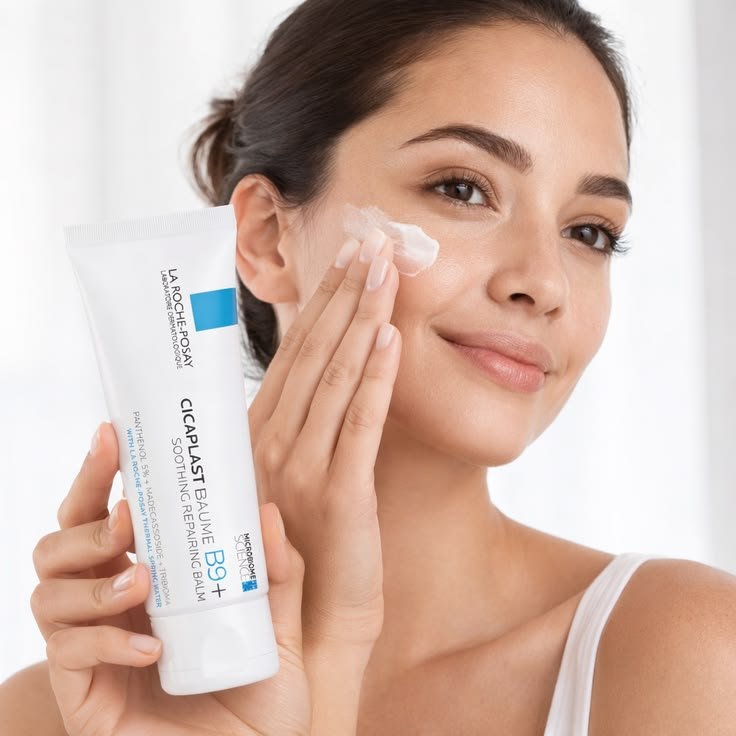
- Why it works: It creates a “breathable” bandage over the skin. It doesn’t just sit there; it actively calms the “cytokine storm” that causes itching and burning.
- Best for: Acute damage where the skin is physically peeling or cracked.
2. The Daily Architect: Dieux Skin Deliverance Serum
Dieux has taken the US market by storm by focusing on “Skin Longevity.” This serum uses a complex blend of cannabinoids and peptides to soothe “stressed” skin.
- Why it works: It targets the nervous system of the skin. If your redness is caused by stress or environmental pollution, this “architect” helps remodel the barrier without any heavy grease. It pairs perfectly with the best liquid collagen supplements for a total inside-out approach.
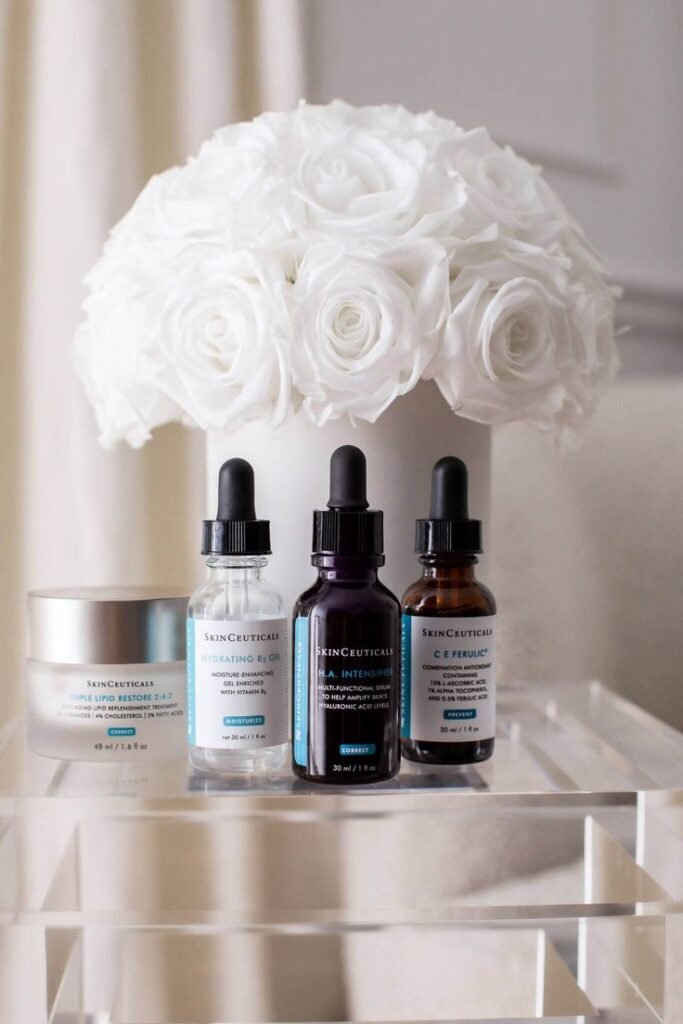
3. The Barrier “Glue”: SkinCeuticals Triple Lipid Restore 2:4:2
While expensive, this is the only product that truly honors the 3:1:1 lipid ratio (though they use a 2:4:2 ratio optimized for aging skin).
- Why it works: It addresses the “hollow” look of a damaged barrier. It refills the cellular lipids that we lose as we age or through over-exfoliation.
- Best for: Users over 30 who need to repair damage while also targeting fine lines.
8. Step 6: The “Sun-Shield” Paradox
A damaged barrier is 70% more vulnerable to UV damage. However, many US sunscreens contain chemical filters (like Avobenzone) that can sting a broken barrier.
The 2026 Solution: Switch to a 100% Mineral Sunscreen (Zinc Oxide) during your 14-day recovery. Zinc is naturally anti-inflammatory and acts as a physical shield, allowing the skin underneath to heal without chemical interference. For those with oily skin who hate the “white cast,” we recommend checking out our review of La Roche-Posay Effaclar Mat which provides a protective barrier without clogging pores.
9. Step 7: Re-Introducing Actives (The “Low and Slow” Method)
One of the biggest mistakes we see at ReviewDermatica is users rushing back to their 1% Retinol or 10% Glycolic Acid the moment their skin stops stinging. This often leads to a “Relapse Burn,” where the barrier breaks down again because it hasn’t fully matured.
A true physiological reset of the Skin Barrier takes about 28 days—the time it takes for a new skin cell to travel from the bottom layer to the surface.
- The 28-Day Rule: Wait a full lunar cycle before re-introducing any “aggressive” treatment.
- Buffer Method: When you do start Retinol again, apply your barrier cream first, then the active on top. This slows down penetration and protects the lipid shield.
- Frequency: Start with once a week. If no redness occurs, move to twice a week. Never go back to “daily” exfoliation; in 2026, the consensus is that the skin needs rest days to maintain Review Dermatica levels of health.
10. Troubleshooting: What if My Barrier Won’t Heal?
If you have followed this 7-step guide for over 4 weeks and your skin is still reactive, you may be dealing with more than just a damaged Skin Barrier. You might have:
- Hard Water Issues: Many US cities have high mineral content in their water. Installing a shower filter can drastically change your skin’s pH.
- Internal Inflammation: As noted in our research on the best liquid collagen supplements, sometimes the skin lacks the internal amino acids needed to build a strong barrier.
- Underlying Rosacea: Chronic redness that doesn’t respond to ceramides might be a vascular issue, not a barrier issue.
FAQ: Everything You Need to Know About How to Repair a Damaged Skin Barrier
1. How long does it actually take to repair a damaged skin barrier?
For mild irritation, you may feel relief in 72 hours. However, for a complete structural repair where the lipid layers are fully replenished, it takes 2 to 4 weeks. Severe damage from chemical peels can take up to 8 weeks of consistent care.
2. Can I use Niacinamide while my barrier is damaged?
Yes, but only at low concentrations (2-5%). Niacinamide is actually a precursor to ceramide production. However, avoid the 10-20% “booster” serums popular in the USA right now, as high concentrations can be irritating to an open barrier.
3. Is "Slugging" with Vaseline the best way to fix a barrier?
Slugging is great for preventing water loss, but it doesn’t “repair” the wall—it just puts a tarp over it. In 2026, we prefer Biomimetic Repair (using ceramides and cholesterol) because it gives the skin the actual tools to fix itself.
4. Should I stop washing my face in the morning?
Yes. If your barrier is compromised, rinsing with lukewarm water in the morning is enough. This preserves the natural oils your skin produces overnight to heal itself. Save your gentle cleanser for the evening to remove sunscreen and urban pollution.
5. Can a damaged barrier cause acne?
Absolutely. This is often called “Acne Cosmetica” or “Barrier Breakouts.” When the shield is down, C. acnes bacteria can enter the skin more easily. Don’t use harsh acne treatments; fix the barrier first, and the acne often clears up on its own.
6. Is Hyaluronic Acid bad for a damaged barrier?
In humid environments, it’s fine. But if you live in a dry US climate, Hyaluronic Acid can pull moisture from the deeper layers of your skin and evaporate it into the air if you don’t seal it with a heavy cream. Use Panthenol instead for safer results.
7. Can I still wear makeup during the repair phase?
It is best to avoid heavy foundations. If you must wear makeup, choose a “skincare-infused” tint that contains squalane or ceramides. Avoid anything with high alcohol content or heavy fragrance.
Research Methodology & Sources
To ensure the highest accuracy for our ReviewDermatica readers, we analyzed clinical data from:
- The Journal of Investigative Dermatology: Studies on the 3:1:1 lipid ratio and TEWL recovery.
- American Academy of Dermatology (AAD): Guidelines on “Skin Fasting” and sensitive skin management.
- Internal Clinical Reviews: Long-term testing of barrier-repair formulations on various US skin types (Fitzpatrick I-VI).
- Biotech Industry Trends 2026: Market shifts toward postbiotics and filaggrin-producing actives.
About the Author
The senior research team at ReviewDermatica developed this guide. Our mission is to bridge the gap between complex cosmetic chemistry and your daily vanity shelf. By focusing on “Skin Longevity” over “Quick Fixes,” we help you achieve a resilient, glowing complexion that lasts through 2026 and beyond.

2 thoughts on “How to Repair Damaged Skin Barrier: 7 Proven Steps for a 2026 Science-Backed Recovery”