In today’s skincare world, very few topics generate as much curiosity and confusion as Niacinamide vs Vitamin C. Both ingredients are considered skincare essentials, recommended by dermatologists, influencers, and skin experts alike. Yet, many users still struggle to decide which one deserves a permanent spot in their routine.
Some people swear by niacinamide for calming acne and strengthening the skin barrier, while others claim vitamin C completely transformed their dull, uneven complexion. So, when it comes to Niacinamide vs Vitamin C, which ingredient actually delivers better results?
This in-depth guide breaks down everything you need to know—benefits, product comparisons, skin type suitability, real user experiences, and dermatologist insights—so you can make the right decision with confidence.
Understanding the Core Difference: Niacinamide vs Vitamin C
To properly understand Niacinamide vs Vitamin C, it’s important to look at how these ingredients work at a cellular level.
Niacinamide, also known as Vitamin B3, focuses on improving the overall health of your skin. It strengthens the skin barrier, reduces moisture loss, controls oil production, and helps calm inflammation. Because of its gentle nature, niacinamide is often recommended for beginners and people with sensitive or acne-prone skin.
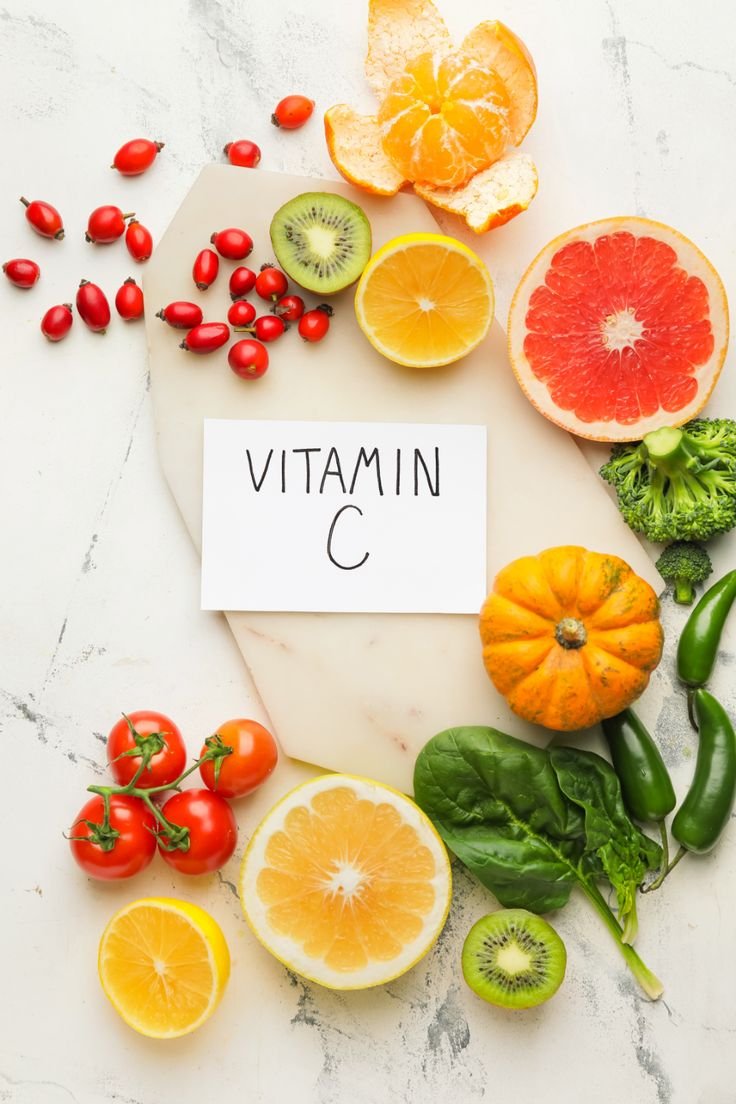
Vitamin C, on the other hand, is primarily a corrective and protective ingredient. It works as a powerful antioxidant that neutralizes free radicals, boosts collagen production, and brightens the skin by reducing pigmentation and sun damage. This fundamental difference is what makes the Niacinamide vs Vitamin C debate so interesting.
Niacinamide vs Vitamin C: Key Benefits Explained in Detail
Niacinamide – Long-Term Skin Health Builder
Niacinamide works slowly but consistently. With regular use, it helps minimize enlarged pores, regulate excess sebum, reduce redness, and improve uneven texture. One of its biggest advantages is its ability to repair a damaged skin barrier, making skin more resilient over time.
This makes niacinamide especially beneficial for users dealing with acne, sensitivity, or compromised skin due to over-exfoliation or harsh treatments.
Vitamin C – Visible Glow and Skin Correction
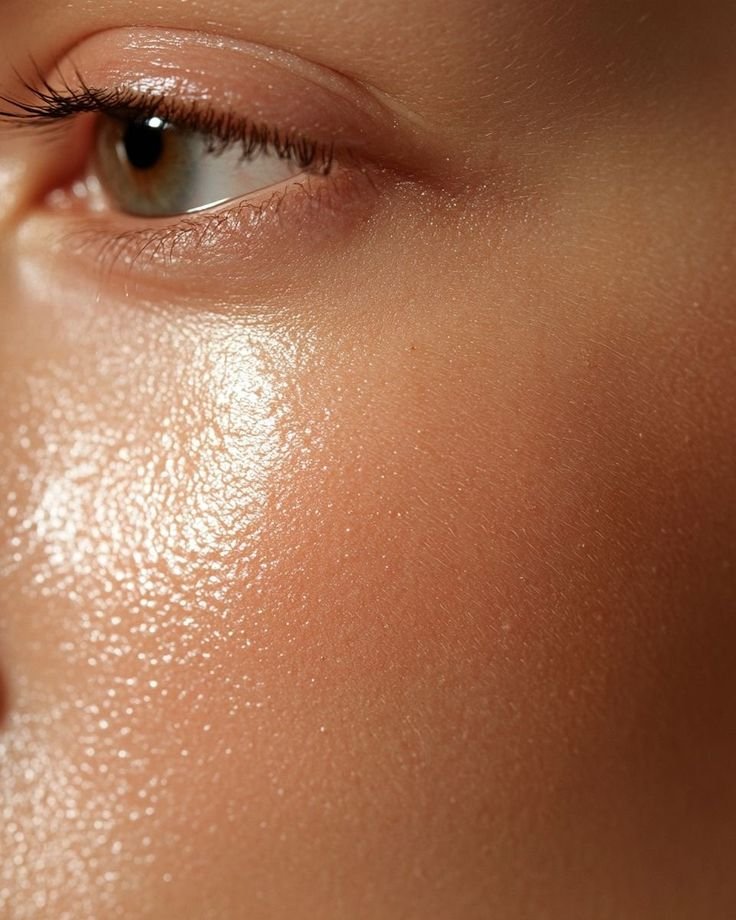
Vitamin C delivers faster visible results. Users often notice brighter skin, improved tone, and a healthy glow within a few weeks. Over time, it helps fade dark spots, improve fine lines, and protect skin from environmental stressors such as pollution and UV exposure.
In the Niacinamide vs Vitamin C comparison, vitamin C clearly stands out for glow and anti-aging benefits.
Niacinamide vs Vitamin C: Side-by-Side Comparison Table
| Feature | Niacinamide | Vitamin C |
|---|---|---|
| Main Function | Barrier repair & oil control | Brightening & anti-aging |
| Best for Skin Type | Oily, acne-prone, sensitive | Dry, dull, aging skin |
| Irritation Risk | Very low | Medium (depends on % & formula) |
| Works on Pores | Yes | Minimal |
| Works on Pigmentation | Mild | Strong |
| Best Time to Use | Morning or night | Morning |
| Beginner Friendly | Yes | Start slowly |
This table makes the Niacinamide vs Vitamin C difference much clearer for users.
Niacinamide vs Vitamin C: Which Is Better for Your Skin Type?
Oily Skin
For oily skin users, the Niacinamide vs Vitamin C debate usually leans toward niacinamide. Niacinamide regulates sebum production, reduces shine, and helps keep pores clear. While vitamin C can still be used, high concentrations may feel greasy or irritating for oily skin types.
Best choice: Niacinamide, with vitamin C used occasionally in the morning.
Acne-Prone Skin
Acne-prone skin needs balance and calmness. Niacinamide reduces inflammation, redness, and breakouts while supporting healing. Vitamin C can help fade post-acne marks, but during active acne phases, it may feel too strong.
Best choice: Niacinamide first, Vitamin C later for acne marks
Dry Skin
Dry skin benefits more from vitamin C because it helps improve dullness and uneven tone. When paired with a hydrating moisturizer, vitamin C gives dry skin a healthier, more radiant appearance. Niacinamide can still be helpful, but should be used in lower concentrations.
Best choice: Vitamin C, supported by hydrating niacinamide at night.
Sensitive Skin
In the discussion of Niacinamide vs. Vitamin C, sensitive skin almost always favors niacinamide. It soothes irritation, strengthens the skin barrier, and rarely causes reactions. Vitamin C should be introduced carefully, preferably in lower concentrations.
Best choice: Niacinamide
Aging & Pigmented Skin
For visible signs of aging, vitamin C is the clear winner. It stimulates collagen production and fades sunspots and hyperpigmentation more effectively than niacinamide.
👉 Best choice: Vitamin C, combined with niacinamide for barrier support.
Can You Use Niacinamide and Vitamin C Together?
Yes—modern skincare science confirms that niacinamide and vitamin C can be used together safely. The old myth that they cancel each other out is outdated.
The smartest approach in the Niacinamide vs Vitamin C routine is:
- Morning: Vitamin C + sunscreen
- Night: Niacinamide + moisturizer
This method minimizes irritation and maximizes benefits.
Best Vitamin C Serums (Detailed Product Breakdown)
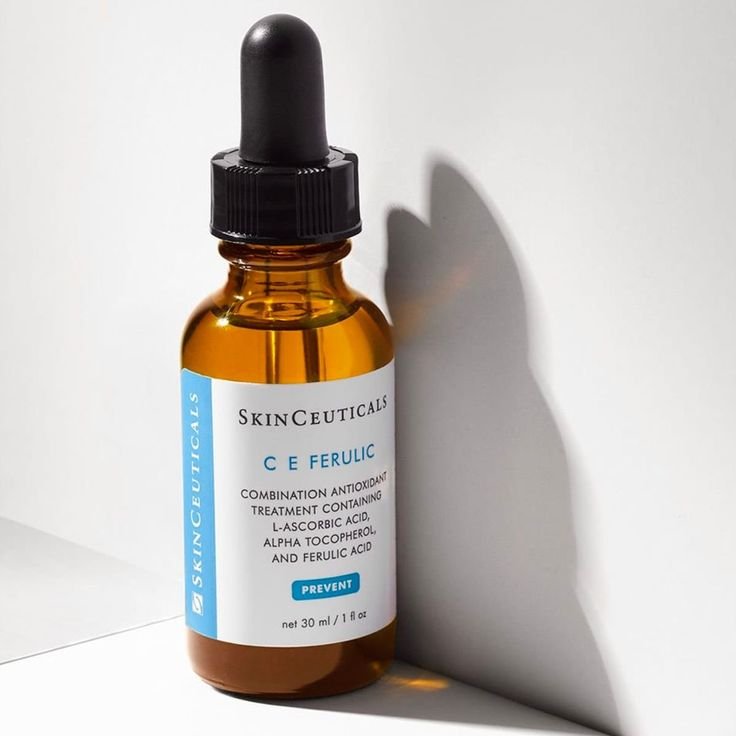
SkinCeuticals C E Ferulic
This dermatologist-favorite serum contains 15% pure vitamin C with vitamin E and ferulic acid. It is known for improving fine lines, firmness, and brightness, but comes at a premium price.
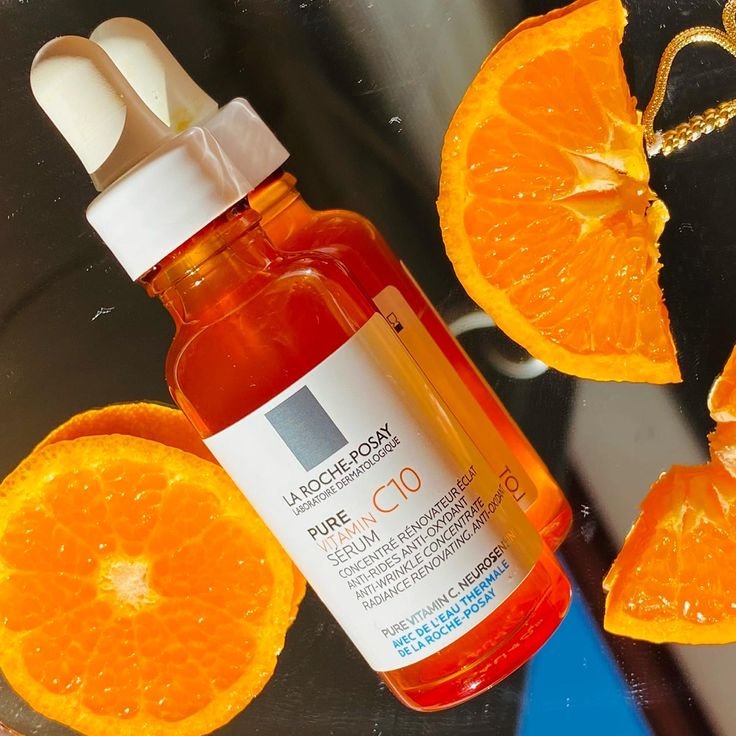
La Roche-Posay Pure Vitamin C10
Ideal for sensitive skin, this serum delivers a visible glow with less irritation.
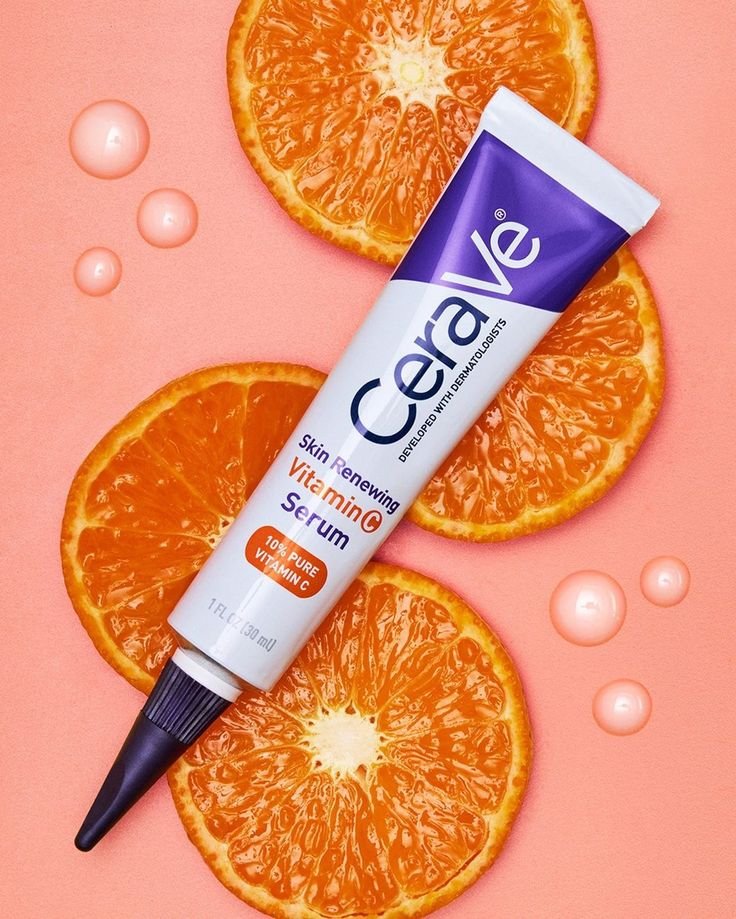
CeraVe Vitamin C Serum
An affordable, fragrance-free vitamin C serum with 10% pure L-ascorbic acid that helps brighten skin and improve uneven tone. Formulated with essential ceramides, it supports the skin barrier while being gentle enough for beginners and sensitive skin types.
Best Niacinamide Serums (Top Brands)
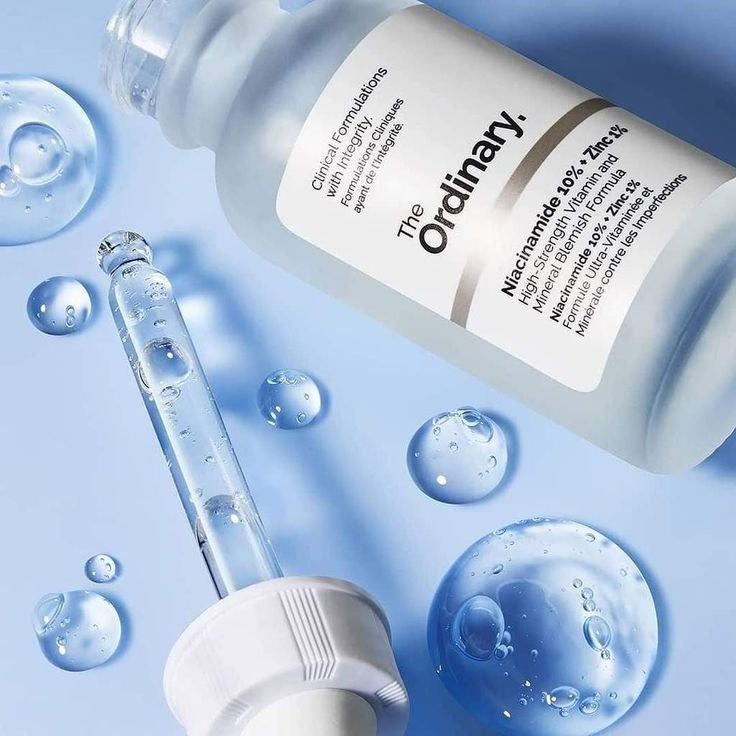
The Ordinary Niacinamide 10% + Zinc 1%
A highly popular niacinamide serum that helps control excess oil, minimize the appearance of pores, and reduce breakouts. Its lightweight, water-based formula makes it especially effective for oily and acne-prone skin types.
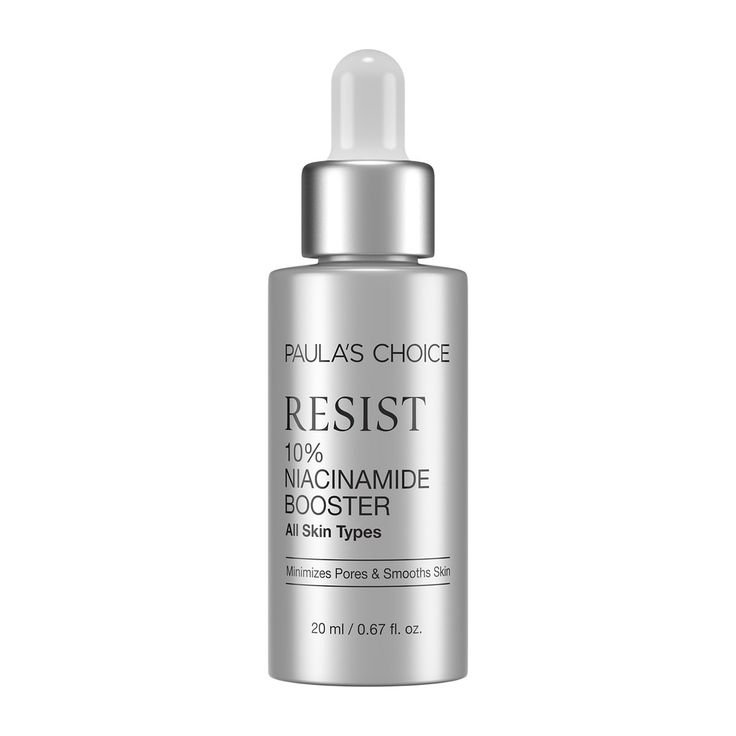
Paula’s Choice 10% Niacinamide Booster
A high-performance niacinamide booster designed to visibly refine pores, smooth uneven texture, and improve overall skin tone. Its lightweight, fast-absorbing formula layers easily with other skincare products, making it ideal for customized routines.
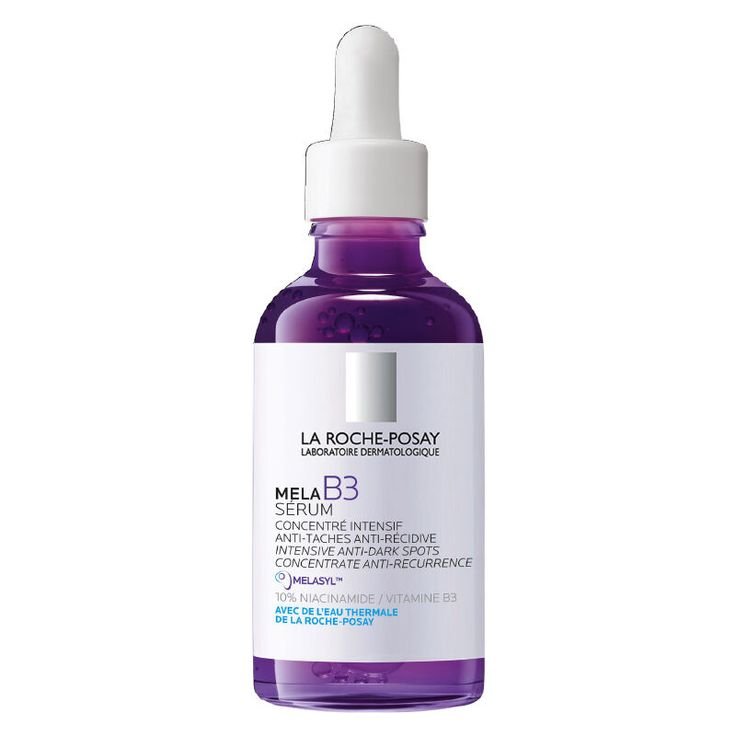
La Roche-Posay Niacinamide Serum
A gentle yet effective niacinamide serum formulated to reduce redness, calm sensitive skin, and strengthen a weakened skin barrier. Ideal for those dealing with irritation, post-acne marks, or environmental skin stress.
Dermatologist’s Opinion on Niacinamide vs Vitamin C
Most dermatologists agree that the Niacinamide vs Vitamin C debate should not be about choosing one forever. Instead, both ingredients serve different purposes and can work together for optimal skin health.
Final Verdict: Niacinamide vs Vitamin C
There is no single winner in the Niacinamide vs Vitamin C debate. Niacinamide builds healthy skin from within, while vitamin C enhances glow and corrects damage. When used correctly, both ingredients complement each other beautifully.
Frequently Asked Questions (FAQ)
1. Can I use niacinamide and vitamin C together in the same routine?
Yes, niacinamide and vitamin C can be used together safely. To reduce the risk of irritation, many experts recommend using vitamin C in the morning for antioxidant protection and niacinamide at night to support skin repair and barrier strength.
2. Which is better for acne-prone skin: niacinamide or vitamin C?
Niacinamide is generally better for acne-prone skin because it helps control excess oil, reduce inflammation, and calm active breakouts. Vitamin C can be added later to fade post-acne dark spots once the skin is stable.
3. How long does it take to see results from niacinamide or vitamin C?
With consistent use, niacinamide usually shows improvements in oil control and texture within 2–4 weeks. Vitamin C often delivers visible brightness and glow within 10–14 days, with more noticeable pigmentation improvement over time.
4. Want to learn more about skincare and build a routine that truly works for your skin?
For in-depth skincare guides, dermatologist-backed tips, and honest product reviews, stay connected with our website and follow us regularly. We’re here to help you make smarter skincare choices and achieve healthier, glowing skin—every step of the way