PDRN vs Retinol for Anti-Aging is the defining skincare debate of 2026, signaling a shift from aggressive exfoliation to cellular regeneration. For decades, Retinol was the ‘gold standard,’ but advances in DNA repair science have positioned PDRN (Polydeoxyribonucleotide) as a powerful challenger.
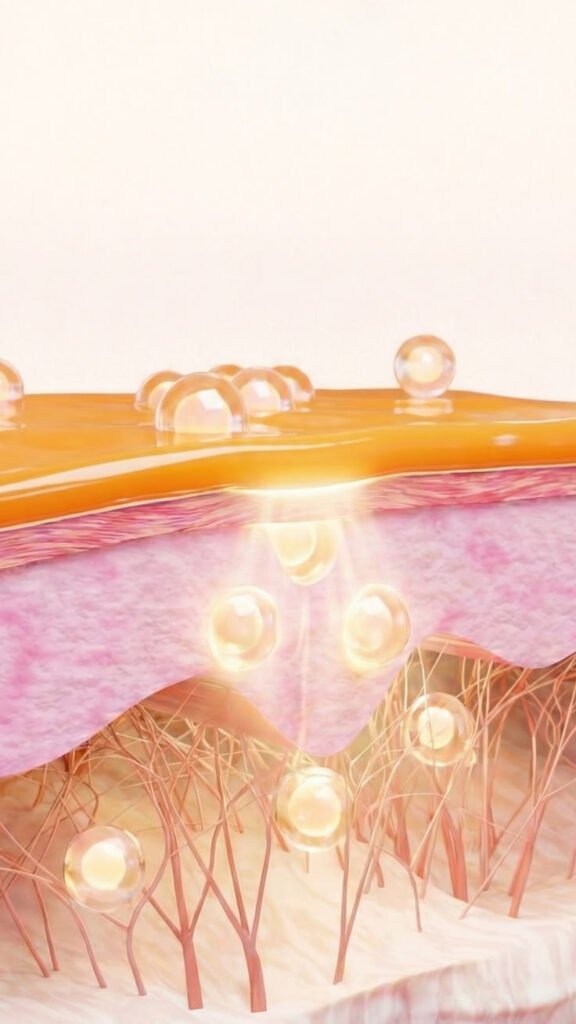
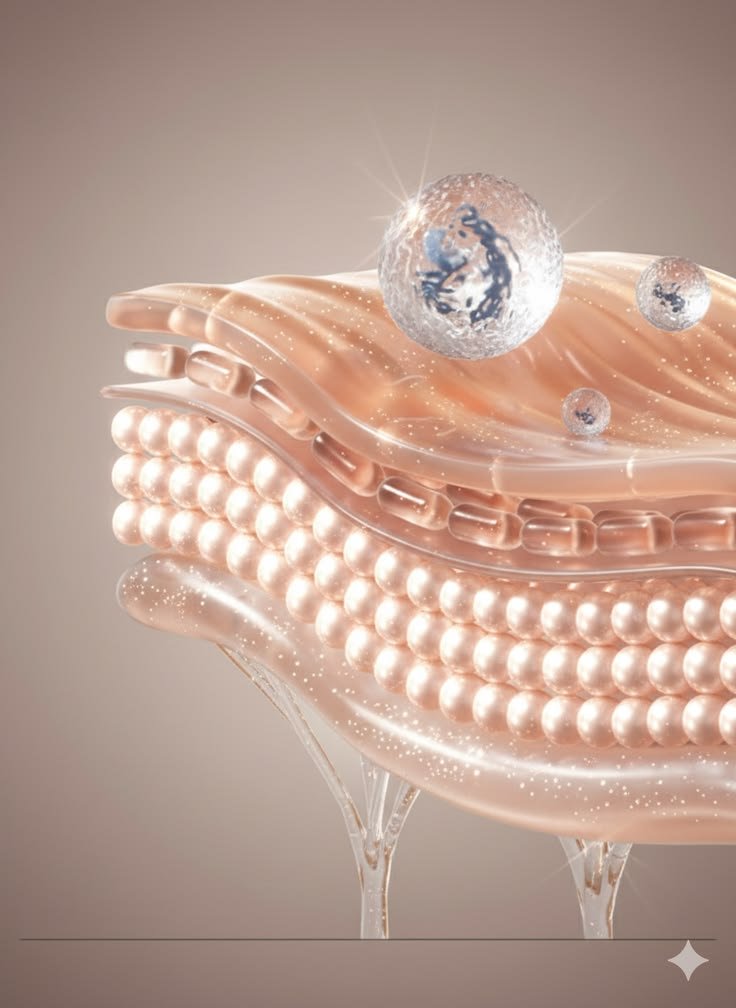
At Review Dermatica, we’ve spent months tracking the molecular performance of these two powerhouses to help you decide which path your skin should take.
The core of this evolution lies in how we perceive aging. While Retinol Skincare focuses on “out with the old, in with the new” by forcing cell turnover, PDRN Skincare focuses on “healing the old to make it young again.”
This distinction is vital for those dealing with chronic inflammation or a compromised skin barrier, where traditional Vitamin A treatments might do more harm than good.
In this comprehensive analysis, we will bridge the gap between clinical dermatology and at-home vanity. Whether you are a devotee of the SkinCeuticals C E Ferulic looking for the next step or a beginner confused by the “Salmon DNA” buzz, this guide provides the scientific roadmap you need.
We will break down the 6 best serums on the market, compare the raw data, and provide a verdict based on real-world clinical outcomes.
Executive Summary: The 2026 Verdict at a Glance
Don’t have 20 minutes to read? Here is the Review Dermatica snapshot:
- Retinol is best for resurfacing, deep wrinkle correction, and acne-prone skin. It requires a “purging” period and strict sun protection.
- PDRN is best for DNA repair, skin thickening, and sensitive types. It has zero downtime and works synergistically with the best liquid collagen for structural support.
- The Winner: For 2026, the trend is “Cycling”—using Retinol to resurface and PDRN to regenerate.
Head-to-Head: PDRN vs Retinol Comparison
| Feature | PDRN vs Retinol Comparison |
|---|---|
| Retinol (Vitamin A) | Speeds up cell turnover |
| PDRN (Salmon DNA) | Stimulates DNA repair & healing |
| Downtime | Retinol: High (Redness, Peeling) / PDRN: Zero (Soothing) |
| Best For | Retinol: Texture, Acne, Deep Lines / PDRN: Thin skin, Elasticity, Redness |
| 2026 Trend | Retinol: Traditional Anti-Aging / PDRN: Regenerative Bio-Hacking |
| Compatibility | Retinol: Avoid with Acids / PDRN: Pairs well with Copper Peptide |
What is PDRN? The Scientific “Salmon DNA” Breakthrough
PDRN, or Polydeoxyribonucleotide, is a mixture of deoxyribonucleotides derived from a controlled purification process of Salmon sperm DNA. Why salmon? Salmon DNA is surprisingly similar to human DNA. According to research published on PubMed (NCBI), PDRN acts on A2A adenosine receptors.
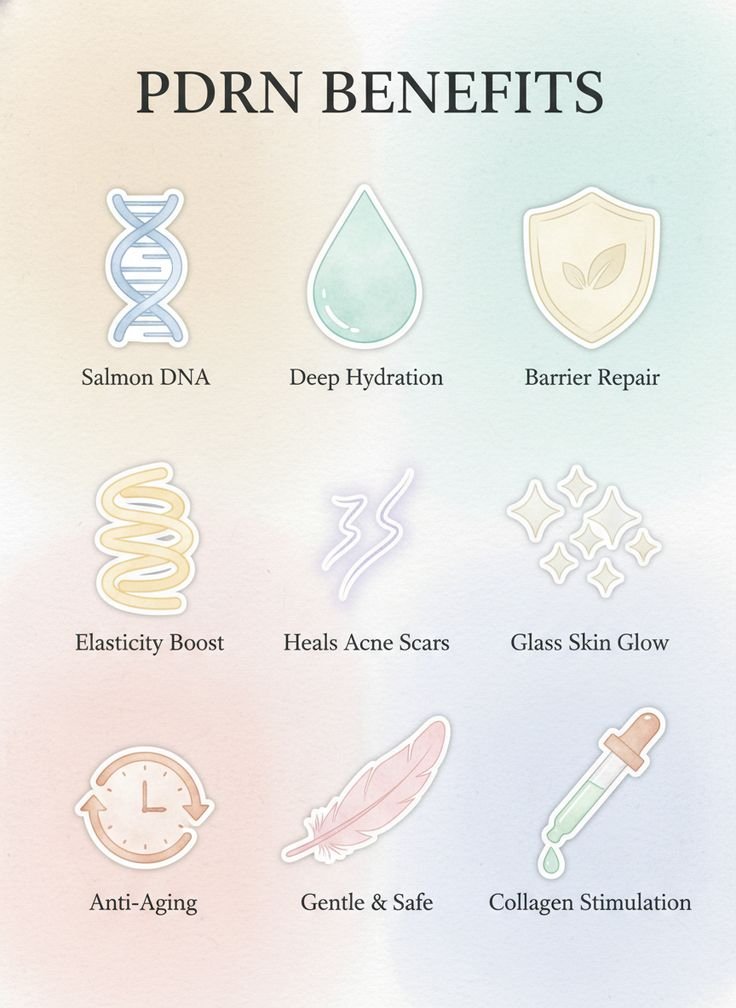
In human terms, it’s like sending a specialized repair crew to a damaged construction site. Instead of just tearing down the building (like Retinol), PDRN provides the blueprints and materials to fix the cracks in your DNA caused by UV radiation and aging. This is the cornerstone of the best PDRN serum formulations today.
What is Retinol? The Vitamin A Powerhouse
Retinol is a derivative of Vitamin A that converts into Retinoic Acid once it hits the skin. The American Academy of Dermatology (AAD) has long recognized it as the most effective over-the-counter ingredient for collagen synthesis.
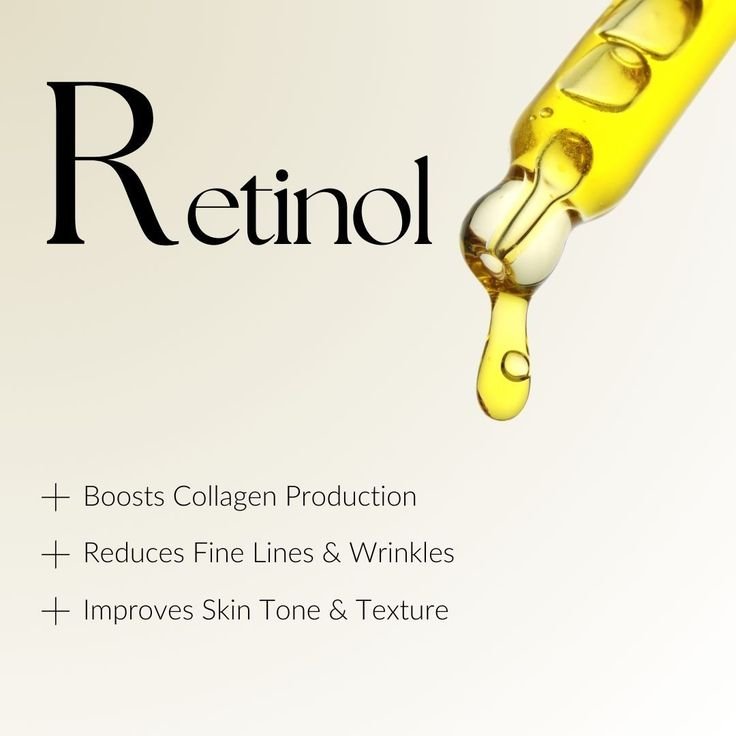
Technically, it works by increasing the proliferation of keratinocytes. It forces your skin to shed dead layers faster. However, this aggressive “turnover” can be stressful. If you live in harsh environments, you must pair it with a climate-adaptive skincare routine to prevent chronic dehydration.
The 3 Best Retinol Serums for 2026
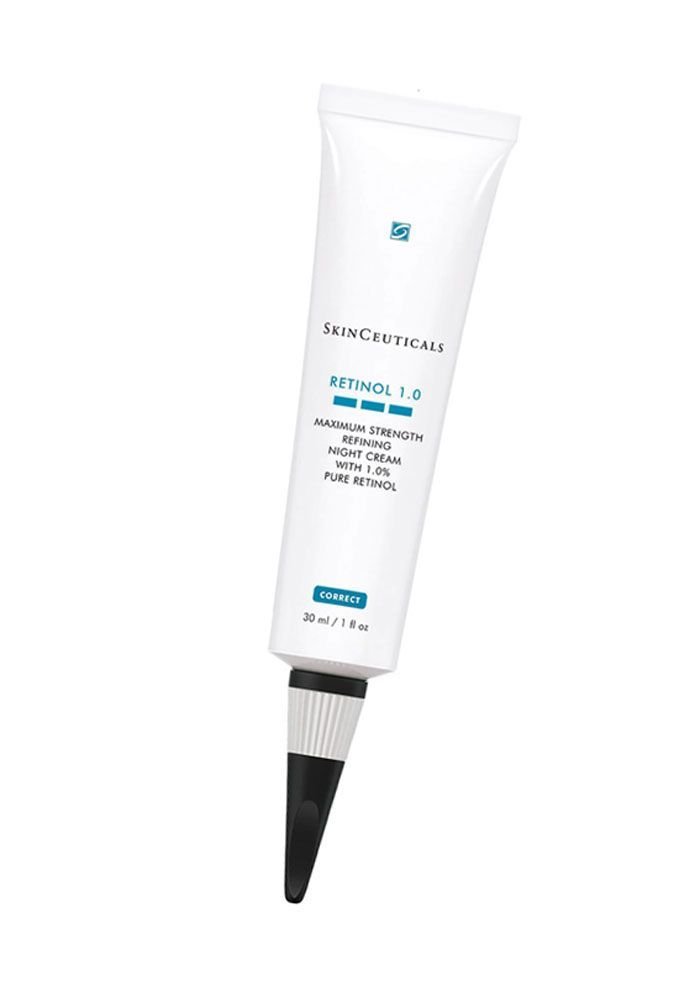
1. SkinCeuticals Retinol 1.0
This is the “Special Ops” of Retinol. It is a high-concentration, pure retinol treatment that uses a sophisticated delivery system to ensure the ingredient reaches the target depth before activating.
- How it works: It utilizes a “slow-release” encapsulation. This is crucial because it minimizes the shock to your epidermis while ensuring the dermis gets the full collagen-boosting signal.
- Value & Price: Usually retailing around $96.00 on Amazon. While expensive, the clinical data behind SkinCeuticals justifies the cost for those with deep-set wrinkles.
2. Paula’s Choice Clinical 1% Retinol Treatment
A massive favorite in the USA for its “all-in-one” approach. It blends 1% Retinol with peptides and vitamin C.
- How it works: This formula focuses on the “Skin Barrier.” Including peptides, it helps mitigate the irritation often found in pure retinol. It’s perfect for the skin minimalism routine where you want one product to do three jobs.
- Value & Price: Priced at $64.00 on Amazon. It offers the best balance of potency and comfort.
3. The INKEY List Retinol Serum
The budget king that doesn’t sacrifice science.
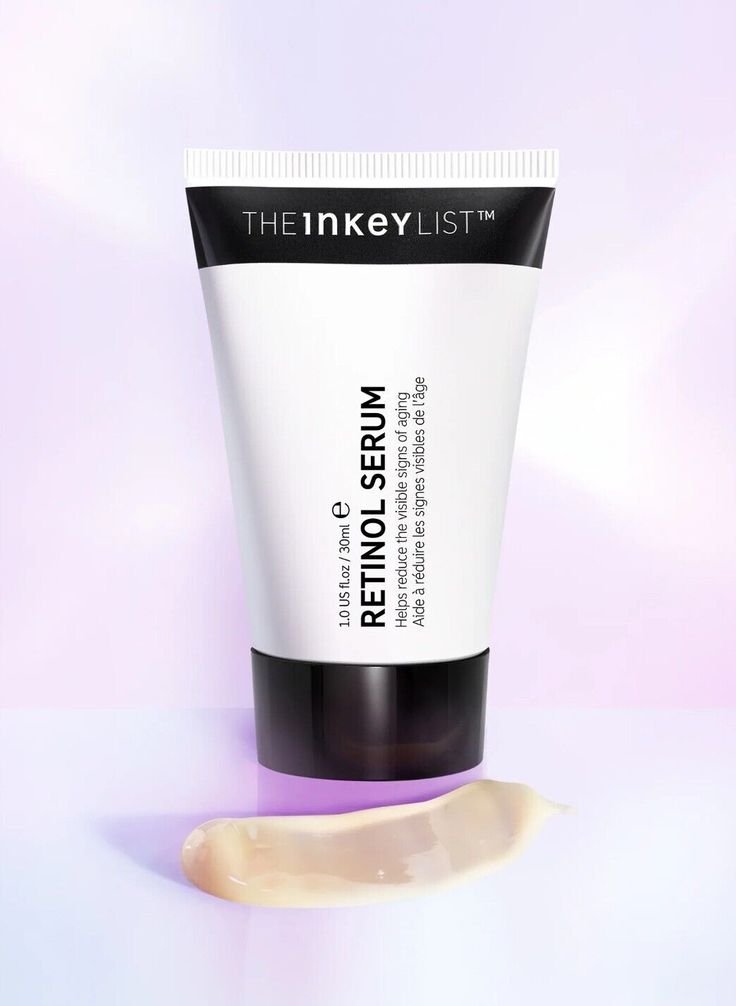
- How it works: It uses a 1% RetiStar stabilized Retinol and 0.5% Granactive Retinoid. It’s significantly gentler than SkinCeuticals, making it the ideal “bridge” for beginners.
- Value & Price: At $13.00 on Amazon, it is unbeatable for those testing the waters of Vitamin A.
The 3 Best PDRN Serums for 2026
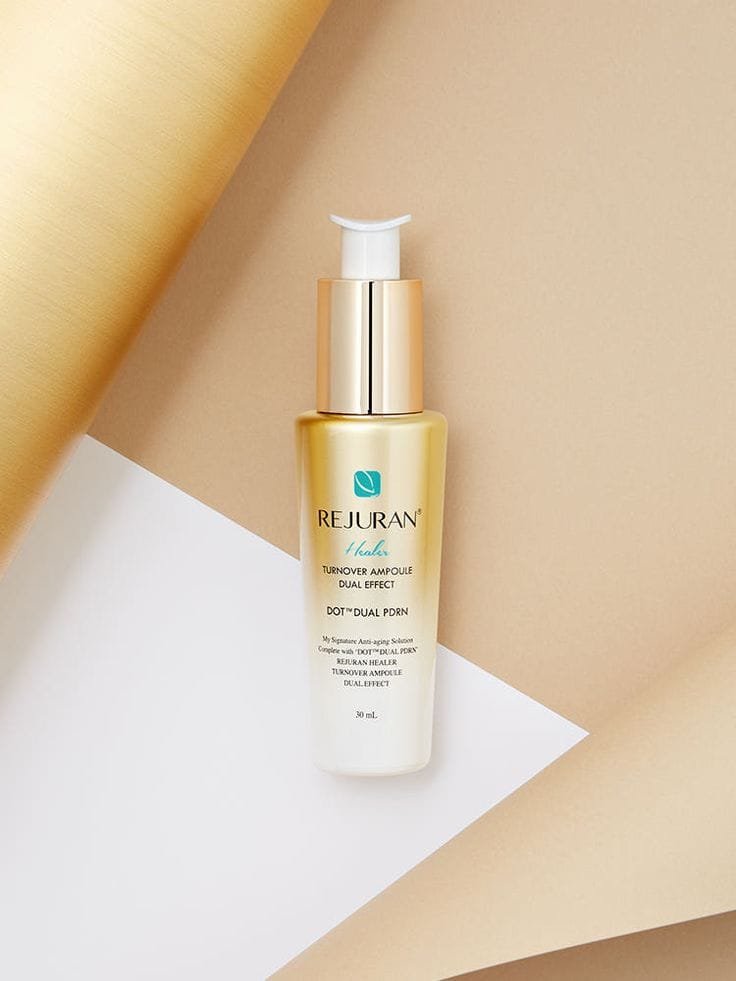
4. Rejuran Turnover Ampoule (c-PDRN)
The pioneer of the PDRN movement. This serum uses “c-PDRN,” a marine-based growth factor that is 1/670th the size of a pore.
- How it works: It penetrates deeper than almost any other topical. It targets the “extracellular matrix,” making it the perfect partner for a beef tallow moisturizer to lock in regenerative nutrients.
- Value & Price: Around $55.00 on Amazon. It is the gold standard for achieving the “Glass Skin” look without the Retinol burn.
5. Medicube PDRN Pink Peptide Serum
A high-tech approach to “Pink Aging.”
- How it works: It combines PDRN with 5 different types of peptides. This creates a synergistic effect where the PDRN repairs the DNA while the peptides rebuild the protein structures. It’s a 2026 favorite for thinning skin.
- Value & Price: Retail for $42.00 on Amazon. Excellent mid-range choice for high-tech seekers.
6. IOPE PDRN Caffeine Shot
The ultimate “eye and face” lift in a bottle.
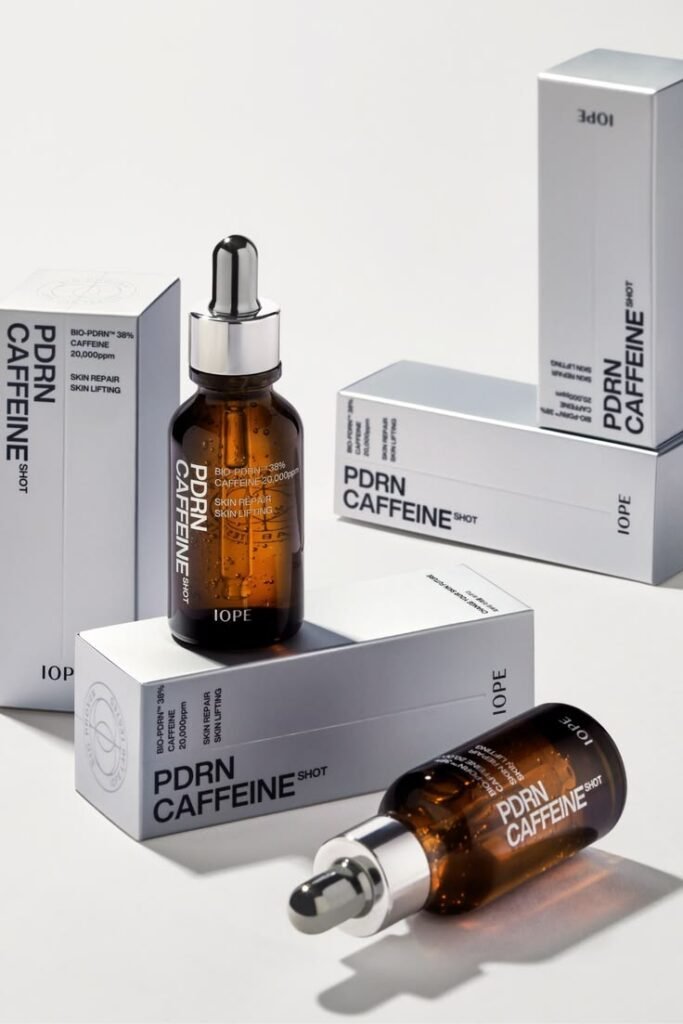
- How it works: It uses Bio-PDRN to repair and Caffeine to de-puff. It’s the best choice for those who want immediate “lifting” results alongside long-term repair.
- Value & Price: Priced at $50.00 on Amazon. Best for morning routines.
Personal Opinion: Retinol or PDRN?
If you ask me, as the voice behind Review Dermatica, my answer in 2026 is: PDRN is the smarter investment for longevity. While Retinol gave us great results in the 90s and 2000s, we are seeing too many “over-exfoliated” faces. PDRN offers a level of skin thickness and health that Retinol simply cannot match. If you have sensitive skin, PDRN is your savior.
However, if you have stubborn cystic acne or very oily, sun-damaged skin, a 6-month cycle of Retinol is still necessary.
The Pro Move: Use your PDRN in the morning to protect against DNA damage, and use a low-dose Retinol 2 nights a week. This is the “Bio-Hacker” way to perfect skin.
Detailed FAQ: 2026 Skincare Insights for Review Dermatica
1. Is PDRN better than Retinol for wrinkles?
PDRN is not necessarily “stronger” in the way an acid is, but it is undoubtedly “smarter” for long-term aging. While Retinol remains a powerhouse for resurfacing shallow fine lines by aggressively speeding up cell turnover,
It works from the outside in. In contrast, PDRN (Polydeoxyribonucleotide) is superior for deep-set structural wrinkles because it stimulates the skin’s biological repair mechanism at a cellular level. By activating A2A receptors, it increases the actual density and thickness of the dermis.
In 2026, many dermatologists are leaning toward PDRN for long-term maintenance because it lacks the “thinning” side effect that decades of over-retinolized skin can sometimes exhibit.
If you want structural integrity and “bouncy” skin rather than just a polished surface, PDRN is the clinical winner.
2. Can I use PDRN and Retinol together?
Absolutely—and for a professional-grade routine, you should. This strategy is known in clinical circles as “Synergistic Layering.” One of the biggest drawbacks of Retinol is the inflammation and barrier disruption it causes during the “retinization” phase.
PDRN provides an intense anti-inflammatory and healing environment that helps the skin tolerate Vitamin A much more effectively. By applying a PDRN serum first, you aren’t just hydrating; you are providing the DNA-repairing nucleotides that mitigate the stress Retinol puts on your skin cells.
This dual approach—Retinol working on the surface texture and PDRN repairing the deep architecture—is the ultimate 2026 routine for high-performance results.
3. Does PDRN actually come from Salmon?
Yes, it does, and the science behind it is fascinating. Most clinical-grade PDRN is extracted and highly purified from the DNA of Salmon trout sperm. While it may sound unusual, Salmon DNA is remarkably bio-compatible with human DNA.
The reason we use Salmon DNA is that its base pair structure is nearly identical to ours, making it an ideal “template” for skin repair. Through a rigorous purification process, all fish proteins, fats, and impurities are removed, leaving only the pure nucleotides.
These nucleotides act as “fuel” for your skin’s fibroblasts, helping them produce new collagen and elastin without any risk of allergic reaction to the source material.
4. How long does it take to see results from PDRN?
PDRN is a “slow-burn” regenerative treatment, unlike Retinol, which might give you an artificial “glow” in 2 weeks simply by peeling off dead skin. Because PDRN is working on structural repair, you have to be patient.
Most users at Review Dermatica report a noticeable improvement in skin “bounciness,” hydration levels, and reduced redness after roughly 4 weeks of consistent use. However, the real transformation happens around the 12-week mark.
By then, the structural integrity of the skin is measurably thicker, and deep-set lines begin to soften from the inside out. It is a marathon for your skin’s health, not a sprint for a temporary shine.
5. Is Retinol safe for long-term use?
Retinol is safe for long-term use provided it is used with a barrier-supportive routine and adequate sun protection.
However, the 2026 skincare community is seeing a rise in “Retinol Fatigue”—where users have over-exfoliated their skin for years, leading to chronic low-grade inflammation and a “plastic-like” thinness.
If your skin always feels tight, stings when you apply a basic moisturizer, or looks perpetually pink, you are likely over-retinolizing. In these cases, shifting to a regenerative PDRN-based routine is vital to save your skin barrier and restore the natural thickness of your epidermis.
6. Does PDRN help with acne scars?
PDRN is arguably one of the best topical treatments for acne scars, specifically for “atrophic” (pitted) scars and Post-Inflammatory Erythema (PIE—the red spots). While Retinol helps by fading the pigment on the surface, PDRN actually speeds up the wound-healing process and promotes the growth of new tissue.
It helps the skin “fill in” the depressions by stimulating fibroblast activity and increasing blood flow (angiogenesis) to the scarred area.
For anyone struggling with the aftermath of cystic acne, PDRN offers a level of tissue remodeling that traditional Vitamin A simply cannot provide.
7. Can I use PDRN while pregnant?
While you must always consult your primary care physician or OB-GYN, PDRN is widely considered a much safer anti-aging alternative than Retinol during pregnancy. High-strength Vitamin A (Retinol) is strictly contraindicated during pregnancy due to the risk of birth defects. PDRN,
However, is a naturally occurring nucleotide that focuses on DNA repair and cellular health without interfering with systemic hormone levels or fetal development. This makes it the “holy grail” for mothers in 2026 who want to maintain their clinical-grade skincare routine without the risks associated with Retinoids.
8. Which is more expensive to maintain?
On the surface, PDRN serums usually have a higher price tag due to the complex, high-tech extraction and purification processes involved.
However, when you look at the “Total Cost of Routine,” PDRN can be more economical. With high-strength Retinol, you often have to purchase additional “rescue” balms, thick barrier creams, and soothing oils to manage the irritation and peeling.
PDRN serves as its own soothing and repairing agent. Because it eliminates the need for multiple “damage control” products, the overall cost of maintaining a healthy, glowing complexion often balances out, making PDRN a more efficient investment for your 2026 shelf.
The Final Verdict: Choosing Your Champion for 2026
The battle of PDRN vs Retinol for Anti-Aging isn’t necessarily about choosing one winner and discarding the other; it’s about understanding the biological needs of your skin at this very moment. As we navigate the advanced skincare landscape of 2026, the “scorched earth” policy of over-exfoliation is being replaced by the philosophy of Bio-Regeneration.
If you are someone who has spent years struggling with the “Retinol Uglies”—the persistent redness, the embarrassing peeling, and that stinging sensation every time you apply a simple moisturizer—then PDRN is the future you’ve been waiting for.
It represents the “healing” side of clinical science that has been missing from our vanity cabinets. While Retinol is like a drill sergeant forcing your skin to work harder, PDRN is like a specialized medic, providing the literal DNA blueprints to repair, thicken, and resiliently rebuild your skin barrier.
However, at Review Dermatica, we believe in clinical flexibility. If your skin is thick, oily, and prone to deep congestion or cystic acne, the resurfacing power of a high-quality Retinol (like the SkinCeuticals 1.0) remains an unmatched gold standard.
But for the vast majority of us—especially those living in high-stress, polluted urban environments—the shift toward PDRN skincare offers a more sustainable, “longevity-focused” path to aging.
The Bottom Line for 2026: Don’t just chase a temporary glow by peeling away your skin’s protection. Invest in the structural integrity of your face.
If you want a complexion that isn’t just “clear” but is biologically younger, thicker, and more resilient, PDRN is no longer optional—it is the new clinical necessity. Whether you start with the Rejuran Turnover Ampoule or cycle it with your favorite Vitamin A, your goal should be a healthy barrier first, and aesthetics second.
🚀 What’s Next for Your Routine?
Now that you have the clinical breakdown of PDRN vs Retinol for Anti-Aging, it’s time to audit your shelf.
- Ready to start your PDRN journey? Check out our deep dive into the best PDRN serum for a more detailed brand comparison.
- Worried about your barrier? Pair your new serum with a beef tallow moisturizer to lock in those regenerative nucleotides.
- Looking for the ultimate glow? See how these ingredients stack up when combined with Copper Peptides.