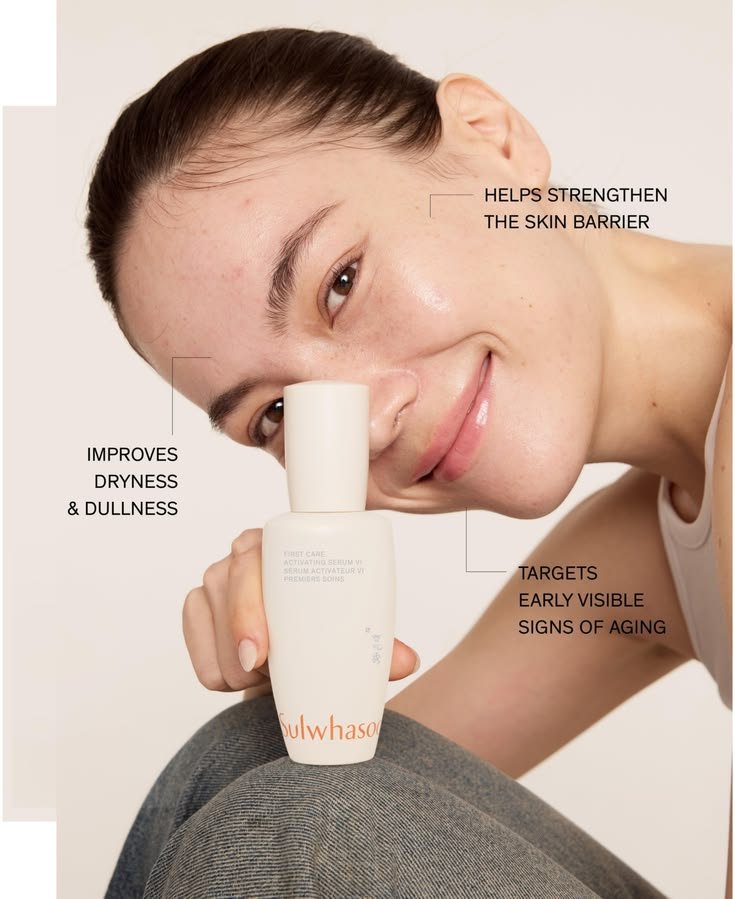
Science of Skin Care for Glowing, Healthy Skin

In the ever-evolving world of beauty and wellness, the science of skin care plays a crucial role in helping us understand what truly works—and what doesn’t. Beyond fancy packaging and marketing buzzwords, skincare is a field deeply rooted in biology, chemistry, and dermatological research. Each ingredient, from humectants to antioxidants, serves a purpose backed by scientific reasoning.
This article dives deep into the skin’s structure, the way skincare ingredients interact with it, and how scientific discoveries shape the products we use every day. science of skin care

Understanding the Skin: The Body’s Largest Organ
Your skin isn’t just a surface—it’s a complex, multi-layered organ designed to protect your body. The science of skin care begins with understanding its structure:
- Epidermis: The outermost layer that acts as a barrier. It protects against UV rays, bacteria, and pollution.
- Dermis: The middle layer where collagen, elastin, and hyaluronic acid reside. This layer gives the skin strength and elasticity.
- Hypodermis: The deepest layer, made of fat and connective tissue that helps insulate and cushion the body.
When skincare scientists create products, they consider how ingredients interact with these layers — especially the epidermis and dermis — to ensure effective absorption and results.
The Chemistry Behind Skincare Formulations
Every cream, serum, or cleanser is a result of careful chemical formulation. Cosmetic chemists use the laws of chemistry to balance pH, stabilize ingredients, and ensure safe penetration into the skin.
Key Scientific Concepts in Formulation:
- pH Balance: Healthy skin has a slightly acidic pH (around 5.5). Products that match this pH help maintain the skin barrier and prevent irritation.
- Molecular Size: Smaller molecules like niacinamide can penetrate deeper layers, while larger ones, like hyaluronic acid, work on the surface to hydrate.
- Delivery Systems: Liposomes, encapsulation, or nanotechnology help active ingredients reach the target layers of the skin effectively.
This scientific precision ensures that the skincare products we use are not just cosmetic, but functional and evidence-based.
The Role of Active Ingredients and How They Work
Scientific skincare depends heavily on active ingredients — compounds with proven benefits supported by research.
| Ingredient | Function | Scientific Benefit |
|---|---|---|
| Retinol (Vitamin A) | Increases cell turnover | Reduces wrinkles, improves texture |
| Niacinamide (Vitamin B3) | Strengthens barrier | Reduces redness, controls oil |
| Hyaluronic Acid | Attracts moisture | Hydrates, plumps skin |
| Vitamin C | Antioxidant | Brightens skin, fights free radicals |
| Ceramides | Lipid molecules | Restores the skin barrier |
The Skin Barrier and Microbiome: Science’s New Focus
Recent studies have revolutionized how we view skin health. Scientists now emphasize the importance of the skin barrier—a shield made of lipids and proteins—and the microbiome, the ecosystem of beneficial bacteria living on the skin.
When the barrier or microbiome is compromised (due to harsh products or over-exfoliation), the skin becomes prone to acne, dryness, and sensitivity.
Science-backed skincare now focuses on barrier repair through gentle cleansers, ceramide-based moisturizers, and microbiome-friendly ingredients like prebiotics.

Sun Protection: The Most Proven Skincare Step
Among all scientific skincare principles, UV protection is the most well-documented. Dermatological research consistently proves that daily sunscreen use prevents premature aging, hyperpigmentation, and skin cancer.
Sunscreens work by:
- Reflecting UV rays (physical/mineral filters like zinc oxide)
- Absorbing UV rays (chemical filters like avobenzone)
This evidence has made SPF an essential, non-negotiable part of any scientifically designed skincare routine.
How Science Shapes Personalized Skincare

Modern skincare has evolved from a “one-size-fits-all” approach to personalized science. With AI-driven skin analysis, DNA-based skincare, and dermatologist-formulated routines, science allows us to address specific skin concerns like hormonal acne, sensitivity, or uneven tone more accurately than ever.
Laboratory testing, ingredient concentration control, and patch studies ensure every formulation delivers measurable, consistent results. science of skin care

Myths vs. Science in Skincare
| Myth | Science Says |
|---|---|
| Natural ingredients are always safer | Some natural ingredients cause irritation or allergies |
| Drinking water alone hydrates the skin | External hydration is also needed to maintain barrier health |
| The more expensive, the better | Price doesn’t equal efficacy—research and formulation matter most |
| Skin “breathes” | Skin doesn’t breathe; it absorbs and releases moisture, not oxygen |
Science teaches us to rely on clinical data, not marketing trends. science of skin care.
Conclusion: Why Science Matters in Skin Care
The science of skin care empowers consumers to make informed decisions. By understanding the biology of the skin and the chemistry of formulations, we can choose products that truly benefit our complexion rather than fall for hype. Healthline
In a world full of skincare fads, science remains the foundation for healthy, radiant skin. The more we understand it, the better we can protect, heal, and enhance our natural beauty. science of skin care
Quick Takeaways
- Skincare is both biology and chemistry in action.
- Every effective product is based on scientific testing and dermatological research.
- A strong skin barrier and daily SPF are the cornerstones of healthy skin.
- Science—not trends—should guide your skincare choices.