Skin Hydration: The Complete Guide for Healthy, Glowing Skin
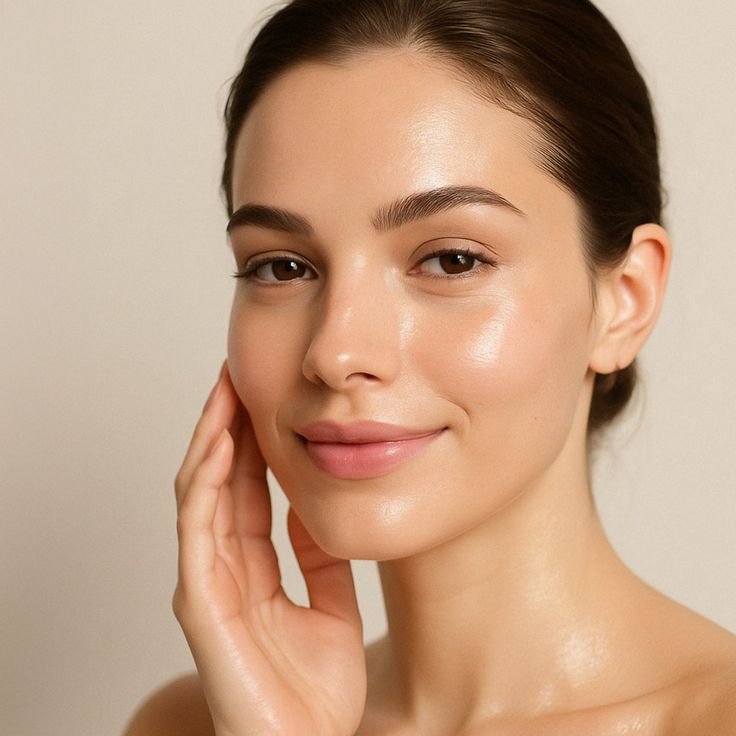
Maintaining proper skin hydration is essential for a healthy, youthful appearance. Hydrated skin not only looks plump and radiant but also acts as a strong barrier against environmental stressors, pollution, and premature aging. Unfortunately, many people struggle with dryness, flakiness, and dullness due to poor hydration practices or external factors such as weather, diet, and lifestyle.
This comprehensive guide will provide you with everything you need to know about skin hydration, including tips, routines, ingredients, and the best products to keep your skin moisturized all day long.
Understanding Skin Hydration
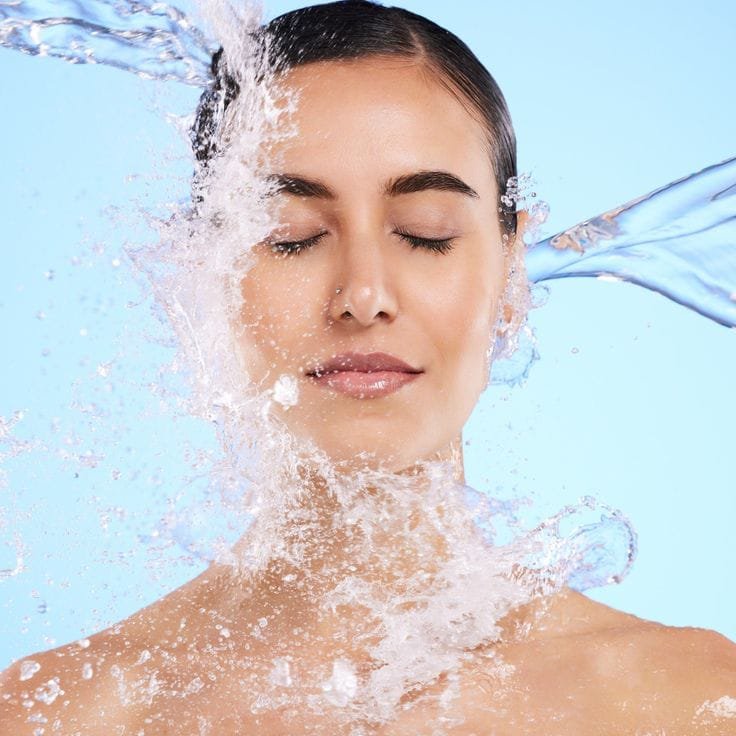
Skin hydration refers to the amount of water present in the epidermis, the outermost layer of the skin. Proper hydration keeps the skin soft, elastic, and resilient. When skin lacks water, it becomes dry, tight, and may show signs of fine lines and irritation.
Key Points:
- Hydrated skin appears plump, smooth, and glowing.
- Dehydrated skin may feel rough, itchy, or tight.
- Skin hydration is different from oiliness — even oily skin can be dehydrated.
Common Causes of Dehydrated Skin
Several factors can lead to skin dehydration:
- Environmental factors: Cold weather, low humidity, and sun exposure.
- Harsh skincare products: Alcohol-based toners, strong cleansers.
- Poor diet: Lack of water, essential fatty acids, and vitamins.
- Excessive cleansing: Overwashing strips natural oils.
Daily Skin Hydration Routine
Following a consistent hydration routine ensures your skin retains moisture and stays healthy.
Morning Routine:
- Cleanse with a gentle, hydrating cleanser.
- Apply a hydrating toner or essence.
- Use a moisturizer suitable for your skin type.
- Finish with sunscreen to prevent moisture loss from sun damage.
Evening Routine:
- Remove makeup and impurities gently.
- Apply a hydrating serum containing hyaluronic acid or glycerin.
- Follow with a rich night cream or moisturizer.
Extra Tips:
- Drink at least 8 glasses of water daily.
- Include hydrating foods like cucumber, watermelon, and oranges in your diet.
- Avoid long, hot showers that strip natural oils.
Best Ingredients for Skin Hydration
Choosing the right ingredients is crucial for maintaining optimal hydration.
Hydrating Ingredients:
- Hyaluronic Acid: Retains water and plumps the skin.
- Glycerin: Draws moisture into the skin.
- Ceramides: Strengthens the skin barrier and prevents water loss.
- Aloe Vera: Soothes and hydrates naturally.
- Squalane: Lightweight oil that locks in moisture without clogging pores.
Hydrating Products You Need
To achieve maximum skin hydration, incorporate these products into your routine:
- Hydrating Cleanser: Gentle foaming or cream cleansers that don’t strip natural oils.
- Toner or Essence: Alcohol-free toners to prep skin for moisture absorption.
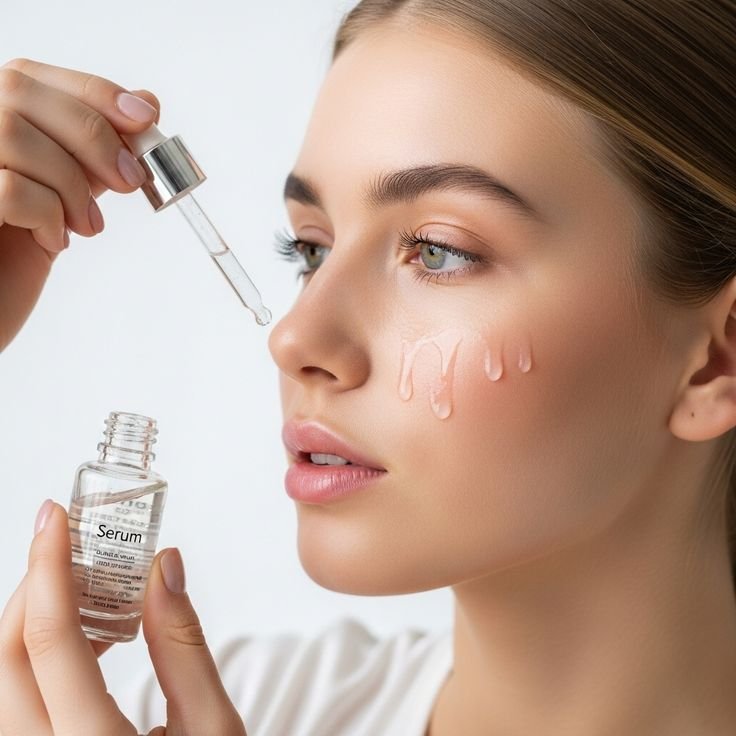
- Hydrating Serum: Concentrated formulas with hyaluronic acid or peptides.
- Moisturizer: Cream or gel-based, depending on your skin type.
Sunscreen: SPF protects skin from UV damage, which can dehydrate skin.
Natural Ways to Keep Skin Hydrated
If you prefer a natural approach, here are some effective methods:
- Drink plenty of water throughout the day.
- Use a humidifier in dry environments.
- Apply honey or aloe vera masks weekly.
- Eat foods rich in omega-3 fatty acids, like salmon, walnuts, and chia seeds.
- Avoid excessive caffeine and alcohol, which can dehydrate skin.
Common Mistakes That Cause Skin Dehydration
Avoid these pitfalls to maintain healthy skin:
- Skipping moisturizer, even if the skin is oily.
- Using harsh exfoliants too often.
- Not drinking enough water.
- Ignoring SPF protection.
- Using products with high alcohol content.
Hydration for Different Skin Types
- Dry Skin: Rich creams, hydrating oils, and overnight masks.
- Oily Skin: Lightweight gel moisturizers, water-based serums.
- Sensitive Skin: Gentle formulas with aloe vera chamomile.
Benefits of Proper Skin Hydration
- Smooth, glowing complexion
- Improved skin elasticity
- Reduced appearance of fine lines and wrinkles
- Enhanced barrier function against pollutants and irritants
- Healthy, balanced skin tone . ( more info follow Healthline )
Final Thoughts
Maintaining proper skin hydration is essential for healthy, radiant skin. It’s not just about applying creams or serums — it’s a combination of diet, water intake, lifestyle habits, and the right skincare products. By following the routines and tips mentioned above, you can ensure your skin remains supple, glowing, and well-nourished.
Pro Tip: Make hydration a daily habit — morning, night, and throughout the day — and your skin will thank you!
FAQ – Skin Hydration
Q1: How can I tell if my skin is dehydrated?
A1: Dehydrated skin feels tight, looks dull, may show fine lines, and sometimes flakes. It can occur in all skin types.
Q2: Can oily skin be dehydrated?
A2: Yes! Oiliness doesn’t always mean hydration. Oily skin can lack water but still produce excess sebum.
Q3: What’s the best ingredient for hydration?
A3: Hyaluronic Acid and Glycerin are the top ingredients for drawing and retaining moisture.
Q4: How often should I moisturize?
A4: At least twice daily — morning and night — and more if your skin feels dry.
Q5: Does drinking water really help skin hydration?
A5: Absolutely! Internal hydration supports skin barrier function and overall skin health.
Q6: Can natural oils help hydration?
A2: Yes! Oils like jojoba, almond, and squalane lock in moisture, but choose non-comedogenic oils if prone to breakouts..