10 Essential Sunscreen Ingredients You Must Know: Unlock the Science of Skin Protection
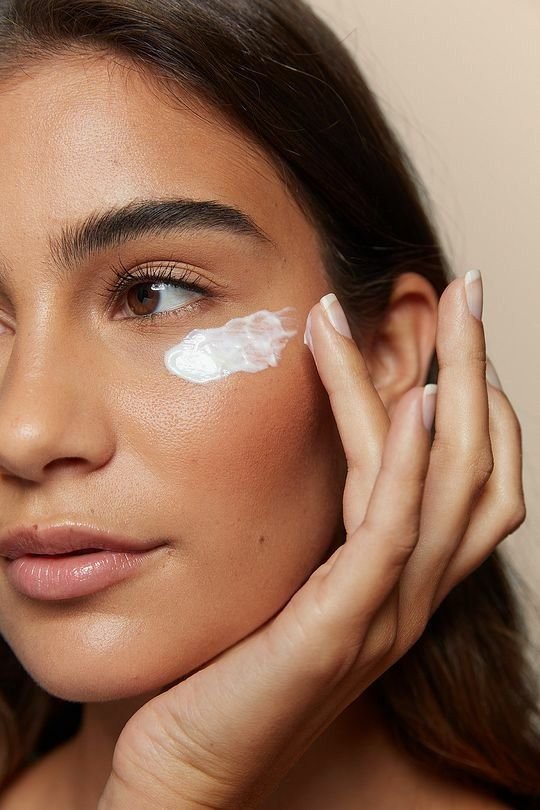
All skincare routines start with one golden rule: never skip sunscreen. But few people really know what makes it so effective. The secret is in the sunscreen ingredients — the chemical and mineral filters that protect your skin from the harmful UV rays.
Whether you’re in the sun, on your daily commute or near a window, UV exposure is constant. Without the right sunscreen ingredients your skin is exposed to premature aging, dark spots and even damage.
In this post we’ll go through the top 10 sunscreen ingredients, how they work and how to choose the best for your skin.

1. Titanium Dioxide – The Mineral Shield
Among all sunscreen ingredients, titanium dioxide stands out as one of the safest and most reliable. It acts as a physical UV blocker, meaning it reflects and scatters ultraviolet rays before they reach your skin.
Unlike chemical filters that absorb light, this mineral compound creates a natural barrier. Because it’s non-irritating and non-comedogenic, titanium dioxide is perfect for sensitive, acne-prone, or reactive skin. It also works instantly upon application — no waiting time required.
Modern formulations utilize micronized titanium dioxide particles to minimize the chalky white cast, rendering this ingredient more transparent and wearable across all skin tones.
2. Zinc Oxide – The Broad-Spectrum Protector
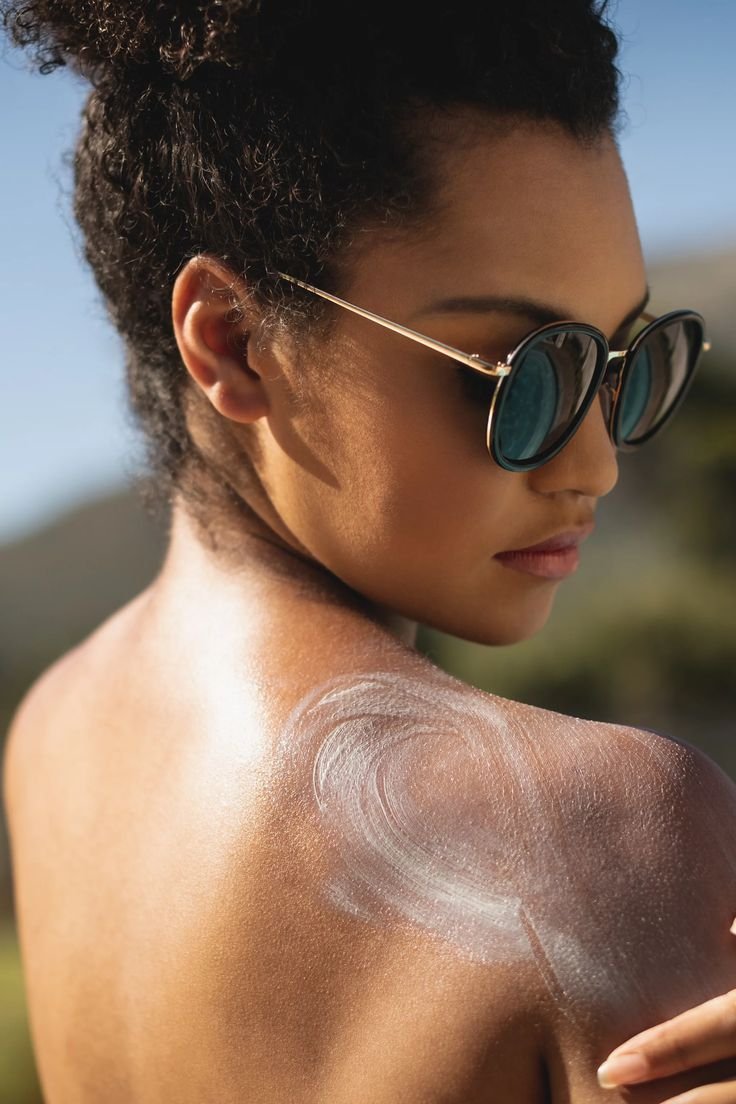
Zinc oxide is another star among sunscreen ingredients, offering broad-spectrum protection from both UVA and UVB rays. It’s the cornerstone of many mineral sunscreens and is considered reef-safe, hypoallergenic, and suitable for all ages, including babies.
This ingredient reflects harmful radiation and helps calm the skin with its anti-inflammatory properties. In addition to blocking UV rays, zinc oxide also supports wound healing and reduces irritation, making it ideal for those with rosacea or eczema.
3. Avobenzone – The UVA Absorber
Moving on to the world of chemical sunscreen ingredients, avobenzone plays a critical role. It absorbs UVA rays — the ones responsible for deep skin aging and long-term cellular damage.
Avobenzone transforms UV energy into heat and releases it harmlessly from the skin. However, it tends to degrade when exposed to sunlight. That’s why modern sunscreens pair it with stabilizing ingredients like octocrylene to maintain effectiveness.
Lightweight and invisible on the skin, avobenzone is a go-to ingredient for people who prefer chemical sunscreens that blend easily without a white cast.

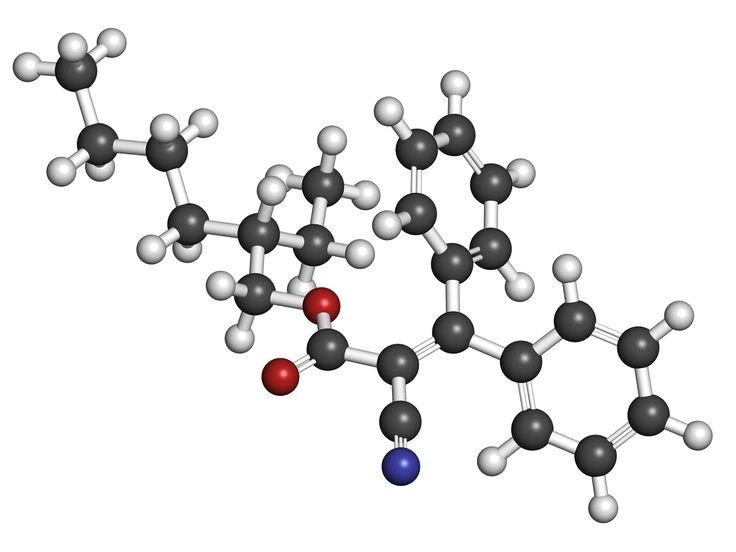
4. Octocrylene – The Stabilizer and UVB Blocker
Octocrylene serves dual purposes as one of the most functional sunscreen ingredients: it not only provides UVB protection but also stabilizes other filters such as avobenzone. This ensures that your sunscreen maintains its performance even after hours in the sun.
It’s water-resistant, making it an essential ingredient in sunscreens designed for swimming or sweating. Octocrylene also adds a smooth texture and helps the product adhere evenly to the skin.
Although it’s generally safe, people with extremely sensitive skin may prefer formulas with lower octocrylene concentration to avoid mild irritation.
5. Homosalate – The SPF Booster
Homosalate is one of the most common sunscreen ingredients found in chemical formulations. It absorbs UVB rays and enhances the overall SPF level of the sunscreen.
In addition, it helps dissolve other organic filters, improving consistency and stability. Most dermatologists consider it safe when used in recommended concentrations, although ongoing research aims to refine its long-term safety data.
This ingredient works best when blended with other filters like octisalate and avobenzone to deliver balanced protection against sunburn and aging.
6. Octisalate – The Lightweight Protector
Octisalate is a UVB-absorbing ingredient that enhances both protection and wearability. It’s valued for its silky, non-greasy texture and ability to make sunscreen formulas more pleasant to use.

As one of the key sunscreen ingredients for daily use, octisalate improves the solubility of other actives and boosts SPF performance. It’s gentle on the skin and helps prevent the formula from feeling heavy or sticky, which makes it perfect for people who dislike traditional thick sunscreens.
7. Oxybenzone – The Powerful Absorber (Use With Care)
A once-popular UV filter known for its strong protection but now used with more caution.
Acts as a strong UV absorber, providing high protection.
Was once a key ingredient in many chemical sunscreens.
Faced concern over skin sensitivity and reef impact.
Many brands now replace oxybenzone with safer alternatives like Tinosorb or Mexoryl.
- Modern formulations focus on reef-safe protection without losing effectiveness.
- Recommended to patch-test for sensitive skin before regular use.
8. Mexoryl SX and XL – The Advanced UV Filters
Mexoryl SX and XL are next-generation sunscreen ingredients that provide broad, stable UV protection. Mexoryl SX absorbs short UVA rays, while Mexoryl XL shields against both UVA and UVB. These filters are photostable, gentle on sensitive skin, and increasingly popular in global sunscreen formulations.
9. Antioxidants – The Invisible Protectors
Beyond filters, antioxidants have become key sunscreen ingredients that support overall skin defense. Ingredients like Vitamin C, Vitamin E, green tea extract, and ferulic acid help neutralize free radicals that UV rays generate.
They don’t block UV rays directly but enhance the skin’s natural resilience, preventing oxidative stress and photoaging. When combined with traditional UV filters, antioxidants improve sunscreen efficacy and contribute to long-term skin health.
This holistic approach defines the new era of sunscreens — formulas that protect, repair, and nourish at once.

10. Hyaluronic Acid & Niacinamide – The Skin Nourishers
Hyaluronic acid and niacinamide add hydration and skin barrier support to sunscreens. Hyaluronic acid keeps skin moisturized, while niacinamide evens tone and reduces redness. Together, they make sunscreens lightweight, soothing, and suitable for daily wear.
The Science of Sunscreen Ingredients
Every sunscreen works through a combination of chemical absorption and physical reflection.
- Chemical ingredients absorb UV rays and convert them into harmless heat.
- Mineral ingredients reflect and scatter light away from the skin surface.
The most effective sunscreens combine multiple sunscreen ingredients to achieve balanced, broad-spectrum protection. Stability, compatibility, and safety are key factors in creating an ideal formula.
Scientific research in 2025 focuses on improving photostability, reducing irritation, and enhancing eco-friendly performance. New innovations are making sunscreens lighter, smarter, and safer — so you can enjoy the sun with confidence.
How to Choose the Right Sunscreen Ingredients for Your Skin
- For sensitive skin: Choose zinc oxide or titanium dioxide; avoid oxybenzone.
- For oily or acne-prone skin: Look for lightweight chemical filters like avobenzone or octisalate.
- For dry skin: Opt for sunscreens containing hydrating ingredients such as hyaluronic acid or glycerin.
- For maximum anti-aging: Find sunscreens with antioxidant-rich formulas for added repair benefits.
The right sunscreen ingredients depend on your skin type, environment, and personal preference — but the goal remains the same: consistent, effective protection every single day.
Conclusion
Understanding sunscreen ingredients transforms how you see skincare. Each ingredient plays a specific role — some absorb UV rays, some reflect them, and others nourish and heal your skin. healthline
, the sunscreens will have become more sophisticated than ever, blending science with skincare technology. By learning what these sunscreen ingredients do, you can confidently choose products that offer safety, performance, and comfort.
Whether you prefer mineral or chemical formulas, remember: sunscreen is not just a product — it’s a science-powered shield that keeps your skin youthful, strong, and radiant under the sun.