UVMune 400 vs UVAir: For years, La Roche-Posay Anthelios UVMune 400 has been the undisputed king of sun protection. Its Mexoryl 400 filter is legendary. But now, the buzz is all about the new Anthelios UVAir. Is the king being replaced, or are we just getting a new daily essential? Let’s find out.
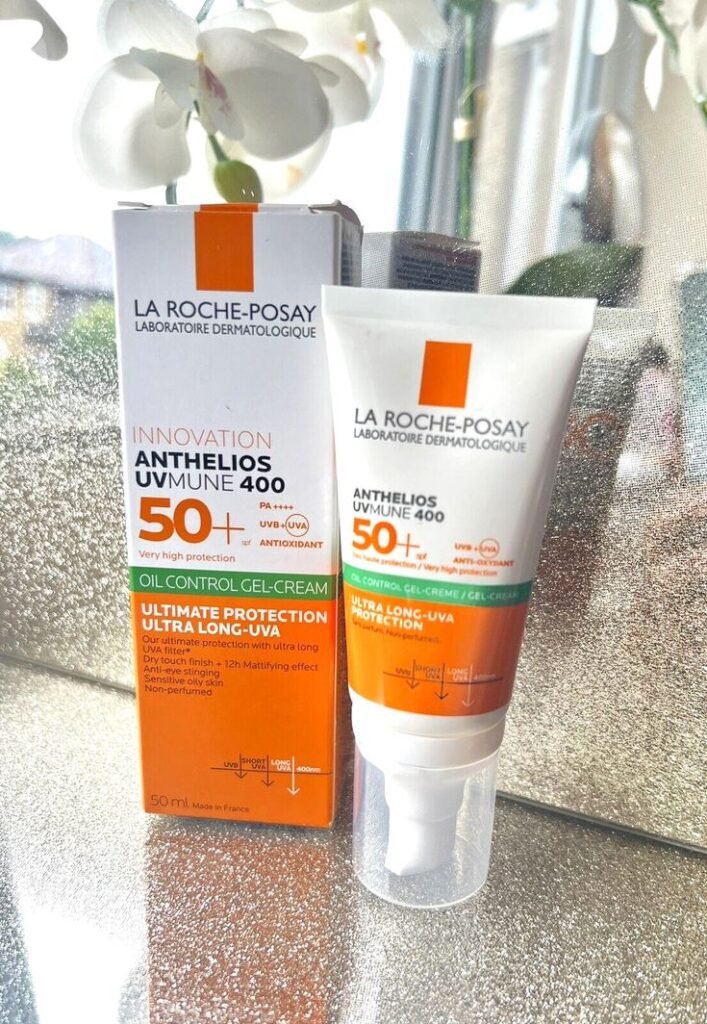
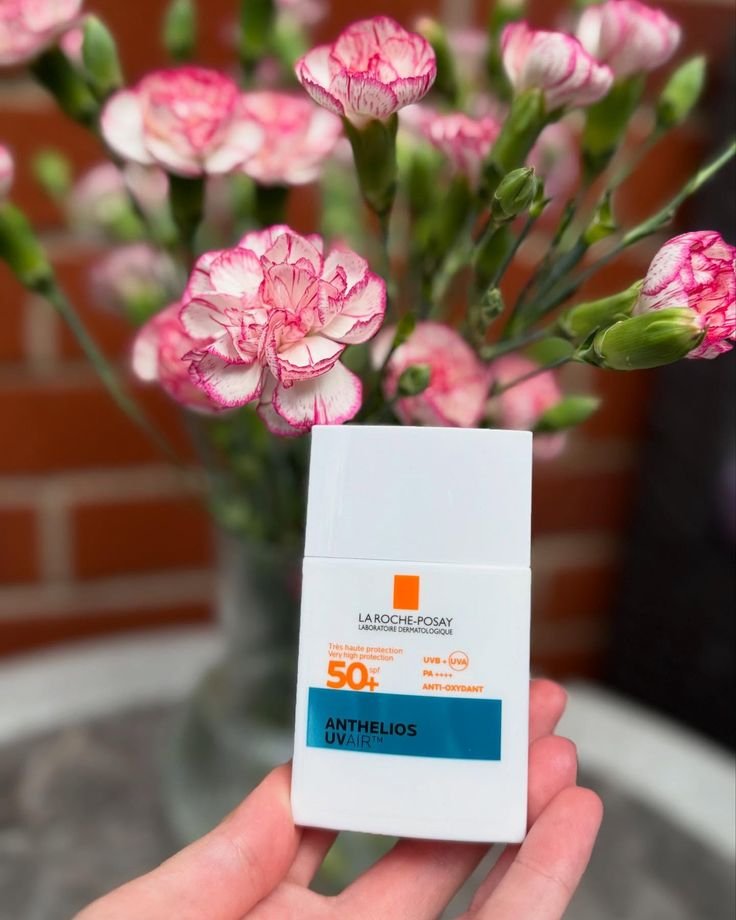
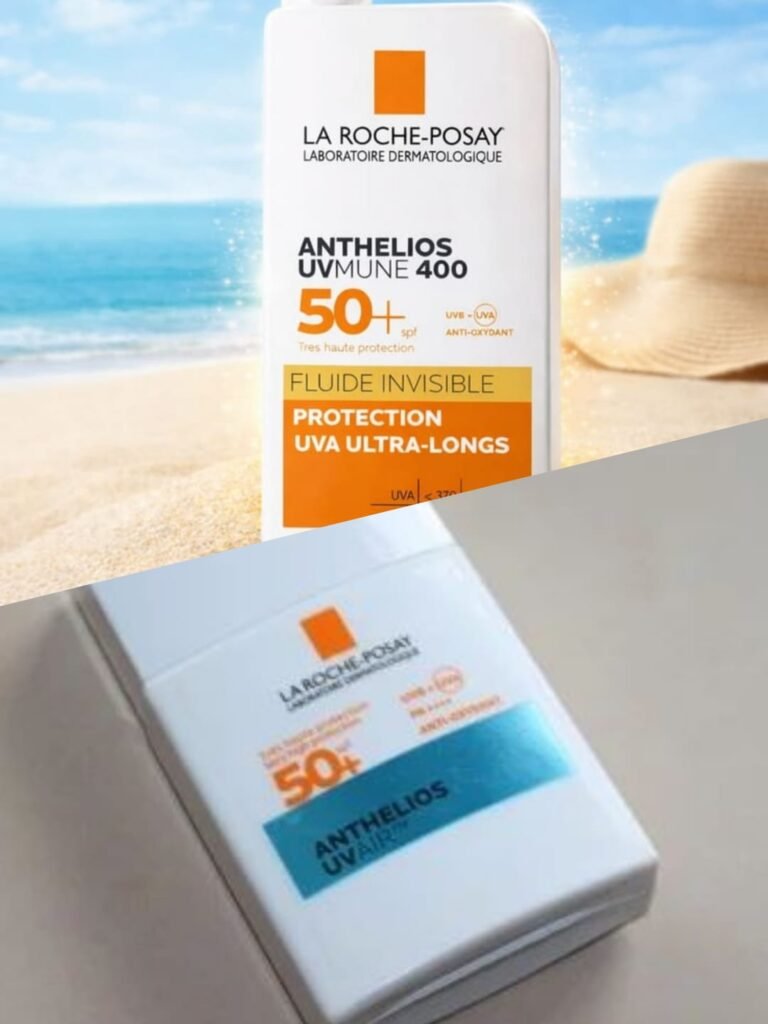
I’ve seen the panic in the comments—people are genuinely worried that their favorite “indestructible” protection is being phased out for a lighter, “watered-down” version. As someone who spends more time analyzing UV filters than I do sleeping, I knew I had to get to the bottom of this. Is UVAir just a marketing gimmick for oily skin, or is it the future of suncare?
In this deep dive, we’re going to look past the “Zero-Gram Feel” buzzwords and look at the actual science. We’ll compare the prices, the filters, and the “real-world” wearability to see which one deserves a spot in your 2026 skincare routine. Let’s figure out if you need to stock up on the original UVMune or if it’s finally time to make the switch.
Price Comparison (Current 2026 Market Rates)
Before we get into the molecular biology of filters, let’s talk about your wallet. Both products are premium, but they are priced differently based on their specific technology:
- Anthelios UVMune 400 (Invisible Fluid): Approximately $22.00 – $25.00 for 50ml. Check Price on Amazon
- Anthelios UVAir SPF 50+: Approximately $26.00 – $32.00 for 40ml/50ml (Price varies by serum vs. fluid version). Check Price on Amazon
Article Summary: At a Glance
| Feature | Comparison |
|---|---|
| Star Filter | UVMune 400: Mexoryl 400 (UVA protection up to 400nm) UVAir SPF 50+: UVAIR™ Technology (Air-Phase) |
| Best For | UVMune 400: Hardcore protection, anti-aging, beach days UVAir SPF 50+: Daily wear, makeup prep, oily/combo skin |
| Texture | UVMune 400: Lightweight fluid (slightly tacky / shiny) UVAir SPF 50+: Ultra-light “Zero-Gram” serum feel |
| Key Actives | UVMune 400: Vitamin E, Netlock Technology UVAir SPF 50+: Hyaluronic Acid, Niacinamide, Senna Alata |
| Finish | UVMune 400: Dewy / Natural UVAir SPF 50+: Soft Matte / Invisible |
What Exactly is UVMune 400?
UVMune 400 isn’t just a name; it represents a scientific breakthrough. For decades, sunscreens struggled to block “Ultra-Long UVA” rays (the 380–400nm range). These specific rays are the silent killers of collagen—they penetrate deeper than UVB and are responsible for the majority of long-term skin aging and DNA damage.
The inclusion of Mexoryl 400 changed the game. It is currently the most efficient filter in the world for these long rays. When you use UVMune 400, you aren’t just preventing a sunburn; you are building a biological wall against the rays that cause wrinkles and sunspots. It uses Netlock Technology, which acts like a micro-web on your skin, keeping the filters in place even if you sweat or go for a swim.
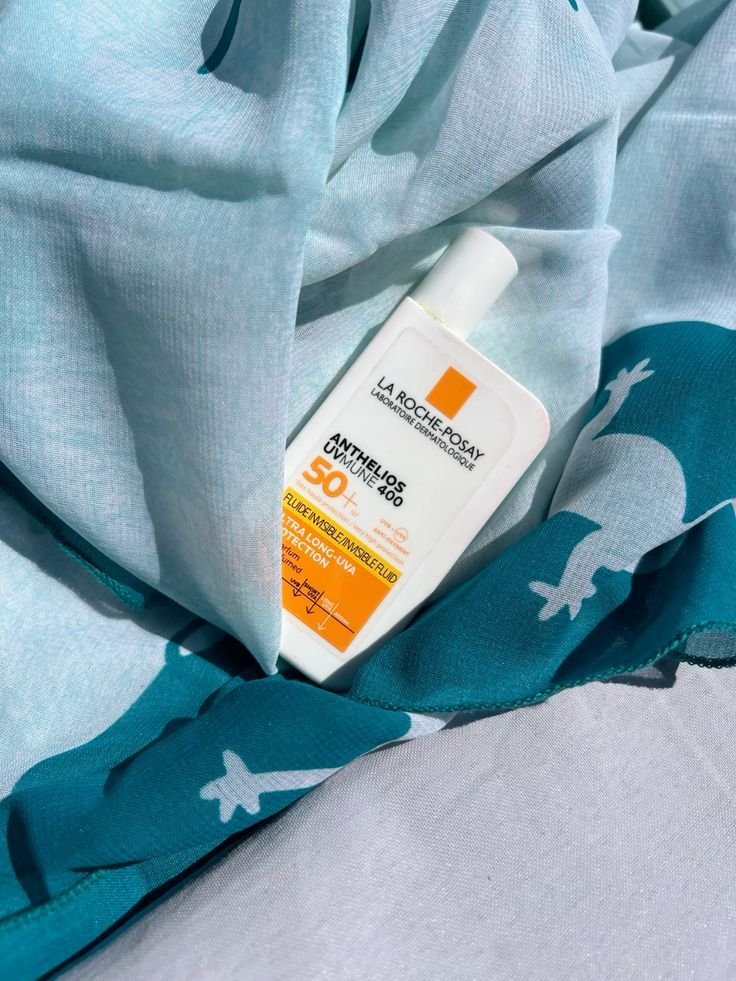
What is the New UVAir?
UVAir is La Roche-Posay’s answer to the “I hate the feeling of sunscreen” crowd. While UVMune 400 is a “Protection First” product, UVAir is a “User Experience First” product.
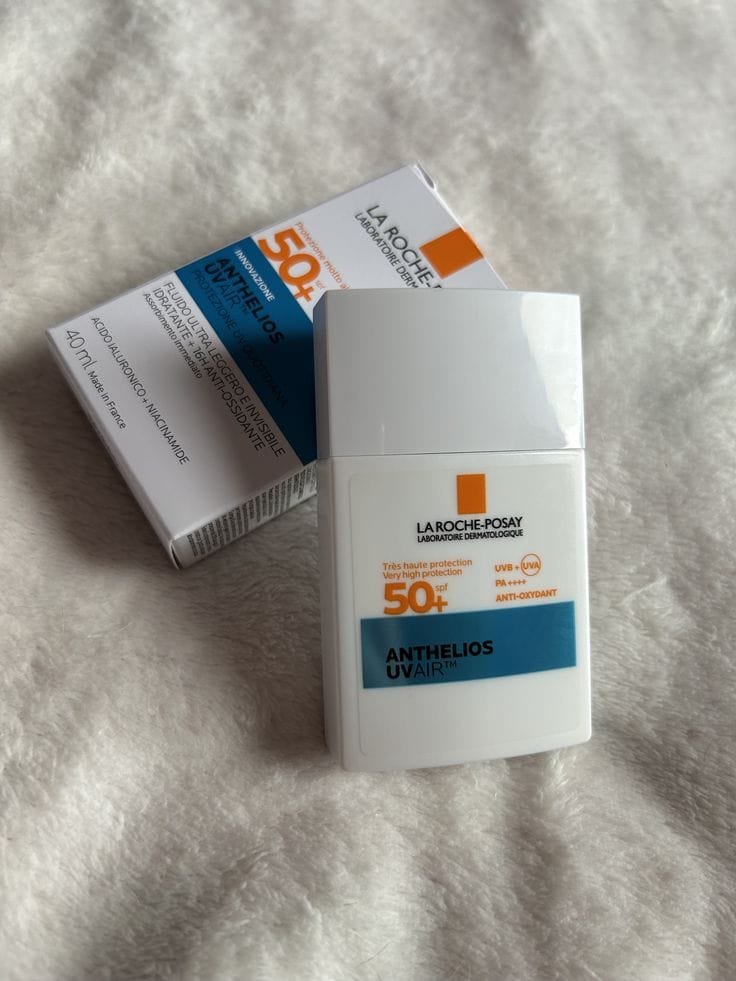
It uses a patented Zero-Gram Air Phase technology. Think of it as a serum that happens to have SPF 50+. It’s formulated with a 50% serum base, meaning it’s packed with skincare heavyweights like Niacinamide (for sebum control) and Hyaluronic Acid (for 24-hour hydration). It’s designed to be completely weightless, catering to the Skin Minimalism trend where your SPF doubles as your moisturizer and primer.
The Molecular Battle: Mexoryl 400 vs. Air-Phase Tech
To understand why this choice matters, we have to look at the Spectral Absorbance.
Mexoryl 400 (MCE) is a massive molecule. Its job is to absorb UV energy at the 400nm peak. This is critical because 30% of the UV radiation that reaches your skin falls into this “Ultra-Long” category. Most standard sunscreens drop off their protection after 370nm, leaving your skin vulnerable to deep-tissue degradation.
UVAIR™ Technology, on the other hand, focuses on Environmental Resilience. It’s not just about the UV rays; it’s about the oxidative stress caused by pollution and blue light. UVAir includes Senna Alata leaf extract (also known as Candle Bush). Scientifically, this extract is a powerhouse for Skin Longevity.
It works by:
- Neutralizing free radicals before they can damage your DNA.
- Providing a secondary layer of “biological protection” that chemical filters alone can’t achieve.
- Acting as an anti-inflammatory to soothe skin that is constantly exposed to urban pollution.
Environmental Stress & Climate-Adaptive Suncare
In the USA, where climates vary from the dry heat of Arizona to the humid air of Florida, your sunscreen needs to be smart. This is where Climate-Adaptive Skincare comes in.
- UVMune 400 is your Extreme Climate companion. It doesn’t budge. If you’re hiking in high altitudes or on a boat in the Caribbean, the Netlock technology ensures the filters don’t “pool” into your pores or slide off with sweat.
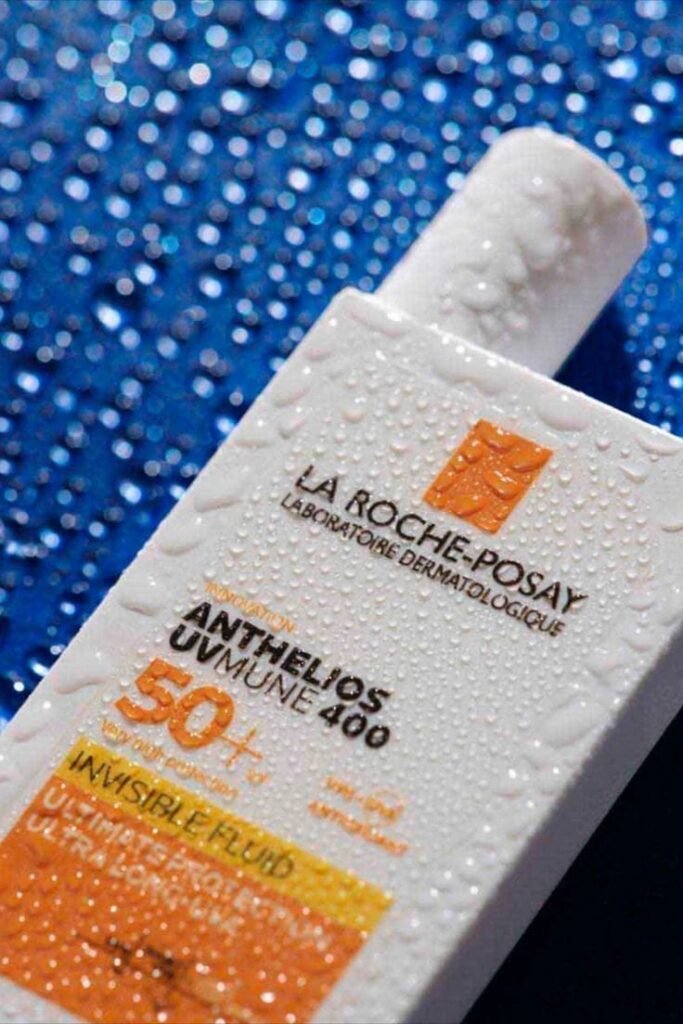
UVAir is your Urban Shield. It’s specifically designed for the office-goer. It resists the “grease-trap” effect caused by indoor heating and air conditioning, making it the perfect companion for a Rejuran Turnover Ampoule during your morning routine.
The Big Question: Is UVMune 400 Being Discontinued?
Let’s put the rumors to rest. No, the original UVMune 400 is not being “killed off.” However, in early 2026, La Roche-Posay did announce an “upgrade” to the UVMune line to reduce the “yellowing” effect that some pale-skinned users complained about.
UVMune 400 remains the High-Protection Pillar of the brand, while UVAir is an expansion for people who find the original too shiny for everyday wear. Think of it like a car brand: UVMune is the rugged SUV meant for all-terrain protection, and UVAir is the sleek electric sedan meant for the daily city commute. One is not replacing the other; they serve different “skin lifestyles.”
Review Dermatica: My Personal Experience
I’ve tested both of these extensively under the punishing sun, and here is my honest take.
UVMune 400: This is my “Holy Grail” for outdoor activities. If I’m going for a run or spending the day in the city, I trust nothing else. It does have a slight yellow tint due to the Mexoryl 400 filter. But for anti-aging, it’s unbeatable. I’ve written about this before in my La Roche-Posay Anthelios UVMune 400 Review.
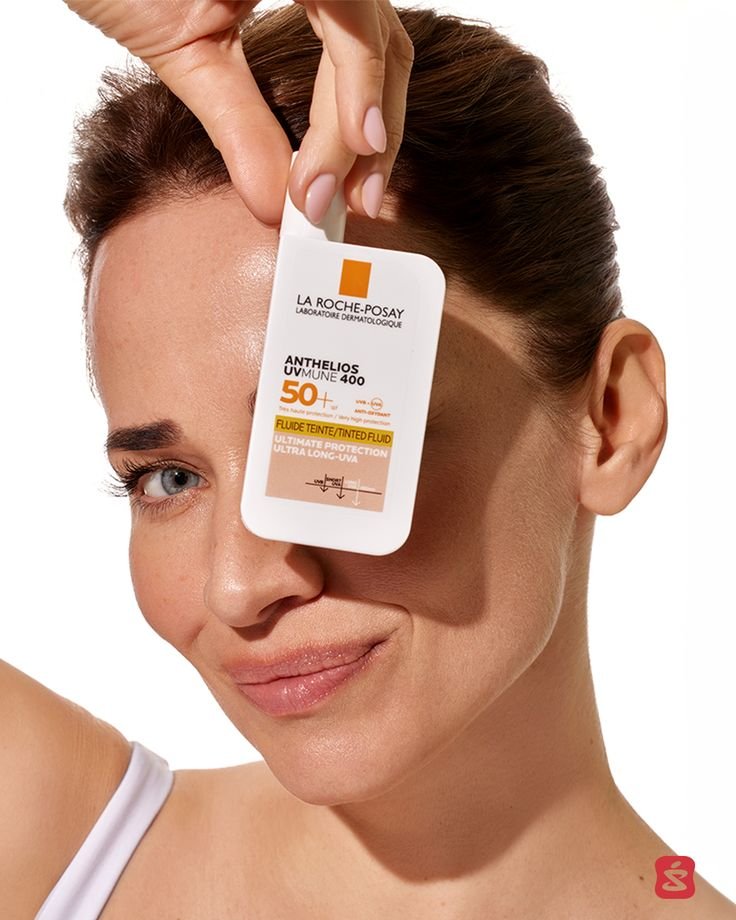
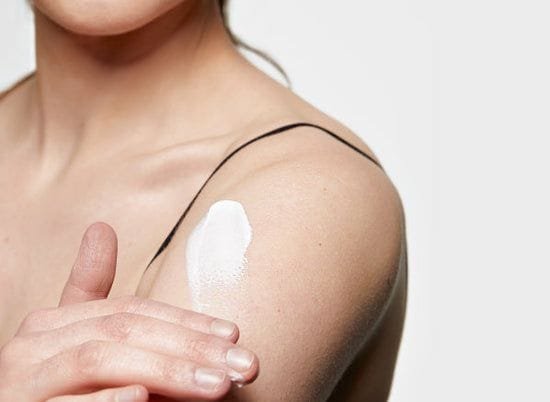
UVAir: I started using this as a “work-from-home” and “office” sunscreen. It is shockingly light. If you struggle with oily skin or “sunscreen acne,” this is your savior. It sinks in instantly. It feels more like a luxury moisturizer than a medical-grade sunscreen.
8 Frequently Asked Questions – UVMune 400 vs UVAir
1. Does UVAir have Mexoryl 400?
The “UVMune 400” branding is specifically reserved for La Roche-Posay formulas that utilize the MCE (Mexoryl 400) filter to its absolute maximum capacity to hit the 400nm protection peak.
While UVAir is a high-protection broad-spectrum sunscreen (SPF 50+ / PA++++), its molecular architecture is optimized for texture and breathability (Air-Phase Tech) rather than the extreme spectral reach of the MCE filter.
If your primary goal is preventing deep-DNA damage from ultra-long UVA rays, stick with the UVMune 400 line. However, for everyday light exposure, UVAir provides more than enough defense for the average urban dweller.
2. Which one is better for oily, acne-prone skin?
UVAir is the undisputed champion for oily and acne-prone skin types.
One of the biggest complaints about European sunscreens in the USA is that they feel “heavy” or “greasy” due to high filter concentrations. UVAir solves this with its Zero-Gram Feel technology and a 50% serum-based formula. It also includes Niacinamide, which is a powerhouse for sebum regulation and anti-inflammatory support.
While UVMune 400 has an “Oil Control” version, UVAir’s serum-like consistency is even more invisible, ensuring it won’t trigger breakouts or leave you looking like a “grease ball” by noon.
3. Is UVAir waterproof for swimming or heavy workouts?
While UVAir is rated as “water-resistant,” it is not designed for heavy-duty aquatic activities. On the other hand, UVMune 400 utilizes Netlock Technology, which creates a micro-crystalline “web” on the skin’s surface.
This web is “Ultra-Resistant” to water, sweat, and even sand, preventing the filters from migrating or washing off. If you are heading to the beach, running a marathon, or sweating in the humid Florida heat, UVMune 400 is the safer, more durable choice. For a dry office environment or a casual walk, UVAir is perfectly sufficient.
4. Why is UVMune 400 slightly yellow, and does UVAir have the same tint?
The slight yellow tint in UVMune 400 is actually a byproduct of physics. Mexoryl 400 is a molecule that naturally reflects a yellowish hue due to its specific light-absorption properties.
It’s a sign of the high-potency protection inside. UVAir, however, is significantly more transparent. Because it uses a different blend of filters and a lighter serum base, it lacks that characteristic yellow “glow.”
If you have very fair skin and found the original UVMune 400 too tinted, you will likely find UVAir to be a much more “invisible” alternative.
5. Is UVAir safe for sensitive eyes (does it sting)?
Both formulas are ophthalmologically tested and designed for “anti-eye stinging.”
However, there is a nuance in their textures. UVMune 400’s Netlock Technology literally “locks” the formula in place, meaning it is less likely to migrate into your eyes even if you sweat. UVAir is a “serum-fluid,” which makes it incredibly spreadable, but that same liquidity means you should be a bit more careful when applying it right up to the lash line.
If you have extremely sensitive eyes and an active lifestyle, the “locked-in” nature of UVMune 400 usually performs better.
6. Does UVAir leave a white cast on dark skin tones?
Absolutely not. Both UVMune 400 and UVAir are 100% organic (chemical) sunscreens.
They do not contain Titanium Dioxide or Zinc Oxide, which are the main culprits behind the “purple” or “ashy” white cast on deeper skin tones. UVAir, in particular, has been tested on a wide range of Fitzpatrick skin types to ensure that its Zero-Gram finish is completely transparent.
It’s an excellent choice for people of color who want high protection without the dreaded chalky residue.
7. Can I layer these with professional treatments like Retinol or PDRN?
In fact, it is highly recommended. When you are using active ingredients like PDRN or Retinol, your skin’s barrier is often in a state of accelerated renewal, making it hypersensitive to UV damage.
UVMune 400 is the gold standard for “Post-Procedure” protection because it blocks the 380-400nm rays that can cause post-inflammatory hyperpigmentation (PIH).
Use UVMune 400 during the first 3-5 days after a treatment, and switch to UVAir for daily maintenance once your skin has stabilized.
8. Which one is better for the USA "Sunbelt" (FL, TX, AZ, CA)?
The choice depends on your exposure level. If you live in the “Sunbelt” and spend your weekends outdoors, UVMune 400 is your primary insurance policy against skin cancer and premature aging.
Its industrial-strength protection is necessary for that level of UV index. However, if you are a professional in Los Angeles or Dallas who spends most of the day in an air-conditioned office or car, UVAir is the superior “lifestyle” choice.
It provides high-end protection while doubling as a primer that keeps your skin looking fresh and matte under harsh office lighting.
Final Verdict: The Winner Is…
In the world of high-end skincare, we often look for a single “best” product. But after dissecting the molecular science of La Roche-Posay, the truth is clear: there is no objective winner—only the right tool for your specific skin goals.
To help you decide, I’ve broken down the final decision into three distinct categories based on your lifestyle and skin needs. la roche posay sunscreen .
1. The “Anti-Aging” Purist: Choose UVMune 400
If your primary concern is Skin Longevity and preventing the biological signs of aging, the UVMune 400 remains your gold standard.
- Why: Its ability to block the ultra-long UVA rays (380-400nm) is something no other filter on the market can currently match. It is the “heavy armor” you wear when you know the sun is your skin’s primary enemy.
- Best For: Long commutes, outdoor hobbies, beach days, and those living in the high-UV regions of the USA Sunbelt.
- The Vibe: High-performance, clinical-grade protection that prioritizes DNA safety over a matte finish.
2. The “Daily Urbanite”: Choose UVAir
If you have spent years searching for a sunscreen that doesn’t feel like “sunscreen,” UVAir is the revolution you’ve been waiting for.
- Why: It bridges the gap between high-end serums and medical-grade SPF. With its Zero-Gram Air Phase technology, it disappears into the skin, making it the perfect base for makeup or a stand-alone product for a Skin Minimalism routine.
- Best For: Office professionals, people with oily or acne-prone skin, and anyone living in humid or congested city environments.
- The Vibe: Invisible elegance, weightless hydration, and effortless daily wear.
3. The “Sunscreen Wardrobe” Strategy (Review Dermatica’s Choice)
Most of my readers don’t just own one pair of shoes—you have sneakers for the gym and heels/boots for work. Your skincare should be no different.
- My Recommendation: Keep UVMune 400 for your “active” days (hiking, running, or vacation) and use UVAir as your “Monday-to-Friday” workhorse. This ensures you are never under-protected when it counts, but you never feel greasy when you want to look your best.
Final Thoughts
Don’t let the social media rumors panic you—your UVMune 400 isn’t going anywhere. La Roche-Posay is simply expanding the family to make sure everyone, regardless of their skin type, has a reason to wear SPF every single day.
Adding UVAir to your collection isn’t about replacing a favorite; it’s about upgrading your skin’s defense system for 2026. Whether you choose the “Shield” or the “Serum,” your future self will thank you for the protection you’re providing today.
Sources & Research:
- American Academy of Dermatology (AAD) – Clinical Suncare Guidelines.
- National Academy of Dermatology (NAD) – Reports on UVA1 Damage and DNA Mutations.
- La Roche-Posay Official Technical Datasheets (2026).
- Journal of Investigative Dermatology: Study on Senna Alata Antioxidant Efficacy.