Best Sensitive Skincare: A Complete Guide for Gentle & Healthy Skin.
Best Sensitive Skincare tips to manage redness, irritation & dryness. Discover gentle routines for calm, balanced & healthy skin. Sensitive skin is one of the most common yet tricky skin types to manage. Unlike other skin types, it reacts easily to environmental changes, harsh ingredients, or even stress. If you have ever felt stinging, burning, redness, or irritation after applying a skincare product, chances are your skin is on the sensitive side. That is why choosing the best sensitive skincare routine is crucial to keep your skin balanced, calm, and healthy.
In this guide, we’ll cover:
- What makes skin sensitive
- Common concerns of sensitive skin
- Daytime routine
- Nighttime routine
- Ingredients to avoid
- Beneficial ingredients
- Lifestyle tips
- FAQs

What Makes Skin Sensitive?
Sensitive skin is not a medical diagnosis but a condition where the skin barrier is weaker, making it more reactive. The barrier acts like a shield that locks in moisture and protects against irritants. When compromised, it leads to:
- Irritation
- Redness
- Dry patches
- Breakouts
- Burning or stinging sensation
👉 The focus of sensitive skincare should be strengthening the barrier and keeping it calm.

Common Sensitive Skin Concerns
People with sensitive skin usually face recurring issues such as:
Redness & Inflammation – Flare-ups from weather, products, or allergens.
Dryness & Flakiness – Weak barrier leads to water loss.
Breakouts & Pimples – Triggered by harsh products.
Burning & Stinging – Especially after strong activities.
Allergic Reactions – From dyes, preservatives, or fragrance.
Rosacea/Eczema-prone Skin– Needs extra gentle care.
Daytime Skincare Routine for Sensitive Skin
Morning routine should focus on protection and hydration:
- Gentle Cleanser
- Sulfate-free, fragrance-free.
- Avoid foaming cleansers.
- Look for glycerin or ceramides.
- Hydrating Toner or Mist (Optional)
- Alcohol-free with aloe vera or chamomile.
- Skip if it causes reactions.
- Lightweight Moisturizer
- Non-comedogenic and hypoallergenic.
- Best ingredients: ceramides, squalane, oat extract.
- Sunscreen (Most Important!)
- Use mineral-based (zinc oxide or titanium dioxide).
- SPF 30 or higher every day.

Nighttime Skincare Routine for Sensitive Skin
Night routine is all about repair and recovery:
- Gentle Cleanser
- Same as morning, remove dirt/pollution without over-drying.
- Soothing Serum (Optional)
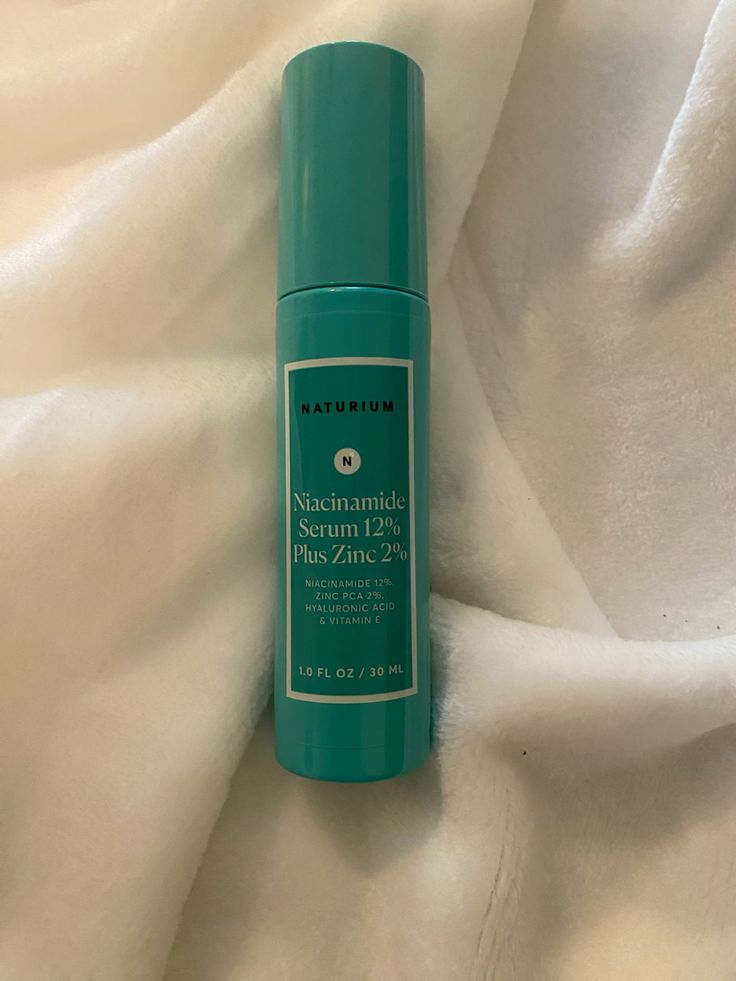
- Niacinamide, Centella Asiatica, or Panthenol.
- Avoid strong acids.
- Rich Moisturizer or Barrier Cream
- Thicker cream at night with ceramides, shea butter, oat extract.
- Optional Treatment (1–2 times a week)
- Mild lactic acid or PHA exfoliation.
- Never use harsh scrubs.
Ingredients to Avoid in Sensitive Skincare
Sensitive skin reacts badly to:
- Fragrance & essential oils
- Alcohol (denatured, SD)
- Harsh exfoliants (scrubs, strong acids)
- Sulfates (SLS/SLES)
- Parabens & chemical preservatives
- High-concentration actives (strong retinol, high % vitamin C)
👉 Always patch test before trying anything new.
Ingredients That Help Sensitive Skin
Best soothing and barrier-strengthening ingredients:
- Ceramides – Barrier repair
- Hyaluronic Acid – Hydration
- Aloe Vera – Calms inflammation
- Colloidal Oatmeal – Soothes itchiness
- Niacinamide – Gentle, reduces redness
- Squalane – Lightweight natural oil
- Centella Asiatica (Cica) – Anti-inflammatory
- Panthenol (B5) – Healing & hydration
- Zinc Oxide/Titanium Dioxide – Sun protection
Lifestyle Tips for Sensitive Skin
Daily habits matter as much as products:
- Wash with lukewarm water, not hot.
- Don’t over-cleanse (max 2 times daily).
- Use cotton towels & pillowcases.
- Manage stress with yoga/meditation.
- Stay hydrated, eat fruits & veggies.
- Protect from dust & pollution.
- Always patch test new skincare.
- According to Healthline, sensitive skin requires gentle, fragrance-free products.
FAQs on Best Sensitive Skincare
- How do I know if I have sensitive skin?
If you often experience redness, itching, or stinging after using products or sun exposure, you likely have sensitive skin.
- Can sensitive skin use exfoliators?
Yes, but very gently—avoid scrubs and strong acids. Use mild PHA/lactic acid once a week.
- Is sunscreen safe for sensitive skin?
Absolutely! Mineral sunscreens with zinc oxide or titanium dioxide are the safest.
- Can I use retinol on sensitive skin?
Only in low concentrations (or use bakuchiol, a plant-based alternative). Apply 2–3 times weekly at night.
- What’s the biggest mistake people make?
Overusing too many products at once. Simplicity works best—cleanser, moisturizer, sunscreen.
4. Can sensitive skin use vitamin C?
Yes, but choose gentle derivatives like sodium ascorbyl phosphate or magnesium ascorbyl phosphate instead of strong L-ascorbic acid.
Final Thoughts
Finding the best sensitive skincare routine is not about expensive products—it’s about gentle care, barrier support, and consistency. Stick to fragrance-free, hydrating, and soothing ingredients, avoid irritants, and maintain a healthy lifestyle.
Sensitive skin requires less but smarter care—and with time, your skin will stay calm, glowing, and healthy.