Winter Skincare Tips: How to Keep Your Skin Hydrated in Cold Weather
Every year, around the same week, the same thing happens. The heating comes on, the air outside turns sharp, and your face starts to feel like it belongs to someone else. It feels tight after washing. It gets flaky around the nose. A serum that felt fine in September suddenly stings.
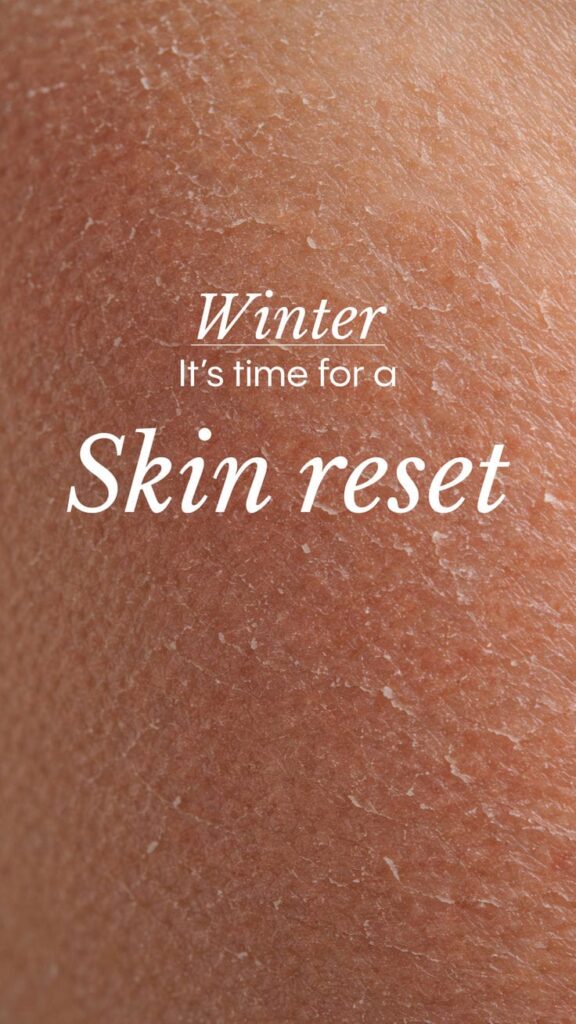
If that sounds familiar, you are not imagining it, and you are not doing anything wrong. Cold air holds less moisture. Indoor heating dries it out even more. Dry, sensitive skin already has a smaller safety margin, so winter tips it over the edge faster.

The good news is that the best winter skincare tips are not complicated. They are mostly about being gentler and more consistent, not about buying ten new products. In this guide, we walk through a practical winter skincare routine built for dry, sensitive skin, from cleansing and moisturizing to SPF and the small cold weather skincare tips that make a bigger difference than most serums do.
We also link out to our own product reviews where it helps, so you can see the ingredient lists, the pros and cons, and who each product actually suits.
Quick Summary
If you only have a minute, here is the short version of our winter skincare tips:
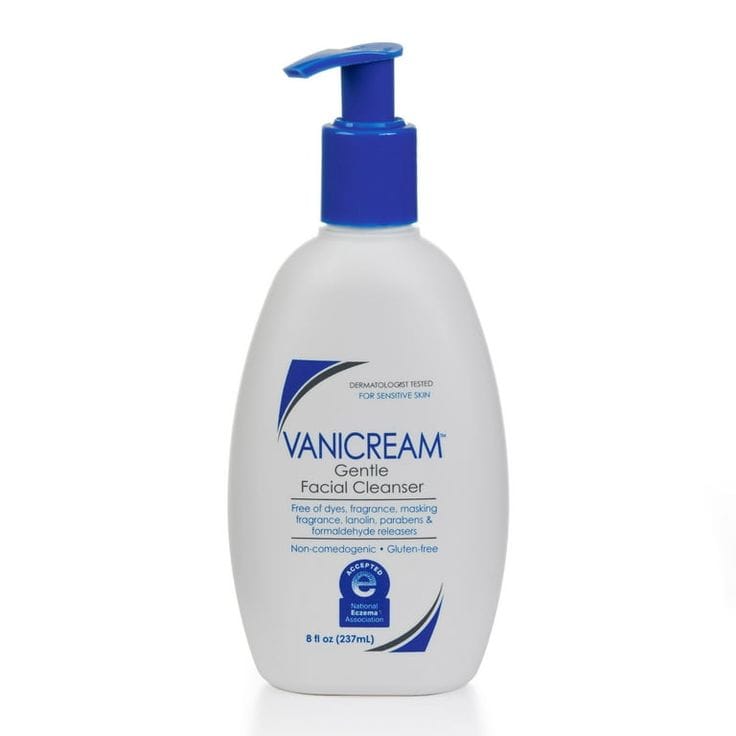
- Switch to a gentle, fragrance-free cleanser and wash with lukewarm water, never hot.
- Moisturize within a few minutes of washing, while your skin is still slightly damp.
- Look for barrier-supporting ingredients like ceramides, glycerin, hyaluronic acid, petrolatum, and shea butter.
- Pause or scale back strong actives such as retinol, glycolic acid, salicylic acid, and at-home peels if your skin is stinging or peeling.
- Keep wearing a broad-spectrum SPF 30 or higher every day, even when it is cloudy and cold.
- Protect your eyes and lips separately, because both areas lose moisture quickly.
- Add a humidifier, shorten your showers, and cover exposed skin when you go out.
- If dryness turns into cracking, bleeding, or constant itching, see a board-certified dermatologist.
Affiliate Disclosure and Editorial Team
Affiliate Disclosure: Review Dermatica is reader-supported. Some links in this article are affiliate links, which means we may earn a small commission if you buy through them, at no extra cost to you. This never changes our opinion. We recommend products based on ingredients, formulation, and available research, and we say so when a product is not a good fit.
Editorial Team: This article was written by the Review Dermatica editorial team. Asim, Founder and Lead Analyst, led the research and product analysis. Tahmina Zannat Lamya, Co-Founder, handled the clinical and formulation research.
Medical note: This guide is for education only. It is not medical advice, and it does not replace a visit to a doctor or dermatologist, especially if you have eczema, rosacea, or any diagnosed skin condition.
Why Winter Is So Hard on Dry, Sensitive Skin
Your skin has an outer layer called the stratum corneum. Think of it as a brick wall. The skin cells are the bricks, and lipids like ceramides, cholesterol, and fatty acids are the mortar. When that wall is intact, water stays in, and irritants stay out.
Winter attacks the mortar from several directions at once. Cold outdoor air carries very little moisture. Central heating pulls even more out of indoor air. Hot showers wash away natural oils. Wind adds friction. Put together, your skin loses water faster than it can replace it.
Researchers describe this using two measurements: transepidermal water loss, which is how much water escapes through the skin, and stratum corneum hydration, which is how much water the outer layer is holding. A study indexed on the NIH’s PubMed Central explains how both are used to judge barrier health, and why dry, low-humidity conditions lower hydration in the outer skin.
The American Academy of Dermatology (AAD) puts it in plain language: cold air outside, hot air inside, and dry air everywhere can disrupt the skin barrier in winter, and that leads to dry, itchy skin, especially for people with eczema or psoriasis.
Here is the part many people miss. Sensitive skin is not a separate skin type that only reacts to products. It is very often skin with a weakened barrier. So the first job of any dry sensitive skin care plan in winter is to rebuild and protect that barrier, not to add more actives.
If your skin reacts to almost everything, start with our guide to the best products for sensitive skin and our roundup of the best skincare brands for sensitive skin. Both will help you build a short, safe shopping list.
Winter Skincare Tips Step 1: Fix Your Cleansing First
Most people want to start with a new serum. We would start with the cleanser, because it is the step that does the most damage when it is wrong.
A cleanser that leaves your face squeaky clean is stripping your barrier. In winter, you cannot afford that. The AAD advises using gentle, fragrance-free products, and notes that antibacterial, deodorant, or scented soaps can be too harsh for dry, sensitive skin.
Here is how we would adjust your cleansing in cold weather:
Use lukewarm water. Hot water feels lovely in January, but it dissolves the oils your skin is trying to keep. The AAD recommends warm rather than hot water for baths and showers.
Wash once at night, rinse in the morning. If your skin is very dry, a splash of water in the morning is often enough. Save the proper cleanse for the evening, when you remove sunscreen, makeup, and pollution.
Choose a creamy or oil-based formula. Gel cleansers with strong surfactants can feel too drying in winter. A richer cleanser removes dirt without leaving that tight feeling.
Our Mello Marula cleanser review covers a nourishing option that suits this approach. If you wear heavy sunscreen or makeup and prefer a first cleanse, our Anua Heartleaf cleansing oil review explains how a cleansing oil fits into a double cleanse.
A quick word about wipes. They are convenient, but rubbing a wipe across winter-chapped skin adds friction exactly where you do not want it. If you use them, read what happened in the Neutrogena makeup wipes recall so you know what to look out for.
Your Winter Skincare Routine, Step by Step
A good winter skincare routine for dry, sensitive skin has a few steps, not a dozen. Here is the order we recommend and why each step earns its place.
Morning
- Rinse with lukewarm water, or use a very gentle cleanser if you woke up oily or sweaty.
- Apply a hydrating serum or essence to damp skin.
- Follow with a barrier-supporting moisturizer.
- Finish with broad-spectrum SPF 30 or higher.
Evening
- Cleanse gently, using a cleansing oil first if you wore sunscreen or makeup.
- Apply a hydrating serum to damp skin.
- Use a richer moisturizer than you use in the morning.
- Add a targeted eye and lip treatment.
That is it. Everything in the rest of this guide plugs into one of those slots. If you are curious about how the layering works for different needs, our guide to the best moisturizers for dehydrated skin pairs well with this routine.
Skincare for Dry Skin in Winter: Choosing the Right Moisturizer
If you only upgrade one thing this winter, make it your moisturizer. This is the heart of any set of winter skincare tips.
What to Look For
The AAD suggests looking for a cream or ointment with ingredients such as hyaluronic acid, glycerin, lanolin, mineral oil, petrolatum, and shea butter. It also advises applying moisturizer right after bathing, while the skin is still damp, because moisturizer traps existing moisture.

Ceramides deserve a special mention. A qualitative review of the clinical evidence found that ceramide-containing preparations can improve dry skin and barrier function, with the strongest data in people with atopic dermatitis. A separate systematic review and meta-analysis also found that ceramide moisturizers improved symptom scores and water loss in atopic dermatitis, although only the symptom scores were clearly better than other moisturizers.
A small clinical study on people with dry, eczema-prone skin found that a ceramide-containing cream and lotion significantly increased hydration and reduced dryness for at least 24 hours after a single application. Studies like this are often small and sometimes brand-linked, so treat them as encouraging, not as a promise. But they line up with what most dermatologists see in practice.
What to Avoid
For winter, we would steer clear of moisturizers with heavy fragrance, high levels of alcohol, and essential oils if your skin is reactive. They are not dangerous for everyone, but they are the most common triggers we see in readers with sensitive skin.
Moisturizers We Have Reviewed
Here are the ones that fit a dry, sensitive winter routine best, with our full reviews so you can check the ingredients for yourself.
For a simple, minimal option, read our Vanicream Enhanced Moisturizer review. If you are weighing it against the brand’s lighter daily formula, our Vanicream Enhanced vs Daily Facial Moisturizer comparison breaks down the difference.
Prefer something oat-based and calming? Our Aveeno oat gel moisturizer ingredients breakdown explains what is inside and who it suits.
If you like a classic, richer-feeling daily cream, our Kiehl’s Ultra Facial Cream review covers it in detail.
Worried that a rich cream will break you out? That is a fair concern, and we answer it in our guide to the best non-comedogenic moisturizers.
How to Apply It
Apply moisturizer within a few minutes of washing. Do not wait for your face to dry completely. Use enough to leave a thin, even layer, and press it in rather than rubbing hard. At night, add a slightly thicker layer on the driest zones, usually cheeks, around the nose, and the chin.
Hydrating Serums and Essences: What Actually Helps in Cold Weather
Hydrating products are the second most useful layer in winter. They add water-binding ingredients under your moisturizer so the cream can lock them in.
The key is to apply them on damp skin and always seal them with a moisturizer. A humectant serum on dry skin in a dry room can pull water from the deeper layers of your skin, which is the opposite of what you want.
If you are not sure what to choose between common humectants, our hyaluronic acid vs glycerin comparison explains how each one works and why many dry skin formulas use both.
Here are our reviews of hydrating products worth knowing about:
- Torriden Dive-In serum review, a lightweight hyaluronic acid option
- Anua PDRN Hyaluronic Acid 100, a hydrating serum with a repair-focused angle
- Round Lab 1025 Dokdo toner review, a gentle hydrating toner
- I’m From Mugwort essence review, a soothing essence for reactive skin
If you enjoy toners but your skin is on the drier side, be careful with formulas that rely on exfoliating acids. Our Paula’s Choice Skin Balancing Toner review is a useful read if you are not sure whether a toner suits your skin in winter.
Curious about how two popular ingredient-focused brands compare? See The Ordinary vs Paula’s Choice.
Cold Weather Skincare Tips for Active Ingredients
This is where many people go wrong. They keep their summer routine, add a richer cream, and wonder why their skin is still burning.
Which Actives to Pause or Reduce
Many dermatologists suggest minimizing products with glycolic acid, salicylic acid, or retinol in winter, because these ingredients can dry out and irritate already stressed skin. You do not always have to stop them completely. You can usually cut back to once or twice a week, or pause for a few weeks while your barrier recovers.
Here are the ones we would be most careful with:
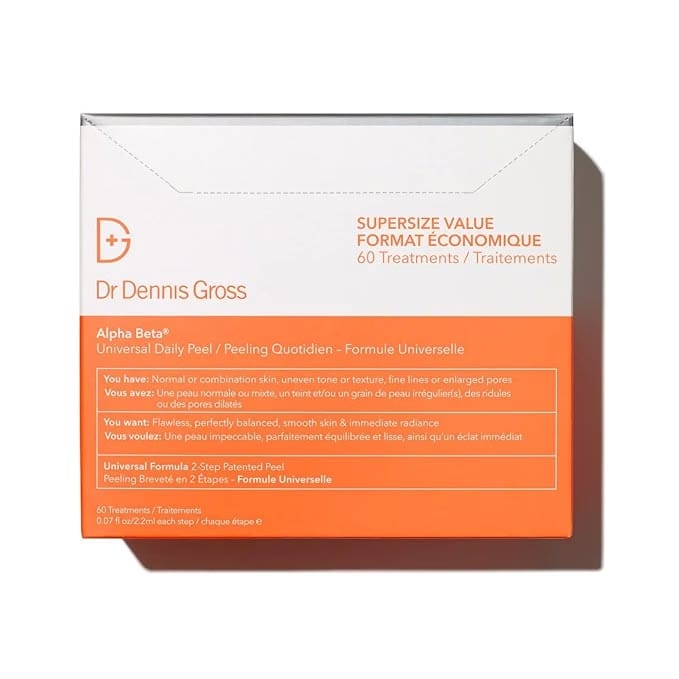
At-home chemical peels. They can be excellent in the right season, but winter is not the time to push them. Read our guide to the best at-home chemical peels and our Dr. Melaxin peel shot review before deciding whether your skin can handle one right now.
Physical and micro-needling style treatments. If your skin is chapped or sensitive, skip them for now. Our spicule serum vs derma roller comparison explains the risks and who should wait.
BHA exfoliants. If you are acne-prone, you may not want to stop completely, but you will probably need to space them out. See our COSRX BHA Blackhead Power Liquid reviews and our La Roche-Posay Effaclar Ultra Concentrated Serum guide for how to use them without over-drying.
Which Actives Often Work Better in Winter
Not everything needs to go on pause. Some ingredients tend to play nicely with dry, sensitive skin.
Azelaic acid is a gentle option for redness and uneven tone. Our Anua azelaic acid serum ingredients breakdown explains what it can do and how to introduce it slowly.
Peptides are often easier on dry skin than retinol. If you are deciding between the two, our peptides vs retinol comparison will help. You can also read our The Ordinary Buffet peptide serum review for a budget-friendly peptide option.
Vitamin C can work in winter if your skin tolerates it, but it is not essential. If you want to know about a specific vitamin C drop, see our Klairs Freshly Juiced Vitamin Drop price and review guide.
Repair-focused ingredients like PDRN and exosomes are increasingly popular in Korean skincare. They are not essential, and they are not for everyone, but some readers like them for a post-winter barrier reset. If you are curious, our guides cover them in detail: NAD vs PDRN, Rejuran Turnover Ampoule vs Anua PDRN cream, the Medicube Zero Exosome Shot review, and Medicube Exosome Shot 2000 vs 7500. The VT Cosmetics Reedle Shot review covers a related shot-style product, and the rule we always repeat is: introduce one new product at a time.

A Simple Rule for Introducing Anything New
Patch test behind the ear or on the inner forearm for a few days. Add one product at a time and wait at least a week before adding another. If your skin starts to sting, peel, or turn red, pull back first and ask questions later.
Do Not Forget Your Eyes and Lips
The skin around your eyes is much thinner than the skin on your cheeks, so it feels dryness first. Lips have no oil glands at all, so they chap quickly. Both need their own attention in winter.
Eye Care
A rich eye cream is a worthwhile upgrade when the air is dry. We have reviewed a range of options, depending on what you want from yours:
- Beauty of Joseon eye cream
- CeraVe Eye Repair Cream
- Eucerin Radiant Tone eye cream
- Medicube PDRN eye cream
- Elire eye cream
If you are a fan of eye patches for an extra hydration boost before an event, our COSRX eye patch review explains what they can and cannot do.
Lip Care
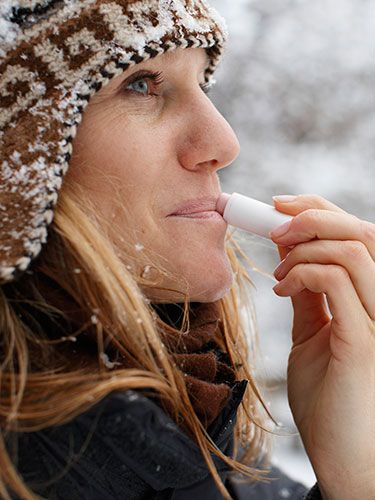
The AAD recommends a gentle lip balm that does not tingle or sting. Skip anything with strong menthol, camphor, or fragrance if your lips are cracked. An overnight lip mask is an easy habit to build, and our Laneige Lip Sleeping Mask review looks at one of the best-known options.
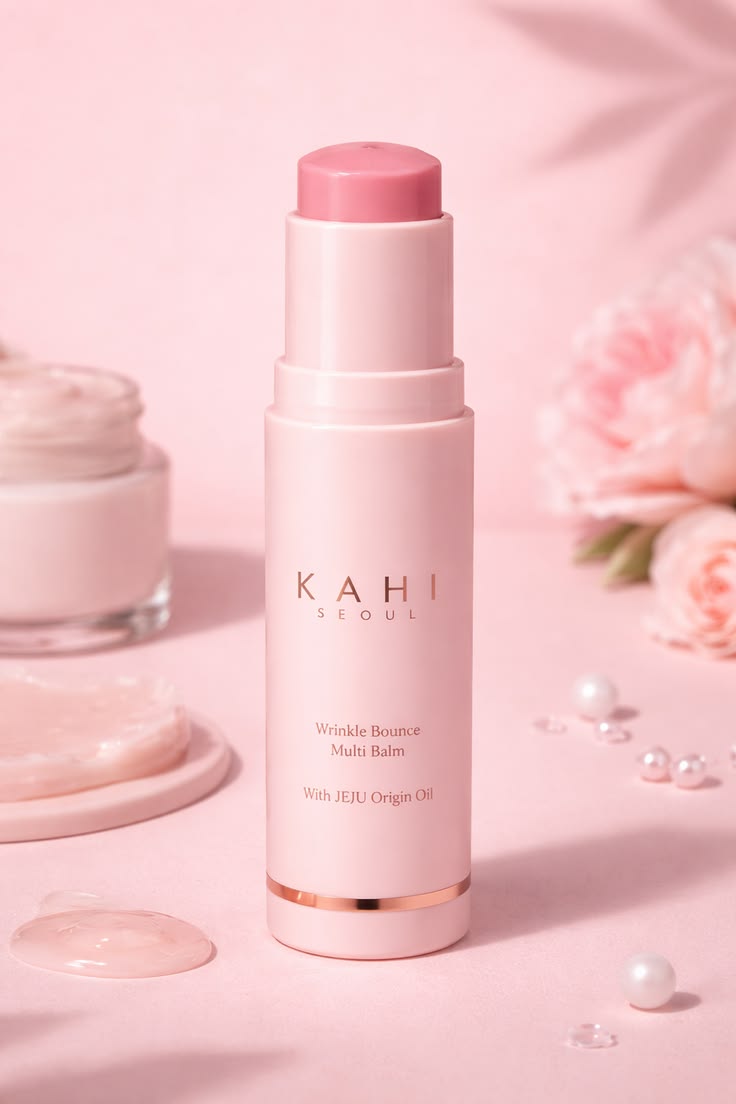
If you want to go a step further for dry, tight cheeks and lips, a richer balm product can help too. Our Medicube PDRN Pink Collagen Volume Multi Balm review covers a stick-style option for targeted areas.
The Daily Habits That Matter as Much as Your Products
You can own the best moisturizer in the world and still lose the battle if your habits work against you. These are the cold weather skincare tips that cost almost nothing.
Shorten your showers. Long, hot showers dry the skin. Aim for shorter, lukewarm ones. After you step out, pat dry and moisturize your body and face within a few minutes.
Think about your water. In some areas, hard water leaves residue on the skin and can make dryness feel worse. If you are wondering whether it is worth investing in a filter or a softener,
Add humidity. A cool-mist humidifier in your bedroom can make a real difference. A dermatologist quoted in a US Pharmacist article recommends a filtered, cool-mist humidifier in the bedroom in winter. Clean it regularly so it does not become a source of bacteria.
Keep distance from heat sources. Sitting right next to a heater, radiator, or fireplace dries your skin faster. Move your chair if you can.
Cover up outdoors. Scarves, hats, and gloves reduce wind exposure. The AAD also recommends gloves for people with dry skin when they go outside in cold weather.
Choose soft fabrics and gentle laundry products. Rough wool against dry skin can trigger itching. The AAD suggests soft fibers like cotton or silk and fragrance-free laundry detergent when skin is very dry or raw.
Take care of the skin below your neck. The AAD points out that your body needs just as much care as your face. Apply body cream straight after showering.
Be careful with sprays and mists. Some people like soothing facial mists in winter. If you are considering one,
Common Winter Skincare Mistakes to Avoid
These are the mistakes we see most often.
Over-exfoliating. When skin flakes, it is tempting to scrub it off. Flakes mean your barrier needs help, not another round of exfoliation.
Skipping sunscreen because it is cold. UV does not take the winter off.
Layering too many products. More steps mean more chances for irritation. Fewer, simpler products usually win.
Using very hot water. It feels nice, but it works against you every time.
Changing everything at once. If your skin reacts, you will not know what caused it.
Ignoring your body and hands. Dryness on your hands and legs often shows up before your face does.
H2: When to See a Dermatologist
Dry skin is common, but it is not always just dry skin. See a board-certified dermatologist if your skin is cracked or bleeding, if itching keeps you awake, if you see widespread red, scaly patches, or if nothing you try gives relief after a few weeks. As the AAD notes, a dermatologist can recommend ways to hydrate and prevent dry skin and prescribe medication when needed.
Frequently Asked Questions
What are the best winter skincare tips for dry, sensitive skin?
Use a gentle, fragrance-free cleanser with lukewarm water, apply a ceramide- or glycerin-rich moisturizer right after washing, scale back strong actives, wear SPF 30 or higher daily, and add humidity indoors.
What is the best winter skincare routine?
Keep it short. Gentle cleanse, hydrating layer on damp skin, a barrier-supporting moisturizer, and sunscreen in the morning. At night, skip the sunscreen and use a richer cream.
How can I care for dry skin in winter without irritation?
Introduce one product at a time, avoid fragrance and alcohol-heavy formulas, and avoid hot water. If your skin stings, pause your actives first.
Do I need a different moisturizer in winter?
Many people do. A lightweight lotion that works in summer may not be enough when the air is dry. Switching to a cream with ceramides, glycerin, or petrolatum often helps.
Should I still use retinol in winter?
It depends on your skin. If you are peeling or stinging, reduce the frequency or pause it. Some people do fine with a lower strength or by sandwiching it between moisturizer layers.
Can I use a face oil in winter?
Yes, but as the last step to seal in moisture, not instead of a moisturizer. Oils prevent water from escaping, but they do not add water.
Do I really need sunscreen in winter?
Yes. The AAD recommends daily sunscreen on exposed skin, and UV can still affect you on cloudy days and around snow.
Final Thoughts
The best winter skincare tips are rarely exciting. They are small, repeatable habits: lukewarm water, a good cleanser, a moisturizer you actually enjoy using, SPF every morning, and patience with your barrier.
If your skin feels irritated, simplify first. Most winter dryness improves when you stop doing too much, not when you do more. Build up slowly, introduce one product at a time, and use our reviews to check the ingredients before you buy.
Stay warm, stay moisturized, and take it one step at a time. Browse more of our reviews at Review Dermatica to build a winter routine that works for your skin.