
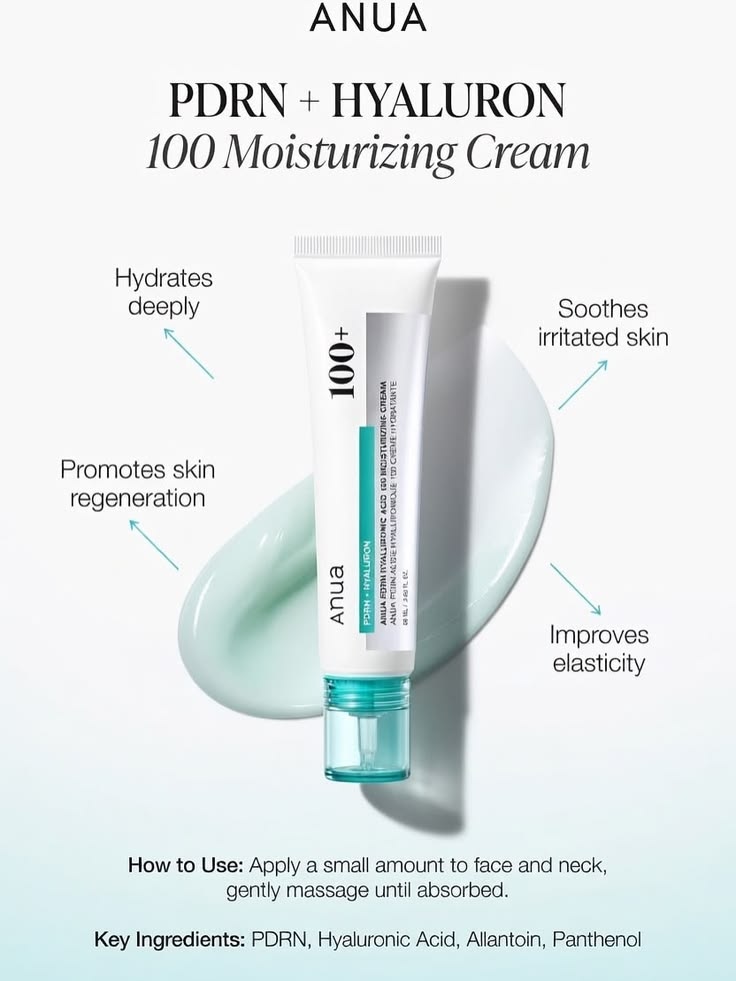
Anua PDRN Hyaluronic Acid 100 Cream Review (2026): Shockingly Worth It?
If you’ve spent more than five minutes on Korean skincare TikTok or Lemon8 in the past year, you’ve probably seen someone gushing about “salmon DNA cream.” That’s PDRN — and Anua PDRN Hyaluronic Acid 100 Moisturizing Cream has become one of the most talked-about launches in the brand’s lineup. It promises the so-called “glass skin” glow, deep hydration, and a plumper, bouncier complexion, all from an ingredient that sounds like it belongs in a sci-fi movie rather than a moisturizer jar.
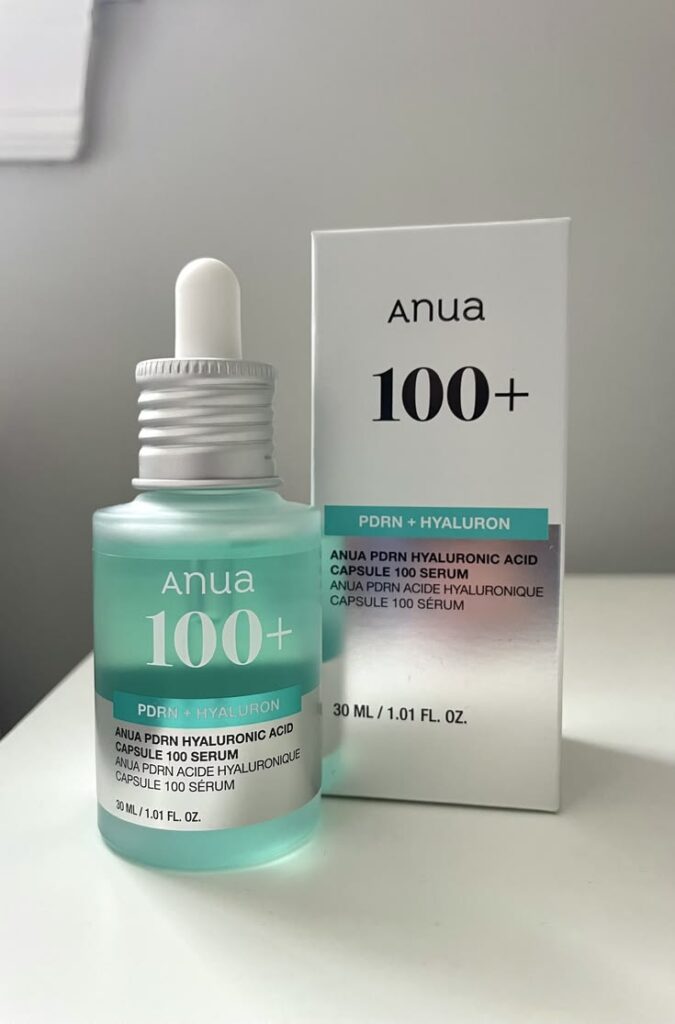
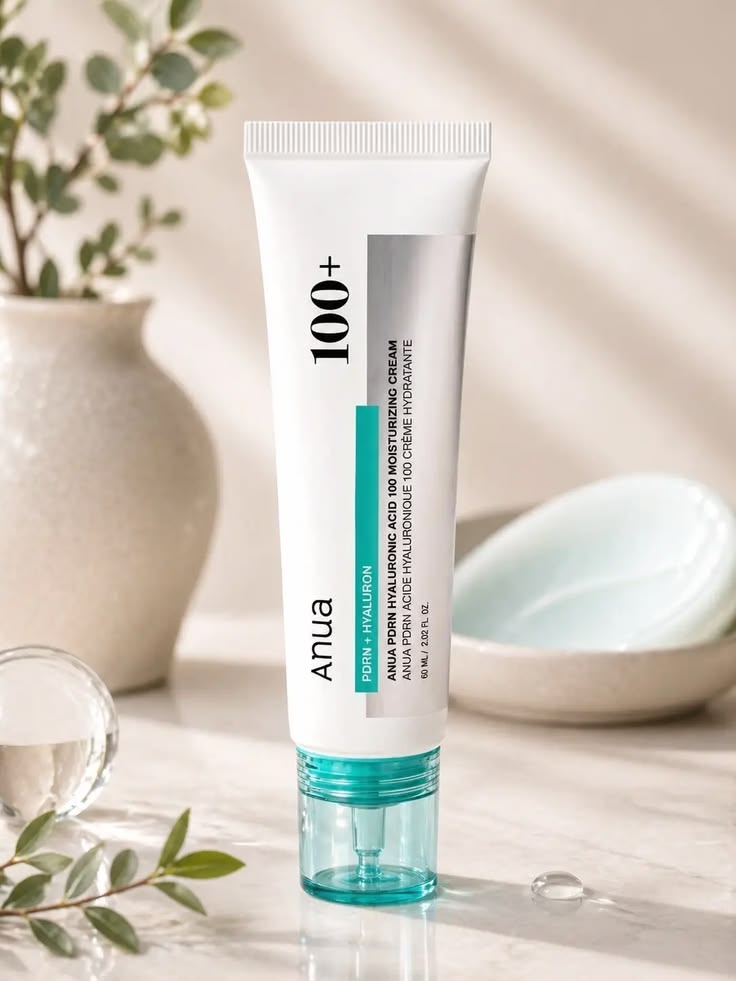
I bought a full-size tube and used it as my AM and PM moisturizer for 30 straight days, layering it the way Anua recommends — after their PDRN Booster Toner and before sunscreen. This review covers everything: what PDRN actually is, what the clinical research says, how the formula performed on my skin texture and hydration levels, who it’s genuinely worth buying for, and where it falls short. No fluff, no exaggerated before-and-afters — just an honest, ingredient-literate breakdown.
Quick Summary
- What it is: A lightweight, fragrance-free face cream built around PDRN (a DNA-derived ingredient from salmon), combined with multiple forms of hyaluronic acid, hydrolyzed collagen, niacinamide, and centella asiatica.
- Best for: Dry, dehydrated, or mature skin that wants a hydration and barrier boost without heaviness; anyone curious about the PDRN trend who wants an entry point that isn’t a clinic injection.
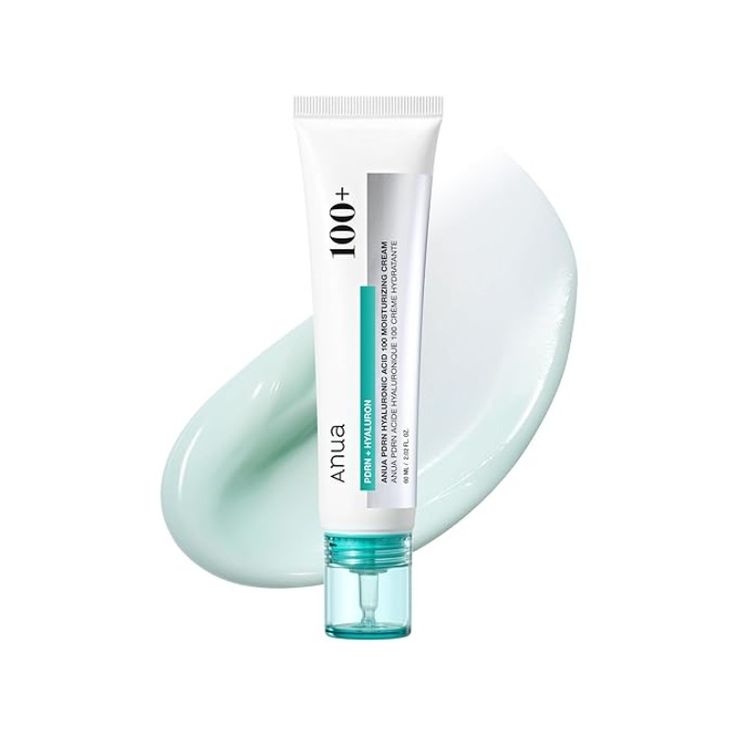
- Texture: Slightly viscous gel-cream, absorbs fast, no white cast, no greasy finish.
- Results after 30 days: Noticeably plumper, better-hydrated skin by week two; visible improvement in overall radiance and bounce by week four; no irritation on sensitive, reactive skin.
- Skip it if: You have very oily, acne-prone skin that reacts to richer creams, or you’re looking for active exfoliation/brightening rather than hydration and barrier repair.
- Price: Around $25–$29 for 60ml, which is competitive for a PDRN-based formula compared to clinic treatments or higher-end Western “DNA repair” creams.
Affiliate Disclaimer
Review Dermatica is reader-supported. Some links in this article are affiliate links, including Amazon Associates links, meaning we may earn a small commission at no extra cost to you if you make a purchase through them. This does not influence our testing process or opinions — we only recommend products we’d genuinely suggest to our own readers.
What Is PDRN, and Why Is Everyone Suddenly Obsessed?
PDRN stands for polydeoxyribonucleotide — a DNA-derived biopolymer originally used in clinical wound care and, more recently, in injectable aesthetic treatments (the famous “salmon DNA injections” you may have seen dermatologists discuss online). It’s typically derived from chum salmon or trout sperm, which sounds unappealing on paper but is processed into a purified, stable compound used safely in both medical and cosmetic settings.
A comprehensive 2025 literature review covering PDRN’s dermatological uses noted that current evidence highlights PDRN as a safe and effective biopolymer with promising potential as a DNA-based therapeutic in dermatology. The same review explained that PDRN is composed of over 90% purified DNA, and researchers are still investigating its full range of mechanisms beyond its established receptor pathway. MDPIMDPI
Separately, a systematic review focused on skin wound healing found that PDRN works by promoting cell migration and growth, supporting new blood vessel formation, and reducing inflammation in wound healing models across lab, animal, and clinical studies. That same review concluded PDRN has shown encouraging results for healing time and tissue regeneration without significant side effects. PubMedPubMed
There’s also early evidence on pigmentation. A study on PDRN’s anti-melanogenesis properties reported that PDRN led to noticeable improvement in hyperpigmented lesions in a small clinical evaluation, suggesting potential brightening benefits on top of its hydrating and regenerative effects — though this research is still considered early-stage and based on small sample sizes. PubMed
In plain terms, PDRN was first proven useful for serious wound healing, and skincare brands like Anua have since adapted it into cosmetic-grade formulas at much lower concentrations than clinical injectables. You’re not getting “injection results” from a jar of cream, but you are getting an ingredient with real regenerative research behind it, not just trend-driven marketing.
If you’ve already read our breakdown on what beta-glucan does for skin, PDRN sits in a similar category: a bioactive, skin-identical-feeling ingredient that supports the skin’s own repair processes rather than just sitting on top of it.
Full Ingredient Breakdown
Anua didn’t just sprinkle PDRN into a basic moisturizer base — the formula is layered with several supporting actives:
PDRN (Sodium DNA): The headline ingredient, included for its regenerative, anti-inflammatory, and hydration-boosting properties discussed above.
Hydrolyzed Collagen: Supports skin elasticity and firmness, working alongside PDRN’s collagen-stimulating properties.
Niacinamide: Helps even tone, strengthen the moisture barrier, and calm minor redness or sensitivity.
Centella Asiatica (Cica) and Madecassoside: Soothing, barrier-repairing botanicals — a smart addition for anyone whose skin barrier is already compromised.
Squalane: A lightweight, non-comedogenic emollient that locks in hydration without feeling greasy.
Adenosine: A well-studied anti-aging ingredient that supports collagen synthesis and reduces the look of fine lines.
The formula is fragrance-free, which matters if you’re someone prone to reactions — and it pairs nicely in a routine alongside gentle, barrier-supportive products like our previously reviewed I’m From Mugwort Essence or Anua’s own Heartleaf Pore Control Cleansing Oil for cleansing.
My 30-Day Testing Experience
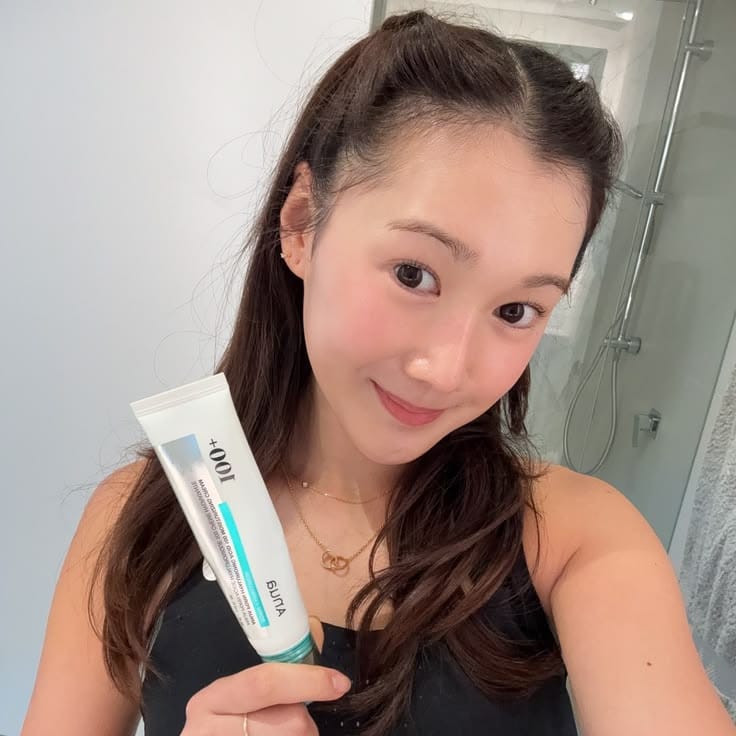
Week 1: The cream has a slightly viscous, gel-like texture that glides on without pilling — even over a hydrating toner like the kind discussed in our Round Lab 1025 Dokdo Toner review. It absorbed within about 30–60 seconds, leaving a soft, dewy (not greasy) finish. No initial breakouts, no stinging, no fragrance to react to.
Week 2: This is when I started noticing a real difference. My skin felt visibly plumper by midday — the kind of “bounce back” effect when you press a finger into your cheek. Fine dehydration lines around my eyes looked softer. Makeup sat better on top, with less patchiness around dry zones.
Week 3: Overall radiance improved noticeably. This is the closest I’ve gotten to an at-home product replicating that “glass skin” look without relying purely on highlighter or skin-tint tricks. My skin tone also looked slightly more even, which lines up with the early anti-melanogenesis research mentioned above — though I wouldn’t call this a brightening cream first and foremost.
Week 4: Hydration held consistently through the day, even in dry, air-conditioned environments. No purging, no clogged pores, and my skin barrier — which had been a little compromised from over-exfoliating with COSRX BHA Blackhead Power Liquid — felt noticeably calmer and more resilient.
Compared to a more basic ceramide-based moisturizer like the one in our La Roche-Posay Toleriane Double Repair review, the Anua PDRN cream felt more “active” — less about simply sealing in moisture, more about visibly improving skin quality over time.
Pros and Cons
Pros:
- Lightweight texture that still delivers deep, long-lasting hydration
- Backed by genuine (if still emerging) clinical research on PDRN’s regenerative properties
- Fragrance-free and well-tolerated by sensitive, reactive skin
- Multi-weight hyaluronic acid complex for both surface and deep hydration
- Noticeable plumping and “bounce” effect within two weeks
- Doesn’t clog pores or cause breakouts in combination with normal skin
Cons:
- Premium price point compared to basic moisturizers
- May feel slightly too rich for very oily or acne-prone skin in humid climates
- PDRN research in cosmetic (non-injectable) concentrations is still developing — results will vary
- The 60ml tube is on the smaller side for daily AM/PM use
Who Should (and Shouldn’t) Use This Cream
Good fit: Dry, dehydrated, combination, or mature skin types looking for visible plumping and a hydration boost; anyone whose barrier needs repair after using actives like retinoids or exfoliating acids; people who want to try the PDRN trend without committing to injectables.
Not ideal for: Very oily or acne-prone skin in hot, humid climates — the texture, while lightweight, may feel like one layer too many. If that’s you, something lighter like a gel-cream or the formula in our Best Non-Comedogenic Moisturizer guide might suit you better.
How to Use It in Your Routine
Use it as the last step of your AM and PM routine, after toner and serum. Anua specifically designed it to pair with their PDRN Booster Toner, but it also layers well with hydrating serums like the one in our iUNIK Beta Glucan Power Moisture Serum review. In the morning, always follow with sunscreen — something broad-spectrum like the option in our EltaMD UV Clear SPF 46 review — since none of the actives here offer sun protection on their own. If you’re unsure which sunscreen formula suits your skin type, our mineral vs. chemical sunscreen guide breaks down the difference.
Anua PDRN Cream vs. Other Popular Moisturizers
| Moisturizer | Key Actives | Texture | Best For |
|---|---|---|---|
| Anua PDRN Hyaluronic Acid 100 Cream | PDRN, 10x HA, collagen, niacinamide | Lightweight gel-cream | Dehydrated, mature, barrier-compromised skin |
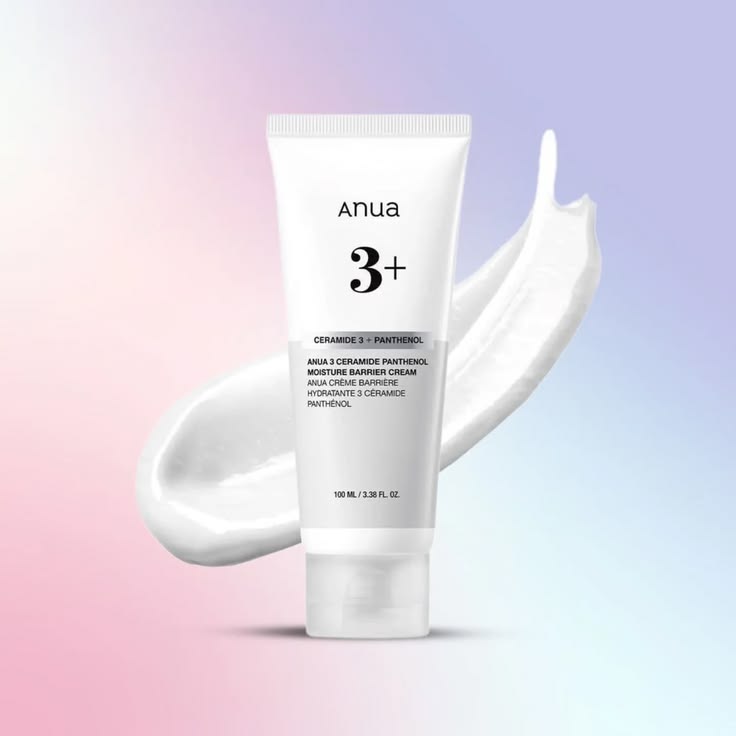
| Anua 3 Ceramide Panthenol Cream | Ceramides, panthenol, centella | Richer, balm-like | Very dry, barrier-damaged skin |
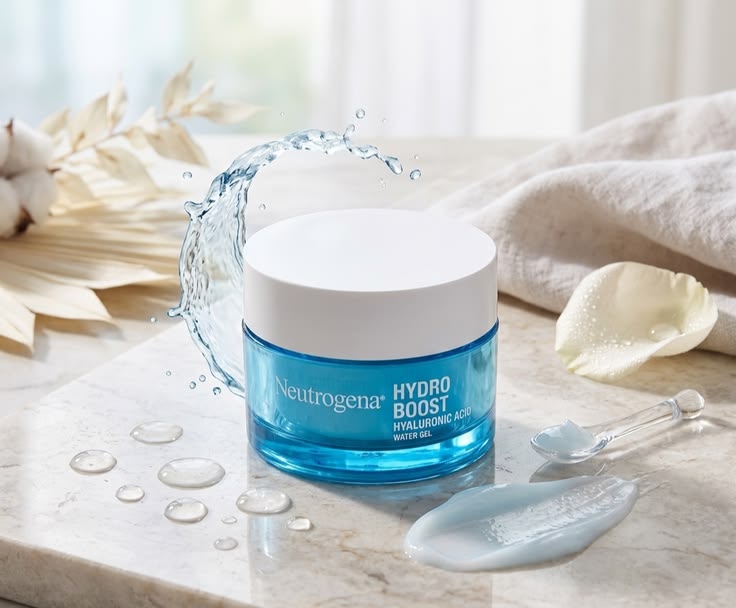
| Neutrogena Hydro Boost (see our comparison) | Hyaluronic acid | Gel | Oily-combination, budget-friendly hydration |
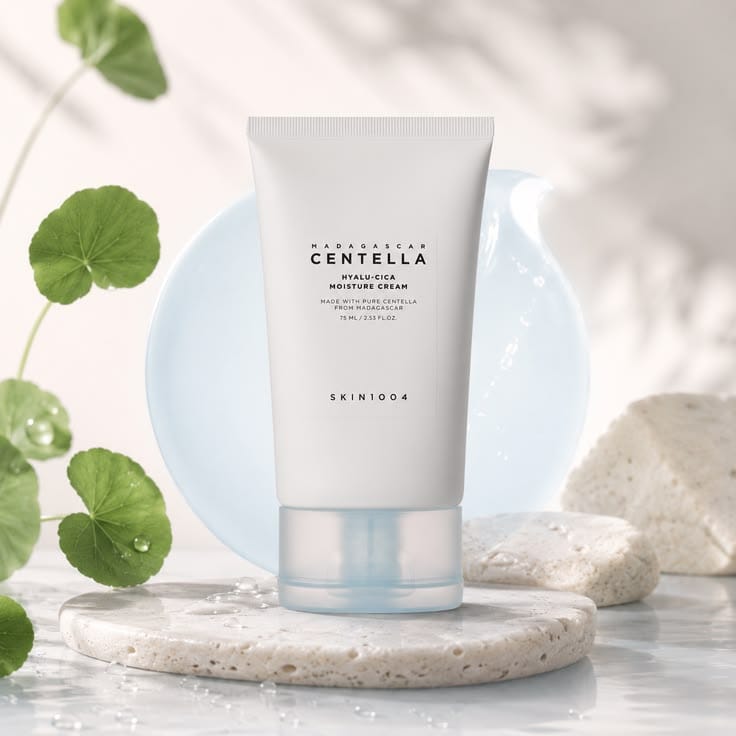
| SKIN1004 Hyalu-Cica Moisture Cream | HA, centella | Lightweight gel | Sensitive, acne-prone skin |
If you’re also comparing toners in this routine, our Paula’s Choice Skin Balancing Toner review is a solid Western alternative to pair with K-beauty actives like this one.
Frequently Asked Questions
Is PDRN the same as hyaluronic acid?
No, they are fundamentally different ingredients. Hyaluronic acid is a powerful humectant that primarily binds water molecules to the skin’s surface, delivering immediate surface hydration and a plumping effect. On the other hand, PDRN (Polydeoxyribonucleotide) is a DNA-derived biopolymer originally developed in regenerative medicine for wound healing and tissue repair. Instead of just holding water, PDRN works at a cellular level to stimulate cell migration, boost collagen synthesis, and actively reduce inflammation. Anua’s cream strategically combines both ingredients to deliver a dual-action, layered hydration-plus-regeneration effect. PubMed
Is salmon DNA in skincare safe?
Yes, it is highly safe and well-tolerated for topical cosmetic applications. PDRN derived from salmon DNA shares a high biocompatibility profile with human DNA, meaning the skin recognizes it easily without adverse reactions. It has a long, proven history of clinical use in medical wound care, and numerous dermatological reviews highlight it as a safe, non-toxic, and effective biopolymer for skin barrier restoration. However, as a standard rule for any advanced formulation, we always recommend conducting a 24-hour patch test before full application, especially if you have highly reactive or sensitive skin. MDPI
How long until I see results?
Skin improvement typically happens in phases. Most users notice an immediate boost in surface hydration, and a noticeable plumping effect within the first 1 to 2 weeks of consistent daily use. For deeper cellular changes—such as visible improvements in overall skin texture, reduced redness, and a radiant complexion—it generally takes about 3 to 4 weeks, which aligns perfectly with the skin’s natural cellular turnover cycle.
Can I use this with retinol or vitamin C?
Absolutely. In fact, it serves as an excellent companion for potent actives. Because this moisturizer features a gentle, barrier-supporting, and fragrance-free formula, it acts as a perfect soothing buffer. You can apply it after your nightly retinol to mitigate irritation and dryness, or layer it directly over a morning vitamin C serum to lock in antioxidant benefits—similar to the layering technique mentioned in our La Roche-Posay Hyalu B5 review.
Does it help with glass skin?
Yes, it plays a significant supportive role, but it isn’t a standalone shortcut. Achieving the “glass skin” look requires a combination of deep hydration, cellular plumpness, and a smooth surface texture that reflects light evenly. While this PDRN cream directly tackles all three of those aspects, it works most effectively when integrated into a structured, full skincare routine rather than being relied upon as a single miracle step.
Final Verdict
The Anua PDRN Hyaluronic Acid 100 Moisturizing Cream earns its hype, at least partially. It’s not going to replicate clinic-grade PDRN injections, and anyone expecting an overnight transformation will be disappointed. But as a daily moisturizer, it delivers genuinely strong, science-backed hydration and visible plumping, especially for dry, dehydrated, or barrier-stressed skin. Combined with its fragrance-free, well-tolerated formula, it’s a worthwhile addition if you’re building a K-beauty-inspired routine focused on long-term skin health rather than quick fixes.
About the Review Dermatica Team
This review was researched and written by Newaj Hossain Asim, Founder and Lead Analyst at Review Dermatica, with clinical and formulation insight from co-founder Tahmina Zannat Lamya. Our team tests products firsthand and cross-references ingredient claims against peer-reviewed dermatological research from sources like PubMed and MDPI to give readers honest, science-backed skincare guidance.
Affiliate Disclaimer
Review Dermatica is reader-supported. Some links in this article are affiliate links, including Amazon Associates links, meaning we may earn a small commission at no extra cost to you if you make a purchase through them. This does not influence our testing process or opinions — we only recommend products we’d genuinely suggest to our own readers.

5 thoughts on “Anua PDRN Hyaluronic Acid 100 Cream Review (2026): Shockingly Worth It?”