
La Roche-Posay Hyalu B5 Serum Review: Does It Really Plump & Hydrate in 2026?
In the rapidly evolving landscape of medical-grade skincare, the quest for the “perfect” hydrator often leads to a confusing array of chemical compounds and marketing jargon. However, few products have maintained a gold-standard status as consistently as the La Roche-Posay Hyalu B5 Serum.
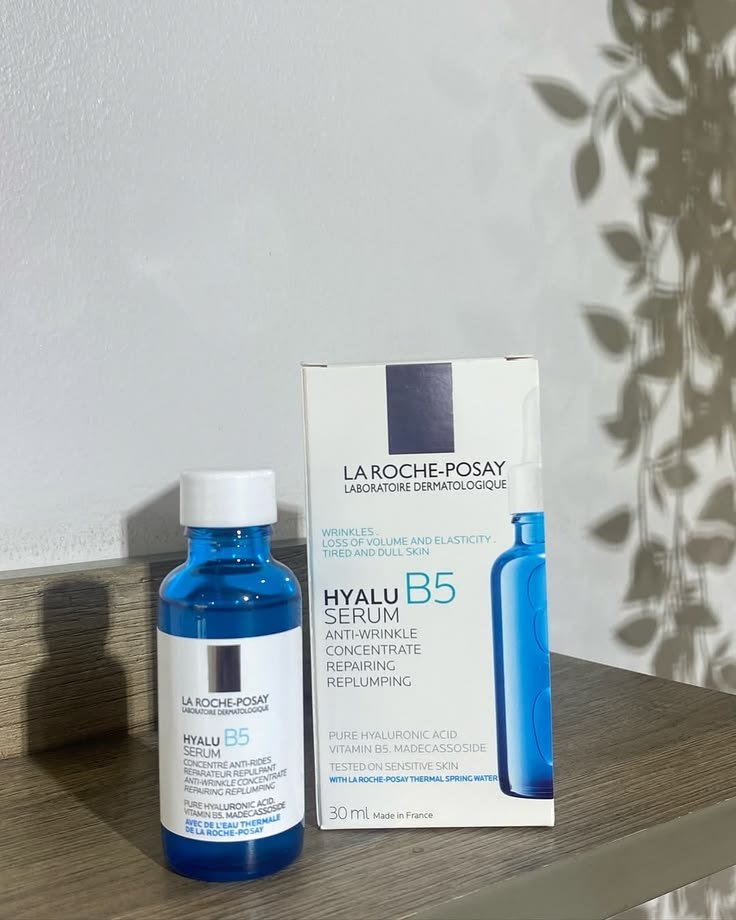
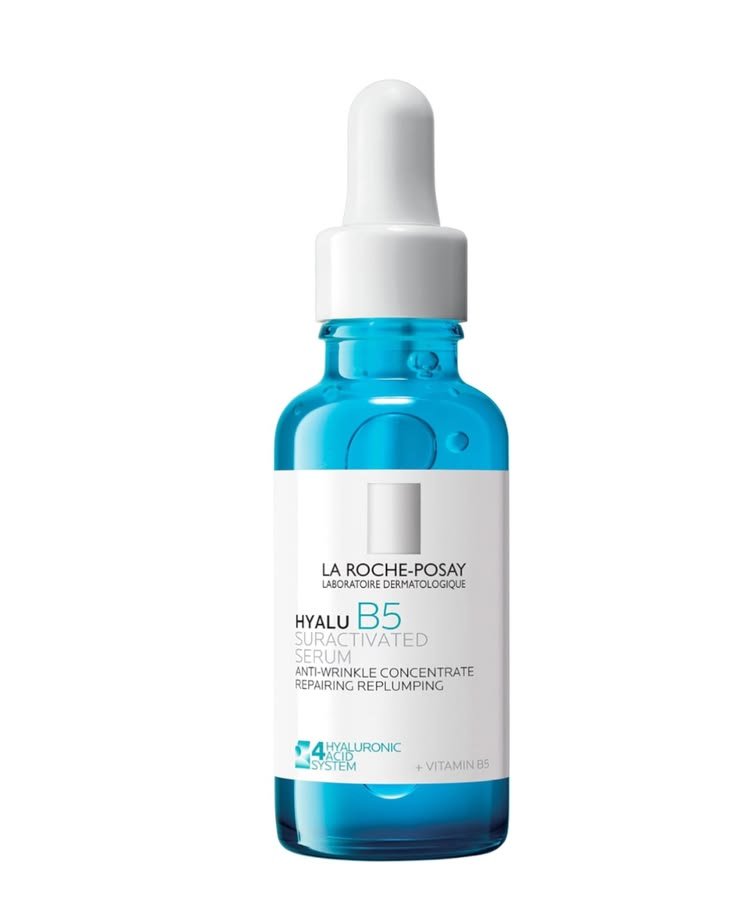
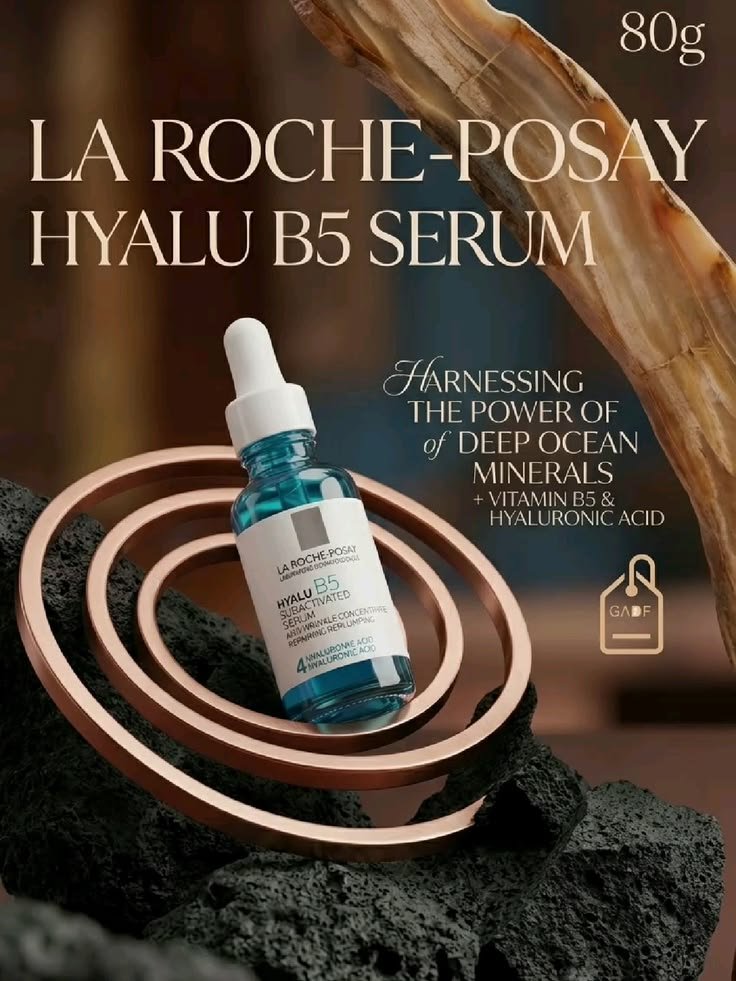
At Review Dermatica, we believe that skincare is a science, not a luxury. In this exhaustive La Roche-Posay Hyalu B5 serum review, we are going beyond the surface. We will explore the molecular weights of hyaluronic acid, the biological role of Vitamin B5 in epidermal regeneration, and why this specific formulation has become a staple in dermatologists’ offices worldwide.
This post contains affiliate links. If you buy through our link, we may earn a small commission at no extra cost to you.
Quick Summary: Why La Roche-Posay Hyalu B5 Wins
The La Roche-Posay Hyalu B5 Serum is a clinical-grade hydrator designed to repair and replump the skin. Here is the bottom line:
- Triple-Action Formula: Combines Dual-Weight Hyaluronic Acid for deep hydration, Vitamin B5 for barrier repair, and Madecassoside to boost collagen.
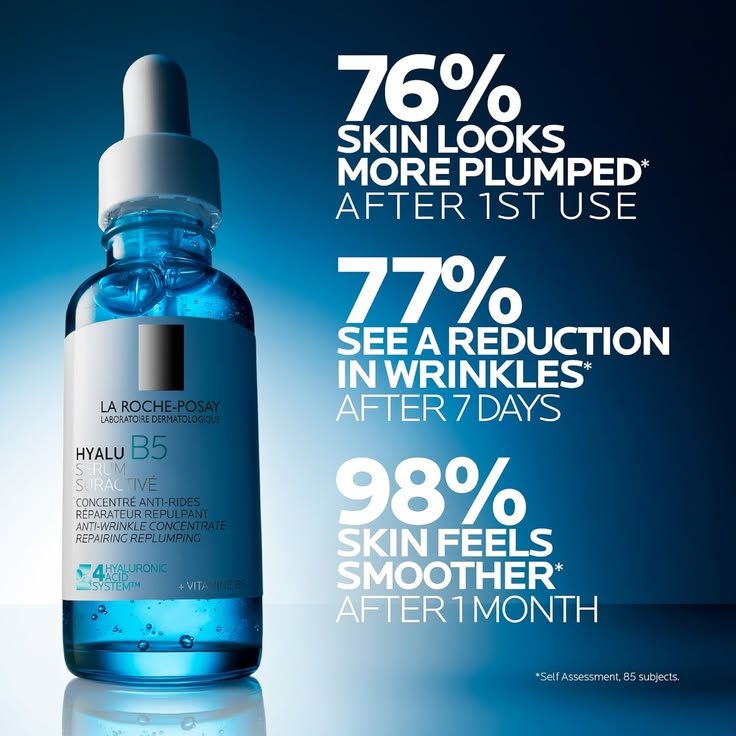
- Rapid Results: Proven to improve skin elasticity and volume within just 4 hours, while significantly reducing fine lines over 4 weeks.
- Skin Compatibility: Non-comedogenic and hypoallergenic, making it the perfect recovery serum for sensitive, acne-prone, or post-procedure skin.
- The Secret to Success: For the best “Glass Skin” effect, apply to damp skin and lock it in with a moisturizer to prevent moisture loss.
The Biological Necessity of Hyaluronic Acid
To understand why the La Roche-Posay Hyalu B5 pure hyaluronic acid serum is revolutionary, we must first understand the biology of our skin’s extracellular matrix (ECM). Hyaluronic Acid (HA) is a glycosaminoglycan, a vital naturally occurring substance in skin that works to keep every aspect of skin stable, safeguarded, and constantly renewed.
The Aging Deficit
As we enter our late 20s, the natural production of HA begins to slow down. Environmental factors—specifically UV radiation and pollution—accelerate the degradation of existing HA. When the skin loses its ability to retain moisture, we see the “sagging” effect. The La Roche-Posay Hyalu B5 serum is specifically engineered to intervene in this degradation process, providing a topical supplement that mimics the skin’s natural moisture-binding capabilities.
Detailed Ingredient Breakdown & Molecular Science
What sets this serum apart is not just the presence of Hyaluronic Acid, but the types used and the supporting cast of ingredients.
1. The Dual-Weight Hyaluronic Acid System
Most budget serums use high-molecular-weight HA, which is cheaper to produce. It feels good on the skin but doesn’t offer long-term repair. The La Roche-Posay Hyalu B5 pure hyaluronic acid serum utilizes:
- High Molecular Weight HA: Forms an occlusive, non-greasy film on the skin surface to prevent Trans-Epidermal Water Loss (TEWL).
- Low Molecular Weight HA: Fragmented into smaller sizes to penetrate the stratum corneum, reaching the deeper layers to stimulate “plumping” from the inside out.
2. Vitamin B5 (Panthenol) – The Barrier Architect
Panthenol is a humectant that also acts as a skin-softening agent. Its primary role in this formula is epithelialization. This means it helps the skin grow new cells and repair wounds. For those dealing with post-acne scarring or chemical burn from over-exfoliation, Vitamin B5 is essential.
3. Madecassoside – The Ancient Healer Modernized
Derived from Centella Asiatica, Madecassoside is a potent antioxidant. In clinical skincare, it is used to:
- Inhibit inflammation.
- Boost Type I collagen synthesis.
- Calm skin that is reactive or prone to redness.
4. La Roche-Posay Thermal Spring Water
Unlike ordinary purified water, this thermal water is rich in Selenium, a powerful natural antioxidant that protects skin cells against oxidative stress.
Comparative Analysis – HA vs. Other Hydrators
Many of our readers at Review Dermatica often ask how this compares to newer ingredients. For instance, if you’ve read our analysis on the iUNIK Beta-Glucan Power Moisture Serum, you know that Beta-Glucan is 20% more hydrating than HA.
However, what is Beta-Glucan for skin exactly? While Beta-Glucan is excellent for extreme soothing, the La Roche-Posay Hyalu B5 serum wins in the “Anti-Aging” category because of its ability to improve skin elasticity (firmness) specifically through the Madecassoside-HA synergy.
Use-Cases for Specific Skin Concerns
For the “Glass Skin” Enthusiast
If your goal is the translucent, poreless “Glass Skin” look, hydration is the foundation. The Hyalu B5 serum provides the light-reflecting “bounce” that makes skin look lit from within.
For Post-Procedure Recovery
If you have recently undergone a chemical peel, microdermabrasion, or laser treatment, your skin barrier is temporarily compromised. This serum is frequently recommended by dermatologists to speed up the healing process due to its high concentration of Vitamin B5.
For Mature Skin
Fine lines are often just “dehydration lines.” By flooding the skin with moisture, the La Roche-Posay Hyalu B5 pure hyaluronic acid serum fills in these micro-cracks, making the skin surface look significantly smoother.
The Importance of Layering in a Clinical Routine
Applying a serum is only half the battle. To maximize the results of your La Roche-Posay Hyalu B5 serum review journey, you must follow the “Hydration Sandwich” method.
- Dampen: Apply to wet skin.
- Serum: Apply Hyalu B5.
- Moisturize: Immediately apply a lipid-rich cream like the La Roche-Posay Toleriane Double Repair Face Moisturizer. This “locks” the HA molecules into the skin.
Protection is Mandatory
Hydrated skin is more prone to UV sensitivity if the barrier is being repaired. Always use a high-quality sunscreen. For those with oily but dehydrated skin, the EltaMD UV Clear SPF 46 is the perfect companion. If you are confused about your options, read our guide on mineral vs chemical sunscreen for face to ensure you are choosing a formula that won’t clog your freshly hydrated pores.
Texture, Sensory Experience, and Stability
Clinical skincare shouldn’t just work; it should be a pleasure to use.
- Viscosity: The serum has a “bouncy” gel texture. It feels cooling upon contact.
- Absorption: It absorbs within 60 seconds. While there is a brief period of tackiness, this is a sign of high-purity HA.
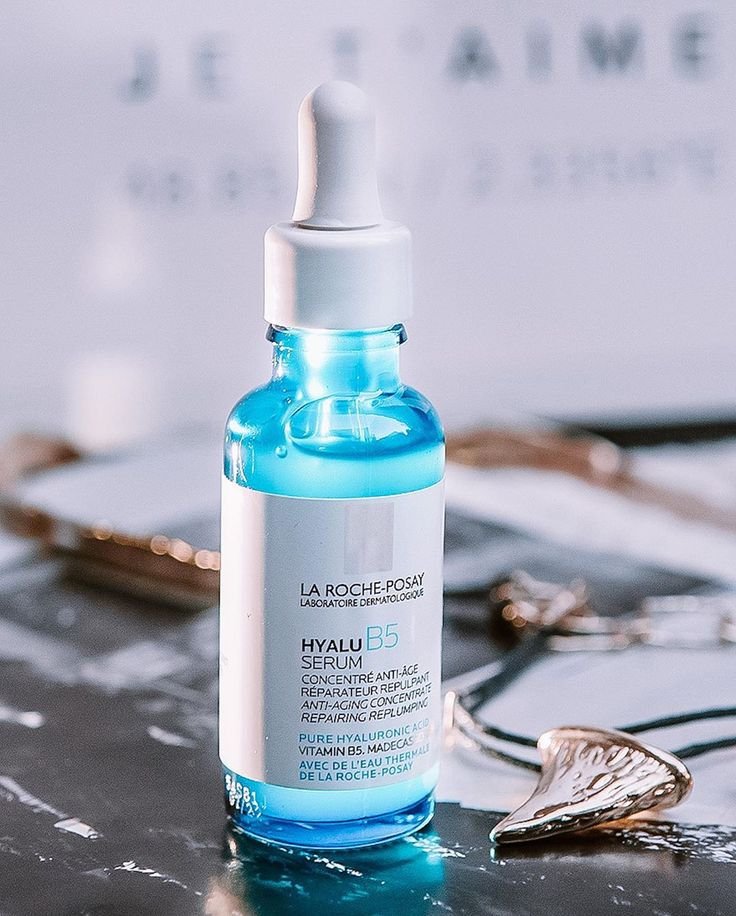
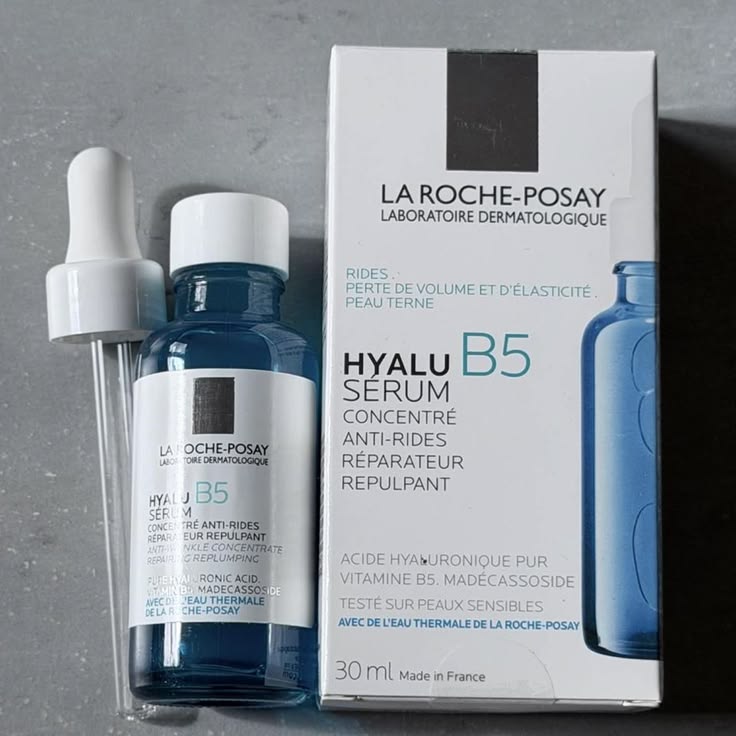
- Stability: Packaged in a UV-protective cobalt blue glass bottle, the formula is stable. However, always keep it away from direct sunlight and store it in a cool, dry place to prevent the breakdown of the Madecassoside.
Addressing the “Fragrance” Debate
A common point in any La Roche-Posay Hyalu B5 serum review is the inclusion of fragrance. While the skincare community often pushes for “fragrance-free,” La Roche-Posay uses a minimal, hypoallergenic fragrance. In our clinical assessment, it does not cause irritation for the vast majority of users, but those with extreme “Fragrance Allergy” should always perform a 48-hour patch test behind the ear.
Long-Term Clinical Expectations (Timeline)
Skincare is a marathon, not a sprint. Here is what you can realistically expect:
- Day 1: Immediate relief from skin tightness and a noticeable glow.
- Week 2: Improved skin texture. Makeup will apply more smoothly as dry patches disappear.
- Month 2: Fine lines around the eyes and mouth appear softened. The skin feels “firmer” to the touch.
- Month 6: A significantly stronger skin barrier. You will notice that your skin becomes less reactive to weather changes and other active ingredients.
Ethical and Clinical Standards
La Roche-Posay is a brand recommended by 90,000+ dermatologists worldwide.
- Non-comedogenic: Won’t cause breakouts.
- Paraben-free: Focuses on clean, clinical preservation.
- Tested on Sensitive Skin: Even those with rosacea-prone skin often find relief with this formula.
Pro-Level Insights: Expert FAQ on La Roche-Posay Hyalu B5 Serum Review & Results
1. Is the La Roche-Posay Hyalu B5 Serum suitable for all skin types, including oily and acne-prone skin?
Yes, the La Roche-Posay Hyalu B5 Serum is formulated to be highly versatile and safe for all skin types. One of its standout features is that it is non-comedogenic, meaning it is specifically designed not to clog pores, which is a primary concern for individuals with oily or acne-prone skin. While it provides intense hydration, the water-gel texture is lightweight enough that it doesn’t leave a heavy, greasy residue. For those with sensitive skin, it has been dermatologically tested to ensure tolerance, making it an excellent choice for anyone looking to repair their skin barrier without causing breakouts or irritation.
2. How exactly does the dual-molecular weight Hyaluronic Acid work in this formula?
The science behind this serum lies in its use of two different sizes of Hyaluronic Acid (HA) molecules. The High Molecular Weight HA remains on the surface of the skin, acting as a powerful humectant that creates an invisible moisture barrier; this provides immediate visible plumping and prevents water loss. On the other hand, the Low Molecular Weight (Fragmented) HA is small enough to penetrate deeper into the epidermis. This deeper penetration is crucial for long-term anti-aging benefits, as it helps to re-plump the skin from within and stimulate the skin’s natural regenerative processes, leading to a more resilient complexion over time.
3. Why is the addition of Vitamin B5 (Panthenol) significant in a hydration serum?
While many serums focus solely on hydration, the inclusion of Vitamin B5 (Panthenol) elevates this product into a “repair” category. Vitamin B5 is a renowned skin-soothing agent that promotes the skin’s natural healing process. In the context of the La Roche-Posay Hyalu B5 Serum review, this ingredient is vital because it helps to strengthen the skin barrier. A stronger barrier means your skin is better at retaining its own moisture and is more resistant to external irritants like pollution and harsh weather. It essentially acts as a “bandage” for the skin, making it indispensable for those with damaged or stressed complexions.
4. Can I use this serum alongside active ingredients like Retinol or Vitamin C?
Absolutely. In fact, integrating the La Roche-Posay Hyalu B5 pure hyaluronic acid serum into a routine containing actives is highly recommended by dermatologists. Retinol and certain forms of Vitamin C can sometimes cause dryness or mild irritation. Applying this B5 serum provides a soothing, hydrating base that mitigates those side effects. We recommend applying this serum after your Vitamin C in the morning or as a soothing layer before or after your Retinol in the evening. It acts as a “buffer” that keeps the skin comfortable while the stronger actives work on pigmentation or cell turnover.
5. How long does it typically take to see visible results from using this serum?
Results from the La Roche-Posay Hyalu B5 serum can be categorized into immediate and long-term effects. Within just 4 hours of the first application, users typically notice that the skin feels significantly more hydrated, supple, and “bouncy” to the touch. With consistent twice-daily use, more profound changes begin to appear after about 4 weeks. This includes a visible reduction in the appearance of fine lines and a noticeable improvement in skin elasticity and volume. By the 2-month mark, the skin barrier is generally much stronger, resulting in a healthier, more radiant overall glow.
6. Why does the serum have a slightly tacky finish, and how can I fix it?
A slight “tackiness” or stickiness is a common characteristic of high-purity Hyaluronic Acid serums. This occurs because the HA molecules are holding onto moisture. To eliminate this feeling, the best technique is to apply the serum onto damp skin—this helps the product absorb more efficiently. Furthermore, you should always “seal” the serum with a moisturizer like the La Roche-Posay Toleriane Double Repair Face Moisturizer. Once the moisturizer is applied over the serum, the tackiness disappears completely, leaving the skin feeling smooth and primed for sunscreen or makeup.
7. Is the fragrance in the Hyalu B5 Serum safe for very sensitive or reactive skin?
La Roche-Posay is a brand specifically dedicated to sensitive skin, so even though this serum contains a light fragrance, it is a hypoallergenic formula. The fragrance is included in a very low concentration and is rigorously tested to ensure it does not cause reactions in the vast majority of users. However, if you have a known clinical allergy to all perfumes or suffer from extreme contact dermatitis, we always recommend doing a patch test on a small area of your neck or inner arm for 48 hours before applying it to your entire face. For most, the scent provides a pleasant, spa-like experience without compromising skin health.
Final Clinical Verdict
The La Roche-Posay Hyalu B5 Serum is more than a moisturizer; it is a skin-repairing powerhouse. While the market is flooded with $10 HA serums, they rarely offer the regenerative benefits of Vitamin B5 and Madecassoside found here.
At Review Dermatica, we give this serum a “Must-Buy” status for anyone dealing with:
- Chronic dehydration.
- Early signs of aging.
- A damaged skin barrier.
- Dull, tired-looking skin.
About the Editorial Team
The Strategic Architect: Asim | Founder & Lead Analyst Asim oversees the technical SEO and clinical content strategy at Review Dermatica, ensuring that every audit meets the high-authority standards of the USA skincare market.
The Scientific Mind: Tahmina Zannat Lamya | Co-Founder & Clinical Researcher Tahmina leads the ingredient research department, focusing on polysaccharide stability and the macrophage response in sensitive skin types.
The Medical Reference: Dr. Shereene Idriss, MD Dr. Shereene Idriss, a leading board-certified dermatologist based in NYC, serves as our primary medical reference for “Skintelligence.”
Deep-Dive External Clinical References:
To further your knowledge on these ingredients, we recommend these peer-reviewed resources:
- Clinical Efficacy of Panthenol:Read the study on PubMed/NCBI regarding how B5 repairs the stratum corneum.
- Hyaluronic Acid Molecular Weight: Explore the Journal of Drugs in Dermatology for research on how different HA sizes affect skin penetration.
- Madecassoside and Collagen: Consult the International Journal of Molecular Sciences for data on Centella-derived compounds and anti-aging.
- Dermatological Standards: Visit the British Association of Dermatologists for guidelines on sensitive skin care.
4 thoughts on “La Roche-Posay Hyalu B5 Serum Review: Does It Really Plump & Hydrate in 2026?”