Tatcha The Dewy Skin Cream Review: Worth the Luxury Hype in 2026 ?
Every few years, one jar of moisturizer takes over bathroom shelves, TikTok routines, and Sephora wish lists all at once. In 2026, that jar is still Tatcha The Dewy Skin Cream, the one that comes with a little gold spoon.
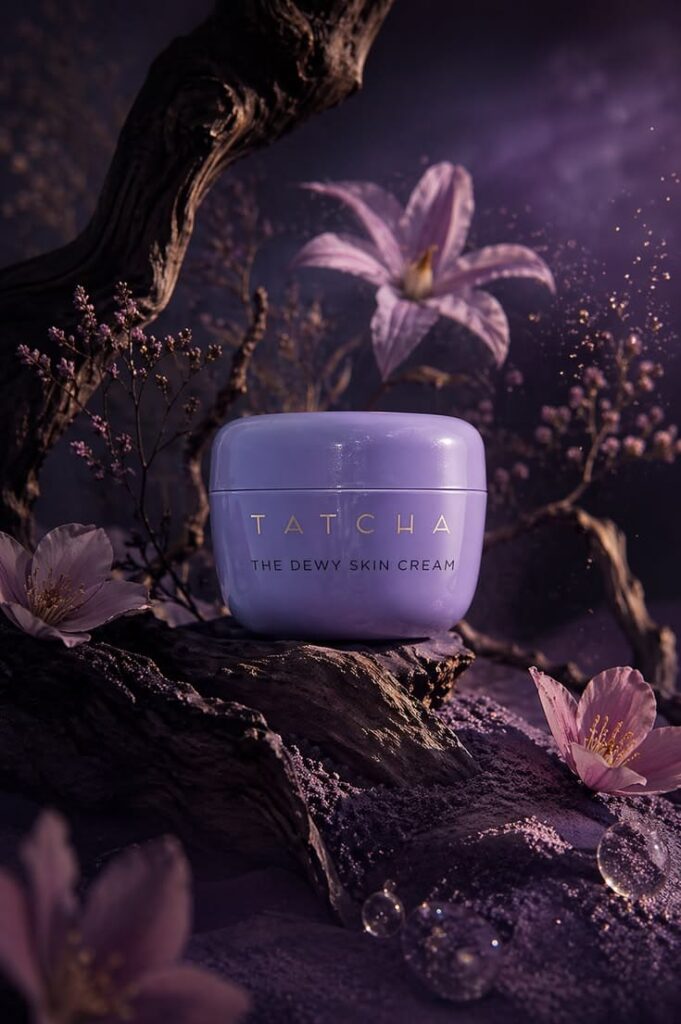
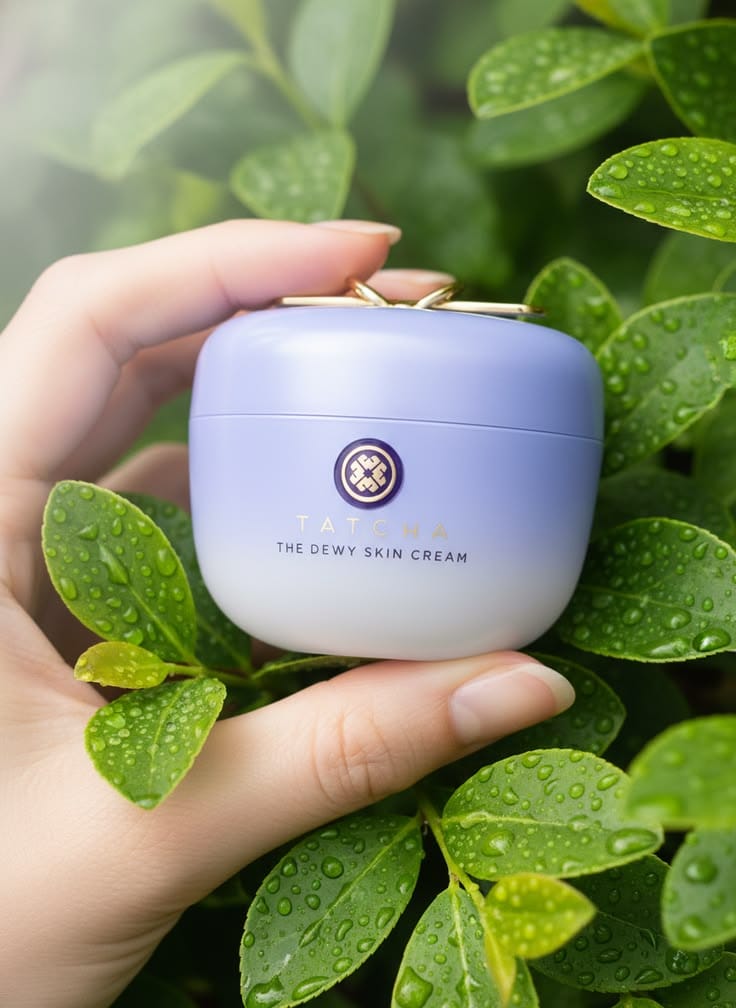
This Tatcha The Dewy Skin Cream review looks past the packaging. We went through the full ingredient list, the published research behind the key ingredients, and what buyers keep saying about it. The goal is to answer one question: is it really worth around $72 for a 50 ml jar?
The short answer: it is a very good moisturizer for dry and dehydrated skin. It is not a miracle, and it is not right for everyone.
Here is the full picture, so you can decide before you spend.
Quick Summary For Tatcha The Dewy Skin Cream Review
- Product: Tatcha The Dewy Skin Cream (refillable jar)
- Type: Rich, cushiony face cream
- Best for: Dry, dehydrated, and normal-to-dry skin that wants a plump, glowy finish
- Key ingredients: Hyaluronic acid, red algae, Hadasei-3 ferment, squalane, glycerin, Japanese purple rice
- Price: About $72 for 50 ml (1.7 oz) at standard retail. Prices and sizes vary by retailer, so check the current listing.
- Texture: Dense but silky, melts in, leaves a soft sheen
- Sensitive skin: Gentle on paper, but it contains several botanical extracts, so patch test first
- Skip if: Your skin is oily or breakout-prone, or you avoid silicones
- Review Dermatica rating: 4 out of 5
- Verdict: Worth it if dry skin is your main problem. Not essential if your budget is tight.
Affiliate Disclosure and Editorial Team
Review Dermatica is reader-supported. If you buy through links on this page, we may earn a small commission at no extra cost to you. It never changes our verdict. We recommend products based on ingredients and evidence, not on commission rates. This article was written by Asim, founder and lead analyst at Review Dermatica, with clinical and formulation research by co-founder Tahmina Zannat Lamya. Our reviews are based on ingredient analysis, published research, and aggregated consumer feedback. This is educational content, not medical advice. If you have a skin condition, talk to a board-certified dermatologist.
What Is Tatcha The Dewy Skin Cream?
Tatcha is a Japanese-inspired skincare brand founded by Victoria Tsai in 2009. Its whole identity is built around traditional Japanese beauty rituals, including the geisha-inspired story that made it famous. If you have seen the phrase “Japanese J-Beauty ritual skincare” online, Tatcha is one of the brands that pushed it into the Western mainstream.
Tatcha The Dewy Skin Cream is the brand’s rich moisturizer for dry skin. Tatcha says it delivers triple the hydration and plumps the look of fine lines. The formula leans on hyaluronic acid, peptide-rich red algae, Japanese purple rice, and a biomimetic squalane base.
It now comes in a refillable jar, which cuts waste if you stay loyal to it. You will find it in several sizes, from travel minis to the large jar, so you can test it cheaply before committing to the full-size one.
One note on the marketing: Tatcha’s claims, like “3X hydration,” are brand claims. We could not find the full study data published openly. That does not make them false, but we treat them as marketing until the data is public.
Tatcha Dewy Skin Cream Ingredients Breakdown
Ingredient lists are where hype meets reality. According to the formula listed on Tatcha’s site and major retailers, it opens with water, then a rice-based ferment filtrate, glycerin, propanediol, dimethicone, and squalane. Further down, you will find sodium hyaluronate, several plant extracts, gold, sericin, and tocopherol.
Ingredient lists change between batches and regions, so always check the box in your hands. Here is what the key ingredients actually do.
Hadasei-3 and the J-Beauty Ritual
Hadasei-3 is Tatcha’s signature complex. It combines green tea, rice, and algae, fermented together. The brand says the double fermentation unlocks hundreds of micronutrients.
Fermented filtrates are used widely as light humectants and skin-conditioning agents. They feel nice and fit the clean luxury Japanese skincare story well. But the strongest published evidence for hydration still sits with the simpler, boring ingredients below.
Hyaluronic Acid and Red Algae
Hyaluronic acid is the headline ingredient, and it deserves the attention. In a study on a 0.1% hyaluronic acid cream, all molecular weights tested improved skin hydration and elasticity compared with placebo. The lower molecular weights also reduced wrinkle depth around the eyes (see the Pavicic study on PubMed).
Here is the honest catch. Sodium hyaluronate sits in the lower half of the ingredient list in this cream. That suggests a modest concentration, not a heavy dose. The red algae extracts add to the water-binding effect, but they are supporting players.
Does that mean it does not work? No. It means the cream’s hydration comes from the whole formula working together, not from one hero ingredient.
Glycerin and Propanediol
Glycerin is the quiet workhorse here, and it ranks near the top of the list. A well-known review in the British Journal of Dermatology found that glycerol improves stratum corneum hydration, skin barrier function, and the skin’s mechanical properties.
It also helps skin cope with irritation and dry, cold conditions. If you want to understand how it compares with hyaluronic acid, our guide on hyaluronic acid vs glycerin breaks it down simply.
Propanediol is a gentle humectant and solvent. It helps the formula feel light and spreadable, and it is generally well tolerated.
Squalane and the Emollient Base
Squalane gives the cream its cushioned, sealed-in feel. It is a stable form of squalene, a lipid that skin naturally makes. An MDPI review in Molecules describes squalene and related compounds as useful emollients with antioxidant properties and benefits for skin hydration.
Alongside squalane, the formula uses behenyl alcohol, myristyl myristate, and other fatty emollients. These build the rich texture. They also explain why the cream feels heavy on oily skin, which we cover below.
Japanese Purple Rice, Green Tea, and Antioxidants
Purple rice, green tea, ginseng, and tocopherol (vitamin E) are the antioxidant side of the formula. Antioxidants in a moisturizer can support the skin against daily environmental stress. But they are a bonus, not a replacement for sunscreen.
If you want to protect your results, pair this cream with a reliable daily SPF. Our Ultra Violette Supreme Screen review and our comparison of EltaMD UV Clear vs Supergoop Unseen are good places to start.
What Is Missing
This is a pure hydration and comfort cream. It has no retinoids, no exfoliating acids, no niacinamide at a meaningful level, and no ceramides listed prominently in the current formula. Some retail copy mentions ceramide support, but you should not buy it expecting a ceramide-heavy barrier cream.
It also contains dimethicone, a silicone. Some listings online call it silicone-free, which is incorrect for the formula we reviewed. If you avoid silicones, read the label first.
Does It Actually Hydrate? Skin Barrier Results Explained
Let us separate two ideas: hydration and barrier repair.
Hydration means water content in the outer layer of skin. This cream is built for that. Humectants like glycerin, hyaluronic acid, and propanediol pull water in. Squalane and the fatty alcohols then slow its escape. That is the standard two-step logic of a good moisturizer, packed into one jar.
Barrier repair is a bigger claim. A strong barrier cream usually leans on ceramides, cholesterol, and fatty acids in skin-like ratios. This one is not built that way. It supports the barrier by reducing water loss and keeping the surface comfortable, but it is not a clinical barrier-repair product.
According to the American Academy of Dermatology, creams and ointments work better than thin lotions for dry skin because they are thicker and help prevent moisture loss. See the AAD dry skin guidance for their full tips, including applying moisturizer right after bathing while skin is still slightly damp.
In plain terms: if your skin feels tight, flaky, or dull because it is dehydrated, this cream will likely help within days. That matches what most buyers report. Common feedback talks about a soft, plump look, a smooth base for makeup, and no sticky feel.
If your skin barrier is truly damaged, with stinging, redness, or constant flaking, start with a simpler barrier-focused product. Our Vanicream Enhanced Moisturizer review covers one of the best budget options for that.
Texture, Scent, and Real-World Use
The texture is the first thing people notice. It is thick and creamy in the jar, but it softens quickly on the skin. It does not feel greasy the way a heavy balm does, though you will feel it for a few minutes.
A pearl-sized amount is enough for the whole face. Tatcha includes the gold spoon for a reason: more product does not mean better results here, and a thick layer can pill under sunscreen or makeup.
The finish is a soft, healthy glow. Some older retailer listings show light-reflecting minerals in the formula, which explains the dewy look. Cream pigments aside, the glow also comes from well-hydrated skin reflecting light better.
Scent is the part to check. Some formula listings include fragrance, while newer ones may differ. We could not confirm one universal list across every region and batch. If you are fragrance-sensitive, check the label on the exact jar you are buying.
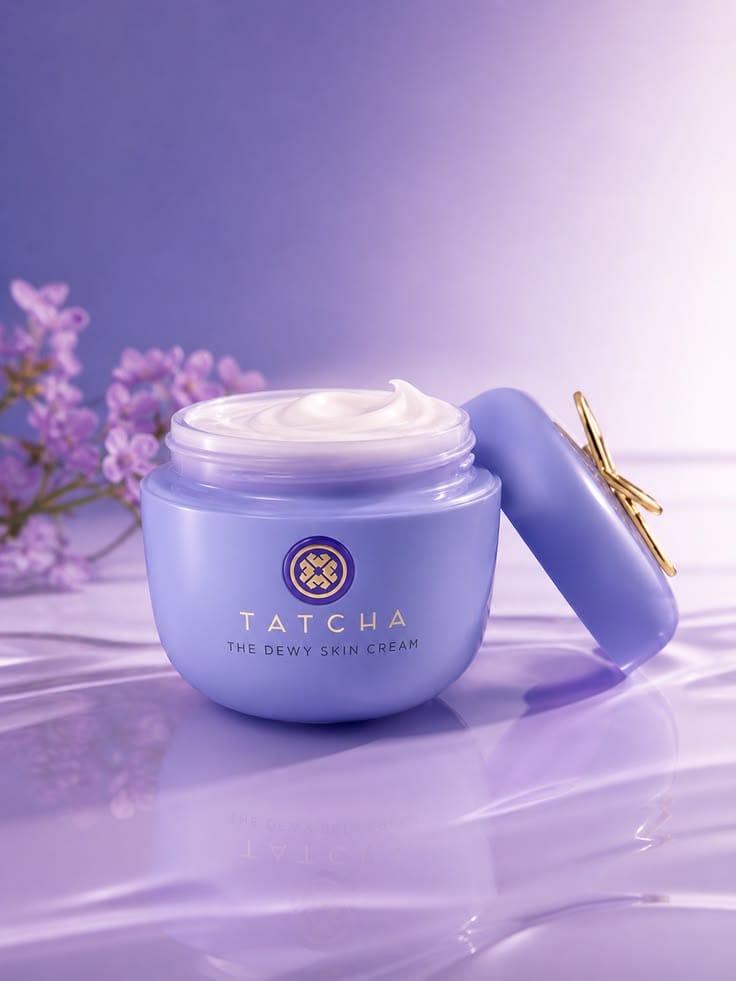
How to use it:
- Morning: Apply after serum, then finish with sunscreen
- Night: Apply as the last step in your routine to seal everything in
- Layering: Works well over a hydrating toner or serum. Our Torriden Dive-In Serum review and Round Lab 1025 Dokdo Toner review cover two popular hydrating layers.
Is Tatcha The Dewy Skin Cream Safe for Sensitive Skin?
This is the question we get most, so let us be careful.
The good news: the formula has no strong actives, no exfoliating acids, and no retinoids. Those are the usual triggers for irritation in a moisturizer. It also uses well-tolerated base ingredients like glycerin and squalane.
Now, the caution. The formula includes multiple botanical extracts, including green tea, ginseng, marjoram, thyme, and mallow. Botanicals are popular in luxury skincare, but a dermatology review on cosmetics, fragrances, and botanicals notes that they are increasingly recognized as sources of contact allergy.
Fragrance is the other watch-out. A clinical review of fragrance contact allergy explains that fragrance ingredients are among the most frequent causes of allergic reactions to cosmetics. It also warns that products labeled fragrance-free can still contain fragrance-related ingredients, including botanicals.
What that means for you:
- If your skin is only dry or mildly sensitive, you will probably be fine
- If you have eczema, rosacea, or a history of reacting to cosmetics, patch test first
- Test behind the ear or on the inner forearm for several days before using it on your face
- Stop using it if you notice burning, itching, or a rash
The AAD recommends fragrance-free products for people with dry or eczema-prone skin. If that is you, our list of the best skincare brands for sensitive skin has safer starting points, and our Aveeno oat gel moisturizer ingredient guide covers a gentle, budget-friendly option.
Who Should Buy It (and Who Should Skip It)
Buy it if:
- Your skin is dry, dehydrated, or feels tight by afternoon
- You like rich, cushiony creams with a glowy finish
- You want a refillable luxury moisturizer for both day and night
- You are in a dry climate, or you spend long hours in air conditioning
Skip it if:
You have oily or acne-prone skin. The rich emollient base can feel heavy, and some people find fatty alcohol-based creams too occlusive. Our guide to the best non-comedogenic moisturizers will help you find a lighter option.
- You avoid silicones, fragrance, or botanical extracts.
- You have active eczema or a compromised barrier.
- You are on a tight budget and just need basic hydration.
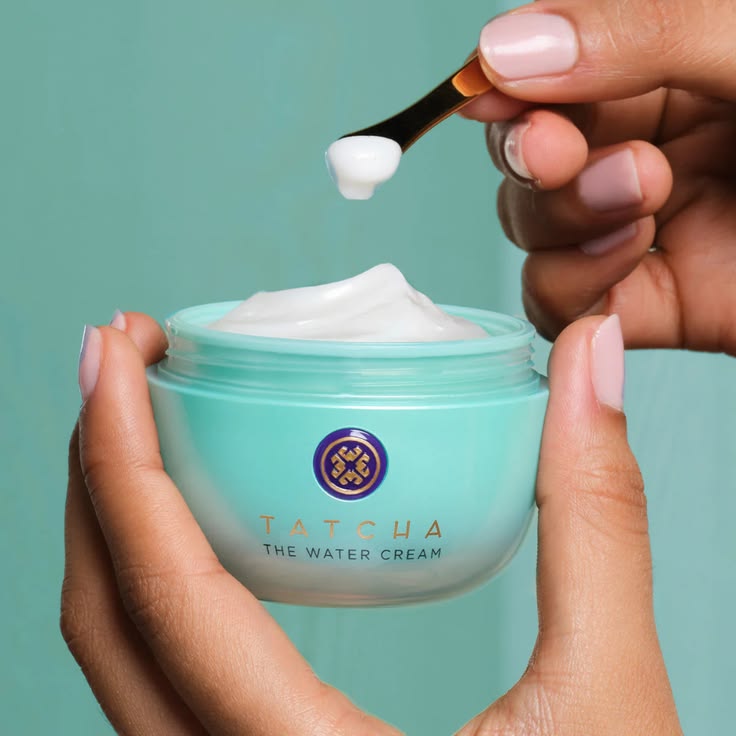
If you want a lighter Tatcha option, the brand’s Water Cream is made for oilier, combination skin. We cover it in the best Tatcha products section below.
Clean Luxury Japanese Skincare: Does the “Clean” Label Hold Up?
Tatcha markets itself as clean luxury Japanese skincare. “Clean” has no legal definition in skincare, so it is worth reading the label instead of trusting the word.
Here is what we found. The formula is free of the usual headline “no” list, like parabens and sulfates. But it does contain dimethicone, a silicone, and some listings include fragrance. Neither is harmful for most people, and silicones are widely used because they feel good and protect the skin surface.
So is it clean? That depends on your definition. We prefer to ask a better question: is it well formulated and well tolerated? On those terms, yes for most people, with the sensitivity notes above.
Is Tatcha Worth the Money?
Let us do the math. At about $72 for 50 ml, the cost is roughly $1.44 per ml. That puts it firmly in luxury territory.
What are you paying for? Some of it is formulation quality: the texture is excellent, and the glow is real. Some of it is the refillable jar, the gold spoon, and the brand story. Some of it is simply the Tatcha name.
What the science says: the hydrating core of this cream, meaning glycerin, hyaluronic acid, and squalane, is also found in far cheaper moisturizers. You are mainly paying extra for the feel and the experience.
If you want the same hydration logic for less, try these:
- Vanicream Enhanced Moisturizer vs Daily Facial Moisturizer for a minimalist, fragrance-free option
- Kiehl’s Ultra Facial Cream review for a mid-price classic
- Anua PDRN Hyaluronic Acid 100 for a K-beauty approach to plumping
- Beauty of Joseon vs Anua if you are choosing between two popular Korean brands
So is Tatcha worth the money? If you love the ritual and your skin is truly dry, yes, it is a treat that works. If you just need hydration, a cheaper cream will do most of the same job.
Tip: buy a travel size first. A small jar will tell you within two weeks whether the texture and scent suit your skin.
Best Tatcha Skincare Products to Pair With It
If you are exploring the brand, these are the products that come up most in reviews and retailer lineups. We have not reviewed each one in depth, so treat this as a quick guide.
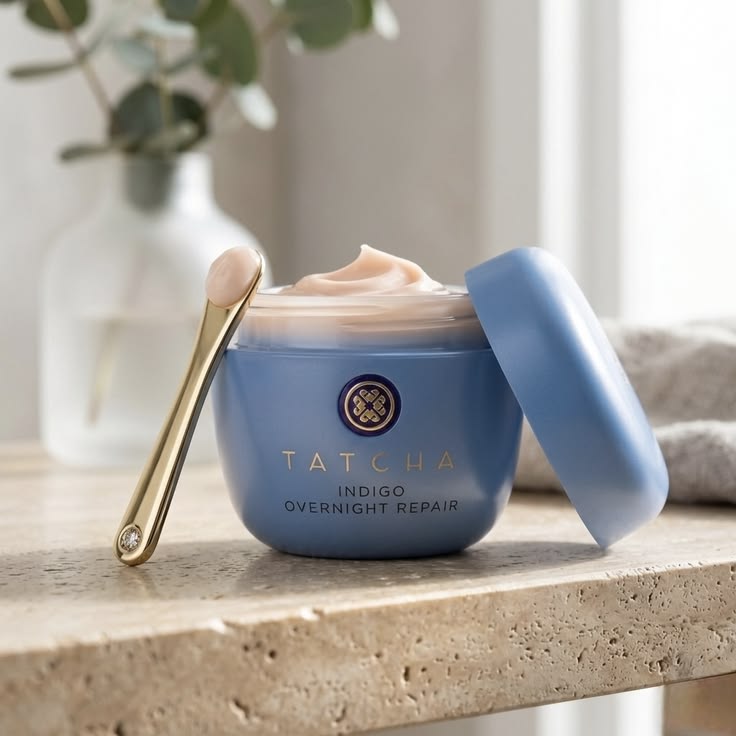
Indigo Overnight Repair
A redness-focused barrier cream for sensitive or reactive skin
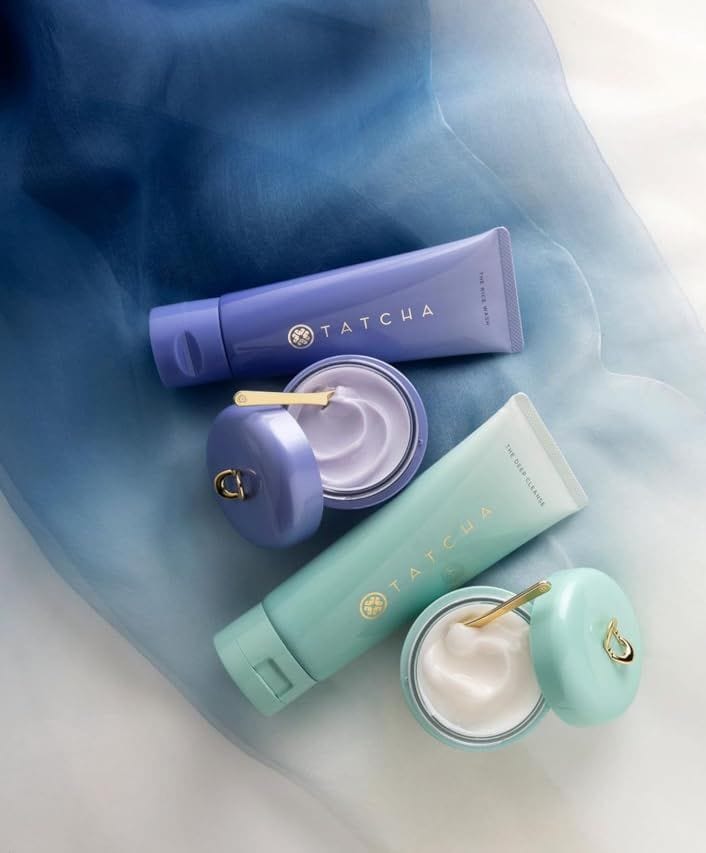
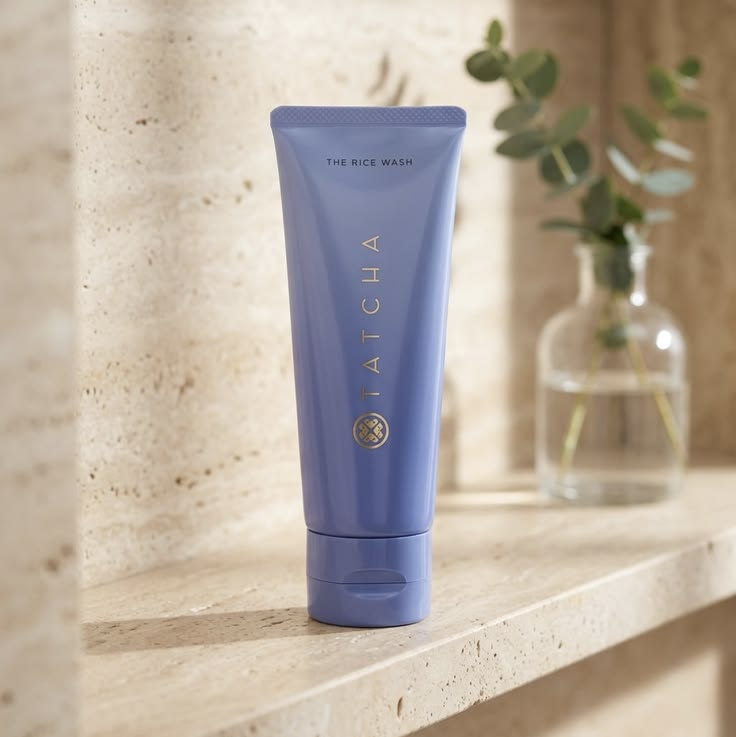
- The Rice Wash: A soft cleanser that suits dry skin and pairs well with the cream
- The Water Cream: A lighter, oil-free moisturizer for oilier or combination skin
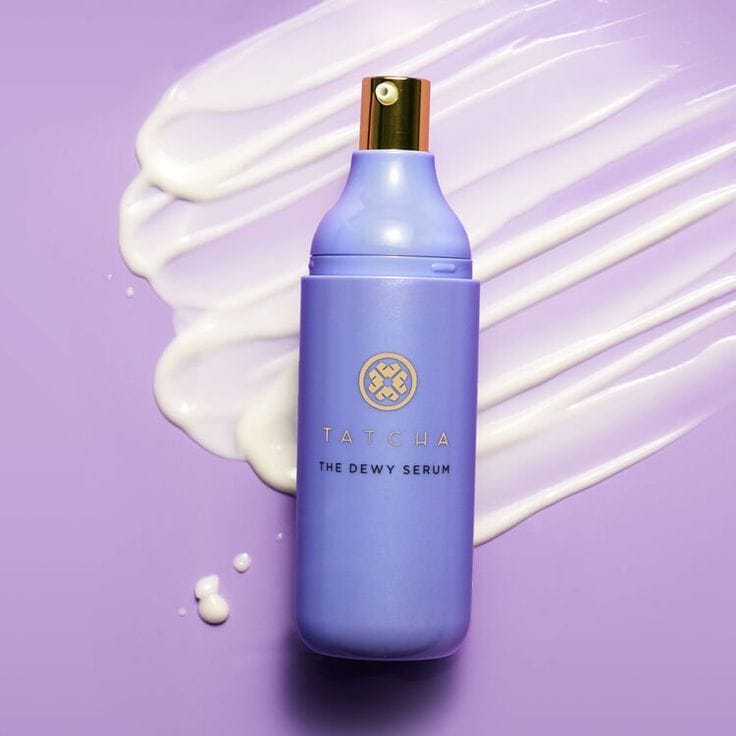
- The Dewy Serum: A hydrating serum with hyaluronic acid, for layering under the cream
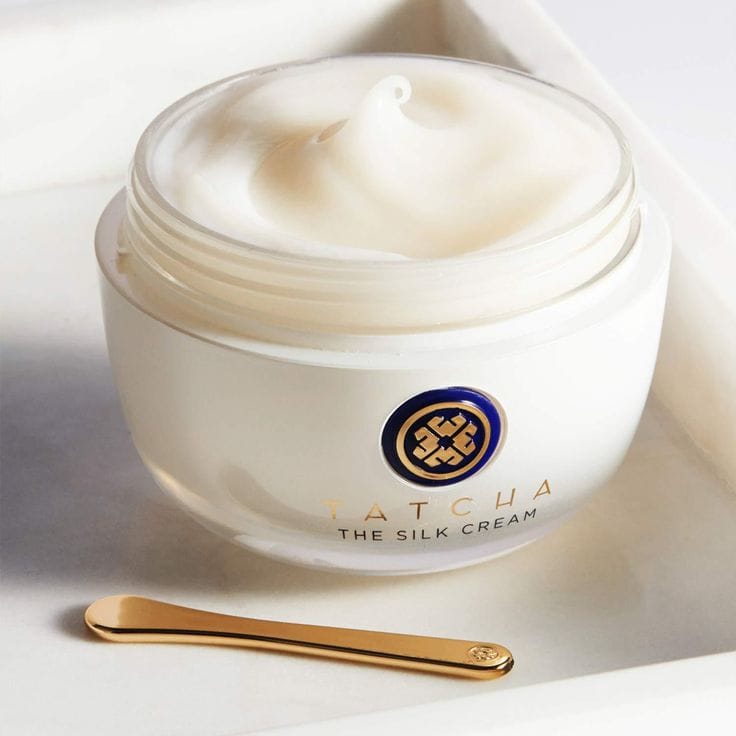
- The Silk Cream: A richer anti-aging option at a higher price
- Indigo Overnight Repair: A redness-focused barrier cream for sensitive or reactive skin
A simple routine could be: gentle cleanser, hydrating serum, Dewy Skin Cream, then SPF in the morning. You do not need the whole line. One or two well-chosen products are plenty.
If your goals go beyond hydration, such as lines and firmness, see our comparison of peptides vs retinol. A moisturizer alone will not replace active ingredients with stronger evidence.
Final Verdict: Is It Worth the Luxury Hype in 2026?
Tatcha The Dewy Skin Cream earns its reputation as a luxurious, effective moisturizer for dry skin. The base formula is solid, the texture is lovely, and the glow is genuine.
But the hype outruns the science in two places. The hyaluronic acid appears to be present at a modest level, and the barrier-repair claims are stronger in the marketing than in the formula. For plain hydration, cheaper creams can match a lot of what it does.
Our verdict: buy it if you have dry skin and enjoy a premium routine. Skip it if you are oily, fragrance-sensitive, or watching your budget.
Final rating: 4 out of 5.
Frequently Asked Questions
Is Tatcha The Dewy Skin Cream good for dry skin?
Yes. It is designed for dry to dehydrated skin, and its mix of humectants and emollients makes it a strong match. It is one of the best uses of the formula.
Is Tatcha The Dewy Skin Cream good for oily skin?
Usually not. The rich texture can feel heavy and may clog pores for some people. Oily skin types often do better with a gel-cream or the brand’s Water Cream. For breakout-prone skin, our La Roche-Posay Effaclar Ultra Concentrated Serum review is a useful read.
Can I use it with retinol or vitamin C?
Yes. It contains no strong actives, so it layers easily over most treatments. Many people use it after retinol to cushion the skin and reduce dryness.
Can I use it around my eyes?
You can use it near the eye area, but it is a face cream, not a dedicated eye product. If you want an eye-specific option, see our reviews of the CeraVe Eye Repair Cream and the Medicube PDRN Eye Cream.
Does hard water affect how well it works?
It can. Hard water may leave skin feeling drier, so any moisturizer has to work harder. Our guide on shower filter vs water softener explains whether a fix is worth it for your skin.