Best Peptide Skincare Products: Top Anti-Aging Serums & Creams (2026)
Peptides are everywhere right now. Every brand has a “multi-peptide” serum, and every one of them promises smoother, firmer skin.
Some of those promises hold up. Others are mostly marketing wrapped in a pretty bottle.
I get why people feel stuck. You stand in front of a shelf (or scroll through a hundred tabs), and every label says “collagen-boosting” or “wrinkle-smoothing.” None of it tells you which bottle is worth your money.
That is exactly why we wrote this guide to the best peptide skincare products. We looked at ingredient lists, brand-reported clinical claims, published research, and real user feedback, then ranked four serums that earn a place in an anti-aging routine.
Two of them are affordable. One is a mid-range classic. One is a luxury splurge. All four are strong options if you want anti-aging peptide skincare that does something real.
Let’s get into it.
Affiliate Disclosure and Editorial Team
Affiliate Disclosure: Review Dermatica is reader-supported. If you buy through links on this page, we may earn a small commission at no extra cost to you. This never changes our rankings. Products are placed based on formulation, research, and value, not on payout.
Editorial Team: This article was researched and written by Asim (Newaj Hossain Asim), founder and lead analyst of Review Dermatica, with clinical and formulation research by co-founder Tahmina Zannat Lamya. Our content is meant to educate, not to replace advice from a doctor or dermatologist. If you have eczema, rosacea, or a persistent skin condition, speak with a qualified professional before changing your routine.
Quick Summary: Best Peptide Skincare Products at a Glance
If you only have a minute, here is the short version.
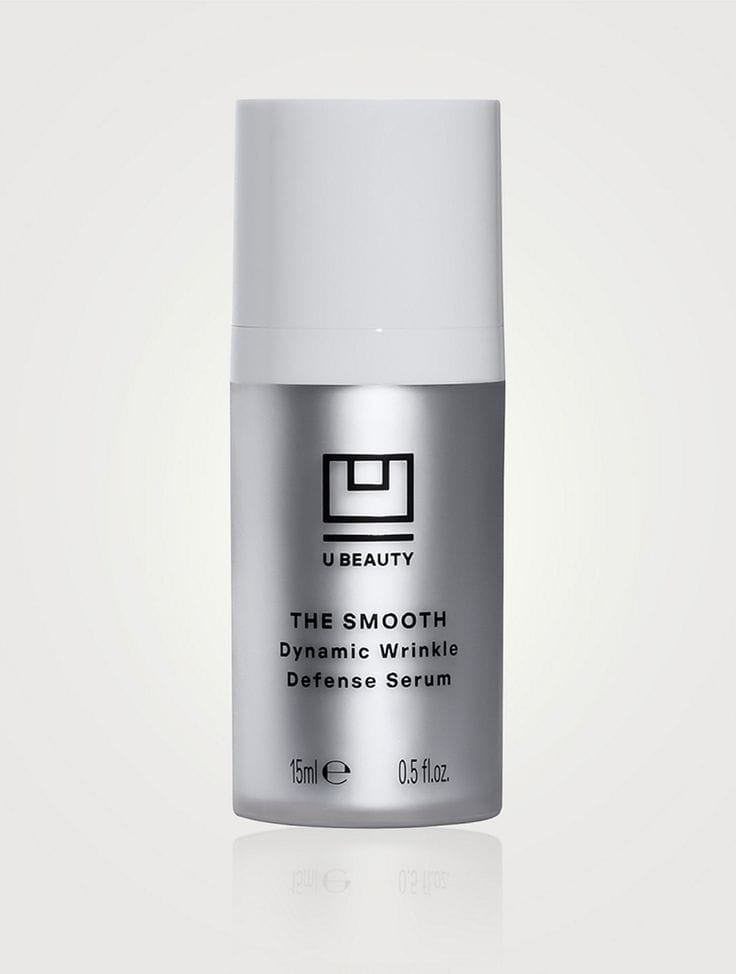
- Rank 1: U Beauty The SMOOTH Dynamic Wrinkle Defense Serum. Best overall for visible wrinkle smoothing. It pairs peptides with stable retinol esters, copper peptides, and Centella exosomes. It is expensive, but it is the most complete formula here.
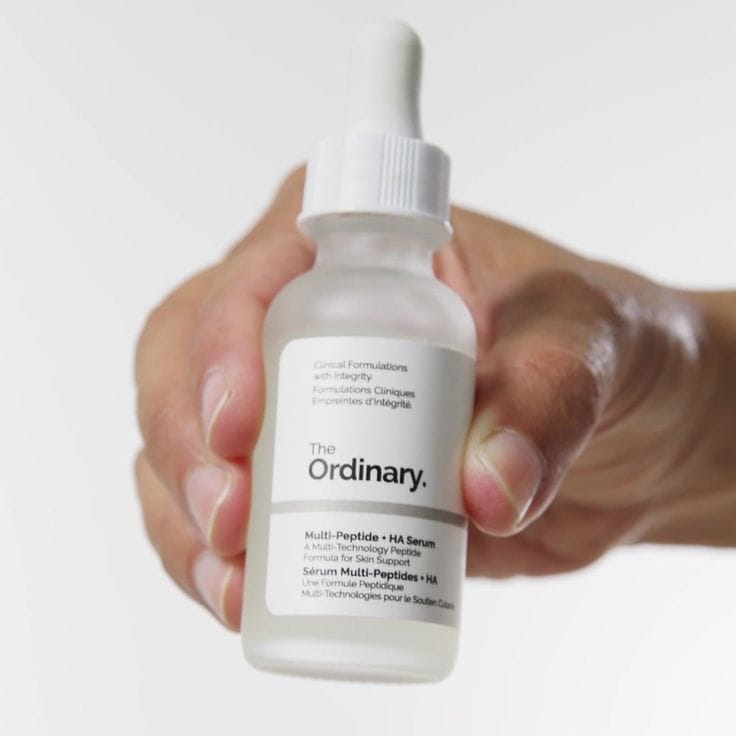
- Rank 2: The Ordinary Multi-Peptide + HA Serum (formerly “Buffet”). Best value and best all-rounder. A wide peptide blend plus hyaluronic acid at a very small price.
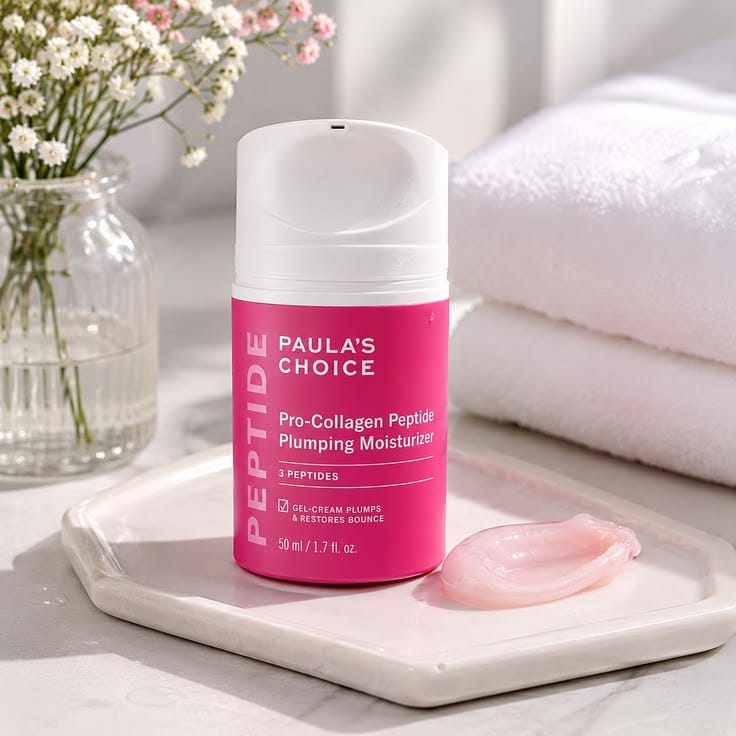
- Rank 3: Paula’s Choice Pro-Collagen Multi-Peptide Booster. Best for sensitive skin. A six-peptide gel with a clean, fragrance-free reputation.
- Rank 4: Naturium Multi-Peptide Advanced Serum. Best budget pick for fine lines and texture, built around Argireline.
Here is the honest bottom line. No peptide serum replaces sunscreen, and none works overnight. But used consistently, the best peptide serums for wrinkles can soften fine lines and make skin look smoother and more hydrated.
What Are Peptides, and Why Do They Matter for Aging Skin?
Peptides are short chains of amino acids. Amino acids are the building blocks of proteins, and your skin is full of proteins like collagen and elastin.
As we age, collagen production slows down and the enzymes that break collagen apart become more active. Sun exposure speeds that process up. The result is the slow loss of firmness and the lines we notice in the mirror.
Topical peptides work a bit like messengers. The idea is that they signal skin cells to behave more like younger skin cells, which can mean more collagen support, better hydration, and a stronger barrier.
A 2025 review in the journal Biomolecules describes peptides as active ingredients that can improve collagen synthesis, support skin cell growth, or calm inflammation. You can read the full paper on PubMed Central here.
The Four Main Types of Cosmetic Peptides
Not all peptides do the same job. A well-known review by Schagen in the journal Cosmetics sorts them into four groups, which helps when you read an ingredient list.
Signal peptides tell skin to make more collagen and other structural proteins. Palmitoyl pentapeptide-4 (often sold as Matrixyl) is the best-known example.
Carrier peptides deliver trace elements to skin. Copper tripeptide-1 (GHK-Cu) is the classic one.
Neurotransmitter-inhibitor peptides, like Argireline, aim to relax the tiny muscle movements behind expression lines. People call this the “Botox-like” effect, but it is much milder and temporary.
Enzyme-inhibitor peptides slow the enzymes that break collagen down.
You can read the full classification in the MDPI Cosmetics review. A good multi-peptide formula usually mixes a few of these types, which is why blends tend to beat single-peptide products.
Do Peptides Actually Work When You Put Them on Your Skin?
This is the fair question, and the honest answer is: yes, modestly, with caveats.
A 2024 systematic review of topical peptides and exosomes found that topical peptides improved the look of fine lines and wrinkles, elasticity, and skin texture. The same review also points to a real hurdle: peptides are fairly large molecules, so how well they cross the skin barrier is still debated. You can read it on PubMed Central.
That is why formulation matters. Delivery systems, smaller peptide chains, and supporting ingredients like hyaluronic acid all affect how well a serum performs.
It is also why we are careful with big promises. The American Academy of Dermatology says plainly that anti-aging products deliver modest results. Peptides are a helpful extra, not a miracle.
The Best Peptide Skincare Products of 2026
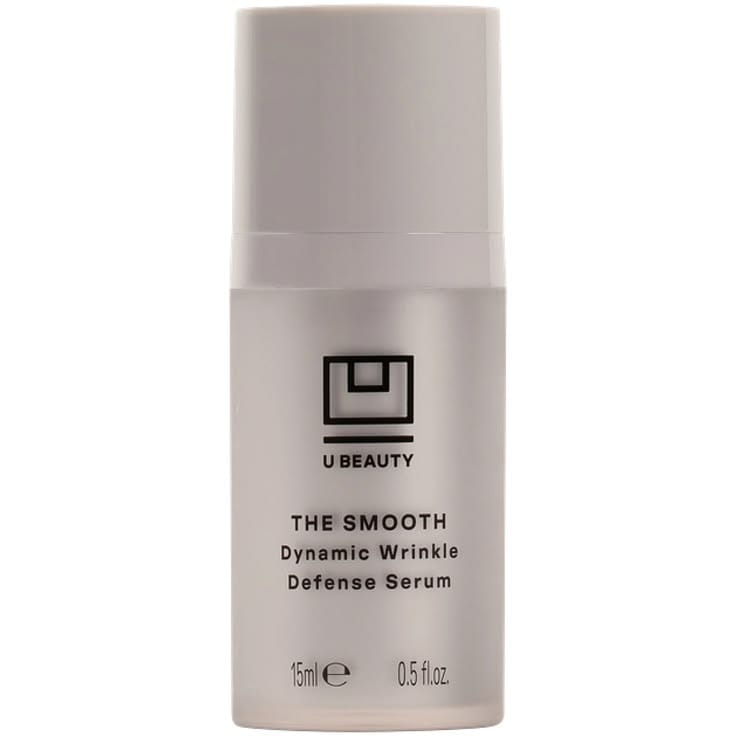
Rank #1: U Beauty The SMOOTH Dynamic Wrinkle Defense Serum (Best Overall)
Rank #3. Paula’s Choice Pro-Collagen Multi-Peptide Booster (Best for Sensitive Skin)
1. U Beauty The SMOOTH Dynamic Wrinkle Defense Serum (Best Overall)
If you want a dynamic wrinkle defense serum that goes beyond a basic peptide formula, this is the most complete one we reviewed. It is built to soften expression lines like frown lines and crow’s feet, along with the finer lines that show up over time.
Product Details
Full name: U Beauty The SMOOTH Dynamic Wrinkle Defense Serum
Best for: the look of fine lines and wrinkles on the face and neck
Why it stands out: four peptides, including Copper Tripeptide-1 and Acetyl Hexapeptide-8, plus two retinol esters in one gel-cream serum
Price: $248 for 30 ml, $148 for 15 ml
Rating: 4.7 out of 5 stars across 238 reviews on the U Beauty site (October 2026)
Awards: NewBeauty Awards Best Wrinkle Serum (2026) and Bustle’s Big Life Beauty Awards Best Serum for a Noticeable Glow-Up (2026)
What Is Inside
The four peptides are Copper Tripeptide-1, Palmitoyl Tripeptide-5, Palmitoyl Dipeptide-5 Diaminobutyroyl Hydroxythreonine, and Acetyl Hexapeptide-8. Copper Tripeptide-1 supports the look of firmness and elasticity, while Acetyl Hexapeptide-8 is the Argireline-type peptide known for softening expression lines.
Two retinol esters, Retinyl Linoleate and Retinyl Palmitate, add gentle retinoid power. Centella Asiatica, squalane, and vitamin E support hydration and the moisture barrier. Everything is delivered through U Beauty’s proprietary SIREN Capsule Technology™.
Clinical and Consumer Data
Each study below involved 30 volunteers, so treat the numbers as encouraging brand-reported data, not independent proof.
15 minutes after first use, volunteers showed a 20% improvement in the look of wrinkle depth and a 50% improvement in skin hydration. In the same window, 70% showed a visible improvement in wrinkles in an expert grader evaluation.
After seven days of daily use, 97% agreed skin looked firmer, 97% agreed it looked hydrated, and 93% agreed it looked tighter.
How to Use It
Apply one to two pumps to the face and neck, morning and evening, pressing gently upward. In a full U Beauty routine, it goes after the Resurfacing Compound and before The SUPER Hydrator.
It contains retinoids, so use broad-spectrum sunscreen in the morning and introduce it gradually if your skin is new to retinoids. For lines around the eyes, U Beauty makes The RETURN Eye Concentrate.
Pros and Cons
Pros:
Four peptides plus two retinol esters in one formula.
Strong 4.7-star rating and two 2026 beauty awards.
Cons:
Expensive, though the 30 ml size is better value per milliliter.
Not suitable during pregnancy or nursing. Check with your doctor first.
Clinical data comes from small, brand-run studies.
Who It Is For
Best for people who already see expression lines and are comfortable with retinoids and the price. Skip it if you are on a tight budget or avoiding retinoids. Not sure how retinoids compare with peptides? Read our guide on peptides vs retinol.
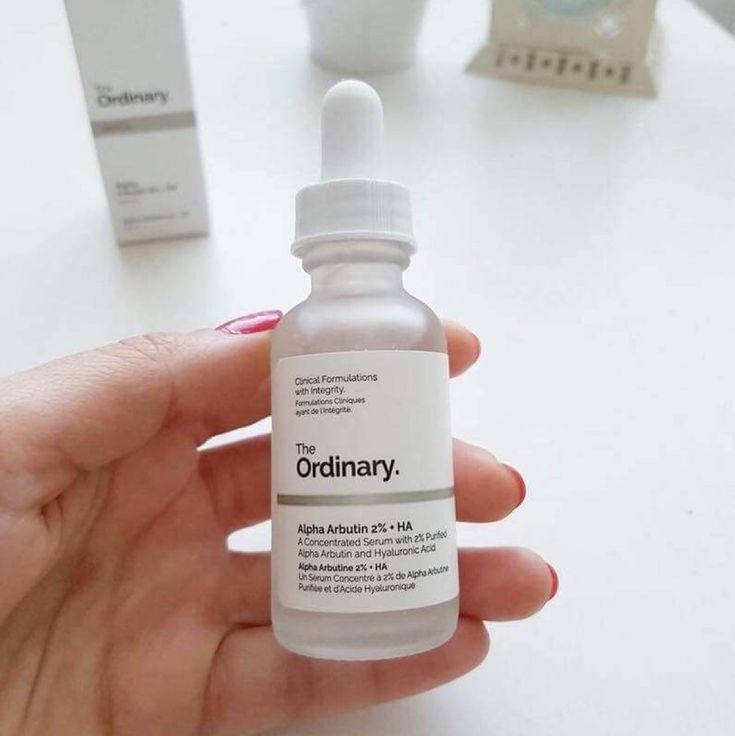
2. The Ordinary Multi-Peptide + HA Serum (Best Value)
This is the serum most people still call “Buffet,” and there is a reason it keeps its cult following.
It is a multi-peptide serum that blends several peptide technologies with hyaluronic acid. The Ordinary’s ingredient list includes SYN-AKE, Matrixyl synthe’6, Matrixyl 3000, and Argireloxy, which together cover signal peptides and a muscle-relaxing peptide in one formula.
For the money, nothing else on this list comes close. Prices vary by region, but it typically sits in the budget range, a fraction of the cost of luxury peptide serums.
Texture is a lightweight, slightly gel-like liquid that sinks in without stickiness. It layers well under moisturizer and plays nicely with most other serums.
Pros:
Excellent price for the number of peptides.
Hyaluronic acid adds hydration and a plumper look.
Easy to layer.
Widely available.
Cons:
Fewer “extras” than U Beauty, like retinol or exosomes.
Some people find the dropper messy.
Results are gradual. Expect weeks, not days.
If you want the full ingredient breakdown and what we noticed in real use, read our Ordinary Buffet peptide serum review.
The Ordinary also makes a newer Multi-Peptide + Copper Peptides 1% serum, which is worth a look if copper peptides are your priority. Dermatologists in a 2026 Who What Wear roundup singled it out too.
Who should buy it: beginners, anyone building a routine on a budget, and anyone who wants proof that you do not need to spend $100 for decent peptides.
If you are trying to decide between brands, we also compared them head-to-head in The Ordinary vs Paula’s Choice.
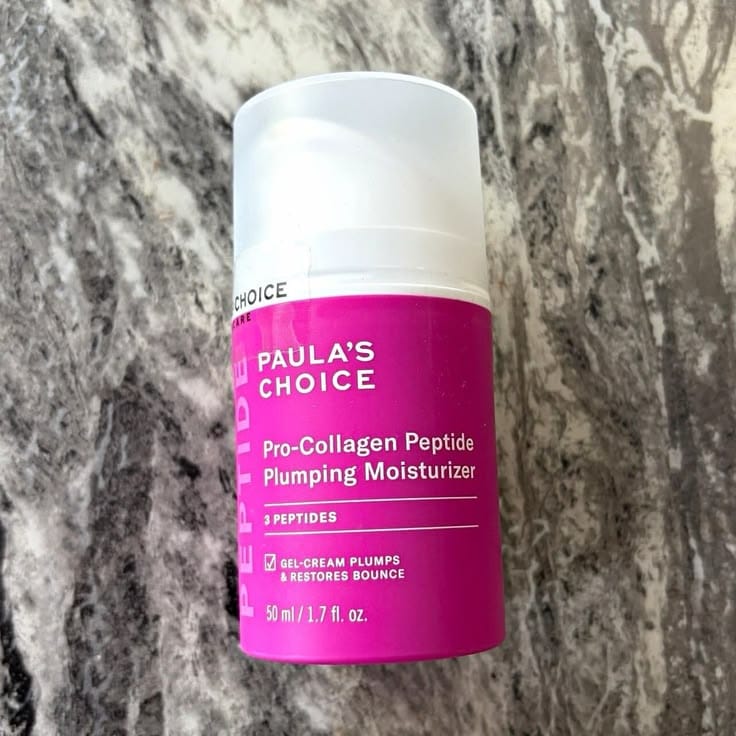
3. Paula’s Choice Pro-Collagen Multi-Peptide Booster (Best for Sensitive Skin)
Paula’s Choice built its reputation on ingredient transparency, and this booster follows the same philosophy.
The formula centers on a “6X Peptide Complex,” meaning six pro-collagen peptides, plus amino acids, antioxidants, and hyaluronic acid. Paula’s Choice describes the texture as a lightweight gel that plumps and smooths, and says it works for sensitive skin too.
The brand says that after four weeks of continuous use, the formula visibly reduces fine lines and wrinkle depth, including around the eyes. As always, that is a brand claim, so keep your expectations realistic.
It is called a “booster” because it can be mixed into a moisturizer or used on its own under one. That flexibility is handy if your skin is reactive and you want to add peptides slowly.
Pros:
Gentle, fragrance-free approach.
Six-peptide formula with hyaluronic acid and antioxidants.
Flexible: use alone or mix into moisturizer.
Strong brand track record for safe formulas.
Cons:
Price per milliliter is high. In Europe, the 20 ml bottle runs about €57 to €67.
Several buyers say the bottle is small for the price.
Not as feature-packed as U Beauty.
Who should buy it: people with sensitive or reactive skin who want a trustworthy peptide step without fragrance or fuss.
Paula’s Choice makes other gentle staples too. If you are building a calm routine, our Paula’s Choice Skin Balancing Toner review is a good companion read. And if sensitivity is your main concern, see our guide to the best skincare brands for sensitive skin.
|
Product |
Best For / Recommendation |
|---|---|
|
U Beauty |
Strongest Overall Formula: Features a unique combination of copper peptides, stable retinol esters, and exosomes together. |
|
The Ordinary |
Best Value: Packs the widest peptide blend into the most affordable price point. |
|
Paula’s Choice |
Sensitive Skin: The gentlest, most flexible option for delicate skin types. |
Peptides vs Retinol: Which Should You Use?
This is the most common question we get, so let’s settle it.
Retinol has decades of research behind it and is the gold standard for fine lines. Peptides are gentler and rarely cause dryness or peeling, but their results are subtler.
The American Academy of Dermatology notes that retinol can help prevent premature skin aging when used regularly, and recommends starting every other day while skin adjusts.
Our take: they are not rivals. Many people use a peptide serum in the morning and retinol at night. Others use peptides on nights when their skin needs a break from retinol.
If you want the full comparison, including how to combine them safely, read our guide on peptides vs retinol.
How to Use Peptide Skincare for the Best Results
Peptides are simple to use, but a few habits make a big difference.
Step 1: Apply to Clean Skin
Cleanse first, then apply your peptide serum while your skin is still slightly damp. This helps the formula spread evenly.
Step 2: Layer Thin to Thick
Peptide serums are lightweight, so they go before creams. If you use a hydrating serum too, you can pair them. Hyaluronic acid works especially well alongside peptides, and our explainer on hyaluronic acid vs glycerin shows how each humectant behaves. A lightweight option like the Torriden Dive-In serum fits nicely in that step.
Step 3: Seal with a Barrier-Friendly Moisturizer
A good moisturizer locks everything in and supports your skin barrier. If you are acne-prone, start with our list of the best non-comedogenic moisturizers. For simple, fragrance-free hydration, the Vanicream Enhanced Moisturizer is a dependable pick, and richer formulas like Kiehl’s Ultra Facial Cream work well in dry weather.
Step 4: Never Skip Sunscreen
This is the step that matters most. The AAD says sunscreen and moisturizer are the two most effective anti-aging products you can buy, and recommends broad-spectrum SPF 30 or higher daily. You can read their advice on wrinkle remedies here.
Peptides cannot repair damage that you keep re-creating every day in the sun. For sunscreen ideas, see our Ultra Violette Supreme Screen review and our comparison of EltaMD UV Clear vs Supergoop Unseen.
Step 5: Be Patient
Give any new peptide serum at least four to eight weeks. Take a photo in the same light on day one so you can compare honestly later.
Frequently Asked Questions About the Best Peptide Skincare Products
What are the best peptide skincare products for beginners?
The Ordinary Multi-Peptide + HA Serum and Naturium Multi-Peptide Advanced Serum are the easiest places to start. Both are affordable, easy to layer, and gentle enough for most skin types.
What are the best peptide serums for wrinkles?
For visible expression lines, U Beauty’s SMOOTH serum is our top pick. For a value option, The Ordinary’s multi-peptide formula gives you the widest peptide blend for the price.
How long do peptide serums take to work?
Most people notice better hydration and smoothness within a couple of weeks. Changes in fine lines usually take four to twelve weeks of consistent use.
Can I use peptides every day?
Yes. Most peptide serums are designed for morning and evening use. Start once a day if your skin is sensitive, then increase.
Can I use peptides with vitamin C, niacinamide, or hyaluronic acid?
Generally yes. Peptides pair well with hyaluronic acid and niacinamide. If a formula includes copper peptides, some brands advise using vitamin C at a different time of day, so read the label.
Final Verdict: Which Peptide Serum Should You Buy?
If you want the best peptide skincare products and money is not the main concern, buy U Beauty The SMOOTH Dynamic Wrinkle Defense Serum. It is the most complete formula we reviewed.
If you want the best balance of price and performance, buy The Ordinary Multi-Peptide + HA Serum. It is the one we would recommend to most people.
If your skin is sensitive, Paula’s Choice is the safest choice. And if you simply want to try peptides cheaply, Naturium is an easy yes.
Whichever you choose, pair it with daily sunscreen and a good moisturizer. That combination does more for your skin than any single serum ever will.