
The Ordinary Buffet Peptide Serum Review: Is This Multi-Peptide Formula Worth It 2026?
If you’ve spent any real time researching budget-friendly, ingredient-forward serums, you’ve almost certainly run into The Ordinary Buffet Peptide Serum. It’s one of the most recommended, most searched, and most debated products in the brand’s entire lineup — and it’s been that way since it launched back in 2018. Part of the reason it keeps coming up in skincare forums, Reddit threads, and dermatologist-adjacent content is that it does something most budget serums don’t even attempt:
it combines five distinct, individually studied peptide technologies, a probiotic-derived ferment, multiple molecular weights of hyaluronic acid, and a full 1% concentration of copper tripeptide — all in one 30ml bottle, all for $32.
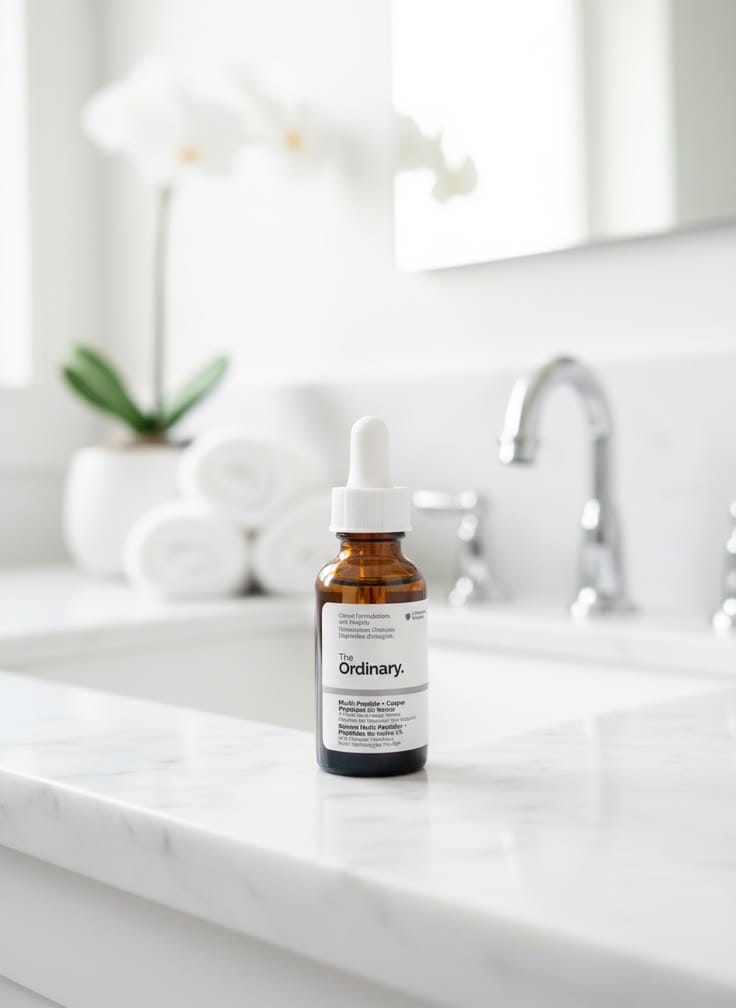
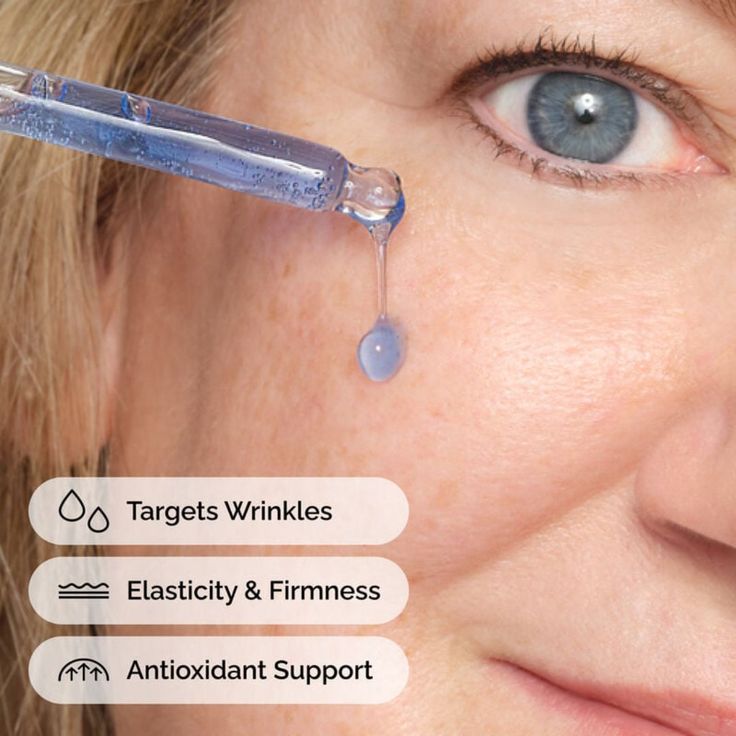
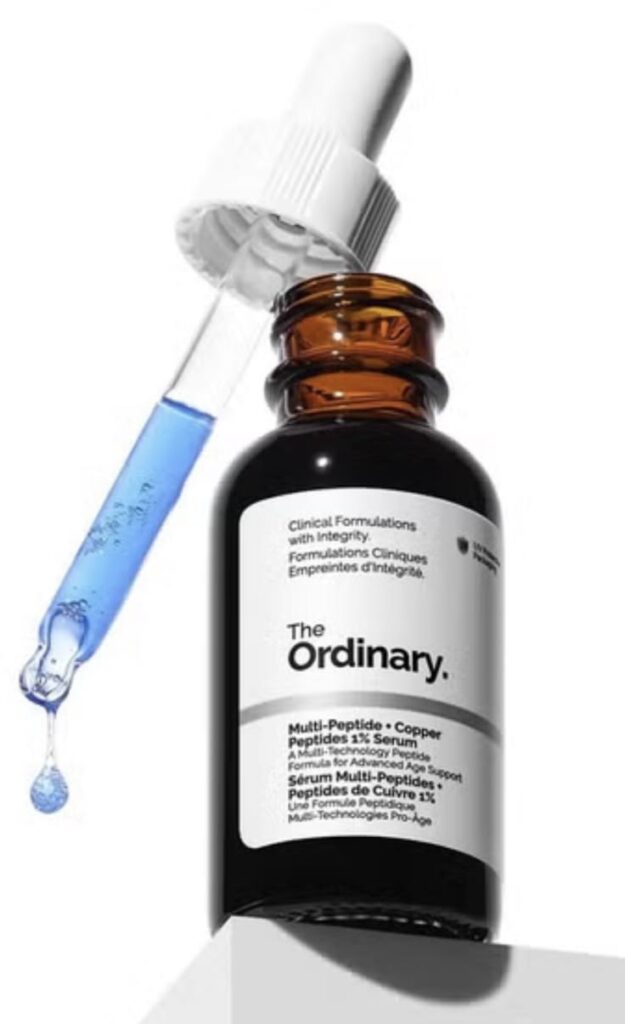
In this The Ordinary Buffet Peptide Serum review, we’re going deep. We’ll cover exactly what’s in the current formula, what changed with the recent rebrand, what the clinical research actually says about copper peptides, how the serum performs across different skin types, how to layer it correctly, what mistakes to avoid, and whether it’s genuinely worth adding to your routine in 2026.
Quick Note on Affiliate Links: To keep our deep-dive reviews and clinical audits independent, Review Dermatica partners with affiliate programs (including Amazon Associates). This means if you buy a product through our links, we might earn a small commission—at zero extra cost to you. This financial support keeps our lab tests running, but it never dictates our verdicts. If a product doesn’t work, we’ll tell you, no matter what.
A Quick History of The Ordinary Buffet Serum
Understanding why this serum has stayed relevant for close to a decade helps explain why it still gets recommended so often in 2026. The Ordinary built its entire brand identity around a simple promise: clinical-grade actives, no unnecessary markup, no fragrance, no filler. When “Buffet” first launched, it was positioned as a multi-technology peptide serum aimed at people who wanted an anti-aging product without paying prestige prices for a single active ingredient.
The Copper Peptides 1% version came slightly later as an “advanced” tier of the same formula — essentially, the brand took its already peptide-dense Buffet Serum and layered in a full percentage point of GHK-Cu, one of the most extensively documented peptides in dermatological research. That addition changed the serum from a general-purpose peptide product into something closer to a targeted, advanced-aging formula, which is reflected in how The Ordinary categorizes it today: “Targets Advanced Signs of Aging.”
The recent renaming to Multi-Peptide + Copper Peptides 1% is largely a branding clarity move — The Ordinary has been steadily renaming several of its “nickname” products (like “Buffet,” “The Serum Foundation,” and others) to names that describe the formula directly rather than relying on a marketing nickname. Functionally, nothing about the product itself has changed.
What Is The Ordinary Buffet + Copper Peptides 1% Serum?
This serum sits in the “Treat” step of a skincare routine, meant to be applied after cleansing and before heavier, oil-based products or moisturizer. It’s built around the idea of layering several different peptide types together so they can address different visible signs of aging simultaneously — fine lines, loss of elasticity, reduced firmness, uneven texture, and dullness — rather than relying on one single active to do all the work.
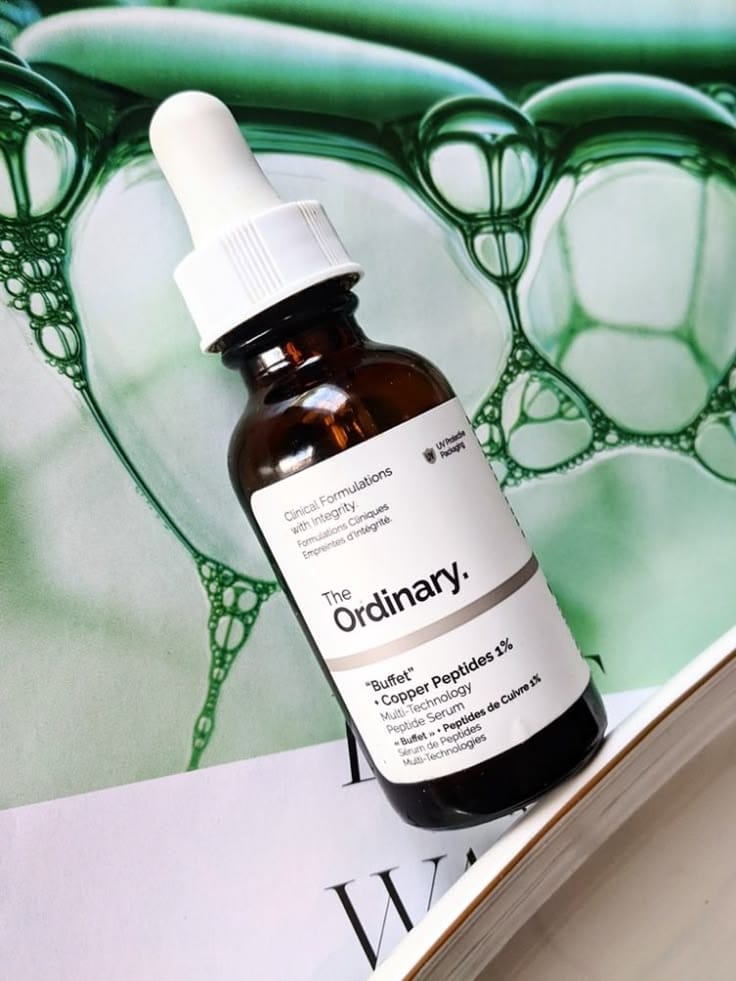
That layered, multi-technology approach is exactly where the “Buffet” name came from originally: instead of one hero ingredient, you get a spread of complementary actives working from different angles.
Full Ingredient List Breakdown
The current INCI list reads: Aqua (Water), Glycerin, Lactococcus Ferment Lysate, Copper Tripeptide-1, Acetyl Hexapeptide-8, Pentapeptide-18, Palmitoyl Tripeptide-1, Palmitoyl Tetrapeptide-7, Palmitoyl Tripeptide-38, Dipeptide Diaminobutyroyl Benzylamide Diacetate, Acetylarginyltryptophyl Diphenylglycine, Sodium Hyaluronate Crosspolymer, Sodium Hyaluronate, Allantoin, and a long tail of amino acids, humectants, and stabilizers.
Let’s break down what actually matters here, ingredient by ingredient.
Copper Tripeptide-1 (GHK-Cu) — The Headline Ingredient
The standout ingredient in this formula is Copper Tripeptide-1, more widely known by its research name, GHK-Cu. This is a naturally occurring copper-binding peptide that exists in the human body — in blood plasma, saliva, and urine — and its levels decline steadily with age. That natural decline is part of why GHK-Cu became a research target in the first place: scientists wanted to understand whether replenishing it topically could help offset some of the visible effects of skin aging.
A detailed review published on PMC (part of the U.S. National Library of Medicine) describes how GHK-Cu supports skin remodeling through several overlapping mechanisms: it stimulates collagen and elastin synthesis, promotes the formation of new blood vessels (angiogenesis), helps regulate the enzymes responsible for breaking down and rebuilding tissue (metalloproteinases and their inhibitors), and has documented anti-inflammatory and antioxidant effects. The same review notes that GHK-Cu has been shown to influence the activity of thousands of genes involved in tissue repair and regeneration.
Older, foundational research indexed on PubMed on GHK’s role in tissue remodeling describes how the peptide attracts repair cells like macrophages and fibroblasts to areas that need regeneration, helps suppress inflammatory signaling, and increases the production of structural skin proteins. This is the same body of research that originally got copper peptides noticed by the cosmetic industry in the first place — GHK-Cu’s wound-healing properties were documented in clinical settings (including diabetic ulcers and post-surgical wounds) well before it became a mainstream skincare ingredient.
A separate peer-reviewed paper published through MDPI goes further into the anti-aging specific data, noting that GHK-Cu has been shown to visibly reduce the appearance of wrinkles and sagging skin, improve pigmentation irregularities, and stimulate collagen, elastin, and glycosaminoglycan production — the three structural components most responsible for skin’s firmness and bounce.
There’s also real clinical-trial-level evidence specific to cosmetic use. A study published in the Archives of Facial Plastic Surgery looked at patients recovering from CO2 laser resurfacing, comparing those who used a copper tripeptide regimen post-treatment against those who didn’t. Patients using the copper peptide formula reported significantly higher satisfaction, and the study found better wrinkle scores in more advanced Fitzpatrick wrinkle classes,
meaningfully, though the researchers were careful to note that larger studies are still needed to confirm the full extent of that benefit.
It’s also worth being upfront about the documented downsides. Formulation research shows that copper peptides can be irritating at higher concentrations, and copper ions are chemically reactive — this is precisely why this serum comes with such a long “do not combine” list, since combining copper with acids, vitamin C, or other reactive actives can destabilize the formula and increase irritation risk.
SYN-AKE —The “Snake Venom” Peptide
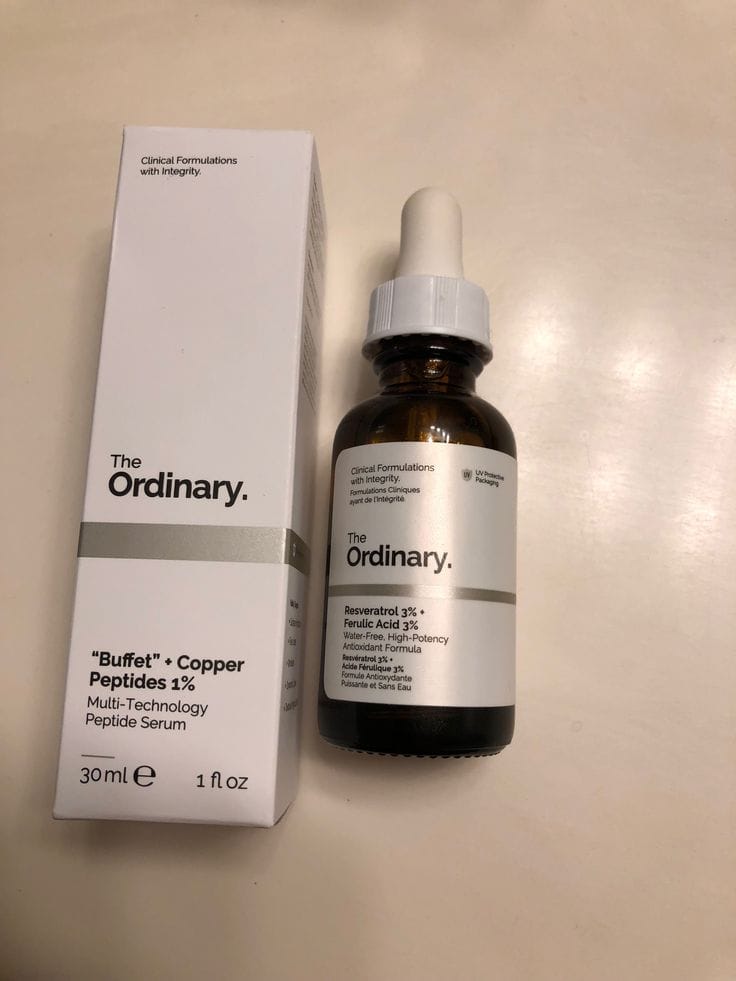
SYN-AKE is a synthetic peptide developed to mimic the mechanism of a compound found in temple viper venom, which has a temporary muscle-relaxing effect on the tiny facial muscles responsible for expression lines. It’s most commonly associated with softening the look of dynamic lines — the kind that form from repeated facial movement, like forehead lines or crow’s feet — rather than static, deeper wrinkles.
Texture, Scent, and Sensory Experience
One thing that catches first-time users off guard is the serum’s color. Because of the copper tripeptide complex, the formula has a distinct blue tint — this isn’t a dye or added colorant, it’s simply what copper peptides look like at this concentration. The texture itself is a lightweight, water-based gel-serum that absorbs relatively quickly, without the tackiness some peptide serums leave behind. It’s fragrance-free, which fits The Ordinary’s general formulation philosophy across the brand.
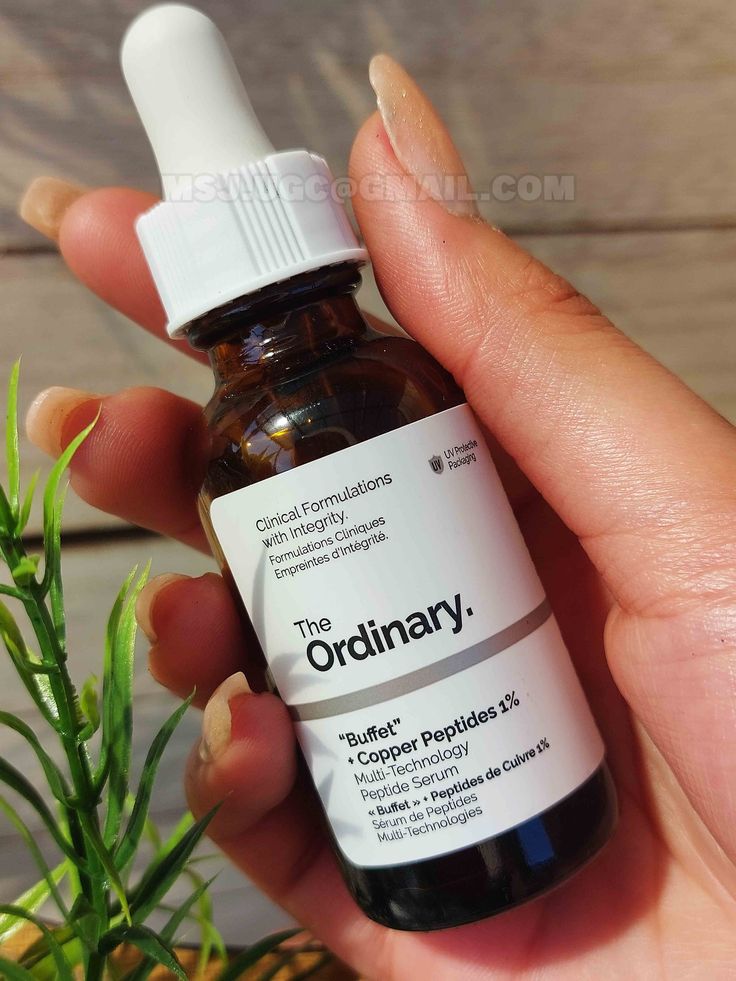
The blue tint is worth flagging twice, because it has two practical implications: first, it can very briefly tint extremely fair skin immediately after application (this fades as it absorbs), and second, it can stain light-colored fabric — pillowcases in particular — if it hasn’t fully absorbed before you go to bed.
The Ordinary Buffet Peptide Serum Price (2026)
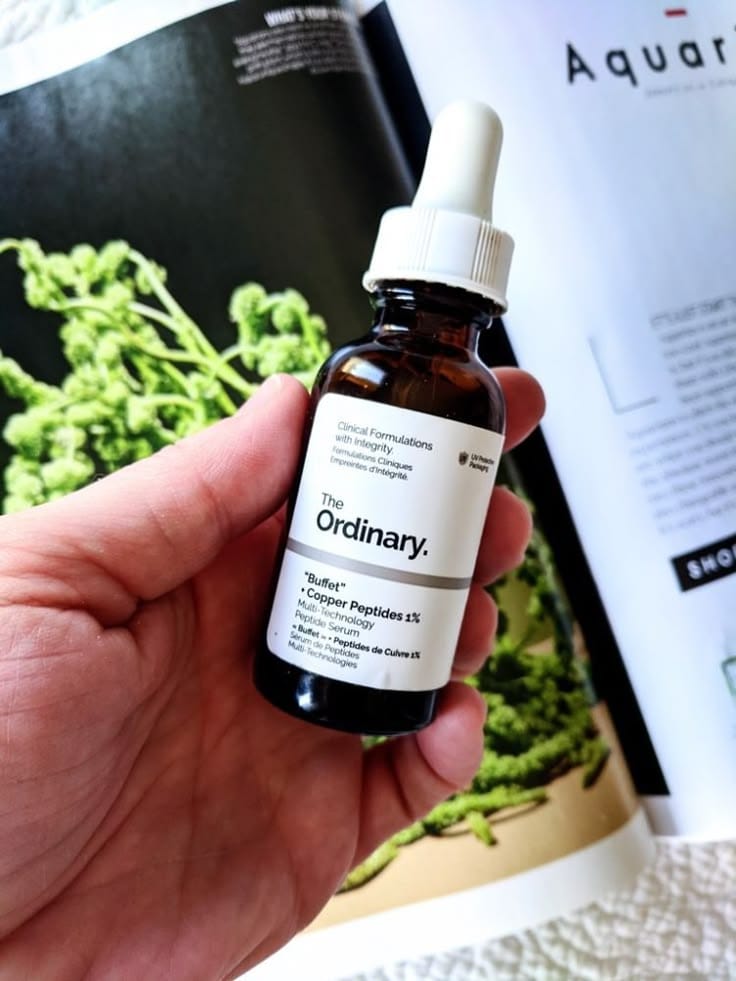
Pulled directly from The Ordinary’s official site, the Multi-Peptide + Copper Peptides 1% Serum (30ml) is currently priced at $32.00 USD. That price has remained fairly stable since launch, and it’s a big part of why this serum keeps getting singled out in comparison content — a $32 bottle containing a full 1% GHK-Cu concentration alongside seven additional peptide-related ingredients is genuinely uncommon. Prestige brands charging five to ten times more for copper peptide serums often use noticeably lower concentrations of the same active ingredients. You’ll find it at the same $32 price point through Sephora and Ulta as well. It also shows up frequently in multi-packs through third-party resellers on marketplaces like eBay, sometimes at a slight discount —
but we’d recommend sticking to The Ordinary’s official site, Sephora, or Ulta directly, since heavily resold Ordinary products (especially the more popular ones like this) carry a real counterfeit risk.
Check Today’s Price on Amazon →
How to Use It Correctly
The Ordinary’s official usage guidance is straightforward: apply a few drops to the face in the morning and evening, after cleansing and before anhydrous serums, oils, suspensions, or creams. A patch test is strongly recommended before your first full-face application — copper peptides are one of the more likely Ordinary actives to cause mild stinging on first use, even in people who don’t typically react to other products in the lineup.
Here’s a simple way to build it into a full AM and PM routine:
Morning: Cleanser → Multi-Peptide + Copper Peptides 1% Serum → Moisturizer → SPF
Evening: Cleanser → Multi-Peptide + Copper Peptides 1% Serum → Moisturizer or facial oil
Because of the conflict list (covered in detail below), this serum works best as the only “active” step in that routine slot — it’s not designed to be layered with acids, vitamin C, or retinoids in the same application window.
Real Results — What to Actually Expect, Week by Week
Copper peptides are not a fast-acting category of ingredient, and it’s important to set realistic expectations before you buy. Based on the underlying research covered above and consistent patterns across long-term user reviews, here’s a rough timeline of what most people report:
Weeks 1–2: Skin generally feels smoother and slightly more hydrated. Some users, especially those with sensitive skin, report mild tingling or stinging on initial applications that tends to fade with continued use.
Weeks 3–6: This is typically when people start noticing a firmer, “bouncier” feel to the skin, along with a subtle improvement in overall texture and radiance.
Weeks 8–12: Most of the visible changes tied to the clinical research — reduced appearance of fine lines, improved elasticity, more even tone — tend to show up in this window. This lines up with what the collagen synthesis research shows: GHK-Cu’s effects are cumulative and gradual, not immediate.
Beyond 12 weeks: With consistent use, many long-term users report the most noticeable improvements in skin firmness and texture compound further, though results plateau to a maintenance level rather than continuing to escalate indefinitely.
How It Fits Into a Broader Peptide and Barrier-Repair Routine
Peptides tend to perform best as part of a layered, barrier-supportive routine rather than in isolation. If you’re building out a fuller peptide-and-repair approach, it’s worth pairing this serum with a solid moisturizing step to lock in hydration afterward — our review of the Kiehl’s Ultra Facial Cream covers one strong option, and if barrier repair specifically is your primary concern, our breakdown of the First Aid Beauty Ultra Repair Cream is also worth reading.
For anyone still building a broader understanding of which barrier-supporting ingredients pair safely with peptide serums like this one, our explainer on what beta-glucan does for skin is a useful companion piece — unlike direct acids or vitamin C, beta-glucan won’t destabilize the copper complex, making it a safer layering partner. Our review of the iUNIK Beta-Glucan Power Moisture Serum covers one option if you want to add that step.
If your skin leans dry or dehydrated and you want an additional hydration layer that won’t conflict with the copper peptides, our review of the La Roche-Posay Hyalu B5 Serum is a solid option to consider for a separate part of your routine. And if you’re still finalizing your moisturizer step, our guide to the best non-comedogenic moisturizer can help you round things out without clogging pores.
Where to Buy
You can buy The Ordinary Buffet + Copper Peptides 1% Serum directly through The Ordinary’s official site, Sephora, or Ulta at the standard $32 price for 30ml. We’d recommend avoiding third-party marketplace multi-packs unless the seller is clearly verified — copper peptide serums are among the more frequently counterfeited products in The Ordinary’s lineup, given how consistently popular they are.
Final Verdict
The Ordinary Buffet Peptide Serum earns its long-standing reputation. At $32, it delivers a genuinely well-researched, multi-technology peptide formula that would realistically cost several times more from most other brands — and the full 1% GHK-Cu concentration is backed by a real, substantial body of clinical and mechanistic research on collagen synthesis, tissue remodeling, and skin firmness. The trade-offs are real, too: a notably long ingredient conflict list, a higher-than-average chance of initial stinging, and a formula that requires patience before results become visible. If your routine has room for it, and you’re not already relying heavily on acids or vitamin C in the same step, this remains one of the more genuinely impressive budget peptide serums available in 2026.
Medically Reviewed By the Review Dermatica Team
This article was researched and fact-checked by the Review Dermatica editorial team, with formulation and ingredient analysis input from Tahmina Zannat Lamya, our in-house researcher with a background in chemistry and cosmetic formulation. All clinical claims regarding Pluralibacter gergoviae and FDA recall classifications are sourced directly from peer-reviewed microbiology literature and official FDA recall data, linked throughout this article.
Frequently Asked Questions
Does The Ordinary Buffet Peptide Serum actually work?
Based on the underlying research on GHK-Cu and the additional peptide technologies in the formula, yes — with realistic expectations. The clinical evidence supports gradual improvements in collagen synthesis, elasticity, and the appearance of fine lines over a period of weeks to months, not overnight results.
Can I use this serum every day?
Yes. The Ordinary’s official guidance recommends applying it both morning and evening as part of a consistent routine.
Why did the name change from "Buffet" to "Multi-Peptide"?
The Ordinary renamed the product for clarity, moving away from a marketing nickname toward a name that directly describes the formula. The product itself hasn’t changed.
Is this serum suitable for sensitive skin?
It’s generally considered suitable for most skin types, but a patch test is strongly recommended given the documented potential for mild stinging on first use.
Can I use this with niacinamide?
Niacinamide isn’t on The Ordinary’s official conflict list for this serum, so it’s generally considered safe to layer, though, as always, patch testing when combining new actives is a good habit.
7 thoughts on “The Ordinary Buffet Peptide Serum Review: Is This Multi-Peptide Formula Worth It 2026?”