Scroll through skincare TikTok for more than a minute, and you’ll run into the word “longevity.” Not “anti-aging,” not “wrinkle-fighting” — longevity. It’s the buzzword that quietly took over the industry this year, and honestly, we get why. It sounds smarter. It sounds like science instead of vanity. But here’s the question we kept asking ourselves while researching this piece: Is a “Best Longevity Serum 2026” actually a different category of product, or is it just 2015’s anti-aging serum wearing a nicer label?
We spent weeks digging through clinical literature, ingredient data, and real product formulas to answer that honestly — and then built this list around what’s actually worth your money in 2026. Some of these picks are backed by genuine, published research. A couple is here because they represent where the science is heading, even if the human data is still catching up. None of them made the cut just because they had a trendy word on the label.
If you’ve read our breakdown on what beta-glucan does for skin or our PDRN cream review, you already know we don’t do hype for hype’s sake. This guide follows the same rule.
Affiliate Disclaimer
Review Dermatica is reader-supported. Some links in this article are affiliate links, including Amazon Associates links, meaning we may earn a small commission at no extra cost to you if you make a purchase through them. This does not influence our testing process or opinions — we only recommend products we’d genuinely suggest to our own readers.
What Does “Skin Longevity” Actually Mean?
“Skin longevity” is dermatology’s rebrand of anti-aging, and it’s not purely marketing spin — there’s a real shift in thinking behind it. Anti-aging, as a concept, was always about correction: erasing a wrinkle, fading a spot, reversing something that already happened. Longevity flips that. It’s about maintaining the skin’s structural integrity, barrier function, and resilience over decades, rather than fighting individual signs of aging as they show up.
In practice, that means less obsession with a single “miracle ingredient” and more focus on the boring fundamentals — barrier health, inflammation control, sun protection, and cellular repair — stacked consistently over years, not weeks.
But there’s a catch, and we think you deserve the honest version: a large share of what’s being sold as “longevity” right now is chemically identical to what was sold as “anti-aging” two years ago. Retinoids, peptides, antioxidants — genuinely effective actives — are simply being repackaged under a more flattering name. That’s not fraud, but it does mean you shouldn’t pay a premium just because a bottle says “cellular longevity” instead of “firming serum.”
The Real Science Behind Longevity Skincare
Underneath the marketing noise, there is legitimate research driving this shift, and it centers on a few key biological ideas:
Barrier functions as the foundation. Dermatologists increasingly treat a strong skin barrier as the prerequisite for everything else — hydration, resilience, and how well every other product in your routine actually performs. A compromised barrier undermines even the most expensive serum sitting on top of it.
Cellular signaling and repair. This is where exosomes and PDRN come in. A 2025 systematic review of exosome-based skin rejuvenation research examined studies spanning preclinical, animal, and human clinical models across multiple countries, and found consistent evidence that exosomes support tissue repair, reduce inflammatory markers, and influence pigmentation pathways, drawing on a systematic review that included 21 studies published between 2019 and 2025 evaluating exosome-based interventions for skin rejuvenation, anti-aging, and repair across preclinical and clinical models in multiple countries.
Separately, a broader narrative review covering five years of dermatologic exosome research confirmed that exosomes actively regulate inflammation, blood vessel formation, tissue remodeling, and pigmentation in skin, with preclinical models showing faster wound closure, improved scar architecture, reduced photoaging changes, and stimulated hair growth. PubMed CentralPubMed Central
Senescent cell activity. This is the genuinely new frontier — targeting the “zombie cells” that stop dividing but linger in tissue, releasing inflammatory signals that accelerate visible aging. A comprehensive review connecting regenerative medicine to cosmetic dermatology specifically flagged mitochondrial dysfunction and epigenetic reprogramming as active areas of longevity-focused research, built on PRISMA-guided literature spanning research from 2010 through 2025 on skin aging, regenerative dermatology, and related interventions with clinical relevance.
This part of the science is real — but it’s mostly still in early clinical and academic stages, not sitting in a $40 drugstore bottle yet. PubMed Central
So when you’re shopping for a “longevity serum,” the honest framework is this: some ingredients here have decades of solid clinical backing (retinoids, peptides, antioxidants). Some have promising, fast-growing research but are still maturing (exosomes, PDRN). And some are pure vocabulary upgrades with no new science behind them at all. We’ll flag which is which as we go.
Ingredients That Genuinely Support Skin Longevity
Retinoids. Still the single most evidence-backed topical for remodeling photoaged skin and stimulating collagen turnover. If your routine has one “active,” this is usually it.
PDRN (Polydeoxyribonucleotide). Originally used in clinical wound care, PDRN is now showing up in serums and creams at cosmetic concentrations. Research on its dermatological applications describes it as a safe, well-tolerated biopolymer composed of over 90% purified DNA, with mechanisms still being actively studied beyond its established receptor pathway.
A systematic review focused specifically on wound healing found that PDRN promotes cell migration, supports new blood vessel formation, and reduces inflammation across lab, animal, and clinical studies, with encouraging results for healing time and tissue regeneration without significant side effects. If you want the deeper breakdown, we covered this in detail in our Anua PDRN cream review. Oemkorea
Peptides. A 2026 systematic review and meta-analysis of randomized controlled trials on oral and topical peptides for skin aging found consistent, mechanistically distinct benefits across peptide types, with hydrolyzed collagen peptides significantly improving hydration, elasticity, and skin density in placebo-controlled trials.
Separately, a Korean randomized, double-blind, placebo-controlled trial on low-molecular-weight collagen peptides found significant improvements in wrinkle depth, skin elasticity, and hydration after eight weeks of consistent use, measured across five time points using dermatological devices and expert visual assessments. PubMed Central
Niacinamide and ceramides. Not glamorous, but they’re doing the barrier-repair heavy lifting that makes every other active work better. If you want to understand this pairing better, our guide on hyaluronic acid vs glycerin covers how hydration actives and barrier actives complement each other.
Vitamin C, E, and ferulic acid combinations. This antioxidant trio has strong, older clinical data behind it for cutting UV-related oxidative damage — arguably one of the most “longevity” things you can put on your skin, despite being a decades-old formula category.
Ingredients That Are Mostly Marketing Buzzwords Right Now
To be fair to you as a reader, not everything wearing the “longevity” label deserves it yet:
- “Senolytic” skincare claims — the actual senescent-cell science is real, but it’s not yet translated into a topical product with strong human trial data. Treat these claims skeptically for now.
- Beef tallow and DIY kitchen-counter serums — a viral trend with essentially no dermatological evidence behind the “vitamin A” claims often attached to it.
- Vague “cellular energy” or “DNA repair” language on generic moisturizers — often just a repackaged basic formula with a longevity-flavored name and no new active ingredient added.
- If a “longevity serum” ingredient list looks identical to a five-year-old anti-aging serum, that’s usually because it is one.
How We Picked These Products
We didn’t just pull a list of trending Amazon items. Every product below had to clear these filters:
- At least one ingredient with real dermatological research behind its mechanism (not just a trend-driven inclusion)
- A formula that’s realistically wearable daily, not a one-off clinic treatment in a bottle
- A mix of price points, so this list works whether you’re starting out or ready to invest
- Genuine differentiation — we didn’t want ten near-identical PDRN serums
Best Longevity Serums 2026
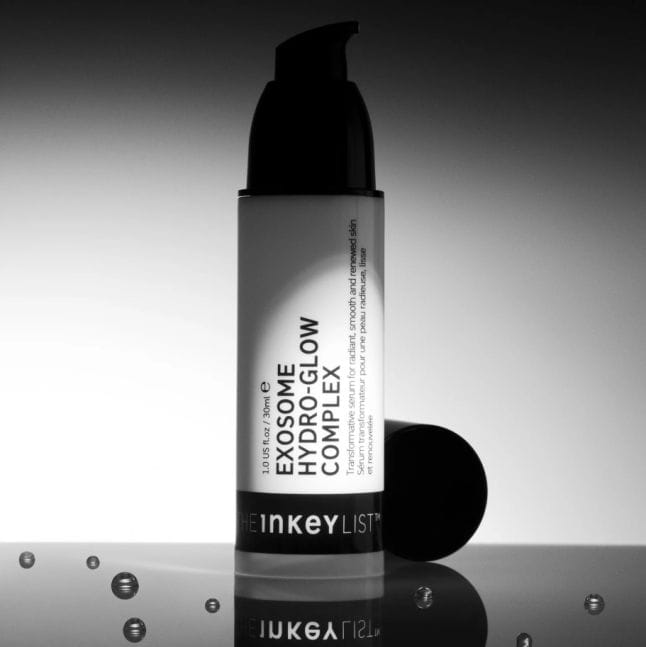
1. The INKEY List Exosome Hydro-Glow Complex Serum — Best Budget Exosome Serum
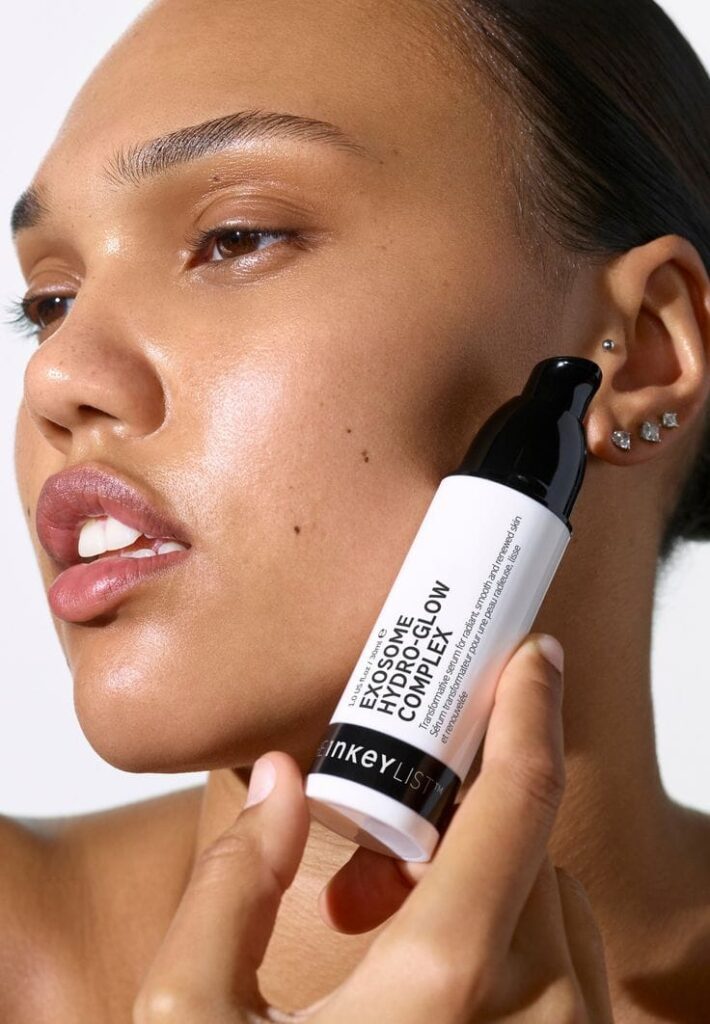
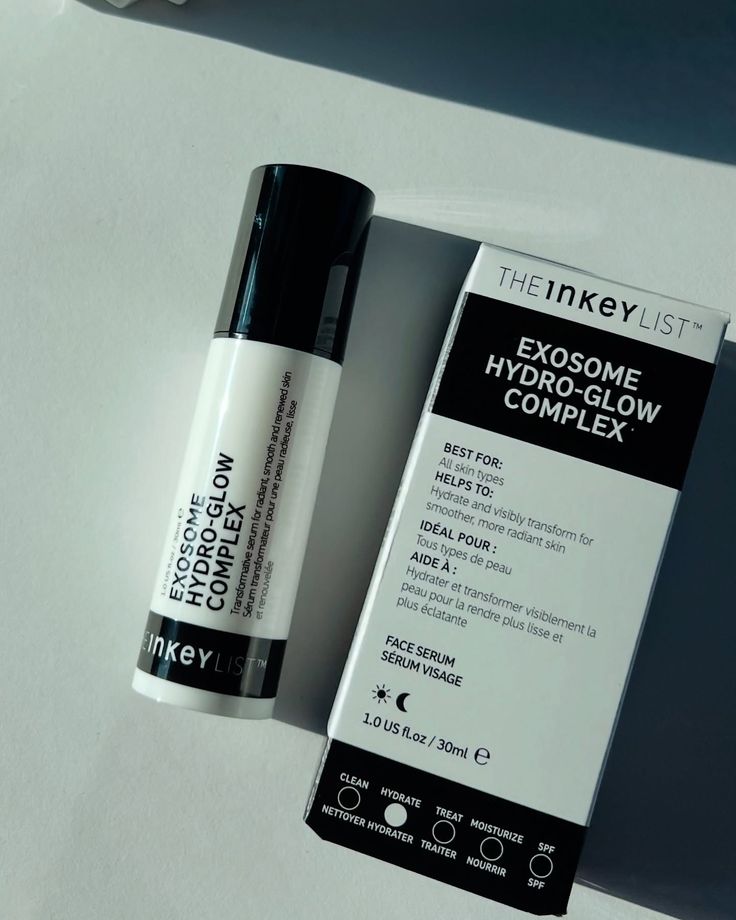
This is the easiest, lowest-risk way to try exosomes without committing to a $100+ bottle. It uses plant-derived exosomes sourced from cica extract rather than human or animal material, paired with tripeptide-1, multi-weight hyaluronic acid, ectoin, and Q10. It’s genuinely a 6-in-1 formula covering hydration, barrier support, and glow in a single lightweight step — a smart entry point if you’re curious about the exosome trend but not ready to spend big.
Best for: first-timers to exosome skincare, sensitive skin, anyone wanting a layerable AM/PM step.
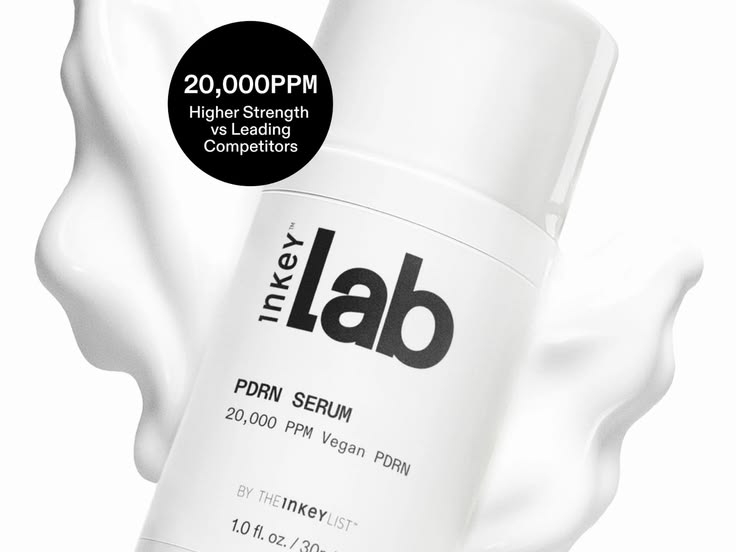
2 – The INKEY List PDRN Serum — Best Budget PDRN Serum
Vegan, plant-derived PDRN at a genuinely accessible price. It’s formulated to support the skin’s natural collagen and hyaluronic acid production, and it plays well layered under the exosome serum above for a full “cellular renewal stack” without spending clinic-level money. Texture-wise, it’s thin and water-based, which makes it easy to slot in before heavier creams — including something like our previously reviewed La Roche-Posay Toleriane Double Repair moisturizer.
Best for: dull, dehydrated skin; anyone wanting an affordable daily PDRN habit.
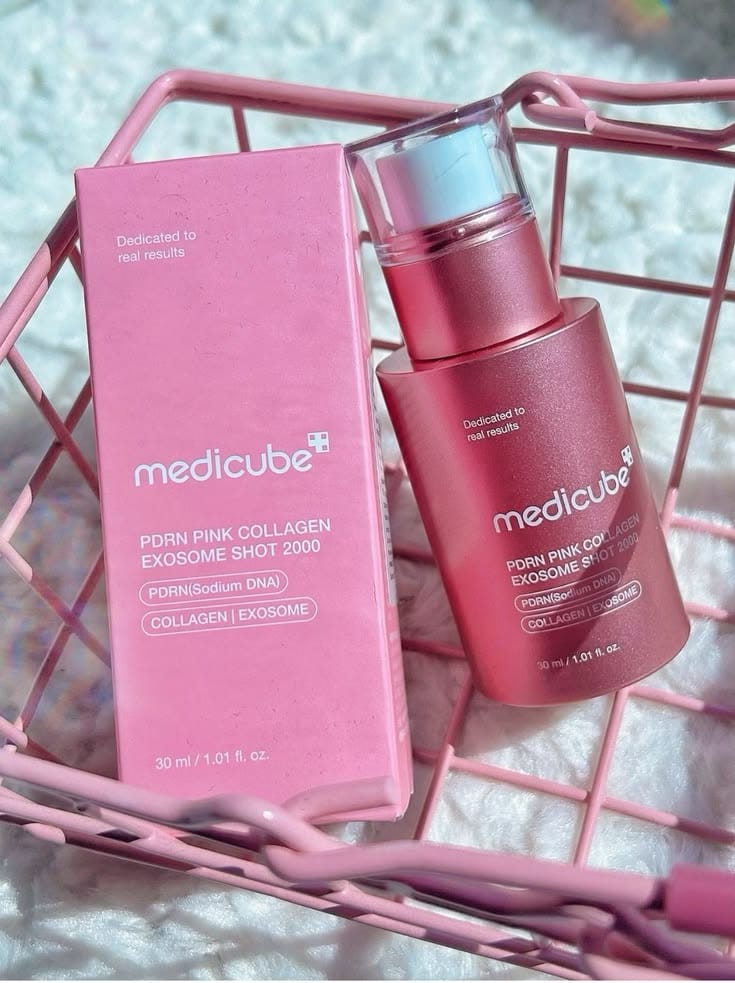
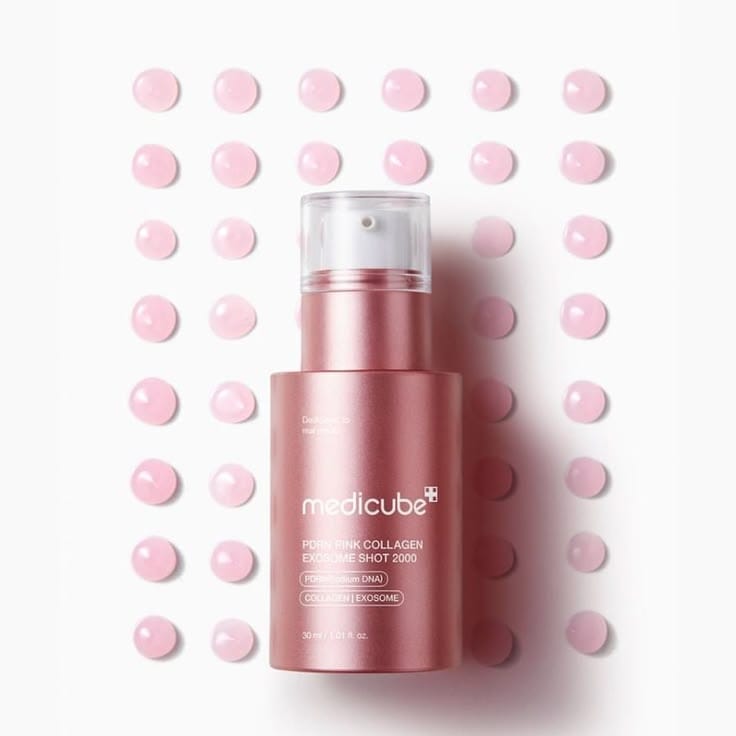
3- medicube PDRN Exosome Shot 2000 — Best K-Beauty “Booster” Formula
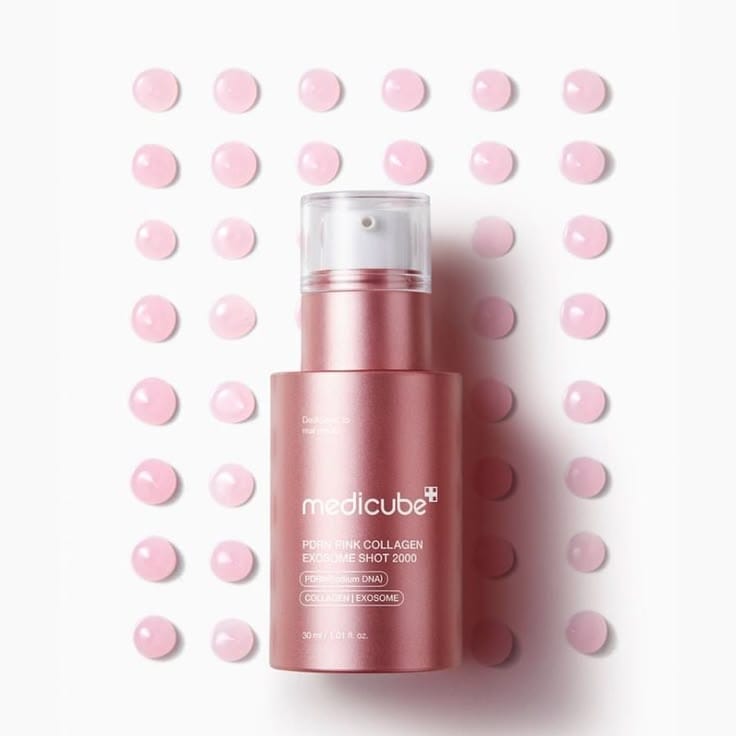
One of the most talked-about PDRN products in K-beauty right now, built around salmon-derived PDRN at 99% purity, plus hydrolyzed sponge spicules that create micro-channels to boost absorption of everything layered afterward. It’s genuinely potent — expect a slight tingle on first use — and it’s best reserved for nighttime, ideally after a gentle cleanse and before a calming moisturizer like the one in our First Aid Beauty Ultra Repair Cream review.
Best for: experienced skincare users comfortable with active-feeling formulas; firming and plumping concerns.
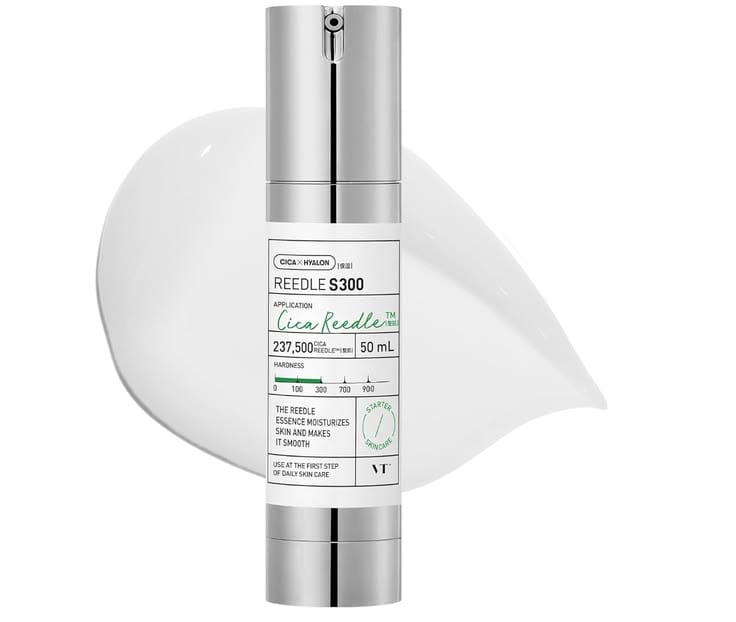
4. VT Cosmetics CICA Reedle Shot 300 — Best Microneedling-Style Exosome Serum
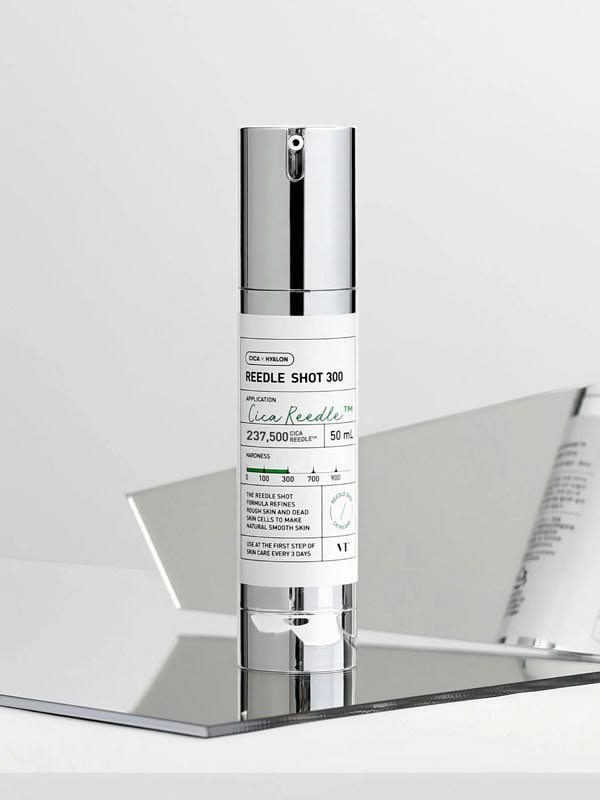
This one uses a spicule-based delivery system alongside exosomes, centella asiatica, hyaluronic acid, and propolis. Think of it as “Step Zero” — applied before your regular routine to enhance absorption of whatever comes next. It’s soothing enough for reactive skin thanks to the centella and propolis combination, though the tingling sensation on application isn’t for everyone.
Best for: dull, uneven texture; people who want a K-beauty “glass skin” routine builder.
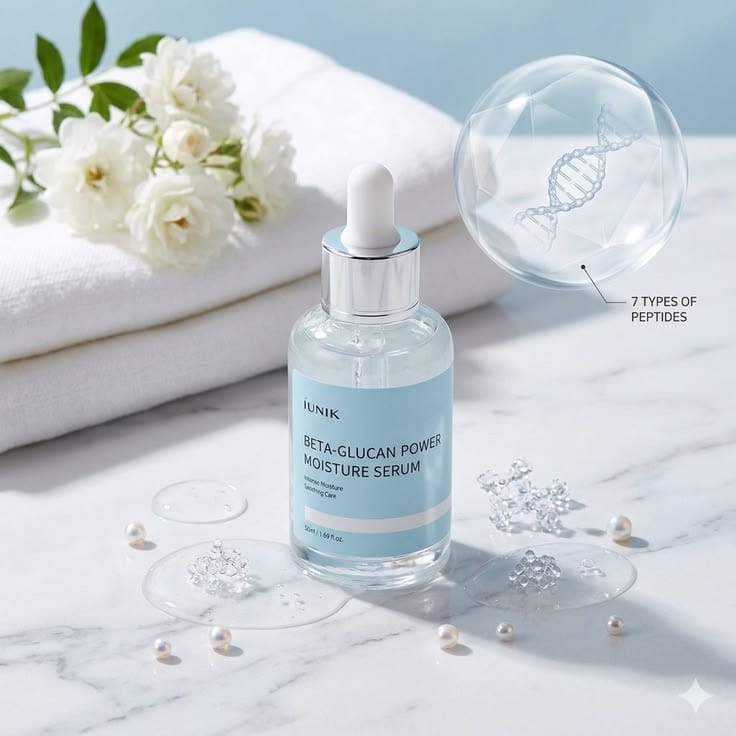
5. iUNIK Beta Glucan Power Moisture Serum — Best for Barrier-First Longevity
Beta-glucan doesn’t get the same TikTok attention as exosomes or PDRN, but it’s a genuinely well-studied barrier-repair and soothing ingredient — which, as we covered in our full beta-glucan explainer, is exactly the kind of unglamorous, foundational ingredient the longevity movement is actually built on. This serum is lightweight, calming, and works as a gentle base layer for stronger actives like retinoids or PDRN. We also covered this exact product in our full iUNIK Beta Glucan review if you want the deeper testing notes.
Best for: reactive, compromised, or over-exfoliated skin barriers.
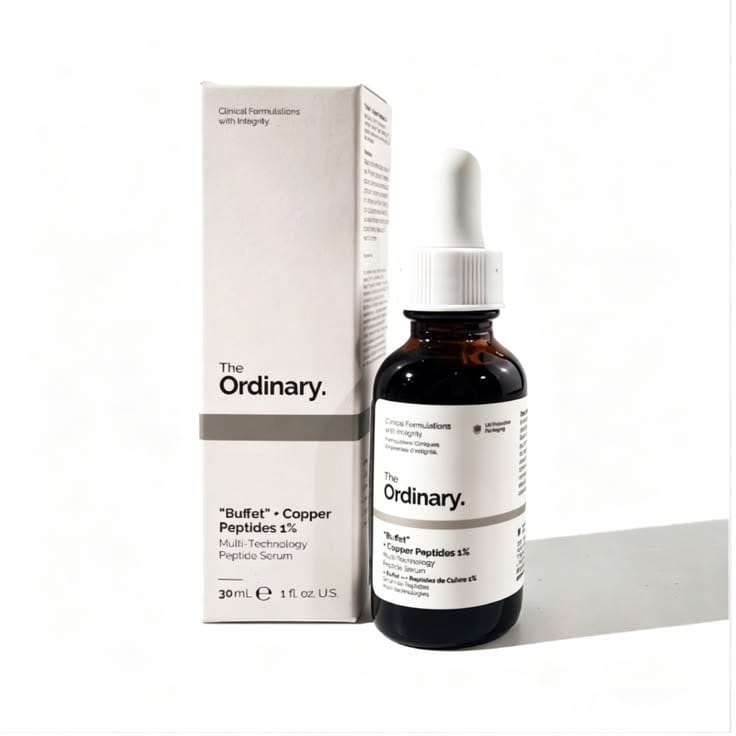
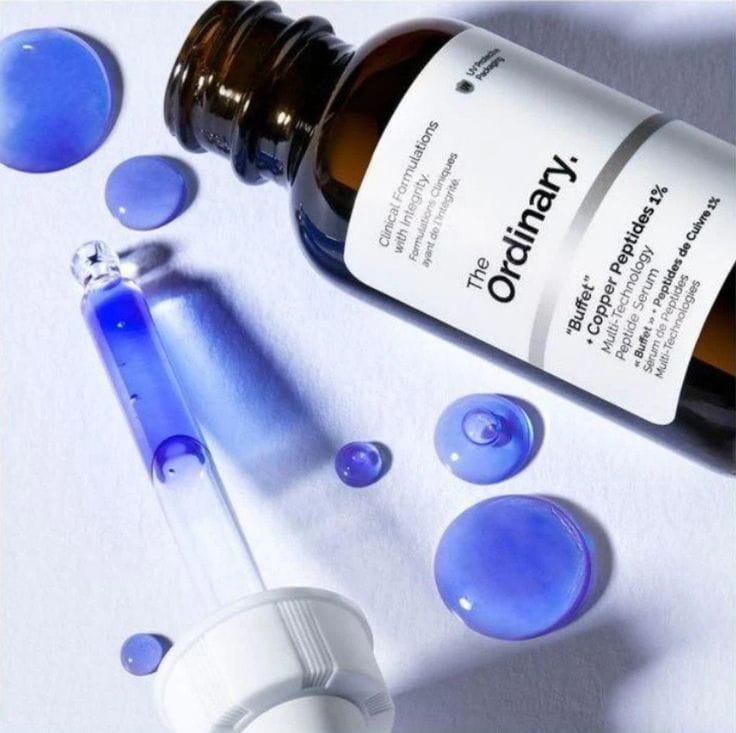
6. The Ordinary Buffet + Copper Peptides 1% — Best Affordable Peptide Serum
The Ordinary’s Buffet formula stacks multiple peptide complexes with copper peptides in one bottle, at a price point that’s almost aggressively affordable for what it delivers. Peptides are one of the more clinically established “longevity” actives on this entire list, with research consistently linking them to improved elasticity, hydration, and collagen density over consistent use. It layers easily with vitamin C in the morning, similar to the layering approach discussed in our The Ordinary vs Paula’s Choice Vitamin C comparison.
Best for: budget-conscious buyers who still want serious clinical backing; combination and normal skin types.
How to Choose a Longevity Serum Based on Your Age & Concern
Mid-20s to early 30s: Prevention is the priority. Lead with antioxidants (vitamin C/E/ferulic), consistent SPF, and a light peptide serum. You don’t need PDRN or exosomes yet — save the budget for consistency instead.
Mid-30s to 40s: This is where retinoids, PDRN, and beta-glucan barrier support earn their place. Skin turnover slows, and cellular-signaling activities start to show more visible impact.
50+: Richer textures, exosome-based serums, and peptide-dense formulas tend to perform best here, alongside consistent barrier support — something like the moisturizer covered in our Kiehl’s Ultra Facial Cream review pairs well as a final sealing step.
Building a Daily Longevity Routine
A realistic AM/PM structure using picks from this list:
Morning: Gentle cleanser → vitamin C/E/ferulic serum → peptide or beta-glucan serum → moisturizer → broad-spectrum sunscreen (see our SPF 30 vs SPF 50 breakdown if you’re unsure which strength fits your routine).
Night: Cleanser → PDRN or exosome serum → retinol (alternate nights if you’re newer to retinoids) → barrier moisturizer.
Don’t stack a new PDRN serum, a new exosome serum, and retinol all in the same week — introduce one new active every two weeks so you can actually tell what’s working and what isn’t.
Frequently Asked Questions
Is a longevity serum different from an anti-aging serum?
Not always chemically, many “longevity” formulas use the same core actives as older anti-aging products. The real difference is philosophy: longevity skincare focuses on maintaining skin function and resilience over time rather than correcting visible signs after they appear.
Are exosome serums safe to use daily?
Plant-derived exosome serums, like the ones featured on this list, are generally well-tolerated for daily use. That said, no exosome cosmetic product currently carries FDA approval as a drug, so treat marketing claims with appropriate skepticism and patch test any new formula before full facial use.
Do I need both PDRN and exosomes in my routine?
No — they’re complementary, not mandatory together. PDRN focuses more on rebuilding and repairing signaling, while exosomes act more as cellular messengers. Many people see solid results from just one, paired consistently with sunscreen and a retinoid.
What's the single most important "longevity" step if I can only pick one?
Daily broad-spectrum sunscreen. Nearly every dermatologist we referenced in our research points back to sun protection as the single highest-impact longevity intervention available, simply because so much of visible skin aging comes from accumulated UV exposure rather than the passage of time itself.
How long before I see results from a longevity serum?
Surface-level hydration and plumping effects often show up within one to two weeks. bigger changes — texture, tone evenness, firmness — typically take three to four weeks of consistent use, in line with the skin’s natural cellular turnover cycle.
Final Verdict
“Skin longevity” is a real shift in how dermatology thinks about aging — but it’s also, undeniably, a marketing rebrand happening at the same time. The honest way to shop this category in 2026 is to separate the two: buy retinoids, peptides, and antioxidants because they’re proven, buy PDRN and exosome serums because the research is genuinely promising even if still maturing, and be skeptical of anything relying purely on the word “longevity” to justify its price tag.
Out of everything on this list, if we had to build a realistic, sustainable routine on a normal budget, it would be the CeraVe Resurfacing Retinol Serum, The Ordinary Buffet + Copper Peptides, and The INKEY List PDRN Serum — three genuinely evidence-informed picks that don’t require a luxury budget to use consistently for years, which is really what “longevity” is supposed to mean in the first place.
About the Review Dermatica Team
This guide was researched and written by Newaj Hossain Asim, Founder and Lead Analyst at Review Dermatica, with clinical and formulation insight from co-founder Tahmina Zannat Lamya. Our team cross-references ingredient claims against peer-reviewed dermatological research from sources like PubMed, MDPI, and PMC to give readers honest, science-backed skincare guidance.
Affiliate Disclaimer
Review Dermatica is reader-supported. Some links in this article are affiliate links, including Amazon Associates links, meaning we may earn a small commission at no extra cost to you if you make a purchase through them. This does not influence our testing process or opinions — we only recommend products we’d genuinely suggest to our own readers.