
Neutrogena Makeup Wipes Recall: 7 Safer Alternatives to Try Now (2026)
If you’ve reached for a Neutrogena makeup wipe at the end of a long day sometime in the past year, you’re not alone — and you might want to check your bathroom drawer right now. The Neutrogena makeup wipes recall has been quietly making headlines, and if you’re someone who trusts this brand the way millions of people across the US, UK, and Europe do, this is worth five minutes of your time.
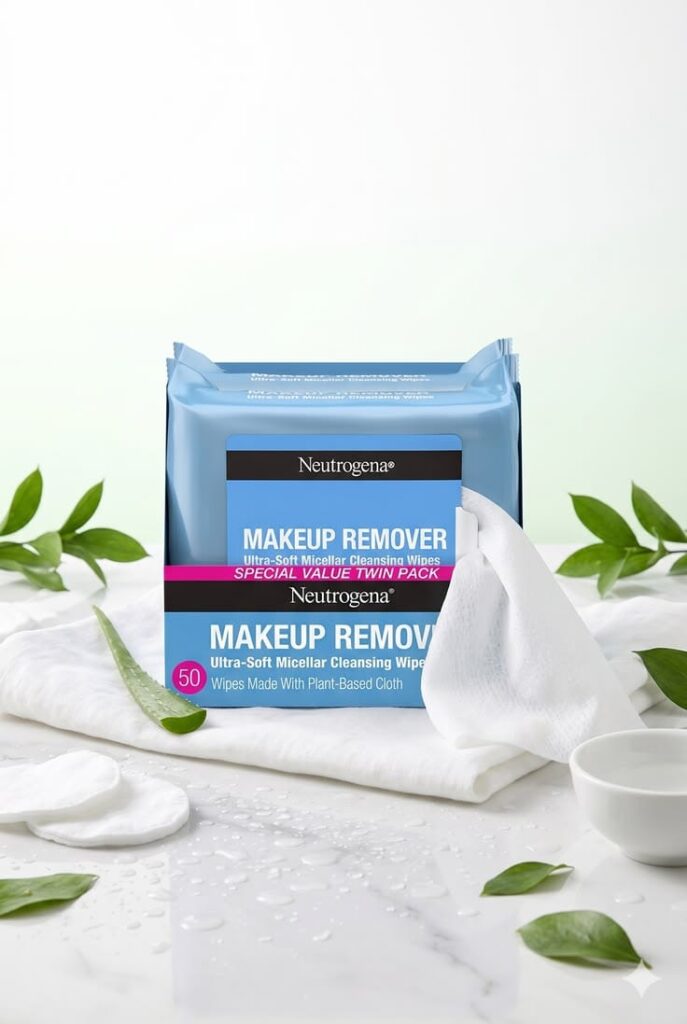
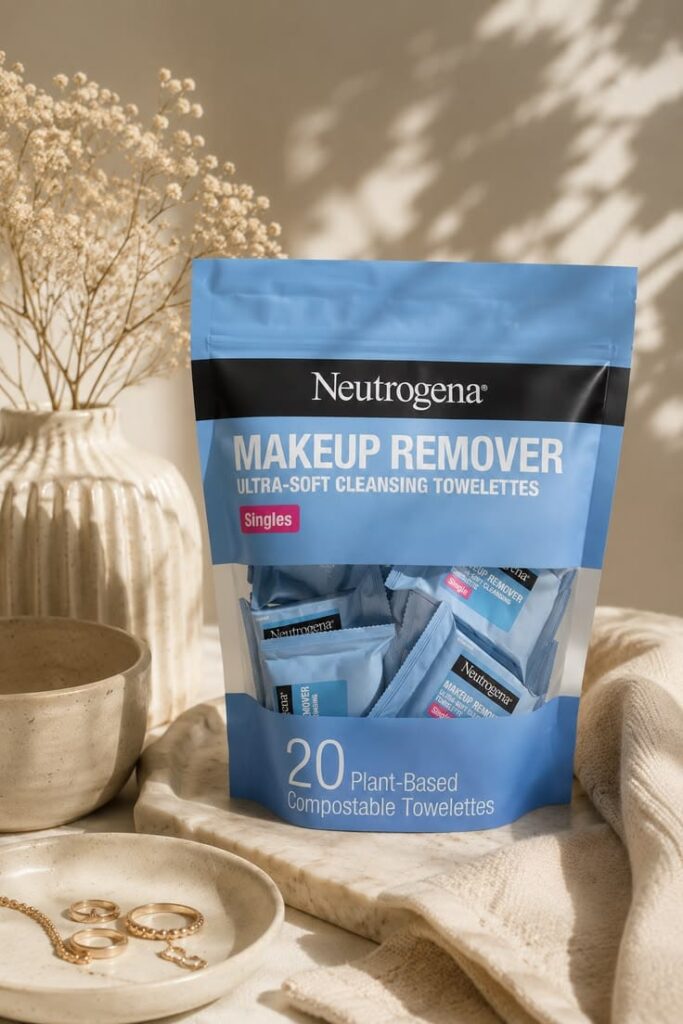
Here’s the short version: a specific batch of Neutrogena’s Makeup Remover Ultra-Soft Cleansing Towelettes tested positive for a bacterium that shouldn’t be anywhere near your face. The good news is that the recall is narrow and well-documented. The better news is that excellent alternatives are waiting for you, several of which might actually outperform the product you were using before.
Let’s break down exactly what happened, whether your pack is affected, why the bacteria involved matter more than you’d think, and which replacement products are genuinely worth your money.
Affiliate Disclaimer
Quick Note on Affiliate Links: To keep our deep-dive reviews and clinical audits independent, Review Dermatica partners with affiliate programs (including Amazon Associates). This means if you buy a product through our links, we might earn a small commission—at zero extra cost to you. This financial support keeps our lab tests running, but it never dictates our verdicts. If a product doesn’t work, we’ll tell you, no matter what.
Quick Summary — What You Need to Know:
- Product affected: Neutrogena Makeup Remover Ultra-Soft Cleansing Towelettes (50-count, 25-pack cartons)
- Reason for recall: Contamination with Pluralibacter gergoviae bacteria
- Lot number to check: 1835U6325A
- States where the affected product was distributed: Texas, Florida, Georgia, South Carolina
- FDA classification: Class II recall (moderate risk, temporary or reversible health effects possible)
- Who issued the recall: Kenvue Brands LLC, voluntarily, in coordination with the FDA
- What you should do: Stop using wipes matching this lot number and switch to a verified alternative
What Exactly Happened With the Neutrogena Makeup Wipes Recall
In September 2025, Kenvue Brands LLC, the company behind Neutrogena, voluntarily pulled a batch of its wildly popular Makeup Remover Ultra-Soft Cleansing Towelettes off shelves. During internal quality testing, the company found that a specific production lot had been contaminated with a bacterium called Pluralibacter gergoviae.
The recall wasn’t a blanket pull of every Neutrogena wipe on every shelf. It was targeted to one lot number, 1835U6325A, packaged in 50-count pouches sold in 25-pack cartons, and distributed to just four states: Texas, Florida, Georgia, and South Carolina. If you bought your wipes outside these states, or your pack doesn’t carry that lot code, you’re very likely in the clear. Still, given how easily lot numbers get mixed up during shipping and retail restocking, it’s worth checking regardless of where you live.
The U.S. Food and Drug Administration classified this as a Class II recall, its second-highest severity tier. That designation means the contamination could cause temporary or medically reversible health problems, but the likelihood of anything life-threatening is low for a healthy adult. Still, “low risk for most people” isn’t the same as “no risk,” and that distinction matters a lot if you or someone in your household has a weakened immune system.
How to Check If Your Neutrogena Wipes Are Affected
This part takes about thirty seconds. Flip your pouch of Neutrogena Makeup Remover Ultra-Soft Cleansing Towelettes over and look at the back seam or the bottom edge. You’re looking for a lot of code printed in light gray text. If it reads 1835U6325A, that pack is part of the Neutrogena wipes recall and should not be used.
If your lot number doesn’t match, most reporting suggests you’re safe to continue using the product. That said, several dermatologists interviewed on the topic have taken a more cautious stance, suggesting that even wipes bought outside the four affected states should be disposed of if you want complete peace of mind. It costs you nothing to toss a nearly-empty pack of wipes and start fresh with something new, especially something formulated with fewer irritants and better skin-barrier support than a basic towelette.
If you do have an affected pack, Kenvue is offering refunds. You can reach out through Neutrogena’s official customer service channels for return and reimbursement instructions.
Why Pluralibacter gergoviae Is a Bigger Deal Than It Sounds
Most people have never heard of Pluralibacter gergoviae, and that’s understandable — it’s not a household name like E. coli or Salmonella. But dig into the clinical literature, and a clearer picture emerges of why cosmetic companies take contamination with this organism so seriously.
Pluralibacter gergoviae is a gram-negative bacterium that lives naturally in water and soil environments. According to genomic research published in a peer-reviewed microbiology journal, this organism has been linked to contamination in cosmetic products for decades, largely because it has an unusual resistance to the preservatives that are supposed to keep water-based formulas like wipes, creams, and micellar waters bacteria-free (PMC).
A 2026 systematic review looking at nearly 200 documented human cases found that infections tied to this bacterium were most often connected to healthcare settings, particularly intensive care units, and disproportionately affected people who were already immunocompromised (PubMed). The review also noted that while serious infection is rare in the general population, outcomes can be more severe when the bacterium shows resistance to multiple antibiotics.
For the average person using a makeup wipe at home, the realistic risk is mild skin or eye irritation at worst. But for people with compromised immunity, chronic illness, or recent surgery, exposure could plausibly lead to more serious complications such as urinary tract infections, respiratory issues, or, in rare documented cases, bloodstream infections (Wikipedia summary of case literature). That’s exactly why the FDA didn’t wait around on this one, and why it’s worth taking seriously even if your specific pack wasn’t part of the recalled lot.
Should You Actually Be Worried?
Realistically, no need for panic. This isn’t a repeat of some of the more dramatic contamination scandals the beauty industry has seen. The affected lot was limited, the states involved were limited, and Kenvue caught this through its own internal testing rather than after a wave of consumer complaints. That’s actually a reassuring detail — it means their quality control system worked the way it’s supposed to.
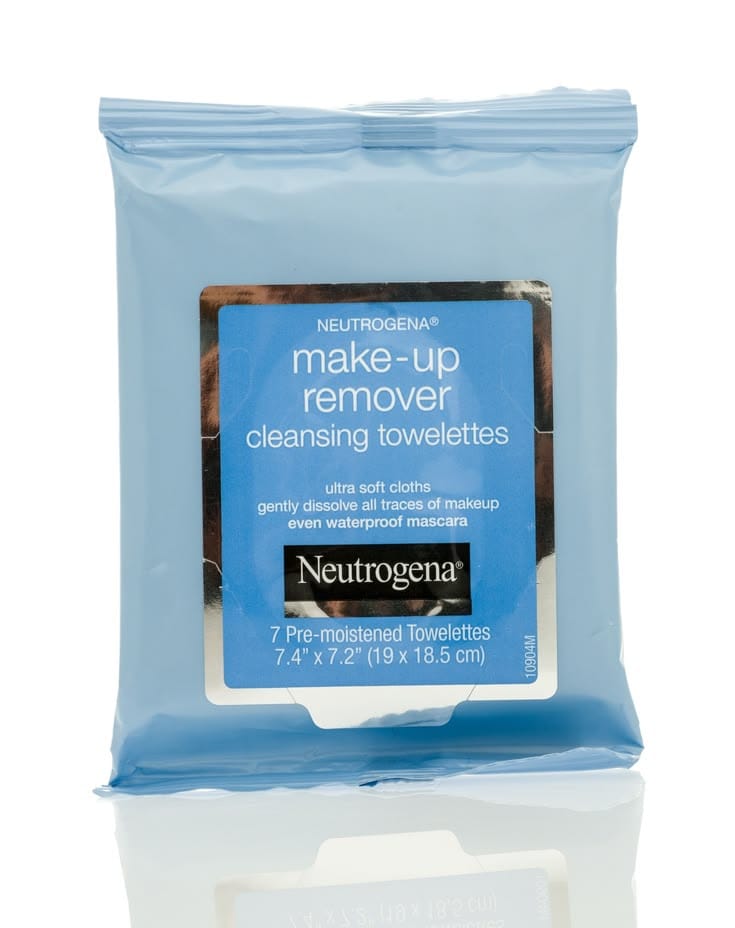
That said, this recall is a good nudge to rethink whether makeup wipes, in general, are the best long-term choice for your skin. Dermatologists have been quietly steering people away from traditional makeup wipes for years, recall or no recall, simply because most wipes require dragging and tugging at the skin to lift stubborn makeup, which can worsen fine lines and irritate sensitive areas like the eyes. If you’re already dealing with sensitized or reactive skin, something we’ve covered in depth in our guide to choosing a Vitamin C serum for sensitive skin, switching away from wipes altogether might be the smarter long-term move.
7 Safer Alternatives to Neutrogena Makeup Wipes
Here’s where the silver lining comes in. The alternatives to Neutrogena’s recalled towelettes aren’t just “safe” — several of them are genuinely better formulated, gentler on the skin barrier, and more effective at breaking down stubborn or waterproof makeup. Below are seven options worth considering, spanning different budgets, skin types, and cleansing preferences.
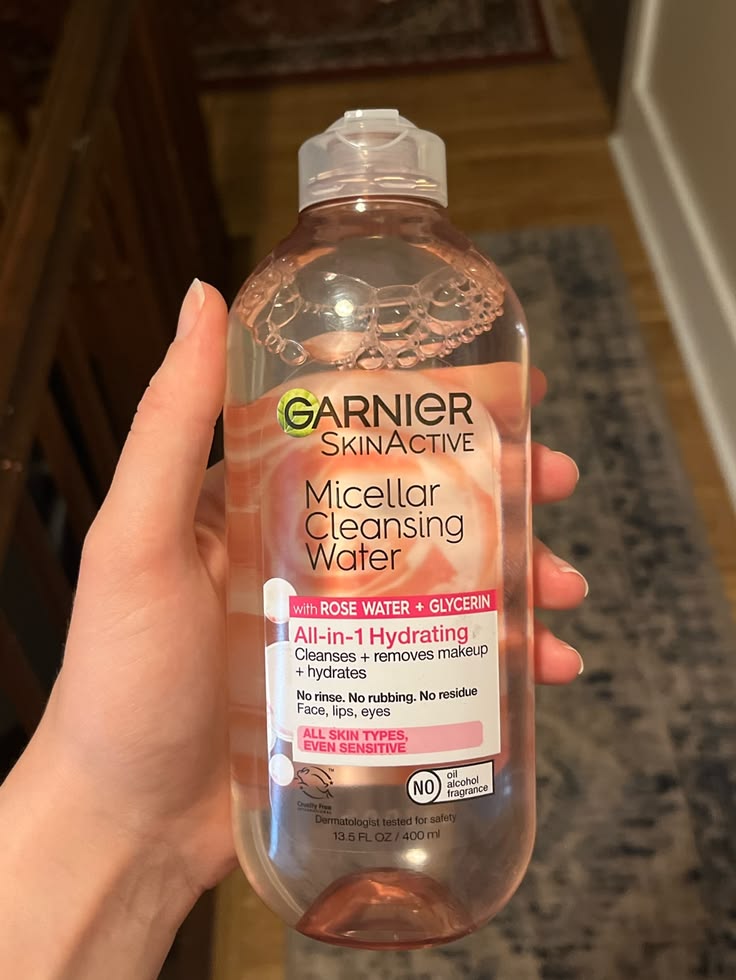
- Garnier SkinActive Micellar Cleansing Water
If you loved the one-step, no-rinse simplicity of makeup wipes, Garnier’s micellar water is the closest thing you’ll find in liquid form. It uses micelle technology, tiny cleansing molecules that act like magnets to lift dirt, oil, and makeup without any harsh rubbing. It’s fragrance-free, oil-free, and gentle enough for the eye area, making it a solid, budget-friendly first step for anyone transitioning away from wipes. A 13.5 fl oz bottle typically runs in the $9–$12 range, which comfortably outlasts a pack of disposable towelettes.
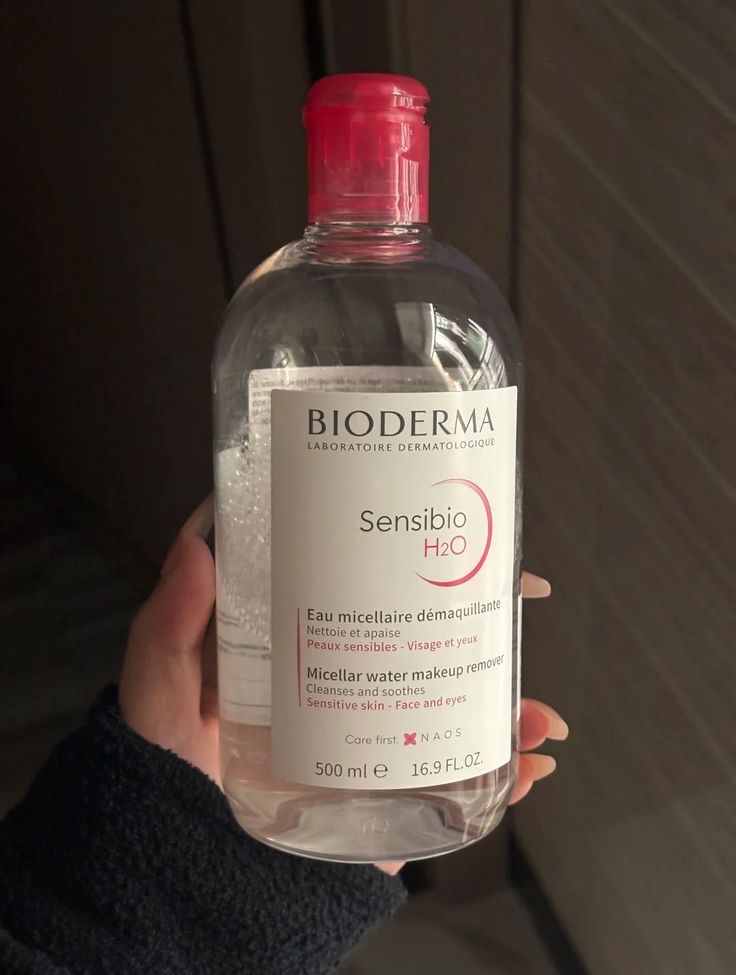
- Bioderma Sensibio H2O Micellar Water
This is the product dermatologists actually recommend to patients with genuinely reactive or eczema-prone skin. Bioderma’s Sensibio H2O has a cult following in the UK and Europe for good reason — it was developed specifically for compromised skin barriers and is one of the few micellar waters that manages to remove waterproof makeup without stripping the skin. Pricing usually falls between $17–$20 for a 500ml bottle, a bit more than Garnier, but well justified if sensitivity is your main concern.
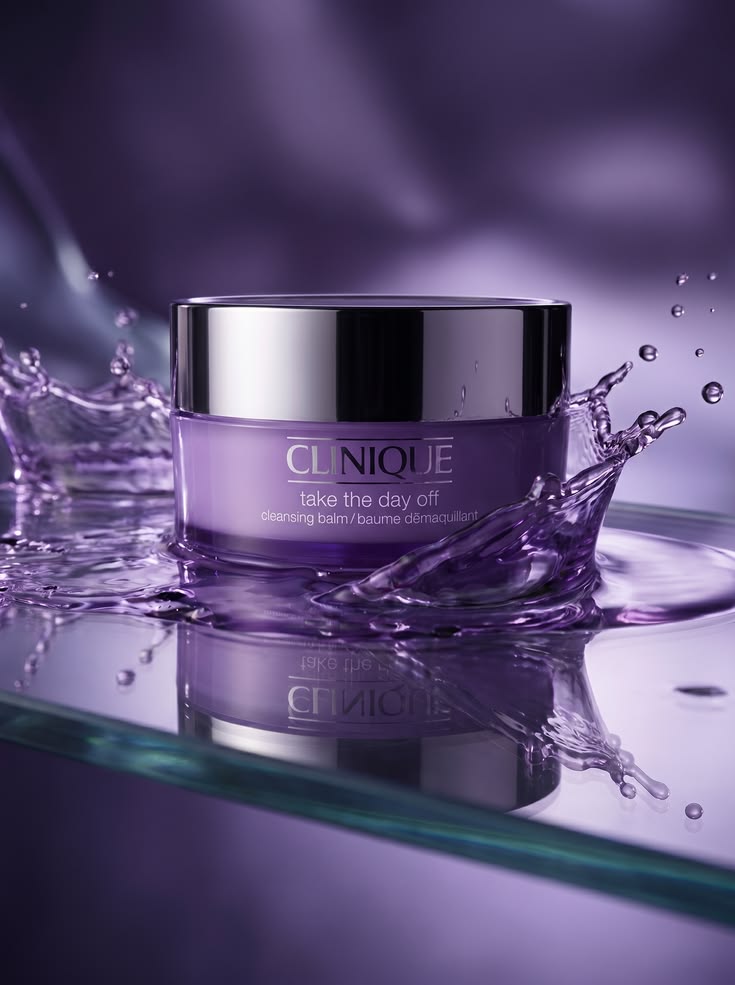
- Clinique Take The Day Off Cleansing Balm
For anyone who wears heavier makeup, especially long-wear foundation or waterproof mascara, a balm cleanser will outperform a wipe every time. Clinique’s Take The Day Off Cleansing Balm melts makeup on contact and rinses away cleanly with warm water, leaving skin soft rather than tight. It’s a favorite pairing with barrier-focused moisturizers like the one covered in our La Roche-Posay Toleriane Double Repair review. Expect to pay around $34–$38 for the full-size jar.
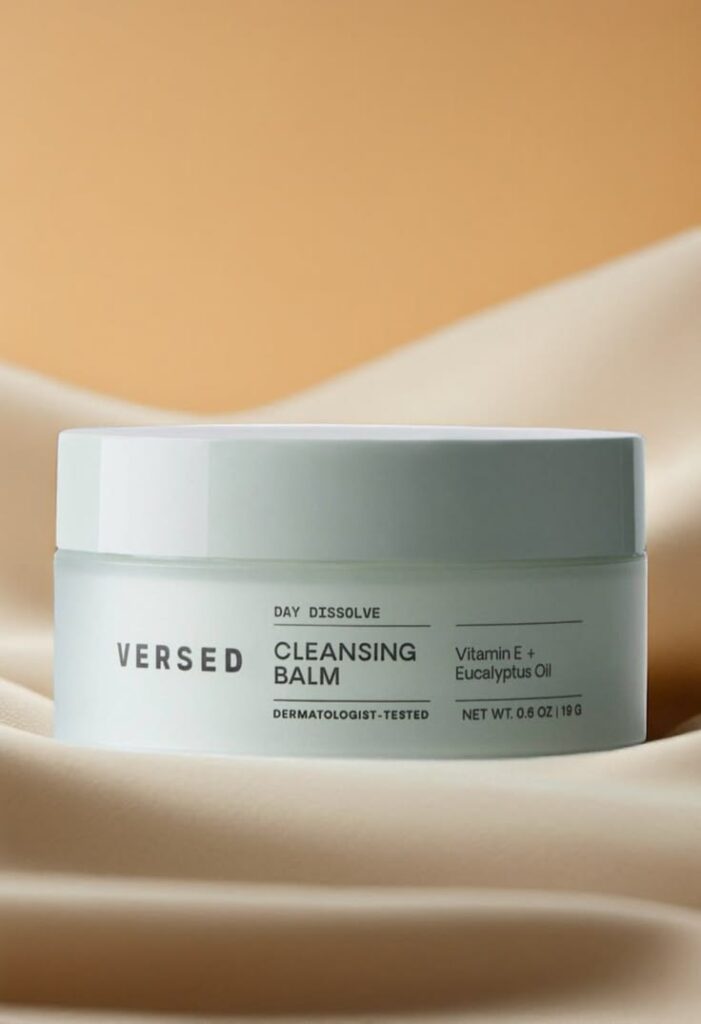
- Versed Day Dissolve Cleansing Balm
If clean beauty formulation matters to you, Versed’s Day Dissolve balm is worth a look. It’s formulated without added fragrance, uses plant-derived oils to dissolve makeup and SPF, and converts into a light milky texture when mixed with water. It’s especially popular with people who also use actives like retinoids or exfoliating acids, since it won’t disrupt the skin barrier the way a rough wipe can. Pricing sits around $20–$24.
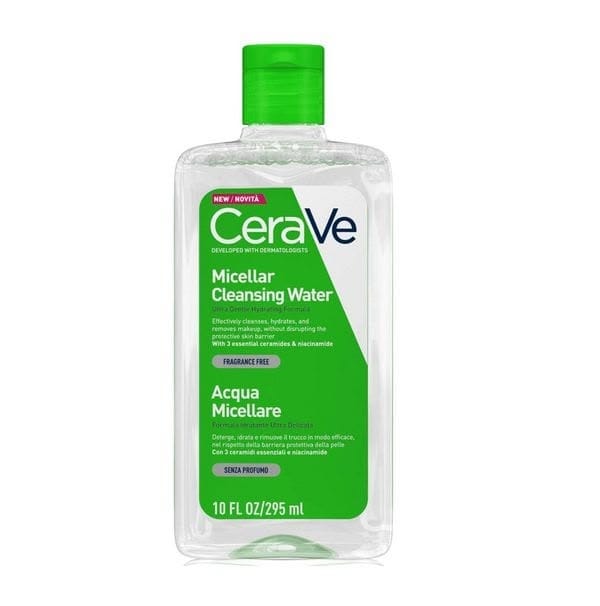
5. CeraVe Micellar Cleansing Water
Formulated with ceramides and hyaluronic acid instead of just cleansing agents, this pick is ideal for dry or barrier-compromised skin. A smart swap if you already use CeraVe elsewhere in your routine — see our Neutrogena Hydro Boost vs CeraVe breakdown. A large bottle typically costs $10–$14.
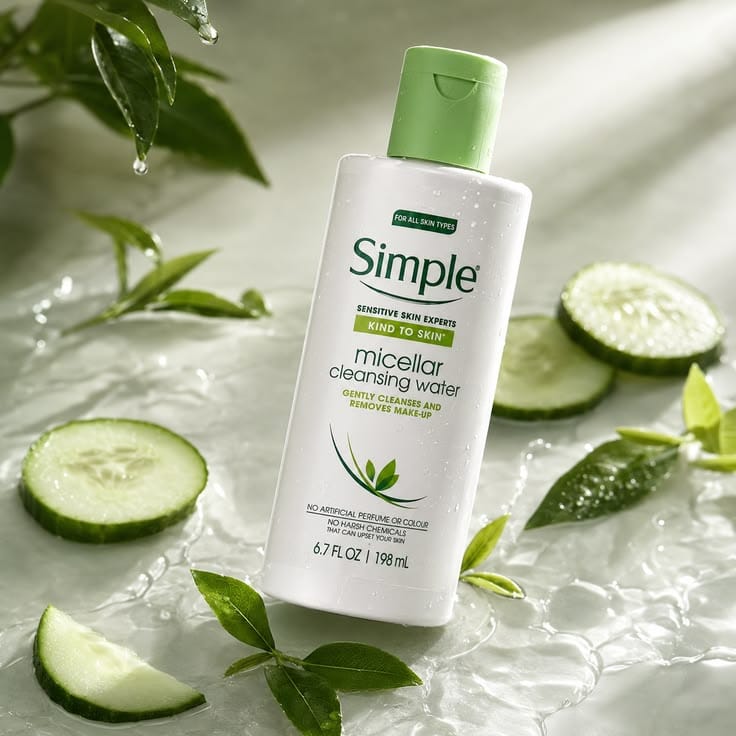
6. Simple Micellar Cleansing Water
Built on Simple’s minimal-ingredient, hypoallergenic philosophy, this is a gentle entry point for reactive or new-to-liquid-cleansers skin. Pairs well with barrier-repair steps covered in our guide on what beta-glucan does for skin. One of the most affordable picks here, around $7–$9.
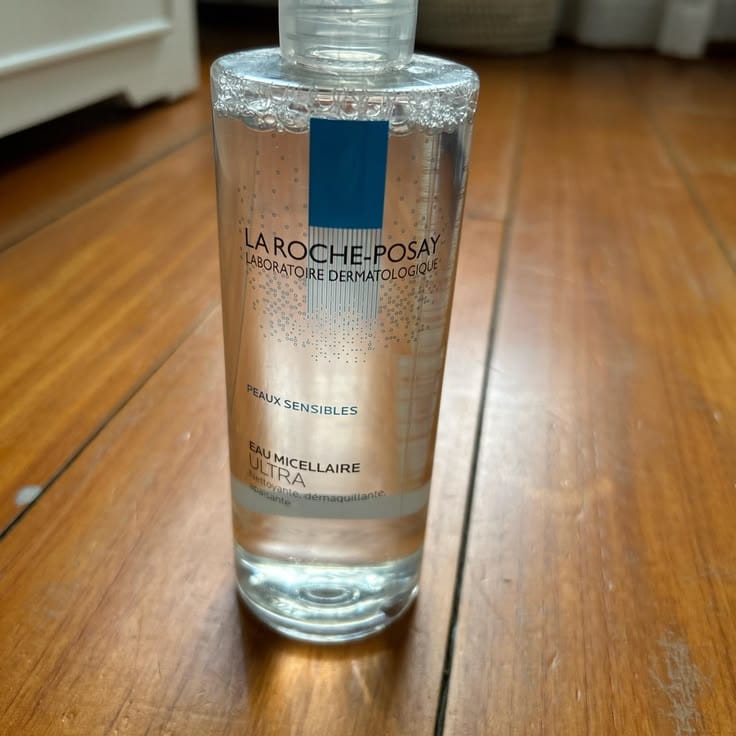
7. La Roche-Posay Micellar Water Ultra
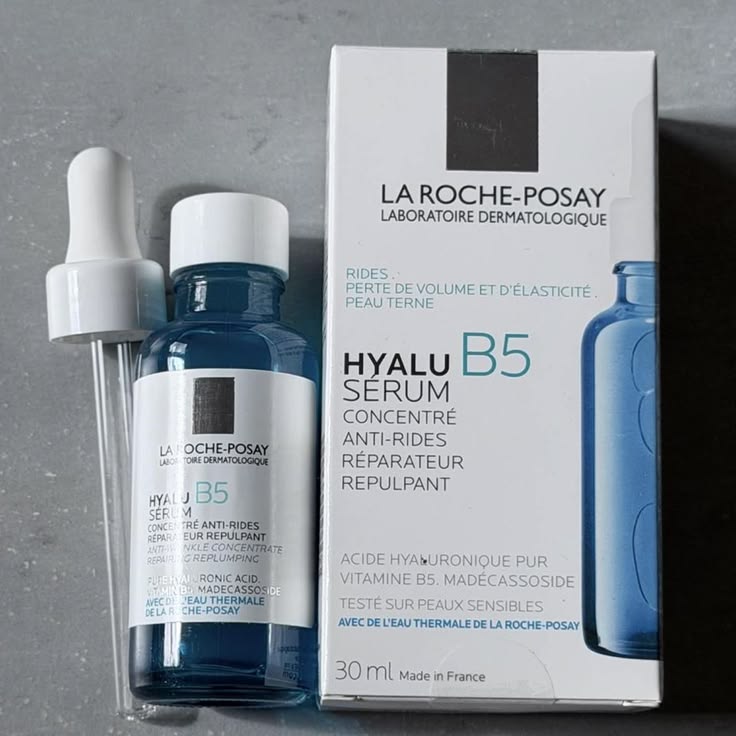
Made with the brand’s signature thermal spring water and fully fragrance-free, this one’s built for intolerant, easily-irritated skin. Often paired with the Hyalu B5 serum for barrier recovery. Priced around $16–$19 for 400ml.
What to Look for When Replacing Your Makeup Remover
Not every makeup remover is created equal, and the Neutrogena Ultra-Soft Cleansing Towelettes recall is a good excuse to be a little more deliberate about what goes on your face. A few things worth prioritizing:
Fragrance-free formulas reduce the odds of irritation, especially around the eye area. Preservative systems matter too — ironically, this entire recall happened because Pluralibacter gergoviae is notoriously resistant to common preservatives, so look for brands that are transparent about their preservation methods and manufacturing standards. If you’re prone to breakouts, pay attention to whether a cleanser is labeled non-comedogenic, a distinction we go into more detail on in our non-comedogenic moisturizer guide, since the same clogging risk applies to makeup removers.
It’s also worth thinking about your skin type holistically rather than just replacing one wipe with another. If you’re dealing with dehydration alongside makeup removal needs, comparing ingredients like hyaluronic acid versus glycerin can help you choose a remover that hydrates rather than strips.
Rebuilding Your Routine After the Switch
Swapping out a recalled product is also a natural moment to look at your broader skincare routine. If your skin has felt more sensitive or reactive lately, whether from the wipes themselves or general environmental stress, gentle actives can help rebuild resilience. Products featuring PDRN, like the one reviewed in our Anua PDRN Hyaluronic Acid 100 Moisturizing Cream article, have gained popularity for supporting barrier repair after irritation.
For toning, something soothing and pH-balanced makes more sense post-cleanse than a harsh astringent. Our reviews of the Paula’s Choice Skin Balancing Toner and the Round Lab 1025 Dokdo Toner both cover options that calm rather than irritate freshly-cleansed skin.
If you wear sunscreen daily, and you should, choosing a makeup remover that can actually break down SPF is essential, particularly for mineral formulas. Our breakdown of mineral versus chemical sunscreen for the face explains why some removers struggle more than others, depending on which type you wear.
The Bigger Picture on Cosmetic Recalls
The Neutrogena makeup wipes recall isn’t an isolated incident in the beauty industry, and it won’t be the last one either. Batch testing, however rigorous, isn’t foolproof, and water-based products remain uniquely vulnerable to bacterial contamination simply because of their formulation. What matters is how a company responds when contamination is caught. In this case, Kenvue identified the issue internally, notified the FDA, limited the recall to a specific lot, and began working on refunds relatively quickly, which is generally considered the right way to handle a situation like this.
For consumers, the real takeaway is less about avoiding Neutrogena forever and more about building a habit of checking lot numbers, staying aware of FDA recall notices, and not being afraid to rotate in new products when something better formulated comes along.
Frequently Asked Questions
Are Neutrogena makeup remover wipes recalled everywhere?
No. The recall is limited to lot number 1835U6325A, distributed only to Texas, Florida, Georgia, and South Carolina. Wipes outside this lot, and these states are not part of the recall. neutrogena makeup remover recall .
What bacteria caused the Neutrogena Ultra-Soft Cleansing Towelettes recall?
Pluralibacter gergoviae is a gram-negative bacterium known for resisting common cosmetic preservatives and occasionally causing infections in immunocompromised individuals.
Can I get a refund for recalled Neutrogena wipes?
Yes. Kenvue Brands is offering refunds for the affected lot through Neutrogena’s official customer service channels.
Are micellar waters a good replacement for makeup wipes?
Generally, yes. Micellar waters tend to be gentler on the skin than textured wipes, since they don’t require rubbing or tugging to lift makeup.
Final Thoughts
The Neutrogena makeup wipes recall is a reminder that even the most trusted drugstore staples aren’t immune to manufacturing issues. If your pack matches the affected lot, stop using it and request a refund. If it doesn’t, this is still a good moment to evaluate whether wipes are truly the best fit for your skin. Micellar waters and cleansing balms tend to be gentler, more effective, and, in several cases, more affordable in the long run than a constant supply of disposable towelettes. Whichever alternative you choose from the list above, your skin will likely thank you either way.
Medically Reviewed By the Review Dermatica Team
This article was researched and fact-checked by the Review Dermatica editorial team, with formulation and ingredient analysis input from Tahmina Zannat Lamya, our in-house researcher with a background in chemistry and cosmetic formulation. All clinical claims regarding Pluralibacter gergoviae and FDA recall classifications are sourced directly from peer-reviewed microbiology literature and official FDA recall data, linked throughout this article.
Review Dermatica is an independent skincare review platform and is not affiliated with Neutrogena, Kenvue Brands, or any dermatologist, brand, or clinical source cited in this article. Product recommendations are based on independent research and may include affiliate links.
2 thoughts on “Neutrogena Makeup Wipes Recall: 7 Safer Alternatives to Try Now (2026)”