
Best Vitamin C Serum for Sensitive Skin 2026: 7 Dermatologist-Tested Picks That Won’t Irritate
If you have sensitive skin, finding the best vitamin c serum for sensitive skin feels like defusing a bomb. One wrong formula and you’re dealing with stinging, redness, or a full-blown breakout.
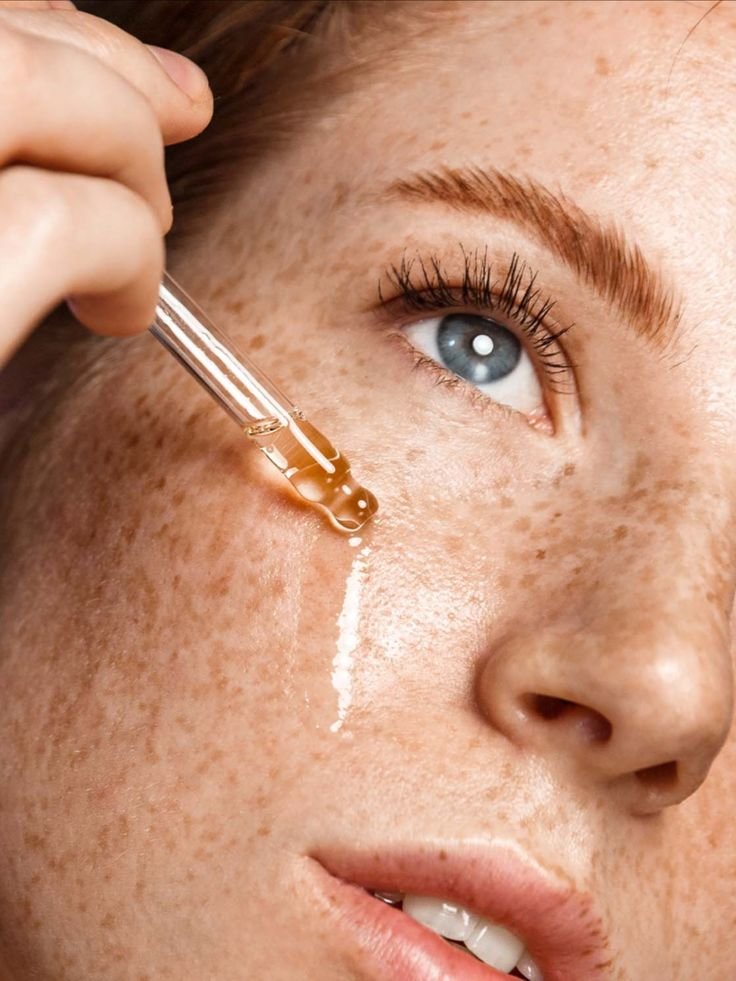
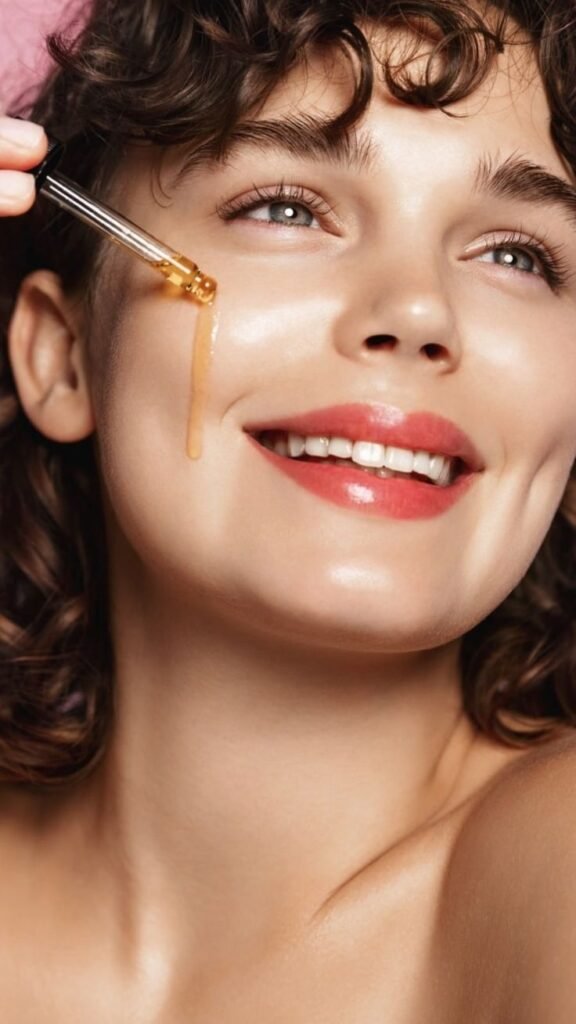
Yet skipping vitamin C entirely means missing one of the most clinically validated brightening and anti-aging ingredients in modern dermatology. This guide cuts through the noise. We’ve reviewed the clinical literature, analyzed ingredient decks, and shortlisted the best vitamin C serums for sensitive skin in 2026 — specifically for redness-prone, reactive, and easily irritated skin types.
Quick Summary
- Best Overall: La Roche-Posay Pure Vitamin C10 Serum — dermatologist-backed, fragrance-free, gentle 10% L-Ascorbic Acid formula perfect for reactive skin.
- Best Budget Pick: TruSkin Vitamin C Serum — under $30, dual vitamin C complex, no orange cast, loved by sensitive skin users.
- Best for Redness-Prone Skin: iS Clinical Pro-Heal Serum Advance+ — stabilized vitamin C with calming olive leaf extract, clinically tested on stressed skin.
- Best Gentle Derivative: The INKEY List Vitamin C Serum (SAP) — uses Sodium Ascorbyl Phosphate, the most stable and gentle vitamin C form for reactive skin types.
- Best Luxury Option: SkinCeuticals C E Ferulic — the gold standard, clinically proven 41% reduction in oxidative damage.
- What to avoid: High-concentration L-Ascorbic Acid (20%+) and any vitamin C serum with fragrance, alcohol, or essential oils if you have sensitive skin.
- Key rule: Always follow vitamin C with SPF in the morning — it amplifies sun protection and prevents oxidation.
This post contains affiliate links. If you buy through our link, we may earn a small commission at no extra cost to you.
No harsh concentrations. No hidden fragrance. Just science-backed picks that actually work gently.
A 2024 peer-reviewed study published in Antioxidants (Medical University of Lodz) confirmed that ascorbic acid treatments are both effective and safe for sensitive skin, showing significant improvement in skin elasticity and a measurable reduction in erythema. (Source: NIH )
Why Sensitive Skin Needs a Different Vitamin C Formula
Standard vitamin C serums often use L-Ascorbic Acid (L-AA) — the pure, most bioavailable form of vitamin C. While it’s undeniably effective, L-AA is inherently acidic (pH 2.5–3.5), and at higher concentrations (15–20%+), it can trigger stinging, flushing, and irritation in reactive skin types.
According to a comprehensive review published in the Journal of Clinical and Aesthetic Dermatology, topical vitamin C works through multiple pathways: it acts as a powerful antioxidant, supports collagen synthesis, stabilizes collagen fibers, and inhibits melanin formation to reduce pigmentation. The challenge for sensitive skin is harnessing these benefits without triggering the skin’s defensive response.
The solution is either a lower concentration of L-AA (8–10%) combined with soothing co-ingredients, or a switch to gentler vitamin C derivatives like Sodium Ascorbyl Phosphate (SAP) or Magnesium Ascorbyl Phosphate (MAP) — significantly less acidic and far less likely to irritate reactive skin.
⚠️ Watch out for these if you have sensitive skin: fragrance, essential oils (especially citrus), denatured alcohol, and vitamin C concentrations above 15% L-Ascorbic Acid.
How We Chose These 7 Picks
Our selection criteria were designed specifically for sensitive and redness-prone skin. We evaluated each product against seven factors:
- Vitamin C Form & Concentration — type of vitamin C, pH level, and irritation potential
- Gentleness Indicators — fragrance-free, alcohol-free, soothing actives present
- Clinical or Dermatologist Backing — published studies or professional endorsements
- Verified User Reviews — large pools of real feedback from sensitive skin users
- Packaging — airless or opaque bottles to prevent oxidation
- Supporting Ingredients — hyaluronic acid, niacinamide, ceramides, or calming botanicals
- Value for Money — cost per effective dose
The 7 Best Vitamin C Serums for Sensitive Skin in 2026
#1 — La Roche-Posay Pure Vitamin C12 Serum
Best Overall | Rating: 4.7/5 (12,000+ reviews) Fragrance-Free | Dermatologist-Tested | Editor’s Choice
La Roche-Posay has built its entire brand identity around sensitive skin dermatology — and its Pure Vitamin C10 Serum delivers exactly what reactive skin needs. At 10% L-Ascorbic Acid, it’s potent enough to deliver visible brightening and collagen-supporting benefits, yet formulated at a higher pH (5.5) than typical vitamin C serums to significantly reduce irritation risk.
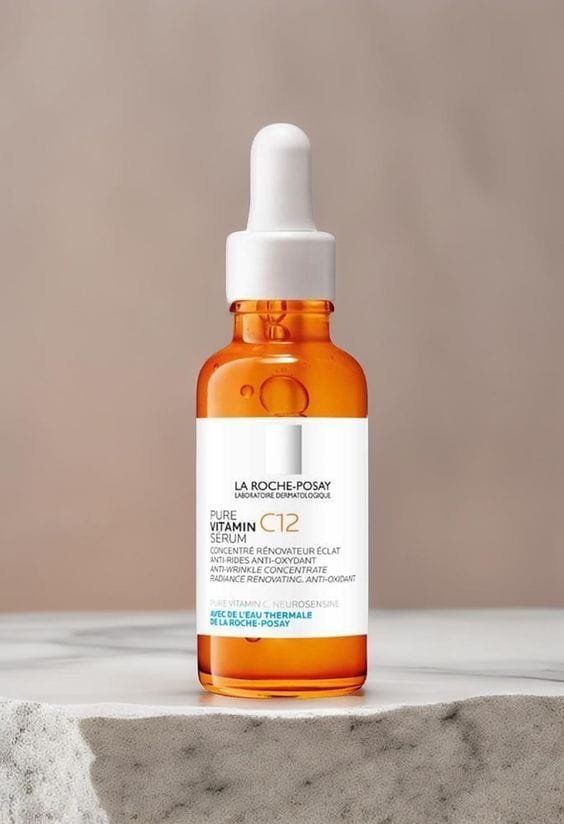
The formula is enriched with salicylic acid for gentle exfoliation and neurosensine, a proprietary calming peptide that targets sensitive skin hypersensitivity. The mineral-rich thermal spring water adds a soothing buffer. It comes in an airless pump bottle — essential for L-Ascorbic Acid formulas, as oxygen exposure causes vitamin C to oxidize and lose efficacy.
Why it’s great for sensitive skin: The 10% concentration with buffered pH 5.5 delivers real antioxidant benefits with significantly less stinging than most L-AA serums. The neurosensine peptide actively calms reactive skin.
Vitamin C Form: L-Ascorbic Acid 10% pH: ~5.5 (buffered) Fragrance-Free: Yes Best For: Sensitive, Dull, Aging Skin
Read Full Review :
#2 — TruSkin Vitamin C Serum
Best Budget Pick | Rating: 4.5/5 (90,000+ reviews) Under $30 | No Orange Cast | Dual Vitamin C
TruSkin’s Vitamin C Serum is one of the most beloved budget-friendly options for sensitive skin. It uses a dual vitamin C approach combining L-Ascorbic Acid with Sodium Ascorbyl Phosphate (SAP), giving you both immediate antioxidant action and long-term stability — fewer irritation spikes and more consistent gentle delivery.
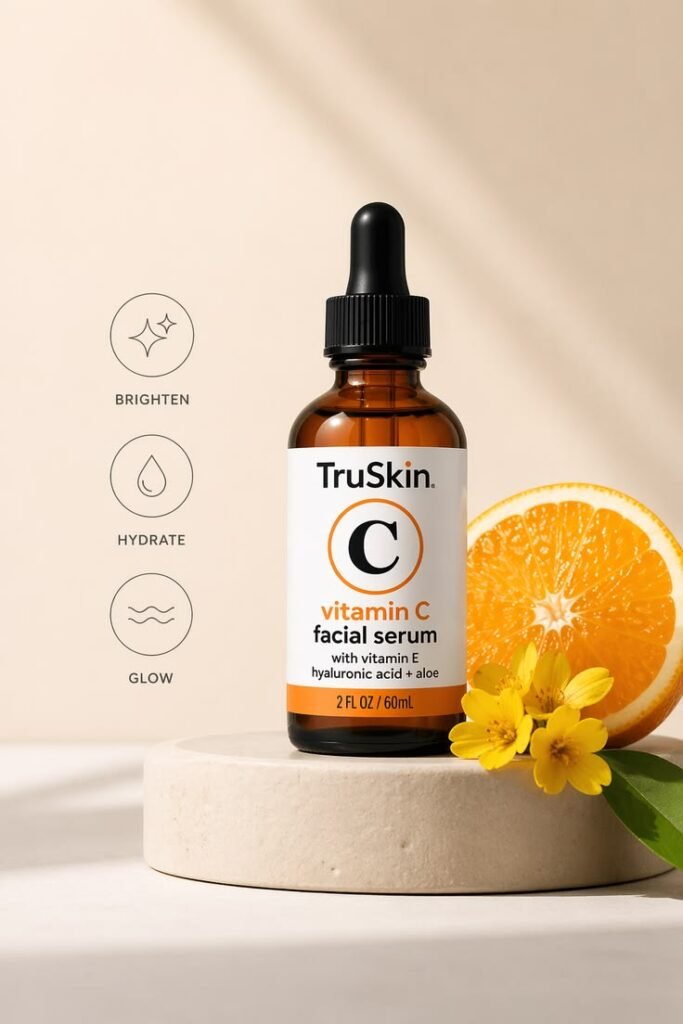
Users consistently report no orange cast, no strong medicinal smell, and seamless layering under moisturizer and sunscreen. The formula also includes hyaluronic acid for hydration and plant-derived ingredients to support the skin barrier. At under $30, it delivers ingredient quality typically found in serums costing two to three times more.
.Why it’s great for sensitive skin: The dual vitamin C system reduces peak irritation. SAP converts to ascorbic acid gradually on skin, making it far gentler than pure L-AA at the same concentration.
Vitamin C Form: L-AA + SAP (Dual) Price: ~$25–$30 Fragrance-Free: Yes Best For: Budget shoppers, beginners
#3 — iS Clinical Pro-Heal Serum Advance+
Best for Redness-Prone Skin | Rating: 4.8/5 Clinical Formula | Anti-Redness | Dermatologist-Prescribed
If redness and reactivity are your primary concerns, iS Clinical Pro-Heal Serum Advance+ is the most targeted solution on this list. It’s built around a stabilized vitamin C blend paired with olive leaf extract — a potent botanical with documented anti-inflammatory and antioxidant properties.
Every ingredient serves a specific clinical purpose. Vitamin C reduces oxidative stress and supports collagen production, while olive leaf extract actively calms inflammatory pathways that cause visible redness. It’s lightweight, designed specifically for stressed or sensitive skin prone to flushing. This product frequently appears in dermatologist discussions for rosacea-prone and perioral dermatitis skin, alongside routine sensitive care.
Why it’s great for redness-prone skin: The anti-inflammatory olive leaf extract pairs with vitamin C’s antioxidant action to calm existing redness and prevent future oxidative stress-driven inflammation.
Vitamin C Form: Stabilized Blend Key Extra: Olive Leaf Extract Fragrance-Free: Yes Best For: Redness, Rosacea-Prone Skin
#4 — The INKEY List Vitamin C Serum (SAP)
Best Gentle Derivative | Rating: 4.4/5 SAP Formula | Zero Irritation | Beginner-Friendly
For skin that cannot tolerate any form of L-Ascorbic Acid, The INKEY List offers the most accessible entry point using Sodium Ascorbyl Phosphate (SAP) — the gentlest, most stable vitamin C derivative available. SAP has a neutral pH profile, meaning it doesn’t require the acidic environment that makes L-AA irritating, and it converts to active ascorbic acid directly on the skin.
While SAP is slightly less potent than L-Ascorbic Acid at equal concentrations, it delivers meaningful brightening and antioxidant benefits — particularly with longer-term use. It’s also proven effective against acne-causing bacteria, making it a smart dual-purpose ingredient for skin that’s both sensitive and acne-prone.
Why it’s great for ultra-sensitive skin: SAP’s neutral pH means zero stinging from the very first application. If every other vitamin C serum has made your skin react, start here.
Vitamin C Form: Sodium Ascorbyl Phosphate (SAP) Irritation Risk: Very Low Fragrance-Free: Yes Best For: Ultra-Sensitive, Acne-Prone Skin
#5 — SkinCeuticals C E Ferulic
Best Luxury Option | Rating: 4.7/5 (9,600+ reviews) Gold Standard | Clinically Proven | Dermatologist’s #1
SkinCeuticals C E Ferulic has maintained its reputation as the dermatologist’s go-to vitamin C recommendation for nearly two decades. It combines 15% L-Ascorbic Acid with 1% Vitamin E and 0.5% Ferulic Acid — a ratio studied in published clinical research showing a 41% reduction in oxidative damage in the skin.
The ferulic acid stabilizes the vitamin C and doubles its photoprotective efficacy. While 15% L-AA may concern some sensitive skin users, many find it tolerable with a careful, slow introduction — starting every other day for two weeks. The clinical evidence behind it is unmatched in consumer skincare.
Sensitive skin tip: Start applying every 2–3 days for the first two weeks. The long-term payoff in collagen support and photoprotection is worth the careful introduction.
Vitamin C Form: L-Ascorbic Acid 15% Key Actives: Vitamin E + Ferulic Acid Price: ~$185 (1 oz) Best For: Anti-Aging, Maximum Photoprotection
#6 — Vichy LiftActiv Vitamin C Serum
Best All-Rounder | Rating: 4.5/5 Barrier-Strengthening | 15% Vitamin C | Mineral-Rich Water
Vichy’s LiftActiv Vitamin C Serum brings pharmacy-brand expertise to the sensitive skin conversation. Formulated with 15% pure vitamin C, hyaluronic acid, and Vichy’s signature mineralizing thermal spring water, it targets brightening and barrier hydration simultaneously — a smart dual-action approach for skin needing gentle yet effective treatment.
The mineral-rich thermal spring water acts as a natural soothing buffer, helping offset the inherent acidity of L-Ascorbic Acid. Hyaluronic acid ensures the serum doesn’t compromise skin hydration while the vitamin C does its active work. The result is improved luminosity, reduced fine wrinkles, and more even skin tone without dryness.
Vitamin C Form: L-Ascorbic Acid 15% Key Extras: Hyaluronic Acid + Thermal Water Fragrance-Free: Yes Best For: Brightening + Hydration Combined
#7 — Timeless 20% Vitamin C + E Ferulic Serum
Best Value Premium | Rating: 4.3/5 (25,000+ reviews) SkinCeuticals Dupe | Advanced Users Only
At 20% L-Ascorbic Acid, Timeless is the strongest formula on this list — not for true beginners with sensitive skin. However, it earns its place as the best high-concentration option for sensitive skin users who have already built tolerance to vitamin C and want maximum efficacy at a fraction of the SkinCeuticals price.
It uses the same CE + Ferulic Acid synergy concept as SkinCeuticals but at roughly one-quarter the cost. For sensitive skin users who’ve graduated beyond gentler derivatives and want clinical-level brightening and anti-aging results, Timeless offers exceptional value.
Vitamin C Form: L-Ascorbic Acid 20% Price: ~$25–$35 Best For: Experienced Vitamin C Users Important: Introduce slowly, every other day

How to Safely Introduce Vitamin C Into a Sensitive Skin Routine
Even the gentlest vitamin C serum can cause a reaction if introduced too aggressively. Here’s the dermatologist-recommended approach:
Step 1 — Start Slow: Begin with application every other day (or every two days for extremely reactive skin). This allows your skin’s tolerance to build gradually without triggering inflammation.
Step 2 — Apply on Dry Skin: Apply vitamin C serum to completely dry skin. Wet skin allows faster penetration, which increases irritation risk with acidic formulas.
Step 3 — Layer Correctly: Vitamin C serum goes after cleansing and toning, but before heavier serums, moisturizer, and SPF. Never layer high-concentration L-AA with retinol on the same application — use vitamin C in the morning, retinol at night.
Step 4 — Always Follow with SPF: Non-negotiable. Vitamin C amplifies photoprotection but becomes less stable when exposed to UV light. A broad-spectrum SPF 30+ locks in the benefits. Read our guide: mineral vs chemical sunscreen for the face
Also helpful: Pair vitamin C with a good barrier-repair moisturizer to counterbalance the serum’s acidity. Our top pick: La Roche-Posay Toleriane Double Repair Face Moisturizer review
What the Science Actually Says
The clinical evidence for topical vitamin C is some of the most robust in cosmetic dermatology. A landmark double-blind study published in Dermatologic Surgery demonstrated clinically visible and statistically significant improvements in wrinkling after 12 weeks of topical vitamin C use, with biopsy evidence confirming new collagen formation.
For sensitive skin specifically, a 2024 study in Antioxidants (Medical University of Lodz) found that ascorbic acid treatments showed significant improvement in skin elasticity and a measurable reduction in erythema — confirming vitamin C can be both effective and safe for reactive skin when formulated correctly.
A review in the Journal of Clinical and Aesthetic Dermatology confirms that vitamin C acts as a primary antioxidant against free radical damage, is the primary replenisher of vitamin E, and works synergistically with vitamin E to defend against oxidative damage from UV exposure.
Related Reading from Review Dermatica
- The Ordinary vs Paula’s Choice Vitamin C Serum
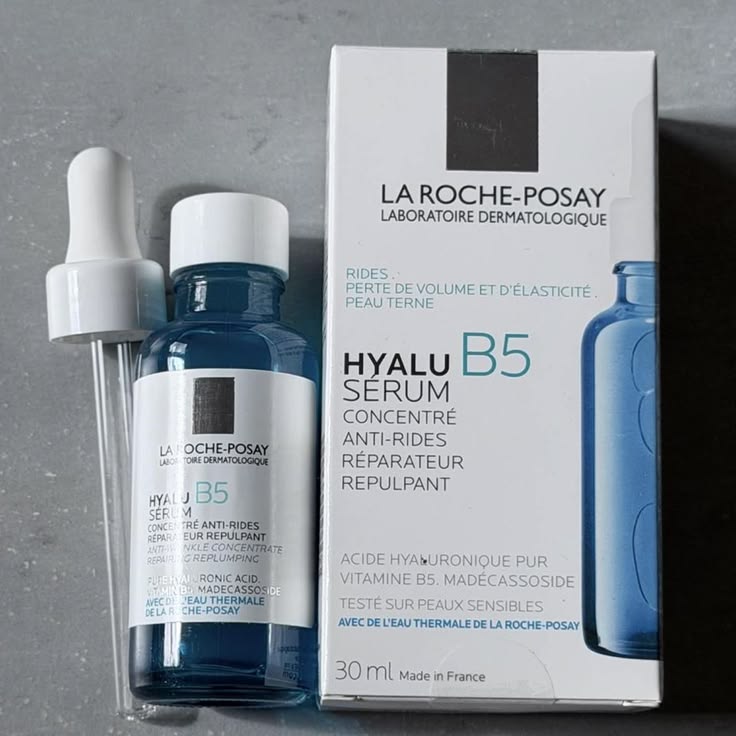
- La Roche-Posay Hyalu B5 Serum Review
- EltaMD UV Clear SPF 46 Review
- Mineral vs Chemical Sunscreen for Face
- La Roche-Posay Toleriane Double Repair Moisturizer Review
- iUNIK Beta-Glucan Power Moisture Serum Review
- What Is Beta-Glucan for Skin?
- Augustinus Bader vs La Prairie
Frequently Asked Questions
Can sensitive skin really use vitamin C serum daily?
Yes — but it depends on the formula and your skin’s tolerance level. Start with every other day using a gentle derivative like SAP or a low-concentration L-AA (8–10%) formula. Once your skin has adjusted over 2–4 weeks, most sensitive skin types can tolerate daily morning application. Always use SPF afterward.
What is the best vitamin C form for sensitive skin?
Sodium Ascorbyl Phosphate (SAP) and Magnesium Ascorbyl Phosphate (MAP) are the gentlest forms — they have a neutral pH and convert to active vitamin C gradually on the skin. For those who want the potency of pure L-Ascorbic Acid, start with 10% at a buffered, higher pH formulation like La Roche-Posay C10.
Why does my vitamin C serum sting? Is that normal for sensitive skin?
A very mild, brief tingling lasting less than 30 seconds is common with L-Ascorbic Acid serums due to their low pH. However, prolonged burning, redness, or itching signals the formula is too strong or too acidic for your skin. Switch to a SAP-based serum or a lower-concentration buffered L-AA formula. Never apply vitamin C to broken or freshly exfoliated skin.
Can I use vitamin C with niacinamide if I have sensitive skin?
Yes — the old myth that vitamin C and niacinamide cause irritation together has been debunked. Modern research confirms they are safe to use together. In fact, niacinamide’s barrier-strengthening and anti-inflammatory effects can help sensitive skin tolerate vitamin C better. Apply vitamin C first, let it absorb for a few minutes, then apply niacinamide.
How long does it take to see results from vitamin C serum for sensitive skin?
Most sensitive skin users see visible brightening within 4–6 weeks of consistent use. Hyperpigmentation and uneven tone improvements typically take 8–12 weeks. Collagen-building anti-aging benefits become noticeable after 3–6 months of daily use. Consistency matters more than concentration for sensitive skin.
Final Verdict
The best vitamin C serum for sensitive skin in 2026 doesn’t have to be a compromise between gentleness and efficacy. The seven products above prove that sensitive skin can absolutely benefit from vitamin C’s well-documented brightening, collagen-boosting, and photoprotective benefits — it simply requires choosing the right formula.
For most sensitive skin types, the La Roche-Posay Pure Vitamin C10 Serum is the ideal starting point: clinically backed, dermatologist-endorsed, fragrance-free, and formulated with a buffered pH specifically to minimize irritation. For those on a budget, TruSkin’s dual vitamin C approach delivers impressive results without the premium price. And for skin that has reacted to every vitamin C product, The INKEY List SAP serum offers a guaranteed, gentle entry point.
Whatever you choose, introduce it slowly, pair it with SPF every morning, and give your skin at least 6–8 weeks of consistent use before evaluating results. Vitamin C is a long game — but for sensitive skin, it’s one of the most rewarding investments you can make.
About the Editorial Team
The Strategic Architect: Newaj H Asim | Founder & Lead Analyst Asim oversees the technical SEO and clinical content strategy at Review Dermatica, ensuring that every audit meets the high-authority standards of the USA skincare market.
The Scientific Mind: Tahmina Zannat Lamya | Co-Founder & Clinical Researcher Tahmina leads the ingredient research department, focusing on polysaccharide stability and the macrophage response in sensitive skin types.
The Medical Reference: Dr. Shereene Idriss, MD Dr. Shereene Idriss, a leading board-certified dermatologist based in NYC, serves as our primary medical reference for Skintelligence.
Clinical References:
- PubMed: Ascorbic Acid Treatments as Effective and Safe Anti-Aging Therapies for Sensitive Skin (2024)
- PMC: Topical Vitamin C and the Skin — Mechanisms of Action and Clinical Applications
- PubMed: Double-blind study — topical vitamin C significantly improves wrinkling
Disclosure: This article contains affiliate links. If you purchase through our links, Review Dermatica may earn a small commission at no additional cost to you. All product selections are independent and based on our editorial research. This content is for informational purposes only and does not constitute medical advice.
5 thoughts on “Best Vitamin C Serum for Sensitive Skin 2026: 7 Dermatologist-Tested Picks That Won’t Irritate”