
The Ordinary vs Paula’s Choice Vitamin C Serum: Honest Comparison for 2026
📢 Disclosure: This post contains affiliate links. If you buy through our link, we may earn a small commission at no extra cost to you.
If you have spent any time researching Vitamin C serums, you have almost certainly landed on this exact debate — The Ordinary vs Paula’s Choice Vitamin C Serum.
Both brands are beloved by dermatologists, skincare scientists, and everyday consumers alike. Both are rooted in clinical transparency. And both offer genuinely effective Vitamin C formulations at very different price points and with very different philosophies behind them.
But which one actually wins when you put them side by side under a clinical lens?
At Review Dermatica, we do not deal in opinions dressed up as facts. We analyze ingredient lists, cross-reference peer-reviewed research, and give you the kind of science-backed verdict that helps you make a genuinely informed purchase — not just a trendy one. This is our complete comparison of The Ordinary vs Paula’s Choice Vitamin C Serum, and by the end of it, you will know exactly which one belongs in your routine.
Clinical studies continue to show that topical Vitamin C concentrations between 10% and 20% can noticeably improve skin brightness, firmness, and uneven pigmentation within 8–12 weeks of consistent use.
The biggest challenge has always been stability. Pure L-Ascorbic Acid oxidizes easily when exposed to light, air, and heat, which is why formulation quality matters so much. This is exactly where brands like The Ordinary and Paula’s Choice take very different approaches to Vitamin C technology.
Brand Philosophy: Science on a Budget vs Science with Luxury Precision
The Ordinary — Radical Transparency at Accessible Prices
Founded in 2016 under the DECIEM umbrella, The Ordinary revolutionized the skincare industry by doing something that felt genuinely radical at the time — it put clinical-grade actives into minimalist formulations and sold them at prices that most people could actually afford. Their Vitamin C range spans multiple derivatives and concentrations, giving consumers the ability to select exactly the type and strength of Vitamin C that suits their skin type and tolerance level.
The Ordinary’s approach is ingredient-first and education-forward. They publish their formulations with clinical transparency, encourage consumers to understand what they are buying, and intentionally avoid the kind of marketing language that obscures rather than informs. This philosophy has earned them an extraordinarily loyal global following.
Paula’s Choice — Precision Formulation with a Clinical Heritage
Paula’s Choice operates from a slightly different premise. Founded by Paula Begoun — widely known as the “Cosmetics Cop” for her decades of evidence-based skincare research — the brand combines high-potency actives with sophisticated supporting ingredients, creating formulations that are designed to work more holistically within the skin’s biology.
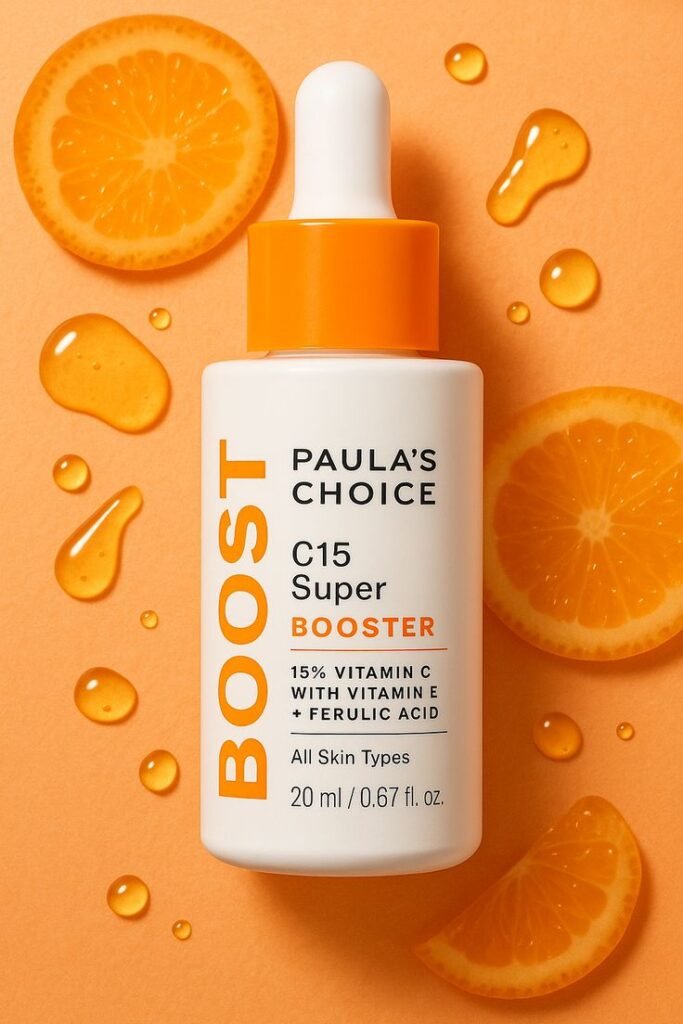
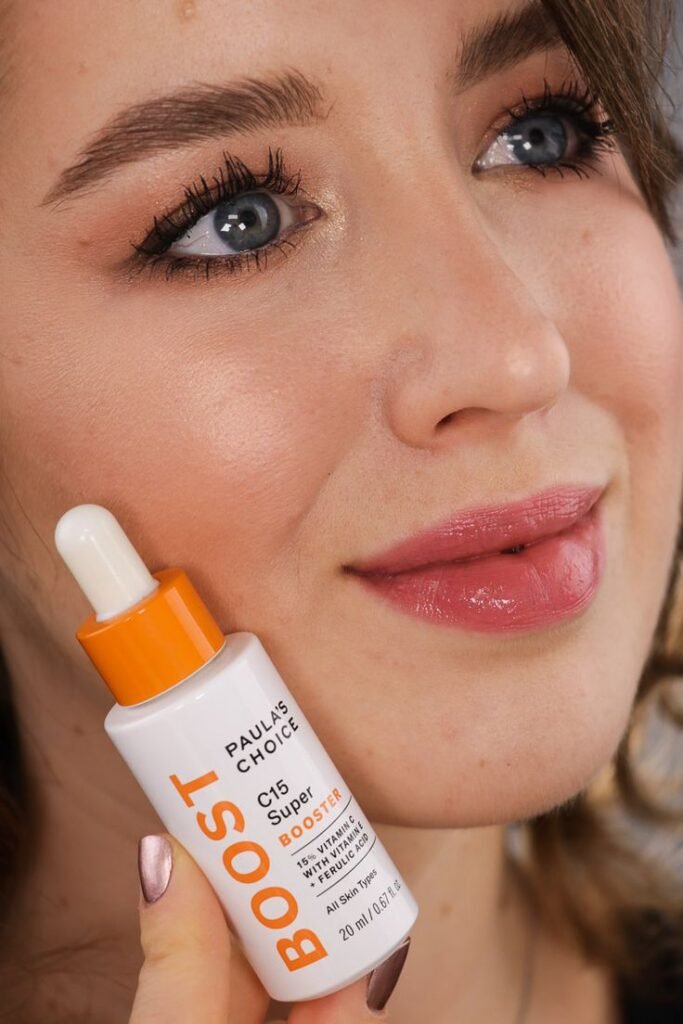
Their C15 Super Booster is not simply a 15% Vitamin C serum. It is a clinically engineered antioxidant complex that uses the stabilizing power of Ferulic Acid and Vitamin E, enhanced further by Ergothioneine and skin-smoothing peptides. The price reflects this complexity — Paula’s Choice sits firmly in the mid-to-premium skincare tier, but the clinical results justify the investment for the right consumer.
The Ordinary Vitamin C Range: Which Product Are We Actually Comparing?
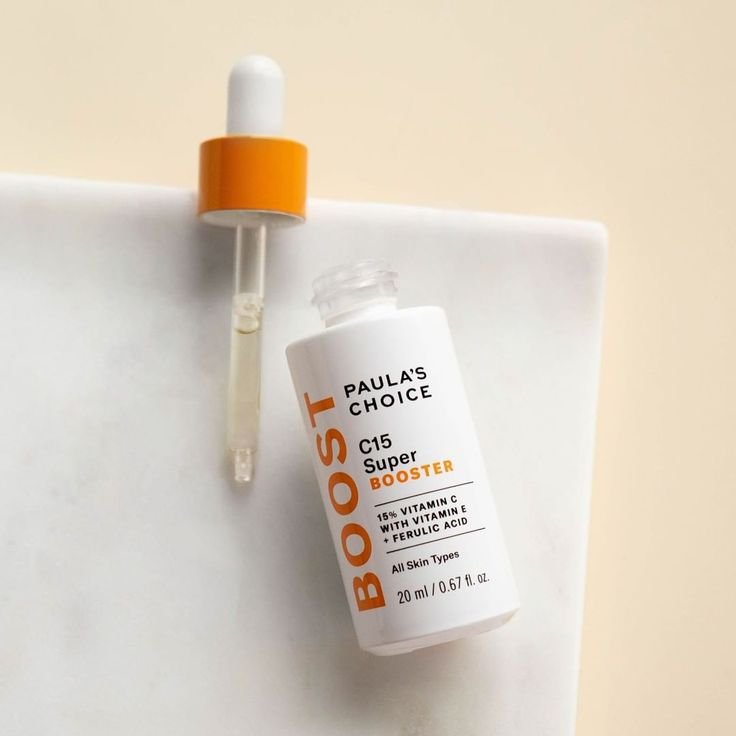
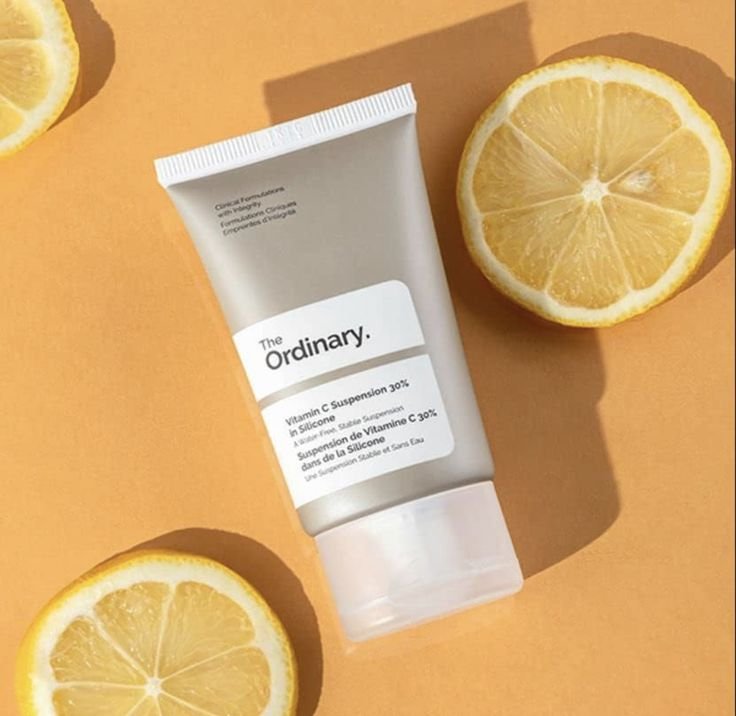
One of the most common sources of confusion in the The Ordinary vs Paula’s Choice debate is that The Ordinary does not have a single Vitamin C serum — they have an entire range of Vitamin C derivatives, each with different molecular weights, stabilities, textures, and use cases.
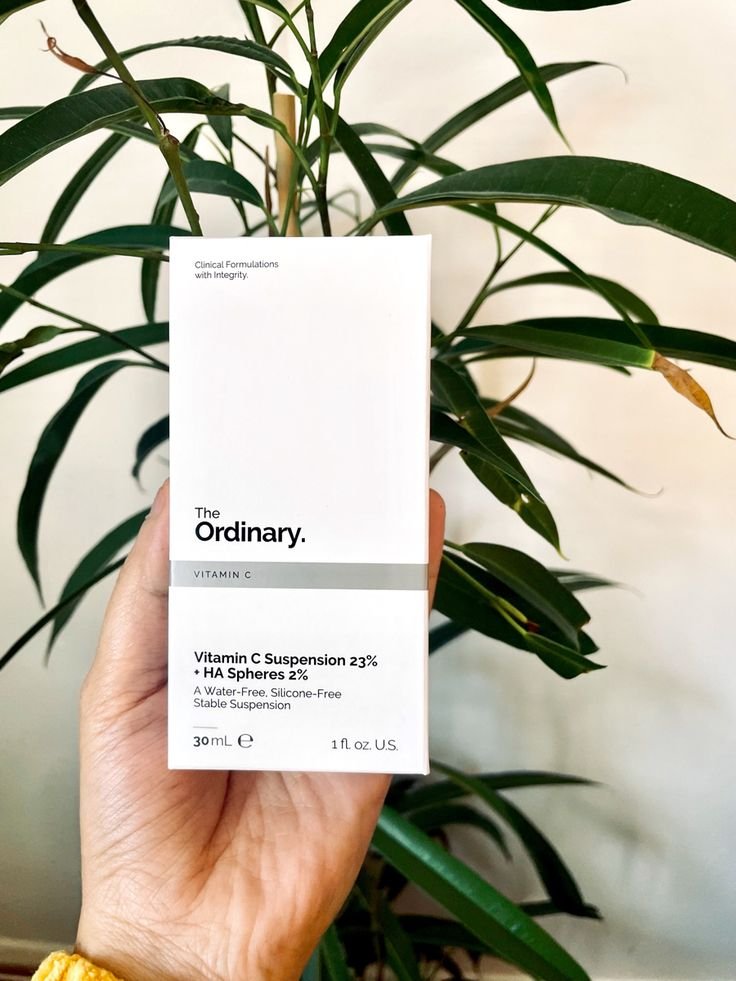
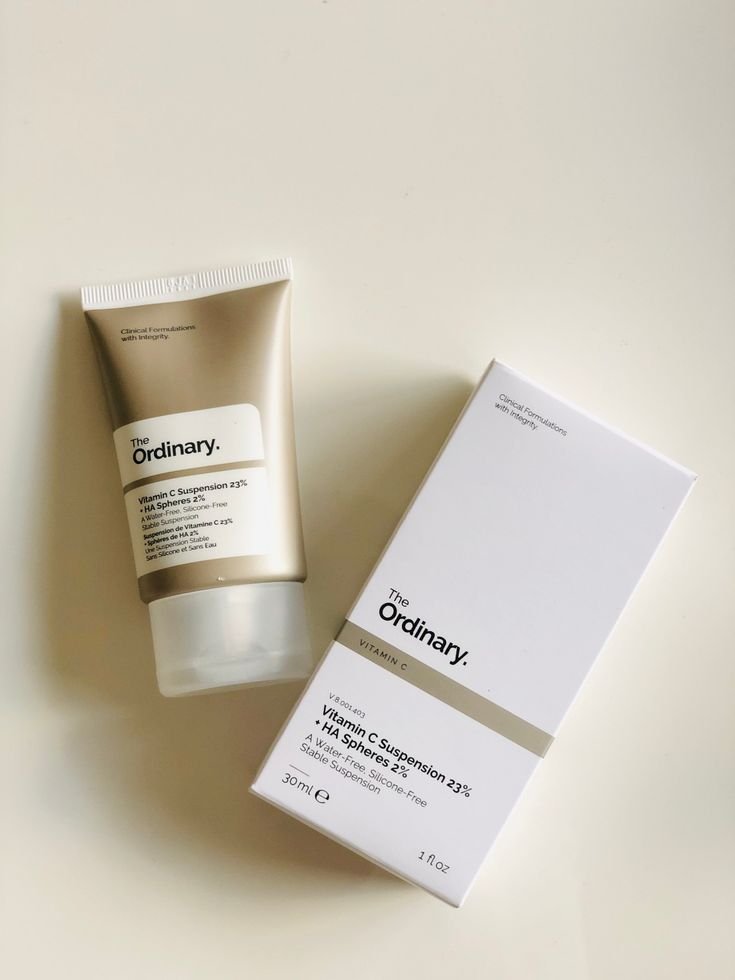
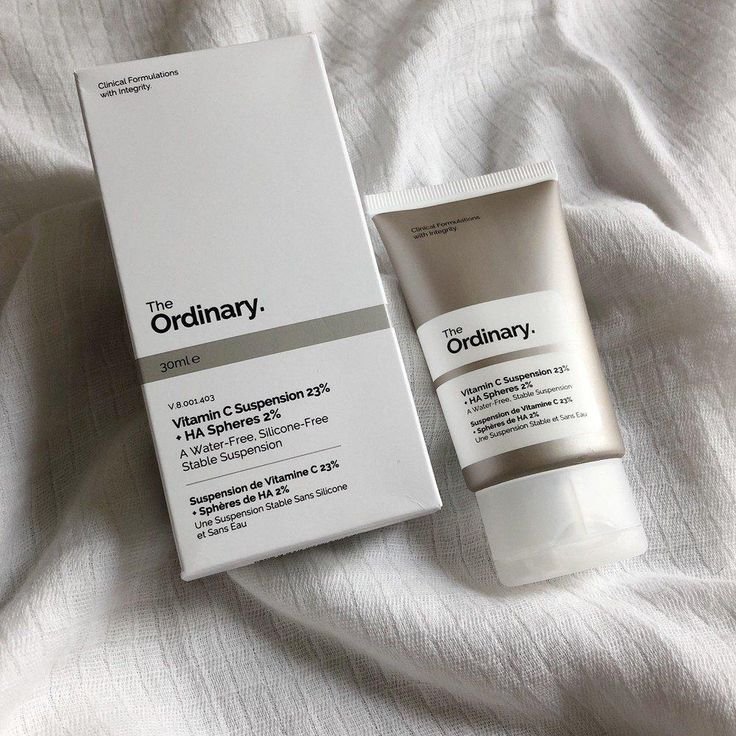
Their most popular options include the Ascorbyl Glucoside Solution 12%, a water-based, stable derivative that is gentle enough for beginners and sensitive skin; the Vitamin C Suspension 23% + HA Spheres 2%, a water-free formula with pure L-Ascorbic Acid at a high concentration; and the Ascorbyl Tetraisopalmitate Solution 20% in Vitamin F, an oil-based Vitamin C derivative that is exceptionally stable and suitable for dry or compromised skin types.
For the purposes of this comparison, we are placing The Ordinary’s Ascorbyl Glucoside Solution 12% — their most clinically comparable and widely used water-based Vitamin C serum — directly against the Paula’s Choice C15 Super Booster. This gives us the most meaningful like-for-like analysis in terms of texture type, target consumer, and intended use case.
Head-to-Head: Ingredient Analysis
This is where the real comparison begins. Both products aim to deliver brightening, antioxidant protection, and anti-aging results — but they arrive at those goals through meaningfully different formulation strategies.
The Ordinary Ascorbyl Glucoside Solution 12% — Clinical Breakdown
The Ordinary’s Ascorbyl Glucoside Solution uses a stabilized derivative of Vitamin C rather than pure L-Ascorbic Acid. Ascorbyl Glucoside is a compound formed by bonding L-Ascorbic Acid with glucose. This bonding dramatically improves the stability of the molecule, extending its shelf life and reducing the risk of oxidation. When applied to the skin, enzymes within the epidermis cleave the glucose molecule, releasing free L-Ascorbic Acid to perform its antioxidant and brightening functions.
The primary advantage of this approach is consistency and gentleness. Ascorbyl Glucoside is significantly less likely to cause the tingling, stinging, or redness that pure L-Ascorbic Acid can produce — making it an excellent entry point for Vitamin C beginners, those with sensitive or reactive skin, and anyone who has previously struggled with irritation from high-potency actives.
The formula is water-based, lightweight, and fragrance-free — a significant plus for those managing fragrance sensitivities. At 12% concentration, it delivers a therapeutically meaningful dose of Vitamin C in a format that prioritizes skin tolerance. The minimalist formulation means fewer ingredients overall, which also reduces the risk of allergic reactions or ingredient conflicts.
Paula’s Choice C15 Super Booster — Clinical Overview
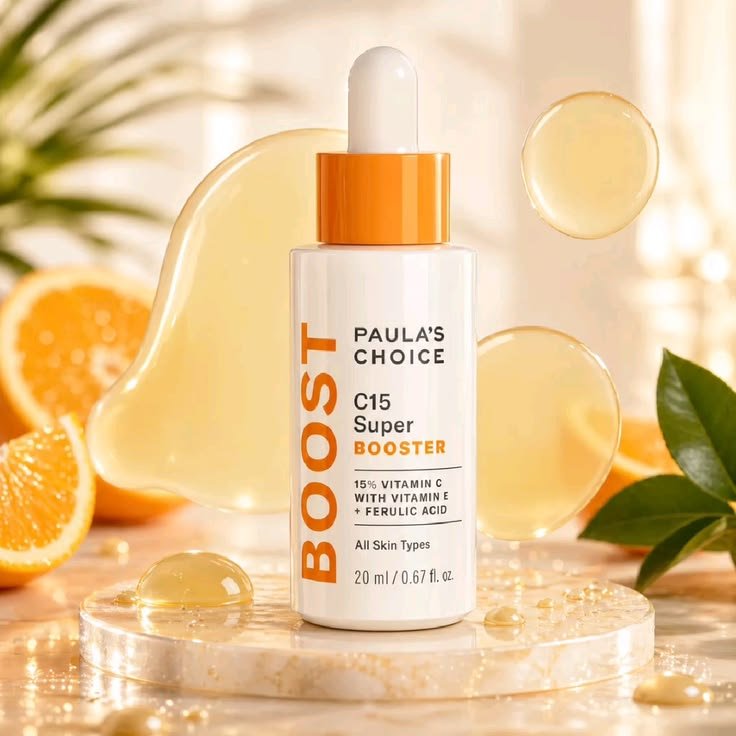
Paula’s Choice C15 Super Booster uses 15% pure L-Ascorbic Acid, the most clinically researched form of Vitamin C. Its low pH formula is designed to maximize stability and absorption while reducing unnecessary irritation.
What makes the serum stand out is its advanced supporting ingredients. Ferulic Acid helps stabilize Vitamins C and E while boosting antioxidant and photoprotective benefits alongside sunscreen. The updated formula also includes Ergothioneine, a powerful antioxidant that targets oxidative stress, along with Palmitoyl Tripeptide-5 for collagen support, Sodium Hyaluronate for hydration, and Panthenol (Vitamin B5) for barrier care.
An independent 12-week study reported visible improvements in glow, brightness, firmness, dark spots, and fine lines with consistent use.
Texture & Real-World Experience
The Ordinary Ascorbyl Glucoside Solution 12% has a lightweight, water-like texture that absorbs quickly and layers easily under sunscreen or makeup, making it ideal for simple routines.
Paula’s Choice C15 Super Booster also features a lightweight, fast-absorbing texture. Despite using pure L-Ascorbic Acid, the formula is refined to reduce the stinging often associated with stronger Vitamin C serums, with most users reporting minimal irritation.
One important practical consideration is packaging. Both brands use opaque or dark packaging to protect their formulas from light-induced oxidation, but the integrity of your storage habits matters enormously with any Vitamin C product. Keep both serums away from direct sunlight and heat, and replace them once you notice any color change indicating oxidation.
Price, Value, and Budget Comparison
This is where the difference becomes most noticeable. The Ordinary Ascorbyl Glucoside Solution 12% costs around $9–$12 USD for 30ml, making it one of the most affordable beginner-friendly Vitamin C serums on the market. It offers excellent value for students, budget-conscious users, or anyone testing Vitamin C for the first time.
In comparison, Paula’s Choice C15 Super Booster is priced around $49–$59 USD for 20ml. The higher cost reflects its more advanced formulation, which combines pure L-Ascorbic Acid with Ferulic Acid, Ergothioneine, and peptides for stronger antioxidant and collagen-support benefits.
While The Ordinary is far cheaper, recreating a similar multi-ingredient routine separately could eventually cost close to the Paula’s Choice serum anyway. Ultimately, the better value depends on whether you want a simple affordable Vitamin C serum or a more comprehensive clinical-style formula.
Which Skin Types Does Each Serum Suit Best?
Understanding which product suits your specific skin type is arguably more important than any ingredient analysis. Here is our clinical recommendation by skin profile.
The Ordinary Ascorbyl Glucoside Solution 12% is ideally suited to Vitamin C beginners who are testing their skin’s tolerance for the first time, sensitive or reactive skin types that struggle with irritation from pure L-Ascorbic Acid, oily or acne-prone skin that benefits from a fragrance-free, lightweight formula, younger skin (20s to early 30s) focused on preventative antioxidant protection rather than corrective treatment, and budget-conscious consumers who want clinical-grade actives without a premium price tag.
The Paula’s Choice C15 Super Booster is best suited to mature or aging skin (30s and above) dealing with established dark spots, fine lines, and loss of firmness, those seeking the most clinically validated form of Vitamin C with the highest evidence base, consumers managing hyperpigmentation, melasma, or post-inflammatory marks who need a comprehensive brightening approach, skin types that respond well to pure L-Ascorbic Acid and are not prone to significant irritation, and those who want a single serum that delivers antioxidant protection, brightening, anti-aging, and barrier support simultaneously.
How to Layer Either Serum in Your Routine
Both serums work best when applied at the right point in your routine and followed by appropriate supporting products.
Step 1 — Cleanse. Begin with a gentle, non-stripping cleanser to remove impurities and prepare the skin for active ingredient absorption.
Step 2 — Apply Your Vitamin C Serum. After cleansing, apply 3 to 4 drops of your chosen serum to clean, dry skin. Press gently into the face and neck rather than rubbing, to maximize absorption and minimize friction.
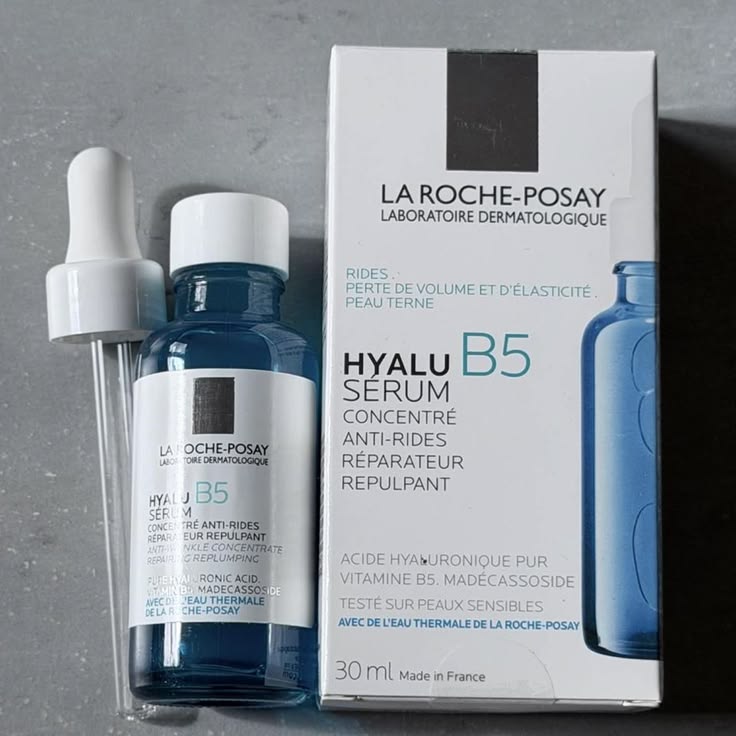
Step 3 — Follow with a Hydrating Serum if Needed. If your skin tends toward dryness or you are using a high-potency Vitamin C formula, consider layering a hydrating serum underneath your moisturizer. Our recently reviewed La Roche-Posay Hyalu B5 Serum pairs beautifully with both of these Vitamin C options, delivering deep hyaluronic acid hydration that complements the antioxidant activity of Vitamin C without ingredient conflict.
Step 4 — Moisturize. Lock in your serum layers with an appropriate moisturizer for your skin type.
Step 5 — Apply SPF Every Morning. This step is non-negotiable. Vitamin C amplifies the photoprotective effects of your sunscreen — but only if you are actually wearing sunscreen. Our review of the EltaMD UV Clear SPF 46 identifies it as one of the best companion sunscreens for Vitamin C routines. If you are still deciding between sun protection approaches, our breakdown of Mineral vs Chemical Sunscreen for Face covers everything you need to make an informed choice.
What Vitamin C Actually Does Inside Your Skin: The Science Worth Knowing
When L-Ascorbic Acid enters the epidermis, it neutralizes free radicals generated by UV exposure and pollution — preventing the oxidative damage that drives premature aging, collagen breakdown, and hyperpigmentation. In the dermis, it acts as a cofactor for collagen-synthesizing enzymes, helping maintain the skin’s structural integrity over time.
Stability, however, is the core challenge with pure Vitamin C. A landmark 2005 study proved that combining 15% L-Ascorbic Acid with 1% Vitamin E and 0.5% Ferulic Acid creates a synergistic complex that is significantly more stable and protective than each ingredient used alone — the exact scientific foundation behind the Paula’s Choice C15 Super Booster.
For deeper reading, visit the American Academy of Dermatology at aad.org and PubMed at pubmed.ncbi.nlm.nih.gov.
Can You Use Both Together?
This is a question we receive frequently at Review Dermatica, and the answer is nuanced. Using both serums in the same routine simultaneously is generally unnecessary — you would be layering two Vitamin C products when one, used consistently, is sufficient.
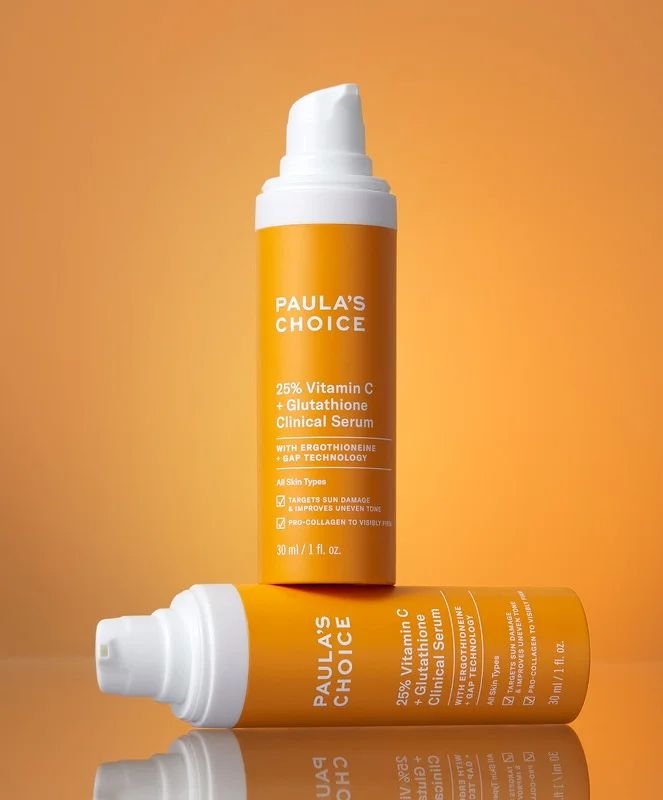
However, a strategic approach that some experienced skincare users adopt is using The Ordinary Ascorbyl Glucoside Solution 12% in the evening as a gentle brightening and antioxidant maintenance step, while reserving the Paula’s Choice C15 Super Booster for morning use, where its Ferulic Acid-enhanced photoprotection is most relevant. This approach requires careful monitoring of skin tolerance, particularly for those with sensitive complexions.
For those who want to understand how other hydrating actives like Beta-Glucan interact with Vitamin C in a layered routine, our guide on What Is Beta-Glucan for Skin provides a detailed clinical breakdown. Our review of the IUNIK Beta Glucan Power Moisture Serum also demonstrates how a barrier-focused hydrating serum can complement an antioxidant-rich Vitamin C routine. And for those building a comprehensive hydration foundation alongside their Vitamin C regimen, the La Roche-Posay Toleriane Double Repair Face Moisturizer is our recommended pairing for all skin types.
Frequently Asked Questions
Which is better for beginners — The Ordinary or Paula's Choice Vitamin C?
For absolute beginners, The Ordinary Ascorbyl Glucoside Solution 12% is the safer and more accessible starting point. Its stabilized derivative form is gentler, less likely to cause irritation, and significantly more affordable for consumers who want to test their skin’s response to Vitamin C before committing to a higher-potency formula.
Does Paula's Choice C15 actually work faster than The Ordinary?
Clinical data indicates that Paula’s Choice C15 Super Booster can deliver visible glow improvements within 15 minutes of a single application. This is attributable to the high bioavailability of pure L-Ascorbic Acid and the synergistic enhancement of Ferulic Acid. The Ordinary’s Ascorbyl Glucoside requires enzymatic conversion before the active Vitamin C is released, which means results generally develop more gradually over weeks of consistent use rather than within a single session.
Can I use either serum with retinol?
Both serums can be incorporated into routines that include retinol, but the timing matters. Apply your Vitamin C serum in the morning, where it works synergistically with your SPF. Use retinol in the evening. Combining high-potency Vitamin C with retinol in the same application session increases the risk of irritation, particularly for sensitive skin types.
Is The Ordinary Vitamin C as effective as Paula's Choice?
This depends on your definition of effective. Both deliver genuine antioxidant protection and brightening benefits. Paula’s Choice C15 delivers its results more rapidly and with greater clinical backing due to the pure L-Ascorbic Acid concentration and Ferulic Acid stabilization. The Ordinary’s gentler derivative approach delivers results more gradually but with significantly less risk of irritation and at a fraction of the cost.
Why does The Ordinary have so many Vitamin C products?
The Ordinary’s range of Vitamin C derivatives reflects the fact that different forms of Vitamin C have different stability profiles, textures, skin compatibilities, and mechanisms of action. Their philosophy is to give consumers the information and options to choose the precise formulation that suits their individual skin biology, rather than presenting a one-size-fits-all solution.
The Review Dermatica Final Verdict
After a thorough clinical analysis of both formulations, here is where we land.
Choose The Ordinary Ascorbyl Glucoside Solution 12% if you are new to Vitamin C, working within a limited skincare budget, managing sensitive or reactive skin, or primarily focused on preventative antioxidant maintenance rather than corrective treatment. For the price, there is genuinely no comparable product on the market.
Choose Paula’s Choice C15 Super Booster if you are dealing with established hyperpigmentation, dark spots, or significant signs of aging, you have used Vitamin C serums before and know your skin tolerates L-Ascorbic Acid well, you want the most clinically robust antioxidant serum available without entering the luxury price tier, and you prefer a single product that handles brightening, anti-aging, barrier support, and antioxidant protection simultaneously.
The honest truth is that in the The Ordinary vs Paula’s Choice Vitamin C Serum debate, there is no universal winner — there is only the right answer for your specific skin, budget, and goals. Both brands have earned their reputations through scientific integrity and genuine efficacy. Both deliver real results.
At Review Dermatica, we believe great skin is built on knowledge, not marketing. Whichever product you choose, use it consistently, pair it with a broad-spectrum sunscreen every morning, and give it at least eight weeks before drawing any conclusions about its performance on your skin.
Our Ratings: The Ordinary Ascorbyl Glucoside Solution 12% — 8.4 / 10 Paula’s Choice C15 Super Booster — 9.2 / 10
Clinical References & External Sources
- American Academy of Dermatology — Vitamin C and Skin Health
- PubMed — Ferulic Acid and Vitamin C Stabilization Research
- Journal of Investigative Dermatology — Ergothioneine Antioxidant Research
- INCIDecoder — Paula’s Choice C15 Super Booster Ingredient Analysis
- Paula’s Choice Official — C15 Super Booster Clinical Data
Reviewed by the Review Dermatica Editorial Team. All claims are cross-referenced with peer-reviewed dermatological research. This comparison is independently conducted and is not sponsored by The Ordinary, Paula’s Choice, or any affiliated brand.
3 thoughts on “The Ordinary vs Paula’s Choice Vitamin C Serum: Honest Comparison for 2026”