
Neutrogena Hydro Boost vs CeraVe Moisturizing Cream: Which One Actually Fixes Dry Skin in 2026?
This post contains affiliate links. If you buy through our link, we may earn a small commission at no extra cost to you
When your skin feels tight, flaky, or dry, finding the right moisturizer isn’t just about comfort—it is a physiological necessity for your skin barrier.
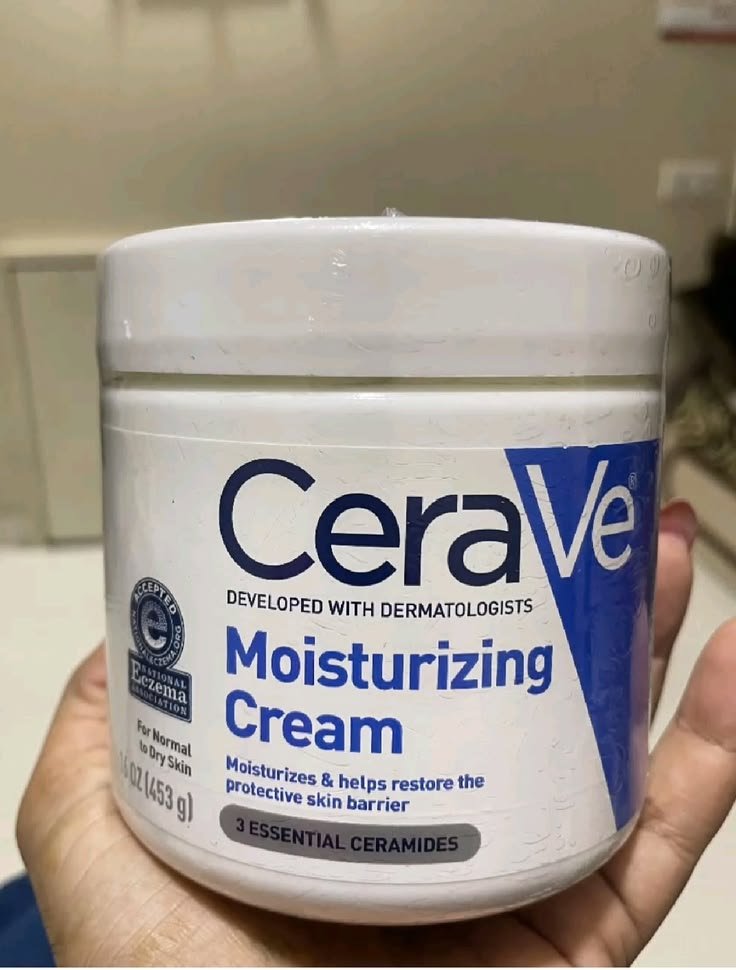
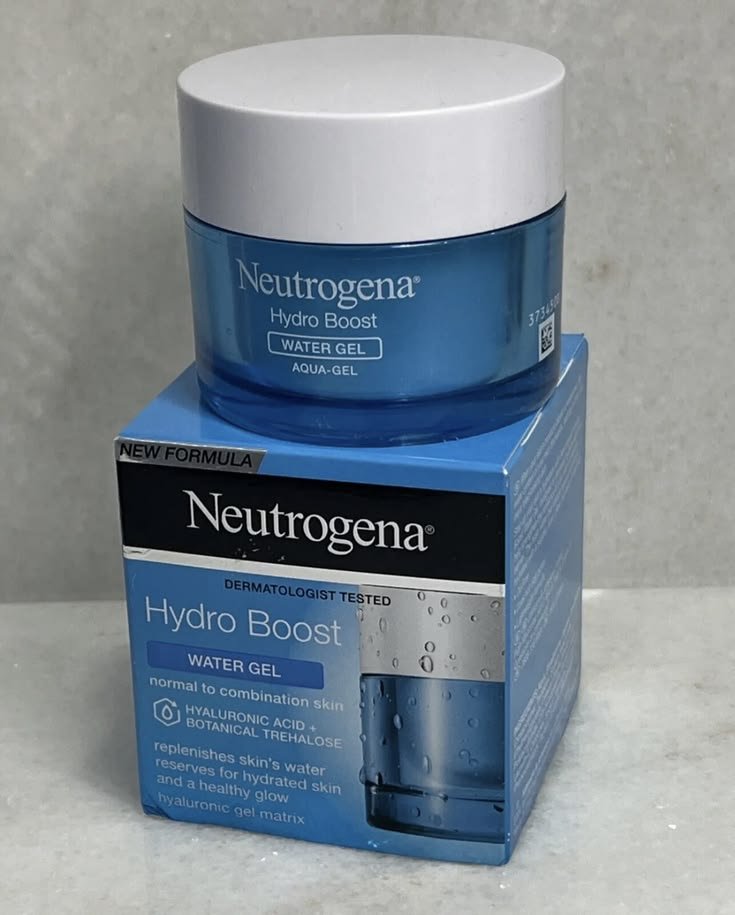
The internet loves to pit Neutrogena Hydro Boost vs CeraVe against each other as the ultimate drugstore moisturizer battle. But here is the truth: they work through completely different biological mechanisms, utilize entirely distinct ingredient profiles, and targeting them at the wrong skin concern can actually make your dryness worse.
At Review Dermatica, we do not rely on viral marketing claims. We analyze formulations down to their molecular structure and audit clinical data to help you make informed decisions.
In this comprehensive guide, we will break down the science behind Neutrogena Hydro Boost vs CeraVe, evaluate how each impacts a compromised skin barrier, draw direct comparisons like CeraVe vs Cetaphil, and provide a definitive verdict for your skin type in 2026.
The Core Difference: Hydration vs. Occlusion
To understand Neutrogena Hydro Boost vs CeraVe, you must understand how a topical moisturizer interacts with human biology. Treating dry skin requires two distinct mechanisms:
- Humectants: Hydrophilic molecules that attract and bind water into the skin cells (corneocytes).
- Occlusives and Emollients: Lipids, waxes, and oils that seal the water inside, physically preventing it from evaporating into the air. This evaporation process is known as Transepidermal Water Loss (TEWL).
Quick Verdict: Neutrogena Hydro Boost vs CeraVe at a Glance
- Choose Neutrogena Hydro Boost if: Your skin is dehydrated but oily or combination (lacks water, not oil). It uses low-molecular-weight Hyaluronic Acid to instantly flood cells with weightless moisture, leaving a dewy, non-greasy finish that sits perfectly under makeup or tinted sunscreens.
- Choose CeraVe Moisturizing Cream if: Your skin is chronically dry, flaky, or peeling (lacks oil and structural lipids). It delivers three essential bio-identical ceramides and petrolatum to structurally achieve a deep Skin Barrier Fix, locking down moisture and stopping transepidermal water loss cold.
- Choose Neutrogena Hydro Boost if: Your skin is dehydrated but oily or combination (lacks water, not oil). It uses low-molecular-weight Hyaluronic Acid to instantly flood cells with weightless moisture, leaving a dewy, non-greasy finish that sits perfectly under makeup or tinted sunscreens.
- Choose CeraVe Moisturizing Cream if: Your skin is chronically dry, flaky, or peeling (lacks oil and structural lipids). It delivers three essential bio-identical ceramides and petrolatum to structurally achieve a deep Skin Barrier Fix, locking down moisture and stopping transepidermal water loss cold.
Deep-Dive Analysis: Neutrogena Hydro Boost Water Gel
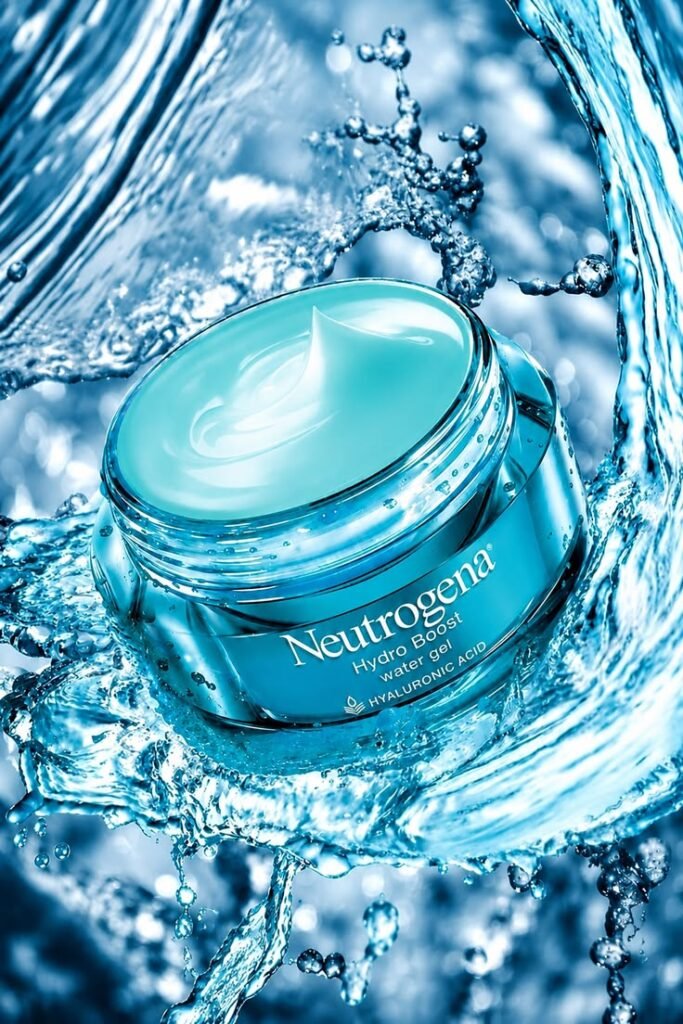
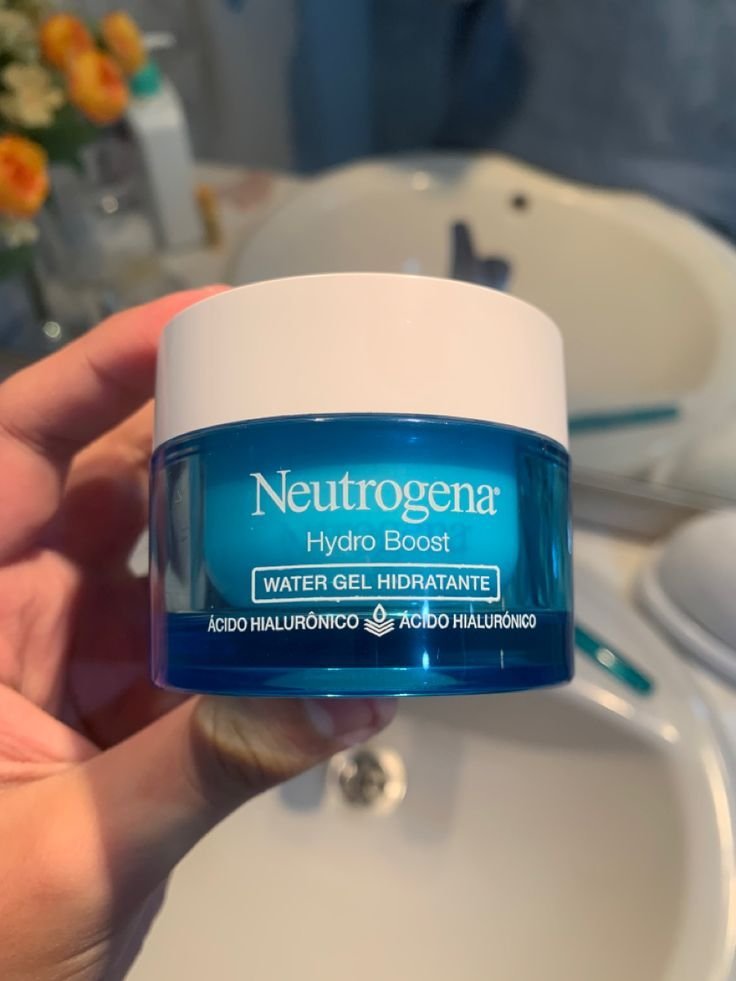
The Neutrogena Hydro Boost Water Gel is an iconic product that shifted the mainstream market away from heavy, greasy lotions toward water-based gel formulas.
How It Works
- Saturating the Epidermis: It uses low-molecular-weight Hyaluronic Acid (Sodium Hyaluronate) and Glycerin to instantly pull water molecules deep into the skin, plumping up dehydrated cells.
- Locking in Weightless Moisture: A lightweight silicone matrix (Dimethicone) forms a smooth, breathable shield on the skin surface. This prevents immediate evaporation without clogging pores or leaving a greasy residue.
Key Active Ingredients & Molecular Mechanism
The core philosophy of Neutrogena Hydro Boost is flooding the skin with lightweight hydration.
- Sodium Hyaluronate: This is a salt form of Hyaluronic Acid. It has a lower molecular weight than pure hyaluronic acid, allowing it to penetrate the upper layers of the epidermis more easily. It can hold up to 1,000 times its weight in water, acting like a microscopic sponge to plump up deflated, dehydrated skin cells.
- Glycerin: A classic, time-tested humectant that works synergistically with hyaluronic acid to pull water from the deeper dermis up into the stratum corneum.
- Dimethicone: A lightweight silicone emollient. Instead of using heavy oils, Neutrogena uses dimethicone to smooth out skin texture, blur fine lines, and form a breathable, non-comedogenic film over the surface to slow down water loss.
How it Performs in Real-World Testing
When you apply Hydro Boost, the sensation is immediate cooling and refreshing. It sinks into the skin within seconds, leaving absolutely zero greasy residue or heavy film. It acts as an incredible base under makeup or tinted sunscreens because it plumps the skin surface effortlessly.
However, if we look closely at Neutrogena Hydro Boost vs CeraVe through a clinical lens, Hydro Boost addresses dehydration (lack of water) rather than dryness (lack of oil). If your skin lipid barrier is structurally cracked, a water gel alone cannot keep that moisture locked in for long periods.
Deep-Dive Analysis: CeraVe Moisturizing Cream
CeraVe Moisturizing Cream—often affectionately referred to as “CeraVe in the tub”—is a heavy-duty therapeutic moisturizer designed specifically for structural skin barrier repair.
How It Works to Rebuild the Skin Barrier
Instead of merely coating the skin’s surface, this cream works by deeply replenishing the exact structural elements your skin naturally uses to defend itself.
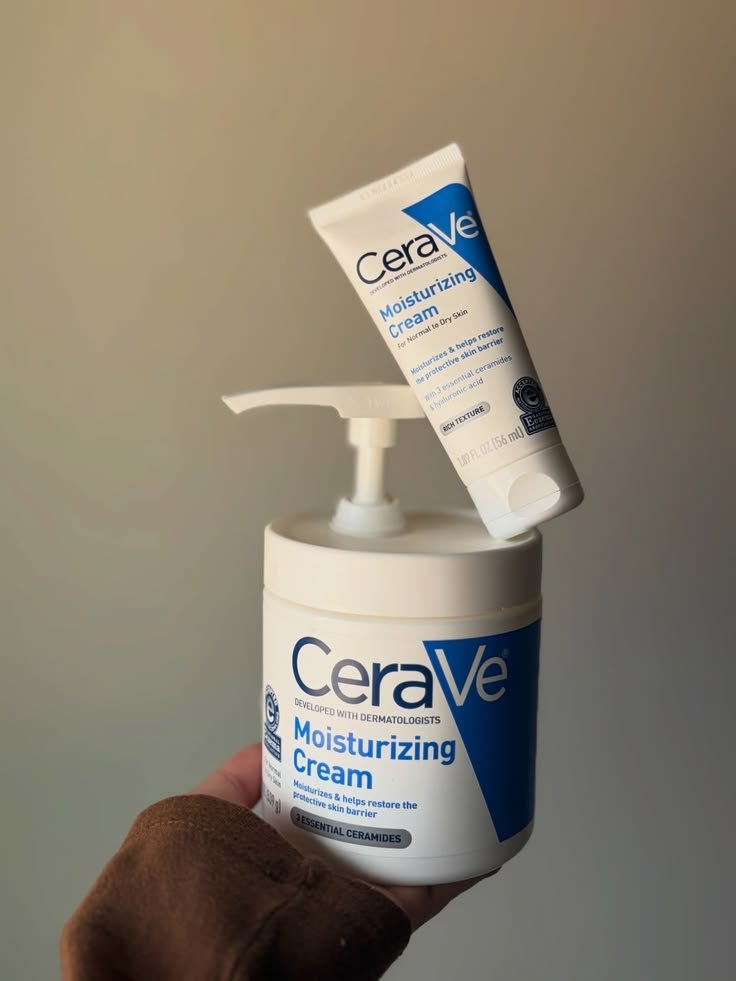
- Replenishing Structural Lipids: The formula delivers a vital blend of Ceramide NP, Ceramide AP, and Ceramide EOP alongside pure Cholesterol. These lipids serve as the bio-identical building blocks that physically patch the microscopic gaps between your skin cells, structurally reversing dry, compromised conditions.
- Creating a Heavy Protective Seal: Once the core layers are fortified, a synergistic combination of Petrolatum and Dimethicone forms a breathable yet highly efficient protective shield across the stratum corneum. This advanced occlusive layer actively seals in moisture and shuts down environmental irritants, working as a comprehensive skin barrier fix.
For individuals recovering from aggressive topical treatments, pairing this lipid-rich cream over a deeply hydrating base like the iUnik Beta-Glucan Power Moisture Serum provides an unparalleled level of cellular recovery.
Key Active Ingredients & Molecular Mechanism
CeraVe does not just sit on top of the skin; it attempts to replicate the natural lipid blueprint of a healthy human skin barrier.
- Three Essential Ceramides (1, 3, and 6-II): Ceramides make up roughly 50% of your skin’s natural moisture barrier. When you experience severe flaking, redness, or itching, it is typically because your ceramide levels have plummeted. CeraVe supplies Ceramide NP, AP, and EOP to physically fill in the gaps between your skin cells like mortar between bricks.
- Cholesterol & Phytosphingosine: These lipids work alongside the ceramides to optimize lipid organization and accelerate natural barrier synthesis.
- Petrolatum: Known colloquially as petroleum jelly, petrolatum is the most effective occlusive agent known in dermatology. It reduces transepidermal water loss (TEWL) by over 98%, forming an impenetrable shield that forces moisture to stay inside the skin.
- MVE Delivery Technology: MultiVesicular Emulsion technology encapsulates the ingredients in concentric spheres. Instead of releasing all the hydration at once, these spheres slowly peel away over 24 hours, providing a steady, continuous stream of ceramides to the skin.
How it Performs in Real-World Testing
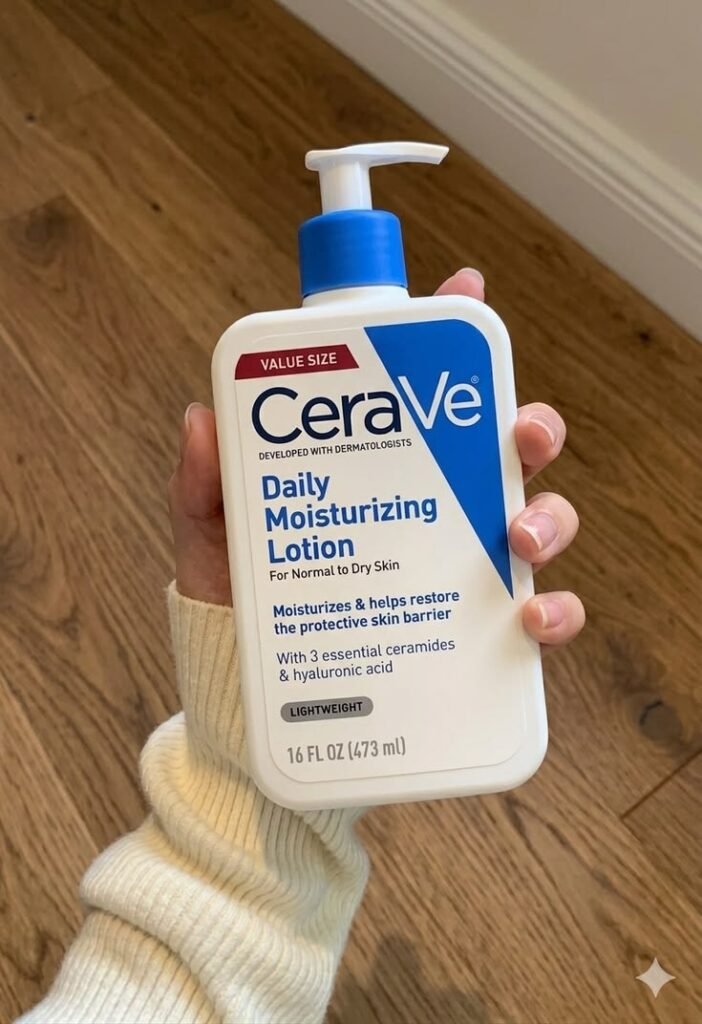
CeraVe Moisturizing Cream is thick, rich, and occlusive. It takes a minute or two to absorb completely, leaving behind a velvety, protective layer. It doesn’t feel like a cosmetic gel; it feels like a comforting dermatological treatment. For individuals suffering from chronic eczema, flaking, or windburn, this cream provides immediate, lasting relief that completely addresses a necessary Skin Barrier Fix.
Clinical Formulation Analysis: The Molecular Breakdown
To truly understand how Neutrogena Hydro Boost vs CeraVe impact the skin, we must look at how peer-reviewed research evaluates their core components.
According to a landmark study published in the Journal of Clinical and Aesthetic Dermatology, topical application of a physiological lipid mixture containing ceramides, cholesterol, and free fatty acids is crucial for accelerated barrier repair in damaged skin (JCAD Lipid Study). This directly validates CeraVe’s formulation strategy. Without these specific inter-corneocyte lipids, skin suffering from severe dryness or conditions like atopic dermatitis cannot structurally repair itself.
On the other hand, research featured in the International Journal of Toxicology notes that high-purity dimethicone and sodium hyaluronate (the building blocks of Neutrogena Hydro Boost) excel at creating a temporary, highly elastic moisture reservoir on the skin surface without altering the lipid bilayers (IJT Dimethicone Review). This confirms that while Neutrogena provides immediate structural plumpness, it lacks the molecular weight and lipid diversity required for long-term Skin Barrier Fix protocols on truly dry skin.
The Side-by-Side Showdown: Neutrogena Hydro Boost vs CeraVe
To crown a winner for your vanity, we must evaluate how these two drugstore giants stack up across critical performance categories.
1. Moisture Retention & Barrier Repair
When analyzing Neutrogena Hydro Boost vs CeraVe, CeraVe is the clear winner for true barrier repair. A study published in the Journal of Drugs in Dermatology demonstrated that ceramide-containing moisturizers utilizing MVE technology significantly increase lipid levels in the stratum corneum, leading to sustained barrier improvement even 48 hours after application (JDD Study).
Neutrogena Hydro Boost provides a massive spike in initial hydration, but because it lacks heavy structural lipids (like ceramides or petrolatum), that moisture can easily evaporate if applied in a dry environment without an occlusive layer over it.
2. Texture, Elegance, and Wearability
Neutrogena wins this round easily for daily cosmetic elegance. It is incredibly light, feels like water on the skin, and leaves a beautiful dewy glow without looking shiny. CeraVe is thick and can feel too heavy or suffocating for people with oily or acne-prone skin types, especially during hot, humid summer months.
3. Acne-Prone Skin Compatibility
While both brands label their products as non-comedogenic, their formulations tell different stories:
- Neutrogena Hydro Boost Water Gel is completely oil-free, making it highly compatible with acne-prone individuals who need hydration without clogging pores. Note: The classic Water Gel contains a synthetic fragrance and a blue dye (Blue 1), so if you have hyper-reactive skin, you should opt for the fragrance-free Gel-Cream version.
- CeraVe Moisturizing Cream contains Cetearyl Alcohol combined with Ceteareth-20, a combination that can occasionally trigger closed comedones (clogged pores) in highly breakout-prone individuals despite being oil-free.
The Supporting Debate: CeraVe vs Cetaphil
The Supporting Debate: CeraVe vs Cetaphil
When looking for a true barrier-repair cream, consumers frequently find themselves comparing CeraVe vs Cetaphil. Let’s quickly differentiate these two clinical brands, so you know which one to pick up at the drugstore.
- The CeraVe Approach: Rebuilds the stratum corneum with bio-identical lipids (ceramides) and utilizes patented MVE Time-Release Technology for continuous 24-hour hydration.
- The Cetaphil Approach: Focuses on immediate soothing and emolliency using Sweet Almond Oil, moisture-binding Glycerin, and a blend of skin-conditioning vitamins.
While CeraVe focuses heavily on replenishing structural intercellular lipids to provide a long-term Skin Barrier Fix, the classic Cetaphil Moisturizing Cream relies on a blend of deeply nourishing emollients and soothing vitamins such as Niacinamide (Vitamin B3) and Panthenol (Vitamin B5).
If your skin barrier is actively burning, raw, or stripped from over-exfoliation—perhaps from intensive treatments or finding the wrong Vitamin C serum for sensitive skin—Cetaphil’s vitamin-infused, anti-inflammatory formula can feel slightly more comforting upon immediate contact. However, if your skin is chronically dry, rough, flaky, and fundamentally lacks structural lipid integrity, CeraVe’s ceramide-centric approach provides a far more sustainable, anatomically correct path to lasting recovery.
How to Choose Based on Your Skin Type
Because these products serve entirely different functions, your choice should depend completely on your specific skin concerns and current barrier health:
Choose Neutrogena Hydro Boost If:
- Your skin is dehydrated but oily/combination (your skin lacks water, but still produces plenty of oil).
- You experience afternoon shine, but your skin feels tight underneath.
- You need an ultra-lightweight moisturizer that wears beautifully under makeup or heavy sunscreens.
- You live in a highly humid climate where heavy creams feel suffocating.
Choose CeraVe Moisturizing Cream If:
- Your skin is chronically dry, flaky, rough, or peeling (your skin completely lacks natural oils).
- You are currently dealing with a damaged skin barrier caused by overusing retinoids, AHAs, or BHAs.
- You suffer from inflammatory skin conditions like eczema, psoriasis, or rosacea.
- You live in an incredibly dry, cold, or arid climate where moisture is constantly stripped from your face.
Review Dermatica’s Protocol: The Layering Solution
What if your skin is both severely dehydrated and structurally dry? You do not necessarily have to choose between Neutrogena Hydro Boost vs CeraVe. In fact, our editorial testing team at Review Dermatica often recommends a strategic layering technique to get the absolute best of both worlds.
- Step 1: Cleanse – Use a mild, non-stripping cleanser.
- Step 2: Hydrate – Apply Neutrogena Hydro Boost onto damp skin to flood cells with water.
- Step 3: Treat – Layer a barrier serum, like a comforting Beta-Glucan or Hyaluronic Acid B5 serum.
- Step 4: Seal – Lock everything in with a thin layer of CeraVe Moisturizing Cream.
By applying the lightweight Neutrogena Hydro Boost directly onto damp skin, you allow the lower molecular weight hyaluronic acid to saturate your epidermis with deep hydration. Immediately following that with a layer of CeraVe Moisturizing Cream acts as the ultimate seal—the ceramides patch the physical barrier while the petrolatum locks in that water, completely eliminating transepidermal water loss.
Neutrogena Hydro Boost vs CeraVe: Frequently Asked Questions
1. Can I use Neutrogena Hydro Boost and CeraVe together?
Yes, and for many skin types, this is the ultimate combination. Applying the lightweight Neutrogena Hydro Boost onto damp skin allows its low-molecular-weight hyaluronic acid to flood the epidermis with water. Immediately layering the thicker CeraVe Moisturizing Cream on top acts as an occlusive seal, trapping that water and supplying the vital ceramides needed for a complete Skin Barrier Fix.
2. Why does Neutrogena Hydro Boost sometimes make my dry skin feel tighter?
Neutrogena Hydro Boost is a humectant-heavy water gel. Humectants pull moisture from their environment. If you apply it to bone-dry skin or live in an incredibly dry, arid climate, the hyaluronic acid will actually draw water out of the deeper layers of your skin (the dermis) and evaporate it into the air. To prevent this, always apply it to damp skin and lock it in with a lipid-rich cream like CeraVe.
3. Is CeraVe Moisturizing Cream safe for acne-prone skin?
While CeraVe is officially non-comedogenic and oil-free, it contains Cetearyl Alcohol combined with Ceteareth-20. This specific chemical pairing can be highly comedogenic for certain breakout-prone individuals. If you have oily, acne-prone skin that is also dehydrated, the oil-free polymer matrix of Neutrogena Hydro Boost is generally a safer option to avoid clogged pores.
4. How does the CeraVe vs Cetaphil debate compare to Neutrogena?
In the CeraVe vs Cetaphil showdown, both brands focus on heavy-duty barrier repair for dry skin, whereas Neutrogena Hydro Boost focuses strictly on lightweight water hydration. Between the two cream formulas, CeraVe uses bio-identical ceramides to structurally repair the skin barrier, while Cetaphil relies on nourishing emollients like sweet almond oil and skin-soothing vitamins to calm raw, irritated skin.
5. Which version of Neutrogena Hydro Boost is best for sensitive skin?
If you have reactive or hyper-sensitive skin, you should skip the classic Hydro Boost Water Gel, as it contains blue dye and synthetic fragrance, which can trigger contact dermatitis. Instead, opt for the Neutrogena Hydro Boost Gel-Cream (often labeled for extra-dry skin). It offers the same molecular hydration but is formulated completely free of fragrances, dyes, and common irritants.
Summary Verdict: Which One Wins in 2026?
There is no universal winner in the debate of Neutrogena Hydro Boost vs CeraVe; there is only the right tool for your specific skin condition.
If your goal is to find a refreshing, oil-free hydration boost that plumps the skin without weight, Neutrogena Hydro Boost is an unmatched drugstore favorite. But if you are looking for a true, deep-acting therapeutic treatment that repairs a damaged skin barrier, reduces flaking, and genuinely fixes severe dry skin, CeraVe Moisturizing Cream is the scientifically superior formulation.
More Ingredient Deep Dives from Review Dermatica:
- The Ultimate Sensitive Skin Routine: Best Vitamin C Serum Options
- Luxury Skincare Face-Off: Augustinus Bader vs La Prairie Analyzed
- Vitamin C Battle: The Ordinary vs Paula’s Choice Serums
- Deep Moisture Recovery: iUnik Beta-Glucan Power Moisture Serum Review
- What is Beta-Glucan for Skin and Why It Outperforms Hyaluronic Acid
- Dermatologist Favorite: La Roche-Posay Hyalu B5 Serum Review
- Daily Sun Protection: EltaMD UV Clear SPF 46 Review
- Barrier Repair Holy Grail: La Roche-Posay Toleriane Double Repair Face Moisturizer Review
- The Science of UV Filters: Mineral vs Chemical Sunscreen for Face
About the Editorial Team
The Strategic Architect: Newaj H. Asim | Founder & Lead Analyst Asim leads the technical SEO and clinical skincare audits for Review Dermatica, focusing on high-authority digital brand growth in the USA.
The Scientific Mind: Tahmina Zannat Lamya | Co-Founder & Clinical Researcher Tahmina conducts the ingredient deep-dives at Review Dermatica, specializing in the intersection of UV protection and inflammatory skin conditions.
The Medical Reference: Dr. Shereene Idriss, MD Dr. Shereene Idriss, a leading board-certified dermatologist based in NYC, serves as our primary medical reference for “Skintelligence.”
4 thoughts on “Neutrogena Hydro Boost vs CeraVe Moisturizing Cream: Which One Actually Fixes Dry Skin in 2026?”