
Klairs Freshly Juiced Vitamin Drop Price & Review : Why 4 Million Bottles Sold (But Does It Actually Work?)
If you’ve spent any time in K-beauty forums or scrolled through skincare TikTok, you’ve probably seen the Klairs Freshly Juiced Vitamin Drop Price mentioned at least a dozen times. It’s one of those products that seems to show up everywhere — recommended by dermatologists, praised by sensitive-skin sufferers, and sitting at the top of “best vitamin C serum” lists year after year. But here’s the question that actually matters before you spend your money: Does it deserve the hype, or is this just clever marketing riding on a big sales number?
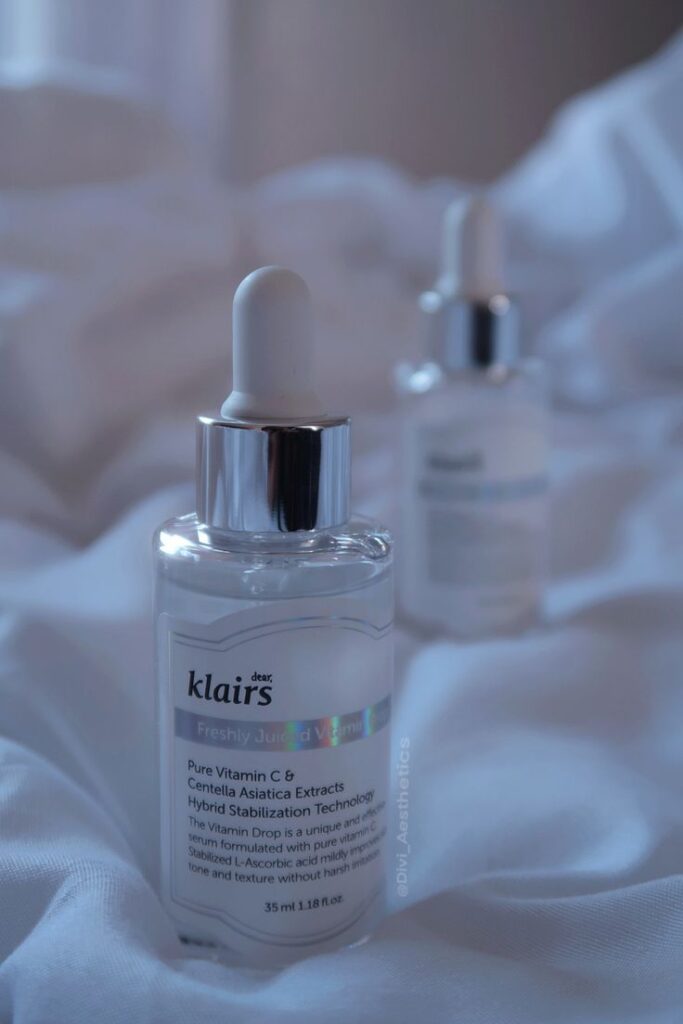
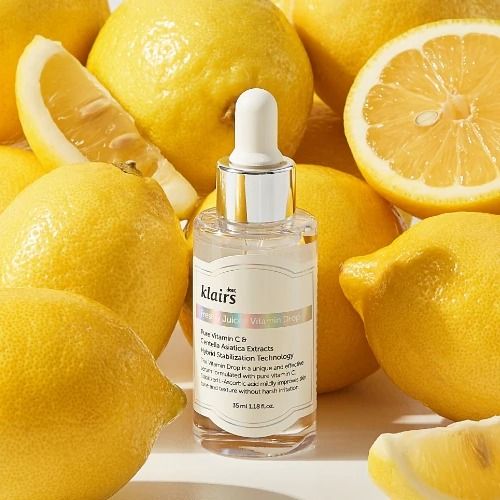
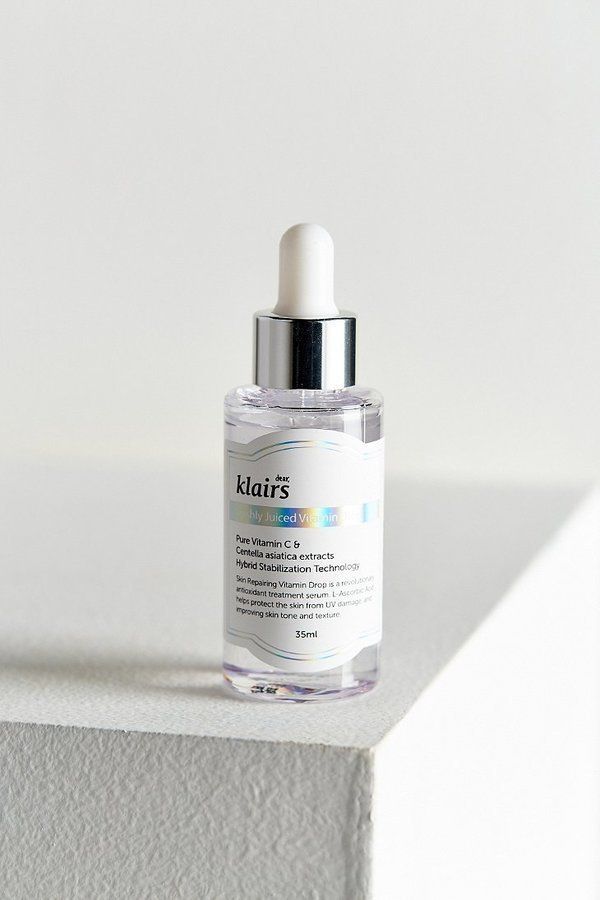
We dug into the ingredient list, cross-checked the clinical research behind its core actives, compared the price across retailers, and read through hundreds of real user experiences to give you the honest answer. No fluff, no “this changed my life” exaggeration — just what this serum actually does, who it’s actually good for, and whether the price tag makes sense in 2026.
Affiliate Disclosure
Review Dermatica participates in the Amazon Associates Program and other affiliate partnerships. This means that if you click on certain links in our articles and make a purchase, we may earn a small commission at no additional cost to you. This helps support the research and testing that goes into our content. Our product recommendations are based on ingredient research and genuine evaluation — affiliate partnerships never influence which products we choose to review or how we rate them.
Quick Summary: Klairs Freshly Juiced Vitamin Drop at a Glance
Before we get into the full breakdown, here’s the short version for those who want the key facts fast:
- Main active ingredient: 5% pure L-ascorbic acid (Vitamin C) — gentler than the 10-20% formulas that often irritate skin
- Supporting actives: Niacinamide, Centella Asiatica extract, Sodium Ascorbyl Phosphate
- Best for: Sensitive, reactive, or beginner skin that can’t tolerate harsh Vitamin C serums
- Texture: Lightweight, watery essence — not sticky or greasy
- Price range: Roughly $18-$24 for the 35ml bottle, depending on the retailer and current promotions
- Sales record: Over 4 million bottles sold globally, with multiple K-beauty awards since 2020
- Main concern: Contains fragrance-free botanical extracts that a small number of people may still react to
- Packaging: Dropper bottle, which helps control product waste but means you’re handling a glass bottle daily
If you already know you have sensitive skin and your last Vitamin C serum left you red and stinging, keep reading — this is likely the product the internet has been telling you about for a reason.
What Exactly Is the Klairs Freshly Juiced Vitamin Drop?
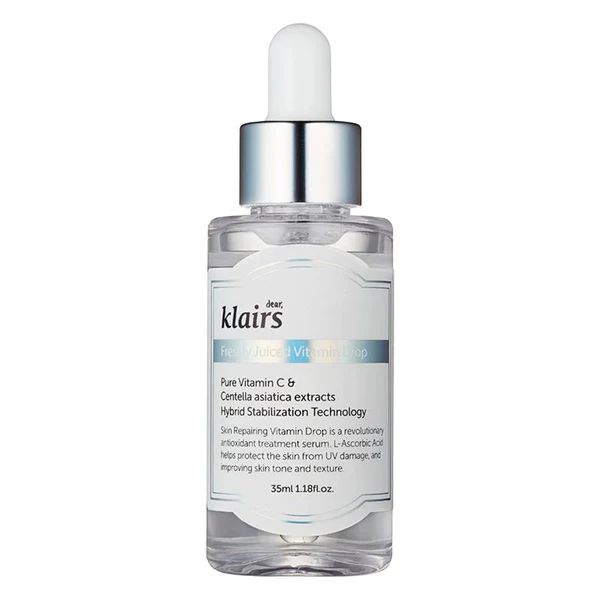
The Dear Klairs Freshly Juiced Vitamin Drop is a daily Vitamin C essence made by Klairs, a Korean skincare brand under the Wishtrend umbrella that built its entire reputation on formulating actives for sensitive skin. This isn’t a brand that chases trends with high-percentage actives just to win an ingredient list arms race. Their whole philosophy is “effective but gentle,” and the Vitamin Drop is basically the poster child for that approach.
Unlike most Vitamin C serums on the market that pack in 10-20% L-ascorbic acid at a low pH (which is exactly why they sting), Klairs deliberately formulated this one at 5%. That might sound like “less effective” at first glance, but the research doesn’t actually support that assumption. A double-blind, placebo-controlled clinical study testing topical Vitamin C found that a 5% vitamin C cream produced a clinically significant improvement in photoaged skin over six months, with measurable changes in skin texture and elasticity confirmed through biopsy analysis.
In plain English: 5% isn’t a “diet” version of Vitamin C. It’s a clinically validated, effective concentration — it’s just dosed in a way that doesn’t punish your skin barrier to get there. PubMed
The serum also contains Centella Asiatica extract, which isn’t just filler. This is the same calming ingredient found in Anua’s pore control cleansing oil and other K-beauty staples, and it’s there for a specific reason: research on Centella-based skincare formulations found that they were not associated with acute skin irritation or allergic sensitization, while also supporting stratum corneum hydration and epidermal barrier function. So while the Vitamin C is doing the brightening work, the Centella is essentially acting as a buffer, keeping your skin barrier calm while the active ingredient does its job. PubMed Central
Klairs Freshly Juiced Vitamin Drop Price: What You’re Actually Paying For
Let’s address the keyword everyone’s actually searching for — the price. On Amazon, the 35ml bottle typically runs somewhere in the $18 to $24 range, depending on current promotions and which authorized seller is fulfilling the order. That puts it solidly in the mid-range for K-beauty actives — noticeably cheaper than prestige Western Vitamin C serums (which often run $60-$90 for a similar size) but slightly above ultra-budget options like The Ordinary’s suspension.
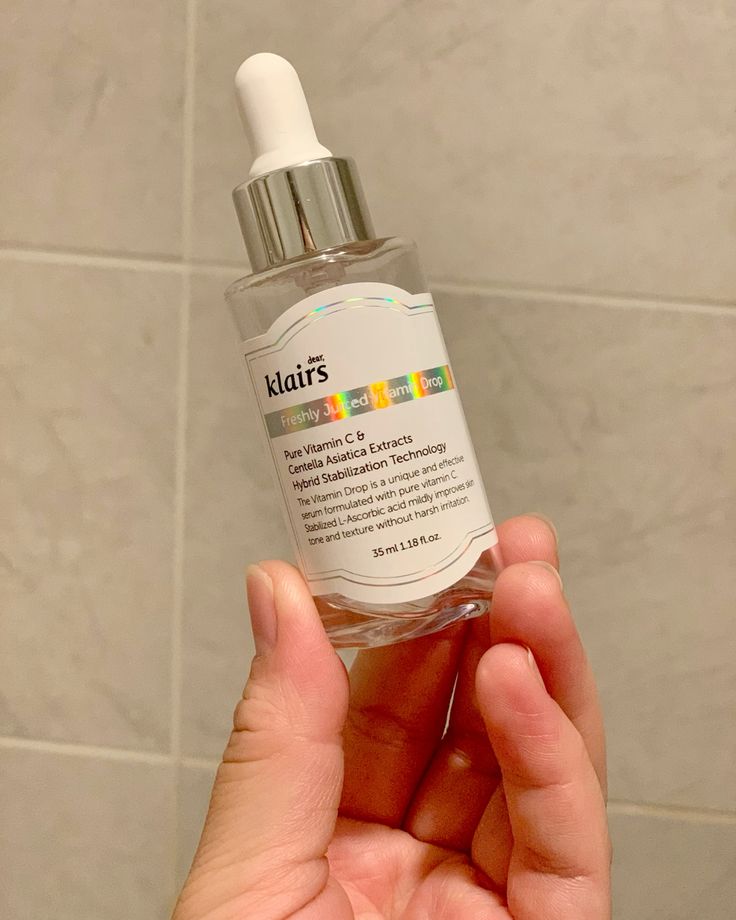
Is that price fair? Based on the formulation alone, yes. You’re getting a clinically dosed active ingredient, a stabilizing derivative (Sodium Ascorbyl Phosphate) to extend shelf stability, and a calming botanical complex, all in one bottle. Compare that to what you’d pay for a dermatologist-recommended antioxidant serum in the US, and the Klairs option is genuinely one of the better value picks in this category — similar in spirit to how Round Lab’s Dokdo Toner offers strong actives without the inflated price tag of Western equivalents.
One practical note: always buy from an authorized Amazon listing. K-beauty products, including this one, occasionally show up from third-party sellers at suspiciously low prices, and Vitamin C is a notoriously unstable ingredient — meaning a serum that’s been sitting around or improperly stored can oxidize and lose effectiveness before it even reaches you. If a listing is priced 40-50% below the going rate, that’s worth a second look before adding to the cart.
Klairs Freshly Juiced Vitamin Drop Review: Does It Actually Work?
This is the part most “review” articles skip past with vague phrases like “amazing results.” Let’s actually look at what the ingredients are clinically capable of doing.
For brightening and dark spots: A systematic review of Vitamin C’s effect on melanin pigmentation found consistent evidence across multiple studies that Vitamin C functions as a depigmenting agent for hyperpigmented spots on the skin, working by interrupting the melanin production pathway. This lines up with what the brand claims, and it’s not an exaggerated claim — Vitamin C has decades of dermatological research behind it for this exact use case, which is also why we recommend it as a category in our guide to the best Vitamin C serums for sensitive skin. PubMed Central
For sensitive skin tolerance: This is genuinely where the product separates itself from competitors. Most high-strength L-ascorbic acid serums are formulated at a pH between 2.5 and 3.5, which is acidic enough to disrupt the skin barrier in reactive skin types. By formulating at a lower, gentler concentration and pairing it with Centella Asiatica, Klairs sidesteps that problem almost entirely. If you’ve tried something like The Ordinary’s Vitamin C and ended up with redness or stinging, this formulation difference is exactly why the Klairs version tends to perform better for reactive skin.
On the niacinamide + Vitamin C combination: A concern that still circulates online is that combining Vitamin C and niacinamide turns your skin yellow or cancels out both actives. This has been thoroughly debunked in modern formulation science — at the concentrations used in actual skincare products, the two ingredients coexist safely, and niacinamide actually supports the skin barrier while Vitamin C does its antioxidant work. If you want to dig deeper into how supporting actives like this work, our breakdown on what beta-glucan does for skin covers a similar barrier-support mechanism worth understanding.
Real-world results timeline: Don’t expect overnight miracles — no Vitamin C product, regardless of concentration, works that fast. Most users report visible improvements in tone evenness and a subtle brightness boost within 4 to 8 weeks of consistent daily use, which tracks with the clinical literature on topical Vitamin C and hyperpigmentation.
Who Should (and Shouldn’t) Use This Serum
Good fit for:
- Beginners trying Vitamin C for the first time who are worried about irritation
- Anyone who’s tried a high-percentage L-ascorbic acid serum and reacted badly to it
- People recovering from a damaged skin barrier (over-exfoliation, retinoid overuse, etc.) who still want antioxidant protection
- Combination or oily skin types, since the texture is lightweight and non-greasy
- Anyone layering it under a moisturizer like the ones in our non-comedogenic moisturizer guide
Probably not the best fit for:
- People specifically targeting stubborn melasma or deep pigmentation may need a higher-strength formula under a dermatologist’s supervision.
- Anyone with a known allergy to botanical extracts — always patch test first
- Those expecting dramatic results within a week or two
How to Use It in Your Routine
The application is straightforward, but the order matters if you want the active to actually absorb properly:
- Cleanse your face first — Vitamin C won’t penetrate well through leftover oil or makeup residue.
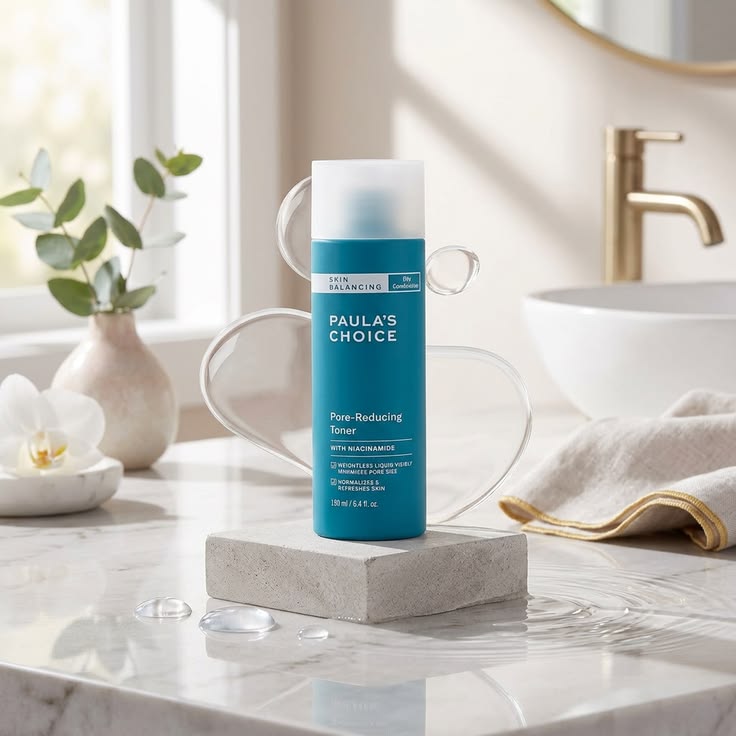
- Apply a hydrating toner, similar to how you’d use Paula’s Choice Skin Balancing Toner, to prep the skin.
- Apply 3-4 drops of the Vitamin Drop and pat gently into the skin.
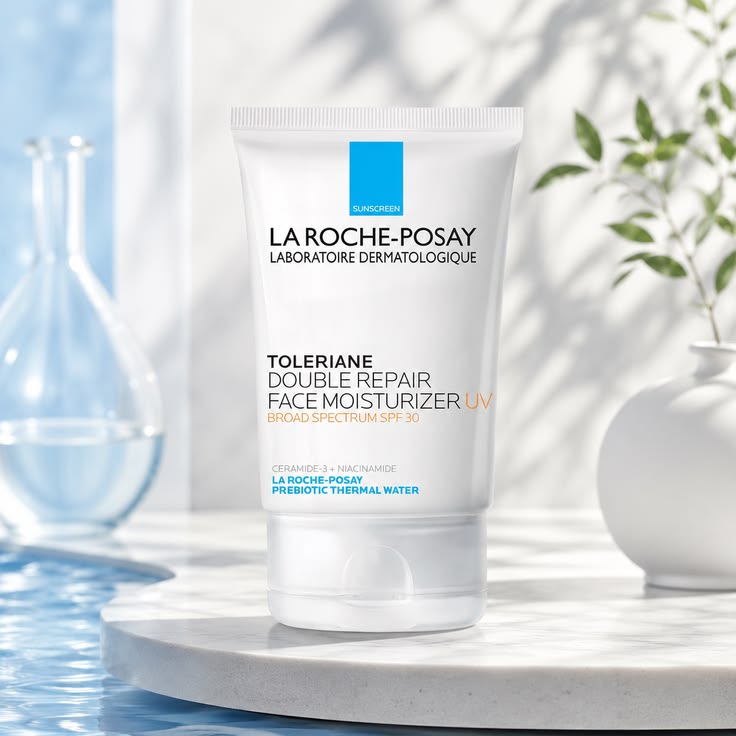
- Follow with a moisturizer — something like La Roche-Posay’s Toleriane Double Repair works well to lock in the actives.
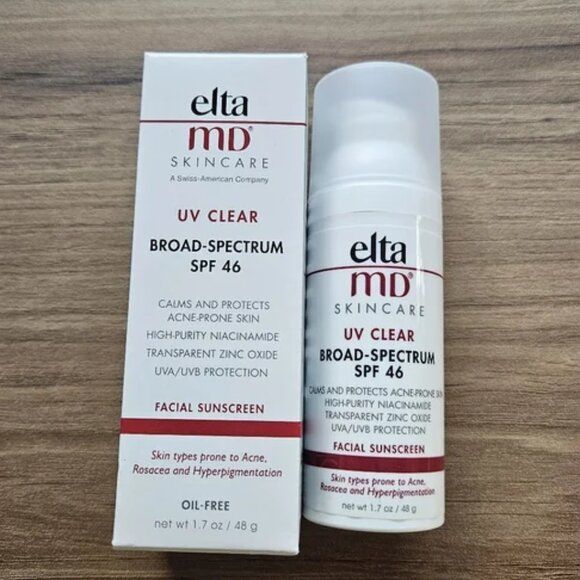
- In the morning, always follow with SPF — Vitamin C pairs with sun protection, it doesn’t replace it. If you’re unsure which type suits you, our mineral vs chemical sunscreen guide breaks down the difference.
A common mistake people make is layering this directly under a strong exfoliating acid (like the one in COSRX’s BHA Blackhead Power Liquid) in the same routine. That combination can be too much for sensitive skin in one sitting — if you’re using both, alternate them on different days rather than stacking them together.
How It Compares to Other Vitamin C Options
If you’ve already tried a few Vitamin C serums and are trying to figure out where this one sits in the lineup, here’s a quick frame of reference. Compared to higher-strength options that prioritize speed of results over comfort, the Klairs formula trades a bit of intensity for a much higher tolerance threshold — meaning you’re more likely to actually use it consistently, which matters more for long-term results than concentration alone. We’ve also compared similar trade-offs in our Hyaluronic Acid vs Glycerin breakdown, where gentler-but-consistent formulations often outperform aggressive ones over time simply because people stick with them.
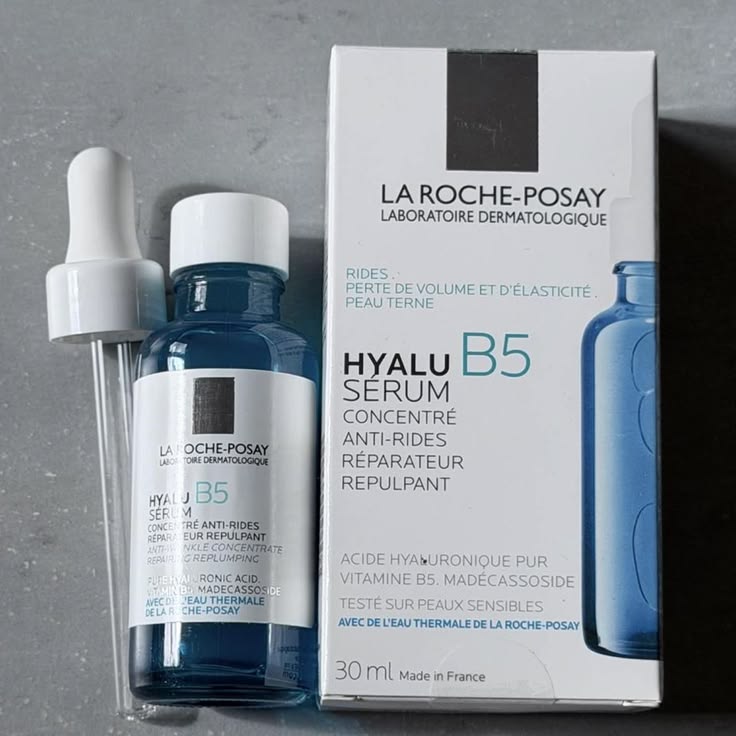
For reference, if you’re also building out a complete brightening routine, pairing this serum with something hydrating like the La Roche-Posay Hyalu B5 Serum can help offset any dryness while the Vitamin C works on tone.
Common Side Effects and What to Watch For
Even gentle formulas aren’t universally irritation-free. The brand’s own testing notes that the formula completed primary skin irritation testing for sensitive skin types, but a small percentage of users have reported mild reactions to specific botanical extracts in the formula. If you have known plant or botanical allergies, check the full ingredient list before purchasing — it’s published on both the official Klairs site and the Amazon product listing.
Storage matters too. Because L-ascorbic acid is prone to oxidation, keep the bottle away from direct sunlight and heat, and try to use it up within the product’s recommended period after opening. If the serum turns noticeably darker yellow or brown over time, that’s usually a sign it’s oxidized and lost potency — at that point, it’s better to replace it than keep using it.
Frequently Asked Questions
1. Is it good for beginners?
Yes, it’s perfect. The 5% Vitamin C concentration is clinically proven to work without causing the redness or stinging common with stronger serums. It also contains Centella Asiatica to soothe the skin. Start using it every other night for two weeks, then move to every night.
2. How long to see results?
Around 4 to 8 weeks. Vitamin C does not work overnight. You need consistent daily use to see visible improvements in skin tone and brightness. Always pair it with morning sunscreen (SPF) to protect your progress.
3. Can sensitive skin use it?
Yes, mostly. Unlike highly acidic Vitamin C serums that damage the skin barrier, this formula is gentler and includes hydrating Centella. However, do a 48-hour patch test on your arm first if you have plant allergies, and avoid it if your skin barrier is currently broken or irritated.
4. Does mixing it with niacinamide turn skin yellow?
No, that is a myth. The yellowing reaction only happens under extreme laboratory heat. In real life, they work excellently together to brighten skin and control oil. In fact, this Klairs formula already contains both ingredients safely mixed together.
5. Is it worth the price?
Yes, it sits in a smart middle ground. Cheaper alternatives often oxidize quickly or irritate the skin, while luxury brands overcharge for marketing. Klairs offers a stable, effective, and non-irritating formula at a fair price, making it a reliable investment.
About the Review Dermatica Team
At Review Dermatica, we believe skincare advice should be backed by something more solid than trends and guesswork. Our team is built around a simple idea: every product we review gets evaluated through both a research lens and a real-world usage lens, so you get recommendations you can actually trust before you spend your money.
Review Dermatica was founded by Newaj Hossain Asim, who leads content strategy and product analysis for the site, working alongside co-founder Tahmina Zannat Lamya, who brings a clinical and formulation research background to every ingredient breakdown we publish. Together, our goal is to cut through the noise of skincare marketing and give you honest, science-informed answers to the questions that actually matter — does this product work, is it safe for your skin type, and is it worth your money.
We dig into peer-reviewed clinical research, cross-reference ingredient claims against published dermatological studies, and stay current with the products our readers are actually asking about — from K-beauty staples to dermatologist-recommended classics. Our reviews cover moisturizers, sunscreens, serums, and cleansers, with a particular focus on detailed side-by-side comparisons to help you choose between similar products with confidence.
We’re not interested in hype. We’re interested in helping you build a skincare routine that actually works for your skin, your budget, and your goals.
Affiliate Disclosure
Review Dermatica participates in the Amazon Associates Program and other affiliate partnerships. This means that if you click on certain links in our articles and make a purchase, we may earn a small commission at no additional cost to you. This helps support the research and testing that goes into our content. Our product recommendations are based on ingredient research and genuine evaluation — affiliate partnerships never influence which products we choose to review or how we rate them.
1 thought on “Klairs Freshly Juiced Vitamin Drop Price & Review : Why 4 Million Bottles Sold (But Does It Actually Work?)”