
Hyaluronic Acid vs Glycerin (2026): Which Actually Hydrates Better?
If you’ve stood in front of your bathroom mirror reading the back of a serum bottle, squinting at an ingredient list that looks more like a chemistry exam than a beauty product, you’re not alone. Two names keep popping up everywhere — hyaluronic acid and glycerin. They show up in your $8 drugstore moisturizer and your $80 luxury serum alike. And somehow, despite being in basically everything, nobody ever clearly tells you which one your skin actually needs.
So let’s settle this properly. Not with marketing fluff, not with “they’re both great, just use everything” non-answers, but with an actual look at how these two ingredients behave on real skin, backed by real research. By the end of this, you’ll know exactly which one deserves a permanent spot in your routine — and whether you genuinely need both, or if you’ve been overspending on redundant products this whole time.
Quick Summary: Hyaluronic Acid vs Glycerin
Before we get into the deep dive, here’s the short version for anyone in a hurry:
- Hyaluronic acid (HA) is a large humectant molecule that sits mostly on the skin’s surface, creating a plumping, “bouncy” effect and an immediate boost in surface hydration.
- Glycerin is a smaller molecule that works with your skin’s own biology (through channels called aquaporins) to move water more deeply and consistently, especially in dry or cold climates.
- Oily or acne-prone skin tends to prefer HA because it feels lighter and doesn’t leave tackiness behind.
- Dry, mature, or climate-stressed skin often does better with glycerin, since it supports the skin barrier over a longer stretch of time.
- Sensitive skin types generally tolerate both well, but glycerin has a slightly longer track record in clinical dermatology, including use in eczema and atopic dermatitis treatments.
- The most effective routines use both, layered correctly, rather than picking one and ignoring the other.
- Texture, climate, budget, and skin type all influence which one will feel better day to day, even though both are technically “good” ingredients.
Now let’s unpack the actual science behind each of these claims, because the reasoning matters more than the conclusion.
This review reflects independent testing and research compiled by the Review Dermatica team, with clinical research reviewed and verified by our team’s clinical research lead. As an affiliate partner, we may earn a commission on qualifying purchases made through links on this page, at no additional cost to you. This does not influence our editorial opinions or ratings.
Hyaluronic Acid vs Glycerin: Which One Should You Buy?
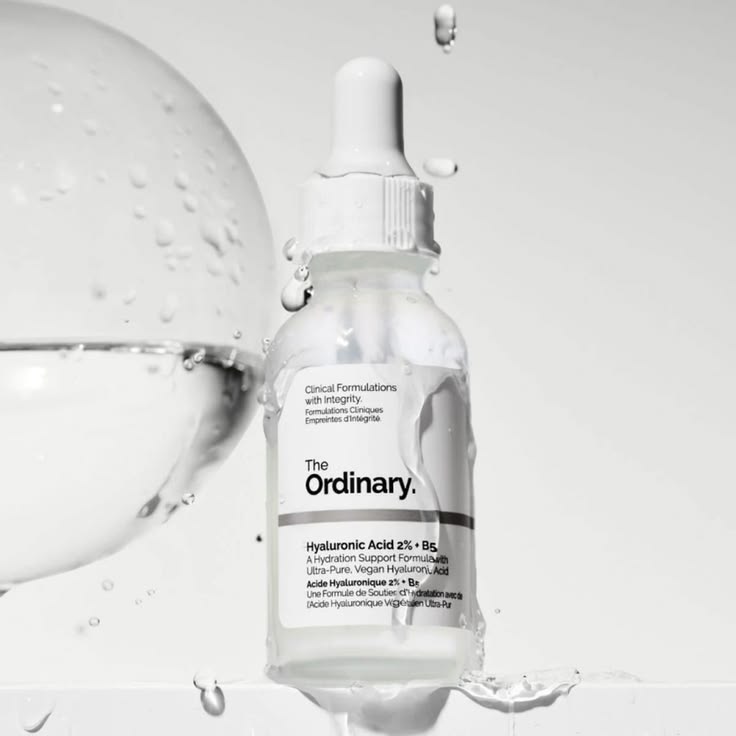
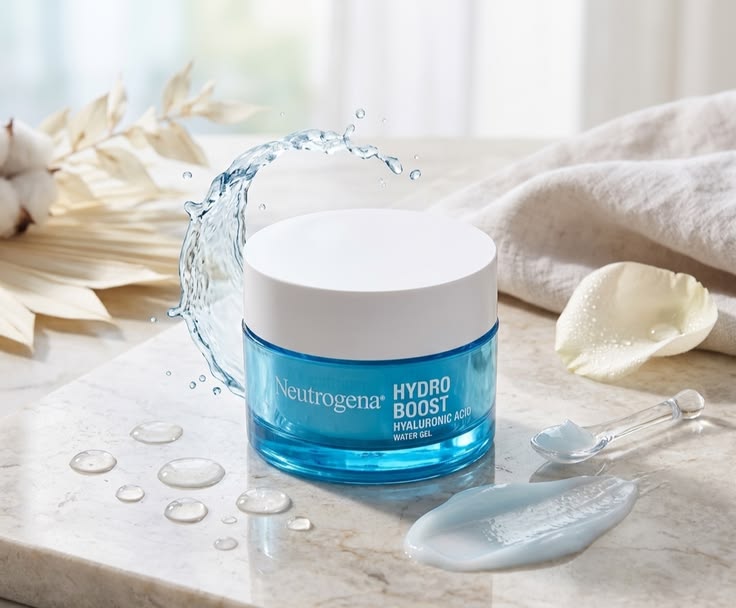
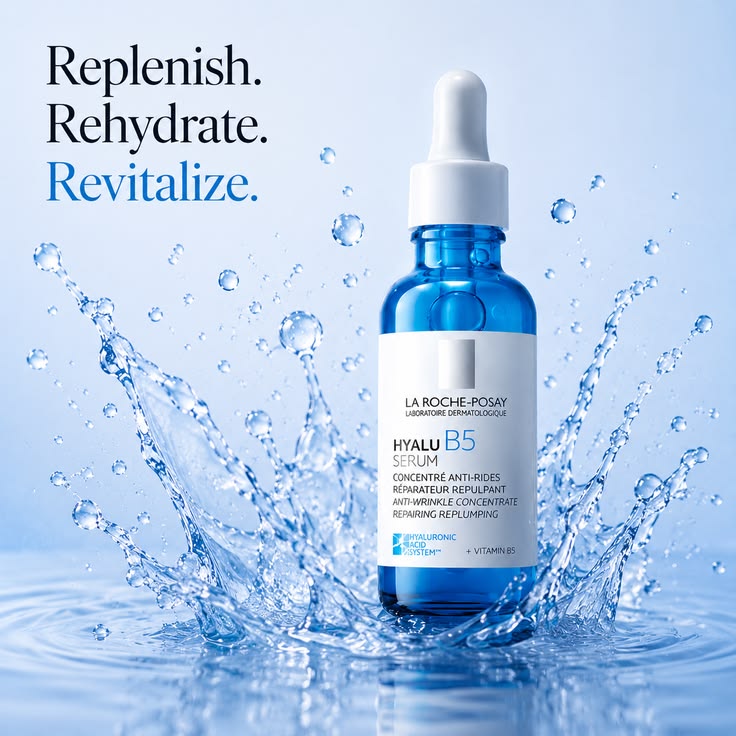
Best Hyaluronic Acid Choice
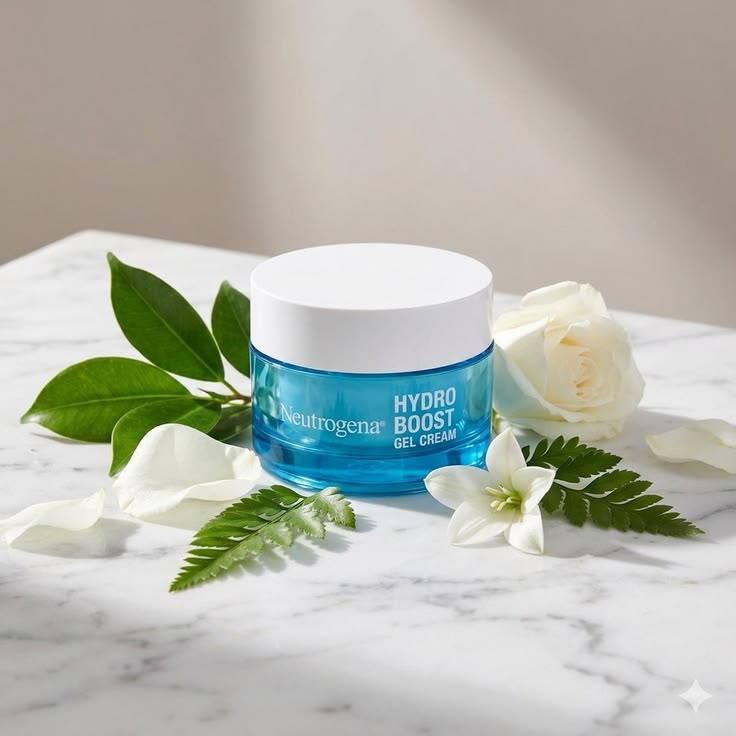
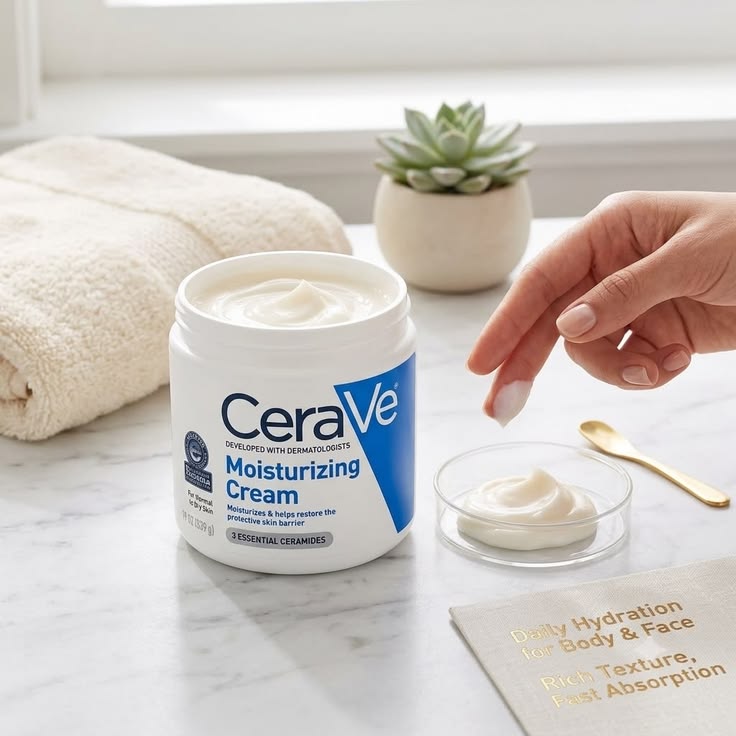
Best Glycerin Choice
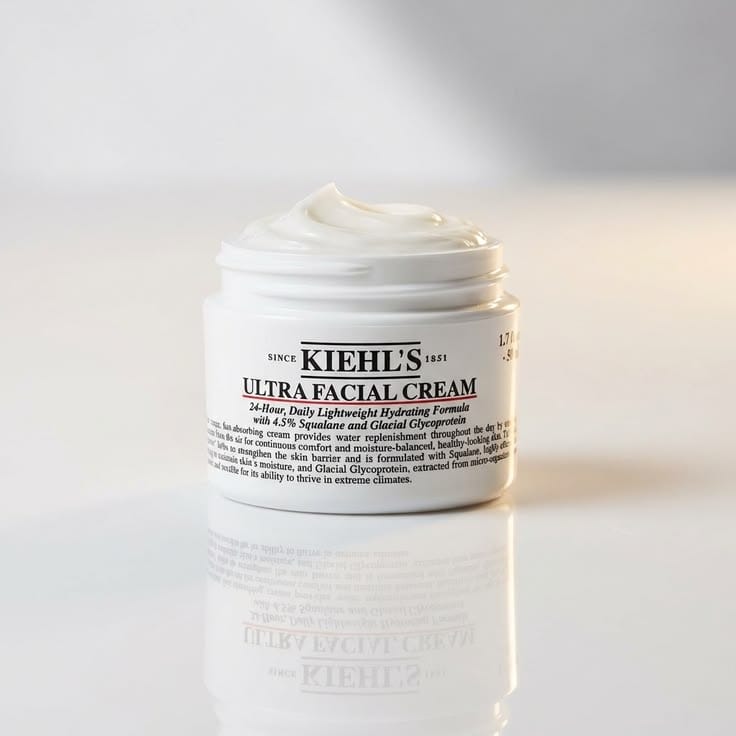
What Exactly Is a Humectant, and Why Should You Care?
Before comparing the two, it helps to understand the category they both belong to. A humectant is an ingredient that pulls moisture toward the skin, either from the air around you or from the deeper layers of your own skin, and then helps hold onto that water once it’s there. This is different from an occlusive (like petroleum jelly or shea butter), which works by sealing moisture in rather than pulling it toward the surface.
Dry skin, in most cases, isn’t lacking oil. It’s lacking water. The outermost layer of your skin, called the stratum corneum, needs a certain amount of water content to stay flexible, smooth, and resilient. When that water content drops, you get the tight, flaky, sometimes itchy sensation most of us associate with “dry skin days.” Humectants are designed to fix exactly this problem, which is why both hyaluronic acid and glycerin show up constantly in moisturizers, toners, and serums marketed toward hydration.
The catch is that not all humectants behave the same way once they’re on your face, and that’s where the real differences between hyaluronic acid and glycerin start to show up.
Hyaluronic Acid: The Surface Specialist
Hyaluronic acid already exists naturally in your body. It’s found in your skin, joints, and connective tissue, and it’s famous in skincare circles for one wild statistic: a single molecule of hyaluronic acid is capable of holding up to a thousand times its own weight in water. That’s an extraordinary amount of moisture-binding capacity packed into one ingredient, which explains why it became such a darling of the skincare industry over the past decade.
Clinically, the evidence backing HA’s hydration ability is genuinely strong. In one notable study involving women aged 30 to 65 with visible signs of photoaging, a topical hyaluronic acid serum was applied twice daily alongside sunscreen. Researchers used corneometry, a device that measures skin hydration objectively rather than relying on subjective “it feels nicer” reporting, and found that the humectant ingredients produced an immediate increase in the water-holding capacity of the skin, confirmed through investigator assessments and corneometry just 15 minutes after application. The same research concluded that topical HA in a serum formulation provided excellent skin hydration, supported by clinical, photographic, chemical, and instrumental assessments. PubMed CentralPubMed Central
Here’s the part that explains why HA feels the way it does on skin: its molecular size. Because hyaluronic acid molecules are relatively large, they tend to stay closer to the surface of the skin rather than penetrating deep into the lower layers. Dermatology research on aquaporins, the water-channel proteins in skin, explains this clearly: high molecular weight HA hydrates the skin by forming a protective film on the surface that helps retain water, while low molecular weight HA penetrates further into the epidermal layer to moisturize the stratum corneum more deeply. PubMed Central
This is also why you’ll see “multi-molecular-weight” hyaluronic acid serums marketed as more advanced formulas. They’re trying to get the best of both worlds, surface plumping and deeper penetration, by blending different HA sizes into a single product.
If you’re someone with oily or acne-prone skin, this surface-focused behavior is actually a major advantage. HA tends to feel lightweight and doesn’t leave the tacky, sticky residue that some humectants can cause, which is part of why so many lightweight serums and gel moisturizers lean heavily on hyaluronic acid as their star ingredient. If your current moisturizer rotation includes something like the Paula’s Choice Skin Balancing Toner, there’s a good chance HA is already doing quite a work in your routine.
Glycerin: The Quiet Workhorse Your Skin Already Recognizes
Glycerin doesn’t get nearly the same hype as hyaluronic acid, which is honestly a little unfair, because the biology behind it is arguably more sophisticated. Unlike HA, which mostly acts as an external moisture magnet, glycerin actually plugs into a transport system your skin already has built in.
That system is called aquaporin-3, or AQP3 for short. It’s a protein channel found in keratinocytes, the cells that build the outer layers of your skin, and its job is to shuttle water and glycerol from the deeper layers of skin up toward the surface. Researchers studying this pathway found something striking: in mice lacking the AQP3 channel, skin developed reduced elasticity, poor hydration, and impaired barrier repair, and supplementing glycerol specifically (not other humectants) corrected these problems. The study, published in PNAS, also noted that there are documented reports of topical glycerol application in humans improving skin moisture, elasticity, and barrier properties. PubMed CentralPubMed Central
In plainer terms: your skin has a dedicated delivery system for glycerin, almost like it was built with this ingredient in mind. That’s a meaningfully different mechanism than how hyaluronic acid behaves, and it helps explain why people in cold, dry, or heated indoor environments often report that glycerin-based products feel more reliably comfortable over a full day, rather than giving an initial plump that fades.
Glycerin’s molecular size also plays a role here. Because it’s a much smaller molecule than hyaluronic acid, it’s able to penetrate more deeply into the skin due to its lower molecular weight, while hyaluronic acid’s larger molecules give it more influence over the surface layers, creating that plump, supple feel people associate with HA specifically. CeraVeCeraVe
There’s also real clinical precedent for glycerin beyond cosmetic marketing. It’s been studied in atopic dermatitis and dry skin conditions for decades, partly because of its use as a humectant ingredient alongside hyaluronic acid in moisturizers tested specifically on mild-to-moderate atopic dermatitis patients. If you’ve ever wondered why glycerin shows up so often in “sensitive skin” or “barrier repair” formulas, this clinical history is a big part of the answer. nih
Texture and Real-World Feel: Where People Actually Notice the Difference
Clinical data is useful, but let’s be honest, most people choose a serum based on how it feels on their face the next morning, not based on a corneometry reading. This is where the practical differences between HA and glycerin become obvious quickly.
Hyaluronic acid is generally lightweight, doesn’t pill under makeup, and absorbs quickly without leaving a film behind. This makes it a favorite for oily and combination skin types, and for anyone layering multiple products in a long routine, since it won’t interfere with whatever goes on top of it.
Glycerin, on the other hand, has a reputation for being slightly heavier or stickier in texture, especially in higher concentrations or humid climates. This is one of the genuine downsides worth knowing about: glycerin has a stickier consistency that might not be ideal for oilier skin types, which is why many formulas incorporate ingredients like dimethicone to help balance out that stickiness. If you’ve ever used a glycerin-heavy product in summer and felt like your face was “tacky” by midday, this is exactly why. CeraVe
But here’s the twist that most comparison articles skip entirely: that same “stickiness” is often what makes glycerin perform better in winter or in dry, heated indoor air. Because it’s pulling double duty, working with your skin’s own biology rather than sitting passively on the surface, it tends to hold up more consistently when the surrounding air has little moisture to spare. HA, by contrast, can occasionally pull moisture from your own skin if there isn’t enough ambient humidity for it to draw from instead, which is part of why some people report feeling “tighter” after using HA in very dry conditions.
So Which One Should You Actually Use?
Honestly, the most accurate answer is the one nobody wants to hear: it depends on your skin type, your climate, and what you’re trying to fix. But that’s not a satisfying way to end an article, so let’s get specific.
Choose hyaluronic acid if:
- You have oily, combination, or acne-prone skin and want hydration without heaviness
- You live in a humid climate where ambient moisture is generally available
- You want a quick plumping effect before makeup
- You’re targeting fine lines and want the surface-smoothing benefit HA is known for
Choose glycerin if:
- You have dry, mature, or barrier-compromised skin
- You live somewhere cold, dry, or rely heavily on indoor heating
- You’ve struggled with eczema, atopic dermatitis, or chronic flakiness
- You want hydration that holds up consistently through a full day rather than fading by afternoon
Use both if:
- You want the immediate plumpness of HA combined with the long-term barrier support of glycerin.
- You’re dealing with seasonal skin changes and want a routine flexible enough to handle both summer humidity and winter dryness.
- You’re simply trying to build the most resilient, well-rounded hydration routine possible.
This layering approach isn’t just a cop-out answer, either. There’s actual clinical support for combining the two. A randomized, assessor-blinded study testing a fluid containing both HA and glycerin together found that hyaluronic acid and glycerin are both well-established substances capable of improving skin hydration, and the formulation was specifically designed to evaluate hydration and barrier function effects over a full 24-hour period, something single-ingredient studies rarely test for. The takeaway is that pairing these two isn’t redundant. Each one is compensating for what the other doesn’t do as well. PubMed Central
A Quick Word on Molecular Weight (Because It Actually Matters)
If you’ve shopped for hyaluronic acid serums recently, you may have noticed labels mentioning “low molecular weight” or “multi-weight” HA. This isn’t just marketing jargon. Research on next-generation HA formulations confirms that low molecular weight HA penetrates into the lower epidermal layers, while high molecular weight HA stays closer to the surface, and combining multiple weights allows a single formula to address both surface plumping and deeper hydration simultaneously. PubMed Central
So if you’ve tried hyaluronic acid before and felt unimpressed, it might not be the ingredient itself that let you down. It might be the specific formula. A single-molecular-weight, surface-only HA serum is going to behave very differently from a multi-weight formula designed to penetrate further.
This is genuinely useful to know before you spend money on a new serum, especially if you’re shopping for something like a beta-glucan—infused moisture serum or comparing it against a more traditional HA-based option.
Common Myths Worth Clearing Up
Myth: Hyaluronic acid is an exfoliating acid, so it can irritate skin like AHAs or BHAs.
Despite the name, HA isn’t an exfoliant at all. It’s a sugar molecule (a glycosaminoglycan, if you want the technical term), not an acid in the exfoliating sense. It’s about as far from something like the COSRX BHA Blackhead Power Liquid as an ingredient can get, despite sharing a name structure.
Myth: Glycerin clogs pores.
This myth has lingered for years without much evidence behind it. Glycerin is broadly considered non-comedogenic, and it’s commonly included in formulas designed for sensitive and acne-prone skin alike, including many entries on lists of the best non-comedogenic moisturizers.
Myth: More hyaluronic acid in the ingredient list means better hydration.
Concentration matters less than formulation quality, molecular weight blend, and what the HA is paired with. A well-formulated 1% HA serum can outperform a poorly balanced 2% version.
How to Actually Use Both Without Wasting Product
Layering humectants properly is where most people go wrong, even when they’re using good products. The golden rule dermatologists repeat constantly: humectants need moisture to draw from, and they work best on slightly damp skin, not bone-dry skin straight out of a hot shower.
A simple, effective order looks like this:
- Cleanse, then pat skin so it’s damp but not soaking
- Apply your hyaluronic acid serum while your skin is still slightly damp
- Follow with a glycerin-containing moisturizer to help seal that hydration in
- Finish with sunscreen in the morning, or a richer occlusive at night if your skin runs dry
If you skip the moisturizer step after HA, you may actually end up with tighter, drier-feeling skin by the end of the day, since the HA can pull moisture from the air, and if there’s none available, it pulls from your own skin instead. This is a common complaint people have about HA that usually traces back to skipping the follow-up moisturizing step entirely, not a flaw in the ingredient itself.
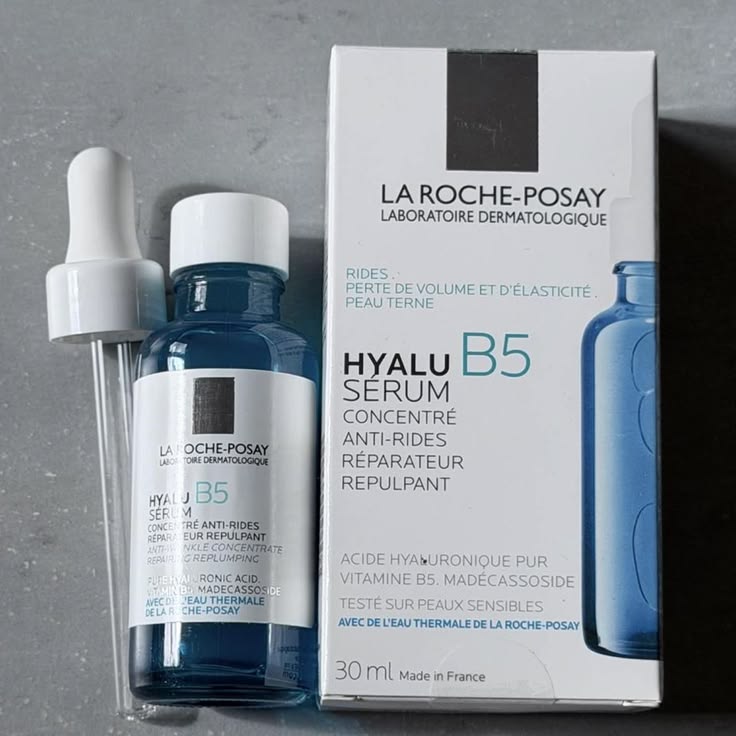
For dry climates or winter months specifically, leaning more heavily on glycerin-based products, similar to ingredients found in the La Roche-Posay Hyalu B5 Serum, tends to produce more consistent results than relying on HA alone.
What About Sensitive Skin?
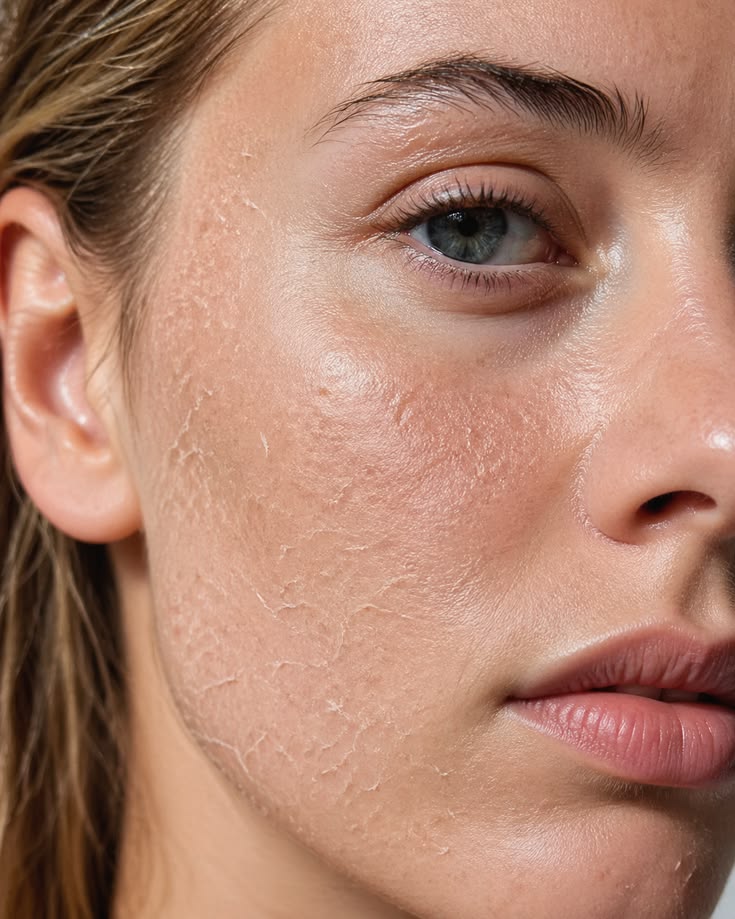
Both ingredients are generally considered safe for sensitive skin, but glycerin has a slightly longer clinical track record specifically in inflammatory skin conditions. Research comparing moisturizer formulations in patients with mild-to-moderate atopic dermatitis included glycerin as one of several humectants tested for its role in supporting barrier repair without triggering flare-ups. If you have reactive, easily irritated skin, starting with a glycerin-forward, fragrance-free moisturizer and introducing HA gradually afterward is generally the safer sequencing.
This is also where ingredient pairing matters. Products combining HA, glycerin, and soothing botanicals like Centella asiatica have shown particularly strong results. One study using exactly this kind of three-ingredient combination found measurable hydration and barrier benefits sustained over a full 24-hour period, which is longer than most single-ingredient studies even attempt to measure.
Best Hyaluronic Acid and Glycerin Products to Consider
If you’re shopping for either ingredient specifically, formulation quality matters more than the ingredient name alone. Look for:
Best hyaluronic acid options tend to combine multiple molecular weights, pair HA with soothing ingredients like panthenol or centella, and avoid excessive fragrance that can offset HA’s gentle reputation.
Best glycerin serums typically balance glycerin’s natural tackiness with lightweight carriers or small amounts of silicone-based ingredients, so you get the barrier benefits without the sticky aftermath.
If you’ve already built a routine around toners and essences, something like the I’m From Mugwort Essence or Anua Heartleaf Pore Control Cleansing Oil can pair well as supporting steps before introducing either HA or glycerin serums into your lineup.
Hyaluronic Acid vs Glycerin: Which One Should You Buy?
Best Hyaluronic Acid Choice
Best Glycerin Choice
Final Verdict
Neither ingredient “wins” outright, and if a comparison article tells you otherwise, it’s probably oversimplifying for the sake of a punchy headline. What the research actually shows is that hyaluronic acid and glycerin solve slightly different problems. HA gives you immediate, lightweight surface hydration, which makes it ideal for oily skin, humid climates, and quick plumping before makeup. Glycerin works more slowly but more durably, tapping into your skin’s own water-transport biology, which makes it the stronger pick for dry skin, cold climates, and long-term barrier resilience.
If you only have room in your routine for one, let your skin type and climate make the decision for you using the breakdown above. But if you’re building a genuinely resilient, all-season routine, there’s a reason so many clinically tested formulas combine both. They’re not redundant ingredients fighting for the same job. There are two different specialists working the same shift.
Disclaimer: This article is for educational purposes and reflects published dermatological research. It is not a substitute for personalized advice from a board-certified dermatologist, especially if you have a diagnosed skin condition like eczema or rosacea.
Notun “About the Editorial Team” section ta likhe dilam:
About the Editorial Team
The Strategic Architect
Asim | Founder & Lead Analyst
Asim is the visionary behind Review Dermatica, blending technical SEO expertise with clinical skincare auditing. As a professional developer and strategist, he strips away marketing hype to focus on data-driven results for the USA market. His analytical approach ensures every 3,500+ word deep-dive meets the highest standards of accuracy, transparency, and search visibility.
The Scientific Mind
Tahmina Zannat Lamya | Co-Founder & Clinical Researcher
Tahmina is the scientific backbone of Review Dermatica. As an expert in cosmetic formulation and microbiome science, she audits the molecular structure of advanced bio-actives like PDRN and Ceramides. She ensures every clinical review is grounded in pharmaceutical-grade research, making complex ingredient science accessible to the modern “Skintellectual” audience.
Clinical Insights Cited From
Dr. Shereene Idriss, MD | Board-Certified Dermatologist
To ground our ingredient analysis in established medical science, Review Dermatica references the publicly available clinical insights and expertise of Dr. Shereene Idriss, a Harvard-trained, board-certified dermatologist and founder of Idriss Dermatology (NYC). Her evidence-based perspectives on skin health, laser therapy, and facial rejuvenation help inform the medical context behind our technical evaluations. Dr. Idriss is not affiliated with or employed by Review Dermatica; she is cited as an external clinical authority whose published work supports the accuracy of our content.
19 thoughts on “Hyaluronic Acid vs Glycerin (2026): Which Actually Hydrates Better?”