
The Ordinary vs Paula’s Choice (2026): We Tested Both — Here’s the Honest Truth
If you have spent any amount of time on skincare Reddit threads, TikTok comment sections, or beauty forums in the last few years, you have almost certainly come across this exact debate: The Ordinary vs Paula’s Choice. Two brands. Two very different price points. Two wildly loyal fan bases. And exactly zero consensus on which one actually wins.
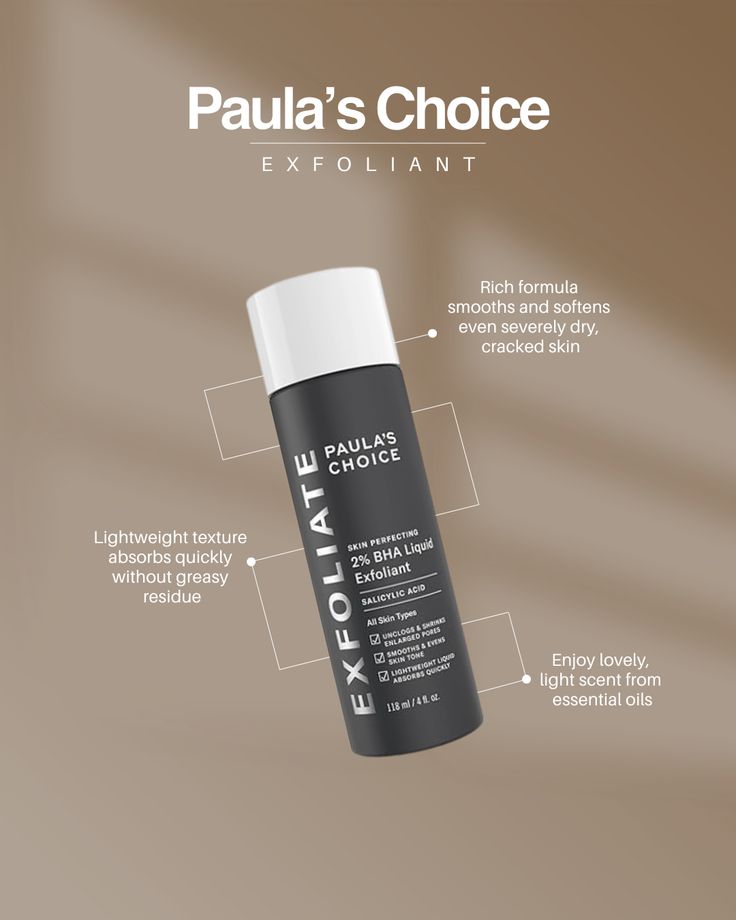
Here is the thing — both brands are genuinely good. Both are science-backed. Both are fragrance-free. Both will tell you what is in their formulas and why it is there. But they are not the same, and choosing the wrong one for your skin type and routine could mean months of disappointing results despite spending money and showing up consistently.
At Review Dermatica, we do not settle arguments with opinions. We settle them with ingredients, peer-reviewed evidence, and honest side-by-side analysis. So we went deep on both brands — their philosophies, their bestselling formulas, their price-to-performance ratios, and the exact skin types each one serves best. By the end of this article, you will know exactly which brand belongs on your bathroom shelf.
Let us get into it.
Quick Summary
- The Ordinary — affordable, single-ingredient actives, best for beginners and budget-conscious buyers
- Paula’s Choice — premium, multi-ingredient formulas, best for sensitive or experienced skin
- BHA: Paula’s Choice wins on pH optimisation and pore-clearing power
- Niacinamide: The Ordinary wins on value; Paula’s Choice wins for sensitive skin
- Vitamin C & Retinol: Paula’s Choice is more advanced; The Ordinary is the better starting point
- Price: The Ordinary ~$5–$15 per product; Paula’s Choice ~$35–$60 per product
- Best combo: Use The Ordinary for everyday staples, upgrade to Paula’s Choice for your BHA
At Review Dermatica, every product is evaluated based on its ingredient profile, clinical evidence, and real-world performance. We only recommend products we genuinely believe in. This article contains affiliate links — if you purchase through them, we may earn a small commission at no extra cost to you.
The Origin Story: Two Brands, Two Very Different Missions
Before you compare products, you need to understand why these two brands were created — because their founding philosophies shape everything from the way they formulate to the way they price.
The Ordinary: Affordable Science With Nothing to Hide
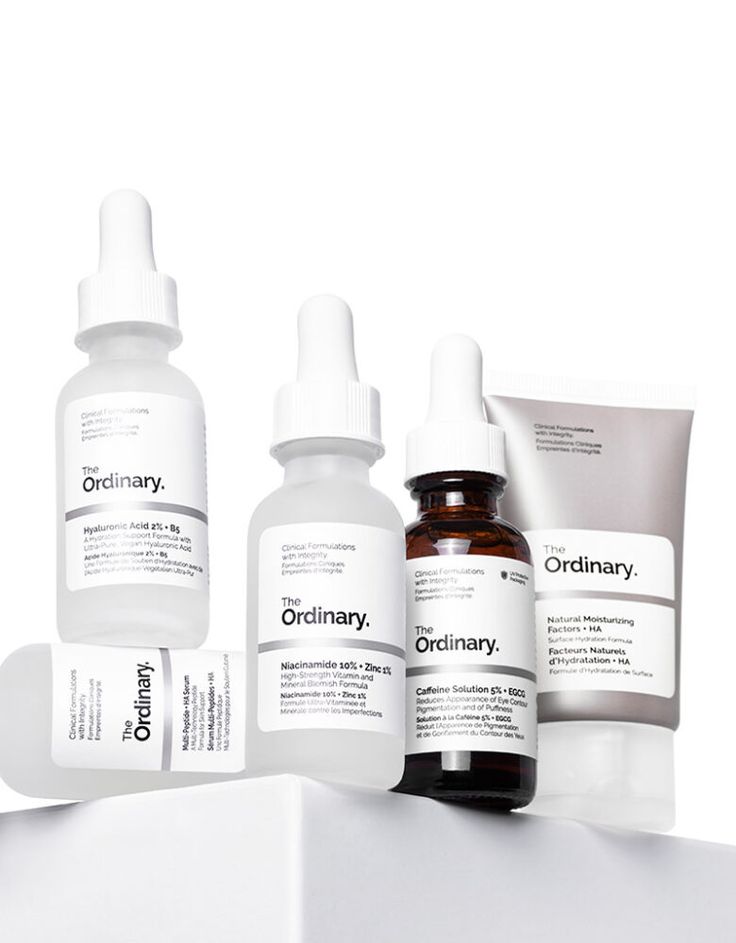
The Ordinary launched in 2016 under parent company DECIEM, founded by Brandon Truaxe with one radical idea: what if skincare did not cost a fortune just because it worked? The brand positioned itself around clinical formulations with integrity, a tagline that is not marketing fluff — it literally describes how every product is built. Each formula is named after its active ingredient. There is no luxury packaging tax, no vague proprietary blend mystery, no aspirational model holding the bottle. You get Niacinamide 10% + Zinc 1%. That is it. That is the product name.
In 2024, Estée Lauder completed its full acquisition of DECIEM, bringing The Ordinary under one of the biggest beauty umbrellas in the world. Despite that corporate shift, the brand has maintained its affordable pricing structure and transparent communication style — a move that has kept its extraordinarily loyal following intact.
Today, The Ordinary is stocked at Sephora, ASOS, Ulta, and in its own dedicated retail stores, and generates net sales estimated between $500 million and $1 billion annually. That is not a niche brand. That is a mainstream force that started as a disruptor and stayed one.
Paula’s Choice: The Cosmetics Cop Who Built a Brand Around Truth
Paula’s Choice has a longer and arguably more personal origin story. Paula Begoun — known globally as the Cosmetics Cop — spent decades in the 1980s and early 1990s investigating misleading claims in the beauty industry, publishing books, appearing on The Oprah Winfrey Show, and essentially doing what no brand was doing at the time: telling consumers the truth about what was and was not in their skincare.
In 1995, she launched Paula’s Choice in Seattle, making it one of the world’s very first online beauty brands. The mission was the same as her journalism had always been: evidence-based formulations, no fragrance, no irritants, no nonsense.
In 2021, Unilever acquired the brand in a deal reportedly valued at around $2 billion — a staggering validation for a company built on ingredient transparency long before it was trendy.
Paula’s Choice also runs Beautypedia, a database that reviews and rates over 45,000 products from 300+ brands based on published scientific literature. That level of accountability to evidence is baked into every formula Paula’s Choice releases.
The two brands share more DNA than people realise. But the way they apply their shared values of transparency and clinical integrity is where things get genuinely interesting — and where your skin type starts to matter.
Brand Philosophy: Minimalist Actives vs Holistic Formulations
This is probably the single most important difference between The Ordinary and Paula’s Choice, and it will determine which brand is right for you before you even look at a single product.
The Ordinary is built around single-ingredient actives. You buy Salicylic Acid 2% Solution. You buy Hyaluronic Acid 2% + B5. You buy Retinol 0.5% in Squalane. Each product delivers one primary active at a known concentration, and you layer them according to your personal routine. The philosophy is DIY-friendly and educational — the brand actively encourages consumers to understand what each ingredient does and to mix and match based on their specific concerns.
This works beautifully if you enjoy building skincare routines, enjoy learning about actives, and are comfortable navigating ingredient layering (for example, knowing that you should not layer vitamin C with niacinamide at the same time, or that you need to leave actives like AHAs and BHAs on dry skin for maximum penetration).
Paula’s Choice takes a different approach entirely. Their formulations are multi-ingredient, pre-designed to work holistically. The iconic Skin Perfecting 2% BHA Liquid Exfoliant does not just contain salicylic acid — it is formulated at a specific pH level calibrated for maximum penetration, with supporting ingredients chosen to minimise irritation and maximise efficacy. Paula’s Choice is essentially doing the layering science for you inside the bottle.
This suits people who want effective results without needing a deep knowledge of ingredient chemistry, who prefer a streamlined routine, and who are willing to pay more per product for formulations that are optimised from the start.
Neither approach is better in an absolute sense. The Ordinary democratises access to activities. Paula’s Choice democratises expertise. Your lifestyle, budget, and skin complexity will tell you which matters more to you.
Ingredient Deep Dive: The Products Everyone Is Actually Comparing
When people search for Paula’s choice vs the ordinary online, they are almost never comparing the brands in the abstract. They are comparing specific products. Here are the head-to-head matchups that come up most often, broken down with clinical honesty.
BHA Exfoliant: Paula’s Choice Skin Perfecting 2% BHA Liquid Exfoliant vs The Ordinary Salicylic Acid 2% Solution
This is the hottest contested comparison in the entire debate, and for good reason. Both products contain 2% salicylic acid, a beta-hydroxy acid (BHA) that is oil-soluble, meaning it can penetrate into the pore lining where blackheads and congestion form — something water-soluble AHAs cannot do.
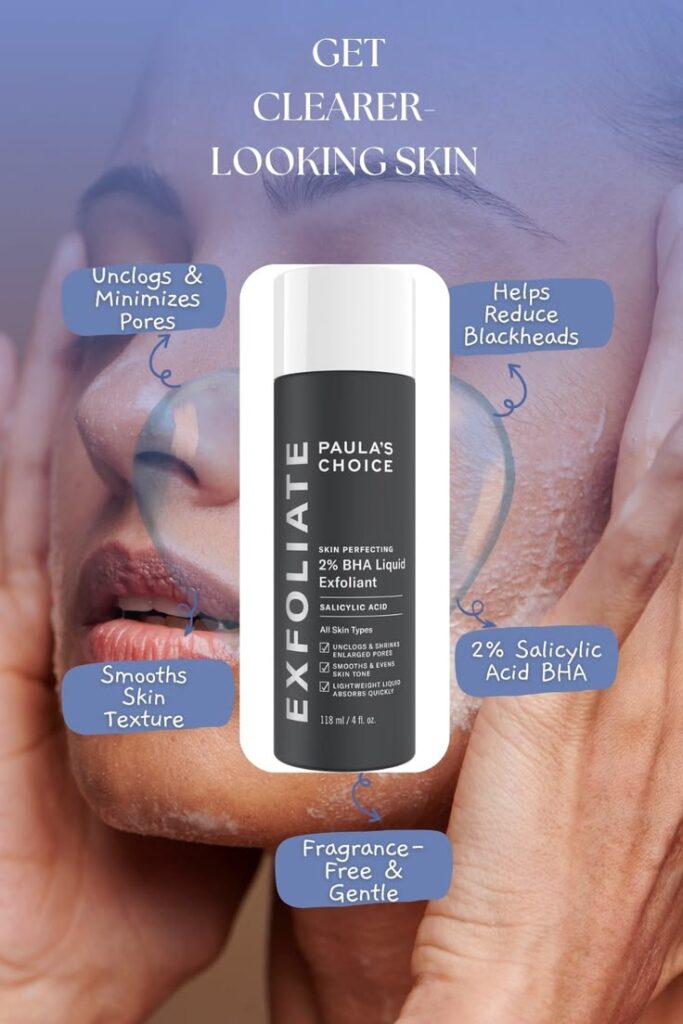
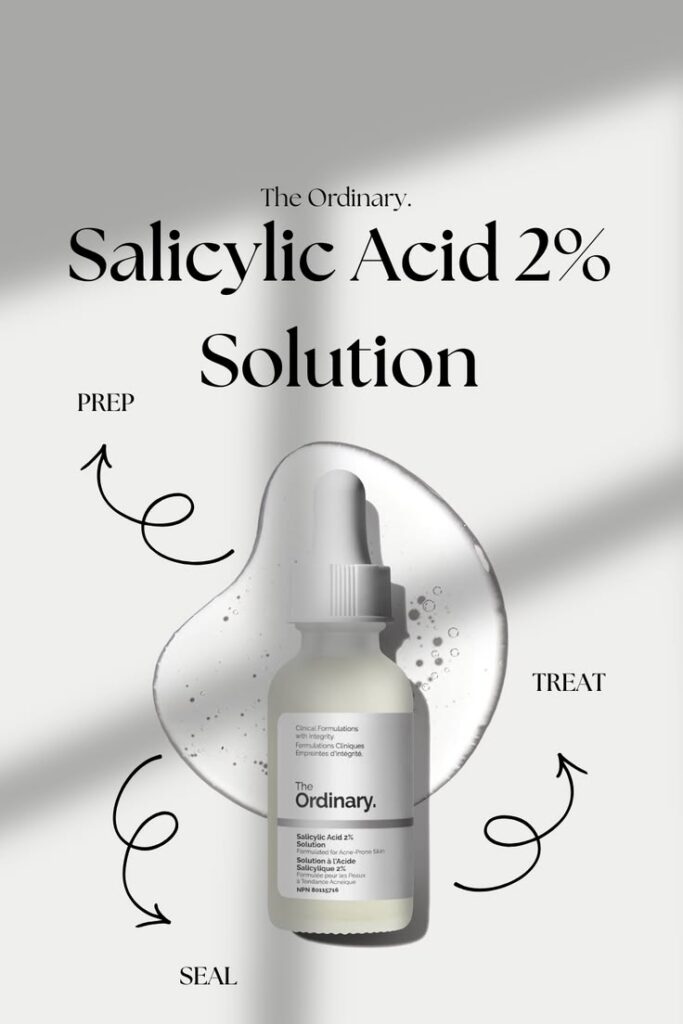
Here is where the difference matters clinically: the effectiveness of salicylic acid is directly tied to the pH of the formula it is delivered in. At pH 3.5, over 50% of salicylic acid exists in its active, skin-penetrating form. At pH 5, it drops to under 1%. A BHA formulated at the wrong pH level is essentially inactive, regardless of the concentration on the label.
Paula’s Choice calibrates the Skin Perfecting BHA specifically to function at the right pH for maximum exfoliation. The Ordinary’s Salicylic Acid 2% Solution has a pH that sits higher on average, which reduces the active fraction available for skin penetration. That does not mean The Ordinary product is useless — it still delivers visible results for many users — but it does mean Paula’s Choice has a technical edge on pure exfoliation efficacy.
If you are dealing with persistent blackheads, stubborn pore congestion, or acne-prone skin and you have only tried one of these, the Paula’s Choice BHA is worth the premium. If budget is your primary constraint and your concerns are moderate, The Ordinary Salicylic Acid is a solid entry-level option. For a more detailed comparison of pore-focused actives, see our breakdown of COSRX BHA Blackhead Power Liquid as an alternative worth considering.
Winner here: Paula’s Choice, on technical formulation grounds.
Niacinamide: The Ordinary Niacinamide 10% + Zinc 1% vs Paula’s Choice 10% Niacinamide Booster
Niacinamide is one of the most well-supported active ingredients in cosmetic dermatology. Clinical research published in peer-reviewed journals, including studies in the Journal of the European Academy of Dermatology and Venereology, confirms that niacinamide reduces melanin transfer to keratinocytes, supports barrier function through increased ceramide synthesis, reduces visible redness, and improves skin texture across a range of skin types. Both of these products deliver it at 10%, which is considered a clinically meaningful concentration.
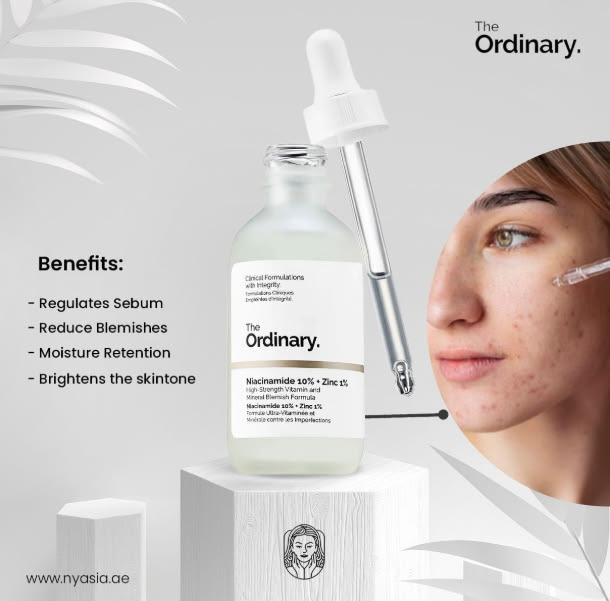
The Ordinary version pairs niacinamide with zinc PCA, which is particularly effective for controlling sebum production and reducing congestion. If you have oily or acne-prone skin, that zinc addition is genuinely useful. The formula is a lightweight gel-serum that absorbs quickly, and at its price point — roughly $0.20 per ml — it is one of the most cost-effective active serums available anywhere.
Paula’s Choice’s 10% Niacinamide Booster is formulated differently. It includes panthenol (pro-vitamin B5), licorice root extract, ascorbyl glucoside (a stable vitamin C derivative), glycerin, and sodium hyaluronate — a roster of supporting ingredients that make this product feel more like a complete treatment than a single-active serum. It has a lighter, fluid texture and can be mixed into a moisturiser, making it easier for sensitive skin types to tolerate the high niacinamide concentration. It costs approximately $2.45 per ml — more than ten times The Ordinary’s price per millilitre.
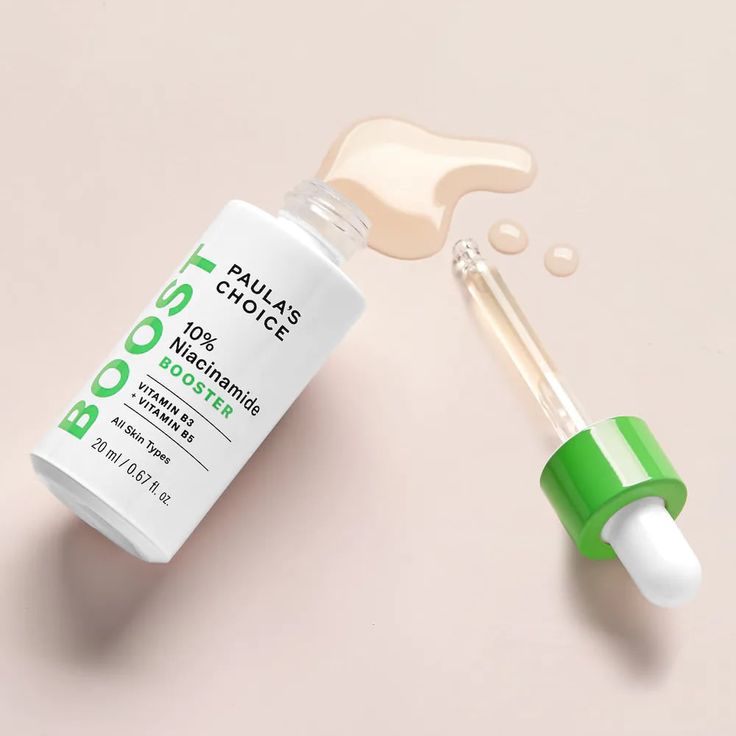
Is the difference in results ten times better? No. But the Paula’s Choice formula is noticeably more skin-comfortable, particularly for people who find concentrated niacinamide causes a mild tingling or temporary flushing.
Winner here: Tie — depends on skin type. Oily and budget-conscious skin types should reach for The Ordinary. Sensitive and combination skin types who want a more sophisticated formula will get more from Paula’s Choice.
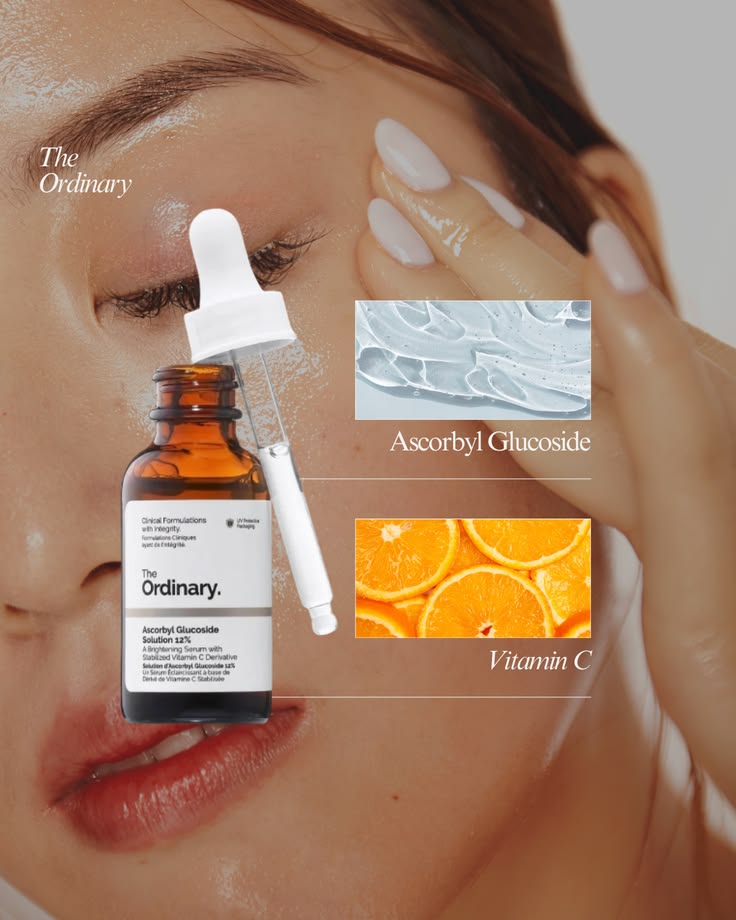
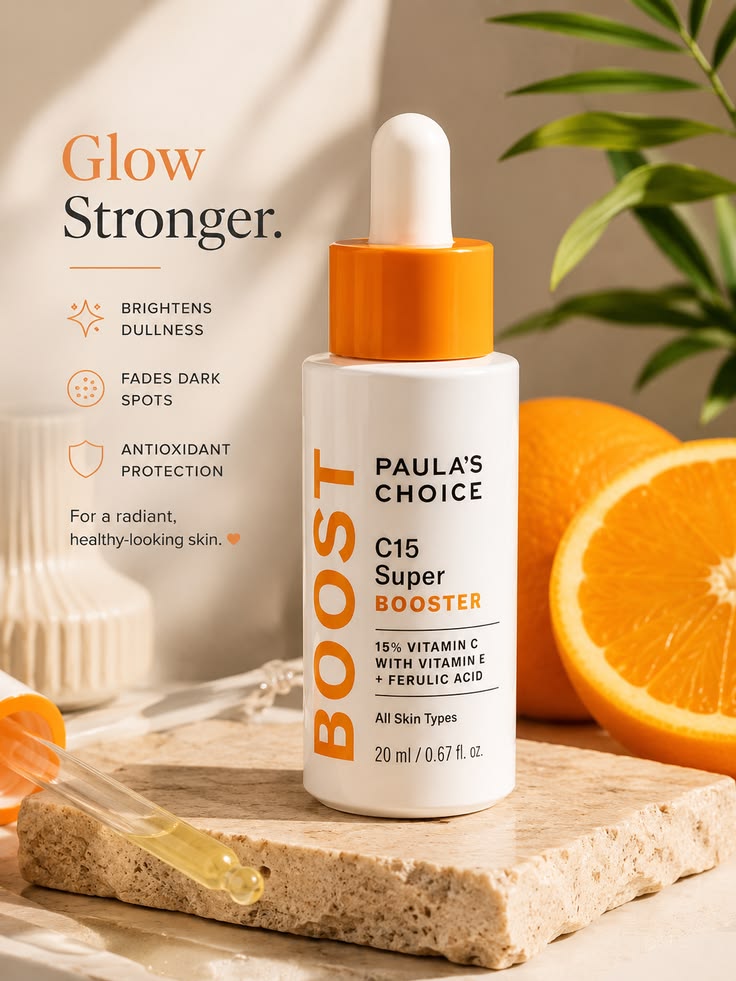
Vitamin C: The Ordinary Ascorbyl Glucoside 12% vs Paula’s Choice C15 Super Booster
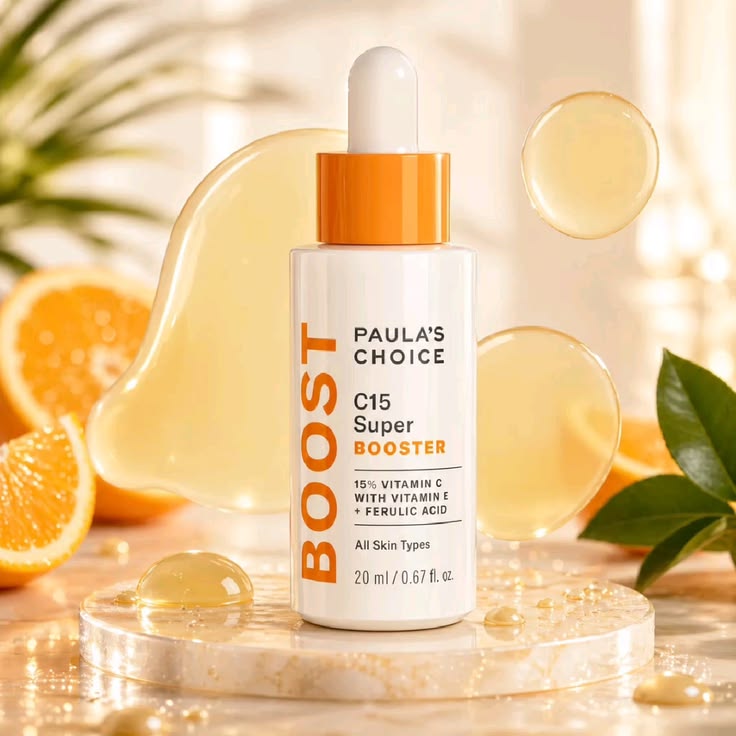
We have covered this matchup in detail in our dedicated article on The Ordinary vs Paula’s Choice Vitamin C Serum, so we will keep this brief. The summary is that Paula’s Choice C15 Super Booster uses pure L-ascorbic acid at 15% — the most clinically proven form of vitamin C — stabilised with ferulic acid and vitamin E. Randomised controlled trials confirm that daily use of vitamin C serums at this concentration reduces wrinkles and stimulates collagen production after 12 weeks of consistent use.
The Ordinary’s vitamin C range is more varied, with options like Ascorbyl Glucoside Solution 12% (a more stable but less potent form) and the more aggressive Ethylated Ascorbic Acid 15% Solution. For most skin types, the Paula’s Choice C15 is better formulated, but The Ordinary’s gentler vitamin C derivatives are a strong option for sensitive skin that cannot tolerate L-ascorbic acid.
Price Comparison: What You Actually Get for Your Money
This is where the The Ordinary vs Paula’s Choice conversation gets most heated, and where both brands deserve nuance rather than a simple budget vs premium label.
The Ordinary is built to be accessible. Most single serums range from roughly $5 to $15 USD. Their Niacinamide 10% + Zinc 1% is around $6 for 30ml. Their Hyaluronic Acid 2% + B5 is approximately $10 for 30ml. Their retinol range sits between $7 and $10, depending on concentration. For a complete active serum routine using The Ordinary alone, you could spend under $35 and cover hydration, pores, brightness, and anti-aging.
Paula’s Choice runs considerably more expensive. The 2% BHA Liquid Exfoliant costs around $35 to $40 for 118ml, which actually works out to a reasonable cost-per-use given that a cotton pad per application goes a long way. The C15 Super Booster is around $55 for 20ml. The Clinical 1% Retinol Treatment is around $60 for 30ml. A complete Paula’s Choice routine can comfortably run $150 to $200 for three or four core products.
What justifies the premium? Primarily: pH optimisation, supporting ingredient complexity, and the research and testing that goes into each formula. Paula’s Choice products tend to feel more polished, layer more smoothly under makeup, and require less personal knowledge of ingredient science to use correctly. You are paying for done-for-you formulation intelligence.
Is it worth it? For the BHA, genuinely yes if exfoliation is a core concern. For niacinamide, probably not for most people. For vitamin C and retinol, it depends on your experience level and how sensitive your skin is.
Our honest take: build the foundation with The Ordinary, upgrade strategically with Paula’s Choice where the formulation difference actually matters — specifically the BHA and, for those with sensitive skin, the niacinamide booster.
Which Brand Is Better for Your Skin Type?
Let us cut to the specifics.
Oily and Acne-Prone Skin
Start with The Ordinary Niacinamide 10% + Zinc 1% ($6) as your daily serum — the zinc PCA is excellent for sebum regulation. Add Paula’s Choice 2% BHA Liquid Exfoliant two to three times weekly for deep pore exfoliation. This pairing gives you the best of both brands at a manageable combined cost. For more non-comedogenic moisturiser options to complete this routine, our best non-comedogenic moisturiser roundup covers the top picks by skin concern.
Dry and Dehydrated Skin
The Ordinary Hyaluronic Acid 2% + B5 is an excellent and affordable hydration base. Layer it under a barrier-supporting moisturiser, and consider the Paula’s Choice Niacinamide Booster if your skin is too reactive for The Ordinary’s zinc-forward formula. Our review of the iUNIK Beta-Glucan Power Moisture Serum covers a complementary hydration option, and if you want to understand why beta-glucan is worth considering, we have a full explainer on what beta-glucan does for skin.
Sensitive Skin
Paula’s Choice has a clear advantage here. Their Calm Collection is formulated specifically for reactive and redness-prone skin, and the buffered, multi-ingredient structure of their serums tends to be gentler than The Ordinary’s high-concentration single-active approach. Start with The Ordinary’s gentler options (Hyaluronic Acid, Squalane) and layer in Paula’s Choice where the active concentration requires more formulation sophistication. If you are also looking for the best vitamin C option for sensitive skin specifically, we have that covered in our best vitamin C serum for sensitive skin article.
Mature and Anti-Aging-Focused Skin
Use The Ordinary’s retinol as your base and work up the concentration ladder. When you are ready to step up to 1%, Paula’s Choice Clinical Retinol Treatment is the natural upgrade. Pair with a high-quality moisturiser and sunscreen — our SPF 30 vs SPF 50 comparison will help you understand which protection level is appropriate for daily use.
Budget-Conscious Skincare Beginners
The Ordinary is your starting point, full stop. Build a three-step routine — cleanser, active serum (niacinamide or hyaluronic acid to start), and moisturiser — for under $30 and learn what your skin responds to before investing more. The brand’s education-forward ethos makes it one of the best onboarding experiences in the industry for people new to ingredient-conscious skincare.
What Real Users Are Saying: The Honest Feedback
Across skincare communities — including Reddit threads that consistently come up when people search the ordinary vs paula’s choice reddit — there are a few recurring themes worth acknowledging.
The Ordinary users frequently report excellent results for niacinamide, hyaluronic acid, and AHAs like the Glycolic Acid 7% Exfoliating Toning Solution. The most common frustrations? The learning curve of layering products correctly, and the occasional pill-y texture when combining too many serum layers at once.
Paula’s Choice users almost universally praise the BHA Liquid Exfoliant — the brand reports that one unit sells approximately every seven seconds globally, with over 1.25 million units sold annually. The most common frustration is cost, particularly for users who want to use multiple Paula’s Choice products simultaneously.
The truth that experienced users tend to arrive at? Most serious skincare routines end up using products from both brands. The Ordinary for everyday affordable staples. Paula’s Choice for the one or two formulations where the technical edge genuinely translates to visible results on your skin.
Sustainability, Ethics, and Accessibility
Both brands are cruelty-free and fragrance-free. Both are widely distributed across the US, UK, and Europe — available at Sephora, Cult Beauty, Space NK, Boots, and their own websites.
On sustainability, The Ordinary has been more vocal about anti-greenwashing, even launching a digital archive in 2024 specifically exposing misleading claims and greenwashing in the broader beauty industry. That level of consumer advocacy is rare.
Paula’s Choice’s Beautypedia platform serves a similar educational function — giving consumers the tools to evaluate any product on the market against published science, not just Paula’s Choice’s own range. It is worth bookmarking regardless of which brand you end up buying.
The Verdict: The Ordinary vs Paula’s Choice — Which One Wins?
Here is the honest summary after everything we have covered:
Choose The Ordinary if you are budget-conscious, enjoy building and learning your routine, have oily or normal skin, and want maximum active ingredient access at minimal cost. The brand delivers genuine clinical results at a price point that makes consistent skincare genuinely accessible.
Choose Paula’s Choice if you want pH-optimised formulations that do the formulation thinking for you, if you have sensitive or reactive skin that needs buffered actives, or if you are specifically looking for the most technically effective BHA on the market. The premium is not arbitrary — it reflects real formulation expertise.
And if you want the best possible routine regardless of brand loyalty? Use The Ordinary for niacinamide and hyaluronic acid, and invest in Paula’s Choice for your BHA. That combination gives you the best cost-to-performance ratio across the full range of what both brands offer.
Skincare is not a competition. These two brands have done more to educate and empower consumers than most of the industry combined. The real winner in the The Ordinary vs Paula’s Choice debate is anyone who uses either of them consistently, with sunscreen, and with realistic expectations.
Speaking of sunscreen — if you have not optimised yours yet, our comparison of EltaMD UV Clear vs Supergoop Unseen and our full EltaMD UV Clear SPF 46 review are excellent places to start. And if you are building out your full routine comparison toolkit, do not miss our Neutrogena Hydro Boost vs CeraVe deep dive for moisturiser guidance.
External Clinical References:
- Niacinamide clinical evidence: PubMed — Efficacy of Niacinamide in Melasma and Skin Barrier Function
- Niacinamide and hyaluronic acid combination study: PubMed — Senomorphic Activity of Niacinamide + HA
- Popular skincare ingredients clinical review: News Medical — Niacinamide, Retinol, Vitamin C Evidence Review
- Paula’s Choice BHA formulation analysis: BeautyDecoded — Paula’s Choice Technical Review
- The Ordinary brand history and formulation philosophy: DECIEM Official
Notun “About the Editorial Team” section ta likhe dilam:
About the Editorial Team
The Strategic Architect
Asim | Founder & Lead Analyst
Asim is the visionary behind Review Dermatica, blending technical SEO expertise with clinical skincare auditing. As a professional developer and strategist, he strips away marketing hype to focus on data-driven results for the USA market. His analytical approach ensures every 3,500+ word deep-dive meets the highest standards of accuracy, transparency, and search visibility.
The Scientific Mind
Tahmina Zannat Lamya | Co-Founder & Clinical Researcher
Tahmina is the scientific backbone of Review Dermatica. As an expert in cosmetic formulation and microbiome science, she audits the molecular structure of advanced bio-actives like PDRN and Ceramides. She ensures every clinical review is grounded in pharmaceutical-grade research, making complex ingredient science accessible to the modern “Skintellectual” audience.
Clinical Insights Cited From
Dr. Shereene Idriss, MD | Board-Certified Dermatologist
To ground our ingredient analysis in established medical science, Review Dermatica references the publicly available clinical insights and expertise of Dr. Shereene Idriss, a Harvard-trained, board-certified dermatologist and founder of Idriss Dermatology (NYC). Her evidence-based perspectives on skin health, laser therapy, and facial rejuvenation help inform the medical context behind our technical evaluations. Dr. Idriss is not affiliated with or employed by Review Dermatica; she is cited as an external clinical authority whose published work supports the accuracy of our content.
2 thoughts on “The Ordinary vs Paula’s Choice (2026): We Tested Both — Here’s the Honest Truth”