
Thinkbaby Sunscreen Review: Is This #1Baby-Safe SPF 50 Worth It?
If you’ve ever stood in a pharmacy aisle staring at a wall of sunscreens, desperately trying to figure out which one won’t harm your baby’s skin, you’re not alone. It’s overwhelming.
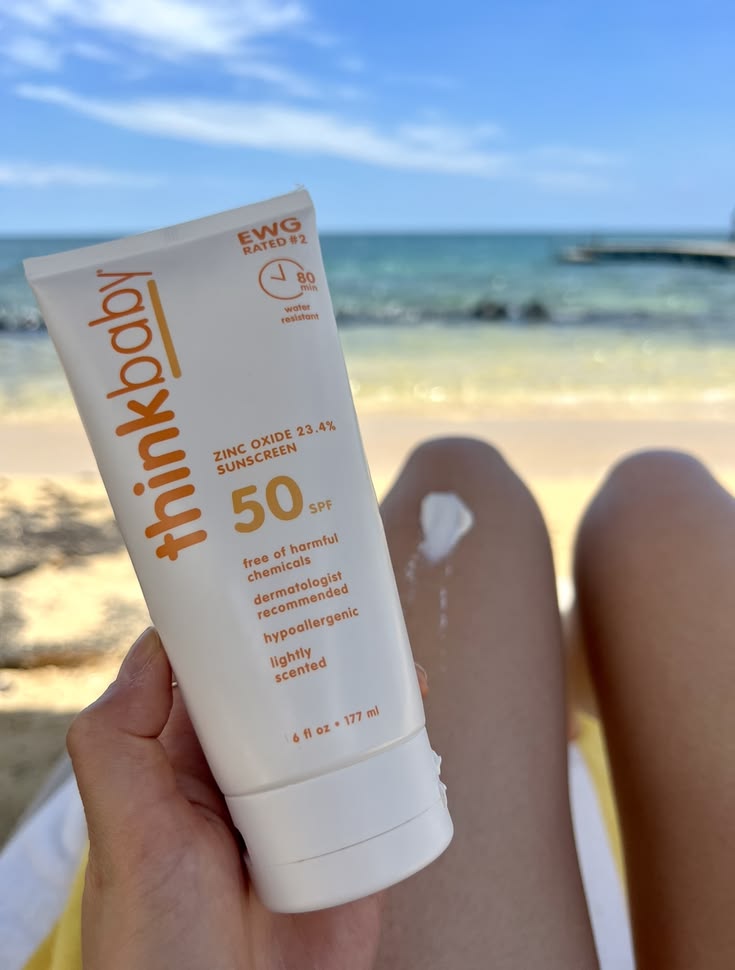
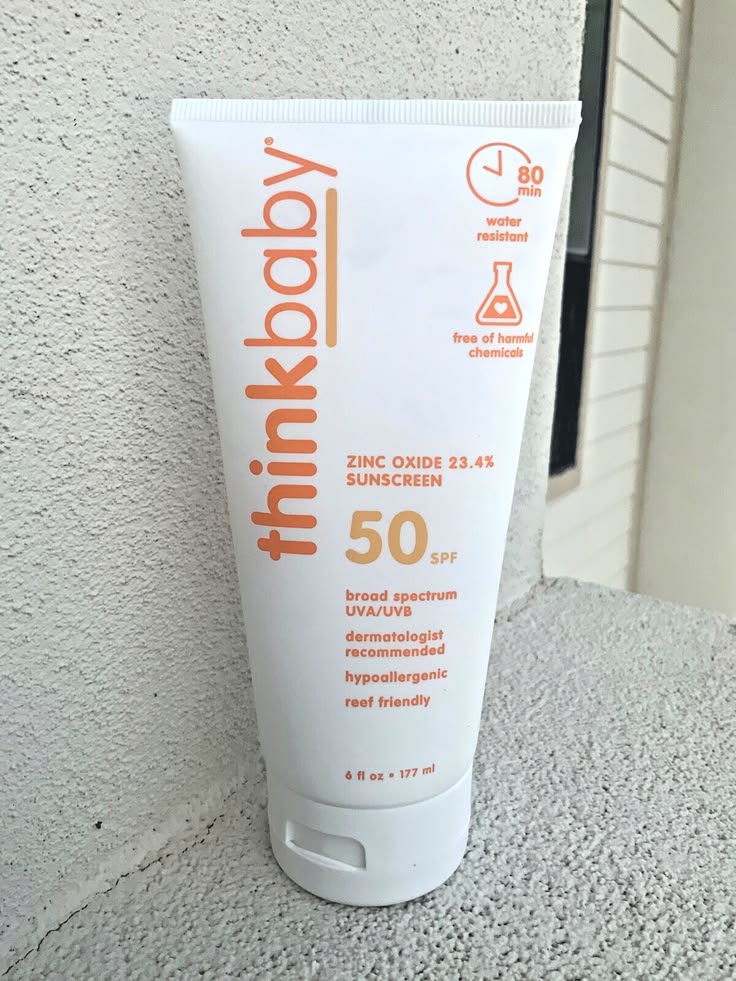
Most products look safe on the outside, but the moment you flip them over and scan the ingredient list, things get complicated fast.
Disclaimer: This article contains affiliate links. If you purchase through our links, we may earn a small commission at no extra cost to you. All opinions are our own and based on research and publicly available clinical data.
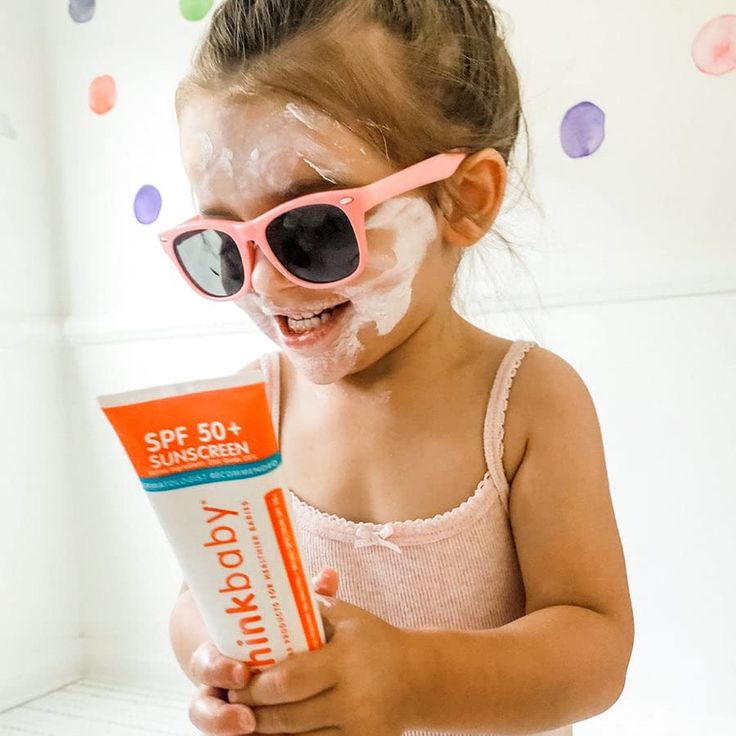
That’s exactly why Thinkbaby Safe Sunscreen SPF 50 has built such a loyal following among parents in the US, UK, and across Europe. It’s one of the few sunscreens that actually backs up its “safe” label with clinical evidence and third-party verification. But does it live up to the hype? And is it genuinely worth your money?
We put it to the test. Here’s our honest, in-depth Thinkbaby sunscreen review — no fluff, no sponsored bias.
Thinkbaby Sunscreen Review— Quick Summary
- Mineral sunscreen with 20–23.4% non-nano zinc oxide — no chemical UV filters
- EWG “1” rated since 2010 — top safety score
- First sunscreen to pass Whole Foods Premium Care requirements
- Broad-spectrum SPF 50+ with 80-minute FDA-certified water resistance
- Free of oxybenzone, avobenzone, parabens, phthalates, PABA, and BPA
- Contains hyaluronic acid, vitamin E, jojoba, sunflower & olive oil for hydration
- Vegan, cruelty-free (Leaping Bunny), reef-safe, gluten-free
- FSA/HSA eligible in the US
- White cast noticeable on medium-to-deep skin tones
- Thick texture — warm in hands before applying for easier blending
- Price: ~$13–16 (3oz) / ~$20–25 (6oz) View on Amazon (Best Price)
- Best for: babies 6 months+, pregnant women, sensitive skin, eco-conscious buyers
What Is Thinkbaby Safe Sunscreen SPF 50?
Thinkbaby is a brand born out of a very simple question: why are so many baby products full of chemicals that aren’t safe for babies?
Founded in 2006, the brand set out to create safer alternatives for children’s everyday products — starting with sunscreen. Since 2006, Thinkbaby has been creating safe products for little ones, targeting harmful consumer product categories and developing safer alternatives. ThinkSun
The result is the Thinkbaby Safe Sunscreen SPF 50 — a mineral-based, non-nano zinc oxide sunscreen that has gone on to become one of the most recommended baby sunscreens by dermatologists, pediatricians, and clean beauty advocates alike.
It was the first sunscreen to pass Whole Foods Premium Care requirements and has been top-rated by EWG since its creation in 2010, receiving a “1” rating — the highest possible score for safety. SkinSafe Products.
That kind of track record is hard to ignore.
Why Does Sunscreen Safety Matter So Much for Babies?
Before we get into the specifics of the Thinkbaby mineral sunscreen lotion, it helps to understand why choosing the right sunscreen for your baby actually matters — more than most parents realize.
There are two main types of sunscreen: mineral and chemical. They work in completely different ways.
Chemical sunscreens use UV-absorbing filters like oxybenzone, avobenzone, and octinoxate. These filters penetrate the skin, absorb UV radiation, and release it as heat. The problem? They don’t just stay on the surface. The FDA has stated it needs further data to determine whether oxybenzone can be considered safe and effective, and a 2023 review of 254 studies found mounting evidence that oxybenzone has endocrine-disrupting properties when sunscreen is applied normally, with the most concerning consequence being potential reproductive problems. EWG
For adults, that’s already concerning. For babies with thinner, more permeable skin? The stakes are even higher.
Oxybenzone has been detected in human breast milk, amniotic fluid, urine, and blood — and is allergenic and a potential endocrine disruptor. Environmental Working Group
Mineral sunscreens, on the other hand, work by sitting on top of the skin and physically deflecting UV rays. The FDA has confirmed that out of 16 sunscreen ingredients it reviewed, only two — zinc oxide and titanium dioxide — are “generally recognized as safe and effective.” EWG
Thinkbaby uses zinc oxide. That’s the entire point of the formula, and it’s why so many parents and dermatologists trust it.
If you want to understand this topic in more depth, check out our detailed breakdown of mineral vs chemical sunscreen for face and our guide on sunscreen SPF 30 vs SPF 50 — both worth reading before you make any sunscreen decision.
Thinkbaby Safe Sunscreen SPF 50: Full Ingredient Breakdown
Let’s talk ingredients — because that’s where the real story is.
Active Ingredient: This is the star of the show. Non-nano zinc oxide is the gold standard for baby-safe sun protection. It sits on top of the skin, reflects UV rays, and doesn’t absorb into the bloodstream. Zinc oxide rarely irritates the skin or stings the eyes, and this product offers reliable broad-spectrum UVA and UVB protection.
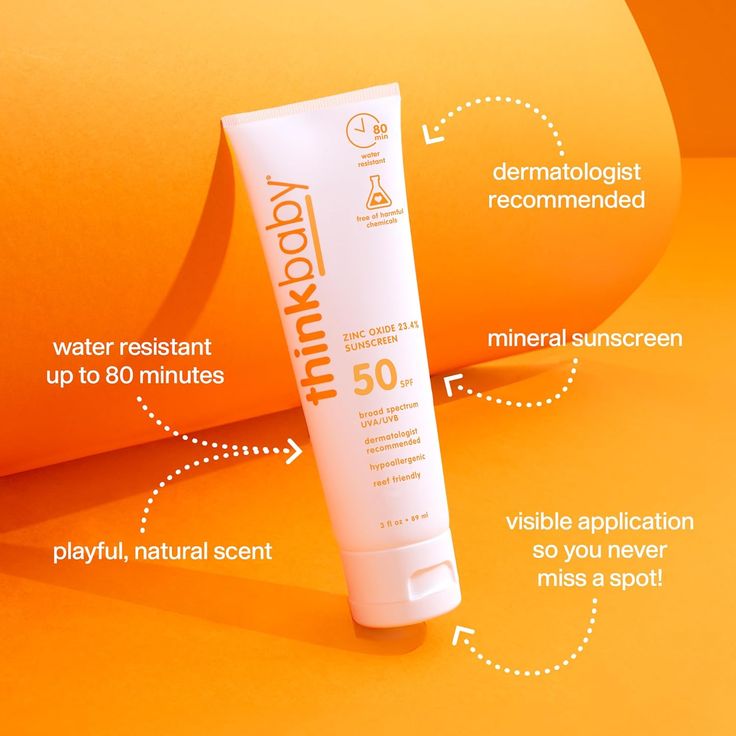
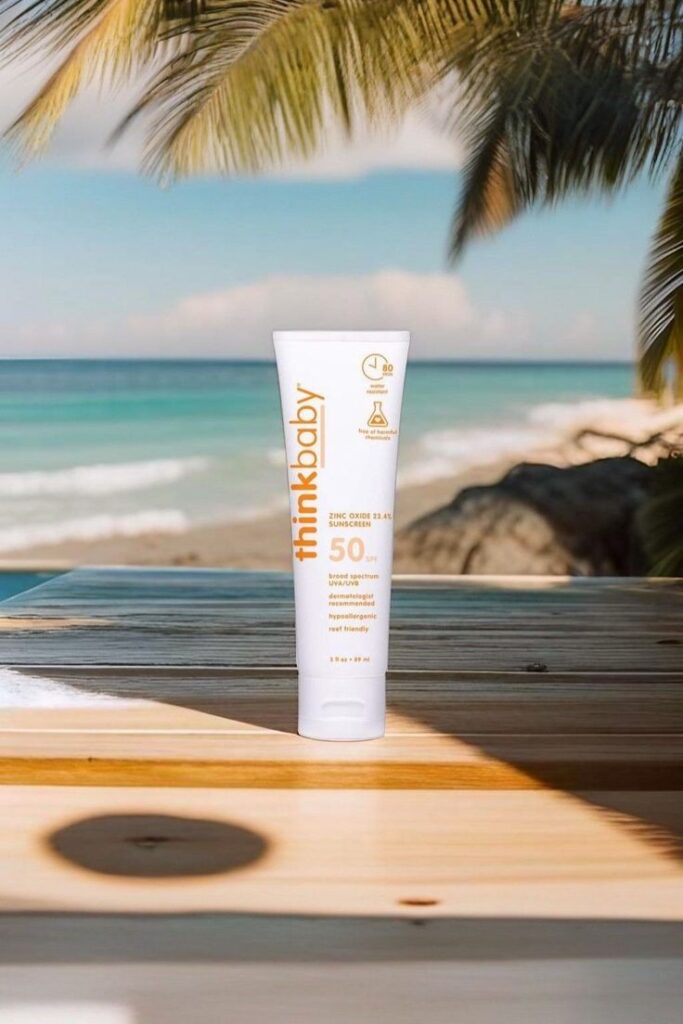
Inactive Ingredients: Purified Water, Caprylic/Capric Triglyceride, Polyglyceryl-4 Isostearate, Glycerin, Hydrogenated Glyceryl Abietate, Hexyl Laurate, Cetyl Dimethicone, Sorbitan Sesquioleate, Magnesium Sulfate, Tocopherol, Sodium Hyaluronate, Helianthus Annuus (Sunflower) Seed Oil, Simmondsia Chinensis (Jojoba) Seed Oil, Olea Europaea (Olive) Fruit Oil, Citrus Paradisi (Grapefruit) Peel Oil, Vaccinium Macrocarpon (Cranberry) Seed Oil, Rubus Idaeus (Raspberry) Seed Oil, Carica Papaya (Papaya) Fruit Extract, Hydrogenated Castor Oil, Caprylhydroxamic Acid, Triethoxycaprylylsilane, Glyceryl Caprylate, Natural Fragrance Oil.
A few standouts worth noting:
Glycerin & Sodium Hyaluronate (Hyaluronic Acid) — These are humectants that pull moisture into the skin, keeping baby’s skin hydrated rather than dried out after sun exposure. For a product that doubles as daily moisturization, this is a genuine bonus.
Tocopherol (Vitamin E) — A pure form of vitamin E that can help moisturize and protect the skin from free radicals, and is often used to help stabilize other ingredients in the formula. What’s in my jar
Sunflower, Jojoba, and Olive Oils — These plant-derived emollients soften and condition the skin without clogging pores.
What’s NOT in it: Thinkbaby is free of biologically harmful chemicals like avobenzone, oxybenzone, parabens, phthalates, PABA, 1,4-dioxane, and UV chemical absorbers. It’s also gluten-free, vegan, and Leaping Bunny certified cruelty-free. SkinSafe Products
For parents who are ingredient-conscious — and these days, most are — the Thinkbaby clear zinc sunscreen lotion ingredient list is about as clean as it gets.
How Does It Feel on Skin?
This is where we get into honest territory, because no sunscreen review is complete without real talk about texture and wearability.
Thinkbaby is a thick lotion. There’s no getting around that. With 23.4% zinc oxide, it goes on with some resistance and requires a good minute or two of blending to work it into the skin.
It does leave a noticeable white cast, especially on darker skin tones. If your baby has deeper skin, or you’re applying this to yourself, expect some ghostly residue. That’s a trade-off that comes with high-concentration zinc oxide formulas.
That said, the hydrating mineral sunscreen is quick and easy to apply to even the most active babies, and protection begins instantly. It won’t leave skin feeling oily or sticky, and has no unpleasant chemical scent. Amazon
One parent summed it up well: “It goes on thick and leaves a white cast, but that’s the tradeoff for truly clean sun protection.” Thoughtfulmom
For fair-skinned babies, the white cast is minimal and blends out reasonably well. For older kids and adults with medium-to-deep skin tones, it may be more noticeable.
Water Resistance and SPF Performance
Here’s where Thinkbaby really earns its reputation.
It provides highly effective SPF 50+ protection with the highest level of water resistance per the FDA — 80-minute water resistance — and broad-spectrum coverage for both UVA and UVB rays. SkinSafe Products
That 80-minute water resistance rating is the maximum allowed by the FDA. For beach days, pool sessions, or a sweaty summer afternoon at the park, that’s genuinely impressive.
The product offers good protection against both UVB and UVA rays, and should also be hydrating enough to use without an additional moisturizer during the day. What’s in My Jar
Broad-spectrum protection matters more than most people realize. UVB rays cause sunburn — the burn you see and feel. But UVA rays penetrate deeper, cause long-term skin damage, and contribute to early aging and skin cancer. Not all SPF 50 sunscreens protect equally against UVA, which is why broad-spectrum labeling is essential. You can read more about this in our detailed EltaMD UV Clear SPF 46 review.
Thinkbaby Sunscreen Price: Is It Worth the Cost?
Let’s talk about Thinkbaby sunscreen price, because it’s a fair question.
The 3 oz tube typically retails around $13–$16 USD on Amazon, while the larger 6 oz family-size runs around $20–$25 USD. It’s also FSA/HSA eligible in the US, which is a practical bonus for American families. Check the current price on Amazon here- Click Here
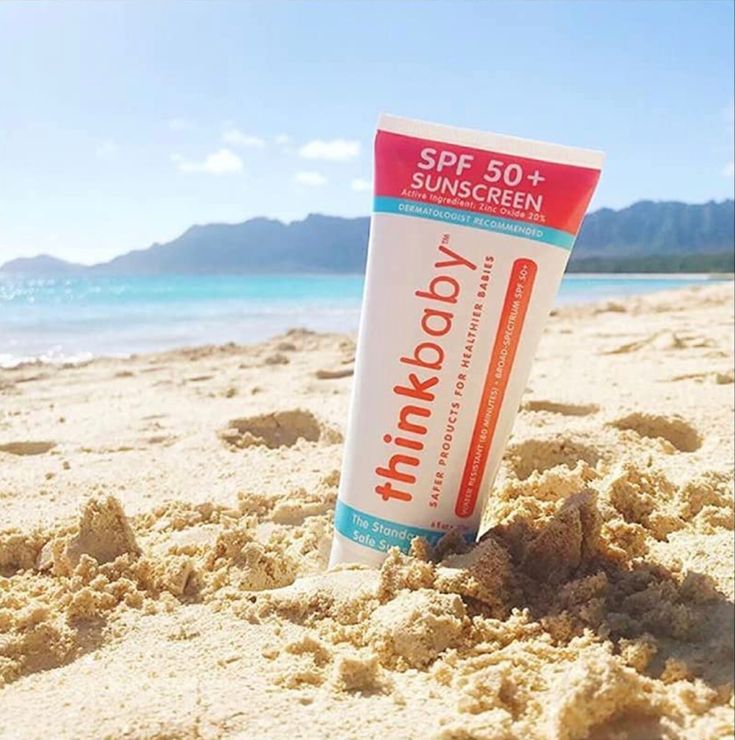
Compared to budget drugstore sunscreens, yes — Thinkbaby costs more. But compare it to other clean mineral sunscreens at a similar safety level, and it’s actually very competitive. Brands like EltaMD, Badger, or Blue Lizard often run at similar or higher price points with fewer certifications.
When you factor in EWG’s top rating, Leaping Bunny certification, Whole Foods Premium approval, and an ingredient list that dermatologists actually recommend — the price makes sense. You’re not paying for fancy packaging. You’re paying for research, safety testing, and peace of mind.
For parents who take ingredient safety seriously, that’s not a luxury. That’s the point.
Pros and Cons at a Glance
What We Love:
- Non-nano zinc oxide — the gold standard for baby-safe sun protection
- EWG “1” rated since 2010 — among the highest safety scores available
- Broad-spectrum SPF 50+ with 80-minute FDA-certified water resistance
- Free of oxybenzone, avobenzone, parabens, phthalates, PABA, and BPA
- Moisturizing formula with hyaluronic acid, vitamin E, and plant oils
- Vegan, cruelty-free, reef-safe, and gluten-free
- First sunscreen to pass Whole Foods Premium Care requirements
- FSA/HSA eligible in the US
What to Keep in Mind:
- Leaves a noticeable white cast, especially on medium to deep skin tones
- Thicker texture requires more blending time than chemical sunscreens
- Contains natural fragrance oil — a potential irritant for extremely sensitive skin
- Pricier than drugstore alternatives (though competitively priced among clean mineral sunscreens)
Who Is This Sunscreen Best For?
Thinkbaby Safe Sunscreen SPF 50 is an excellent choice for:
Parents of babies and young children — This is the core audience, and for good reason. Babies have thinner, more absorbent skin. Using a sunscreen free of chemical UV filters is a precaution most pediatric dermatologists now recommend.
Pregnant women — Given what we know about oxybenzone’s ability to cross into amniotic fluid and breast milk, switching to a mineral sunscreen during pregnancy and nursing is a sensible step. Thinkbaby is suitable for daily use on infants’ sensitive skin and for pregnant women. Natural Resources SF
People with sensitive or reactive skin — The absence of fragrance chemicals, harsh preservatives, and known allergens makes this a good pick for eczema-prone or easily-irritated skin. Check out our La Roche-Posay Toleriane Double Repair Moisturizer review if you’re building a sensitive-skin routine to pair with this.
Eco-conscious buyers — Reef-safe, biodegradable, and free of known reef-damaging chemicals. If you’re snorkeling in Hawaii or swimming in protected marine areas, this is a responsible choice.
People with fair skin — The white cast, which is a downside for deeper skin tones, is much less noticeable on fairer skin.
How to Apply Thinkbaby Sunscreen Correctly
Getting the most out of any sunscreen — including the Thinkbaby mineral sunscreen lotion — comes down to proper application.
Apply generously to all exposed skin at least 15 minutes before going outside. Don’t forget the ears, back of the neck, and the tops of the feet if your baby is going barefoot. Use more than you think you need — most people under-apply sunscreen, which cuts the effective SPF significantly.
For water use, reapply after 80 minutes. Reapply every two hours or more as needed, regardless of water exposure. Amazon
For babies under 6 months, the AAP recommends keeping them out of direct sunlight as the primary protection strategy. But for babies 6 months and older, a mineral sunscreen like Thinkbaby is exactly what pediatricians recommend.
How Thinkbaby Compares to Other Baby Sunscreens
Thinkbaby isn’t the only clean mineral baby sunscreen on the market, so how does it stack up?
Thinkbaby vs Badger Baby Sunscreen — Both are EWG highly rated and zinc oxide-based. Badger uses a simpler formula with fewer moisturizing ingredients. Thinkbaby wins on hydration and texture for everyday use.
Thinkbaby vs Blue Lizard Baby — Blue Lizard uses a similar zinc oxide base, but at a lower percentage (10%). Thinkbaby’s 23.4% zinc oxide offers stronger protection. For extended outdoor exposure, Thinkbaby has the edge.
Thinkbaby vs EltaMD UV Physical — EltaMD is excellent for adults and older children, but sits at a higher price point. If budget matters and you want equivalent mineral protection for little ones, Thinkbaby delivers comparable safety with more family-friendly pricing. For a full breakdown of EltaMD, read our EltaMD UV Clear SPF 46 review.
Real Parent Feedback
Parents who use Thinkbaby regularly tend to say the same things. The safety credentials are the main selling point — and once they’ve switched, most don’t go back to chemical sunscreens.
The most common criticism is the white cast. Fair enough. It is noticeable, especially on darker skin. But for the parents who use it, that’s a minor inconvenience against the peace of mind that comes with a truly clean formula.
The texture takes some getting used to. Work it between your palms first to warm it up slightly before applying — this makes blending considerably easier and reduces the white cast.
Our Verdict
After everything — the ingredients, the safety certifications, the performance data, and real-world use — here’s where we land.
Thinkbaby Safe Sunscreen SPF 50 is one of the most trustworthy baby sunscreens available. If your priority is a clean, clinically validated formula with zero compromise on UV protection, this belongs in your routine.
Is it perfect? No sunscreen is. The white cast is real, and the thick texture isn’t for everyone. But in a market crowded with products that use chemical UV filters, the FDA itself hasn’t cleared as safe, Thinkbaby stands apart.
For babies, toddlers, pregnant women, and anyone serious about what goes on their skin — this is a product that earns its reputation.
Frequently Asked Questions
Is Thinkbaby sunscreen safe for newborns?
The brand recommends use for babies 6 months and older, in line with AAP guidelines. For newborns, sun avoidance and protective clothing are the primary recommendations.
Does Thinkbaby sunscreen leave a white cast?
Yes — it does leave a visible white cast, particularly on medium to deep skin tones. This is inherent to the high zinc oxide concentration. Warming the product in your hands before application helps reduce it.
Is Thinkbaby sunscreen reef-safe?
Yes. It is reef-friendly, free of known reef-damaging chemicals, and achieves the highest level of biodegradability. SkinSafe Products
Can adults use Thinkbaby sunscreen?
Absolutely. The formula is gentle enough for all ages. Many adults with sensitive or eczema-prone skin use it as their everyday sunscreen.
Is Thinkbaby FSA/HSA eligible?
Yes, in the US, Thinkbaby SPF 50+ is FSA and HSA eligible.
Also Worth Reading on Review Dermatica
Building a complete skincare routine takes more than just sunscreen. Here are a few other guides that pair well with your sun protection:
- Best Non-Comedogenic Moisturizer — what to layer under sunscreen without clogging pores
- La Roche-Posay Toleriane Double Repair Moisturizer Review — a sensitive-skin favorite
- iUNIK Beta Glucan Power Moisture Serum — lightweight hydration that plays well with mineral SPF
- What Is Beta Glucan for Skin? — understand the ingredient behind calming and barrier repair
- Mineral vs Chemical Sunscreen for Face — the full breakdown you need before choosing your SPF
This article was reviewed for clinical accuracy. External references include the Environmental Working Group (EWG) Sunscreen Guide, FDA Sunscreen Ingredient Safety Data, and SkinSAFE allergen database.
About the Editorial Team
The Strategic Architect
Asim | Founder & Lead Analyst
Asim is the visionary behind Review Dermatica, blending technical SEO expertise with clinical skincare auditing. As a professional developer and strategist, he strips away marketing hype to focus on data-driven results for the USA market. His analytical approach ensures every 3,500+ word deep-dive meets the highest standards of accuracy, transparency, and search visibility.
The Scientific Mind
Tahmina Zannat Lamya | Co-Founder & Clinical Researcher
Tahmina is the scientific backbone of Review Dermatica. As an expert in cosmetic formulation and microbiome science, she audits the molecular structure of advanced bio-actives like PDRN and Ceramides. She ensures every clinical review is grounded in pharmaceutical-grade research, making complex ingredient science accessible to the modern “Skintellectual” audience.
Clinical Insights Cited From
Dr. Shereene Idriss, MD | Board-Certified Dermatologist
To ground our ingredient analysis in established medical science, Review Dermatica references the publicly available clinical insights and expertise of Dr. Shereene Idriss, a Harvard-trained, board-certified dermatologist and founder of Idriss Dermatology (NYC). Her evidence-based perspectives on skin health, laser therapy, and facial rejuvenation help inform the medical context behind our technical evaluations. Dr. Idriss is not affiliated with or employed by Review Dermatica; she is cited as an external clinical authority whose published work supports the accuracy of our content.
Disclaimer: This article contains affiliate links. If you purchase through our links, we may earn a small commission at no extra cost to you. All opinions are our own and based on research and publicly available clinical data.
1 thought on “Thinkbaby Sunscreen Review: Is This #1Baby-Safe SPF 50 Worth It?”