
Peptides vs Retinol: Which Wins for Anti-Aging? (+ 3 Best Picks Each)
Choosing between peptides and retinol is a key step in building a powerful anti-aging routine. While retinol speeds up cell turnover and fades wrinkles, it can often irritate sensitive skin. Peptides offer a gentler, non-irritating alternative by boosting collagen at the cellular level. In this quick clinical comparison, we break down the molecular science, fine line reduction, and top formula recommendations to help you pick the right active for your skin barrier.
Executive Summary: Peptides vs. Retinol at a Glance
- Core Decision: It comes down to how well your skin barrier tolerates biological stimulation.
- Shared Goal: Both actives are clinically proven to rebuild the extracellular matrix, restore dermal firmness, and smooth fine lines.
- Key Difference: They achieve these anti-aging results through fundamentally opposite biological pathways.
- Peptides: Boost collagen directly at the cellular level with minimal risk of irritation.
- Retinol: Accelerates cellular turnover for deep renewal, but requires a strong skin barrier to avoid sensitivity.
Affiliate Disclosure: Review Dermatica is reader-supported. When you purchase products through our links, we may earn an affiliate commission at no extra cost to you. We independently test and clinically audit every formula.
Top 3 Peptide Serums
Top 3 Retinol Serums
Direct Feature Comparison
| Clinical Metric | Retinol (Vitamin A Derivative) | Peptides (Amino Acid Chains) |
| Primary Mechanism | Binds RARs to accelerate cell turnover & suppress collagenase | Signals fibroblast receptors to synthesize collagen, elastin & GAGs |
| Target Skin Layer | Epidermis (surface renewal) & Dermis (collagen preservation) | Dermis (extracellular matrix repair & structural integrity) |
| Barrier Impact | Temporary transepidermal water loss (TEWL) & desquamation during retinization | Barrier-strengthening; improves hydration & lipid envelope resilience |
| Irritation Risk | Moderate to High (erythema, scaling, purging) | Near Zero (non-comedogenic, non-photosensitizing) |
| Time to Visible Results | 8 to 12 weeks for texture; 24+ weeks for structural wrinkles | 4 to 8 weeks for hydration/firmness; 12 to 16 weeks for deep lines |
| Best For | Photoaged skin, hyperpigmentation, deep wrinkles, acne-prone skin | Compromised barrier, reactive skin, loss of elasticity, preventative anti-aging |
Introduction: The Anti-Aging Dilemma
For over three decades, dermatologists have considered topical retinoids the indisputable gold standard of non-invasive anti-aging treatments. From smoothing stubborn crow’s feet to evening out mottled hyperpigmentation, retinol’s ability to reprogram cellular behavior is supported by thousands of peer-reviewed clinical trials.
However, there is a catch that beauty marketing rarely addresses clearly: retinol forces skin renewal at the expense of your protective lipid barrier. The resulting retinoid dermatitis—characterized by redness, flaking, tightness, and stinging—causes many users to abandon their treatment long before noticeable collagen synthesis occurs.
This barrier challenge has elevated peptides as a leading clinical alternative. Instead of forcing rapid cell turnover, biomimetic peptides act as delicate cellular messengers. They tell your skin to repair itself, build fresh collagen, and restore lost density—all without disrupting your skin barrier.
In this comprehensive evaluation of peptides vs retinol, we analyze the molecular science, review clinical trial data, compare copper peptides vs retinol, evaluate the best peptides vs retinol for wrinkles, and help you select the best peptide serum for anti-aging or a reliable retinol alternative for sensitive skin.
1. Deep Clinical Dive: Molecular Mechanisms
To understand how peptides vs retinol function, we must examine what happens at the molecular level when these molecules make contact with human keratinocytes and dermal fibroblasts.
Retinol: The Forced Cellular Resurfacing Agent
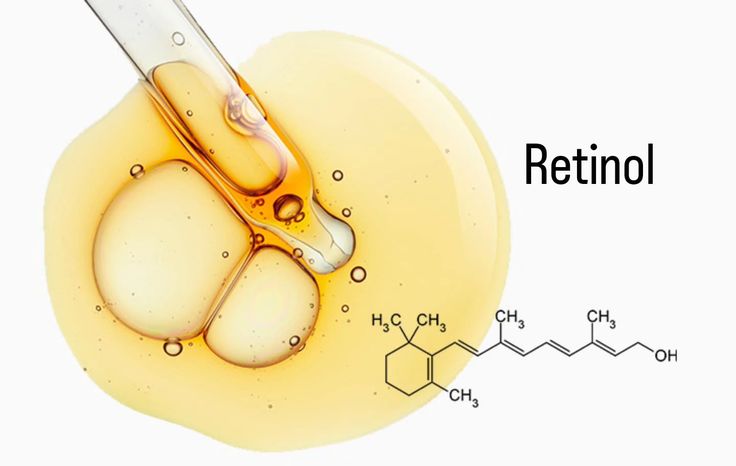
Retinol is an over-the-counter derivative of Vitamin A. It is a lipophilic precursor that penetrates the stratum corneum easily. However, pure retinol is biologically inactive; once inside the skin, it undergoes a two-step enzymatic conversion:
- Retinol is oxidized into Retinaldehyde (Retinal) by alcohol dehydrogenases.
- Retinaldehyde is further oxidized into All-Trans Retinoic Acid (Tretinoin) by aldehyde dehydrogenases.
Once retinoic acid is formed, it binds directly to nuclear retinoic acid receptors (RARs) and retinoid X receptors (RXRs) inside skin cells. This nuclear binding triggers two crucial changes:
- Accelerated Epidermal Proliferation: It shortens the cell turnover cycle from the usual 28 days down to 14–21 days, rapidly shedding damaged surface cells.
- Inhibition of Collagenases: It downregulates Matrix Metalloproteinases (MMPs)—the enzymes responsible for breaking down existing collagen when skin is exposed to UV radiation.
While this dual mechanism delivers powerful smoothing results, forcing desquamation frequently strips the stratum corneum of essential ceramides and lipids, leading to temporary moisture loss.
Peptides: Biomimetic Receptors and Signal Transducers
Peptides are short-chain amino acid polymers linked by peptide bonds. Rather than entering the cell nucleus to force division, peptides act as targeted ligands that bind to specific receptors on the surface of cell membranes.
Topical peptides fall into four major biochemical categories:
- Signal Peptides: Synthesized sequences (such as Palmitoyl Pentapeptide-4 / Matrixyl) that trick fibroblasts into believing collagen degradation has occurred. This activates the Transforming Growth Factor-beta (TGF-β) pathway, boosting the production of Collagen Types I, III, and IV.
- Carrier Peptides: Specialized complexes (like Copper Tripeptide-1 or GHK-Cu) that deliver essential trace minerals into dermal tissue. Copper serves as a crucial cofactor for lysyl oxidase, an enzyme required for cross-linking collagen and elastin fibers into a strong structural matrix.
- Neurotransmitter-Inhibiting Peptides: Molecules like Acetyl Hexapeptide-8 (Argireline) that inhibit the SNAP-25 protein complex. This subtly reduces the muscle contractions that cause expression lines.
- Enzyme-Inhibitor Peptides: Formulations designed to block proteins that degrade structural dermal components.
2. In-Depth Comparison: Peptides vs Retinol for Wrinkles
When evaluating peptides vs retinol for wrinkles, understanding where and how lines form determines which active ingredient will perform better for your skin.
Anti-Aging Mechanisms Across Skin Layers
- Stratum Corneum: Retinol accelerates shedding and surface smoothing.
- Epidermis: Peptides enhance hydration, structural resilience, and barrier density.
- Dermis: Both active ingredients stimulate collagen, elastin, and glycosaminoglycans (GAGs) synthesis.
Static vs. Dynamic Wrinkles
- Dynamic Wrinkles (Expression Lines): These form around the eyes, forehead, and mouth due to repeated muscle contractions.
- Peptides—specifically neurotransmitter-inhibiting peptides like Argireline and Leuphasyl—offer targeted benefits here. They soften muscular micro-tension without requiring skin shedding.
- Static Wrinkles (Photoaging & Structural Collapse): These deep creases remain visible even when your face is fully relaxed, caused by UV-induced collagen breakdown and dermal thinning. Retinol excels at treating static wrinkles by boosting epidermal thickness and inhibiting UV-activated degradation enzymes.
3. Head-to-Head Analysis: Copper Peptides vs Retinol
One of the most frequent clinical questions we address at Review Dermatica is how copper peptides vs retinol compare.
GHK-Cu Copper Peptides vs. Topical Retinol
- Biological Mechanism: Copper peptides rely on biomimetic signaling, whereas retinol functions via direct nuclear receptor binding.
- Gene Regulation: GHK-Cu modulates approximately 4,000 human genes toward tissue repair, while retinol modulates roughly 300 to 500 genes focused on turnover and matrix retention.
- Photosensitivity: Copper peptides cause zero photosensitivity, making them safe for day or night use. Retinol induces high photosensitivity, requiring mandatory sunscreen application.
- Wound Healing & Structural Support: Copper peptides accelerate tissue repair and act as an essential cofactor for lysyl oxidase. Retinol can temporarily impair fragile barrier recovery during initial usage.
Copper peptides (specifically GHK-Cu) represent an advanced subgroup of carrier peptides. The GHK tripeptide sequence occurs naturally in human blood plasma. Plasma levels sit around 200 ng/mL at age 20, but decline sharply to under 80 ng/mL by age 60.
4. Retinol Alternatives for Sensitive Skin
If your skin suffers from rosacea, eczema, or an easily disrupted lipid barrier, traditional retinoids may cause persistent flaking and redness rather than anti-aging results.
When searching for an effective retinol alternative for sensitive skin, peptides offer a compelling solution.
Stratum Corneum & Barrier Resilience Impact
- Retinol Impact: Strips surface lipids $\rightarrow$ Increases Transepidermal Water Loss (TEWL) $\rightarrow$ Causes temporary erythema/flaking.
- Peptides Impact: Fortifies envelope proteins $\rightarrow$ Increases internal skin hydration $\rightarrow$ Restores calm, supple barrier function.
Why Peptides Excel for Reactive Skin
- No Purging Phase: Retinol accelerates cellular turnover, bringing underlying microcomedones to the surface all at once. Peptides do not alter keratinocyte shedding rates, completely avoiding purging breakouts.
- Barrier Fortification: Many anti-aging peptide serums combine active peptides with ceramides, hyaluronic acid, and beta-glucan. To learn more about soothing hydration, read our guide on what is beta-glucan for skin.
- Compatibility with Sensitive Actives: Retinol frequently clashes with exfoliating acids and concentrated Vitamin C. Peptides layer smoothly alongside non-acidic barrier products like IUnik Beta-Glucan Power Moisture Serum. For complementary barrier support, pair them with the La Roche-Posay Toleriane Double Repair Face Moisturizer or First Aid Beauty Ultra Repair Cream.
5. Curated Top Recommendations: 3 Best Peptide Serums & 3 Best Retinol Products
To help you choose the right formula, our technical editorial team audited ingredient profiles, stability metrics, peptide concentrations, and real-world clinical performance.
Top 3 Peptide Serums
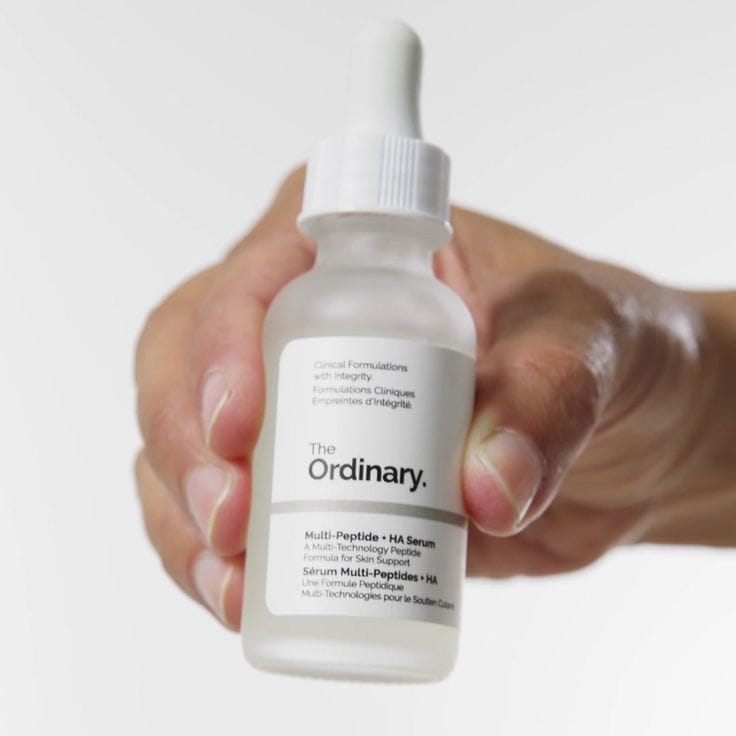
1. The Ordinary Multi-Peptide + HA Serum (Formerly “Buffet”)
- Best For: Comprehensive everyday preventative anti-aging.
- Key Actives: Matrixyl 3000, Matrixyl Synthe’6, SYN-AKE, Relistase, Argireline, Probiotics.
- Clinical Rationale: This serum combines multiple signal and neurotransmitter-inhibiting peptides into a lightweight, water-based hyaluronic acid matrix. It targets surface dehydration while delivering signal peptides to dermal fibroblasts.
- Pros:
- Multi-peptide blend addresses fine lines from several pathways.
- Very affordable option for daily anti-aging care.
- Lightweight, easily layerable texture.
- Cons:
- Can feel slightly tacky if over-applied.
- Lacks pure GHK-Cu copper peptides.
- Read Detailed Review: The Ordinary Buffet Peptide Serum Review
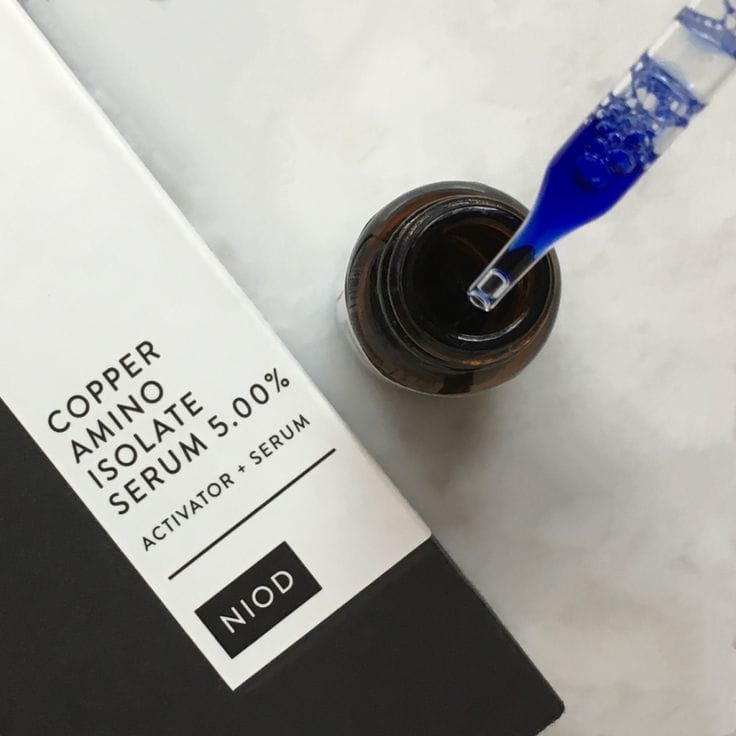
2. NIOD Copper Amino Isolate Serum 3:1:1 (CAIS 3)
- Best For: Advanced clinical remodeling and high-potency collagen signaling.
- Key Actives: 1.0% Pure GHK-Cu (Copper Tripeptide-1) + 1.0% GHK Tripeptide.
- Clinical Rationale: NIOD’s formula separates pure GHK-Cu tripeptides until activation, protecting peptide stability. It accelerates structural repair, tightens sagging tissue, and evens out skin texture.
- Pros:
- High concentration of direct GHK-Cu copper peptides.
- Water-thin consistency penetrates quickly into dermal layers.
- Ideal for post-procedure skin recovery.
- Cons:
- Premium price point.
- Requires careful pairing (cannot be mixed directly with strong acids or pure L-Ascorbic Acid).
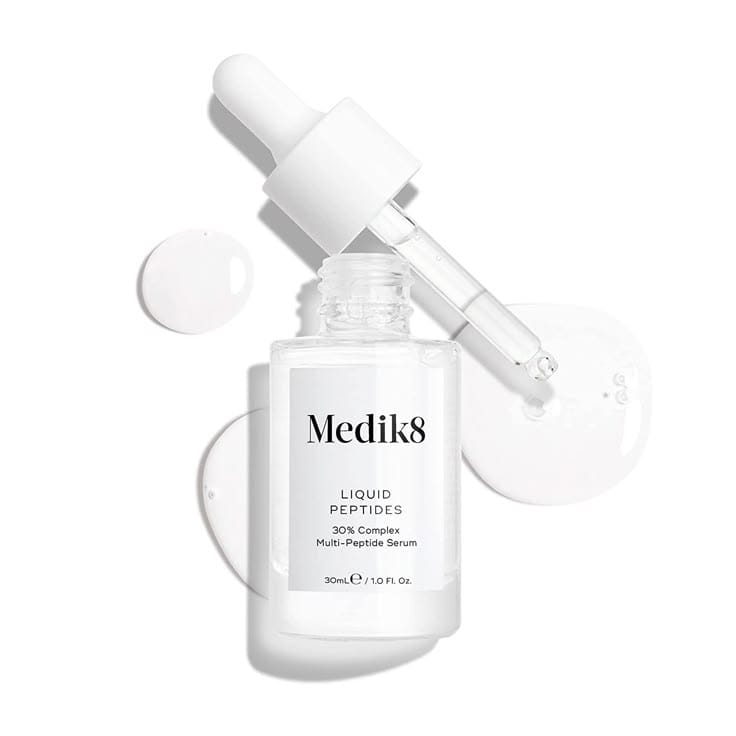
3. Medik8 Liquid Peptides
- Best For: Targeted expression lines and deep hydration.
- Key Actives: 30% Multi-Peptide Complex, Drone-Targeted Copper Peptide, Matrixyl 3000, Hyaluronic Acid.
- Clinical Rationale: Uses an advanced cosmetic drone delivery system that encapsulates copper peptides. This allows the active molecules to navigate directly to targeted fibroblast receptors before releasing.
- Pros:
- Drone technology ensures efficient active delivery.
- Plumps surface fine lines almost immediately.
- Extremely gentle on sensitive or reactive skin types.
- Cons:
- Requires consistent twice-daily use for maximum deep-wrinkle reduction.
Top 3 Retinol Serums
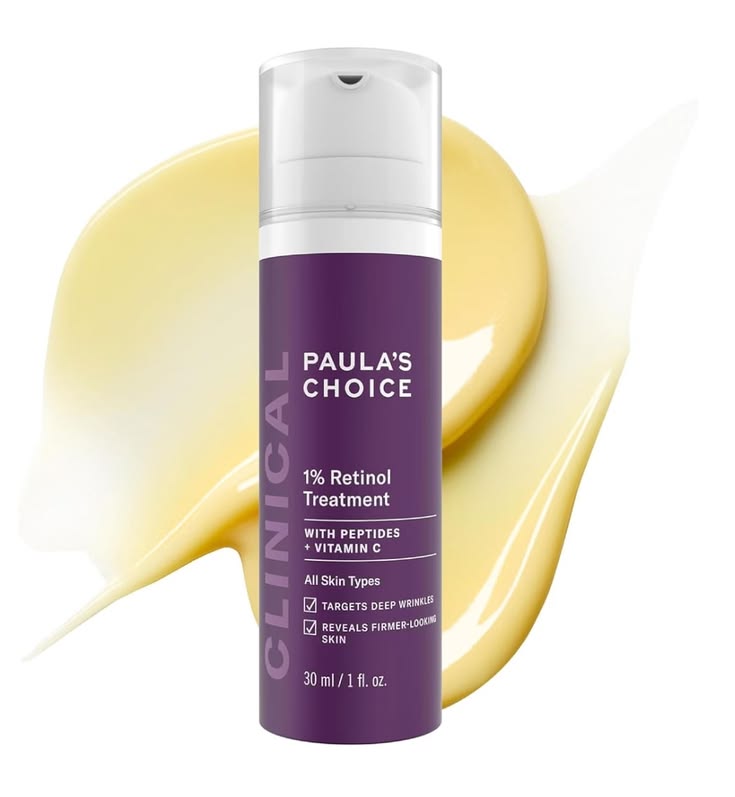
1. Paula’s Choice 1% Retinol Treatment
- Best For: Advanced photoaging, stubborn wrinkles, and uneven skin texture.
- Key Actives: 1.0% Encapsulated Retinol, Palmitoyl Tetrapeptide-7, Ceramides, Oat Extract.
- Clinical Rationale: Blends high-potency 1.0% encapsulated retinol with soothing oat extracts and barrier-supporting ceramides. The slow-release encapsulation system minimizes retinoid dermatitis while maintaining strong cellular turnover rates.
- Pros:
- Delivers clinical-strength cell renewal.
- Encapsulation tech reduces surface irritation.
- Includes ceramides to cushion the skin barrier.
- Cons:
- Too intense for retinoid beginners.
- Requires a gradual 4-to-6 week introduction period.
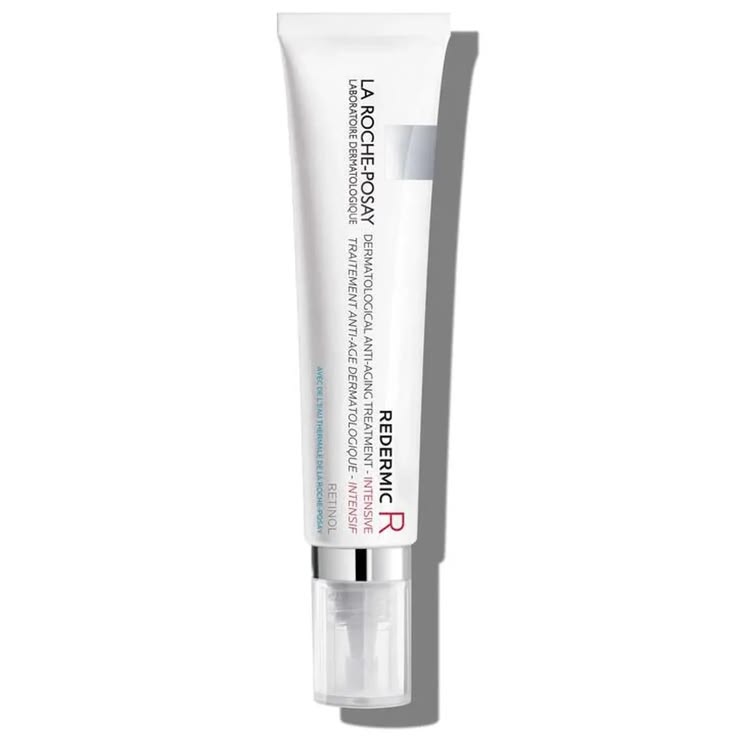
2. La Roche-Posay Redermic R Anti-Aging Retinol Serum
- Best For: Sensitive skin types introducing retinoids for the first time.
- Key Actives: 0.1% Pure Retinol + 0.2% Retinyl Linoleate (Slow-Release Complex) + LHA (Lipo-Hydroxy Acid).
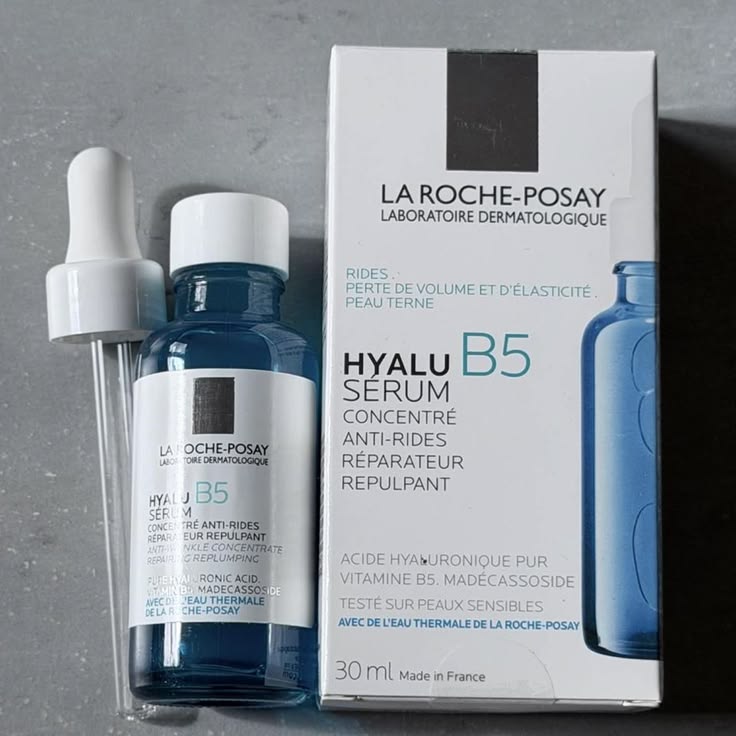
- Clinical Rationale: Combines pure retinol with a gentler retinoid ester and LHA to micro-exfoliate the skin surface. It offers effective wrinkle care without over-stripping sensitive lipid envelopes. For complementary hydration, pair it with La Roche-Posay Hyalu B5 Serum.
- Pros:
- Excellent tolerance profile on reactive skin.
- Micro-exfoliating LHA smooths rough surface patches.
- Dermatologist-tested on sensitive skin types.
- Cons:
- Slower results on deep structural wrinkles compared to higher concentrations.
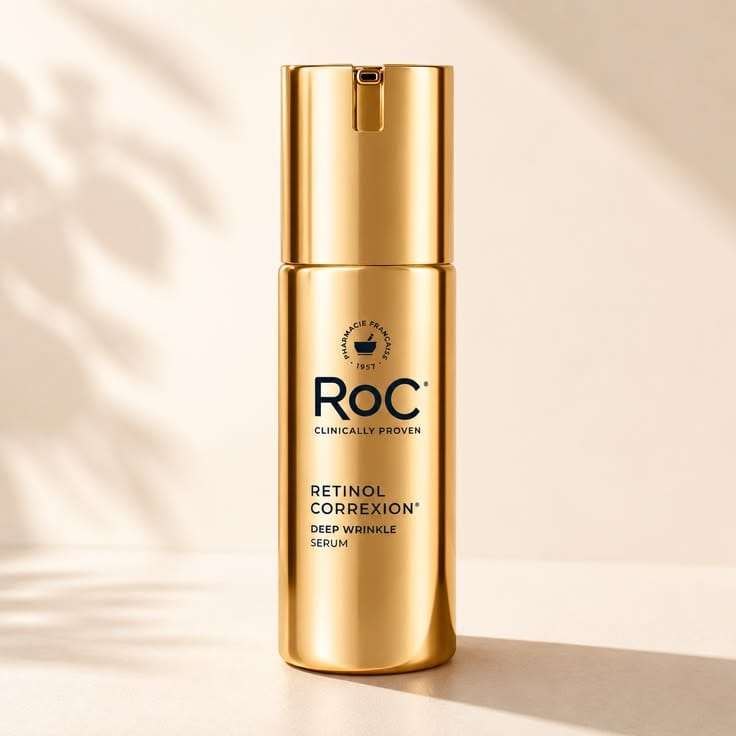
3. RoC Retinol Correxion Deep Wrinkle Serum
- Best For: Budget-friendly, clinically backed fine line reduction.
- Key Actives: Pure RoC Retinol, Magnesium, Zinc, Copper Mineral Complex.
- Clinical Rationale: RoC utilizes a stabilized mineral complex that enhances retinol bioavailability while managing oxidation risk. It remains a reliable, accessible option for targeting crow’s feet and forehead lines.
- Pros:
- Widely accessible and cost-effective.
- Mineral complex supports natural enzymatic skin functions.
- Lightweight lotion formula layers easily under night creams.
- Cons:
- Features added fragrance, which may irritate hyper-reactive skin.
6. How to Layer or Combine Peptides and Retinol Safely
You do not necessarily have to choose between peptides vs retinol. Combining both actives into a well-structured skincare routine can offer complementary benefits: retinol drives surface renewal and collagenase suppression, while peptides supply the amino acids required for dermal reconstruction.
Recommended Daily Routine Schedule
Option A: Day / Night Separation (Safest Method)
- Morning (AM Routine):
- Gentle Water-Based Cleanser (e.g., Round Lab 1025 Dokdo Toner or Paula’s Choice Skin Balancing Toner).
- Antioxidant / Peptide Serum (e.g., best peptide serum for anti-aging like The Ordinary or Medik8).
- Hydrating Serum (e.g., Hyaluronic Acid vs Glycerin).
- Barrier Moisturizer (e.g., Kiehl’s Ultra Facial Cream or Neutrogena Hydro Boost vs CeraVe).
- Broad-Spectrum Sunscreen (e.g., EltaMD UV Clear vs Supergoop Unseen Sunscreen or Thinkbaby Sunscreen).
- Evening (PM Routine):
- Oil Cleanser (e.g., Anua Heartleaf Pore Control Cleansing Oil).
- Hydrating Soothing Essence (e.g., I’m From Mugwort Essence Review or Anua PDRN Hyaluronic Acid 100).
- Retinol Serum (applied to completely dry skin).
- Nourishing Recovery Cream (e.g., Best Non-Comedogenic Moisturizer).
Option B: Strategic Layering (For Experienced Skin)
If applying both actives at night, follow the pH and Molecular Weight Rule:
- Apply your water-based peptide serum first onto clean skin and let it absorb for 2 to 3 minutes.
- Follow with your retinol treatment.
- Finish with a rich lipid barrier cream to lock in active ingredients and minimize TEWL.
Crucial Formulating Warning: Avoid mixing copper peptides (GHK-Cu) directly in the same step with high-strength pure L-ascorbic acid (Vitamin C) or direct exfoliating acids like COSRX BHA Blackhead Power Liquid. Strong acidic environments (pH under 4.0) can break copper-peptide bonds, rendering both active ingredients ineffective.
Final Verdict from the Review Dermatica Clinical Team
In the ultimate comparison of peptides vs retinol, neither active ingredient is strictly “better”—they operate through different, highly complementary biological mechanisms.
- Retinol remains unmatched for rapid epidermal resurfacing, clearing hyperpigmentation, and stopping collagen-degrading enzymes in resilient skin.
- Peptides win for barrier preservation, structural remodeling, soothing deep hydration, and providing a powerful retinol alternative for sensitive skin.
If your skin barrier can handle it, combining both—peptides in the AM to support and hydrate, retinol in the PM to resurface and renew—delivers the most complete anti-aging strategy available today.
Frequently Asked Questions (FAQ)
Can I use peptides and retinol together in the same routine?
Yes, you can safely use peptides and retinol together. The most effective approach is applying your peptide serum in the morning to support your skin barrier and using retinol at night to stimulate turnover. If applying both at night, apply the peptide serum first, wait a few minutes, and follow with your retinol treatment.
Are copper peptides better than retinol for deep wrinkles?
Copper peptides (GHK-Cu) and retinol treat deep wrinkles differently. Copper peptides work by signaling fibroblasts to build collagen and repair tissue without irritation, while retinol speeds up cell turnover and stops collagen breakdown. For sensitive skin, copper peptides can trigger collagen production faster initially, though retinol remains the gold standard for long-term photoaging.
Do peptides cause skin purging like retinol?
No, peptides do not cause skin purging. Retinol speeds up cellular turnover, which brings hidden microcomedones to the surface quickly. Peptides work by binding to cell surface receptors to signal structural repair without accelerating skin shedding, avoiding purging breakouts altogether.
What is the best retinol alternative for sensitive skin?
Signal peptides and copper peptides are among the best retinol alternatives for sensitive skin. They deliver firming and line-smoothing benefits without triggering the redness, flaking, or barrier damage associated with retinoid use.
Editorial Information & Clinical Disclosure
- Author & Lead Analyst: MD Newaj Hossain Asim (Founder & Lead Technical Editor, Review Dermatica)
- Clinical Researcher: Tahmina Zannat Lamya (Co-Founder & Microbiome Science Specialist)
- Medical Disclaimer: This article is for informational purposes only and does not constitute medical advice. Consult a board-certified dermatologist before starting new active ingredients.
- Affiliate Disclosure: Review Dermatica is reader-supported. When you purchase products through our links, we may earn an affiliate commission at no extra cost to you. We independently test and clinically audit every formula.
8 thoughts on “Peptides vs Retinol: Which Wins for Anti-Aging? (+ 3 Best Picks Each)”