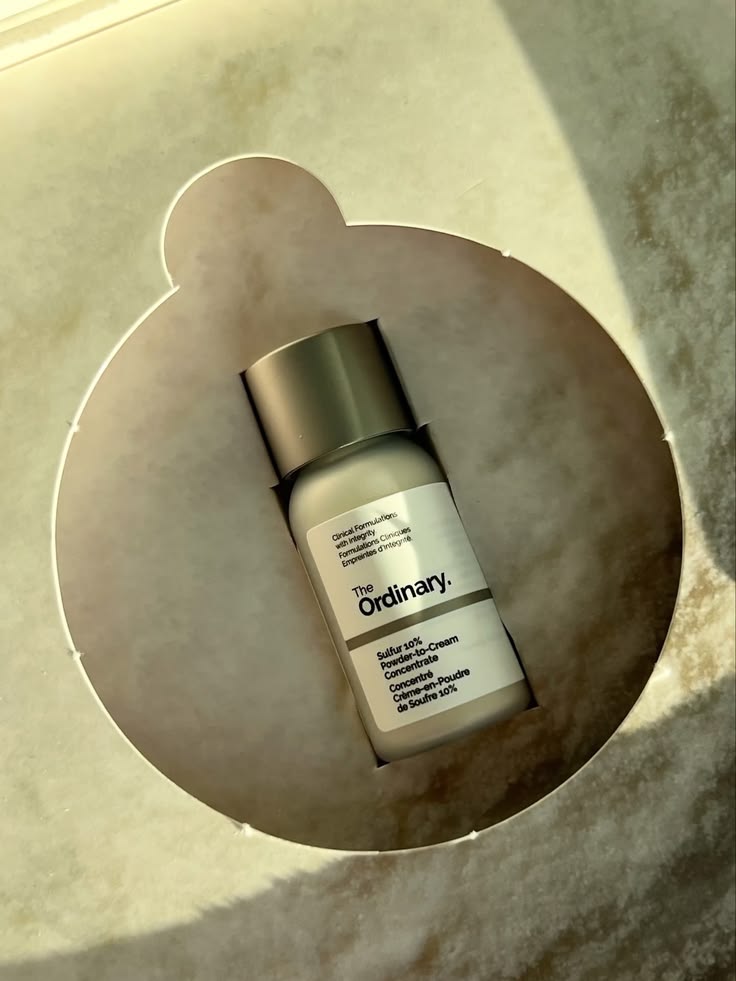
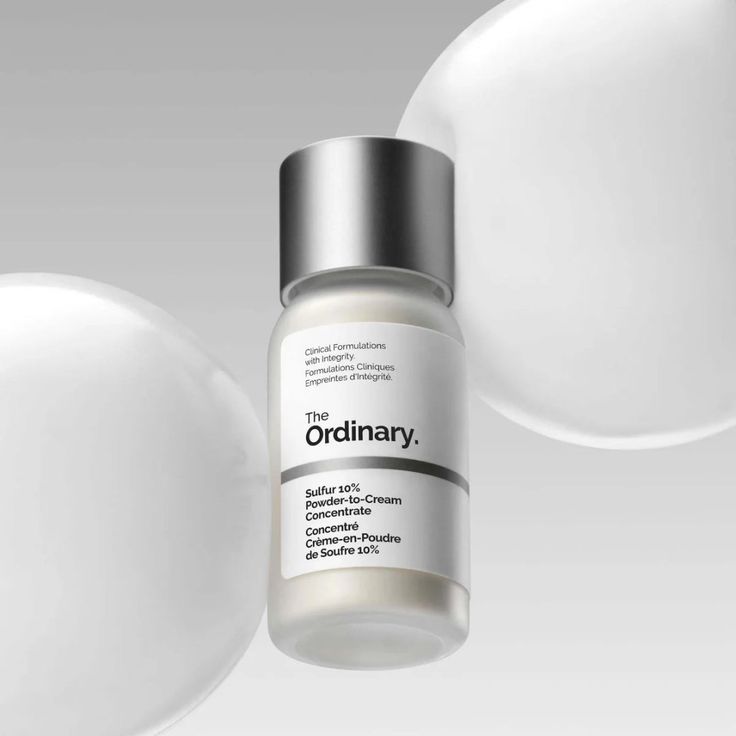
If you have spent any time in the acne corner of skincare forums lately, you have probably seen someone mention this small, unassuming tube from The Ordinary. This The Ordinary Sulfur Powder review exists because the internet is currently split into two camps: people who swear it flattened a cystic breakout overnight, and people who bought it, felt confused by the texture, and quietly stopped using it after a week. We wanted to figure out which camp has the science on its side.
Sulfur is not a new ingredient. It has been used in dermatology for close to a century, long before benzoyl peroxide or retinoids existed. But “old” does not automatically mean “outdated,” and it also does not automatically mean “effective for you specifically.” In this review, we are going to walk through exactly what is in the formula, what the sulfur is doing at a cellular level, how to actually use a powder-to-cream product correctly, who it is and is not suited for, and how it stacks up price-wise against other sulfur treatments on the market. We will also be upfront about where the evidence is strong and where it is thinner than the marketing suggests.
Affiliate Disclosure: Review Dermatica is reader-supported. Some links in this article are affiliate links, which means we may earn a small commission if you purchase through them, at no extra cost to you. This never affects which products we choose to review or how we rate them.
Quick Summary
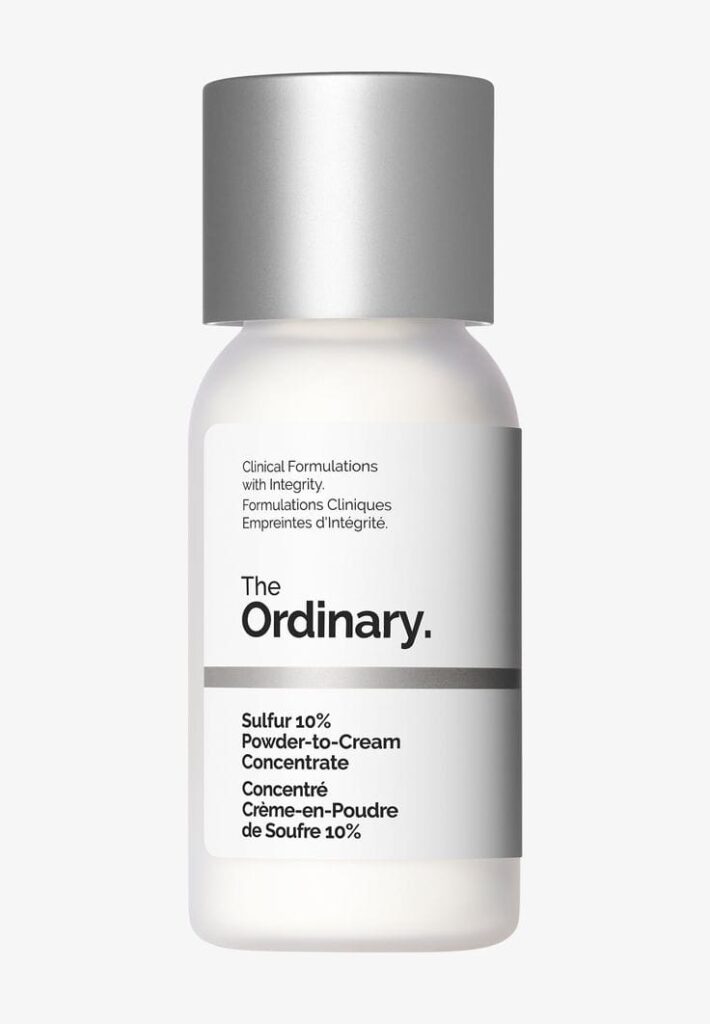
- Product: The Ordinary Sulfur 10% Powder-to-Cream Concentrate
- Key active: 10% Sulfur (colloidal), plus niacinamide and L-carnitine
- Best for: Active inflammatory breakouts, oily and combination skin, occasional spot treatment use
- Not ideal for: Very dry or reactive skin used as a leave-on-all-over treatment; anyone who has already patch-tested other sulfur products and reacted badly
- Texture: Fine powder that transforms into a cream on contact with skin
- Price: Roughly $9.90 to $11 USD for a 0.17 to 0.18 oz (about 5g) bottle, which The Ordinary states is equivalent to more than 150 individual spot applications
- Verdict: A genuinely well-formulated, evidence-backed spot treatment at a fair price, with a clever delivery format, but it rewards patience and correct technique more than instant miracle expectations.
What Is The Ordinary Sulfur 10% Powder-to-Cream Concentrate?
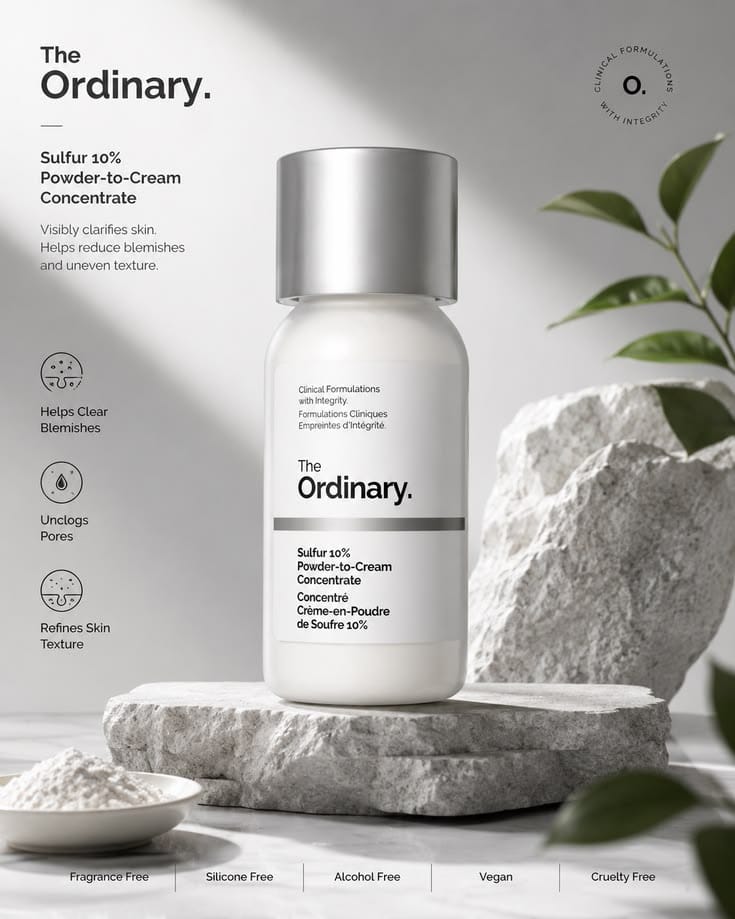
This is a targeted spot treatment, not a leave-on serum you spread across your whole face. The formula’s headline ingredient is 10% sulfur, delivered in a genuinely clever base: a fine, loose powder that sits in the bottle until you apply pressure with your finger, at which point it converts into a light, semi-matte cream on contact with skin. This “powder-to-cream” mechanic is not just a texture gimmick. It exists because sulfur particle size matters for efficacy, and keeping the active as a dry powder until the moment of use helps preserve it and control dosing far more precisely than a wet cream base would.
Alongside the sulfur, the formula includes niacinamide (commonly included for its role in supporting the skin barrier and calming visible redness) and L-carnitine, an amino acid derivative The Ordinary has also used in its exfoliating and hydration lines. The rest of the ingredient list — kaolin, acacia senegal gum, silica silylate, glycerin — functions mainly to stabilize the powder and help it glide onto skin without feeling gritty.
Full ingredient list: Glycerin, Propanediol, Silica Silylate, Sulfur, Water, Carnitine, Niacinamide, Acacia Senegal Gum, Kaolin, Polylysine, Citric Acid, Sodium Citrate, Ethylhexylglycerin, Phenoxyethanol, Chlorphenesin.
It is fragrance-free, free of parabens and sulfates, and formulated without alcohol denat, which matters if you are pairing this with other actives that already dry the skin out, such as the exfoliating acids covered in our BHA blackhead liquid review.
The Science: How Sulfur Actually Works on Acne
This is the section most reviews skip, and it is the part that actually determines whether this product deserves a spot in your routine.
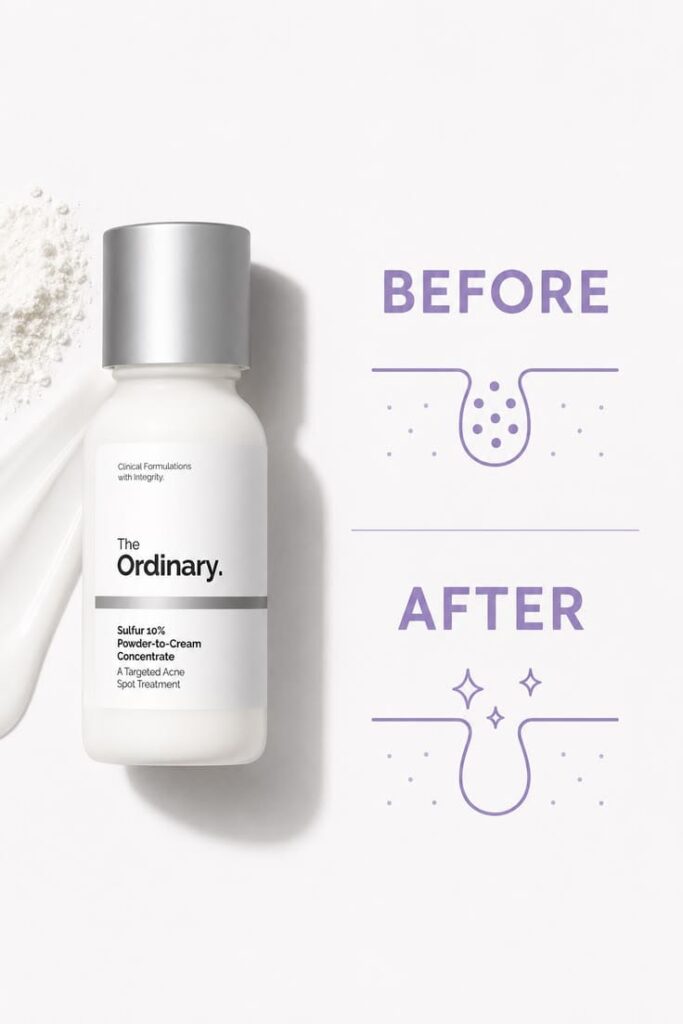
The Ordinary reports clinical testing on 30 participants, with results showing the product reduced pimple redness, height, and diameter within under one hour of a single application, and that it began visibly treating active acne upon application.
A few honest caveats here, in the interest of staying neutral: a sample size of 30 is small, this is brand-sponsored testing rather than an independent peer-reviewed trial, and “under one hour” results almost certainly refer to surface-level flattening and redness reduction rather than the spot disappearing entirely. That said, this kind of rapid visible response lines up with what we would expect mechanistically — sulfur’s oil-absorbing, keratolytic action can genuinely deflate a superficial inflamed bump quickly, even if the underlying breakout takes several days to fully resolve.
How to Use The Ordinary Sulfur Powder-to-Cream Correctly
Sulfur’s exact mechanism is still not fully mapped out at the molecular level, but the broad strokes are well established in dermatology literature. Sulfur has documented antifungal, antibacterial, and keratolytic activity, and it has historically been used for acne vulgaris, rosacea, seborrheic dermatitis, dandruff, and several other inflammatory skin conditions where it has demonstrated efficacy alone or combined with agents like sodium sulfacetamide or salicylic acid, with adverse events that are rare and mostly limited to mild application-site reactions. PubMed
The keratolytic action — the part responsible for unclogging pores — comes from a specific chemical interaction. When sulfur is applied to skin, it is thought to react with cysteine in the stratum corneum to form hydrogen sulfide, and this hydrogen sulfide is what breaks down keratin, producing sulfur’s keratolytic effect. In plainer terms: sulfur helps break the “glue” holding dead skin cells together on the surface, which is exactly the kind of buildup that clogs pores and turns into blackheads, whiteheads, and inflamed bumps. Espalibrary
A 2025 narrative review in the Journal of Cosmetic Dermatology reinforces this, describing sulfur’s keratolytic effect as resulting from the breaking of disulfide bonds between corneocytes, alongside its antibacterial activity. A Cochrane systematic review covering topical acne treatments also confirms the concentration range that has clinical backing: topical sulfur preparations at concentrations of 1% to 10% are considered helpful for acne treatment, with effects on both comedonal and inflammatory lesions. That 10% figure is worth noting, because it means The Ordinary’s formula sits at the upper end of what is typically studied, rather than a diluted, cosmetic-only dose. Wiley Online Library PubMed Central
There is also comparative research putting sulfur’s specific strength into context against other acne actives. A 2025 comparative analysis found that salicylic acid acts quickly with low irritation, benzoyl peroxide has the strongest antibacterial activity, tea tree oil suits sensitive skin, while sulfur and retinol were shown to be significantly effective specifically for deep sebum regulation. That distinction matters for expectation-setting: this is not positioned to outperform benzoyl peroxide on killing acne-causing bacteria, but it earns its place for oil control and calming active, inflamed spots.
It is worth being honest that most of the strongest clinical trial data on sulfur comes from combination formulas (sulfur plus sodium sulfacetamide), which are prescription-only in many markets, rather than sulfur used completely alone at a cosmetic level. The Ordinary’s formula is sulfur-only, so while the ingredient itself is well studied, this specific product has not been the subject of independently published, peer-reviewed clinical trials — the clinical data available comes from the brand’s own in-house testing, which we cover below.
The Ordinary Sulfur Powder Review — What The Brand’s Own Testing Shows
This is where a lot of the negative reviews online actually come from — not the formula itself, but application technique. Getting this The Ordinary sulfur powder-to-cream how to use step right changes the entire experience.
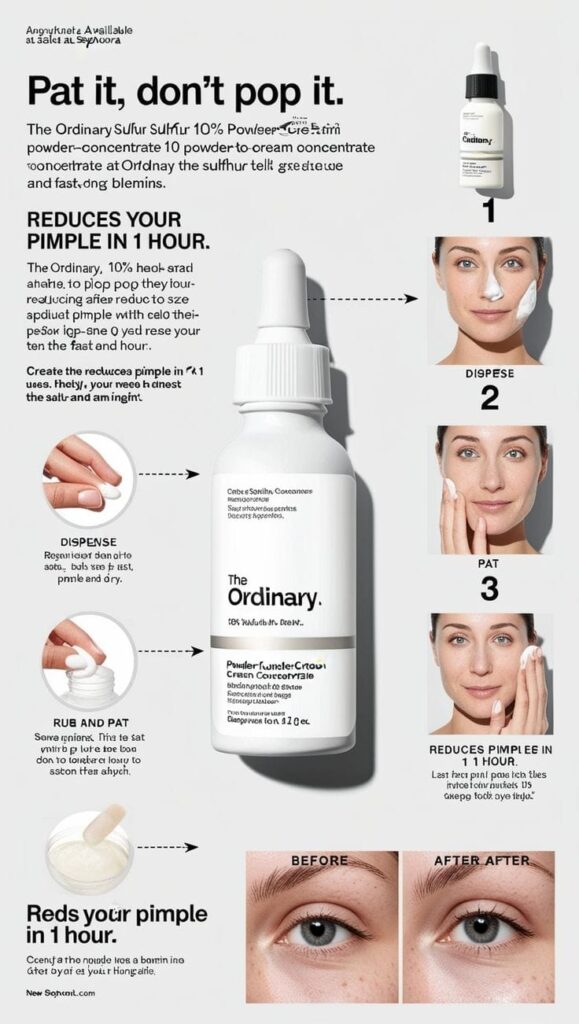
Step-by-step application
- Cleanse your face thoroughly and pat dry. Sulfur needs to sit on clean skin, not over makeup, sunscreen, or leftover serum residue.
- Dispense a small amount of the powder directly onto a clean fingertip.
- Rub the powder between your finger and the skin using light pressure. This is the critical step — the friction and warmth are what trigger the powder-to-cream transformation. If you just dab it on without rubbing, it will sit as a chalky powder and feel gritty.
- Apply a thin layer directly over the blemish or affected area only. This is a spot treatment, not a full-face serum.
- Leave it on. Do not rinse it off.
- Use once to three times daily, morning or night, as needed.
Pairing it with the rest of your routine
Because sulfur can be drying at 10%, we would not recommend layering it directly under a strong exfoliating acid on the same area of skin in the same routine. If you are already using something like the actives discussed in our hyaluronic acid vs glycerin comparison for hydration, apply that hydrating step around the treated spot, not directly over it, until the sulfur has been absorbed. The Ordinary itself advises against layering this with other spot treatments at the same time, to avoid compounding irritation.
If you are new to sulfur entirely, patch test on your inner arm first, then trial it on one small area of your face for a few applications before treating multiple spots at once.
Which Skin Types and Concerns Is This Best For?
The brand lists this as suitable for normal, dry, combination, and oily skin, which is broader than most acne actives claim. In our assessment, that claim holds up reasonably well specifically because this is a targeted spot treatment rather than an all-over product — you are not coating your entire face in a potentially drying active, so even drier skin types can usually tolerate it on isolated spots.
Where it performs best:
- Active inflammatory bumps — the red, sometimes painful, “under the skin” type spots that flare up quickly
- Oily and combination skin dealing with recurring breakouts and excess shine in the T-zone.
- Occasional hormonal breakouts that show up in predictable spots
Where it needs more caution:
- Very dry or compromised skin barriers, especially if used more than once daily
- Anyone sensitive to sulfur smell — it has a faint, slightly mineral scent that most users describe as mild, but a small number of reviewers do notice it.
- Rosacea-prone skin, which can sometimes tolerate sulfur well but should always patch test first, since individual tolerance varies significantly
rather than active breakouts, you may get more mileage out of a leave-on treatment such as the one in our CosRx BHA blackhead power liquid review, used alongside this for spot flare-ups.
Price and Value — Is It Worth the Money?
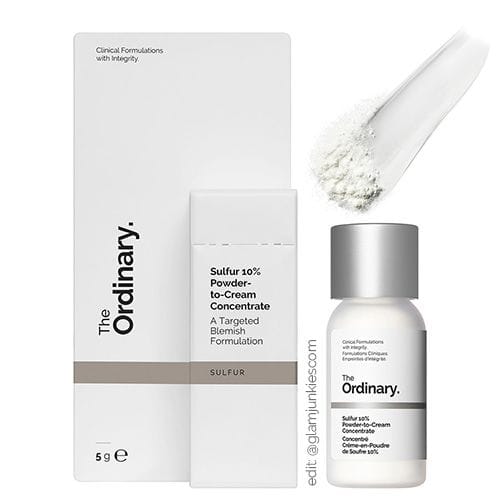
This is the part where the sulfur powder-to-cream formula genuinely earns its keep. At roughly $9.90 to $11 USD for a 5g (0.17 to 0.18 oz) bottle, the per-application cost is what actually matters, not the total bottle size. The Ordinary states the bottle delivers more than 150 individual spot applications, which works out to only a few cents per use.
Compared to buying 150 individual hydrocolloid pimple patches, or a premium spot-treatment gel that gets used up in a handful of weeks, this is a genuinely economical way to keep an effective active on hand for whenever a breakout shows up. The trade-off is the small physical bottle size, which some users find themselves replacing sooner than expected simply because they use more powder per application than necessary — a little truly does go a long way here, and over-applying wastes product without improving results.
Pros and Cons
Pros
- 10% sulfur sits at a clinically supported concentration for acne
- Clever powder-to-cream delivery helps control particle size and dosing
- Very low cost per application relative to other spot treatments
- Fragrance-free, paraben-free, and formulated without sulfates
- Suitable for use both morning and night, and layers under makeup
- Includes niacinamide alongside the sulfur for added barrier support
Cons
- Small bottle size means frequent reordering for regular users
- Technique-dependent — poor application leads to a chalky, unpleasant texture
- Mild sulfur scent, noticeable to some users even if the brand markets it as low-odor
- Limited independent, peer-reviewed clinical data on this specific formula (versus the ingredient sulfur generally)
- Can be drying if overused or layered with other actives
Alternatives to The Ordinary Sulfur Powder — An Honest Comparison
In the interest of staying completely neutral, here is how this stacks up against other sulfur-based options on the market, because The Ordinary is far from the only brand using this ingredient.
De La Cruz 10% Sulfur Ointment
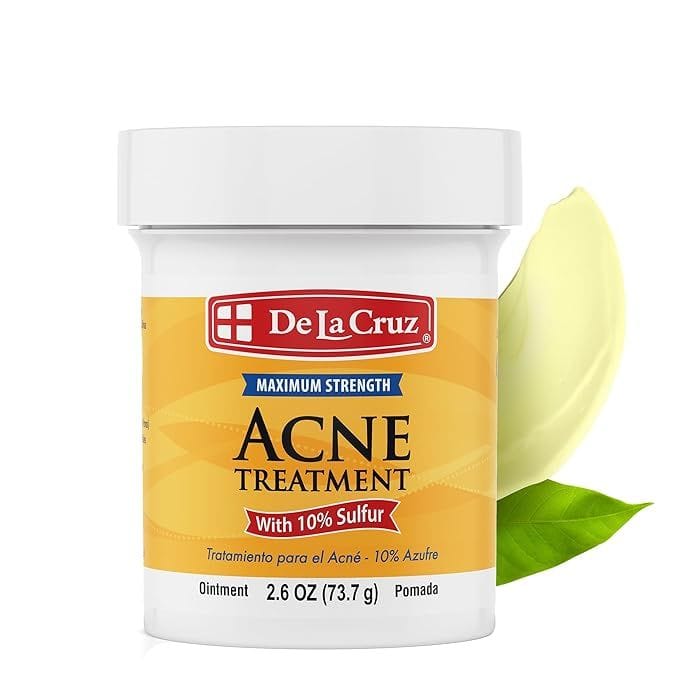
This is the classic drugstore sulfur treatment and arguably the closest apples-to-apples comparison, since it also uses a 10% sulfur concentration. It comes in a larger 2.6 oz jar for around $7 to $10, making it considerably cheaper by volume. The trade-off is the ointment texture, which is thicker, greasier, and has a more noticeable sulfur odor than The Ordinary’s powder-to-cream format. If pure value per gram is your priority and texture does not bother you, this is a legitimate budget alternative.
Mario Badescu Drying Lotion
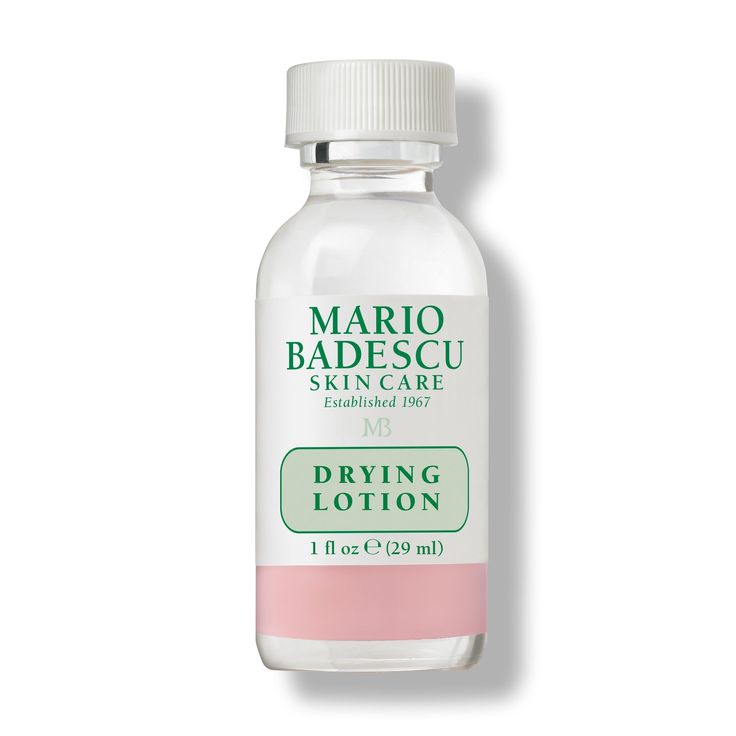
A cult-favorite spot treatment that combines sulfur with salicylic acid in a pink, sediment-based bottle, priced around $17 to $22 for 1 fl oz. The salicylic acid addition gives it stronger exfoliating action, which can be an advantage for blackhead-prone skin, but it also raises the irritation ceiling for sensitive skin compared to The Ordinary’s sulfur-only formula.
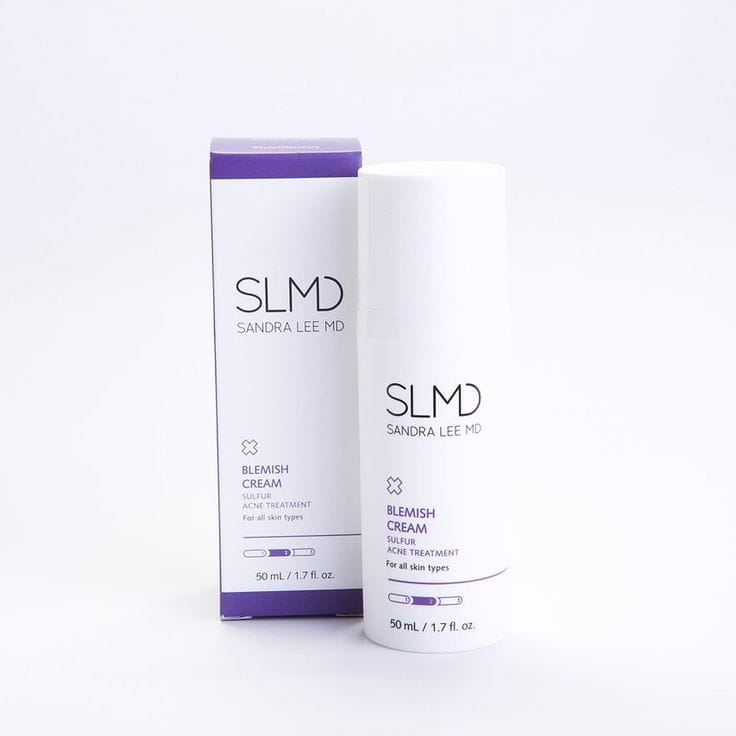
SLMD Sulfur Spot Treatment
Dr. Sandra Lee’s line offers a sulfur-based option pitched similarly as a fast-acting spot treatment, typically priced in a comparable range to The Ordinary. It is a reasonable alternative if you specifically prefer a cream-from-the-start texture over the powder-to-cream mechanic.
Our honest take: If budget is the only factor, De La Cruz wins on cost per use. If you want combined exfoliation and are not sensitive-skinned, Mario Badescu’s dual-active approach may work faster on blackheads specifically. But for the combination of clinically relevant concentration, controlled dosing through the powder format, and a genuinely low price per application, The Ordinary’s version remains a strong, well-balanced pick rather than the only good option on the shelf.
For a broader look at how The Ordinary’s formulation philosophy compares to other affordable, ingredient-led brands, our The Ordinary vs Paula’s Choice comparison is a useful next read.
Final Verdict — Should You Buy It?
The Ordinary Sulfur 10% Powder-to-Cream Concentrate is a legitimately well-formulated product built on an ingredient with decades of dermatological backing. The 10% concentration sits within the range studies show is effective, the delivery format is a genuine functional improvement over a standard cream, and the price per use is difficult to beat. It is not a miracle overnight cure, and it works best as exactly what it is designed to be: a targeted, occasional spot treatment for active inflammatory breakouts, rather than a daily all-over acne solution.
If you have inflammatory breakouts that show up periodically, oily to combination skin, and you are willing to learn the slightly fussy application technique, this earns a place in a spot-treatment rotation. If you have very reactive or barrier-compromised skin, or you are looking for an all-over daily acne serum rather than a targeted spot fix, it is worth looking at gentler daily options first, and reserving something like this for flare-ups only.
Frequently Asked Questions
Is The Ordinary Sulfur Powder good for acne?
Yes, based on both the concentration used and the broader clinical literature on topical sulfur for acne, this formula is well-positioned as an effective spot treatment for active inflammatory blemishes, particularly when used correctly as a targeted, not all-over, product.
How do you use The Ordinary Sulfur Powder-to-Cream?
Apply a small amount of the powder to a clean finger, rub it against the skin with light pressure until it transforms into a cream, then pat directly onto the blemish. Leave it on rather than rinsing it off, and use up to three times daily as needed.
Can I use this every day?
Yes, morning and night use is supported by the brand for spot application, though we recommend monitoring your skin’s response and reducing frequency if you notice excess dryness or flaking.
Does The Ordinary Sulfur Powder smell bad?
It has a very mild, faint mineral scent rather than the strong “rotten egg” smell associated with some older sulfur formulas, though a small number of users do report noticing it.
What is the best alternative to The Ordinary Sulfur Powder?
De La Cruz 10% Sulfur Ointment is the closest concentration match at a lower price per volume, while Mario Badescu Drying Lotion adds salicylic acid for extra exfoliation if your skin tolerates stronger actives.
Sources
Ghannoum, M. et al., “The use of sulfur in dermatology,” PubMed / cited literature review on sulfur’s antifungal, antibacterial, and keratolytic mechanisms.
Chen, et al., “Sulfur and Its Derivatives in Dermatology: Insights Into Therapeutic Applications — A Narrative Review,” Journal of Cosmetic Dermatology, 2025.
“Topical azelaic acid, salicylic acid, nicotinamide, sulphur, zinc and fruit acid (alpha-hydroxy acid) for acne,” Cochrane Systematic Review, PMC.
Comparative ingredient analysis of salicylic acid, benzoyl peroxide, tea tree oil, sulfur, and retinol for acne treatment, 2025.
Editorial Note: This article was researched and written by the Review Dermatica editorial team, drawing on peer-reviewed dermatology literature, brand-published clinical data, and hands-on formula analysis. We are not sponsored by The Ordinary or its parent company, DECIEM.