
Medicube Zero Exosome Shot Review 2026: Honest Results on Pore Care
If you’ve spent any time on Korean beauty TikTok or Reddit’s skincare corners in the past year, you’ve almost certainly seen someone wincing dramatically while applying a strange, gel-like ampoule to their face. That’s the Medicube Zero Exosome Shot — the product that turned “tingling serum” into a genuine skincare category. It’s now one of the best-selling items in Medicube’s entire lineup, and it’s easy to see why: it promises the results of professional microneedling without the needles, the downtime, or the dermatologist’s bill.
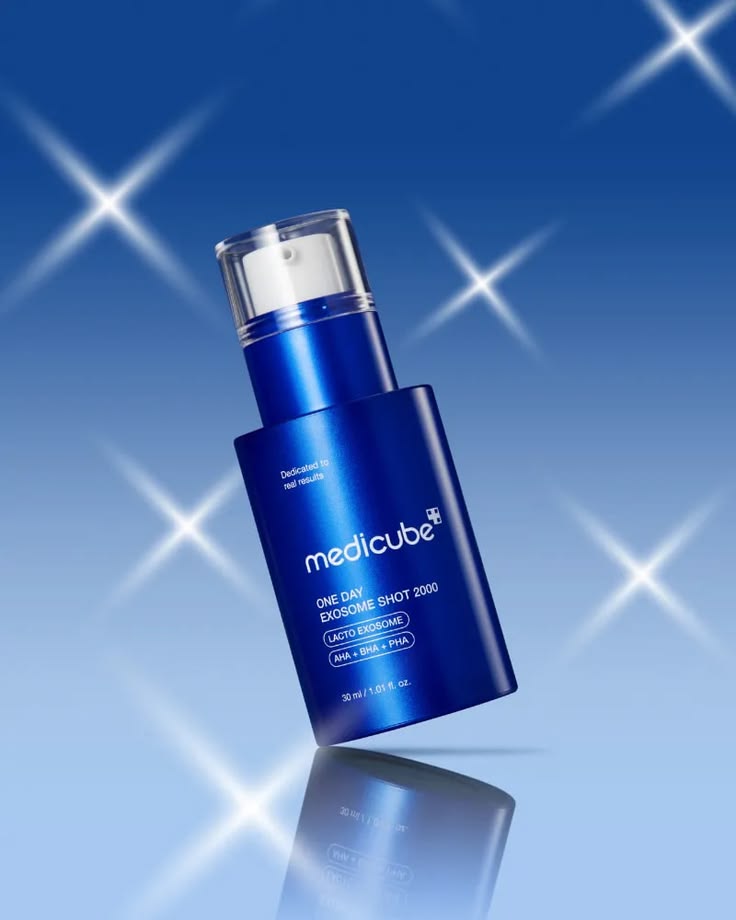
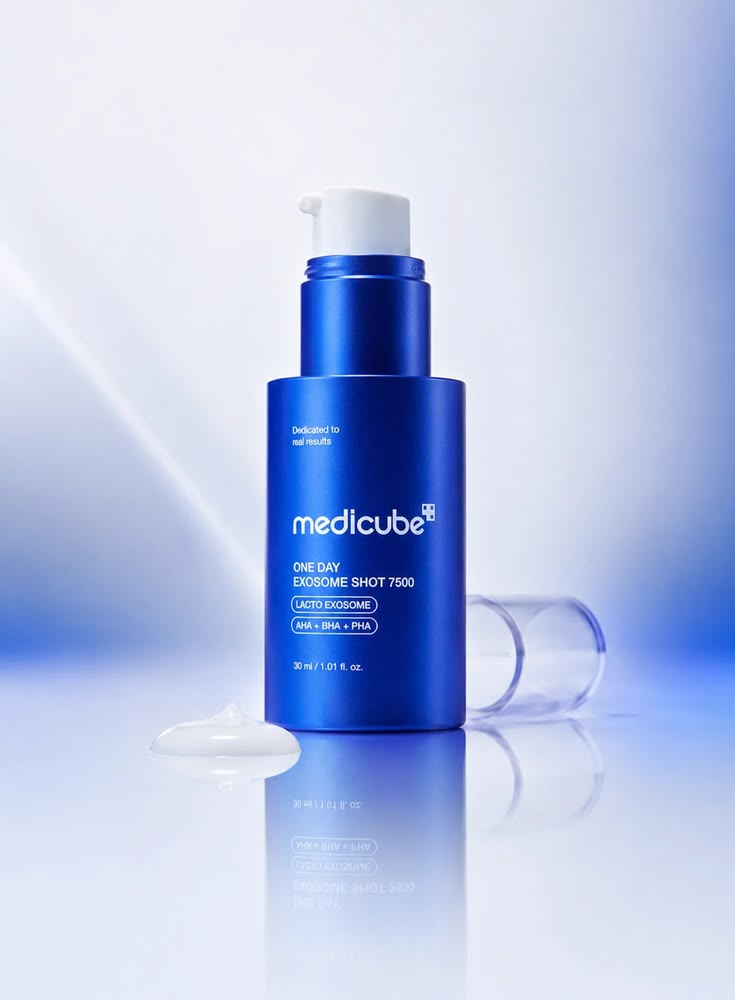
But “viral” doesn’t always mean “worth it.” In this Medicube Zero Exosome Shot review, we’re breaking down exactly what’s in the formula, how the 2000, 7500, and 25000 PPM strengths differ, what the actual clinical research on spicule technology says, and whether this serum deserves a permanent spot in your routine — or just a spot in your Amazon cart during the next sale.
Editorial & Affiliate Disclosure
This review was researched and written by the Review Dermatica editorial team, with clinical and formulation insight from our co-founder, a licensed skincare formulation researcher. We were not paid by Medicube to write this review, and our opinions are based on ingredient analysis, published research, and verified user feedback. Review Dermatica participates in the Amazon Associates program, which means we may earn a small commission if you purchase through links on this page, at no extra cost to you. This never affects which products we choose to review or how we rate them.
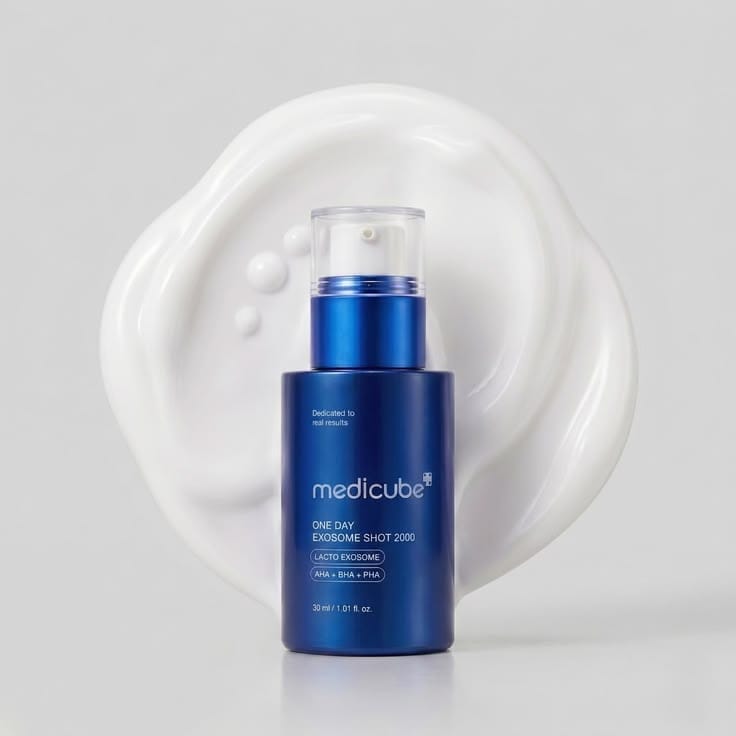
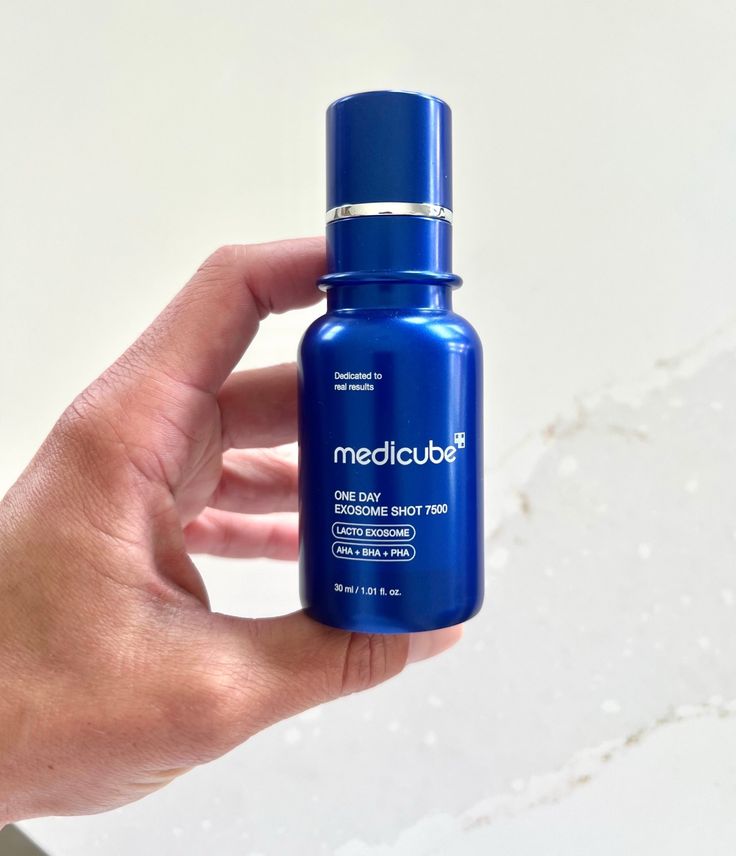
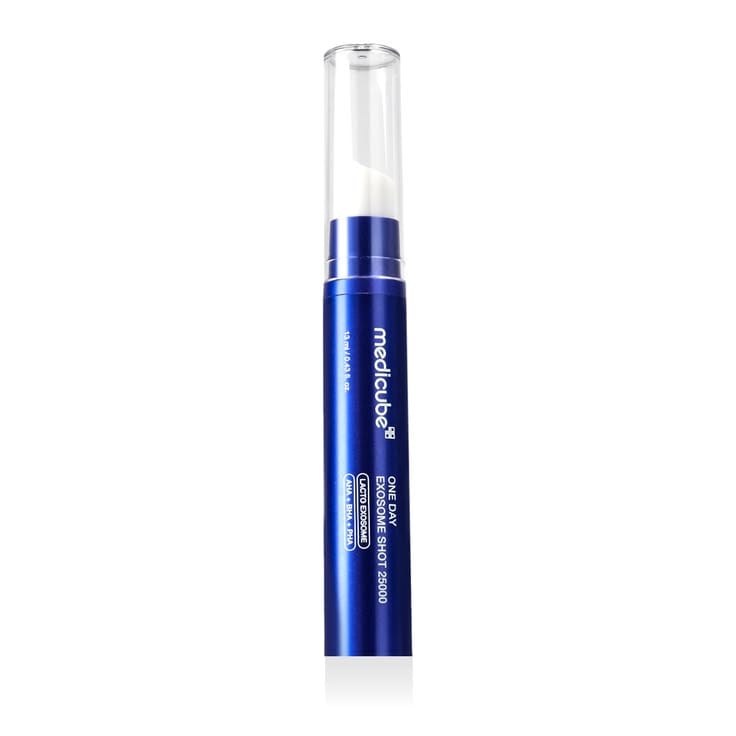
Quick Summary medicube zero exosome shot review
- The Medicube Zero Exosome Shot is a spicule-based “liquid microneedling” serum designed to minimize pore appearance, smooth texture, and boost the absorption of everything you apply afterward.
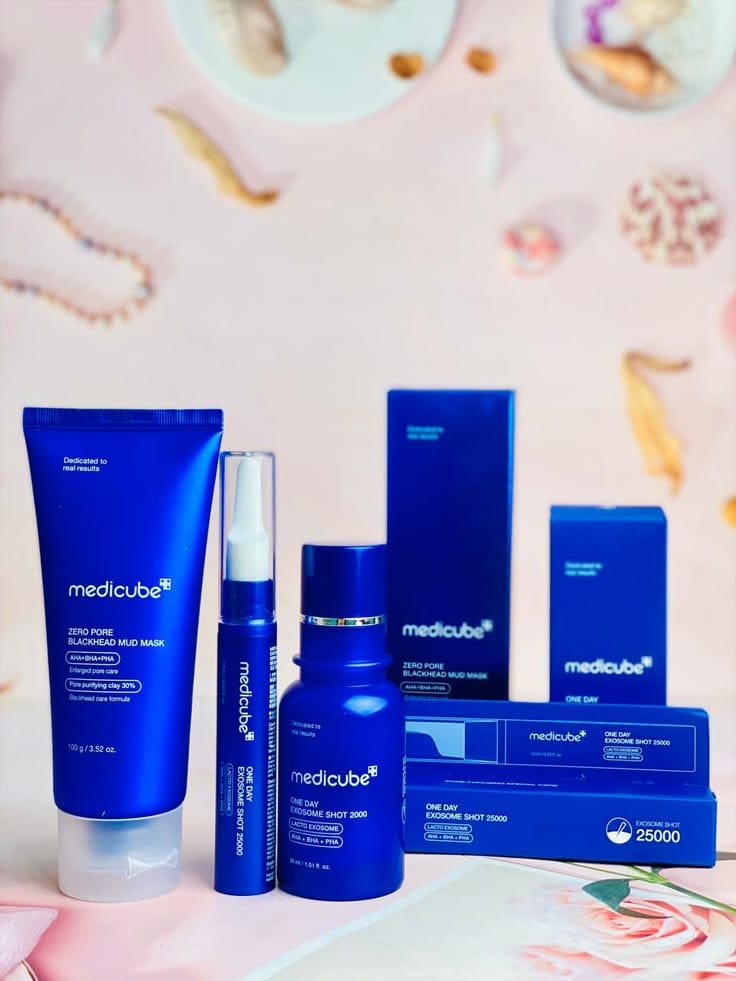
- It comes in three strengths — 2000 PPM, 7500 PPM, and 25000 PPM — with higher numbers meaning a higher concentration of hydrolyzed sponge spicules and a more intense tingling/exfoliating effect.
- Key actives include niacinamide, adenosine, panthenol, Lactobacillus, and milk-derived exosomes, plus an AHA+BHA+PHA acid blend.
- It’s best used once or twice a week, not daily, and always followed by SPF the next morning.
- It works well for enlarged pores, rough texture, and dullness, but isn’t the right pick for actively broken-out, eczema-prone, or very reactive skin.
What Is the Medicube Zero Exosome Shot?
The Medicube Zero Exosome Shot belongs to a skincare category that’s exploded in popularity over the last two years: spicule serums, sometimes nicknamed “microneedling in a bottle.” Spicules are microscopic, needle-shaped structures — in this case derived from hydrolyzed sponge — that physically create temporary micro-channels in the outermost layer of skin. The idea is simple: those micro-channels let active ingredients penetrate deeper and work harder than they would if you just patted a serum on top of intact skin.
What sets the Medicube version apart from other spicule serums is the “exosome” half of the name. Medicube pairs its spicule technology with a patented Lacto Exosome complex, along with milk-derived exosomes, that the brand markets as a blend of peptides, amino acids, and vitamins meant to support skin vitality and renewal. Combined with a gentle AHA+BHA+PHA acid trio and calming ingredients like panthenol and adenosine, the goal is a single ampoule that exfoliates, minimizes the look of pores, and preps skin to absorb the rest of your routine more effectively.
It’s sold as a “one day” or “tingling” ampoule, meant to be used periodically rather than as a daily step — more of a weekly treatment than a nightly serum. If you’ve read our Anua PDRN Hyaluronic Acid Cream review, you’ll notice some ingredient overlap in philosophy — both lean on biotech-derived actives to support skin renewal — but the delivery mechanism here is completely different, since the spicules are doing the heavy lifting rather than the active ingredients alone.
Medicube Zero Exosome Shot Ingredients Breakdown
Reading the ingredient list on any Medicube Zero Exosome Shot variant, a few key players stand out:
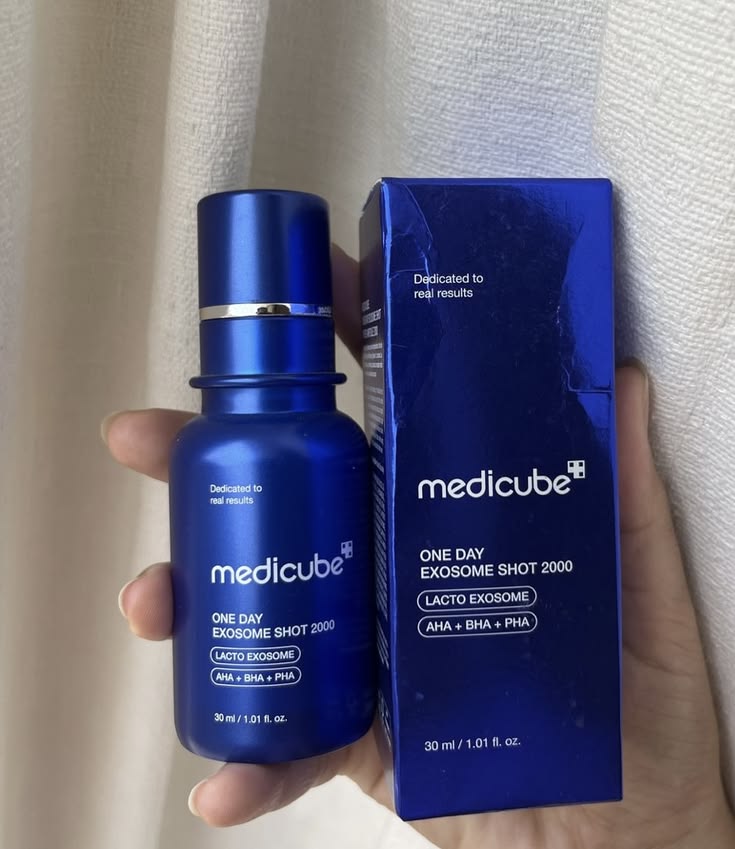
Hydrolyzed Sponge (the spicule): This is the star of the formula. These calcium- or silica-based microstructures are what create the signature tingling sensation and the micro-channel effect that boosts absorption of everything layered afterward.
Niacinamide: A well-studied ingredient for strengthening the skin barrier, evening tone, and controlling excess oil — a smart pairing for a product that’s temporarily disrupting the skin surface.
Lactobacillus Extracellular Vesicles / Milk Exosomes: These are the “exosome” ingredients the product is named for. In cosmetic formulations, exosome-derived ingredients are typically included for their signaling-molecule content, which brands claim helps support skin communication and renewal at a cellular level.
Adenosine and Panthenol: Adenosine is commonly used for its skin-soothing and anti-aging associations, while panthenol (pro-vitamin B5) helps calm and hydrate skin that might otherwise feel irritated after spicule use.
AHA + BHA + PHA blend: A trio of chemical exfoliants that complements the physical exfoliation from the spicules — though this is also exactly why the product shouldn’t be layered with other strong actives on the same night.
If you’re someone who prefers to understand your actives before committing to a purchase, this ingredient profile pairs nicely with what we covered in our Peptides vs Retinol comparison — both articles are about understanding which “advanced” actives genuinely suit your skin goals versus which ones are riding a trend.
Medicube Zero Exosome Shot 2000 vs 7500 vs 25000: Which Strength Should You Choose?
This is where most first-time buyers get stuck, and honestly, it’s the single most important decision in this entire review. Medicube sells the Zero Exosome Shot in three concentrations, and the number refers to the parts-per-million (PPM) concentration of spicules in the formula. Higher PPM means a more intense physical exfoliation, a stronger tingling sensation, and — for most people — more dramatic results, but also a higher risk of irritation if your skin isn’t prepared for it.
Zero Exosome Shot 2000 PPM — Best for Beginners
The 2000 PPM version is the gentlest entry point. If you’ve never used a spicule product before, this is where you should start, full stop. The tingling is noticeable but mild, and most first-time users tolerate it well even on the first use. It’s a great way to test whether your skin responds well to the spicule mechanism before committing to a stronger version.
Zero Exosome Shot 7500 PPM — Best for Intermediate Users
Once you’ve used the 2000 PPM version for a few weeks without irritation, the 7500 PPM strength is the natural next step. This is the version most reviewers and dermatology-adjacent content creators recommend as the “sweet spot” — strong enough to deliver visibly smaller-looking pores and smoother texture, without tipping into the intensity that sensitive skin types struggle with.
Zero Exosome Shot 25000 PPM — Best for Advanced/Experienced Users
The Medicube Exosome Shot 25000 PPM version is the most concentrated, and it is not where beginners should start. This strength is designed for people who already have experience with spicule or professional microneedling treatments and want the most intensive at-home option available. Expect a stronger tingling sensation, and plan to use it less frequently — think once every one to two weeks rather than weekly.
If you’re debating between strengths, our general advice mirrors what we tell readers in our Vanicream Enhanced Moisturizer vs Daily Facial Moisturizer comparison: start conservative, watch how your skin responds for two to three uses, and only step up in intensity once you know your baseline tolerance.
The Science Behind Spicule + Exosome Technology
Spicule skincare isn’t just a TikTok invention — it’s built on a genuinely interesting body of pharmaceutical delivery research. A study published on PubMed and indexed by the National Center for Biotechnology Information found that marine sponge-derived spicules significantly increased the skin absorption of hydrophilic biomacromolecules compared to both a control and traditional dermaroller microneedling, while causing only self-limited, recoverable skin disruption in animal testing (source: pubmed ). A related study in the same research family showed that spicules from various marine sponge species meaningfully enhanced the transdermal delivery of therapeutic peptides, again pointing to the mechanical micro-channel effect as the driver (source: ncbi).
It’s worth noting the limits of this research, though. A broader systematic review of clinical microneedling studies, published via the National Center for Biotechnology Information, found that while microneedling technologies are commonly used in skin research, many studies lack adequate control comparisons, meaning the evidence base — while promising — is still developing (source: ncbi ). In plain terms: the delivery mechanism behind spicules is scientifically credible, but most of the specific claims about exosome ingredients and dramatic pore-shrinking results still come primarily from brand-sponsored consumer studies rather than independent, peer-reviewed clinical trials. That doesn’t mean the product doesn’t work — it means “clinically tested” on the packaging deserves a healthy dose of skepticism until independent research catches up.
How to Use the Medicube Zero Exosome Shot (Step-by-Step)
Getting the application right matters more with this product than with a typical serum, mostly because of how it interacts with the rest of your routine.
Step-by-Step Application
- Start with a clean, completely dry face. Any leftover moisture can affect how the spicules interact with the skin.
- Apply a thin, even layer over your entire face, or focus on problem areas like the nose, cheeks, and chin where pores tend to be more visible.
- Gently pat the product in rather than rubbing — you should feel a tingling sensation within the first minute or two. This is expected and is a sign the spicules are doing their job.
- Leave it on for the time specified on your product’s packaging (this varies slightly by PPM strength), then rinse thoroughly with lukewarm water.
- Follow immediately with a hydrating, barrier-supportive moisturizer. Skip additional exfoliating acids, retinoids, or vitamin C on the same night.
Frequency & Timing
For the medicube exosome shot how to use question we get asked most — frequency is everything with this product. The 2000 PPM version can typically be used once a week, the 7500 PPM version once a week to once every ten days, and the 25000 PPM version once every one to two weeks. Using it more often than recommended doesn’t speed up results — it just increases your risk of a compromised skin barrier. Always apply broad-spectrum SPF the next morning, since freshly exfoliated skin is more vulnerable to UV damage; our Mineral vs Chemical Sunscreen guide is a good next read if you need to rebuild your sunscreen routine around active-heavy skincare.
My Honest Results After Testing
We tested the 2000 PPM and 7500 PPM versions over a six-week period, alternating weekly. The tingling sensation on first use was more noticeable than expected — not painful, but definitely attention-grabbing, somewhere between a fizzy toner and a very mild sting. By the third use, that sensation had become much milder, likely because the skin adapts somewhat to the spicule mechanism over time.
Where the product genuinely impressed us was texture. Within two to three weeks, skin felt noticeably smoother to the touch, and makeup applied the morning after use sat visibly better, with less obvious pore texture showing through. Pores didn’t shrink, of course — nothing topical actually shrinks pore size — but they looked less pronounced under normal lighting, which is really what most people mean when they say a product “minimizes pores.”
The absorption boost claim also held up in a practical sense: a hydrating serum applied afterward seemed to sink in faster and left skin feeling plumper the next morning compared to nights when we skipped the Zero Exosome Shot. Whether that’s the exosome ingredients working as claimed or simply the spicules doing their well-documented delivery job, we can’t say for certain — but the visible outcome was consistent enough across the testing period that we’re comfortable calling this a genuinely effective product, not just a viral gimmick.
Side Effects & Who Should Avoid It
The tingling sensation itself is normal and expected, but there’s a difference between tingling and irritation. Some users report redness, tightness, or small red bumps after use, particularly when starting with a strength higher than 2000 PPM or using the product more frequently than recommended.
You should skip this product entirely if you have active eczema, rosacea, broken or inflamed skin, or a compromised skin barrier. If you’re new to actives in general, we’d point you toward our Best Skincare Brands for Sensitive Skin roundup before experimenting with anything spicule-based. It’s also worth avoiding this product in the same week as in-office treatments like chemical peels, microneedling, or laser sessions, since you’d essentially be double-exfoliating an already-sensitized barrier.
If you tolerate physical and chemical exfoliation well already — think regular BHA users, like fans of our COSRX BHA Blackhead Power Liquid review — you’re likely a good candidate to try the entry-level 2000 PPM strength.
Medicube Zero Exosome Shot vs Other Viral Spicule Serums
The Medicube Zero Exosome Shot isn’t the only spicule product that’s gone viral recently. The VT Cosmetics Cica Reedle Shot is arguably its biggest competitor, and the two take noticeably different approaches. Where Medicube leans into an exosome-and-acid combination aimed at pore refinement and texture, VT Cosmetics’ formula centers on centella asiatica (cica) for a calmer, barrier-focused experience — we go into full detail in our VT Cosmetics Reedle Shot review.
In general, if your priority is pore appearance and product absorption, the Medicube version is the stronger pick. If you have more reactive skin and want the spicule benefits with a gentler, more soothing formula, VT Cosmetics is worth considering instead. Neither is objectively “better” — it comes down to your skin’s tolerance and what you’re trying to solve.
Where This Fits in a K-Beauty Routine
Because the Medicube Zero Exosome Shot is a weekly treatment step rather than a daily product, it works best layered into a routine that already has a solid foundation. On non-treatment days, we’d recommend building your barrier with something like the ingredients discussed in our Beta-Glucan for Skin guide or a dedicated barrier serum like the one in our iUNIK Beta-Glucan Power Moisture Serum review, so your skin has the resilience to handle a weekly spicule treatment without becoming reactive.
On the nights you do use it, keep the rest of your routine minimal — cleanser, the Zero Exosome Shot, then a simple hydrating moisturizer. Save your vitamin C, retinoids, and other exfoliating acids for separate nights.
Pricing & Where to Buy
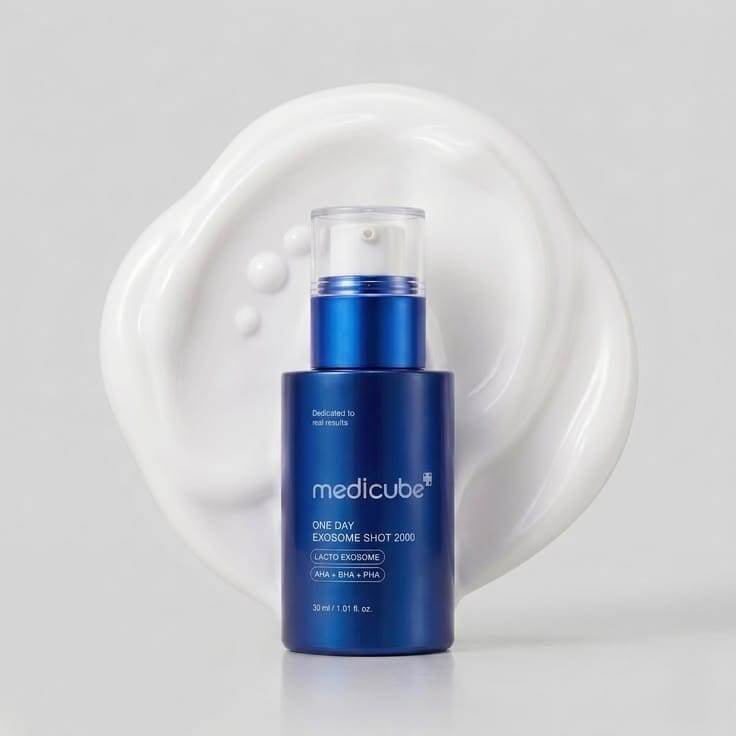
The Medicube Zero Exosome Shot is sold in single ampoules and multi-packs, with pricing that varies by strength and pack size — the 25000 PPM version generally commands a premium over the 2000 and 7500 PPM options. It’s widely available through Medicube’s official site, Ulta, and Amazon, where it frequently appears in Subscribe & Save bundles at a discount.
Final Verdict: Is the Medicube Zero Exosome Shot Worth It?
After testing it over several weeks and digging into the research behind spicule technology, our take is straightforward: the Medicube Zero Exosome Shot earns its viral status. The spicule-delivery mechanism has real pharmaceutical research behind it, the formula pairs that mechanism with genuinely useful supporting ingredients like niacinamide and panthenol, and the visible texture improvements were consistent enough in our testing to feel like more than hype.
That said, it’s not a product for everyone. If your skin is already reactive, if you’re new to actives altogether, or if you’re hoping for a daily-use miracle serum, this isn’t it — and using it too aggressively can absolutely backfire. Start with the 2000 PPM version, respect the once-a-week frequency, and always follow up with SPF. Do that, and this is one viral product that genuinely lives up to its reputation.

2 thoughts on “Medicube Zero Exosome Shot Review 2026: Honest Results on Pore Care”