
Shower Filter vs Water Softener: Which Is Better for Skin? (Guide 2026)
I didn’t think much about my shower water until my skin started telling me otherwise. Tight cheeks after every wash, a flaky patch along my jawline that no moisturizer seemed to fix, and a scalp that itched no matter which shampoo I switched to. I was already three serums deep into my routine — a niacinamide here, a ceramide cream there — and none of it was sticking. It took an embarrassingly long time to realize the problem wasn’t what I was putting on my skin. It was what was hitting my skin every single day before any of that skincare even got a chance to work.
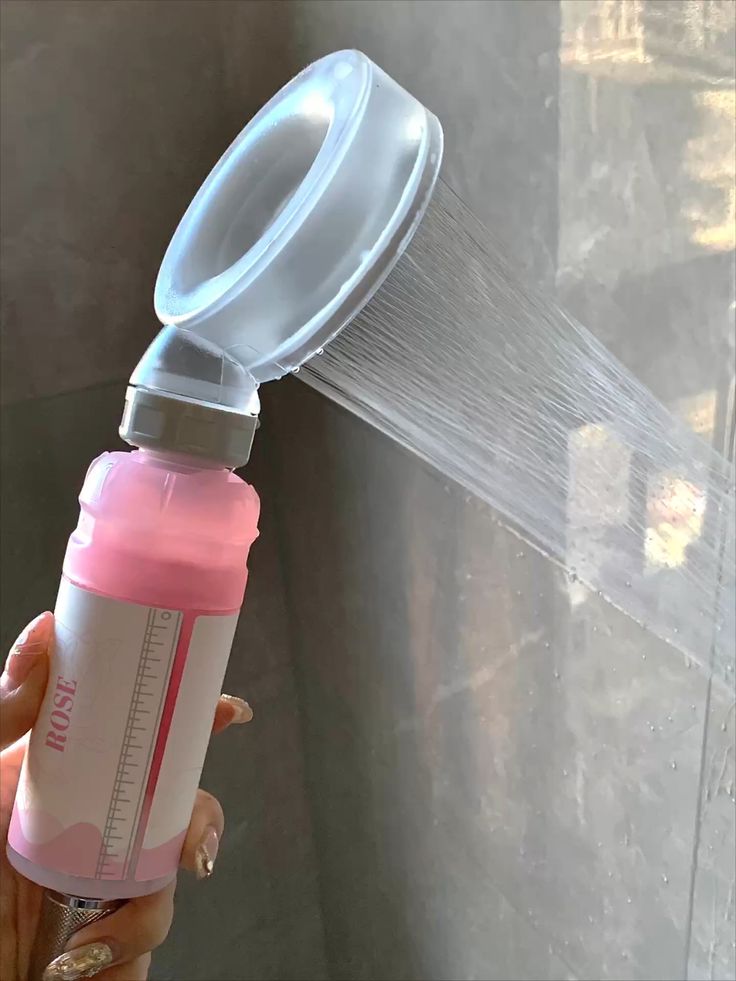
Vs
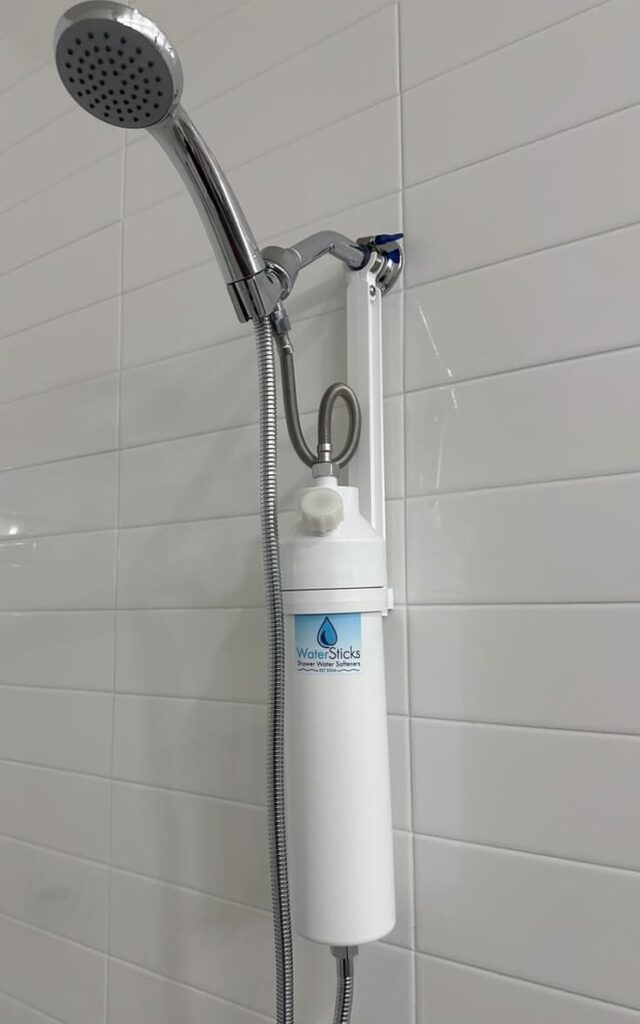
That’s the real story behind the shower filter vs water softener debate, and it’s a bigger deal than most skincare content gives it credit for. Both promise to fix “bad water,” but they solve two completely different problems, and mixing them up is the easiest way to spend money on the wrong fix. This guide breaks down what each one actually does, what the clinical research says (including some findings that might surprise you), and which one is worth your money if your goal is healthier, calmer skin.
Editorial Team & Affiliate Disclosure
Researched by the Review Dermatica editorial team and co-founder Tahmina Zannat Lamya, our picks rely strictly on verified lab data, active ingredients, and real results—never paid promotions. We may earn a small commission via affiliate links at no extra cost to you, supporting our independent research. Our content is purely educational; please consult a dermatologist for medical skin concerns.
What’s Actually Coming Out of Your Showerhead
Most of us assume tap water is just… water. In reality, what comes out of your showerhead depends heavily on where you live, and it usually falls into one of two categories of “problem water”:
- Chlorinated water — municipal water treatment plants add chlorine (or chloramine) to kill bacteria. It’s essential for safety, but it’s also a mild oxidizer that strips lipids from your skin barrier.
- Hard water — water carrying high levels of dissolved calcium and magnesium. It doesn’t smell or taste dangerous, but it leaves mineral residue on skin, hair, and fixtures, and it reacts with soap in ways that leave a filmy layer behind.
These are not the same problem, which is exactly why “shower filter for skin” and “water softener for skin” keep getting confused online. A shower filter is built to deal with chlorine. A water softener is built to deal with hardness. Using one to fix the other is like using a serum to fix sun damage — it might help a little, but it’s not solving the actual issue.
How Chlorine Actually Affects Your Skin Barrier
This part isn’t just theory. A well-cited Japanese study on residual chlorine in bathing water found that even moderate chlorine concentrations reduced the water-holding capacity of the stratum corneum, with the effect being more pronounced in people with pre-existing atopic skin (PubMed). In plain terms: chlorine doesn’t just sit on the surface; it actively interferes with your skin’s ability to hold onto moisture.
A separate clinical study out of the University of Granada’s Dermatology Department measured transepidermal water loss (TEWL) — the medical marker for barrier damage — before and after water exposure, and found that both hot water and prolonged water contact increased TEWL and skin pH (PMC). Chlorine on top of that hot-water effect is essentially a double hit to the same barrier.
This is the mechanism behind chlorine skin barrier damage that a lot of “shower filter” marketing pages gesture at without actually explaining: it’s not that chlorine “dries out skin” in some vague sense, it’s that it measurably lowers the skin’s water-holding capacity and destabilizes pH, both of which are core functions of a healthy barrier.
What the Hard Water Research Actually Shows (Including the Inconvenient Part)
Here’s where I have to be honest, because most articles on this topic aren’t. A systematic review and meta-analysis covering sixteen studies confirmed a positive association between living in a hard water area and developing atopic eczema in children (PubMed). A separate UK Biobank study of over 300,000 adults found that higher domestic water hardness was associated with increased eczema prevalence in adults too (PubMed).
So the link between hard water skin damage and eczema risk is real and well-documented. But here’s the part that shower-filter and water-softener companies conveniently leave out of their sales pages: the same meta-analysis found no evidence that installing a domestic water softener improves eczema severity in people who already have it. This was confirmed directly in the Softened Water Eczema Trial (SWET) out of the University of Southampton — a randomized controlled trial of 336 children with moderate-to-severe eczema found that installing an ion-exchange water softener provided no additional benefit over standard eczema care (University of Southampton).
What this tells us is genuinely useful: hard water may play a role in whether eczema-prone skin develops problems in the first place, especially in infants with a genetic predisposition (a filaggrin gene mutation), but once eczema is already established, a water softener isn’t going to reverse it. If you’re managing an existing skin barrier condition, a softener is a “maybe helps prevention” tool, not a treatment.
Shower Filter vs Water Softener — The Actual Difference
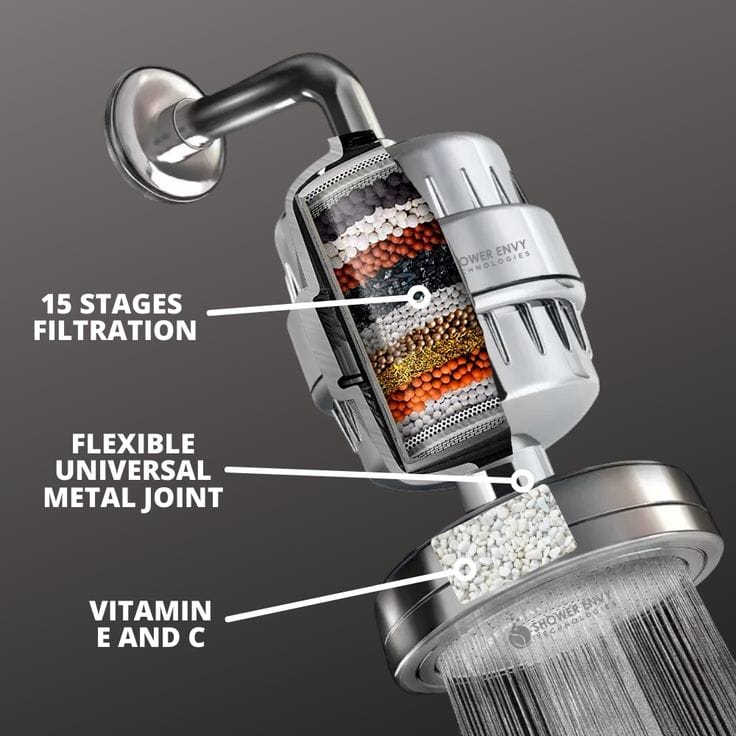
What a Shower Filter Does
A shower filter attaches inline or replaces your showerhead entirely, and it’s built to reduce chlorine, chloramine, and in some cases heavy metals and sediment, using media like KDF-55 (a copper-zinc alloy), activated carbon, or vitamin C cartridges. It does not meaningfully soften hard water — some marketing claims otherwise, but independent lab testing consistently shows these units barely touch calcium and magnesium content.
What a Water Softener Does
A water softener — usually a salt-based ion-exchange system, though salt-free “conditioners” exist too — treats your entire home’s water supply, swapping out calcium and magnesium ions (true softening) or altering their crystal structure so they can’t form scale (conditioning, which prevents buildup but doesn’t remove hardness). It does not remove chlorine unless paired with a separate carbon filtration stage.
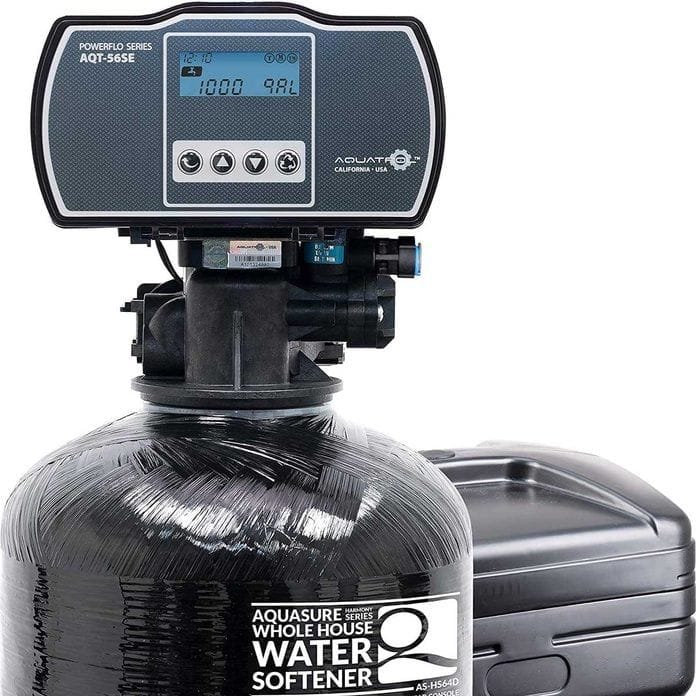
In short: if your city water report lists high chlorine or chloramine, you want a filter. If it lists high hardness (measured in grains per gallon or mg/L CaCO3), you want a softener or conditioner. Many households — mine included — actually need both, because most municipal water is both chlorinated and moderately hard.
How to Tell Which One You Actually Need
You don’t have to guess. Every US municipal water provider publishes an annual Consumer Confidence Report, and you can usually find your city’s numbers with a quick search of “[your city] water quality report.” Look for two things: disinfectant type (free chlorine vs chloramine) and total hardness in grains per gallon. If you’re on well water, a basic at-home test kit will tell you both in under five minutes.
If your skin issues line up with a barrier problem — persistent tightness, flaking, sensitivity that flares right after showering — a shower filter is usually the faster, cheaper first step, since a filtered showerhead can be swapped in yourself in about five minutes with zero plumbing. If you’re also noticing chalky white residue on your shower glass, dishes that never quite feel clean, or products that won’t lather, that’s hardness talking, and a softener earns its place too. This is also where a broader look at the best skincare brands for sensitive skin routine matters — no filter fixes a barrier that’s already compromised by harsh actives, so pairing water treatment with barrier-friendly products does more than either alone.
My Own Experience Testing a Filtered Showerhead
I’ll be honest, I was skeptical. Tahmina and I have reviewed enough overhyped skincare gadgets on this site to know that “life-changing” claims usually mean “mildly noticeable at best.” I installed a KDF-based filtered showerhead myself, no plumber, about eight minutes with the wrench that came in the box.
The first thing I noticed wasn’t my skin; it was the smell. Our municipal water has a faint chlorine smell in the shower that I’d stopped consciously registering until it was gone. Skin-wise, the change was slower and more subtle than I expected — not a dramatic transformation, but by the end of week two, the tightness I usually felt right after toweling off was noticeably reduced, and a dry patch near my jaw that had been stubborn for weeks finally started responding to the same moisturizer I’d already been using.
That lines up with what the lab-testing sites report: KDF filters perform best in the first several weeks and gradually lose effectiveness as the media depletes, which means the “it stopped working” complaints you’ll see in reviews are often just a cartridge that’s overdue for replacement, not a bad product.
What I didn’t notice was any change in the mineral buildup on my shower glass, which makes sense, since a chlorine filter was never going to touch hardness. If your priority is scale and hard-water residue, this is exactly the gap a softener fills instead.
Best Shower Filters for Skin in 2026
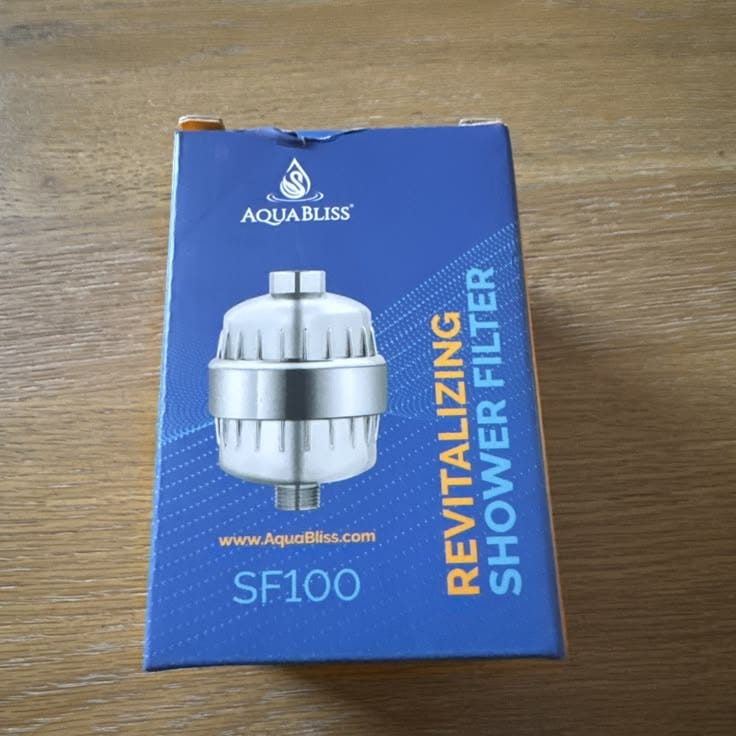
1. AquaBliss SF100 High Output Revitalizing Shower Filter — Best Budget Pick
This is the best-selling shower filter on Amazon for a reason, and it’s the one I’d point a first-time buyer toward. It uses a 12-stage combination of KDF-55, activated carbon, calcium sulfite, and vitamin C to cut chlorine and reduce the dry, itchy, flaky skin that comes with daily chlorine exposure.
It’s not independently lab-certified the way a couple of premium options are, but with tens of thousands of reviews reporting softer skin and less scalp irritation within a couple of weeks, it’s a low-risk way to test whether a best shower filter for skin actually makes a difference for you before spending more.
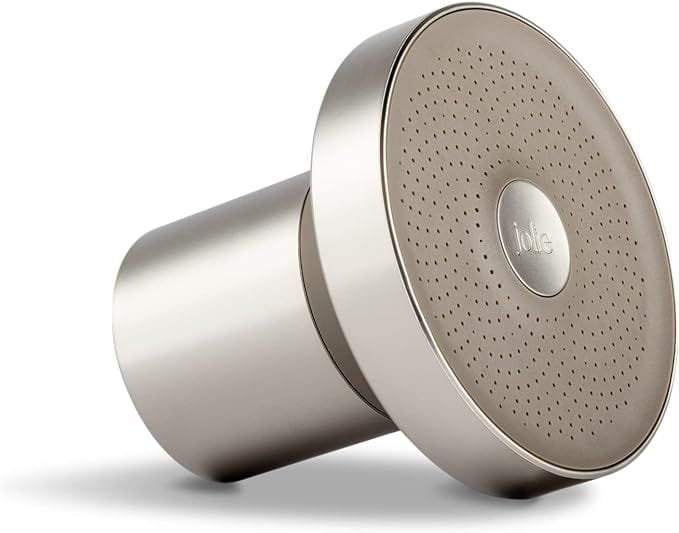
2. Jolie Filtered Showerhead — Best Premium, All-in-One Pick
If you want a full showerhead replacement rather than an inline add-on, Jolie is the design-forward option — and it backs that up with real chlorine-reduction data, not just aesthetics.
It uses KDF-55 and calcium sulfite media and delivers strong, consistent water pressure, which is where a lot of cheaper filtered heads fall short. The tradeoff is cost: filters need replacing roughly every 90 days, so the ongoing cost adds up. But if you’re replacing an old showerhead anyway and want something that looks as good as it filters, this is the pick.
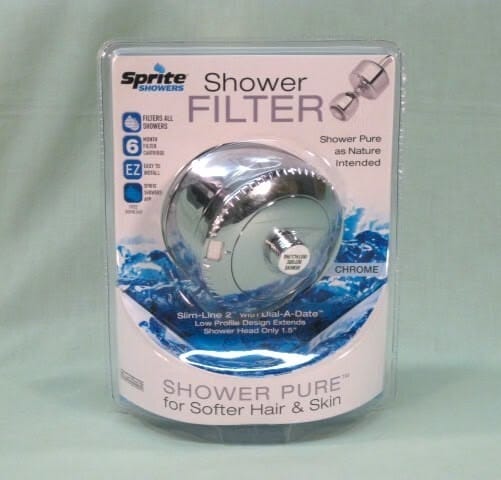
3. Sprite Slim-Line2 Inline Shower Filter — Best NSF-Certified Pick
For anyone who wants third-party verification rather than brand claims, Sprite is one of the few shower filter lines actually certified to NSF/ANSI 177 for chlorine reduction.
It’s a slim inline unit that fits under most existing showerheads, uses Sprite’s patented Chlorgon media (engineered to keep working even in hot water, where plain carbon loses efficiency), and offers an easy six-month cartridge swap. If you live somewhere with notably hot water or want documentation to back the chlorine-removal claim, this is the more defensible pick.
Best Water Softeners for Skin & Home in 2026
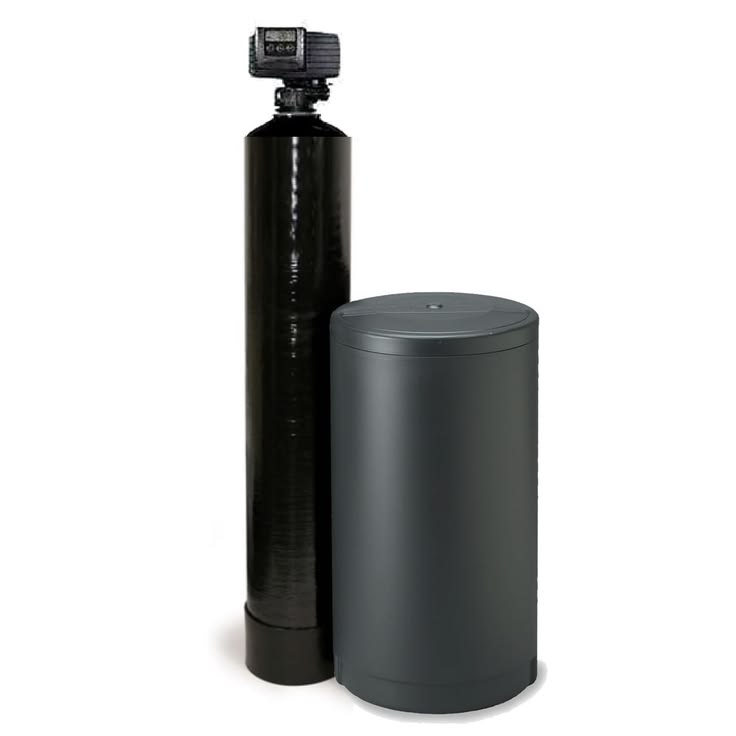
1. Fleck 5600SXT Digital Water Softener — Best Budget Whole-House System
This is the system most water-treatment reviewers and DIY forums point to first, and for good reason. It’s a true salt-based ion-exchange softener with a programmable digital control valve, available in multiple grain capacities so you can size it to your household.
It’s not the fanciest option, but its reliability track record and lower upfront cost make it the sensible starting point if you’ve confirmed your water is genuinely hard (not just chlorinated) and want whole-house coverage, not just the shower.
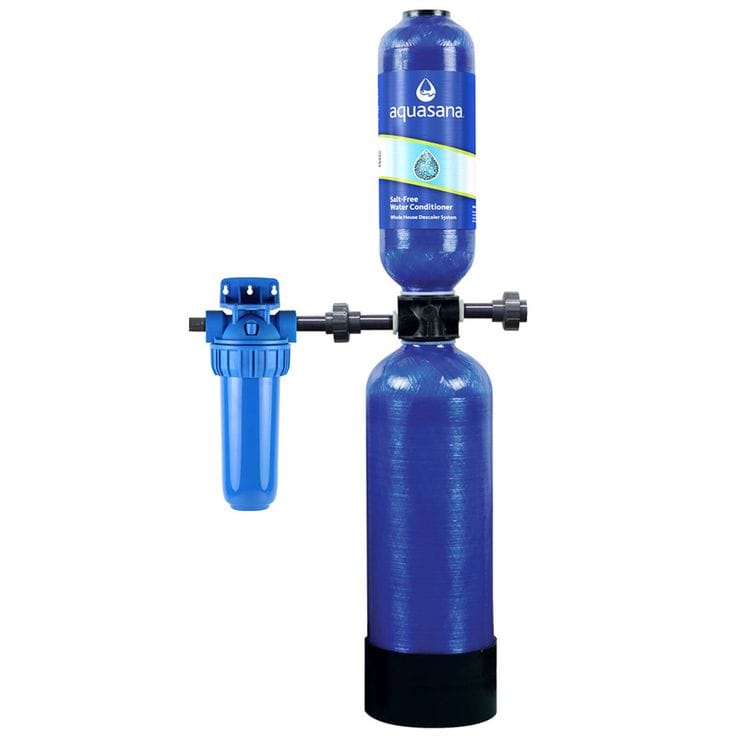
2. Aquasana SimplySoft Salt-Based Water Softener — Best All-in-One System
Aquasana’s whole-house softener is IAPMO certified to NSF/ANSI Standard 44, which means its hardness-reduction claims are independently verified, not just marketing copy.
It’s built for households with up to four bathrooms and pairs well with a separate carbon pre-filter stage if you also want chlorine reduction at the point of entry rather than just in the shower. This is the pick if you want a single trusted system covering your whole home’s water rather than juggling a separate filter for every fixture.
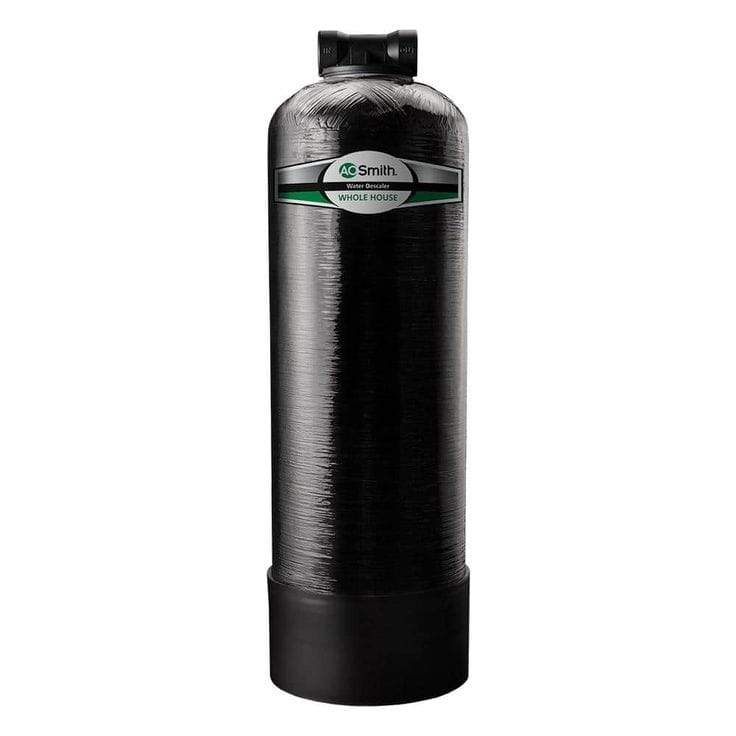
3. AO Smith Whole House Salt-Free Water Descaler — Best No-Salt Option
If you don’t want to deal with salt bags, brine tanks, or a drain line, this salt-free descaler is a genuinely popular alternative.
It’s a conditioner rather than a true softener, meaning it prevents new scale from forming rather than stripping hardness minerals out entirely — so your water won’t get that “slippery” soft-water feel, but your pipes, water heater, and skin get a real reduction in scale-related irritation without the maintenance. It’s a solid pick for moderate hardness levels and anyone who wants a low-effort, set-it-and-forget-it system.
Can You Use a Shower Filter and Water Softener Together?
Yes, and honestly, if your water report shows both elevated chlorine and elevated hardness, this is the setup that makes the most sense. A whole-house softener handles hardness and scale at the point of entry, while a dedicated shower filter (or a carbon pre-filter paired with the softener) handles chlorine specifically in the shower, where hot water and steam increase how much you actually absorb through skin and inhale.
Running both isn’t overkill if your water genuinely has both problems — it’s just addressing two separate mechanisms of hard water skin damage and chlorine-driven barrier disruption at the same time.
What to Do Alongside a Filter or Softener
Neither device replaces a proper skin barrier routine, and this is where the research is actually consistent: whatever water treatment you choose, pairing it with a barrier-supportive moisturizer matters more than the water fix alone.
Something as simple as a hypochlorous acid spray can help calm irritation right after a shower, and a genuinely barrier-repairing moisturizer, applied within a couple of minutes of stepping out, locks in whatever hydration you’ve just protected.
On days your skin feels reactive regardless of your shower setup, a La Roche-Posay Toleriane Double Repair Face Moisturizer or a simpler option like the First Aid Beauty Ultra Repair Cream does more heavy lifting for barrier recovery than any filter can on its own. If chronic dryness has been a long-running issue rather than a recent change, it’s also worth reading up on what beta-glucan is for skin, since barrier-focused ingredients like beta-glucan work well specifically in combination with reduced chlorine exposure.
Frequently Asked Questions
Does a shower filter really help skin?
For chlorine-related dryness and irritation, yes — the clinical data on chlorine reducing stratum corneum hydration is solid, and most users report noticeable improvement within two to three weeks. It won’t help hardness-related issues like mineral buildup or soap residue.
Is a water softener worth it if I already have eczema?
Based on the SWET randomized controlled trial, a softener does not measurably improve eczema that’s already established. It may still be worth it for general comfort, appliance longevity, and reduced scale, but don’t expect it to treat an existing flare-up.
How long does a shower filter cartridge actually last?
Manufacturer claims (usually 3–6 months) are often optimistic. Independent testing shows KDF-based filters can drop below 10% chlorine removal by around day 60 of daily use, so replacing cartridges on the earlier end of the recommended window matters more than the box suggests.
Can hard water cause acne, not just dryness?
Indirectly, yes. Hard water leaves mineral and soap residue on skin that can clog pores and disrupt the moisture barrier, which in turn can worsen breakouts in people who are already acne-prone, even though hardness itself doesn’t cause acne directly.
Final Verdict
If you had to pick just one, and your main complaint is tight, dry, chlorine-smelling skin after every shower, start with a shower filter — it’s cheaper, takes minutes to install, and the clinical evidence for chlorine’s effect on the skin barrier is more direct than the evidence for water softeners treating existing skin conditions.
If your issue is closer to chalky buildup, soap that won’t rinse clean, and appliances scaling up fast, a softener earns its cost, but treat it as a home-maintenance investment first and a skin fix second. And if your water report shows both problems, which is genuinely common, running a shower filter alongside a whole-house softener addresses the two mechanisms separately instead of asking one device to do a job it was never built for.
1 thought on “Shower Filter vs Water Softener: Which Is Better for Skin? (Guide 2026)”