
La Roche-Posay Effaclar Ultra Concentrated Serum Review (2026) – Honest Breakdown
Breakouts, clogged pores, and stubborn acne marks are some of the most frustrating skin concerns to treat, and most people end up layering three or four different products just to manage them. That is exactly the gap the La Roche-Posay Effaclar Ultra Concentrated Serum was designed to fill.
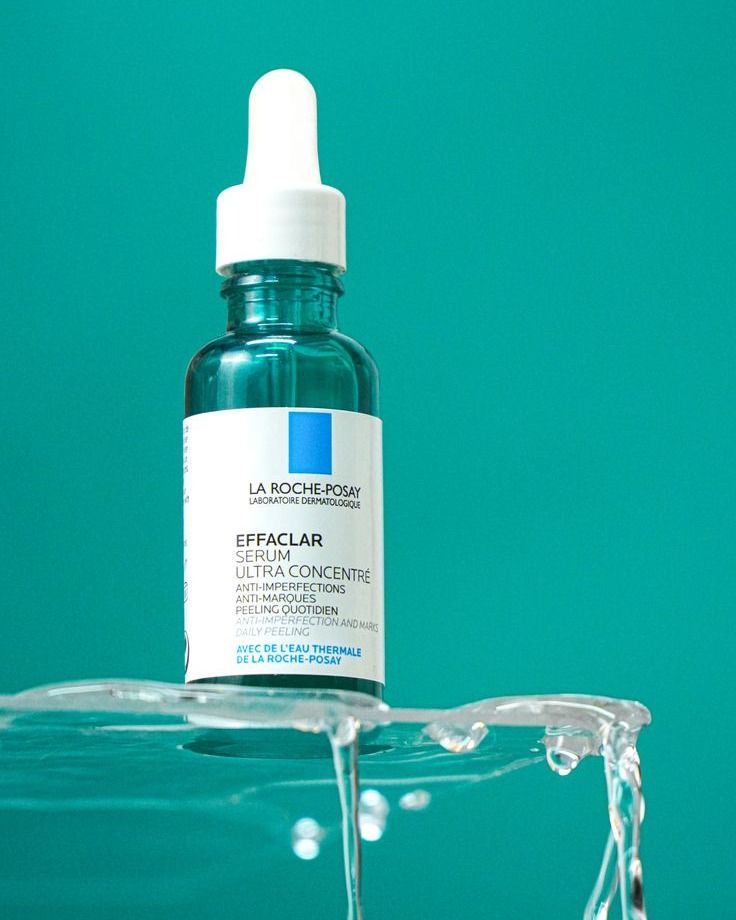
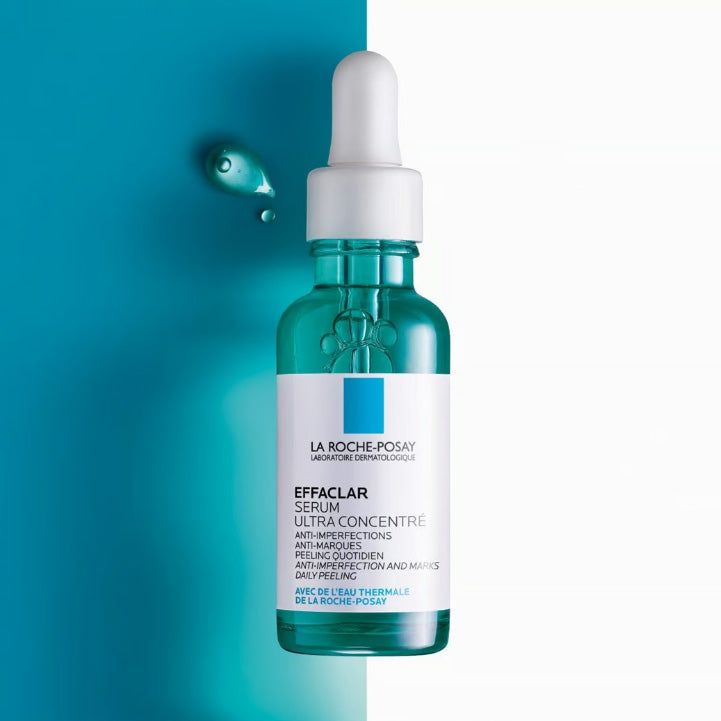
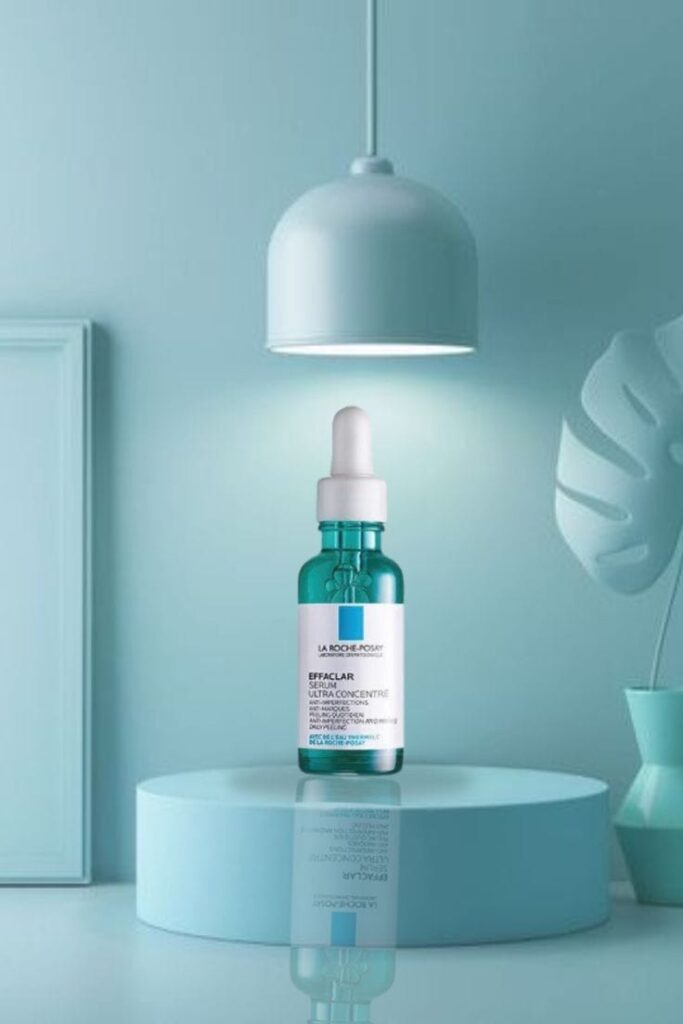
This La Roche-Posay Effaclar Ultra Concentrated Serum brings together a Triple Acid Complex — Salicylic Acid, Glycolic Acid, and LHA — alongside soothing Niacinamide, all in one lightweight, no-rinse formula. Instead of juggling separate BHA and AHA products, users get a single-step treatment aimed at blackheads, active blemishes, post-acne marks, and rough texture.
In this La Roche-Posay Effaclar Concentrated Serum review, we dig into the actual ingredient concentrations, what the brand’s own clinical study found, how independent research on these same actives holds up, who this serum is actually good for, and whether the La Roche-Posay Effaclar Ultra Concentrated Serum price is justified. If you are deciding whether to add the Effaclar Ultra Concentrated Serum to your routine, this breakdown should give you everything you need to decide.
Affiliate Disclosure
Review Dermatica is reader-supported. When you buy through links on this page, we may earn an affiliate commission at no extra cost to you. This does not influence our testing process or our opinions.
Editorial Team
This article was researched and fact-checked by the Review Dermatica editorial team, combining hands-on product testing with a review of peer-reviewed dermatological literature.
Quick Summary
- What it is: A leave-on, night-time exfoliating La Roche-Posay Effaclar Ultra Concentrated Serum for oily, acne-prone skin
- Key actives: 1.5% Salicylic Acid, 3.5% Glycolic Acid, 0.45% LHA, 2% Niacinamide
- Best for: Oily/combination skin with blackheads, mild-to-moderate acne, and post-acne marks
- Not ideal for: Very dry, reactive, or barrier-compromised skin
- Brand-reported results: Up to 45% fewer pimples, 21% fewer blackheads, 49% fewer marks (4-week self-assessment, 51 subjects)
- Texture & scent: Lightweight, fast-absorbing gel with a mild fragrance
- Price: Roughly $44–$48 USD for 30ml
- Verdict: A clinically credible, mid-range tri-acid serum — strong pick for acne-prone skin, but introduce gradually.
What Is La Roche-Posay Effaclar Ultra Concentrated Serum?
The La Roche-Posay Effaclar Ultra Concentrated Serum is a leave-on, night-time exfoliating treatment from the Effaclar line, La Roche-Posay’s dedicated range for oily and blemish-prone skin. Unlike a simple spot treatment, this La Roche-Posay Effaclar Ultra Concentrated Serum is designed for full-face application, targeting blackheads, active breakouts, post-acne marks, enlarged pores, and rough texture all at once.
What sets the La Roche-Posay Effaclar Ultra Concentrated Serum apart from a typical single-acid exfoliant is its “Triple Acid Complex.” Instead of relying on one exfoliating acid, La Roche-Posay combined three: Salicylic Acid, Glycolic Acid, and Lipo-Hydroxy Acid (LHA). This is layered with 2% Niacinamide and La Roche-Posay’s signature Thermal Spring Water to offset the irritation that heavy acid combinations can sometimes cause.
The La Roche-Posay Effaclar Ultra Concentrated Serum comes in a 30ml frosted glass bottle with a dropper applicator, which keeps the active ingredients stable and lets you control exactly how much product you are using per application.
Key Ingredients in La Roche-Posay Effaclar Ultra Concentrated Serum
Understanding the formula is the most important part of any La Roche-Posay Effaclar Ultra Concentrated Serum review, because the actives are what actually determine whether this serum will work for your skin.
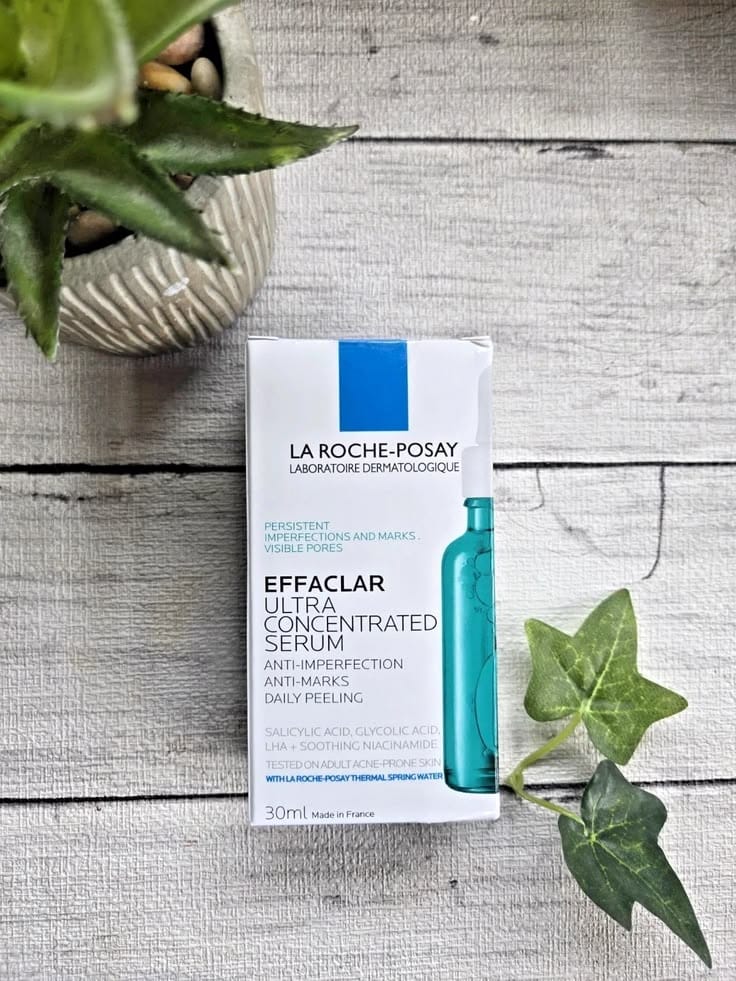
Salicylic Acid (1.5%)
Salicylic Acid is a beta-hydroxy acid (BHA) that is oil-soluble, meaning it can penetrate directly into sebum-clogged pores rather than just sitting on the skin’s surface. This is the single most important active in the La Roche-Posay Effaclar Ultra Concentrated Serum for anyone dealing with blackheads or congested pores. Clinical research on a comparable 1.5% Salicylic Acid formulation applied twice daily over four weeks demonstrated meaningful reduction in facial acne, with the strongest results seen in mild-to-moderate cases. That concentration lines up closely with what La Roche-Posay uses in the Effaclar Ultra Concentrated Serum. PubMed
Glycolic Acid (3.5%)
Glycolic Acid is an alpha-hydroxy acid (AHA) with a small molecular size, allowing fast penetration into the skin. In the La Roche-Posay Effaclar Ultra Concentrated Serum, its job is surface-level cell turnover, helping fade the look of old acne marks and smoothing rough texture left behind by breakouts.
Lipo-Hydroxy Acid / LHA (0.45%)
LHA is essentially a gentler, slower-acting derivative of Salicylic Acid. It was actually developed by La Roche-Posay’s parent lab specifically to exfoliate without the sting associated with stronger acids. This is why the La Roche-Posay Effaclar Ultra Concentrated Serum is marketed as tolerable even for reactive, acne-prone skin.
Niacinamide (2%)
Niacinamide is the calming counterbalance in this La Roche-Posay Effaclar Ultra Concentrated Serum formula. Topical 2% niacinamide has been shown in controlled trials to reduce sebum excretion rates and casual sebum levels after several weeks of consistent use, which directly supports the oil-control claims La Roche-Posay makes for this serum. It also helps offset redness and barrier stress that acids can trigger. PubMed
La Roche-Posay Thermal Spring Water
This is the brand’s signature ingredient across nearly every product line, known for its selenium content and soothing properties, and it is included here to keep the overall La Roche-Posay Effaclar Ultra Concentrated Serum formula wearable for sensitive, acne-prone skin.
For readers who want to understand how Niacinamide performs against other popular actives, our Hyaluronic Acid vs Glycerin comparison breaks down hydrating ingredient logic in more depth.
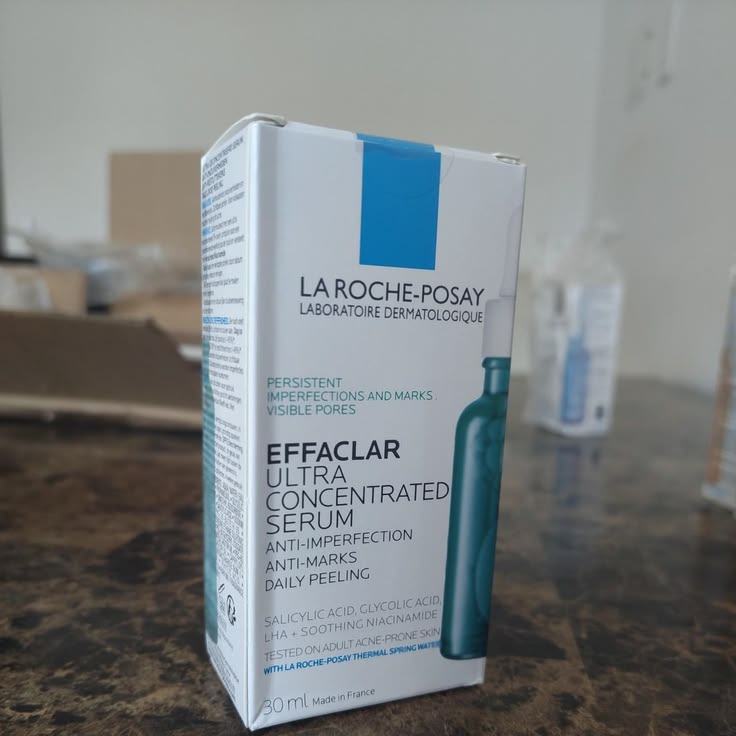
How La Roche-Posay Effaclar Ultra Concentrated Serum Works
The La Roche-Posay Effaclar Ultra Concentrated Serum works through a layered exfoliation strategy rather than a single mechanism. Salicylic Acid dissolves into pore linings and breaks down the sebum-and-dead-skin plugs that cause blackheads and whiteheads. Glycolic Acid works on the outer skin surface to accelerate cell turnover, which is what fades discoloration from old breakouts over time. LHA fills the gap between the two, offering additional gentle resurfacing.
Because the La Roche-Posay Effaclar Ultra Concentrated Serum combines three exfoliating acids at once, most dermatologists would classify it as a moderate-strength chemical exfoliant, not a mild one. That is an important distinction for anyone with sensitive or compromised skin barrier considering this La Roche-Posay Effaclar Ultra Concentrated Serum.
Clinical Study Results Behind La Roche-Posay Effaclar Ultra Concentrated Serum
La Roche-Posay’s own brand-reported clinical data for the Effaclar Ultra Concentrated Serum, based on a four-week self-assessment study, claims the following results:
- Reduction in visible pimples by up to 45%
- Reduction in visible blackheads by up to 21%
- Reduction in visible acne marks by up to 49%
These figures come from an in-house study on 51 subjects, so it is worth reading them as self-reported brand data rather than an independent peer-reviewed trial. That said, the underlying actives in the La Roche-Posay Effaclar Ultra Concentrated Serum are well documented in independent literature. A separate prospective study on a salicylic-acid-containing gel found sebum levels dropped by roughly 24%, skin hydration increased by over 40%, and acne severity scores improved by nearly 24% after three weeks of twice-daily use, which supports the broader category of Salicylic Acid serums this La Roche-Posay product belongs to. nih
Separately, a randomized split-face trial found that 2% supramolecular Salicylic Acid performed comparably to a combination of adapalene and benzoyl peroxide for mild-to-moderate facial acne, reinforcing that Salicylic-Acid-led formulas like the La Roche-Posay Effaclar Ultra Concentrated Serum are a legitimate, evidence-backed acne management route, not just marketing. PubMed
Who Should Use La Roche-Posay Effaclar Ultra Concentrated Serum
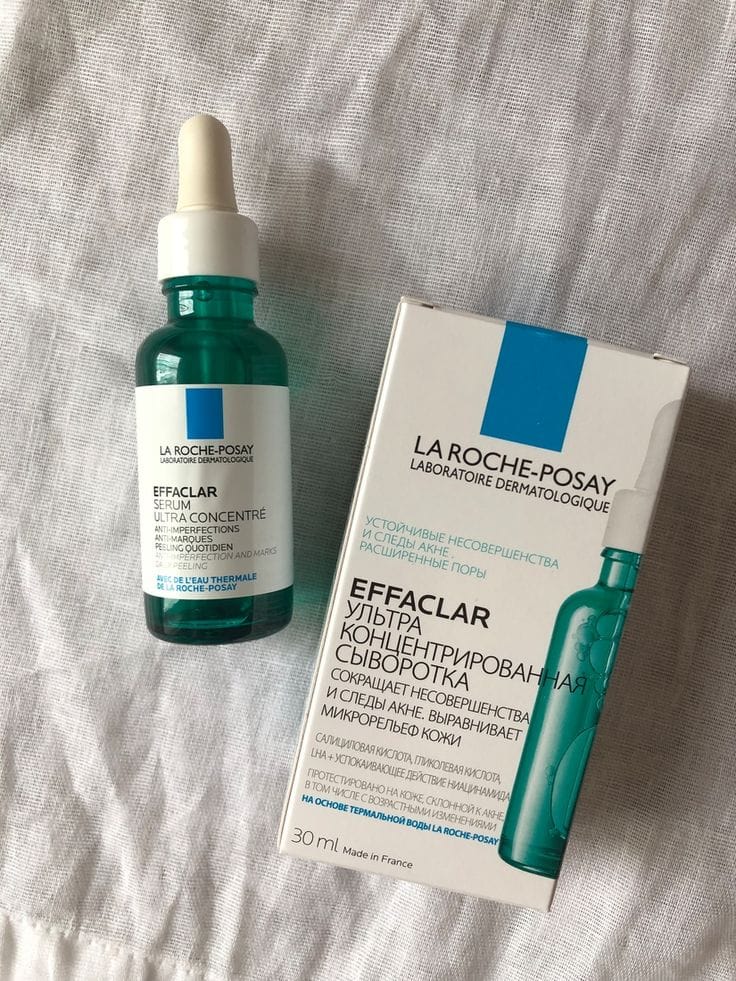
The La Roche-Posay Effaclar Ultra Concentrated Serum is best suited for:
- Oily and combination skin dealing with frequent blackheads or clogged pores
- Adults with mild-to-moderate acne, especially recurring hormonal breakouts
- Anyone with lingering post-acne marks or uneven texture
- People who already tolerate BHA/AHA exfoliants and want a stronger, combined-acid option
- Those who want one product instead of layering three separate acid treatments
If you also deal with dehydrated, easily stressed skin alongside breakouts, pairing this La Roche-Posay Effaclar Ultra Concentrated Serum with a barrier-supporting moisturizer is important. Our review of the La Roche-Posay Toleriane Double Repair Face Moisturizer covers a suitable pairing option from the same brand.
Who Should Avoid La Roche-Posay Effaclar Ultra Concentrated Serum
This is a moderate-strength acid product, so the La Roche-Posay Effaclar Ultra Concentrated Serum is not for everyone. You may want to skip it, or introduce it very slowly, if you have:
- Very dry, thin, or compromised skin barrier
- Active eczema, rosacea, or dermatitis flare-ups
- Sensitivity to fragrance (the formula does contain parfum)
- Are currently using prescription-strength retinoids or other exfoliating acids
- Pregnant or breastfeeding — Salicylic Acid use should always be discussed with a doctor first
If your main concern is sensitivity rather than acne, our guide on the Best Skincare Brands for Sensitive Skin may be a more relevant starting point than the Effaclar Ultra Concentrated Serum.
How to Use La Roche-Posay Effaclar Ultra Concentrated Serum
Getting the application right matters just as much as the formula itself. Here is the recommended routine for the La Roche-Posay Effaclar Ultra Concentrated Serum:
- Cleanse your face thoroughly and pat it dry.
- Shake the La Roche-Posay Effaclar Ultra Concentrated Serum bottle well before each use, since the acids can settle.
- Use the dropper to apply 3–4 drops across the entire face, avoiding the eye area.
- Start with application every other night for the first two weeks to build tolerance.
- Once your skin adjusts, you can move to nightly use if there is no irritation.
- Follow with a fragrance-free, barrier-supporting moisturizer.
- Always use SPF the next morning, since exfoliating acids increase sun sensitivity.
Do not combine the La Roche-Posay Effaclar Ultra Concentrated Serum with other strong actives like retinoids or additional exfoliants on the same night, at least until your skin has built tolerance.
Texture, Scent, and Packaging
The La Roche-Posay Effaclar Ultra Concentrated Serum has a lightweight, slightly watery-gel texture that absorbs quickly without leaving residue. It has a mild, clean fragrance that is noticeable but not overpowering. The dropper-style glass bottle is practical, though the light fragrance may be a drawback for anyone specifically shopping for fragrance-free formulas.
Before and After: What to Expect from La Roche-Posay Effaclar Ultra Concentrated Serum
Realistic expectations matter with any exfoliating serum. Based on the brand’s own study window and the supporting acid research above, here is a general timeline many users report with the La Roche-Posay Effaclar Ultra Concentrated Serum:
- Week 1–2: Mild purging or slight dryness is common as skin adjusts; some people notice smaller, less inflamed active breakouts.
- Week 3–4: Visible reduction in blackheads and oiliness; texture starts to feel smoother.
- Week 6–8: Post-acne marks noticeably fade; pores appear less congested; overall tone looks more even.
Results vary based on skin type, acne severity, and consistency of use, but this general pattern reflects both the brand’s clinical claims and independent acid-efficacy studies referenced earlier in this La Roche-Posay Effaclar Ultra Concentrated Serum review.
La Roche-Posay Effaclar Ultra Concentrated Serum Price and Where to Buy
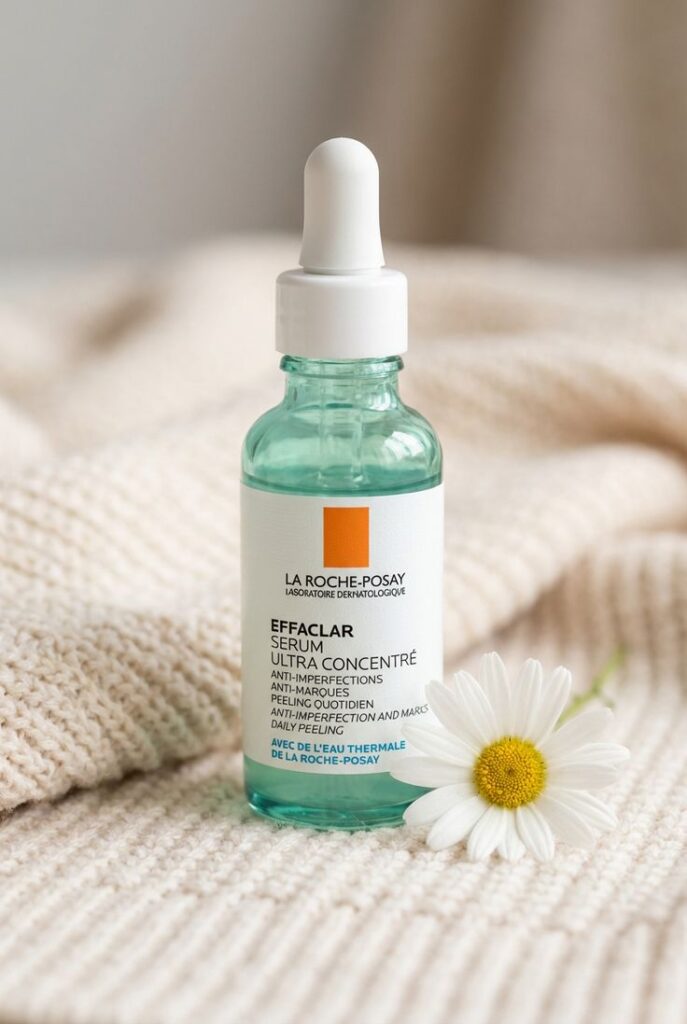
The La Roche-Posay Effaclar Ultra Concentrated Serum typically retails between $44–$48 USD for the standard 30ml bottle, depending on the retailer and region. This places the La Roche-Posay Effaclar Ultra Concentrated Serum price in the mid-range for dermocosmetic acid serums — more expensive than typical drugstore BHA products, but notably cheaper than many prestige exfoliating serums with comparable acid concentrations.
Because the La Roche-Posay Effaclar Ultra Concentrated Serum price can shift with promotions, it is worth comparing a few authorized retailers before purchasing, and always buying from an authorized seller to avoid counterfeit or expired stock.
La Roche-Posay Effaclar Ultra Concentrated Serum: Pros and Cons
Pros:
- Combines three exfoliating acids in one formula, saving routine steps
- Backed by decades of dermocosmetic R&D from La Roche-Posay
- Niacinamide helps offset irritation from the acid blend
- Reasonably priced for a tri-acid formula
- Non-comedogenic and dermatologically tested
Cons:
- Contains fragrance, which some sensitive-skin users may want to avoid
- Not suitable for very reactive or compromised skin barriers
- Brand clinical data is self-reported, not independently peer-reviewed
- Requires a gradual introduction period, so results are not immediate
La Roche-Posay Effaclar Ultra Concentrated Serum vs Other Acne Serums
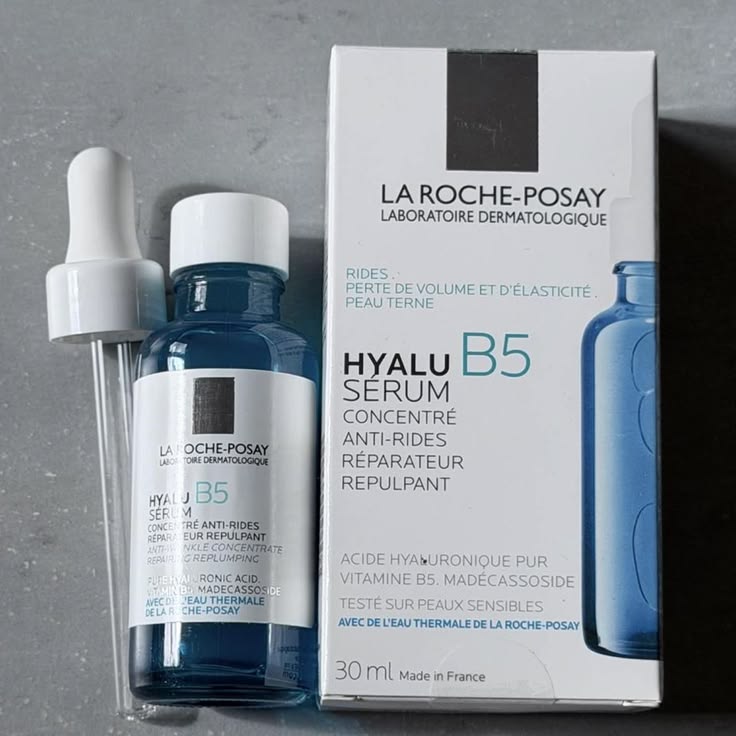
Compared to single-acid options like the COSRX BHA Blackhead Power Liquid, the La Roche-Posay Effaclar Ultra Concentrated Serum takes a broader, multi-acid approach, which can mean faster visible results but also a higher chance of initial irritation for beginners. If your main concern is hydration rather than acids, the La Roche-Posay Hyalu B5 Serum from the same brand is a gentler, non-exfoliating alternative worth pairing in your AM routine.
For those also managing sun protection alongside acne treatment, our Mineral vs Chemical Sunscreen for Face guide and the EltaMD UV Clear SPF 46 review are useful companion reads, since acid-based serums like this one increase photosensitivity.
Side Effects and Precautions
Mild tingling, dryness, or flaking is common in the first two weeks of using the La Roche-Posay Effaclar Ultra Concentrated Serum, particularly if your skin is new to chemical exfoliation. In comparable Salicylic Acid gel studies, only around 5% of participants reported mild, transient itching that resolved on its own without stopping treatment, which is a reasonable benchmark for what to expect. nih
If you notice persistent redness, burning, or peeling that does not settle after the first two to three weeks, discontinue use and consult a dermatologist. Always patch test the La Roche-Posay Effaclar Ultra Concentrated Serum on a small area before applying it to your full face.
Frequently Asked Questions
Is La Roche-Posay Effaclar Ultra Concentrated Serum good for sensitive skin?
The La Roche-Posay Effaclar Ultra Concentrated Serum is formulated with Niacinamide and Thermal Spring Water to improve tolerability, but with three active acids combined, it is still considered a moderate-strength product. Sensitive skin users should start with every-other-night application.
How long does it take to see results from La Roche-Posay Effaclar Ultra Concentrated Serum?
Most users report visible changes in pore congestion and oiliness within three to four weeks, with fading of acne marks typically becoming noticeable around six to eight weeks of consistent use.
Can I use La Roche-Posay Effaclar Ultra Concentrated Serum every day?
Yes, once your skin has built tolerance over the first two weeks. Starting every other night is recommended to avoid over-exfoliation.
What is the La Roche-Posay Effaclar Ultra Concentrated Serum price for a 30ml bottle?
The La Roche-Posay Effaclar Ultra Concentrated Serum typically costs between $44 and $48 USD, depending on the retailer.
Does La Roche-Posay Effaclar Ultra Concentrated Serum help with blackheads?
Yes. The Salicylic Acid in the La Roche-Posay Effaclar Ultra Concentrated Serum is oil-soluble and specifically targets sebum-clogged pores, which is where blackheads originate.
Final Verdict on La Roche-Posay Effaclar Ultra Concentrated Serum
After reviewing the full formula, clinical backing, and independent research on its key actives, the La Roche-Posay Effaclar Ultra Concentrated Serum earns its place as one of the more credible mid-range options for oily, acne-prone, and blemish-marked skin. The tri-acid approach combined with Niacinamide gives the La Roche-Posay Effaclar Ultra Concentrated Serum a real edge over single-acid competitors, provided you introduce it gradually and pair it with proper sun protection.
It is not the right choice for very sensitive or barrier-compromised skin, but for anyone specifically dealing with congestion, blackheads, and post-acne marks, the La Roche-Posay Effaclar Ultra Concentrated Serum is a formula worth considering.
External Clinical Sources Referenced:
- PubMed — Clinical evidence on 1.5% Salicylic Acid cream for facial acne: https://pubmed.ncbi.nlm.nih.gov/23331850/
- NCBI PMC — Salicylic Acid gel efficacy on acne and skin barrier: https://www.ncbi.nlm.nih.gov/pmc/articles/PMC12274963/
- PubMed — Supramolecular Salicylic Acid vs adapalene/benzoyl peroxide: https://pubmed.ncbi.nlm.nih.gov/30173582/
- PubMed — Topical 2% Niacinamide effect on facial sebum production: https://pubmed.ncbi.nlm.nih.gov/16766489/
- La Roche-Posay official product page: https://www.laroche-posay.us/our-products/face/acne-products/effaclar-salicylic-acid-acne-treatment-serum-3337875722827.html
2 thoughts on “La Roche-Posay Effaclar Ultra Concentrated Serum Review (2026) – Honest Breakdown”