Skin Concerns: Causes, Types, Treatments & Best Skincare Tips
When it comes to skincare, everyone faces unique challenges. These issues are often referred to as skin concerns. From acne and dryness to aging and pigmentation, skin concerns affect how our skin looks and feels. Addressing them properly is essential for achieving healthy, radiant skin.
In this article, we’ll explore what skin concerns mean, why they matter, the most common types, and the best ways to treat them effectively.
What Are Skin Concerns?
A skin issues is any problem, condition, or visible change that affects the skin’s texture, tone, or overall health. Skin concerns may be temporary (like seasonal dryness or sunburn) or long-term (such as acne, pigmentation, or wrinkles).
Identifying your skin issues is the first step to building a skincare routine that works for your unique needs.
Why Addressing Skin Concerns is Important
Ignoring skin health issues may lead to bigger problems later. For example, untreated acne can cause permanent scarring, while neglecting sun damage can accelerate aging or even lead to skin cancer.
Benefits of addressing skin health issues early:
- Prevents long-term damage
- Boosts self-confidence with healthier skin
- Helps create a skincare routine tailored to your needs
- Maintains youthful, radiant, and glowing skin
Common Types of Skin Concerns
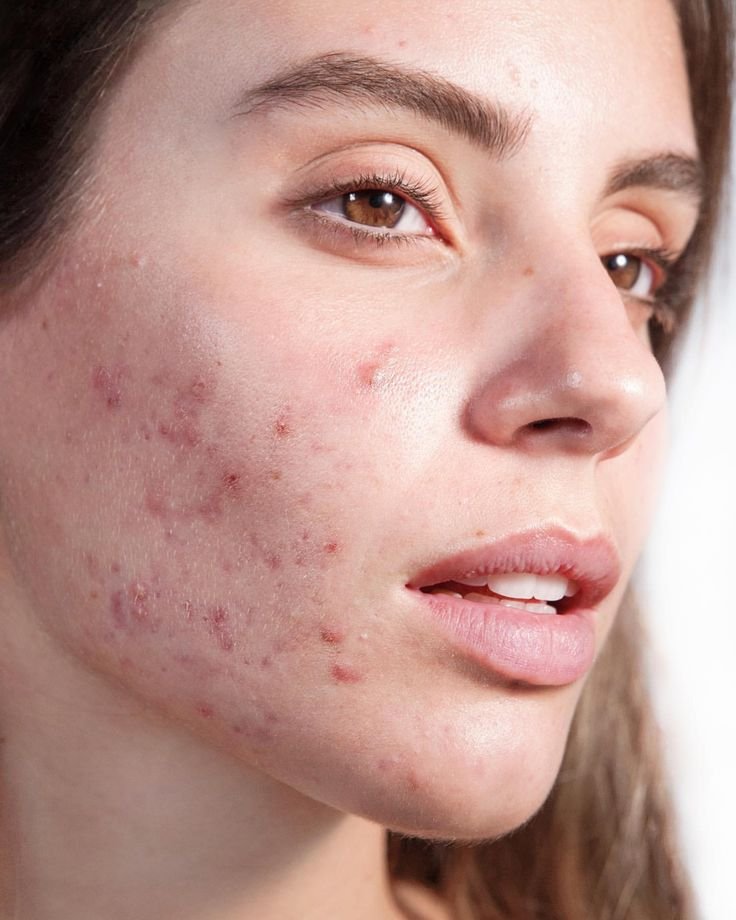
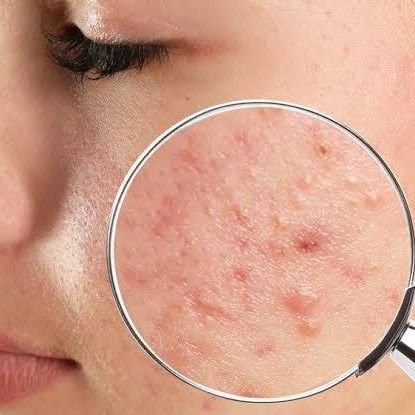
1. Acne and Breakouts
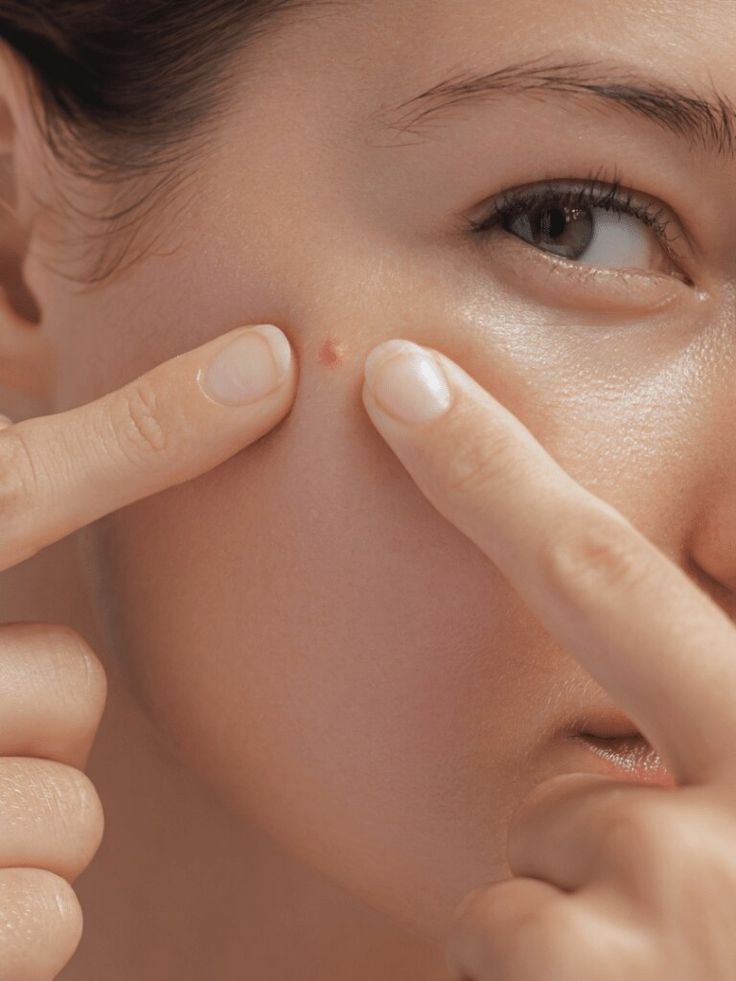
Acne is one of the most common skin concerns worldwide. It occurs when pores are clogged with oil, dead skin cells, or bacteria.
Causes:
- Hormonal changes (teenage years, pregnancy, stress)
- Excess oil production
- Poor diet or lifestyle habits
- Using comedogenic products
Solutions:
- Cleanse your face twice daily with a gentle cleanser
- Use salicylic acid or benzoyl peroxide treatments
- Stick to non-comedogenic skincare products
- Avoid harsh scrubbing
2. Dryness and Dehydration
Dry skin lacks natural oils, while dehydrated skin lacks water. Both conditions cause flakiness, roughness, and dullness.
Causes:
- Cold or dry weather
- Harsh soaps or cleansers
- Hot showers
- Aging (reduced oil production)
Solutions:
- Use hydrating cleansers and moisturizers
- Apply hyaluronic acid serums
- Protect skin with nourishing oils
- Avoid over-exfoliation
Oily Skin and Enlarged Pores
Excess sebum production makes the skin shiny and prone to breakouts. Enlarged pores often accompany oily skin.
Causes:
- Genetics
- Hormonal fluctuations
- Humid climates
- Wrong skincare products
Solutions:
- Lightweight, oil-free moisturizers
- Weekly clay masks to absorb excess oil
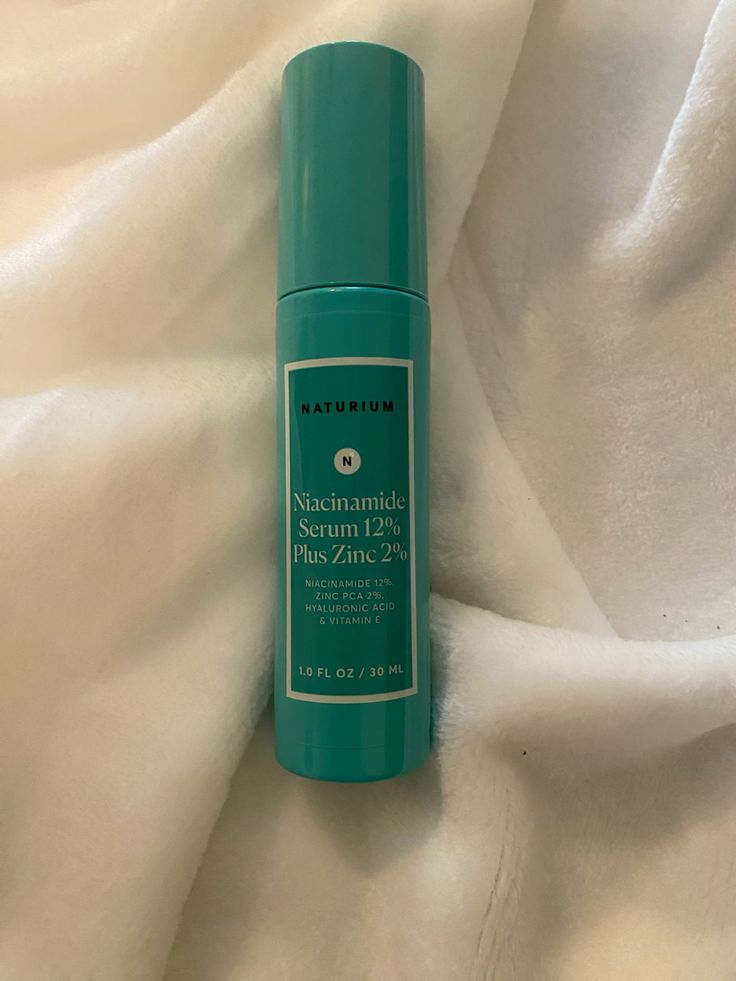
- Niacinamide to regulate sebum
- Avoid pore-clogging ingredients
Hyperpigmentation and Dark Spots
Hyperpigmentation appears as dark patches due to excess melanin production.
Causes:
- Sun exposure without SPF
- Post-acne marks
- Hormonal changes (melasma)
- Aging
Solutions:
- Daily sunscreen (SPF 30+)
- Vitamin C serums
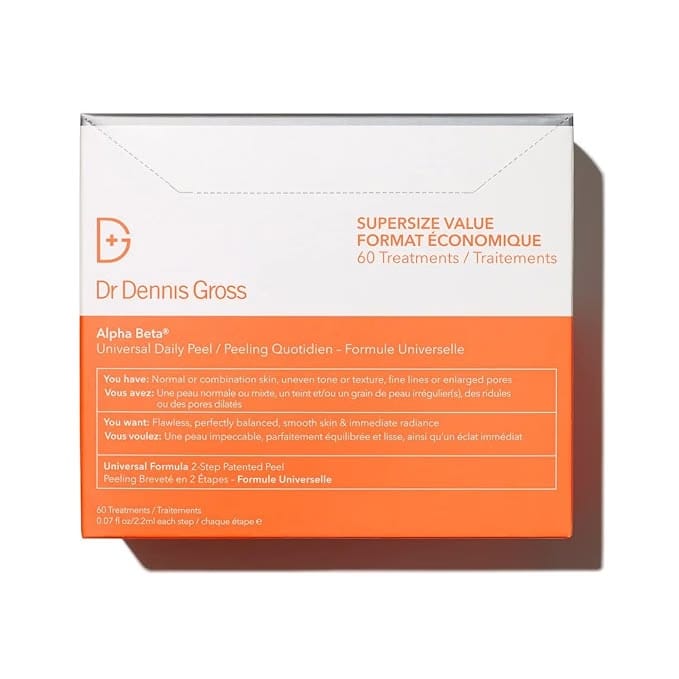
- Exfoliants like AHAs
- Professional treatments (chemical peels, laser therapy)
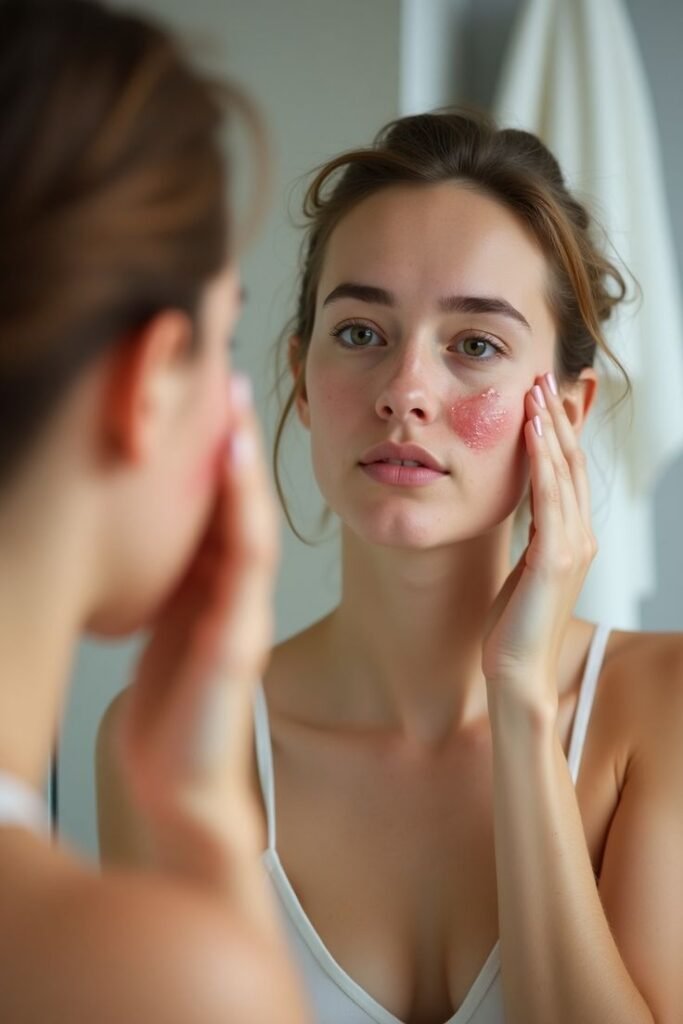
Sensitive Skin
Sensitive skin reacts easily with redness, irritation, or burning sensations.
Triggers:
- Harsh chemicals or fragrances
- Weather changes
- Food or environmental allergens
- Over-exfoliation
Care Tips:
- Use fragrance-free, hypoallergenic products
- Patch test new skincare before use
- Soothe irritation with aloe vera or centella asiatica
- Keep your skincare routine simple
Aging and Wrinkles
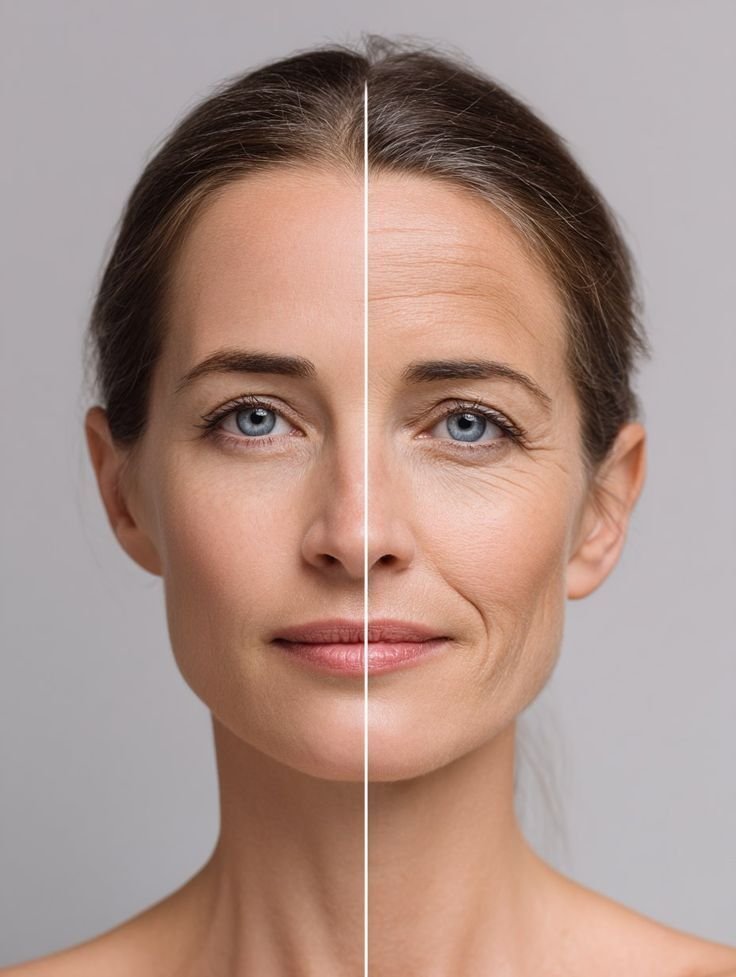
As we age, fine lines, wrinkles, sagging, and loss of elasticity become common dermatological concerns.
Causes:
- Collagen breakdown with age
- UV damage
- Smoking, stress, and poor diet
- Lack of sleep
Solutions:
- Use sunscreen daily to prevent photoaging
- Retinoids to stimulate collagen production
- Hydrating peptides and antioxidants
- Healthy diet and lifestyle habits
Dark Circles and Puffy Eyes
The under-eye area is delicate and often shows early signs of fatigue.
Causes:
- Lack of sleep
- Dehydration
- Genetics
- Allergies or aging
Solutions:
- Get enough rest and hydration
- Use eye creams with caffeine or peptides
- Apply cold compresses
- Protect from sun damage
How to Identify Your Skin Concerns
Many people misidentify their skin problems, leading to ineffective skincare.
- Observe your skin daily for changes
- Notice triggers (diet, weather, stress, products)
- Consult a dermatologist for severe or persistent concern
General Skincare Tips for All dermatological concerns
- Always wear sunscreen – prevents premature aging and pigmentation
- Stay hydrated – drink enough water daily
- Follow a balanced diet – vitamins A, C, E, and omega-3s benefit the skin
- Get 7–8 hours of sleep – essential for skin repair
- Maintain a consistent routine – cleanse, treat, moisturize, and protect
Frequently Asked Questions (FAQs) About Skin Concerns
- What are skin concerns?
Skin concerns are conditions that affect the skin’s health or appearance, such as acne, dryness, sensitivity, or aging.
- What is the most common skin concern?
Acne is one of the most common skin concerns, affecting teenagers and adults alike.
- Can skincare concerns be cured permanently?
Some can be reduced or controlled (like acne and pigmentation), but natural processes like aging cannot be stopped—only slowed.
- How do I know my skin concern?
Observe changes in your skin and consult a dermatologist for an accurate diagnosis.
- Which products help with multiple skincare concerns?
Sunscreen, vitamin C serums, hyaluronic acid, and gentle cleansers work for most skin types and help address multiple concerns at once.