
10 Best & Top Sunscreens for Face: A Dermatologist-Backed Deep Guide
Why Choosing the Top Sunscreens for Face Truly Matters
Among all skincare products, sunscreen remains the single most powerful tool for preventing premature aging, hyperpigmentation, acne marks, fine lines, melasma, and even skin cancer. Dermatologists worldwide repeatedly confirm that no moisturizer, cream, serum, retinol, or toner can match the protective benefits of daily sunscreen use. Yet, with hundreds of formulas on the market, consumers often struggle to identify the top sunscreens for face and understand what truly separates an average SPF from a high-performing one.
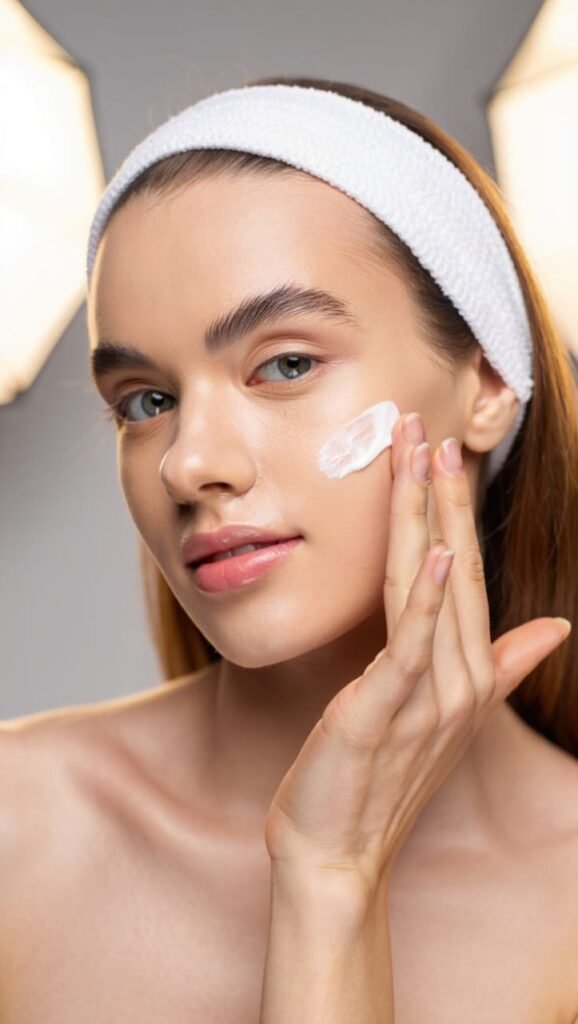
Understanding What Makes a Sunscreen “Top Tier”
A sunscreen does not become one of the Top Sunscreens for Face simply because it has a high SPF number. High-performing sunscreens excel because they offer broad-spectrum protection, stability under sunlight, cosmetic elegance, and skin compatibility. In dermatology, “broad-spectrum” means protection from both UVB, which causes sunburn, and UVA, which penetrates deeper and accelerates photoaging.
Modern research shows that UVA rays penetrate through windows, cloud cover, and even fine fabrics. This is why dermatologists strongly recommend wearing sunscreen daily, even indoors. The American Academy of Dermatology (AAD) emphasizes that SPF is non-negotiable if you want youthful, even-toned skin.
Source: American Academy of Dermatology (aad.org)
Why Texture, Ingredients & Filters Matter More Than SPF Number
Many people believe SPF 100 is always better, but dermatologists explain that formula texture is far more important. A lightweight, pleasant sunscreen ensures people apply the correct amount — approximately 2 fingers’ worth for the face and neck.
Chemical sunscreens (e.g., avobenzone, homosalate, octocrylene) tend to be lightweight and blendable, ideal for darker skin tones and makeup users. Mineral sunscreens (zinc oxide, titanium dioxide) are gentler for sensitive or eczema-prone skin.
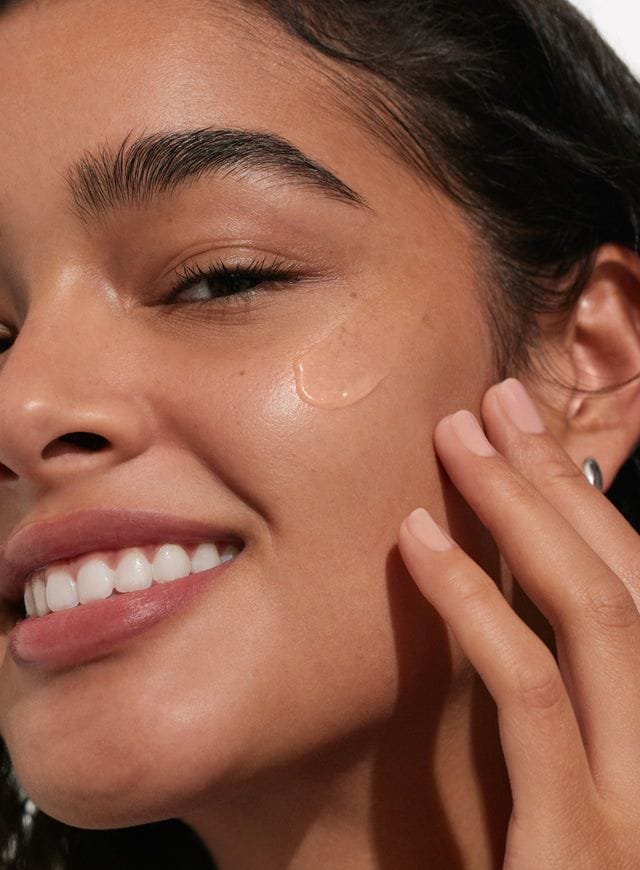
Dermatologist Dr. Shari Marchbein says:
“The best sunscreen is the one you’ll wear every single day. Texture dictates adherence more than SPF numbers.”
Source: Interview quoted via Allure Dermatology Archive (allure.com)
Choosing Sunscreens Based on Skin Type
When identifying the top sunscreens for the face, matching formulas to skin type is crucial. For oily skin, matte or gel-based SPFs feel most comfortable. For dry or barrier-damaged skin, creamy mineral sunscreens with ceramides or hyaluronic acid work best. For melasma-prone skin, dermatologists prefer tinted mineral sunscreens because iron oxides help block visible light — a key trigger of pigmentation.
Some considerations often recommended by professionals include:
- Oily skin: gel textures, matte finishes, non-comedogenic formulas
- Dry skin: hydrating mineral SPFs containing niacinamide or ceramides
- Sensitive skin: zinc oxide formulas with minimal fragrance
- Acne-prone skin: lightweight chemical or hybrid SPFs
- Dark skin tones: transparent chemical sunscreens or modern Korean SPFs with no white cast
These guidelines help ensure users get the most out of the top sunscreens for the face without irritation or poor blending.
Dermatologist-Approved Sunscreens With Proven Performance
La Roche-Posay Anthelios Melt-In Milk SPF 60
Dermatologists praise its patented Cell-Ox Shield® technology, which combines UVA/UVB filters with antioxidants. It blends easily, works for all skin types, and feels smooth under makeup.
Source: La Roche-Posay Official (laroche-posay.us)
EltaMD UV Clear SPF 46
This sunscreen consistently ranks among the most recommended in US dermatology clinics, especially for acne, rosacea, and redness-prone skin. The niacinamide in the formula helps brighten and calm irritation.
Source: EltaMD Official (eltamd.com)
Supergoop! Unseen Sunscreen SPF 40
Known as one of the most innovative clear sunscreens, it suits every skin tone and works flawlessly as a makeup primer without a white cast.
Source: Supergoop (supergoop.com)
Beauty of Joseon Relief Sun SPF 50+
This Korean sunscreen is globally viral for its silky texture, PA++++ rating, and moisturizing rice extract. Ideal for humid and hot climates.
Source: BOJ Official (beautyofjoseon.com)
These Four examples consistently rank within the top sunscreens for face, supported by both derms and consumer reviews. Top Sunscreens for Face
Why Dermatologists Stress Daily SPF — Real Science Behind It
Dermatologist Dr. Samantha Ellis explains:
“Over 80% of visible skin aging is triggered by daily UV exposure. Sunscreen is the most effective anti-aging product available without a prescription.”
Source: Dermatology education article, SkinSAFE Expert Library (skinsafeproducts.com)
How Much Sunscreen to Apply & How Often to Reapply
No matter how premium the sunscreen, it can only perform if applied correctly. Dermatologists worldwide follow the “two-finger rule,” meaning two fingers’ length of sunscreen for the face and neck. Reapplication every 2 hours is essential outdoors.Top Sunscreens for Face
To help users remember:
- Apply generously (a visible layer first, then rub in)
- Use daily, regardless of the weather
- Reapply if sweating, swimming, or exposed for long durations
- Don’t rely on SPF in makeup — it is never enough alone
Many people claim sunscreen feels heavy, but with modern innovation, the top sunscreens for face are now as light as moisturizers, especially Korean hybrids and Japanese gel formulas.
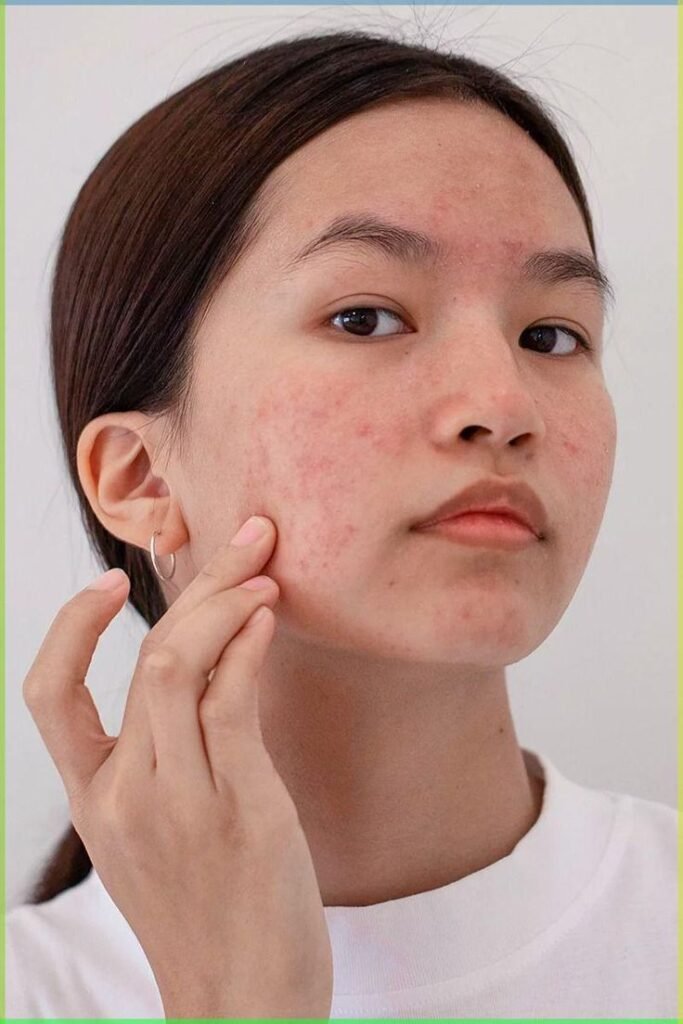
Why Sunscreen Is Essential for Acne, Dark Spots & Redness
People with acne often assume sunscreen triggers breakouts, but research proves the opposite. Sunscreen prevents post-acne marks from darkening and decreases inflammation. Niacinamide-rich sunscreens like EltaMD UV Clear brighten the skin while providing protection.
Hyperpigmentation conditions such as melasma worsen dramatically without consistent broad-spectrum SPF. Dermatologists actually prioritize sunscreen over hydroquinone, vitamin C, or retinol when treating pigmentation cases.
For rosacea patients, mineral sunscreens with zinc oxide remain the safest and most soothing choice.
Expert Tips to Maximize Results With the Top Sunscreens for Face
Dermatologists offer several professional tips to get the full benefit of sunscreen:
| Tip | Description |
|---|---|
| Apply SPF as the final step of morning skincare | Sunscreen should always be the last layer in your morning routine for maximum protection. |
| For makeup users, choose a primer-like sunscreen | This helps prevent pilling and keeps makeup smooth throughout the day. |
| Consider tinted sunscreens for melasma or uneven tone | Tinted formulas provide extra protection against visible light, which worsens pigmentation. |
| Avoid mixing sunscreen with moisturizer | Mixing reduces the SPF level and weakens protection. |
| Store SPF away from direct sunlight | Heat and light can break down the formula and reduce effectiveness. |
Dermatologist Dr. Elyse Love emphasizes:
“Proper sunscreen use delivers clearer, brighter, more even-toned skin within months. The key is consistency, not perfection.”
Source: Dr. Love Interview, Dermstore Expert Panel (dermstore.com)
Conclusion: Choosing the Right SPF Is the Best Skincare Decision You’ll Make
The journey to glowing, healthy skin begins with selecting the top sunscreens for face—not just any SPF but one with strong UV protection, elegant texture, and proven dermatology support. Whether you choose a lightweight chemical formula, a calm mineral blend, or a hydrating Korean hybrid, sunscreen remains the foundation of long-term skin healthline.Top Sunscreens for Face.
Top Sunscreens for Face With daily use, you protect your collagen, prevent pigmentation, delay aging, support barrier health, and preserve your natural radiance. Among all skincare investments, sunscreen is the one that rewards you every single day.Top Sunscreens for Face
For more expert skincare guides and ingredient breakdowns, visit our website regularly to stay updated!
Good work