CeraVe Moisturizing Cream Review: Deep Hydration and Real Experience for Sensitive Skin
I recently tried CeraVe Moisturizing Cream, priced around $15–$20 for a 16-oz jar in the US. From the very first application, it felt creamy and rich, yet surprisingly light on the skin. In this cerave moisturizing cream review, I’ll share my personal experience, including how it performs on sensitive and acne-prone skin, what dermatologists recommend, and why it has become a go-to moisturizer for many.
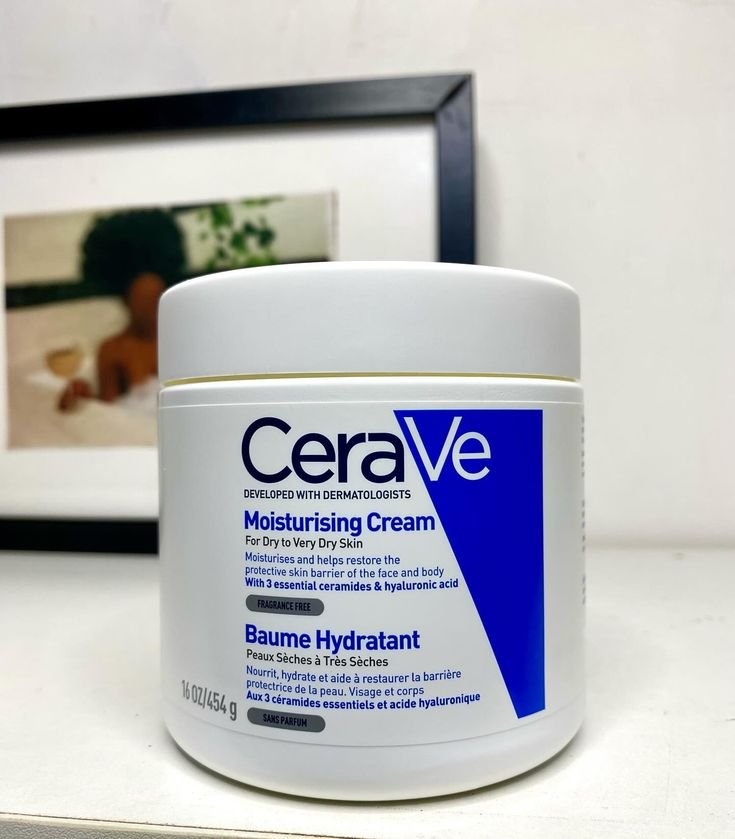
When I first bought it, I was skeptical—after trying so many products, finding a moisturizer that truly hydrates without causing breakouts is rare. In this CeraVe Moisturizing Cream Review, I tested it for a week, and I noticed my skin feeling softer and calmer, especially in dry indoor environments. This CeraVe Moisturizing Cream Review also helped me understand why so many dermatologists recommend it for sensitive and acne-prone skin.
Why Dermatologists Recommend CeraVe Moisturizing Cream
Dermatologists frequently recommend CeraVe Moisturizing Cream for:
- Eczema and dry skin: Its ceramide-rich formula restores the skin barrier and reduces irritation.
- Sensitive skin: Fragrance-free and non-comedogenic, it’s gentle even on reactive skin.
- Acne-prone skin: Provides hydration without clogging pores, which is a rare combination.
According to skincare experts, this cream works well on eczema-prone areas, patches of dryness, and overall sensitive skin, making it suitable for almost all dry skin conditions. Personally, I could feel the difference in just a few days—less redness, less tightness, and an overall healthier texture.
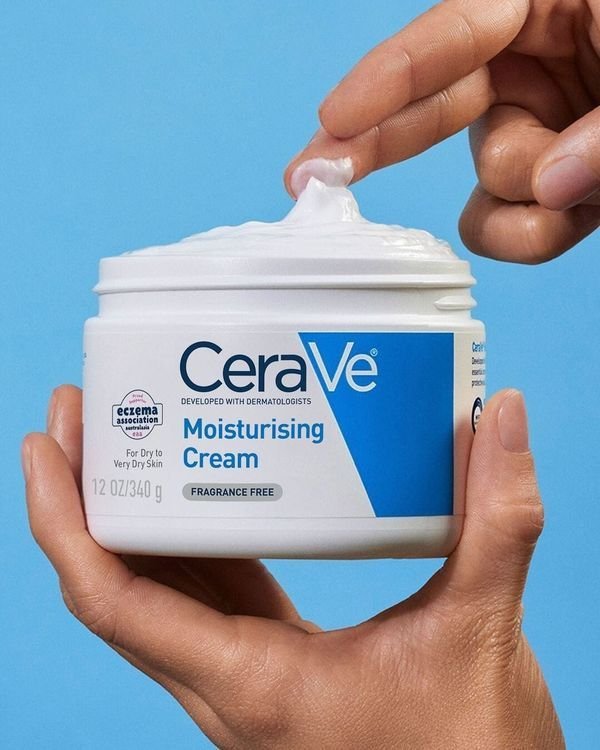
Ingredients & Benefits
| Ingredient | Benefit |
|---|---|
| Ceramides (1, 3, 6-II) | Repair and strengthen skin barrier |
| Hyaluronic Acid | Locks in moisture and plumps skin |
| Glycerin | Softens and smooths skin |
| Petrolatum | Seals moisture, prevents dryness |
| Cholesterol | Supports barrier restoration |
Personal Observation: After a week of using CeraVe Moisturizing Cream, my dry patches on cheeks and forehead were noticeably smoother. This CeraVe Moisturizing Cream Review confirmed for me that even during a week of cold indoor heating, my skin stayed hydrated without flaking.
Texture, Application & Daily Routine
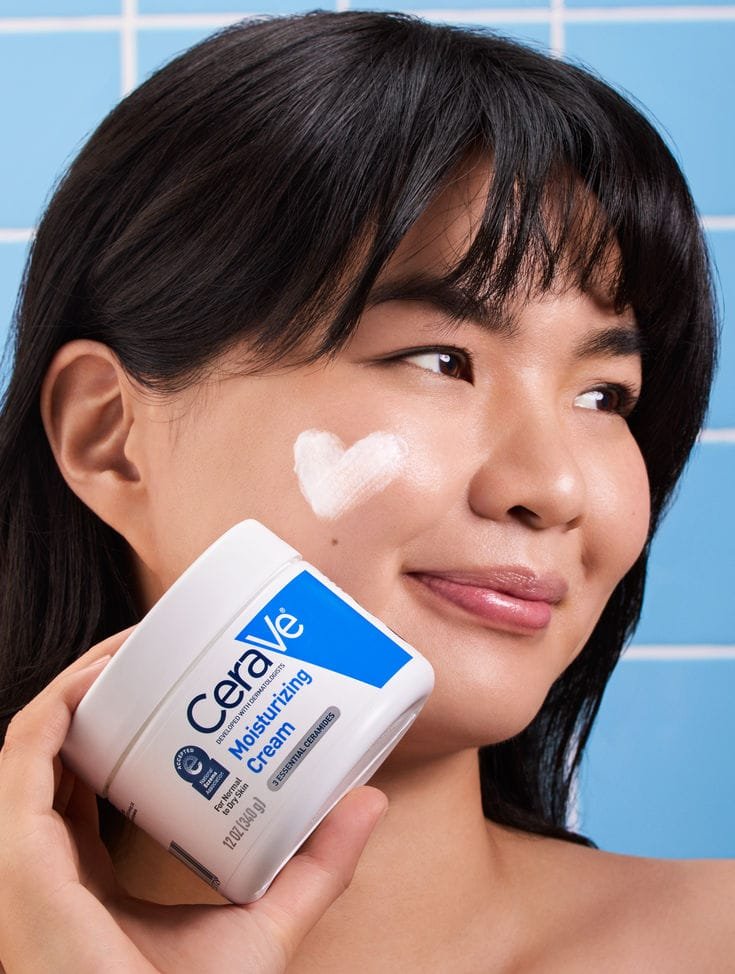
The cream has a thick, creamy texture, yet it absorbs quickly. A small amount spreads over the entire face, neck, and even hands. I like to apply it right after showering when my skin is slightly damp—it locks in moisture effectively.
Here’s my daily experience:
- Morning: I use a thin layer under sunscreen. It doesn’t leave a greasy finish and works well under makeup.
- Evening: I apply a thicker layer on dry areas—cheeks, elbows, and knees. Waking up, my skin feels soft, plump, and calm.
Special Tip: On extremely dry winter days, I even layer it over a serum for extra hydration. From my experience in this CeraVe Moisturizing Cream Review, my skin showed no irritation or breakouts, even with heavier layering.
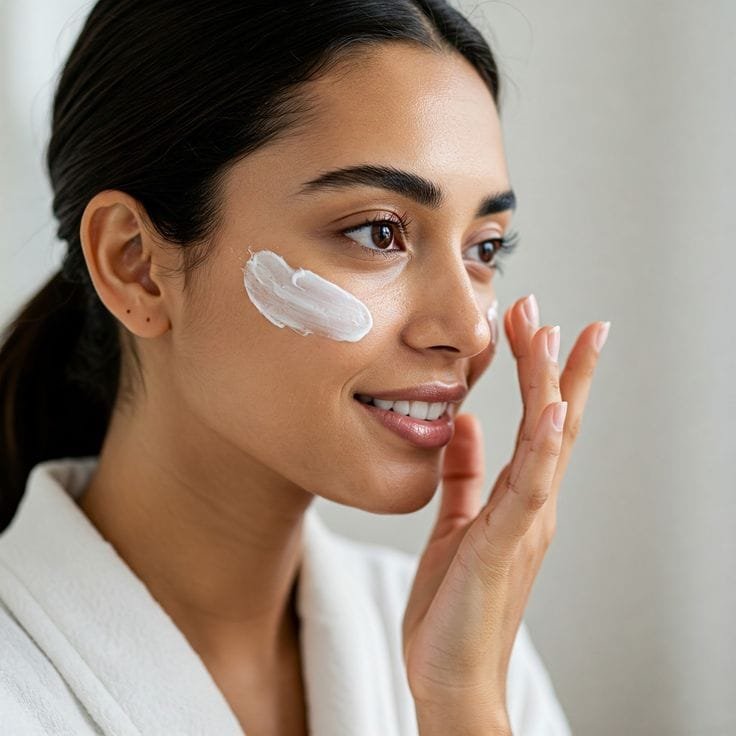
This routine makes it clear why dermatologists recommend it for sensitive, dry, and acne-prone skin.
Pros & Cons
Even though I loved it, no product is perfect.
Pros:
- Long-lasting hydration
- Gentle and fragrance-free
- Non-comedogenic for acne-prone skin
- Affordable compared to other high-end moisturizers
- Dermatologist-approved
Cons:
- Thick texture might feel heavy for oily skin
- Initial stickiness if over-applied
- Unscented (some may prefer a fragrance)
My advice: apply in small amounts first and build up if needed. I found it keeps skin hydrated for up to 24 hours, so a little goes a long way.
Who Should Use CeraVe Moisturizing Cream?
CeraVe Moisturizing Cream is excellent for:
- Dry to very dry skin: Long-lasting hydration
- Sensitive skin: Minimal irritation due to fragrance-free formula
- Eczema or psoriasis-prone skin: Ceramides repair the skin barrier
- Acne-prone but dehydrated skin: Moisturizes without clogging pores
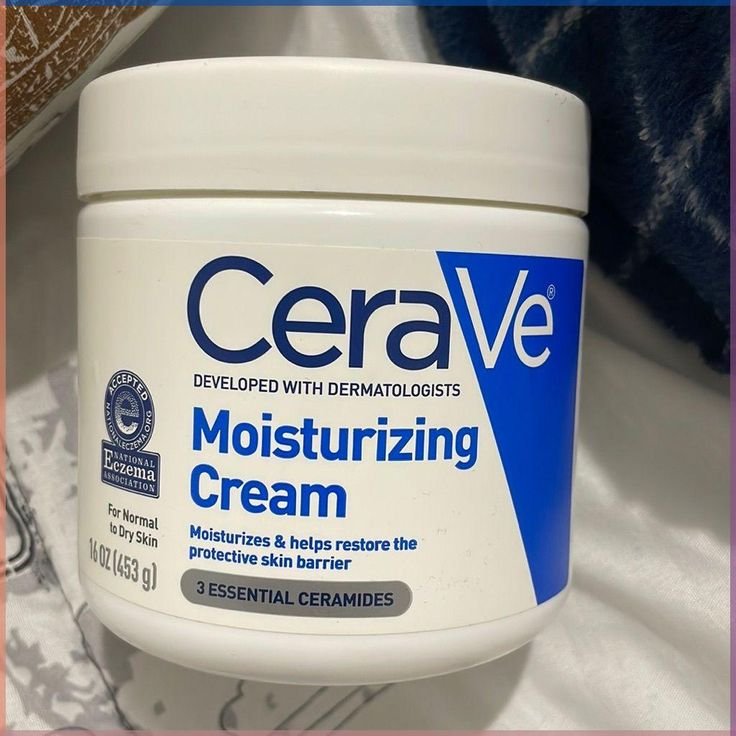
Dermatologists widely recommend CeraVe Moisturizing Cream for its skin barrier-restoring properties. For individuals with eczema or other dry, irritated patches, the ceramide-rich formula helps replenish lost moisture, calm inflammation, and reduce redness, promoting smoother and healthier skin over time.
In my personal experience, applying it consistently to sensitive or dry areas soothes itching and redness within days, while keeping acne-prone zones hydrated without any oily residue. This makes it a versatile solution for multiple skin concerns, bridging the gap between gentle care and effective hydration.
Comparison Table: CeraVe vs Other Moisturizers
| Product | Key Benefits | Price | Skin Type |
|---|---|---|---|
| CeraVe Moisturizing Cream | Ceramides, deep hydration, gentle | $15–$20 | Dry, sensitive, acne-prone |
| Neutrogena Hydro Boost Gel | Lightweight, hyaluronic acid | $18–$22 | Normal to oily |
| Eucerin Advanced Repair Cream | Intense hydration | $14–$18 | Very dry skin |
| Aveeno Daily Moisturizing Lotion | Soothing oats | $10–$15 | Sensitive skin |
Personal Note: I prefer CeraVe for my face and hands. Neutrogena works well on my T-zone, but I need more hydration on cheeks, which CeraVe provides.
Long-Term Benefits of Regular Use
Using CeraVe Moisturizing Cream consistently over weeks and months brings benefits beyond immediate hydration. Dermatologists often highlight that the combination of ceramides, hyaluronic acid, and cholesterol not only locks in moisture but also strengthens the skin’s natural barrier. This means the skin becomes more resilient to dryness, irritation, and environmental stressors over time.
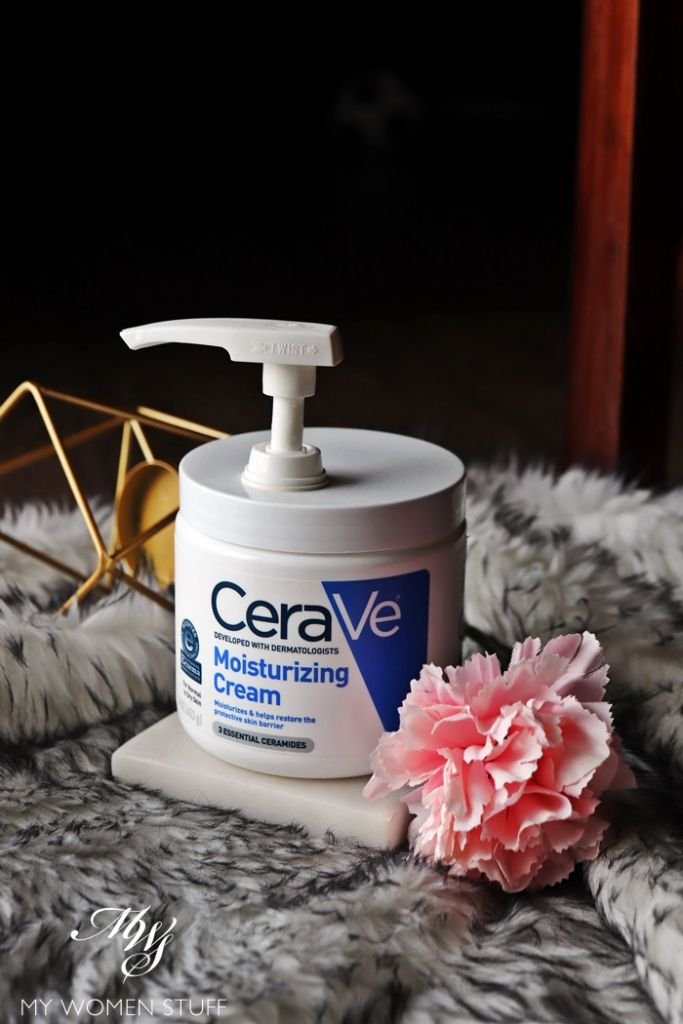
From my personal experience, after about four weeks of daily use, my skin felt noticeably smoother and healthier. The small dry patches that would normally appear around my cheeks and forehead had mostly disappeared, and even areas that sometimes flare up with redness, like around the nose, stayed calm. I also found that my skin retained moisture longer, so even long days in air-conditioned offices didn’t leave it tight or flaky.
Dermatologists note that long-term use can help reduce the frequency of flare-ups in sensitive or eczema-prone skin, making it a reliable addition to a daily skincare routine. For acne-prone areas, regular application provides hydration without increasing oiliness or causing breakouts, creating a balanced and comfortable skin environment.
In short, while immediate hydration is noticeable within hours, the real magic of CeraVe shows with consistent use—stronger, smoother, and healthier skin over time.
Final Verdict
CeraVe Moisturizing Cream is a dermatologist-recommended, highly effective moisturizer for sensitive, dry, and acne-prone skin. Its ceramide-rich formula hydrates, restores the skin barrier, and soothes irritation. While it may feel slightly thick, the benefits far outweigh this minor drawback.
Personal Opinion: Among all moisturizers I’ve tried in the past five years, this is one of the few that works on both my dry patches and acne-prone areas without causing irritation. For daily use, it’s reliable, affordable, and gentle.
Recommended For:
- Dry, sensitive, or eczema-prone skin
- Anyone needing a daily, dermatologist-backed moisturizer
FAQ
Q1: Can CeraVe Moisturizing Cream cause breakouts?
A: It’s non-comedogenic. Personally, I had no breakouts.
Q2: Is it safe for eczema-prone skin?
A: Yes. Ceramides restore the skin barrier and soothe dryness.
Q3: How often should I use it?
A: Morning and night, or as needed for dry areas.
Q4: Where can I buy it online?
Available at major US retailers like the CeraVe Official Website