
I’m From Mugwort Essence Review 2026: Best Results & Honest Pros/Cons
If you’ve spent more than ten minutes inside the K-beauty corner of the internet, you’ve seen this bottle. Pale amber liquid, a name that sounds vaguely medicinal, and a fan base that talks about it the way some people talk about their therapist. The I’m From Mugwort Essence Review has been a cult favorite since around 2020, and it’s still selling out at Wishtrend, Yesstyle, and Amazon years later. That kind of staying power in a market obsessed with the next shiny ingredient is rare enough that it deserves a closer look.
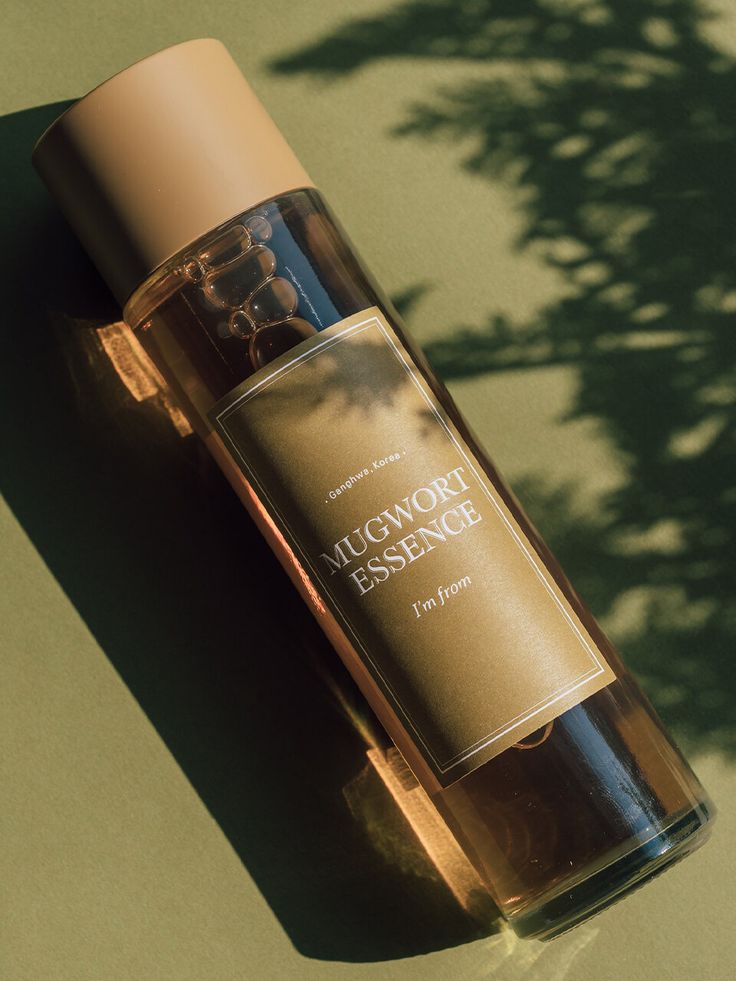
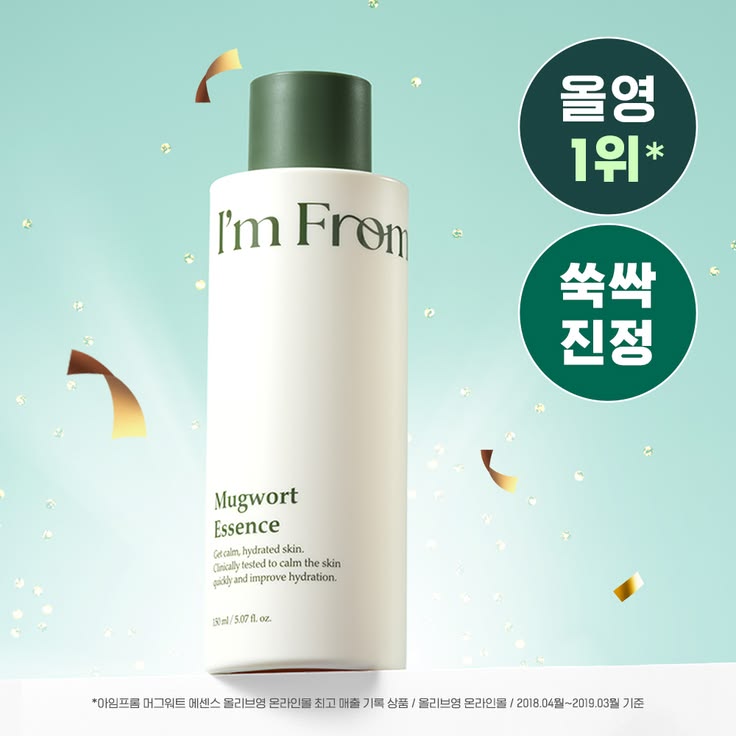
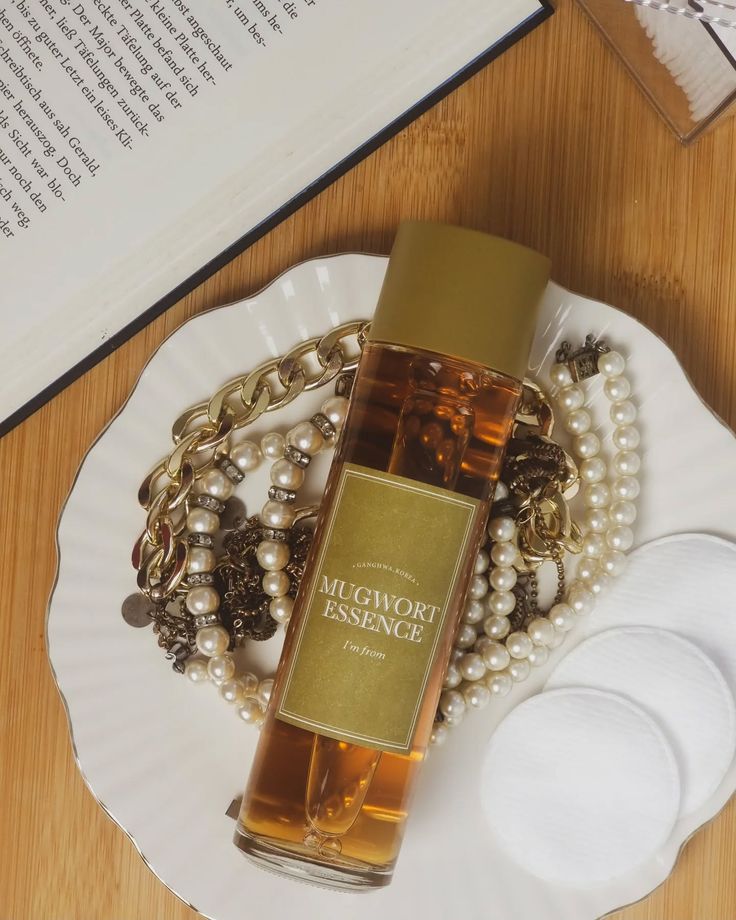
So we did exactly that. This is our full 2026 breakdown of what’s actually inside the bottle, what the clinical research says about mugwort extract (not just what marketing copy claims), how it performed across different skin types, and — importantly — the one issue that barely gets mentioned in most reviews you’ll find online. If you have sensitive, reactive, or acne-prone skin and you’re trying to figure out whether this is worth adding to your routine, you’re in the right place.
This review reflects independent testing and research compiled by the Review Dermatica team, with clinical research reviewed and verified by our team’s clinical research lead. As an affiliate partner, we may earn a commission on qualifying purchases made through links on this page, at no additional cost to you. This does not influence our editorial opinions or ratings.
Quick Summary: I’m From Mugwort Essence at a Glance
- What it is: A single-ingredient soothing essence made from 100% Artemisia princeps (mugwort) extract
- Best for: Sensitive, redness-prone, and acne-prone skin types
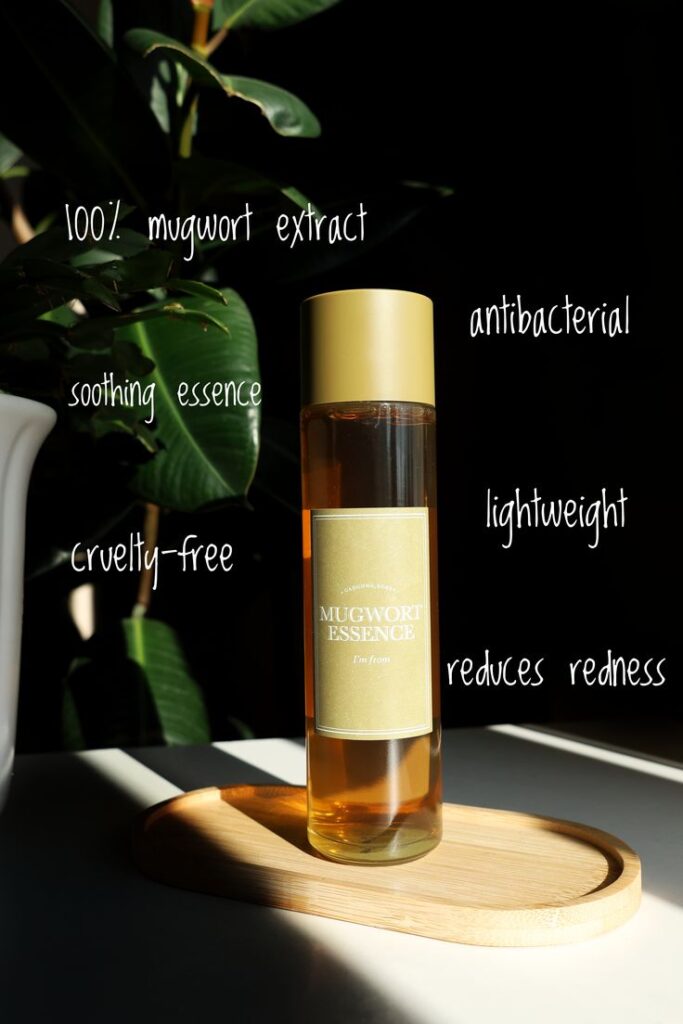
- Texture: Watery with a slight slip, absorbs quickly, no sticky residue.
- Scent: Mild herbal/medicinal smell that fades within seconds of application
- Main benefit: Calming, anti-inflammatory soothing with light hydration
- Main drawback: Hydration alone isn’t enough for very dry skin without a moisturizer layered on top
- Skip it if: You have a known ragweed or Asteraceae plant allergy.
- Price range: Mid-tier for K-beauty essences — full breakdown further down
- Bottom line: One of the few “calming” products that genuinely calms, but it’s a supporting player, not a complete routine on its own
What Is I’m From Mugwort Essence, Exactly?
I’m From is a Korean skincare brand built around a simple pitch: one hero ingredient per product, sourced transparently, with the farm and harvest location listed right on the packaging. Their Mugwort Essence takes that philosophy to its purest form. The ingredient list is famously short, built almost entirely around Artemisia princeps extract, grown specifically in Ganghwa-do, an island region of South Korea known for producing some of the country’s highest quality mugwort.
The brand uses what they call a Slow Release Extraction process, steeping the mugwort for an extended period to pull out as much of the plant’s active compounds as possible without heat damage. The result is a thin, faintly amber liquid that sits somewhere between a toner and a serum in texture — thicker than water, but nowhere near as viscous as a true serum.
In a Korean skincare routine, this slots in right after cleansing and toning, before your serums and moisturizer. Western routines that don’t always use a separate toner step can simply use it as their first hydrating layer post-cleanse.
I’m From Mugwort Essence Ingredients: What’s Really Inside
This is where the product earns its reputation, and also where some confusion happens online. Multiple reviewers and even some retail listings have repeated the claim that it’s “100% mugwort, nothing else,” but that’s a slight oversimplification. Looking at the actual ingredient list:
Artemisia Princeps Extract is the star, making up the overwhelming majority of the formula. This is the scientific name for Japanese mugwort, sometimes called yomogi.
A small amount of solvent and preservative rounds out the formula, which is standard for any water-based extract product — pure plant extract without any stabilization wouldn’t have shelf stability. This is why “100% mugwort” is more of a marketing simplification than a literal ingredient breakdown, even though mugwort extract is genuinely the dominant component by a wide margin.
What’s notably absent matters just as much as what’s present: no added fragrance, no essential oils, no alcohol, no parabens, no sulfates, and no silicones. For a sensitive skin product, that ingredient minimalism is exactly the point — fewer variables means fewer chances for irritation.
What does the research actually say about mugwort on skin?
A lot of skincare marketing throws around words like “anti-inflammatory” and “antioxidant” without much behind them. Mugwort is a rare case where there’s real laboratory research backing up at least some of the claims.
A study published in the International Journal of Molecular Sciences found that Artemisia princeps extract is known to improve dry skin symptoms in atopic dermatitis, where dryness is linked to reduced levels of skin barrier proteins like filaggrin and loricrin. The researchers went further and found a mechanism for this: the extract upregulated antioxidant enzymes in human skin cells, and this barrier-protein boosting effect worked through a specific cellular signaling pathway involving the aryl hydrocarbon receptor. In plain English, the extract appears to genuinely help skin cells produce more of the proteins that keep the skin barrier intact, not just sit on top of skin temporarily. PubMed + 2
Separately, animal research on Artemisia leaf extract and contact dermatitis found that the extract inhibited the release of inflammatory mediators and reduced several pro-inflammatory cytokines, which researchers identified as a potential treatment direction for inflammatory skin conditions like eczema and itching.
This lines up with why mugwort has been used for centuries in East Asian traditional medicine for inflammation and skin complaints — modern lab work is essentially confirming mechanisms behind folk remedy claims that predate the science by hundreds of years. nih
So when I’m From’s marketing says “soothing” and “anti-inflammatory,” it’s not pure invention. There’s a reasonable evidence base behind it.
The allergy angle nobody talks about
Here’s the part that gets buried in almost every other review of this product, and it matters more for a US/UK/EU audience than most people realize.
Mugwort belongs to the Asteraceae (daisy) plant family, and it’s botanically close to ragweed. If you have seasonal pollen allergies — especially a ragweed allergy, which is extremely common in North America and increasingly common across Europe — your immune system can cross-react with mugwort proteins. Allergy research has documented this extensively: mugwort shows widespread cross-reactivity with other Asteraceae family members, including ragweed, sunflower seeds, and other Artemisia species, due to shared pan-allergen proteins.
Clinical allergy literature also notes that in many parts of Europe, double sensitization to both ragweed and mugwort pollen is common, which is part of why this matters so much for European readers specifically. Thermo Fisher Scientific ScienceDirect
This doesn’t mean everyone with hay fever will react to a topical mugwort essence — oral pollen allergy and topical skin contact aren’t identical pathways. But documented cases of allergic contact dermatitis from topical mugwort exposure do exist in dermatology literature, and if you know you react to ragweed, daisies, chrysanthemums, or chamomile, patch testing this product on your inner arm for 48 hours before putting it on your face is a genuinely good idea, not just standard disclaimer language.
How I’m From Mugwort Essence Review Performed: Real Results By Skin Type
Numbers and ingredient lists only tell half the story. Here’s how it actually behaves on skin, broken down by the concerns people search for most.
For sensitive and redness-prone skin
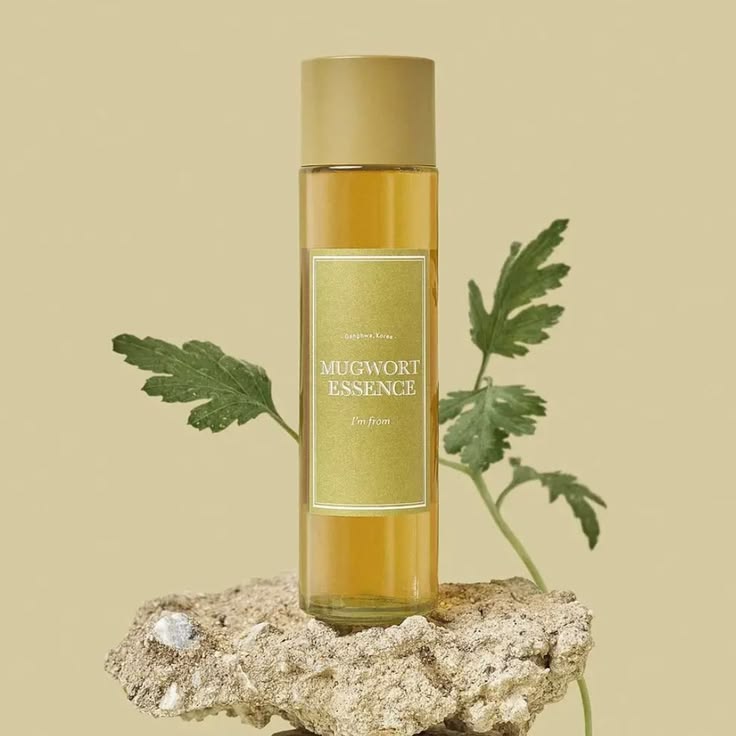
This is where the product is most consistently praised, and the results back that reputation up. Within the first few uses, the calming effect on visible redness is noticeable, especially when used as a soaked-cotton-pad mask rather than just patted on. People dealing with rosacea-adjacent redness or general reactivity report some of the most consistent positive results with this exact use case.
For acne-prone and oily skin
Slightly more mixed. The anti-inflammatory properties help calm active breakouts and reduce the angry, swollen look of inflamed acne, and several long-term users report fewer and less severe breakouts after a few weeks of consistent use. However, on naturally oily skin, the lightweight formula occasionally feels like it doesn’t add enough — and a small number of users have noted the opposite problem, finding their skin felt more oily after use. That reaction seems product- and skin-specific rather than universal, but it’s worth flagging rather than ignoring.
For dry skin
This is the honest weak point. The essence is genuinely soothing, but “soothing” and “deeply hydrating” are not the same thing. On its own, dry skin types will likely find it too light to address flaking or tightness. It works much better as a calming first step before a richer serum and moisturizer than as a standalone hydration solution. If your dry skin is also irritated or reactive, layering this underneath a heavier moisturizer like a ceramide-based option tends to give the best of both worlds.
Texture, scent, and everyday usability
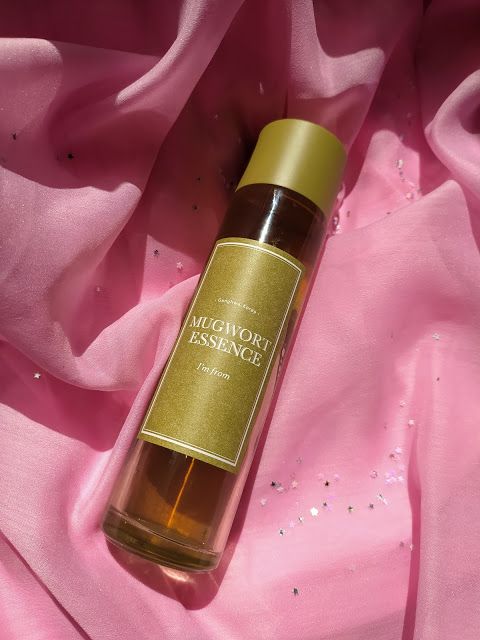
The texture is watery with just enough slip to feel slightly different from plain water on the skin — not sticky, not tacky, absorbs within seconds. The scent is the one sensory detail that splits opinion: it’s a mild, herbal, almost medicinal smell, similar to what you’d associate with traditional Asian herbal medicine. It fades within a minute of application and doesn’t linger on the pillow or under makeup, but if you’re sensitive to any scent at all, even a “natural, no added fragrance” one, it’s worth knowing about upfront.
I’m From Mugwort Toner vs Mugwort Essence: What’s the Difference?
This causes genuine confusion because the brand has multiple mugwort products, and the line between “toner” and “essence” in K-beauty terminology isn’t always crystal clear.
The I’m From Mugwort Toner is generally thinner and more diluted, designed purely as a prep step to balance the skin’s pH and lightly hydrate before the rest of your routine. The Mugwort Essence is more concentrated, slightly thicker, and designed to do more active soothing and skin-conditioning work. In a full Korean 10-step style routine, the toner would technically come first, with the essence applied right after.
If you’re only buying one product and trying to decide between the two, the essence is the better single investment for actual skin benefits, since it carries a higher concentration of the active extract. The toner is more of a “nice to have” addition once you already have the essence in rotation.
I’m From Mugwort Essence Price: Is It Worth the Cost?
Pricing varies depending on where you buy and whether you’re catching a sale, but here’s the general landscape for 2026.
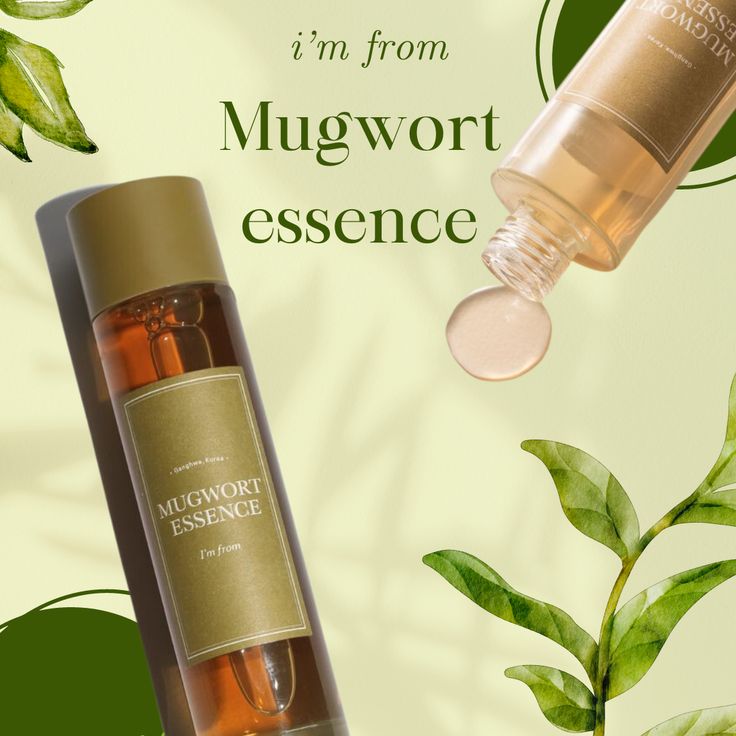
The full-size 160ml bottle typically lands in the mid-tier range for K-beauty essences — noticeably more expensive than budget Korean skincare staples, but well below prestige Western serums with comparable single-ingredient focus. A travel or mini size is also usually available, which is genuinely the smarter starting point if you’ve never tried it, especially given the allergy considerations above. Wishtrend, Yesstyle, Amazon, and Soko Glam are the most reliable retailers, and prices do fluctuate with seasonal sales, so it’s worth comparing before checking out.
Per-use cost works out reasonably well over time since you only need a small amount per application, and a little goes further than the watery texture might suggest. Compared to single-ingredient soothing alternatives like centella asiatica-based products, mugwort essence sits at a similar or slightly higher price point, but the targeted barrier-repair research behind Artemisia extract specifically gives it a slightly stronger evidence-based case for the cost.
How to Use I’m From Mugwort Essence Correctly
Getting the technique right makes a real difference in how much benefit you actually see.
After cleansing, apply your toner first if you use one. Dispense a few drops of the essence into your palms or directly onto a cotton pad. Pat — don’t rub — into the skin, focusing extra attention on areas with visible redness, breakouts, or irritation. For an extra-soothing boost, soak a cotton pad fully and leave it on irritated areas for two to three minutes as a mini mask, which several long-term users specifically credit for the most noticeable de-redness effect.
It works well both morning and night, though people using actives like retinoids or exfoliating acids often prefer applying it in the evening, layering it after their actives to calm any resulting sensitivity. Follow with your serum and moisturizer as normal — this essence is not designed to replace either step.
Check Today’s Price on Amazon →
I’m From Mugwort Essence: Pros and Cons
Pros:
- Genuinely calming for redness, sensitivity, and inflamed acne, backed by real lab research on Artemisia extract’s effects on skin.
- Extremely short, clean ingredient list with no fragrance, alcohol, parabens, or silicones
- Lightweight texture that layers easily under any moisturizer or serum
- Versatile use as a toner-essence hybrid or as a soothing mask via cotton pad
- Backed by a brand with full ingredient transparency and
Cons:
- Not hydrating enough on its own for dry or very dehydrated skin
- Mild herbal scent, while it fades fast, isn’t for everyone
- Genuine allergy risk for anyone with ragweed or Asteraceae family sensitivities — patch testing is non-negotiable for that group
- Pricier than basic Korean drugstore essences, though in line with other single-ingredient “hero extract” products
- A small subset of oily skin users report feeling more oily rather than less after use
Is I’m From Mugwort Essence Worth Buying in 2026?
If your main skin concerns are redness, reactivity, inflamed breakouts, or general sensitivity, yes — this is one of the rare “calming” products in K-beauty that has both the user reputation and the actual clinical research to back up the soothing claims. The ingredient minimalism makes it a low-risk addition for sensitive skin types, specifically because there’s so little in the formula that could cause a reaction beyond the mugwort itself.
If your main concern is dryness, this shouldn’t be your only hydration step — pair it with a richer moisturizer rather than expecting it to do that job alone. And if you have any history of ragweed, daisy, or related plant allergies, this is the one product on this list where skipping the patch test genuinely isn’t worth the risk.
For anyone building out a fuller routine around it, pairing this with a proper non-comedogenic moisturizer and daily sunscreen gives you a much more complete picture than any single essence can provide on its own. If you’re also exploring other Korean toner options in this soothing category, our Round Lab 1025 Dokdo Toner review covers a similar gentle, hydration-focused alternative worth comparing.
Frequently Asked Questions
Is I'm From Mugwort Essence good for acne?
Yes, largely. Its anti-inflammatory properties help calm active breakouts and reduce visible redness around acne, though it won’t address the underlying causes of acne on its own. Pairing it with a targeted treatment like COSRX BHA Blackhead Power Liquid covers both the soothing and the exfoliating sides of acne care.
Can I use this every day?
Yes, it’s gentle enough for twice-daily use for most skin types, assuming no allergy concerns are present.
Does it replace a moisturizer?
No. It’s a soothing, lightly hydrating layer that works best underneath a proper moisturizer, not as a substitute for one.
Is mugwort the same as wormwood?
They’re related but distinct species within the Artemisia genus. Wormwood (Artemisia absinthium) is different from the Artemisia princeps used in this specific product.
Who should avoid this product?
Anyone with a known allergy to ragweed, daisies, chrysanthemums, chamomile, or other Asteraceae family plants should patch test carefully or avoid them, given documented cross-reactivity in allergy research.
This review reflects independent testing and research compiled by the Review Dermatica team, with clinical research reviewed and verified by our team’s clinical research lead. As an affiliate partner, we may earn a commission on qualifying purchases made through links on this page, at no additional cost to you. This does not influence our editorial opinions or ratings.
Notun “About the Editorial Team” section ta likhe dilam:
About the Editorial Team
The Strategic Architect
Asim | Founder & Lead Analyst
Asim is the visionary behind Review Dermatica, blending technical SEO expertise with clinical skincare auditing. As a professional developer and strategist, he strips away marketing hype to focus on data-driven results for the USA market. His analytical approach ensures every 3,500+ word deep-dive meets the highest standards of accuracy, transparency, and search visibility.
The Scientific Mind
Tahmina Zannat Lamya | Co-Founder & Clinical Researcher
Tahmina is the scientific backbone of Review Dermatica. As an expert in cosmetic formulation and microbiome science, she audits the molecular structure of advanced bio-actives like PDRN and Ceramides. She ensures every clinical review is grounded in pharmaceutical-grade research, making complex ingredient science accessible to the modern “Skintellectual” audience.
Clinical Insights Cited From
Dr. Shereene Idriss, MD | Board-Certified Dermatologist
To ground our ingredient analysis in established medical science, Review Dermatica references the publicly available clinical insights and expertise of Dr. Shereene Idriss, a Harvard-trained, board-certified dermatologist and founder of Idriss Dermatology (NYC). Her evidence-based perspectives on skin health, laser therapy, and facial rejuvenation help inform the medical context behind our technical evaluations. Dr. Idriss is not affiliated with or employed by Review Dermatica; she is cited as an external clinical authority whose published work supports the accuracy of our content.
4 thoughts on “I’m From Mugwort Essence Review 2026: Best Results & Honest Pros/Cons”