Beef Tallow vs CeraVe Moisturizer: Honest Winter Comparison
Every winter, the same thing happens. The heating goes on, the air turns dry, and your face starts feeling tight about ten minutes after you wash it. Then you open TikTok, and someone is scooping a jar of whipped animal fat onto their cheeks, swearing it fixed their skin overnight.
Meanwhile, the blue-and-white CeraVe tub has been sitting in drugstores for years, quietly doing its job. So which one deserves a place in your routine? That is exactly what the beef tallow vs. CeraVe moisturizer debate comes down to, and it is more interesting than either side admits.
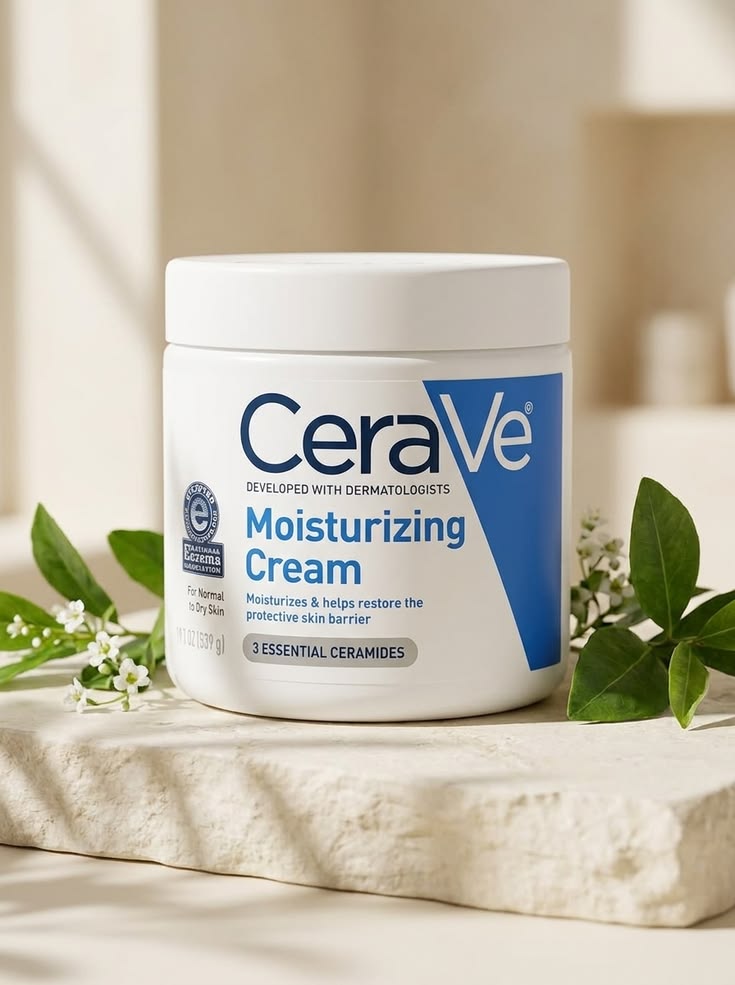
Vs
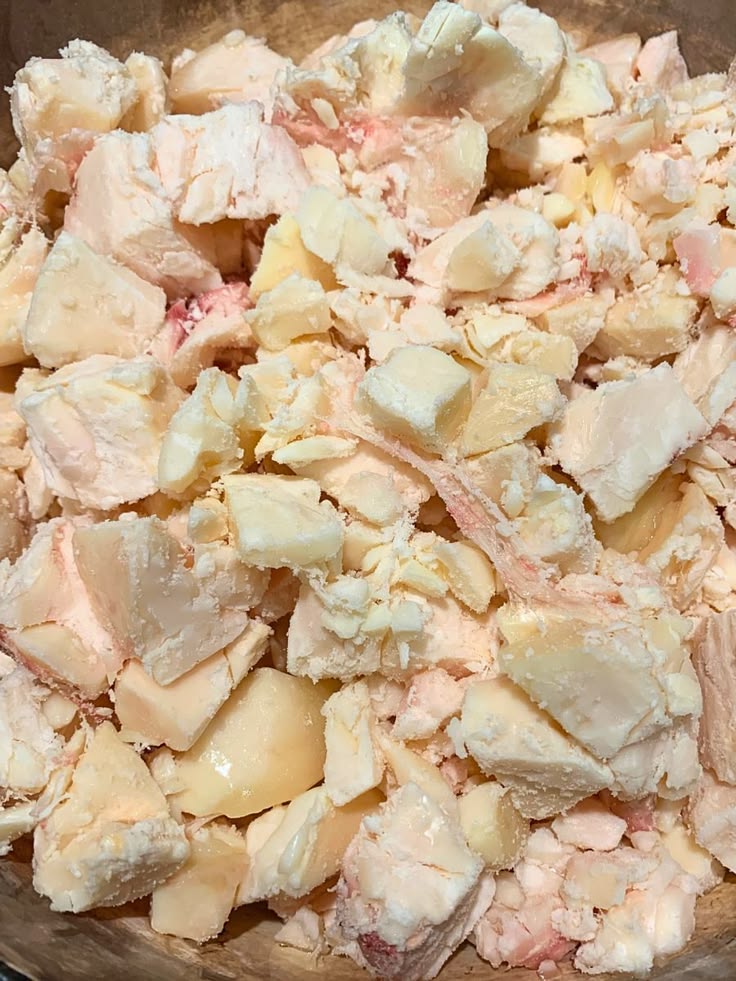
Tallow fans say it is “bioidentical” to human skin. CeraVe fans say ceramides are the only barrier science that matters. Both camps are partly right and partly overselling.
We went through the ingredient lists, the published research, and what dermatologists actually say about each. We did not want a “this one wins” headline. We wanted a guide that tells you which product fits your skin type, your budget, and your winter.
If you have been searching for beef tallow vs CeraVe, or specifically beef tallow vs CeraVe moisturizing cream, this is the full breakdown. Grab a coffee. It is a long one, but nothing is skipped.
Quick Summary
Here is the short version before we go deep.
- CeraVe Moisturizing Cream is a formulated product. It combines humectants, ceramides, cholesterol, and occlusives in one tested, fragrance-free recipe.
- A beef tallow moisturizer is rendered cow fat. It is a rich occlusive and emollient, but it is not a complete moisturizer, and there are no head-to-head human trials against standard creams.
- For barrier repair, dry skin, and sensitive skin, CeraVe has the stronger evidence behind its type of formula.
- For very dry, non-acne-prone areas like elbows, heels, and cracked hands, a tallow balm may feel wonderful, but plain petrolatum does a similar sealing job.
- For acne-prone or oily skin, tallow is the riskier pick because it is heavy and may clog pores for some people.
- Our overall take: CeraVe is the safer default. Tallow is an optional extra, not a replacement.
Affiliate Disclosure and Editorial Team
Review Dermatica earns a small commission if you buy through links on this page, at no extra cost to you. That never changes our verdict. If a product is not worth your money, we say so.
This article was written by Asim, founder and lead analyst at Review Dermatica, with clinical and formulation research by co-founder Tahmina Zannat Lamya. We are not a medical practice. Nothing here replaces advice from a board-certified dermatologist, especially if you have eczema, rosacea, psoriasis, or any ongoing skin condition.
Why Winter Is So Hard On Your Skin Barrier
Before comparing two moisturizers, it helps to understand the problem they are supposed to solve.
Your outer skin layer works like a brick wall. The cells are the bricks, and the lipids between them (ceramides, cholesterol, and free fatty acids) are the mortar. When that mortar weakens, water escapes faster, and irritants get in more easily.
Winter attacks that wall from every direction. Cold outdoor air holds very little moisture. Indoor heating dries the air further. Long hot showers strip away natural oils. The result is skin that feels tight, flaky, itchy, or sore.
The American Academy of Dermatology explains that cold air outside, hot air inside, and dry air everywhere can disrupt the skin barrier in winter, and that this hits people with eczema and psoriasis especially hard. Their winter skin survival kit also lists glycerin, lanolin, mineral oil, petrolatum, and shea butter as ingredients that work well for dry skin, and it recommends applying body moisturizer while the skin is still damp after a shower.
Notice what that list contains. It is a mix of humectants (which attract water) and occlusives or emollients (which seal it in). That is the core idea we will use to judge both products.
A good winter moisturizer needs to do three things:
- Draw water into the skin.
- Replace or support the lipids in the barrier.
- Seal everything in so it does not evaporate.
Keep those three jobs in mind. We will score tallow and CeraVe against them.
What Is Beef Tallow Moisturizer?
Tallow is simply rendered beef fat. Traditionally, it comes from suet, the hard fat around a cow’s kidneys. The fat is slowly cooked down, strained, and cooled into a solid, creamy balm.
That simplicity is the whole appeal. Many tallow products have a very short ingredient list, sometimes just tallow, with perhaps an added oil or a few drops of essential oil.
People love it for a few reasons:
- It feels rich and cushiony on dry skin.
- The ingredient list looks “clean” and familiar.
- It fits the wider move toward traditional, minimal skincare.
- Its fatty acids seem similar to what our skin naturally produces.
That last claim is where things get fuzzy. A 2024 scoping review titled Tallow, Rendered Animal Fat, and Its Biocompatibility With Skin describes tallow as rich in triglycerides, mainly oleic, palmitic, stearic, and linoleic acid. The skin barrier does contain fatty acids, so the overlap is real. But the same review screened 147 studies and found only 19 that met its criteria, and its authors point to significant research gaps in how tallow performs on human skin. They also noted that reports on side effects were inconsistent and that more controlled research is needed.
In plain English: tallow is not nonsense, but the proof is thin.
Another point worth knowing is that a tallow moisturizer is mostly one thing: a fat. That makes it an excellent sealant, but it does not contain humectants like glycerin or hyaluronic acid, and it does not contain added ceramides. If you want a deeper look at how tallow products differ from each other, our guide to the beef tallow moisturizer category covers what to look for on the label.
Dermatologists are split. Some see it as a decent natural emollient for very dry skin. Others warn that it can feel heavy, may be comedogenic for some people, and that many tallow products have not gone through the stability and safety testing that mainstream moisturizers do. Both views can be true at once.
What Is In CeraVe Moisturizing Cream?
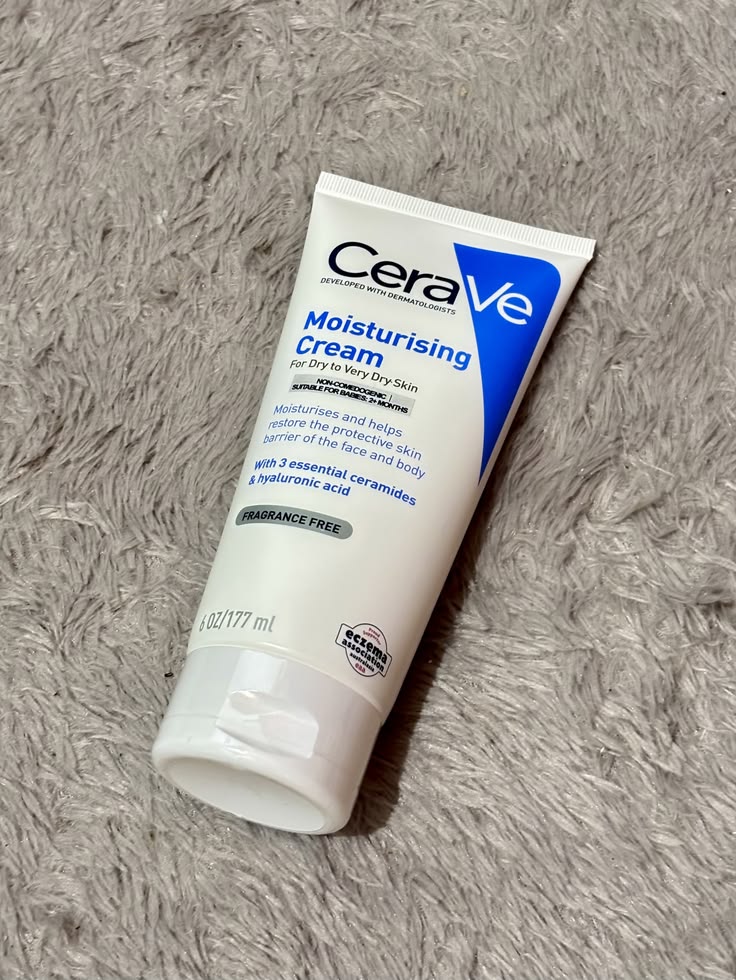
CeraVe takes the opposite approach. Instead of one natural fat, it uses a layered formula designed around barrier science.
The classic jar of CeraVe Moisturizing Cream typically combines:
- Glycerin and hyaluronic acid to pull water into the skin.
- Three essential ceramides (ceramide NP, AP, and EOP) to support the lipid mortar.
- Cholesterol and phytosphingosine, which are also found naturally in the barrier.
- Petrolatum and dimethicone to seal moisture in.
- A gentle, fragrance-free base with no heavy perfume load.
Formulas can change by country and over time, so always check the ingredient list on the jar in your hand.
The brand also uses what it calls MVE technology, a delivery system meant to release ingredients slowly over many hours. That is a brand claim, so treat it as marketing rather than proven fact, but the underlying formula is sound regardless.
It also happens to be affordable. On a dermatology-focused product database, the large tub was listed around eighteen to nineteen dollars and rated among the top winter skin picks. For a tub that can last weeks, that is hard to beat.
We have already covered this one in detail. If you want the full ingredient-by-ingredient analysis, our CeraVe Moisturizing Cream review goes through it step by step.
Beef Tallow vs CeraVe Moisturizer: Head-To-Head Comparison
Now for the part you came for. We will compare them across the areas that matter most.
Ingredients and Formulation
CeraVe is a complete moisturizer. It has humectants, emollients, ceramides, and occlusives working together. That matches the three-job checklist from earlier almost perfectly.
Tallow covers only one or two of those jobs. It is a very good occlusive and emollient, but it does not draw water in, and it does not add ceramides.
That is not a flaw in tallow. A bar of butter is not a bad thing for toast; it is just not a full meal. The problem comes when social media sells tallow as if it were a full meal.
One practical point: if you apply tallow to dry, dehydrated skin, it seals in whatever moisture is already there. If your skin is parched, you may be sealing in very little. Many people solve this by putting a water-based product underneath first.
Winner on formulation: CeraVe.
Barrier Support and Clinical Evidence
This is where the gap is widest.
Ceramide-containing moisturizers have been studied quite a lot. A systematic review and meta-analysis published in the Indian Journal of Dermatology, titled The Efficacy of Moisturisers Containing Ceramide Compared with Other Moisturisers in the Management of Atopic Dermatitis, found that ceramide moisturizers improved both skin severity scores (SCORAD) and transepidermal water loss. The change in SCORAD was significantly better with ceramide products than with other moisturizers, though the difference was modest.
Two honest caveats here. First, that research focused on atopic dermatitis, not everyday winter dryness, so we should not stretch the result too far. Second, “statistically better” does not always mean “life-changing.” It means the evidence leans in ceramides’ favor.
For tallow, we have no equivalent head-to-head trial. The scoping review above makes clear that the human evidence is limited and the research is incomplete.
So the fair summary is this: ceramide-based barrier creams have a real, if moderate, evidence base. Tallow has a plausible theory and a lot of enthusiastic testimonials.
Winner on evidence: CeraVe, clearly.
Texture and Feel
Texture is where tallow fans have a point.
Tallow is thick, balmy, and cushiony. It melts on contact with warm skin and leaves a rich, protective layer. On cracked heels or wind-chapped hands, that can feel like relief.
CeraVe Moisturizing Cream is also thick, but it is more cream than balm. It absorbs into the skin better, spreads easily, and leaves less of a greasy film. Some people still find the tub version a bit heavy on the face, which is why the brand offers lighter lotion versions.
If you hate that “slug” feeling, tallow may be too much. If you love a deeply occlusive finish at night, tallow could be right up your street.
Winner on feel: depends on you. Tallow for maximum richness, CeraVe for everyday comfort.
Safety, Contamination, and Fragrance
This is the area people skip, and it matters.
Mainstream moisturizers like CeraVe go through stability testing, preservative systems, and manufacturing controls designed to keep every jar consistent and safe. That is boring, and boring is good.
Tallow products vary much more. Some are made in careful small batches with proper testing. Others are made at home or by tiny sellers with little oversight. Dermatologists have warned that home-rendered tallow can carry impurities that may cause irritation or infection. Beyond that, some tallow balms add essential oils for scent, and those can trigger reactions in sensitive skin.
CeraVe Moisturizing Cream is fragrance-free in its standard form, which is exactly what the AAD tends to recommend for dry, sensitive skin.
Winner on safety and consistency: CeraVe.
Price and Value
CeraVe sits in the affordable drugstore range, and the big tub offers a lot of product for the money.
Tallow prices swing wildly. A small jar from a boutique brand can cost as much as, or more than, the CeraVe tub, and it holds far less product. Cheaper options exist, but quality and testing vary.
Winner on value: CeraVe.
Quick Scorecard
Formulation: CeraVe.
Barrier evidence: CeraVe.
Texture: tie, depends on preference.
Safety consistency: CeraVe.
Price: CeraVe.
That is a lopsided result, but it does not mean tallow is useless. Keep reading, because the right answer depends on your skin.
Which One Suits Your Skin Type?
The best moisturizer is the one your skin tolerates, so let us break this down by skin type.
Very Dry or Flaky Skin
Both can help here, but they help in different ways.
CeraVe gives you hydration plus barrier lipids plus sealing, all in one step. For most people with dry winter skin, that is enough.
Tallow can work as an extra layer on stubborn patches like elbows, knees, and heels. Think of it as a finishing seal rather than a complete routine.
If your skin is dry because it is dehydrated (lacking water, not oil), you will probably get more from a humectant-rich routine. Our guide to the best moisturizers for dehydrated skin explains the difference in more detail.
Best pick: CeraVe first, tallow only as an optional extra on tough spots.
Sensitive or Eczema-Prone Skin
This group needs to be most careful.
Fragrance-free, simple, consistently made products are the safest choice for reactive skin. CeraVe fits that description. The ceramide research is also most relevant to eczema-prone skin, which is another point in its favor.
Tallow can feel soothing for some people, but it can also aggravate certain conditions. Dermatologists have noted that heavy animal fats may worsen acne, rosacea, or seborrheic dermatitis in some individuals. If you have a diagnosed skin condition, talk to your dermatologist before adding tallow.
If sensitive skin is your main concern, browse our list of the best products for sensitive skin for gentle alternatives.
Best pick: CeraVe. Patch test anything new first.
Acne-Prone or Oily Skin
Here, we would be cautious.
Winter does not make oily skin immune to dryness. Many oily or combination skin types still feel tight and dehydrated in cold weather. But they usually do better with lighter, non-comedogenic textures.
Tallow is a heavy, fat-based product, and it may clog pores for acne-prone people. CeraVe Moisturizing Cream is not heavy for everyone either, but the lighter CeraVe lotion or gel versions are available if the cream feels too rich.
If breakouts are a worry, check our roundup of the best non-comedogenic moisturizer options before you commit to anything thick.
Best pick: a lighter CeraVe formula. Tallow is not our first suggestion here.
Body, Hands, and Lips
Skin on the body is generally thicker and less prone to breakouts than facial skin. That makes it a better place to experiment.
Cracked hands, rough heels, and chapped lips benefit from heavy sealing. This is where tallow can shine, and where a plain petrolatum ointment can shine just as much. If you like the natural angle, tallow is a fair choice for these areas, as long as you are not allergic and the product is well made.
For daily body lotion after showers, CeraVe cream is more practical and cheaper per ounce.
Best pick: either works. Choose based on budget and preference.
How To Use Each One In Winter (Without Wasting Money)
Whichever you choose, technique matters as much as the product.
Apply To Damp Skin
This is the single most repeated tip from dermatologists. Put moisturizer on within a few minutes of washing, while your skin is still slightly damp. It traps the water that is already there.
Use Warm, Not Hot, Water
Hot water feels great in January, but it strips your skin’s natural oils. Keep showers shorter and lukewarm if your skin is struggling.
Layer In The Right Order
If you want to use both products, the order matters. Water-based and lighter products go first. Heavier, oily, or occlusive products go last.
A simple winter layering routine looks like this:
- Gentle cleanser.
- Hydrating serum or essence on damp skin (optional).
- CeraVe Moisturizing Cream.
- A thin layer of tallow balm only on very dry areas, if you choose to use it.
- Sunscreen in the morning. Winter UV is still real.
Add Humidity
A cool-mist humidifier in the bedroom is one of the easiest upgrades you can make. It helps every moisturizer work better.
Do Not Overdo Exfoliation
Winter-stressed skin does not need strong acids and scrubs. Many dermatologists suggest pulling back on retinol, glycolic acid, and salicylic acid when the skin barrier is already irritated. If you do use actives, our guide to at-home chemical peels covers how to do it more gently. (Skip this paragraph if you do not want to add another link, as you asked for only 7.)
Can You Use Beef Tallow And CeraVe Together?
Yes, and some people do it well.
The logic is simple. CeraVe gives you the humectants, ceramides, and base hydration. A very thin layer of tallow on top acts as an extra seal, similar to how some people use an ointment over a cream.
Here is how to do it safely:
- Start with a patch test on your inner forearm for a few days.
- Use only a rice-grain amount on the face, if at all.
- Keep tallow away from acne-prone zones.
- Stop if you notice new bumps, itching, or redness.
That said, you do not need to. If CeraVe alone keeps your skin comfortable, adding tallow is optional, not required.
Common Mistakes People Make
After reading countless reviews and forums, a few patterns show up again and again.
Treating “Natural” As “Safe”
Natural does not automatically mean gentle. Poison ivy is natural too. What matters is how the product is made, tested, and used.
Skipping The Water-Based Step
Slathering a heavy balm over bone-dry skin seals in very little. Hydrate first, seal second.
Switching Too Fast
Changing three products at once makes it impossible to know what helped and what hurt. Introduce one new product at a time.
Ignoring Skin Type
A product that saves your friend’s dry skin can wreck oily, acne-prone skin. Match the product to you, not to the trend.
Our Verdict: Beef Tallow vs CeraVe Moisturizer
So, who wins the beef tallow vs CeraVe moisturizer battle?
For most people, CeraVe Moisturizing Cream is the better everyday choice. It covers all three jobs a winter moisturizer needs to do. It has a real research base behind ceramide formulas. It is fragrance-free, consistent, and affordable.
Tallow earns a respectful second place as a rich, occlusive extra for very dry, non-acne-prone areas. It can feel wonderful, but the evidence is limited, quality varies between brands, and it is not the miracle some videos claim.
If we had to give one honest recommendation, it would be this: start with CeraVe, add tallow only if you want an extra seal on rough patches, and see a dermatologist if your skin stays irritated no matter what you try.
Your skin does not care about trends. It cares about consistency, gentleness, and a healthy barrier.
Frequently Asked Questions
Is beef tallow better than CeraVe for dry skin?
Not based on current evidence. CeraVe offers humectants, ceramides, and occlusives in one tested formula, while tallow mainly offers sealing. Tallow can still feel good on very dry patches, but it is not proven to beat standard moisturizers.
Can beef tallow replace CeraVe moisturizing cream?
It can replace the “sealing” step for some people, but it does not replace the hydration and ceramide support CeraVe provides. Most people do better using tallow as an add-on than as a full replacement.
Does beef tallow clog pores?
It can for some people, especially those prone to acne. Dermatologists generally advise caution with heavy animal fats on the face if you break out easily. Patch testing helps.
Is CeraVe moisturizing cream good for sensitive skin?
It is formulated to be fragrance-free and barrier-focused, which suits many sensitive skin types. Still, everyone reacts differently, so patch test first and check the ingredient list for anything you personally react to.
Which is cheaper, beef tallow or CeraVe?
CeraVe is usually cheaper per ounce, especially in the large tub. Tallow prices vary widely, and small boutique jars can cost much more for far less product.
Final Thoughts
Winter skin does not need drama. It needs a barrier that holds water in and irritation out.
CeraVe gives you a dependable, science-backed way to do that. Tallow gives you a rich, old-school sealant that may help in the right place on the right skin. Used thoughtfully, they are not enemies. But if you are choosing only one, the evidence points toward CeraVe.
Whatever you pick, apply it to damp skin, keep your showers lukewarm, and be patient. Barrier repair takes weeks, not days.
This article is for educational purposes and is not medical advice. Consult a board-certified dermatologist for persistent or severe skin concerns.