March 2, 2026

Your Skin. Our Science. One Honest Review At a Time.

Myths vs Facts

11 Tips Busted! Shocking Skincare Myths vs Facts Dermatologists Want You to Stop Believing

Myths vs Facts

In today’s beauty world, skincare myths vs facts often get twisted, leaving people confused about what truly works. From “natural ingredients are always better” to “drinking water gives you flawless skin,” misinformation spreads faster than ever on social media.

But how much of that advice is true?

This article breaks down common skincare myths vs facts in simple, science-backed language. We’ll help you understand what’s real, what’s exaggerated, and what’s downright false — so you can care for your skin the right way. skincare Myths vs Facts.

Myths vs Facts

Natural Products Are Always Better

Myths vs Facts

Myth: “Natural skincare is always safe and effective.”

Fact: Not necessarily! Just because something is “natural” doesn’t mean it’s gentle or suitable for your skin.

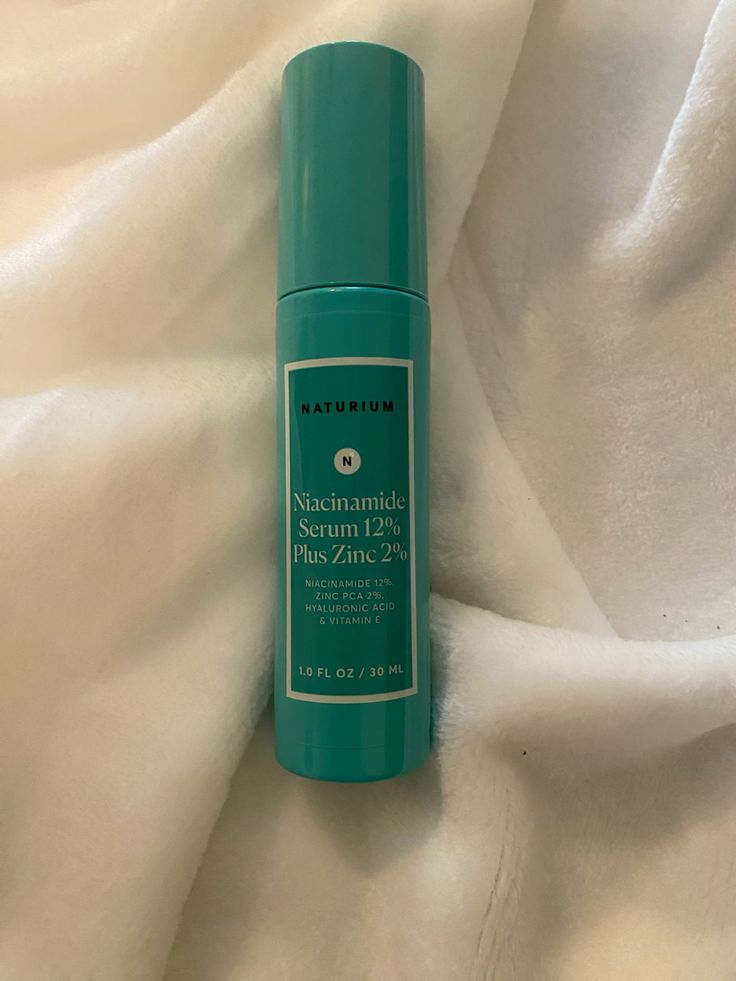
Lemon, toothpaste, or baking soda — often labeled as natural remedies — can cause burns and irritation. Dermatologists recommend scientifically tested ingredients, such as niacinamide, hyaluronic acid, and ceramides, that are safe and proven to be effective. Skincare Myths vs Facts.

 Sunscreen Is Only for Sunny Days

Myth: “You don’t need SPF when it’s cloudy or winter.”

Fact: Wrong! UV rays can penetrate clouds and glass, damaging your skin even indoors.

Dermatologists emphasize wearing SPF 30+ every single day, no matter the weather. Sunscreen helps prevent premature aging, dark spots, and skin cancer.

Drinking Water Alone Keeps Skin Clear

Myth: “If you drink enough water, your skin will glow.”

Fact: Hydration is important, but water alone won’t give you perfect skin.

External hydration — through moisturizers and serums — is just as vital. Ingredients like hyaluronic acid and ceramides help lock in moisture for that dewy, healthy glow. Skincare Myths vs Facts.

Myths vs Facts

You Don’t Need a Night Skincare Routine

Myths vs Facts

Myth: “Your skin repairs itself at night, so products aren’t necessary.”

Fact: Your skin does repair itself — but you can boost the process!

Using retinol, night cream, and a gentle cleanser before bed helps your skin rebuild collagen and reduce fine lines. Skipping your night routine means missing your body’s best repair window.

Expensive Products Work Better

myths vs facts

Myth: “Luxury skincare gives better results.”

Fact: Price doesn’t equal performance.

It’s not about the brand name — it’s about the ingredients and formulation. Affordable products with vitamin C, retinol, and niacinamide can work just as effectively as high-end ones.

Myths vs Facts

Lemon Juice Can Lighten Dark Spots

Myth: “Lemon can fade pigmentation naturally.”

Fact: Lemon juice is too acidic and can burn your skin, worsening dark spots.

Dermatologists warn against DIY treatments using raw ingredients. For safe brightening, use vitamin C serum or niacinamide instead — they’re clinically proven and non-irritating. Skincare Myths vs Facts.

Oily Skin Doesn’t Need Moisturizer

Myth:Moisturizers make oily skin worse.”

Fact: Skipping moisturizer can make your skin produce even more oil!

Use lightweight, oil-free, non-comedogenic moisturizers to hydrate without clogging pores. Hydrated skin stays balanced, reducing excess shine and breakouts.

Myths vs Facts

You Should Exfoliate Every Day

Myth: “Daily exfoliation makes skin smoother and brighter.”

Fact: Over-exfoliating damages your natural barrier, leading to redness and breakouts.

Dermatologists recommend exfoliating only 1–2 times per week using chemical exfoliants (AHA/BHA) instead of harsh scrubs.

 Skincare Works Overnight

Myth: “You’ll see results after one use.”

Fact: No skincare product works instantly — real results take 4 to 8 weeks.

Consistency is the secret. Stick with your routine, give your products time, and your skin will reward you.

Sunscreen Once a Day Is Enough

Myth: “One morning application of SPF lasts all day.”

Fact: Sunscreen protection fades after 2 hours, especially with sweat or water.

Reapply every 2–3 hours to stay fully protected. Powder or spray sunscreens make reapplication easier over makeup.

Myths vs Facts

Final Thoughts: Believe Facts, Not Myths

When it comes to skincare myths vs facts, the key is to trust science, not social media trends. Every skin type is unique, and there’s no one-size-fits-all routine.

Stick to dermatologist-recommended ingredients, protect your skin daily, and most importantly — stay consistent. When you follow facts, your skin naturally becomes healthier, brighter, and more confident.

Healthline