March 2, 2026

Your Skin. Our Science. One Honest Review At a Time.

Skin Microbiome

Unlocking the Secrets of the Skin Microbiome: How Good Bacteria Keep Your Skin Glowing Naturally

Skin Microbiome

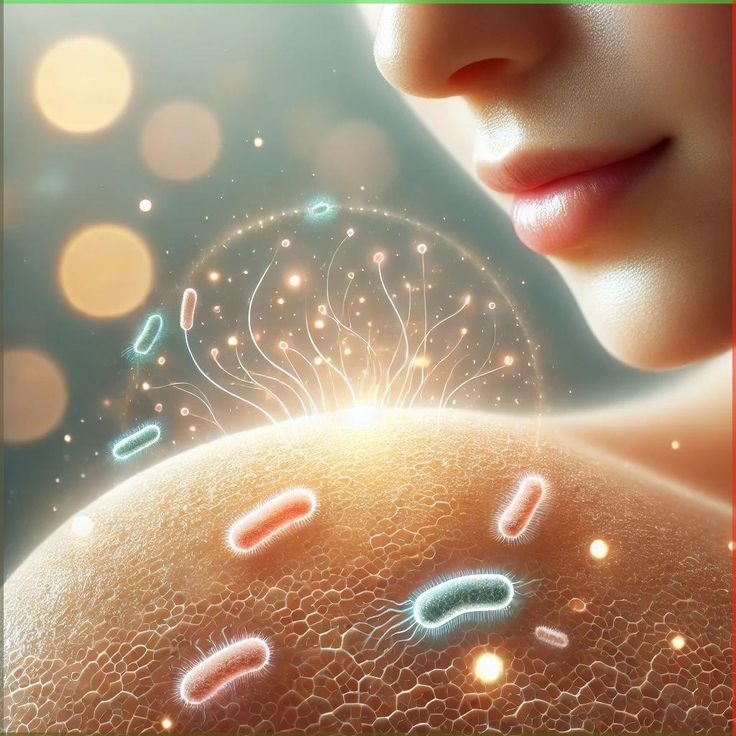
Your skin isn’t just a protective layer — it’s a living ecosystem. Trillions of microorganisms, including bacteria, fungi, and viruses, live on your skin’s surface, forming what scientists call the skin microbiome. Far from being harmful, these microbes play a vital role in maintaining your skin’s health, resilience, and appearance.

In this article, we’ll explore what the skin microbiome is, how it functions, what affects its balance, and how you can protect and restore it through smart, microbiome-friendly skincare.

Skin Microbiome

 What Is the Skin Microbiome?

The skin microbiome refers to the community of microorganisms that naturally inhabit our skin. These include:

skin microbiome
Bacteria
Black head mold, scientifically known as…
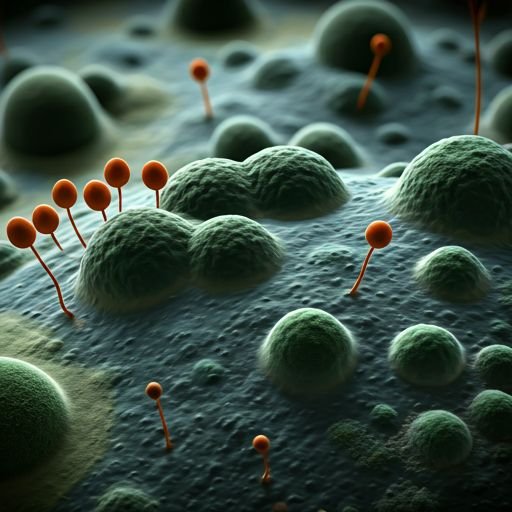
Fungi
Skin Microbiome
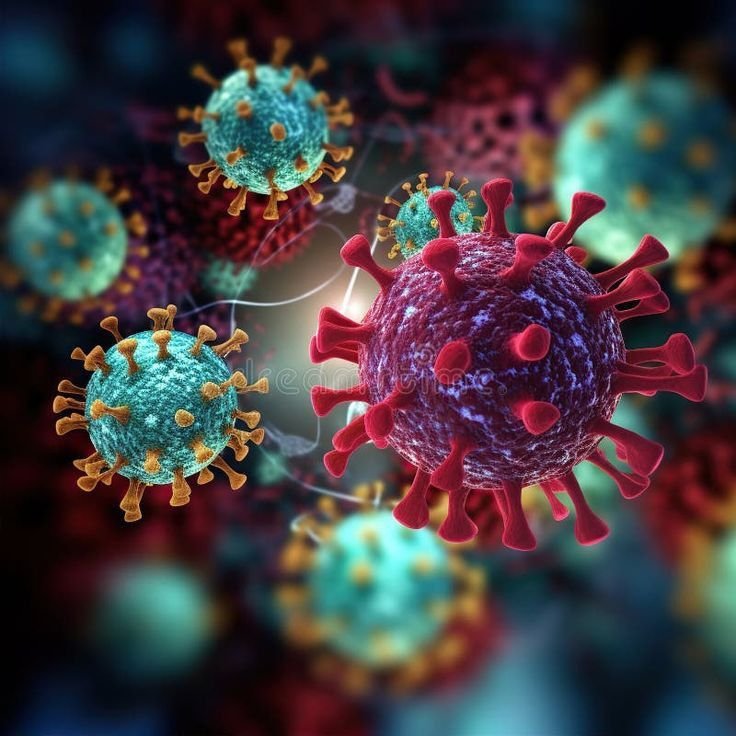
Viruses
skin microbiome
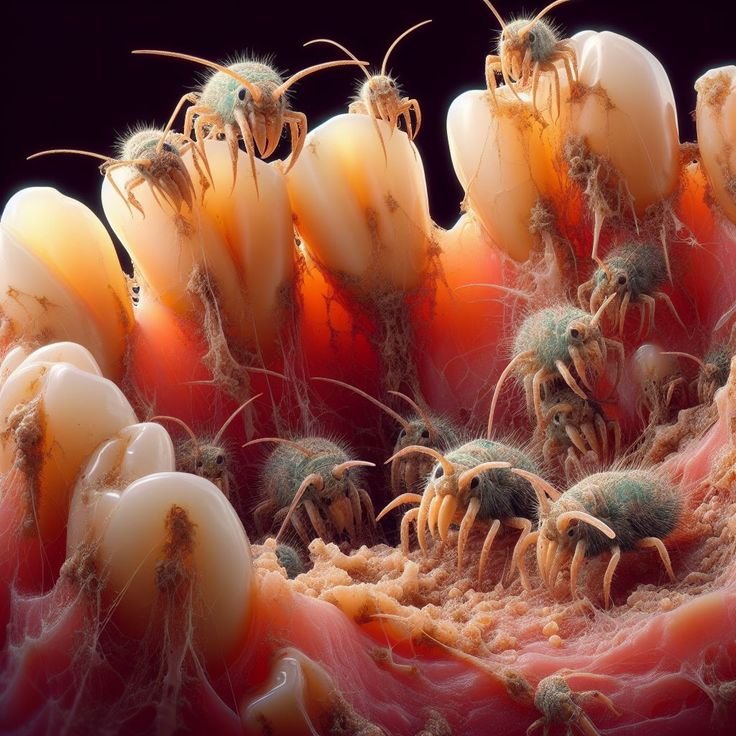
Mites

Each region of your body — such as the face, scalp, or underarms — has a unique microbial composition, depending on factors like oil production, pH level, and moisture.

When in balance, this microbial ecosystem helps maintain a healthy skin barrier, prevents infections, and supports wound healing. But when disrupted, it can lead to issues like acne, eczema, or increased sensitivity.

Why the Skin Microbiome Matters for Skin Health

Your microbiome and your skin barrier work together as a dual defense system.

Here’s how this invisible team keeps your skin healthy:

  • Protects Against Pathogens
    Beneficial microbes outcompete harmful bacteria, preventing them from colonizing your skin.

  • Regulates Inflammation
    A balanced microbiome reduces unnecessary inflammation, lowering the risk of conditions like acne or rosacea.

  • Supports Barrier Function
    Microbes help maintain the acid mantle — a slightly acidic pH (~5.5) that keeps moisture in and irritants out.

  • Enhances Wound Healing
    Certain bacteria release peptides and metabolites that promote faster tissue repair.

  • Communicates with Your Immune System
    The microbiome teaches your immune cells how to recognize threats versus harmless microbes, building immune tolerance.

The Science Behind Microbiome Imbalance (Dysbiosis)

When the microbiome becomes unbalanced — a condition known as dysbiosis — the skin’s protective layer weakens. This imbalance can be caused by:

  • Over-cleansing or using harsh soaps that strip natural oils
  • Antibiotics (topical or oral) that kill good bacteria
  • Stress and lack of sleep, which alter immune function
  • Environmental factors like pollution or UV damage
  • Dietary imbalances, particularly low fiber or high sugar intake

Scientific studies show that dysbiosis is linked to skin disorders such as:

  • Eczema – reduced diversity and low levels of Staphylococcus epidermidis
  • Psoriasis – changes in microbial composition triggering inflammation

How to Restore and Maintain a Healthy Skin Microbiome

1. Choose Microbiome-Friendly Skincare

Use gentle cleansers with a mild pH (around 5.5). Avoid antibacterial soaps or alcohol-heavy products that can disrupt the microbiome.

Look for labels that say “microbiome-friendly,” “prebiotic,” or “probiotic skincare.”

skin microbiome
skin microbiome

2. Support the Microbiome With Prebiotics and Probiotics

  • Prebiotics: Ingredients like inulin and alpha-glucan oligosaccharides feed the beneficial bacteria.
  • Probiotics: Skincare with Lactobacillus or Bifida ferment lysate can strengthen the microbiome.
  • Postbiotics: These are byproducts of probiotic bacteria that help soothe inflammation and repair the skin barrier.
skin microbiome

3. Maintain a Balanced Diet

A diet rich in fiber, omega-3 fatty acids, and antioxidants supports both your gut microbiome and your skin microbiome. The gut-skin connection is real — what you eat directly impacts your skin health.

4. Avoid Over-Exfoliation

While exfoliation removes dead skin cells, too much can strip away essential oils and beneficial bacteria.

Stick to gentle chemical exfoliants like lactic acid or PHA instead of aggressive scrubs.

5. Prioritize Barrier Repair

Use moisturizers containing ceramides, squalane, or fatty acids to strengthen the lipid barrier, which in turn supports microbial balance.

Signs Your Skin Microbiome May Be Unbalanced

Watch out for these signs that your skin microbiome might need attention:

  • Persistent dryness or tightness
  • Redness and irritation
  • Sudden breakouts or acne flare-ups
  • Increased sensitivity to skincare products
  • Dull or uneven skin tone

If you notice these, simplify your routine and use barrier-repairing products for a few weeks.

Microbiome Skincare Ingredients to Look For IngredientTypeBenefit

IngredientTypeBenefit
Lactobacillus fermentProbioticStrengthens skin barrier
InulinPrebioticFeeds beneficial bacteria
NiacinamideSupportiveReduces inflammation
CeramidesBarrier repairRestores moisture and protection
Fermented extractsPostbioticEnhances resilience and glow

The Future of Microbiome Research in Skincare

Scientists are discovering new ways to manipulate the skin microbiome for personalized skincare. Future innovations may include:

  • DNA-based microbiome testing to customize products.
  • Topical live bacteria treatments for eczema and acne.
  • Smart skincare formulas that adapt to your skin’s microbial environment

These developments show that microbiome-based skincare is not just a trend — it’s the next frontier in dermatological science.

Helthline