CeraVe vs Cetaphil Cleanser — The Ultimate Easy-to-Understand Comparison
Choosing between CeraVe vs Cetaphil Cleanser is one of the most common questions in skincare because both brands are popular, gentle, dermatologist-recommended, and affordable. Many people get confused because both look similar, both promise gentle cleansing, and both are safe for sensitive skin. But once you look closely, the CeraVe vs Cetaphil Cleanser comparison becomes much clearer.
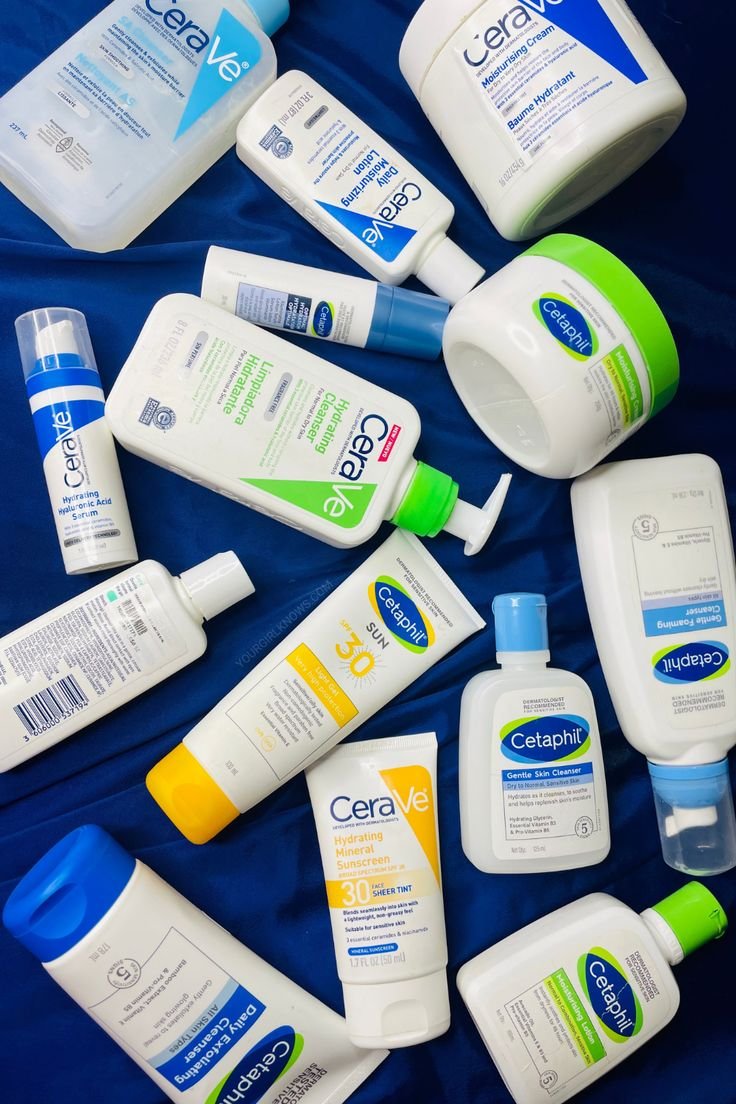
This article breaks everything down in simple US English so anyone can understand it. I will explain how each cleanser works on the skin, who they’re best for, their strengths, limitations, ingredients, texture differences, and real dermatologist opinions. The goal isn’t to choose a “winner,” because both are good — the goal is to help you figure out which one matches your skin’s needs.
Let’s dive into the most complete and friendly comparison of CeraVe vs Cetaphil Cleanser.
Quick Comparison Table: CeraVe vs Cetaphil Cleanser
| Feature | CeraVe Cleanser | Cetaphil Cleanser |
|---|---|---|
| Main Focus | Hydration + Barrier Repair | Gentle Cleansing + Soothing |
| Key Ingredients | Ceramides, Hyaluronic Acid, Niacinamide | Glycerin, Panthenol, Niacinamide (new formula) |
| Texture | Creamy or foaming depending on version | Very lightweight, gel-like |
| Best For | Dry, oily, normal, acne-prone skin | Sensitive, irritated, eczema-prone skin |
| Cleansing Strength | Deeper cleansing | Extra gentle |
| Fragrance-Free | Yes | Yes |
| Price Range | Mid-range | Usually slightly cheaper |
| Ideal User | Wants hydration + repair | Wants simplicity + minimal irritation |
This table gives a quick idea of the difference between CeraVe vs Cetaphil Cleanser, but let’s go much deeper.
Understanding the CeraVe Cleanser (Easy Breakdown)
CeraVe cleansers are known for one thing: ceramides. Ceramides are natural fats in your skin barrier. When your skin is dry, irritated, or rough, your ceramides are usually low. CeraVe adds them back through cleansing, which is why people love it.
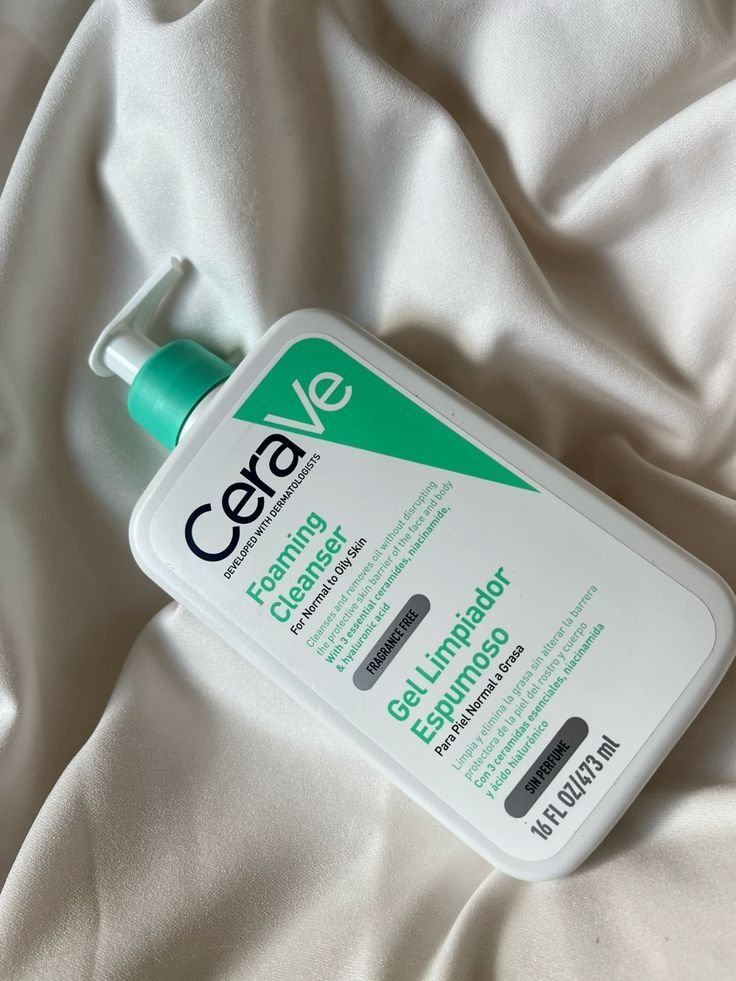
CeraVe also includes hyaluronic acid, which attracts moisture and helps the skin stay soft after washing. Many cleansers dry out the skin, but CeraVe tries to do the opposite — it cleans while keeping moisture in.
There are multiple versions of CeraVe cleansers, which is why the CeraVe vs Cetaphil Cleanser debate often depends on which version you pick. For example:
- The Hydrating Cleanser is creamy and perfect for dry skin.
- The Foaming Cleanser is better for oily or combination skin.
- The SA Cleanser helps with acne and rough texture.
CeraVe doesn’t irritate easily, but some people feel like the hydrating version doesn’t lather enough, and the creamy texture can feel “filmy” if they prefer squeaky-clean skin. Still, it’s excellent for moisturizing and rebuilding a damaged skin barrier.
Want to learn more about CeraVe? Just click the button below for a quick, clear breakdown.
Understanding the Cetaphil Cleanser (Easy Breakdown)
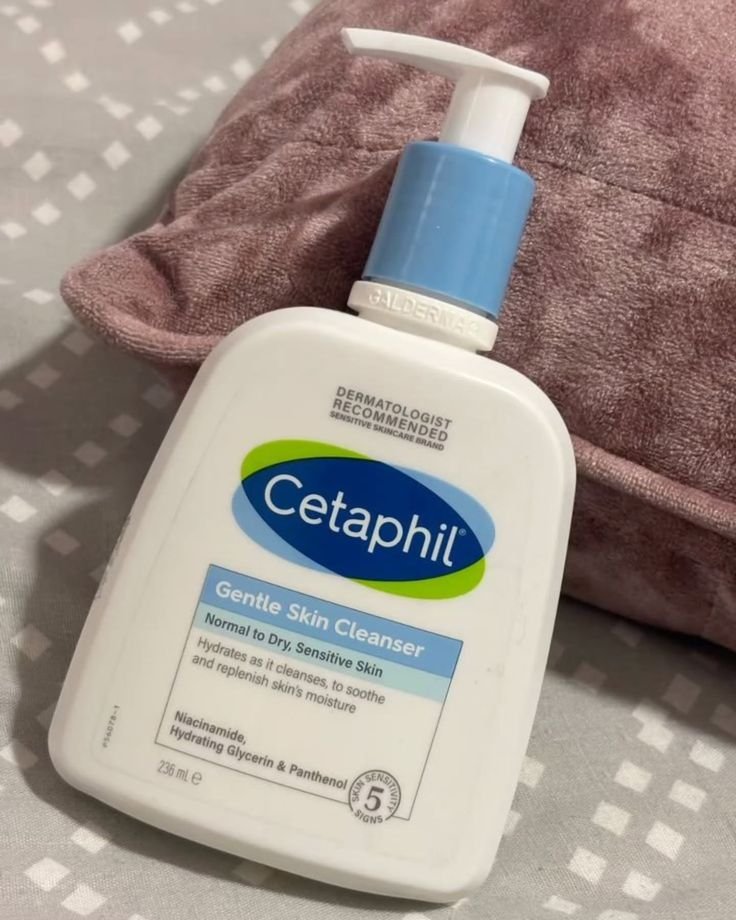
Cetaphil has built its name on one promise: gentleness. It focuses more on calming the skin than repairing it. People with sensitive, red, irritated, or eczema-prone skin often find Cetaphil safer and more soothing.
Cetaphil’s formula uses glycerin and panthenol (vitamin B5), which help soften the skin without heaviness. It doesn’t try to add many active ingredients. Instead, it keeps things simple so that anyone—even people with extremely reactive skin—can use it without worry.
Curious about Cetaphil? Click the button below to explore a simple, detailed guide.
The texture is lighter than CeraVe. It feels almost like a water-gel cleanser. It rinses off easily and doesn’t leave any film behind. For people who want a basic, safe, non-irritating everyday cleanser, Cetaphil is perfect.
The main limitation is that Cetaphil doesn’t clean as deeply as CeraVe, especially when it comes to sunscreen or makeup removal. But for sensitive skin, that gentleness is a good thing. CeraVe vs Cetaphil Cleanser.
How They Feel on the Skin (User Experience)
This is one of the biggest differences in the CeraVe vs Cetaphil Cleanser comparison.
CeraVe Cleanser Feel:
- Creamier texture
- Feels hydrating
- Some versions of foam
- Skin feels soft afterward
- Good for people who want moisture while cleansing
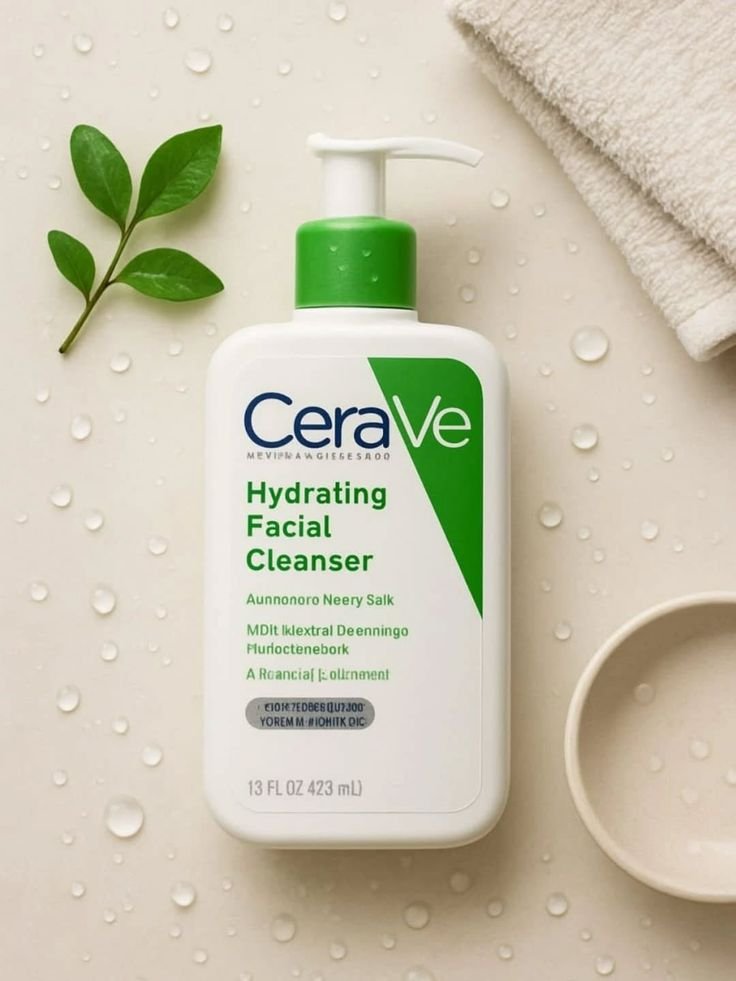
Cetaphil Cleanser Feel:
- Very light and fresh
- More gel-like
- Rinses faster
- Leaves no residue
- Good for people who want a simple, clean feeling
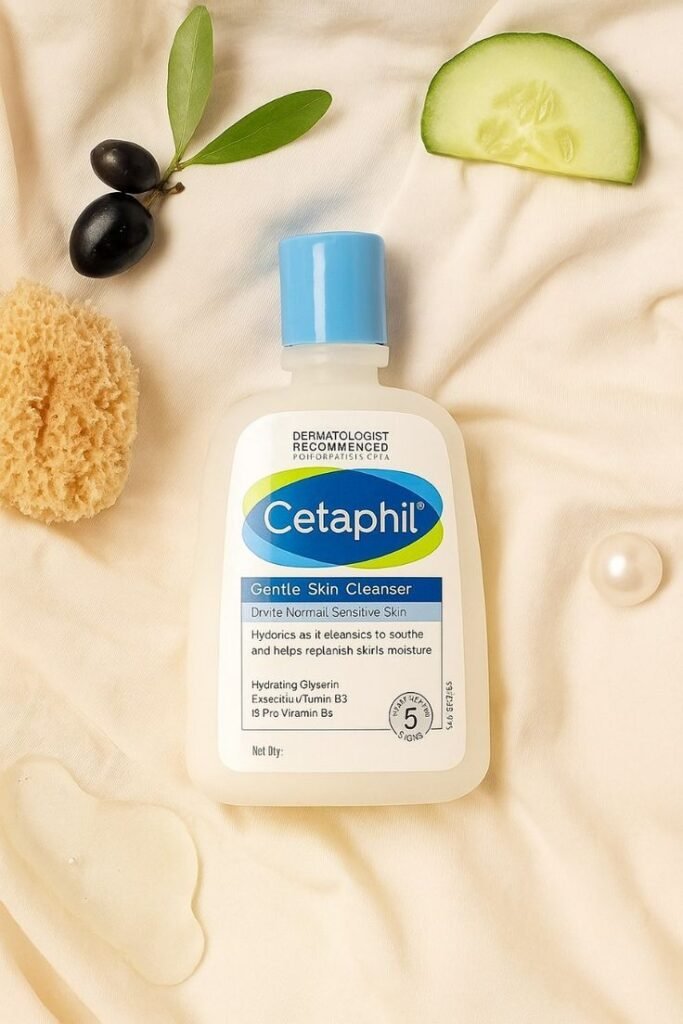
with sensitive or irritated skin tend to lean toward Cetaphil.
Skin Type Breakdown — Which One is Better for Your Skin?
Let’s break down the CeraVe vs Cetaphil Cleanser comparison by real skin needs.
Dry Skin
CeraVe wins because it adds hydration and barrier support.
Sensitive or Irritated Skin
Cetaphil wins because it has a very soothing formula.
Oily or Acne-Prone Skin
CeraVe Foaming or CeraVe SA Cleanser works better for oil control and clogged pores.
Eczema or Redness
Cetaphil is usually better because it minimizes irritation.
Damaged Skin Barrier
CeraVe helps rebuild and strengthen the barrier with ceramides.
Retinol Users
Cetaphil is often the safer choice because it’s ultra-gentle.
This is why the CeraVe vs Cetaphil Cleanser debate doesn’t have one winner—it’s based entirely on what your skin needs.
How Well Do They Remove Sunscreen and Makeup?
Another practical difference:
CeraVe:
- Removes sunscreen better
- Handles basic makeup well
- Good for people who wear sunscreen daily
Cetaphil:
- Good for light sunscreen
- Not strong for heavy makeup
- Better for minimal makeup routines
Dermatologist Opinions
Dermatologists generally agree on a few things about CeraVe vs Cetaphil Cleanser:
Dr. Andrea Suarez (Dermatologist)
“She says CeraVe is great for barrier repair while Cetaphil is better for sensitive skin.”
Dr. Dray (Dermatologist)
“She recommends CeraVe for oily or acne-prone skin and Cetaphil for irritated skin or new retinol users.“
Dr. Sam Ellis
“She explains that CeraVe is more treatment-focused, while Cetaphil is more comfort-focused.“
Dr. Muneeb Shah
“He says both are excellent, and the choice depends on your skin’s condition.“
These expert opinions support what we’ve already discussed — both cleansers are high-quality choices.
CeraVe vs Cetaphil Cleanser — Final Verdict (Table Format)
| Your Skin Need | Choose CeraVe Cleanser If You Want… | Choose Cetaphil Cleanser If You Want… |
|---|---|---|
| Hydration | More hydration from ceramides + hyaluronic acid | A lightweight, simple wash without extra hydrators |
| Skin Barrier Support | Barrier repair with essential ceramides | Extremely gentle formula that won’t overwhelm skin |
| Cleansing Strength | Deeper cleansing, great for oily/acne-prone skin | Very mild cleansing for sensitive or irritated skin |
| Redness & Irritation | Niacinamide benefits for calming + oil control | A soothing formula ideal for redness or reactive skin |
| Compatibility With Actives | Works well in acne routines | Perfect if you want a cleanser that never reacts with actives |
| Overall Feel | More active, hydrating, dermatologist-favorite for problematic skin | Simple, soothing, and safe for everyday gentle washing |
FAQs — CeraVe vs Cetaphil Cleanser
1. Is CeraVe or Cetaphil better for sensitive skin?
Cetaphil is usually better for very sensitive or reactive skin because it has a gentler formula. However, CeraVe is also suitable for sensitive skin if you want added hydration and barrier repair. CeraVe vs Cetaphil Cleanser
2. Which cleanser is better for acne-prone skin — CeraVe or Cetaphil?
CeraVe is generally better for acne-prone or oily skin thanks to niacinamide and deeper cleansing. Cetaphil is best if your acne routine already includes strong actives and you need a non-irritating wash. CeraVe vs Cetaphil Cleanser
3. Can I use CeraVe or Cetaphil twice a day?
Yes. Both cleansers are safe for morning and night use. However, sensitive or dry skin types may prefer using Cetaphil in the morning and CeraVe at night. CeraVe vs Cetaphil Cleanser
4. Is CeraVe more hydrating than Cetaphil?
Yes. CeraVe contains ceramides and hyaluronic acid, which provide stronger hydration and barrier support compared to Cetaphil’s simpler formula. CeraVe vs Cetaphil Cleanser
5. Can I switch between CeraVe and Cetaphil?
Absolutely. Many people use Cetaphil when their skin is irritated and switch to CeraVe when they need more hydration or deeper cleansing. Both are safe to alternate. CeraVe vs Cetaphil Cleanser
6. Where can I learn more about skincare guides like this?
If you want more expert-backed skincare comparisons, product reviews, and easy-to-understand beauty tips, stay connected with our website. We update regularly with new guides to help you choose the best products for your skin.