Vanicream Moisturizer Review: The Only Moisturizer My Skin Didn’t React To
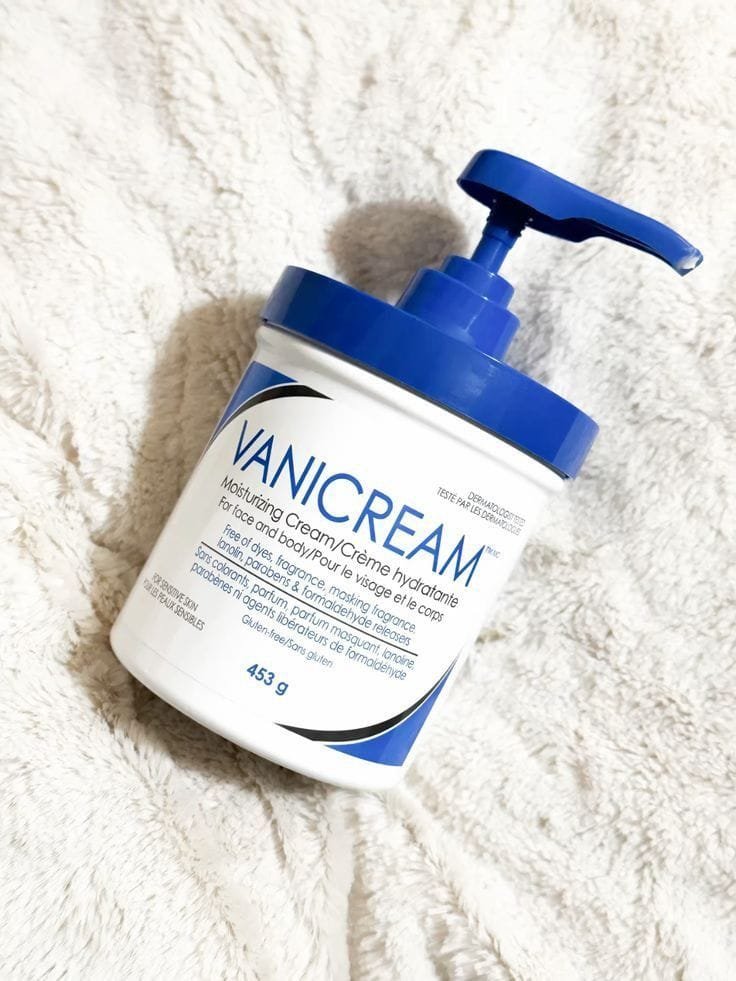
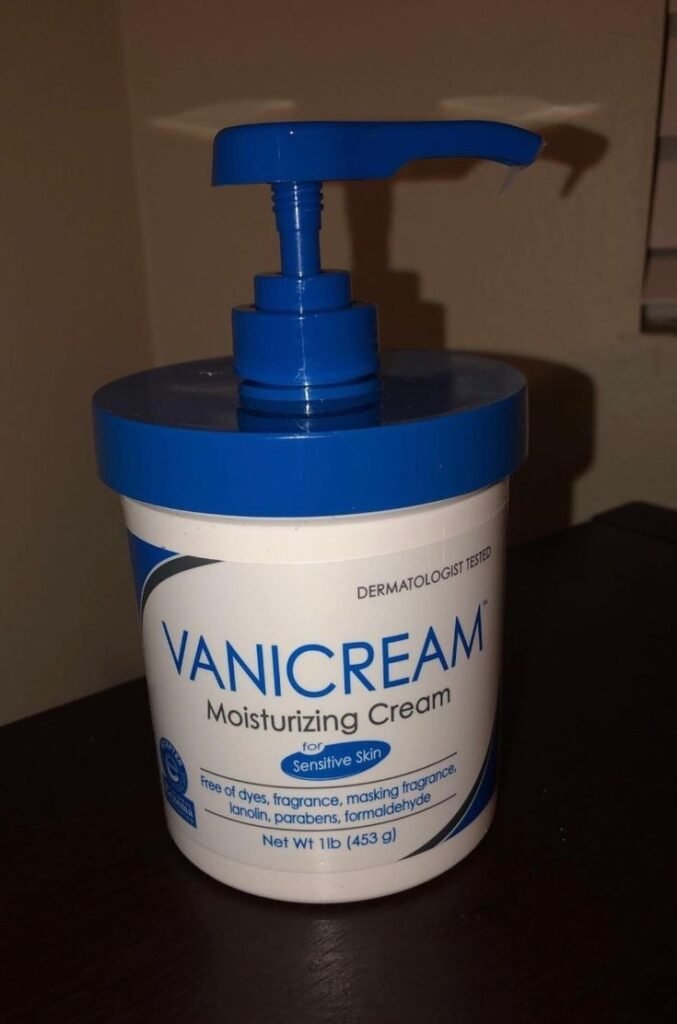
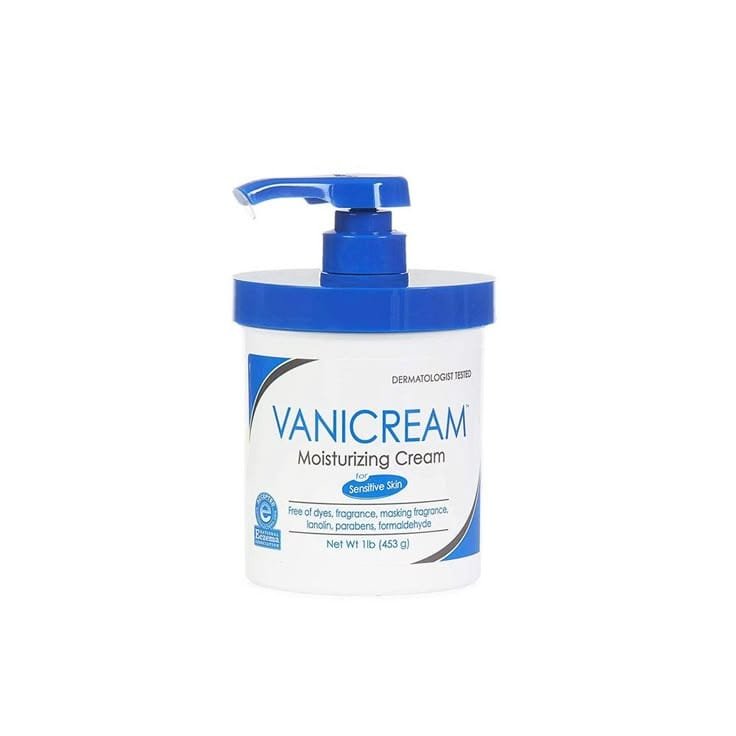
Vanicream Moisturizing Cream (16 oz tub) currently sells for around $13–$15 on Amazon, making it one of the most affordable dermatologist-recommended moisturizers in the U.S. market. Date:8/01/2026
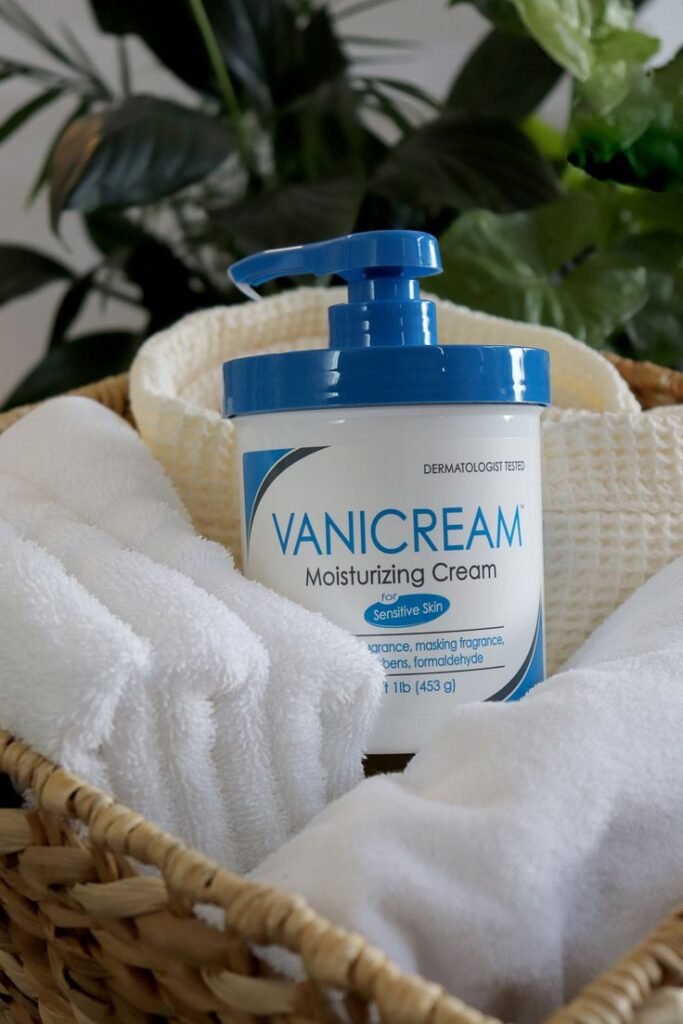
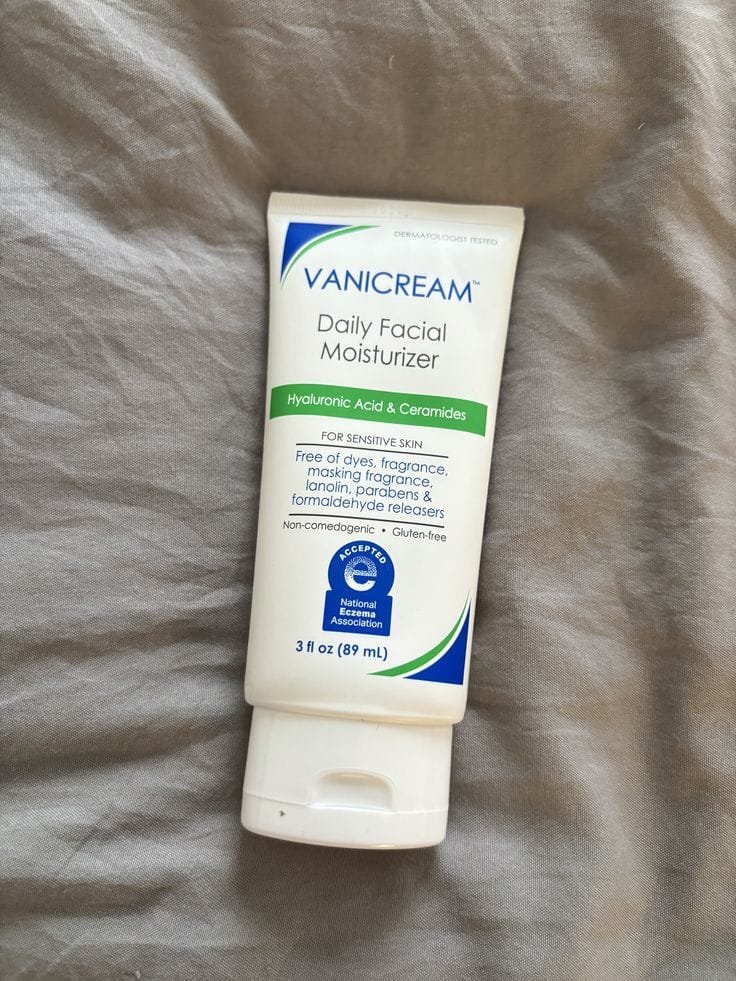
Finding a moisturizer that truly respects sensitive skin is harder than most people realize. Over the years, I’ve tested countless creams labeled “gentle” or “for sensitive skin,” yet many of them caused subtle irritation, redness, or clogged pores after a few days. That frustration is what pushed me to write this detailed Vanicream Moisturizer Review, based entirely on real daily use rather than marketing claims.
This review reflects how the product performed on my skin over 30 days, how it compares to similar creams like CeraVe and Cetaphil, and whether it’s genuinely worth buying in 2026.
Why I Decided to Test Vanicream Moisturizer
My skin barrier has always been reactive. Even fragrance-free products sometimes trigger discomfort, especially during seasonal changes. Dermatologists often recommend Vanicream as a “safe default” moisturizer, particularly for patients dealing with eczema, post-procedure skin, or chronic sensitivity.
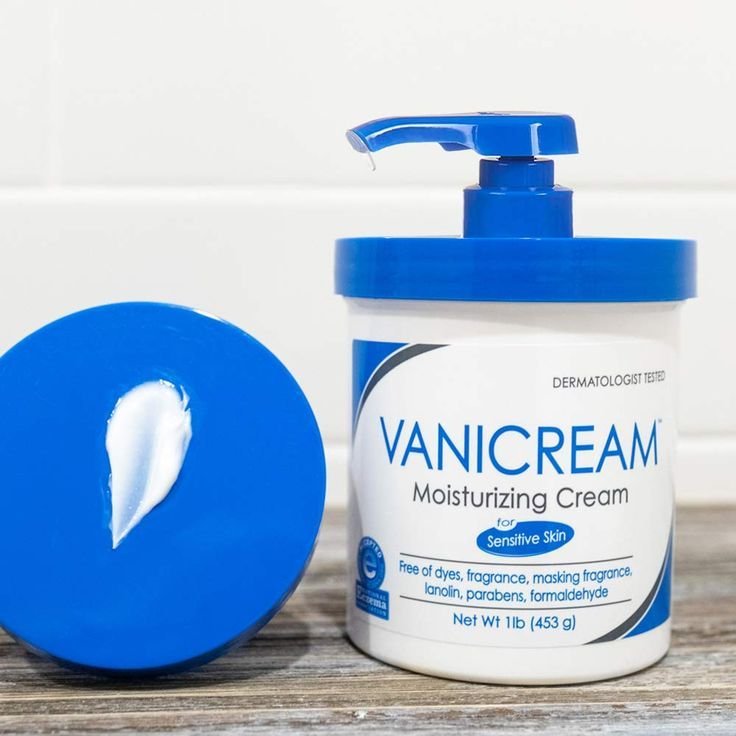
What intrigued me wasn’t what Vanicream promises—but what it avoids. No fragrance, no dyes, no essential oils, and no unnecessary actives. For someone tired of trial-and-error skincare, that simplicity felt refreshing.
So I committed to using only this product as my primary moisturizer for a full month.
Vanicream Moisturizer Review: Texture, Feel, and Daily Application
At first glance, Vanicream Moisturizing Cream looks thick and clinical. The texture resembles classic pharmacy creams rather than trendy gel moisturizers. However, once applied, it spreads evenly without dragging the skin.
I used a pea-sized amount for my face and slightly more for my neck. On damp skin, it absorbed more comfortably and left a protective, non-shiny finish. There was no fragrance whatsoever—something my skin immediately appreciated.
Unlike some heavier creams, it didn’t create a sticky layer. Instead, it felt like a quiet shield over my skin, especially helpful during colder, drier days.
My 30-Day Personal Experience With Vanicream Moisturizer
Week 1: Immediate Calm
Within the first few days, I noticed a reduction in tightness after cleansing. There was no stinging, no warmth, and no redness—something I usually experience when switching moisturizers. My skin felt neutral, which is a good sign for sensitive types.
Week 2: Barrier Stability
By the second week, dry patches around my cheeks became noticeably smoother. Makeup sat better, and my skin didn’t feel dehydrated by mid-day. This was when I realized the cream was working at a barrier level rather than offering temporary hydration.
Week 3: Reduced Reactivity
This was the most surprising phase. My skin reacted less to external triggers like weather changes and exfoliation. Even after using a mild retinoid at night, Vanicream prevented the usual flaking.
Week 4: Consistent Comfort
By day 30, my skin felt consistently balanced. Not oily, not dry—just stable. That’s rare for me, and it’s the main reason this Vanicream Moisturizer Review stays honest and positive.
Skin Improvement Overview (After 30 Days)
These percentages aren’t medical claims—they reflect real-world changes compared to my baseline skin condition.
Ingredient Philosophy: Why Dermatologists Trust It
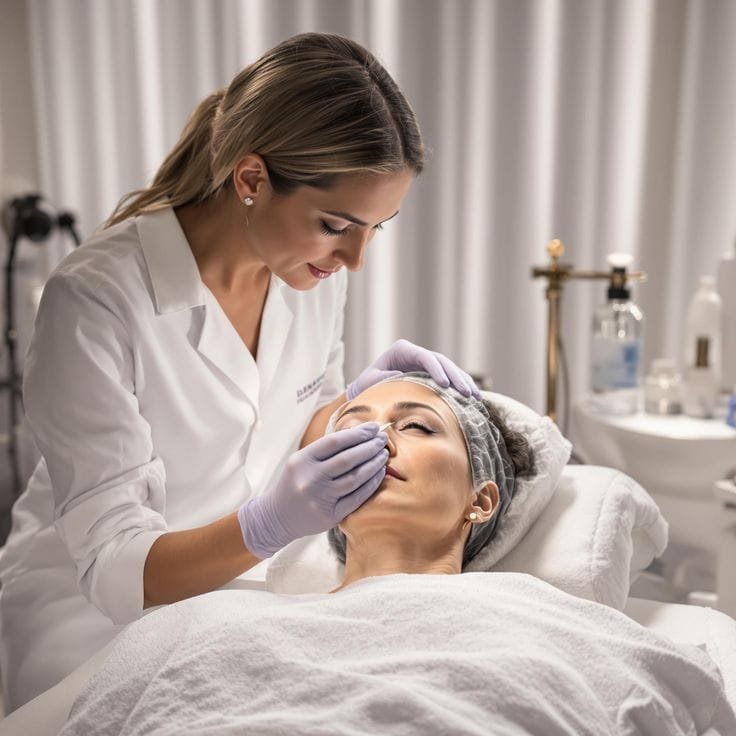
Vanicream doesn’t rely on trendy actives. Instead, it uses time-tested moisturizing agents that focus on preventing transepidermal water loss. According to dermatologists, irritation is often caused not by what a product lacks—but by what it unnecessarily includes.
By eliminating common triggers, Vanicream becomes a safe long-term option rather than a short-term fix.
This approach aligns closely with dermatology-backed skincare principles used in clinical settings.
According to dermatologist-recommended sensitive skin moisturizers guidelines, eliminating fragrance and unnecessary additives significantly reduces irritation risk.
Vanicream vs CeraVe vs Cetaphil (Quick Comparison)
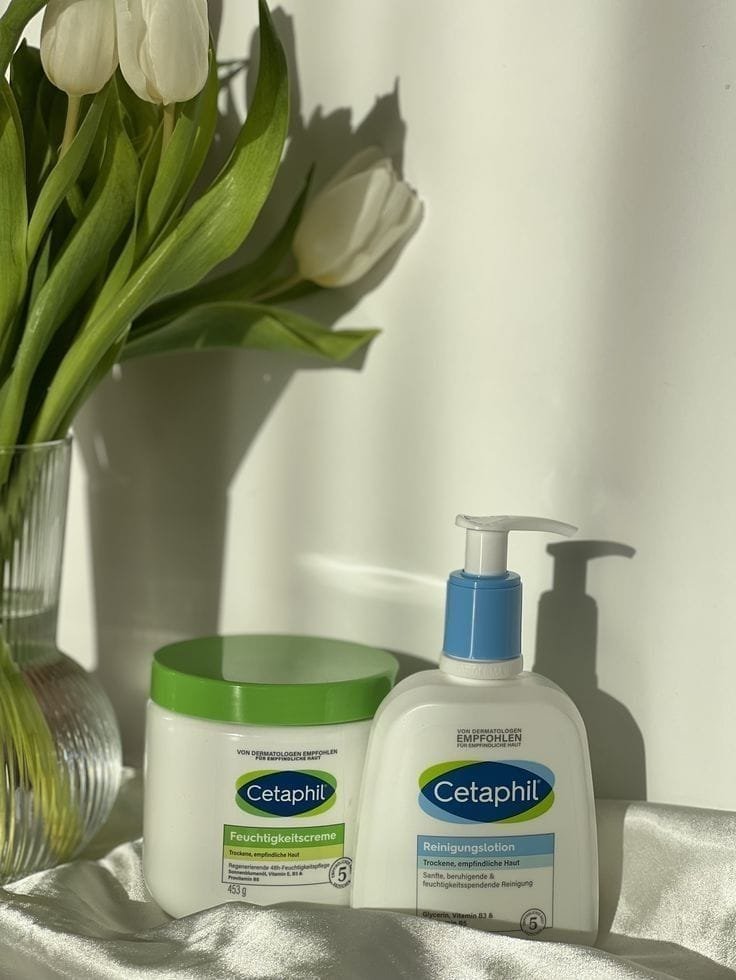
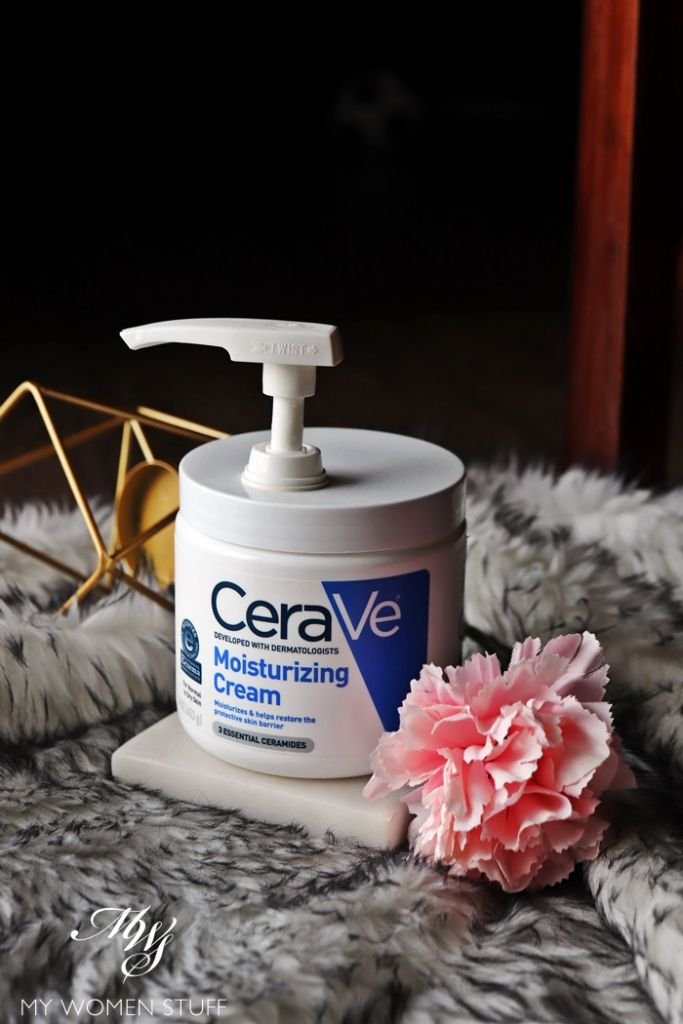
While CeraVe offers ceramides and Cetaphil focuses on lightweight hydration, Vanicream stands out for maximum tolerance. It may not feel elegant or luxurious, but it excels at consistency and safety.
If your skin reacts easily, Vanicream is often the least risky choice among the three.
Who Should Use Vanicream Moisturizer in 2026?
This cream is ideal if your skin:
- Gets irritated easily
- Reacts to fragrance or essential oils
- Is recovering from treatments
- Needs barrier repair over glow
However, if you prefer lightweight gel textures or active ingredients like niacinamide, this may feel too basic.
Final Verdict: Is Vanicream Moisturizer Worth It?
After 30 days of consistent use, I can confidently say this product earned its place in my routine. It didn’t promise miracles—but it delivered stability, comfort, and reliability.
This Vanicream Moisturizer Review proves that sometimes the most boring-looking products quietly work the best.
Want to Explore More Skincare Reviews?
If you’re interested in more dermatologist-approved moisturizers and skincare products, stay with us. We regularly test, compare, and review products to help you make informed choices.
FAQ for Vanicream Moisturizer Review (2026)
1. Is Vanicream Moisturizer good for sensitive skin?
Yes! Vanicream is fragrance-free, dye-free, and dermatologist-recommended, making it one of the safest options for sensitive or allergy-prone skin.
2. Can Vanicream Moisturizer help with eczema?
It can help maintain skin hydration and support the skin barrier, which is beneficial for eczema-prone skin. However, it’s not a medical treatment—always follow your dermatologist’s advice.
3. How often should I use Vanicream Moisturizer?
For best results, apply twice daily—morning and night—on clean, slightly damp skin. You can adjust based on dryness levels.
4. Does Vanicream Moisturizer work under makeup?
Yes! It absorbs well and leaves a soft, non-greasy finish. Makeup sits smoothly on top without pilling.
5. Is Vanicream Moisturizer safe for all ages?
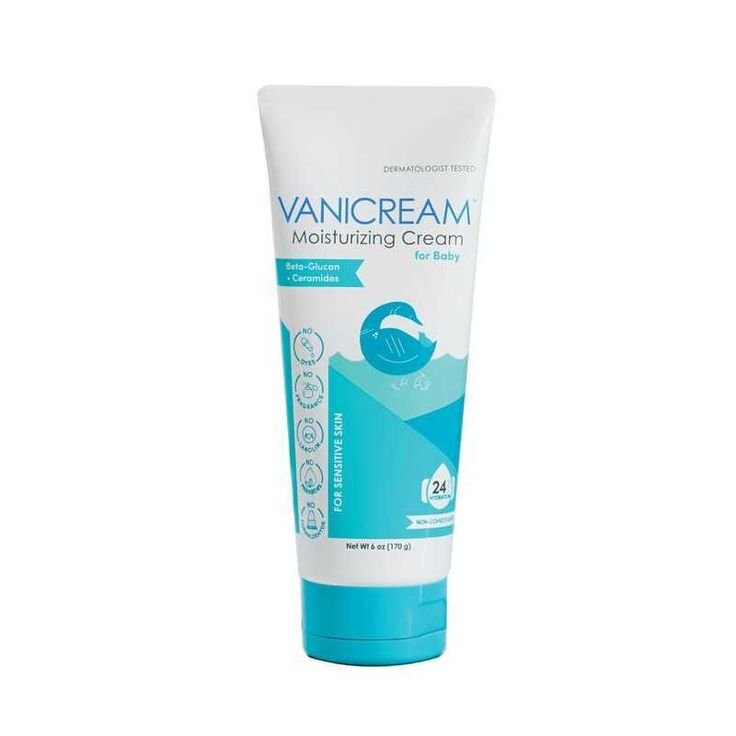
Generally, yes. It’s safe for children, adults, and seniors. For babies or infants, check with your pediatrician first, as their skin may need specialized formulations.