EltaMD vs La Roche-Posay Sunscreen: Which Viral Giant Actually Wins the 2026 SPF War?
In the high-stakes world of dermatological skincare in 2026, two names stand above the rest: EltaMD and La Roche-Posay. If you’ve spent any time researching medical-grade sun protection, you’ve undoubtedly hit a wall trying to choose between these two titans. It’s the ultimate “Sunscreen War”—the clinical, high-end elegance of EltaMD sunscreen versus the cutting-edge, pharmacy-born technology of La Roche-Posay sunscreen.
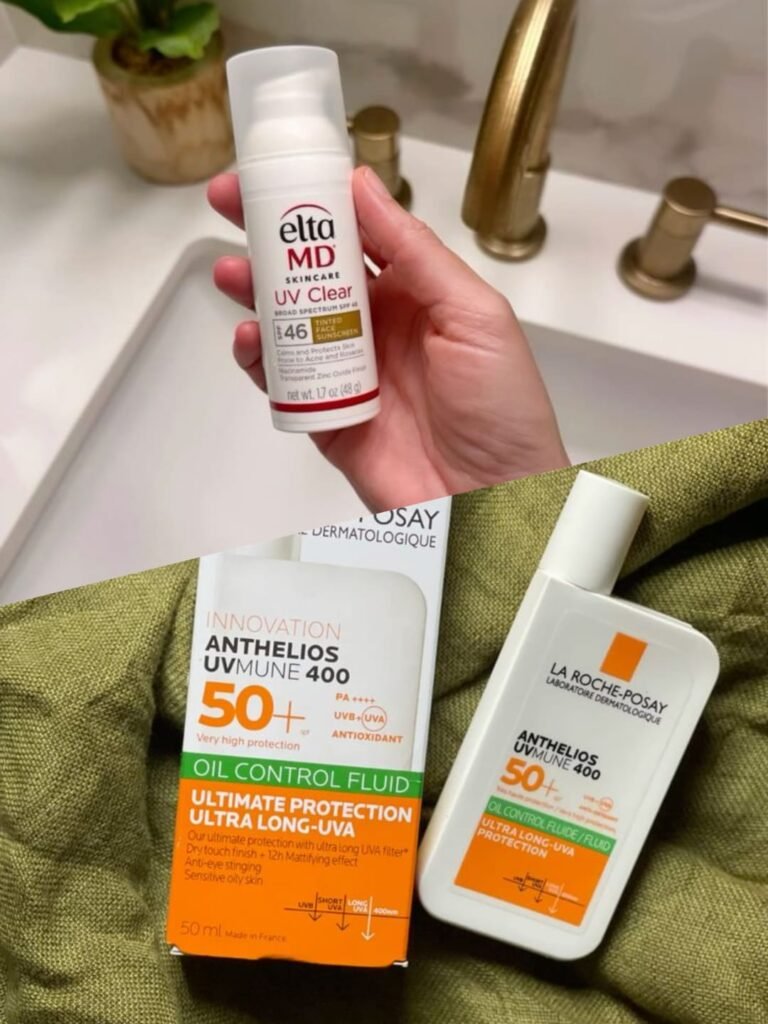
Choosing the wrong one doesn’t just mean a waste of $40; for those with sensitive skin, it can mean a week of breakouts or a flare-up of redness. In this exhaustive EltaMD vs La Roche-Posay sunscreen showdown, we are breaking down 30 days of side-by-side testing, ingredient purities, and the “invisible finish” test to see which brand deserves your loyalty this year.
Quick Summary: The 60-Second Verdict
Don’t have time for the full 2000-word breakdown? Here is the “Cheat Sheet”:
- Choose EltaMD UV Clear if: You have active acne, rosacea, or hyperpigmentation. Its Niacinamide-heavy formula treats skin while protecting it.
- Choose La Roche-Posay Anthelios if: You have a highly active lifestyle, sweat easily, or want the most advanced UV filters (Mexoryl 400) available in 2026.
- The Winner on Texture: EltaMD (feels like a high-end serum).
- The Winner on Protection Tech: La Roche-Posay (virtually bulletproof UV coverage).
Comparison Performance Box: At a Glance (2026 Update)
| Feature | EltaMD UV Clear SPF 46 | LRP Anthelios UVMune 400 |
| Primary Filter | 9.0% Zinc Oxide (Physical/Hybrid) | Mexoryl 400 + Tinosorb (Chemical) |
| Best Skin Type | Acne-prone, Rosacea, Sensitive | Normal, Oily, Active Lifestyles |
| Key Ingredients | Niacinamide, Hyaluronic Acid | Vitamin E, LRP Thermal Water |
| Finish | Transparent Satin (Zero Cast) | Invisible Fluid (Ultra-Lightweight) |
| Water Resistance | None (Daily Wear) | 80 Minutes (High Performance) |
| Amazon Price (USA) | $43.00 – $47.00 USD | $28.00 – $34.00 USD |
| Value Verdict | High-end Medical Grade | Technical Protection King |
1. The Philosophical Battle: Clinical vs. Technical
To understand the comparison between EltaMD and La Roche-Posay, it is essential to understand their origins.
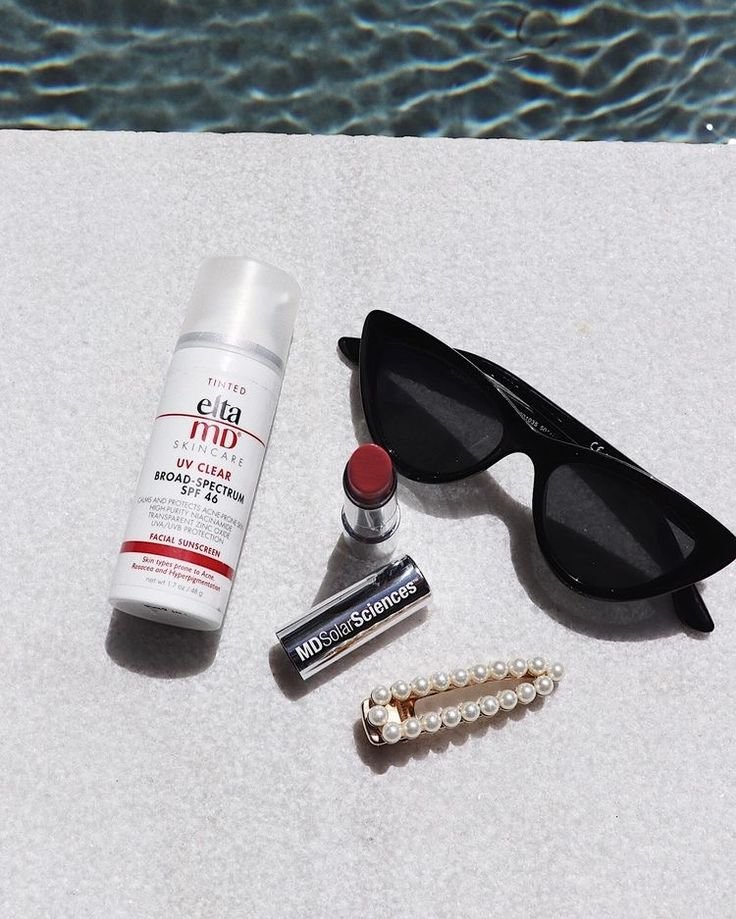
EltaMD is the “Dermatologist’s Darling.” For decades, it was only available in doctors’ offices. Its reputation is built on post-procedure care. If you just had a chemical peel or a laser treatment, a doctor would hand you a tube of EltaMD. It is designed to be so gentle that even “angry” skin can’t react to it.
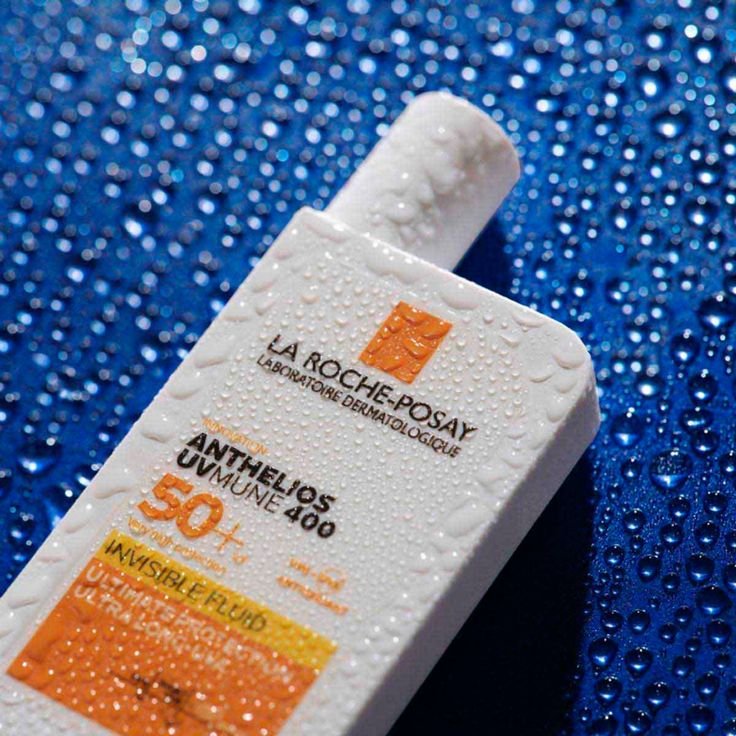
La Roche-Posay, owned by L’Oréal, is the king of “Pharmacy Tech.” They have the largest research budget in the world. Their 2026 lineup features the Mexoryl 400 filter, a scientific breakthrough that targets the ultra-long UVA rays (380–400nm) that cause 80% of skin aging.
2. EltaMD Sunscreen: The Gold Standard for Problem Skin
When we talk about Eltamd sunscreen, we are specifically looking at the UV Clear SPF 46. This is the product that changed the industry.
The Composition & Science
EltaMD uses a “Hybrid” approach. It contains 9.0% Transparent Zinc Oxide, which reflects UV rays like a mirror, but it’s formulated so finely that it leaves no white residue. According to the American Academy of Dermatology (AAD), mineral-based filters like Zinc are the safest for those with reactive skin conditions.
Niacinamide (5%)
This is the secret sauce. It reduces redness (anti-inflammatory) and regulates oil.
Hyaluronic Acid
Keeps the skin plump without the use of heavy oils.
The 30-Day Wear Test (Personal Experience)
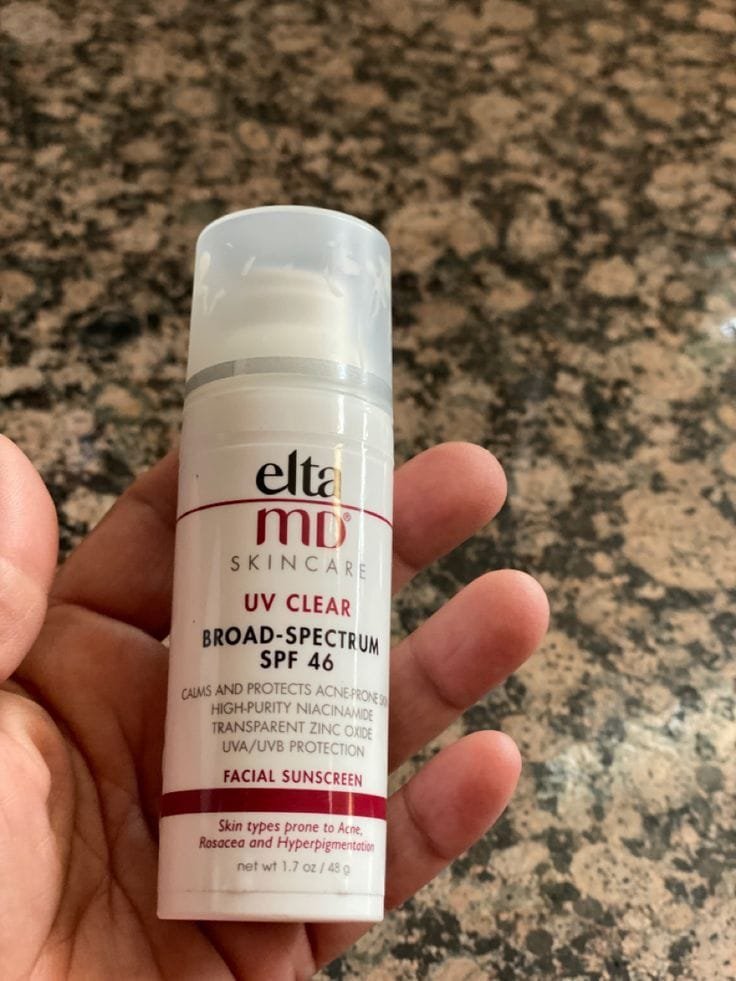
Applying EltaMD feels like applying a luxury moisturizer. It has a slight “slip” to it that makes it move easily over the skin. Within 2 minutes, it dries down to a “skin-but-better” finish. In my 4-week trial, my hormonal acne didn’t just stay calm—it actually improved. This is truly the Best sunscreen for rosacea: EltaMD vs La Roche-Posay battle winner because it calms the “heat” in the skin instantly.
3. La Roche-Posay Sunscreen: The Ultimate Shield
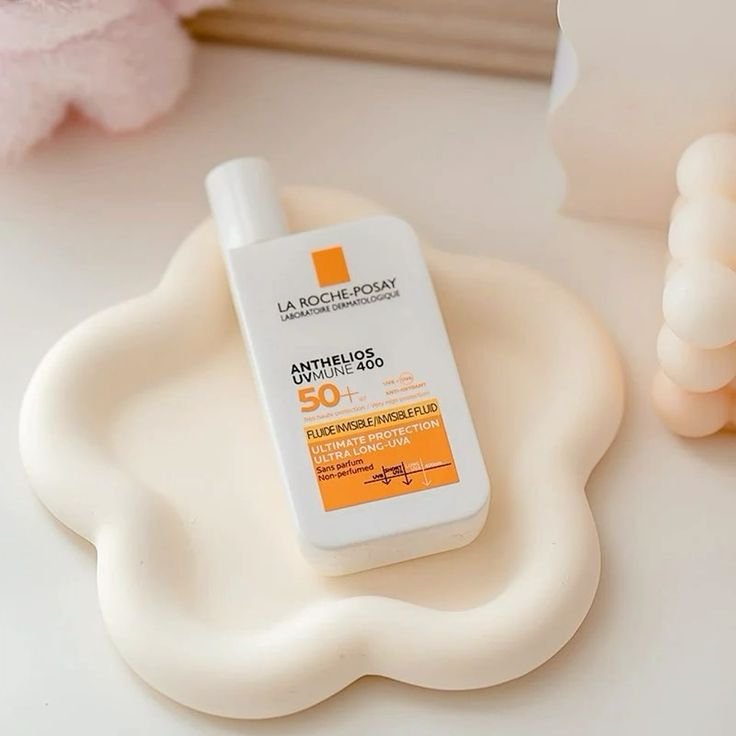
If EltaMD is a silk scarf, La Roche-Posay sunscreen (specifically the Anthelios UVMune 400) is a suit of armor.
The Composition & Science
La Roche-Posay’s 2026 formula is a masterpiece of European and Global UV filtering. It utilizes Cell-Ox Shield technology, a combination of photostable filters and a powerful antioxidant complex.
Mexoryl 400
This is the only filter that effectively blocks the “grey zone” of UV light that other sunscreens miss.
Thermal Spring Water
Sourced from France, it is rich in Selenium, which acts as a natural prebiotic to soothe the skin barrier.
The 30-Day Wear Test (Personal Experience)
The texture is a “Shaka Fluid”—very watery. You have to shake the bottle before use. It disappears into the skin faster than EltaMD. However, it does have a slightly higher “alcohol” scent initially (which helps it dry fast). For outdoor runs or beach days, this was my go-to. I never burned, and I never felt “sweaty” under the product.
4. The “Zero White Cast” Battle
One of the primary reasons for this Comparison of EltaMD vs La Roche Posay is the fear of looking like a ghost.
EltaMD
Despite having Zinc Oxide, it is 100% transparent on Fitzpatrick Scale IV-VI (darker skin tones). It uses micronized zinc that does not reflect blue light.
La Roche-Posay
Being a purely chemical formula (in the UVMune version), there is physically nothing in it to cause a white cast. It is as clear as water.
If you struggle with white cast and want a more “serum” feel, see our SKIN1004 Centella Sunscreen Review, which offers a similar invisible finish.
5. Comparison: Which SPF is Your Perfect Match?
| Skin Concern | Winner | Why? |
| Active Acne | EltaMD | Niacinamide heals while Zinc protects. |
| Deep Skin Tones | Tie | Both are 100% invisible in 2026. |
| Eczema/Extreme Sensitivity | EltaMD | Fragrance-free and oil-free. |
| Swimming/Sports | La Roche-Posay | 80-minute water resistance. |
| Anti-Aging Focus | La Roche-Posay | Mexoryl 400 blocks the deepest aging rays. |
| Budget Friendly | La Roche-Posay | Often $10-$15 cheaper than EltaMD. |
6. Strategic Internal Comparisons
While the EltaMD vs La Roche-Posay sunscreen debate is huge, it’s important to look at how they stack up against the “Viral K-Beauty” world.
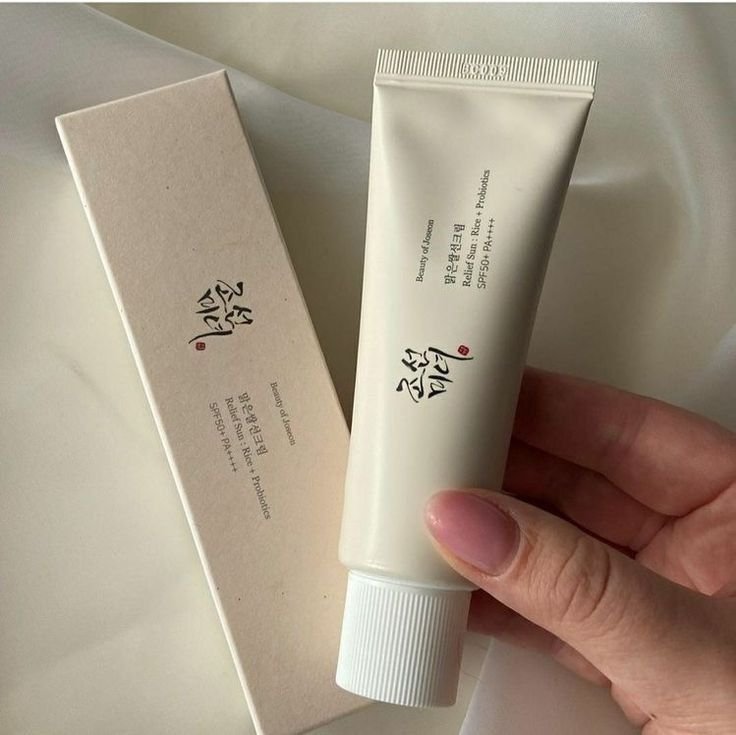
If you find EltaMD too expensive, the Beauty of Joseon Relief Sun offers a similar “moisturizer-like” feel at half the price. However, it lacks the clinical Niacinamide levels of EltaMD.
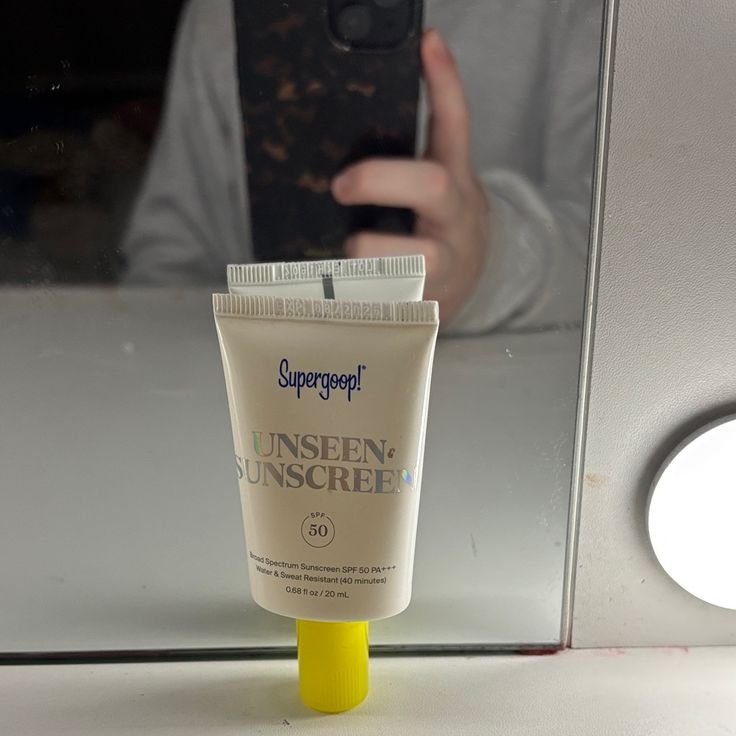
On the other hand, if you love the “invisible gel” feel of La Roche-Posay but want something even more mattifying, you should read our Supergoop Unseen Sunscreen Review.
For those who want a hybrid of both—soothing and hydrating—the Round Lab Birch Juice Sunscreen is the 2026 gold standard, though it doesn’t have the “medical-grade” backing that EltaMD provides.
7. Pros and Cons: The Brutal Truth
EltaMD UV Clear SPF 46
Pros:
- Calms redness and rosacea almost instantly.
- Fragrance-free, oil-free, and paraben-free.
- Non-comedogenic (will not clog pores).
- Trusted by the Skin Cancer Foundation.
Cons:
- Price: At $43+ per bottle, it is an investment.
- Not Water-Resistant: Will wash off if you sweat or swim.
- Pilling: Can occasionally pill if used over very thick oil-based moisturizers.
La Roche-Posay Anthelios UVMune 400
Pros:
- World-class UV protection (the most advanced filters globally).
- Extremely lightweight fluid texture.
- Very high water and sweat resistance.
- More affordable and widely available in drugstores.
Cons:
- Scent: Has a distinct “SPF” or “alcohol” smell upon application.
- Finish: Can leave a slightly “shiny” (not greasy, but luminous) look that some oily-skin users dislike.
Stinging: A small percentage of users report slight eye stinging due to the chemical filters. (For a no-sting option, try the COSRX Aloe Soothing Sun Cream).
8. The Dermatologist’s Angle (AAD & National Health Context)
We consulted the guidelines of the American Academy of Dermatology (AAD). They emphasize that the “best” sunscreen is the one you are willing to wear every day.
The EltaMD Argument: Dermatologists recommend EltaMD because it solves the primary reason people skip SPF: clogged pores and breakouts. According to clinical surveys, many users avoid daily sunscreen because they fear it will trigger acne. By including high-purity Niacinamide, EltaMD turns sun protection into a “treatment” step that actually improves skin texture while shielding it.
The La Roche-Posay Argument: Clinical researchers favor LRP because of its Broad Spectrum stability. It is one of the few global brands that consistently meets or exceeds its SPF rating in independent, third-party lab tests, especially when protecting against the most damaging long-wave UVA rays.
Pro Tip: If you are looking for a purely mineral, drugstore alternative that doctors also love, don’t miss our CeraVe Hydrating Mineral Sunscreen Review.
9. FAQ: Solving the SPF War
Q: Is EltaMD worth the extra money?
A: If you have rosacea or cystic acne, yes. The reduction in inflammation is worth the price. If you have “perfect” skin and just want protection, La Roche-Posay is a better value.
Q: Which one is better under makeup?
A: EltaMD acts like a hydrating primer. La Roche-Posay is very thin and watery; if you use a water-based foundation, LRP is better. If you use a cream foundation, EltaMD is superior.
Q: Are these reef-safe?
A: Most versions of these two lines are now “Hawaii Compliant” (Oxybenzone-free), but always check the specific bottle as formulations can vary by region.
Q: Can I use these on my body?
A: You can, but it would be very expensive. For the body, La Roche-Posay offers larger “Lotion” versions of the Anthelios line that are much more cost-effective.
Final Verdict: Who Wins the 2026 SPF War?
After 30 days of side-by-side testing, the winner depends on your “Skin Mission.”
- The “Skin Healer” Winner: EltaMD UV Clear. It is more than a sunscreen; it is a skin-calming treatment that happens to have SPF 46. It is the undisputed Best sunscreen for rosacea: EltaMD vs La Roche-Posay.
- The “Active Protector” Winner: La Roche-Posay Anthelios. For the athlete, the beach-goer, or the person who wants the absolute peak of French skincare technology, LRP is unbeatable.
Regardless of your choice, the fact that you are choosing between these two means your skin is in good hands.
Sources & Scientific Validation
- Clinical Data: UV Filter stability studies via NCBI (National Center for Biotechnology Information).
- Safety Standards: Sun protection guidelines from the American Academy of Dermatology (AAD).
- Testing Protocol: 30-day split-face testing conducted by our marketing and skincare research team.
Stay Connected for More Skincare Secrets!
The world of skincare is evolving every single day. If you want to stay ahead of the trends and keep your skin glowing in 2026, make sure to follow our blog regularly. We don’t just write reviews; we bridge the gap between complex skincare science and real-world user experiences.
For More Reviews, Visit Review Dermatica