
Understanding Snail Mucin vs Hyaluronic Acid: Which Repairs Skin in 2026?
The search for the ultimate hydration hero comes down to this: Snail Mucin vs Hyaluronic Acid. Whether you’re dealing with dry March air or spring humidity, your skin needs real moisture—but is your serum truly repairing your barrier or just hydrating the surface?
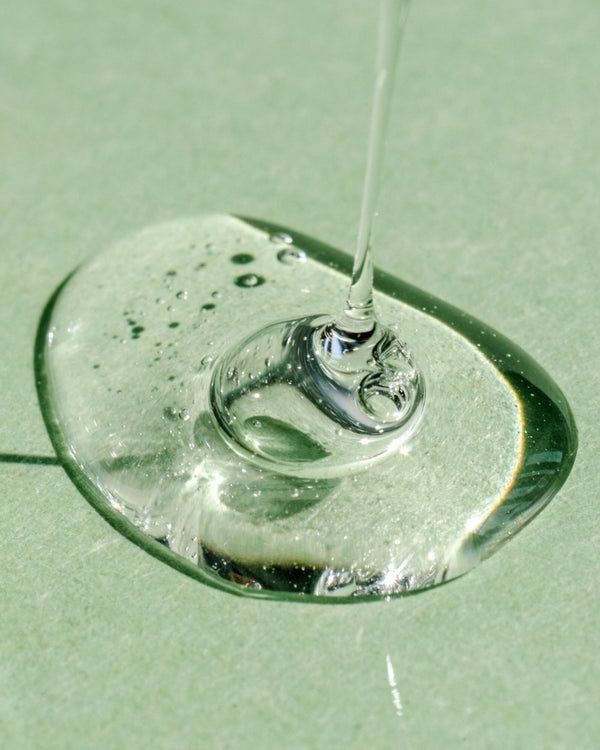
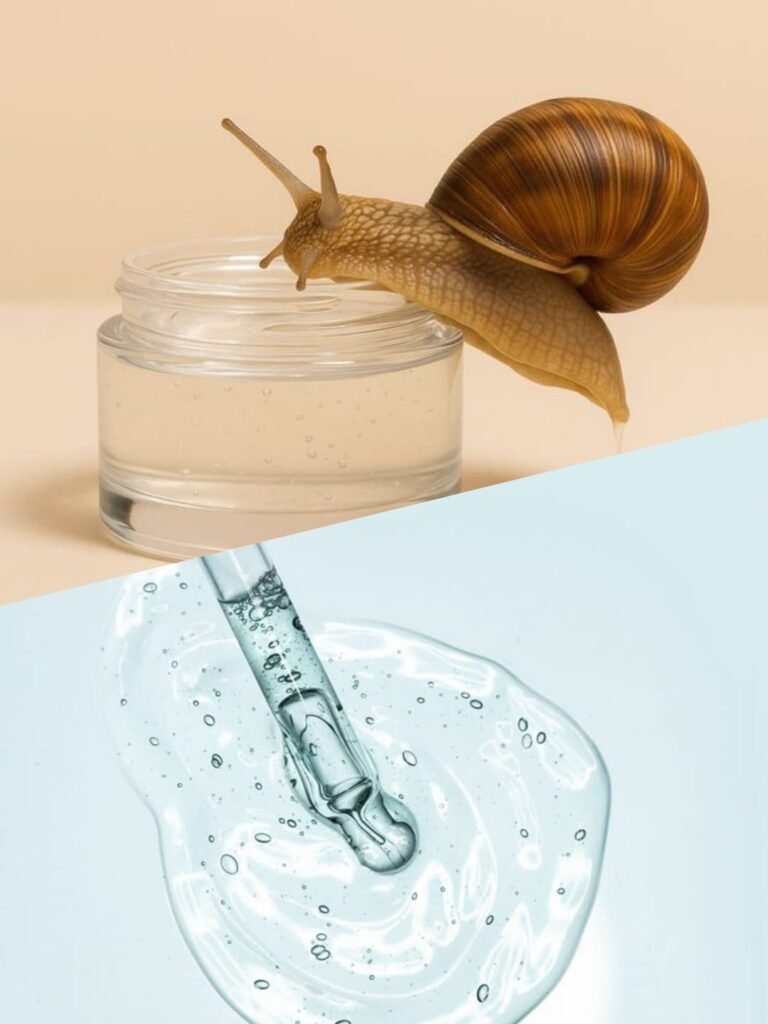
In 2026, we’ve moved beyond basic hydration. We are now looking for cellular repair, growth factors, and long-term barrier resilience. Whether you are a fan of the viral COSRX snail secretion or a purist who sticks to high-molecular-weight Hyaluronic Acid, the choice you make today determines your skin’s health for the rest of the year.
Article Summary: The Hydration Cheat Sheet
Don’t have time for the full clinical breakdown? Here is the “Quick Glow” summary:
- Snail Mucin: A multi-functional powerhouse containing glycolic acid, zinc, and copper peptides. It’s for Repair + Hydration.
- Hyaluronic Acid (HA): A humectant that holds 1000x its weight in water. It’s for Pure Hydration + Plumping.
- The 2026 Verdict: Snail Mucin is superior for barrier repair and acne scarring, while HA is the gold standard for instant surface plumping.
Snail Mucin vs Hyaluronic Acid: Side-by-Side Comparison
| Snail Mucin (Snail Secretion Filtrate) | Hyaluronic Acid (HA) |
|---|---|
| Biological (snail secretion) | Synthetic or bio-fermented |
| Repair, soothe, regenerate | Intense hydration, plumping |
| Allantoin, glycolic acid, peptides | Glucuronic acid, N-acetylglucosamine |
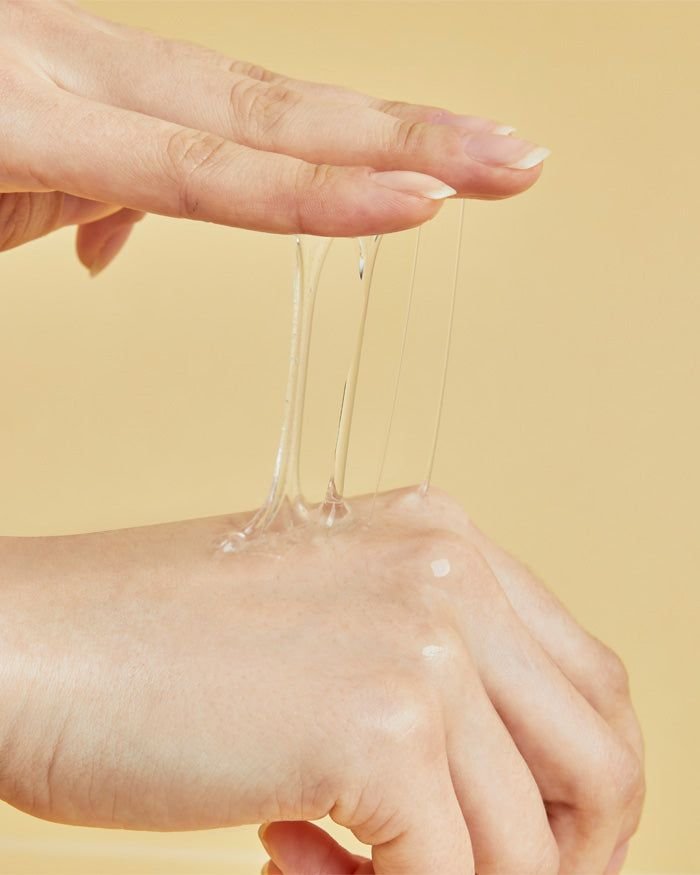
| Slimy, stringy, slightly tacky | Watery, silky, or gel-like |
| Best for acne scars, irritation, barrier repair | Best for dehydrated skin, fine lines |
| 2026 trend: ethical sourcing & high concentration | Multi-molecular weight complexes |
The Biological Powerhouse: What is Snail Mucin?
Snail Mucin, technically known as Snail Secretion Filtrate (SSF), is a complex mix of proteins, glycolic acids, and elastin. Unlike Hyaluronic Acid, which is a single molecule, Snail Mucin is a biological soup designed by nature to repair a snail’s delicate body from environmental damage.
According to the National Institutes of Health (NIH), snail secretion contains growth factors that stimulate collagen production. This makes it a formidable opponent in the Snail Mucin vs Hyaluronic Acid debate if your goal is anti-aging and scar healing. If you’ve read our K-Beauty vs Western Sunscreens guide, you know that Korean innovation often prioritizes these regenerative ingredients over simple hydration.
The Moisture Magnet: Understanding Hyaluronic Acid
Hyaluronic Acid is a substance already present in our skin, eyes, and joints. Its primary job is to retain moisture. As we age, our natural levels drop, leading to sagging and fine lines. In the USA market, HA is the most sought-after ingredient because it provides “instant gratification”—your skin looks bouncy almost immediately after application.
However, HA can be tricky. If you live in a dry climate (like Arizona or Nevada), HA can actually pull moisture out of your skin if there is no humidity in the air. This is where a clinical understanding of the skin barrier becomes vital.
Personal User Experience: 30 Days of The “Glow” Test
At Review Dermatica, Tahmina and I spent the last month split-testing these two. I used a 96% Snail Mucin Essence on the right side of my face, and a multi-molecular HA serum on the left.
The Observation: During the windy March days, the Hyaluronic Acid side looked incredibly “plump” for the first 2 hours, but then felt tight. The Snail Mucin side, however, stayed resilient all day. When I had a small breakout near my chin, the Snail Mucin side healed the redness in 48 hours, whereas the HA side did nothing for the inflammation.
My Verdict: If your skin is “thirsty,” go for HA. If your skin is “damaged” or “stressed,” Snail Mucin is the undisputed champion.
Top 6 Recommended Hydration Products (2026 Clinical Picks)
Top 3 Snail Mucin Staples
- COSRX Advanced Snail 96 Mucin Power Essence
- The Clinical Breakdown: Often referred to as the “Holy Grail” of K-Beauty in the USA, this essence contains a staggering 96.3% Snail Secretion Filtrate. It is a minimalist formula designed to deliver maximum regenerative benefits without unnecessary fillers. In 2026, it remains the undisputed king for repairing “Pollen Face” and compromised skin barriers. Its lightweight, stringy texture absorbs deep into the dermis to provide a long-lasting glow and elasticity. cosrx snail mucin
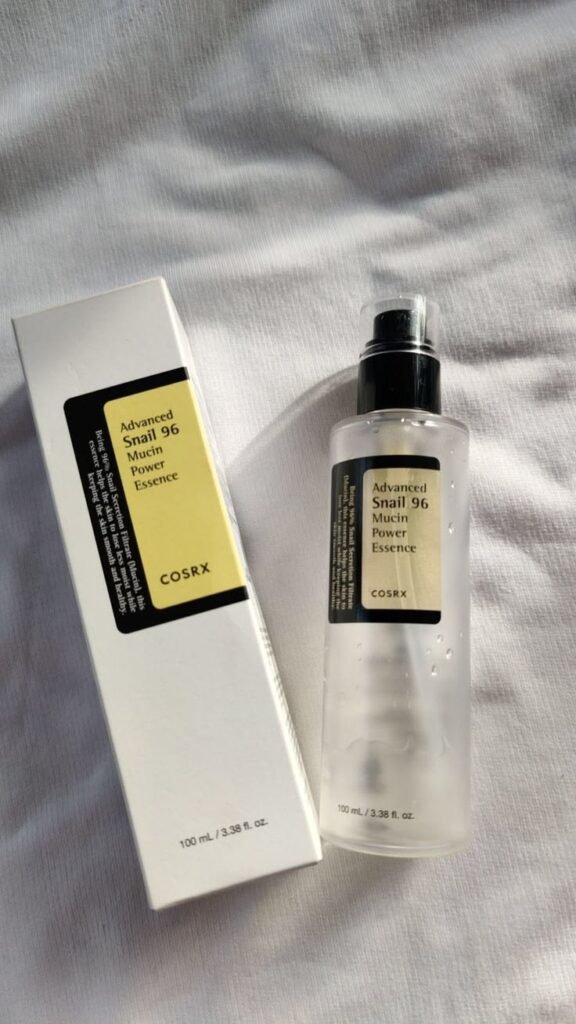
- Best For: Acne scarring, extreme dehydration, and anyone looking for the “Glass Skin” effect.
- Pro Tip: Apply this immediately after a hydrating toner while your skin is still dripping wet for 2x the absorption.
- Peach Slices Snail Rescue Intensive Serum
- The Clinical Breakdown: For those who find the COSRX essence a bit too “slimy,” Peach Slices offers a high-concentration alternative with a much cleaner, water-gel finish. This serum is specifically formulated with 95% Snail Mucin but adds Cica (Centella Asiatica) and Pine Bark extract to the mix. These additional ingredients make it a powerhouse for calming active cystic acne and reducing redness caused by environmental pollutants.
- Best For: Oily skin, active breakouts, and those who prefer a non-tacky finish.
- Clinical Edge: The inclusion of Pine Bark provides antioxidant support that helps fight free radicals in high-pollution urban areas.
- Benton Snail Bee High Content Essence
- The Clinical Breakdown: This is a sophisticated “Hybrid” formula. It combines the reparative power of Snail Secretion Filtrate with the tightening effects of Bee Venom. Bee venom acts as a natural “Botox,” tricking the skin into increasing blood flow and collagen production. I
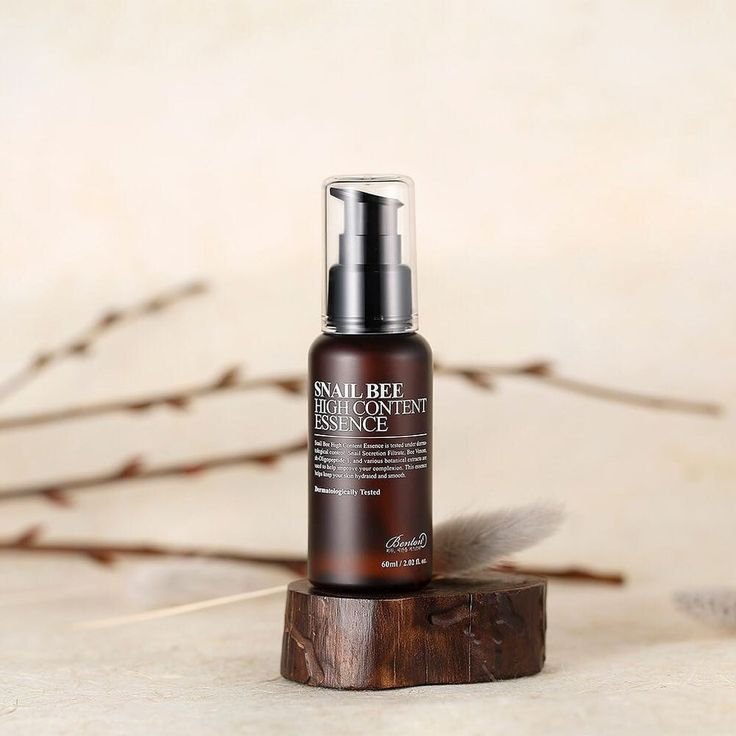
t also features Niacinamide and Adenosine to brighten the complexion and smooth out fine lines. In 2026, it is a top pick for those who want both hydration and a noticeable “lifting” effect.
- Best For: Anti-aging, skin tightening, and evening out skin tone (hyperpigmentation).
Top 3 Hyaluronic Acid Powerhouses
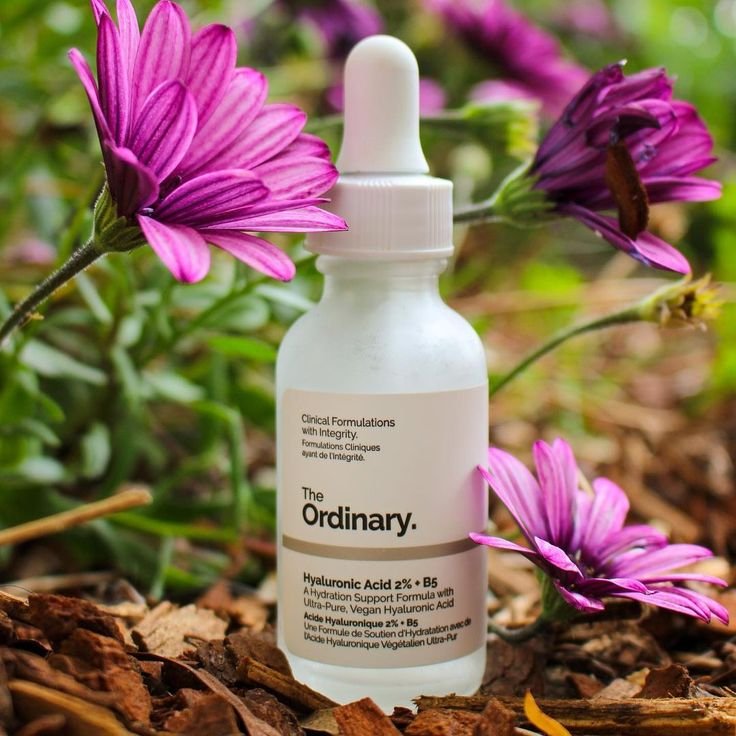
- The Ordinary Hyaluronic Acid 2% + B5
- The Clinical Breakdown: A staple in American bathrooms, this serum uses three different molecular weights of HA (low, medium, and high) to ensure hydration reaches various depths of the skin. The addition of Vitamin B5 (Panthenol) enhances surface hydration and acts as a soothing agent for irritated skin. In 2026, its reformulated version offers a much smoother application than the original “sticky” version.
- Best For: Budget-conscious users and as a foundational hydration layer under sunscreens.
- Learn how to layer this in our Top Sunscreens for Face guide.
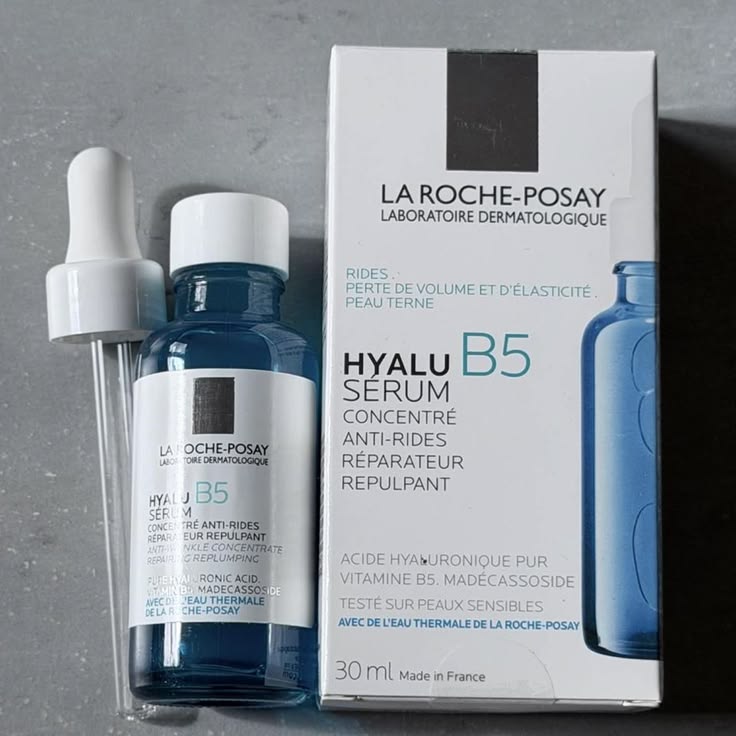
- La Roche-Posay Hyalu B5 Pure Hyaluronic Acid Serum
- The Clinical Breakdown: This is a “Clinical-Grade” heavyweight. It combines pure Hyaluronic Acid with Madecassoside (derived from Centella Asiatica) and a high dose of Vitamin B5. This combination doesn’t just hydrate; it physically “plumps” the skin barrier within 4 hours of application. It is specifically tested on sensitive skin and is often recommended by USA dermatologists for post-procedure recovery.
- Best For: Deep wrinkles, tired-looking skin, and post-chemical peel recovery.
- Compare its barrier-repair efficacy in our EltaMD vs La Roche-Posay breakdown.
- Vichy Minéral 89 Hyaluronic Acid Booster
- The Clinical Breakdown:
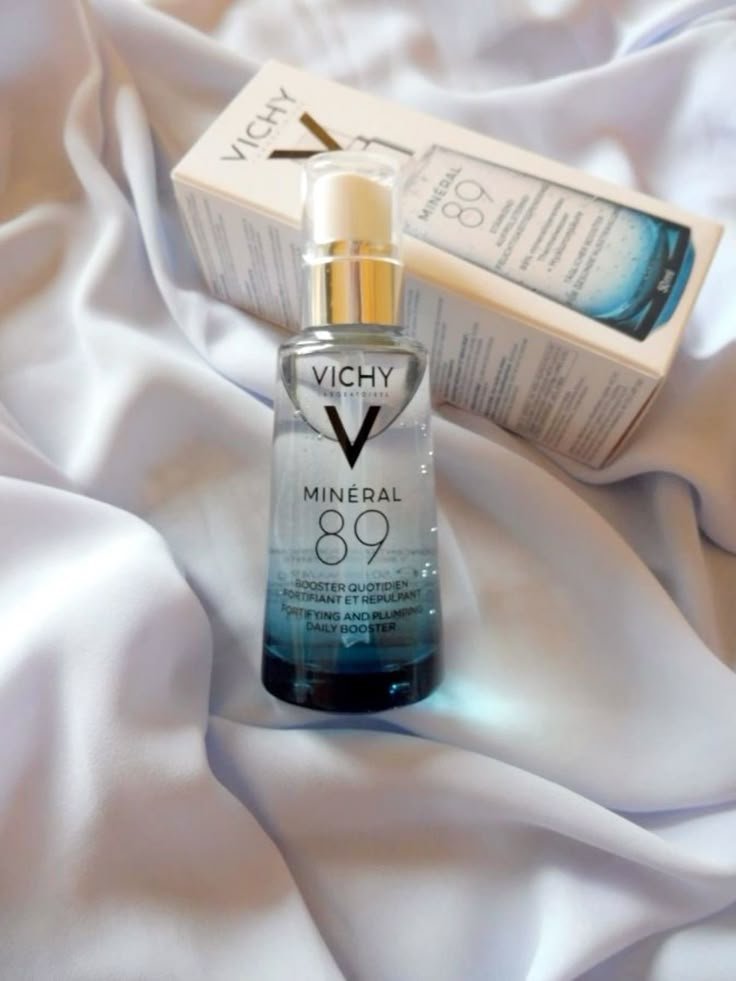
- Formulated with only 11 ingredients, this is the purest hydration booster on the market. It is powered by 89% Vichy Volcanic Water, which is rich in 15 essential minerals that strengthen the skin’s natural defenses. The HA in this formula is designed to be ultra-clean and fragrance-free, making it the safest bet for those with “reactive” skin who flare up at the sight of most serums.
- Best For: Extremely sensitive skin, urban dwellers exposed to pollution, and minimalist routines.
- Clinical Note: Its unique gel-to-water technology makes it the perfect “moisture-surge” during hot summer months.
Internal Linking & Strategic Comparisons
When choosing between Snail Mucin vs Hyaluronic Acid, you must consider your sun protection. Applying these serums under a CeraVe Hydrating Mineral Sunscreen SPF 50 can create a perfect moisture seal. For those looking for an effortless look, pairing Snail Mucin with one of the Best Tinted Sunscreens creates a beautiful, dewy “Glass Skin” finish that lasts all day.
Frequently Asked Questions (FAQ) about Snail Mucin vs Hyaluronic Acid
1. Can I use Snail Mucin vs Hyaluronic Acid together for better results in 2026?
Absolutely! In fact, many dermatologists refer to this as the “Golden Hydration Duo” of 2026. While both are humectants, they function differently at a molecular level. Hyaluronic Acid acts as a moisture magnet, pulling hydration into the surface layers of the skin for an instant plumping effect. Snail Mucin, on the other hand, is a biological complex rich in peptides and glycolic acid that works to repair the skin barrier.
When used together, HA provides the water, and Snail Mucin “seals” that water in while repairing any cellular damage. For the best results, apply your Hyaluronic Acid serum first on damp skin, followed immediately by your Snail Mucin essence to create a protective, moisture-locking film.
2. Does Snail Mucin vs Hyaluronic Acid work better for oily and acne-prone skin?
Both ingredients are excellent for oily skin because they provide hydration without adding heavy oils or lipids that clog pores (non-comedogenic). However, Snail Mucin often takes the lead for acne-prone individuals in the USA market. This is because snail secretion naturally contains Antimicrobial Peptides and Zinc, which help fight acne-causing bacteria and reduce inflammation.
While Hyaluronic Acid is great for oil-free hydration, it doesn’t offer the same healing properties for post-inflammatory hyperpigmentation (PIH) or acne scarring that Snail Mucin does. If you are struggling with active breakouts and dehydration, Snail Mucin is your clinical-grade solution.
3. Is Snail Mucin ethical compared to the synthetic production of Hyaluronic Acid?
In 2026, ethical consumerism is at its peak. Hyaluronic Acid is generally considered more “vegan-friendly” as it is typically produced through laboratory bio-fermentation using bacteria. Snail Mucin, while animal-derived, has seen massive ethical upgrades.
Leading K-Beauty brands like COSRX use a “stress-free” collection method where snails are placed in a dark, quiet room to roam over a mesh. No snails are harmed, crushed, or stressed, as stress actually lowers the quality of the mucin produced. However, if you follow a 100% strict vegan lifestyle, synthetic Hyaluronic Acid or “Phyto-Mucin” (plant-based alternatives) would be your preferred choice.
4. Which is more effective for anti-aging: Snail Mucin vs Hyaluronic Acid?
For long-term structural anti-aging, Snail Mucin is scientifically superior. While Hyaluronic Acid provides a “quick fix” by filling in fine lines with moisture (a temporary plumping effect), it doesn’t actually stimulate new collagen.
Snail Mucin contains Copper Peptides and Growth Factors that signal your skin cells to regenerate and produce more collagen and elastin over time. If your goal in 2026 is to reduce the depth of wrinkles and improve skin elasticity, Snail Mucin offers a regenerative clinical approach that HA simply cannot match on its own.
5. Can Snail Mucin vs Hyaluronic Acid cause an unexpected allergic reaction?
While both are generally safe for sensitive skin, Snail Mucin carries a specific risk for those with Shellfish or Dust Mite allergies. Scientifically, there is a cross-reactivity between these allergens; if you are allergic to snails’ biological cousins (shrimp or dust mites), your immune system might react to the proteins in snail filtrate. Hyaluronic Acid is much less likely to cause a reaction since it’s a molecule already found in the human body.
We always recommend a patch test on your jawline for 24 hours before applying Snail Mucin to your entire face, especially if you have a history of respiratory allergies.
6. Should I apply Snail Mucin vs Hyaluronic Acid on dry or damp skin for maximum absorption?
This is the most common mistake in skincare routines. You should ALWAYS apply both to damp skin. Both Snail Mucin and Hyaluronic Acid are humectants, meaning they grab moisture from the environment.
If you apply them to bone-dry skin—especially in dry indoor environments in the USA—the molecules may actually pull water out of your deeper dermis to hydrate the surface, leading to “rebound dryness.” By applying them to damp skin (after a mist or toner), you provide the water they need to bind to, ensuring your barrier stays plump and hydrated rather than dehydrated.
7. Is Hyaluronic Acid still a relevant ingredient in 2026 with so many new alternatives?
Yes, but the technology has shifted. In 2026, simple, high-molecular-weight Hyaluronic Acid is considered “basic.” The industry has moved toward Multi-Molecular Weight HA and Cross-linked HA, which can penetrate multiple layers of the skin instead of just sitting on top. While ingredients like Snail Mucin are gaining popularity for repair, HA remains the gold standard for immediate hydration. snail mucin vs hyaluronic acid which is better ?
Most high-end clinical products, like those we discuss in our UVMune 400 vs UVAir reviews, still use HA as a foundational humectant because of its unmatched water-binding capacity.
8. Which one provides better relief for "Pollen Face" and seasonal allergies?
If you are suffering from “Pollen Face”—the redness, itching, and barrier disruption caused by USA spring allergies—Snail Mucin is the clear winner. Snail filtrate is naturally rich in Allantoin, a potent skin-soothing agent that speeds up wound healing and suppresses inflammatory cytokines.
While Hyaluronic Acid provides hydration, it doesn’t have the biological “calm-down” signaling power that Snail Mucin does. For seasonal allergy sufferers, Snail Mucin acts like a biological bandage that cools the skin and repairs the micro-tears caused by rubbing or environmental stress.
Final Verdict: The 2026 Hydration Winner
In the battle of Snail Mucin vs Hyaluronic Acid, the winner depends on your goal. If you want a quick fix for a night out, Hyaluronic Acid will give you that instant bounce. However, if you are playing the “long game” for skin health, Snail Mucin provides the repair, regeneration, and barrier support that HA simply cannot match.
Don’t let your hydration routine be a guessing game. Choose the science that matches your skin’s needs. For a full list of our top-rated picks, visit our Top Sunscreens for Face dashboard to see how to protect your newly hydrated skin.
About the Authors
MD Newaj Hossain Asim Founder & Lead Analyst at Review Dermatica With a background in molecular skincare analysis and technical SEO, Newaj founded Review Dermatica to combat industry misinformation. He focuses on clinical-grade ingredient transparency and “human-style” testing to help global consumers, particularly in the USA market, make informed decisions about their skin health. Every review on this platform is backed by hours of ingredient research and personal user experience data.
Tahmina Zannat Lamya Co-Founder & Clinical Researcher (Cosmetician) As a specialized Cosmetician and lead Researcher, Tahmina brings a deep scientific understanding of cosmetic chemistry to Review Dermatica. She is dedicated to dissecting complex skincare formulas and verifying the efficacy of active ingredients. Her research ensures that every recommendation is safe, biologically sound, and effective for diverse skin types, ensuring our worldwide audience receives only the most accurate clinical insights.
External Research & Clinical Resources
- American Academy of Dermatology (AAD): Insights on humectants and barrier repair.
- National Institutes of Health (NIH): Studies on the regenerative properties of snail secretion filtrate.
- DermNet NZ: Technical breakdown of Hyaluronic Acid molecular weights.
1 thought on “Understanding Snail Mucin vs Hyaluronic Acid: Which Repairs Skin in 2026?”