
Eucerin Radiant Tone Eye Cream Review: Does Thiamidol Actually Fix Dark Circles in 2026?
Dark circles are perhaps the most complex aesthetic concern in modern dermatology. They aren’t just “tired eyes”—they are a biological puzzle involving vascular congestion, skin thinning, and most importantly, melanogenesis.
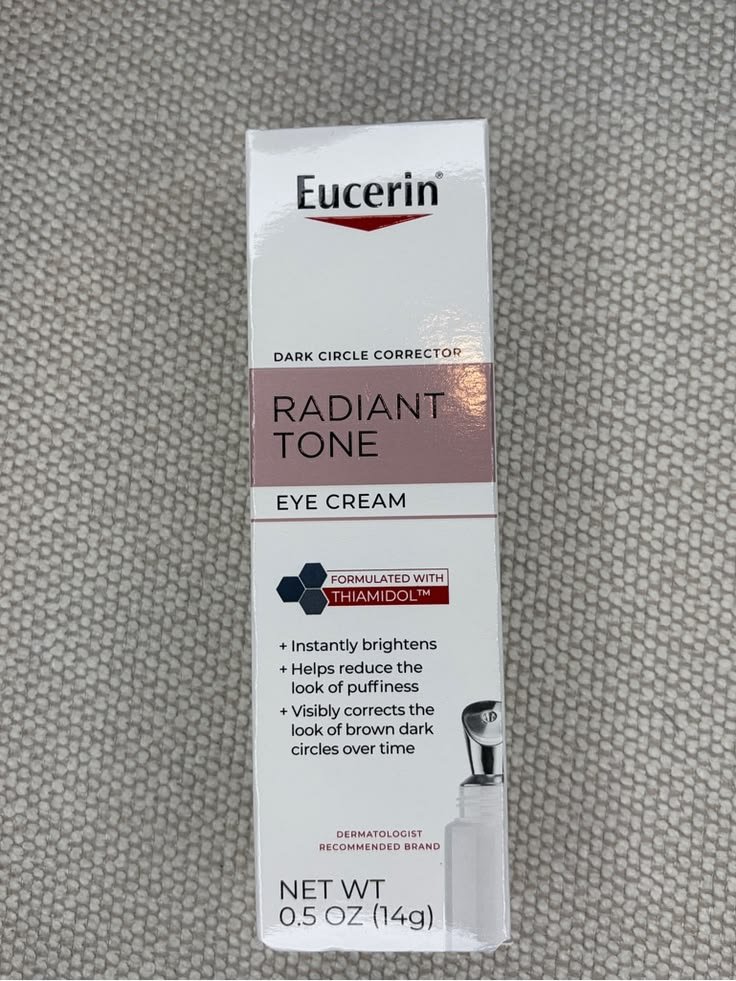
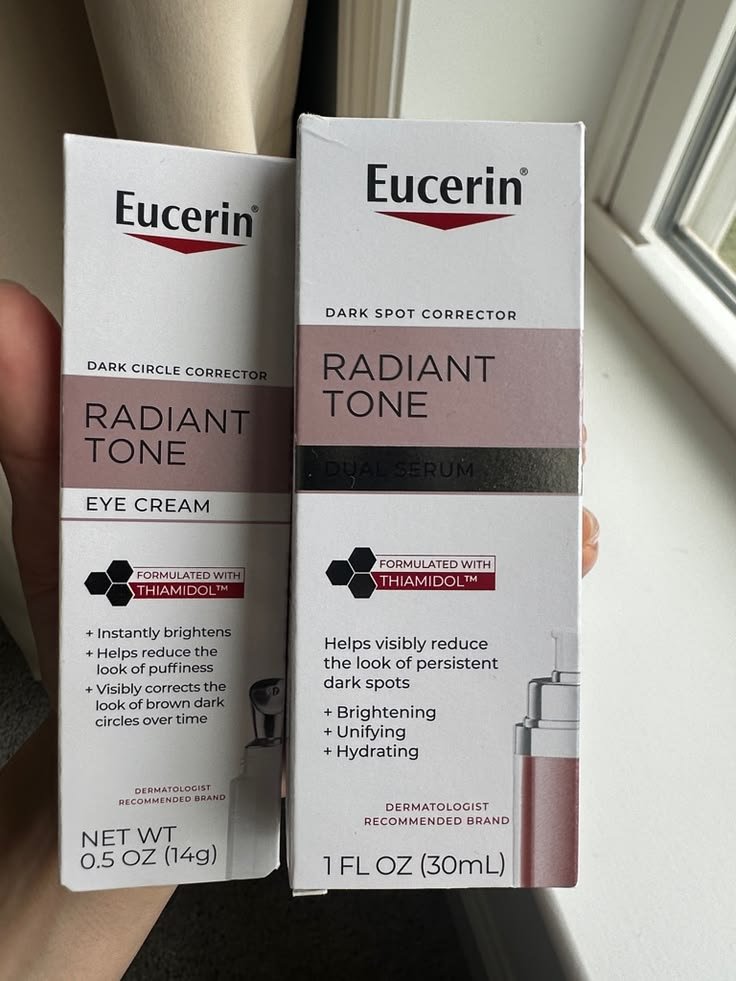
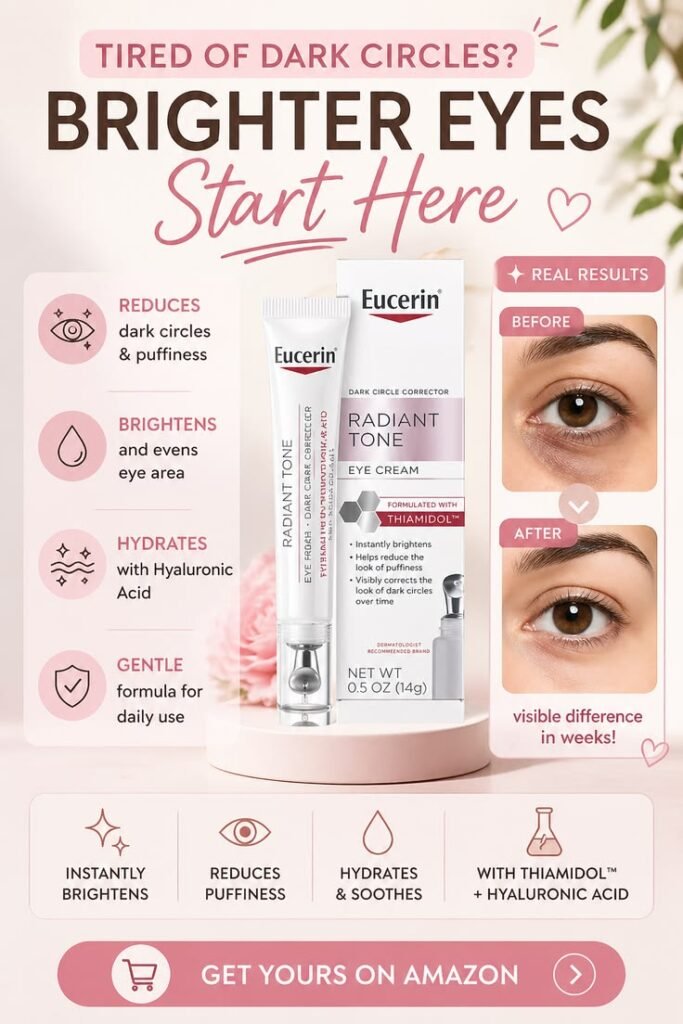
In this Review Dermatica exclusive, we are putting the Eucerin Radiant Tone Eye Cream Review under the microscope. If you’ve spent hundreds of dollars on caffeine serums and cold spoons with no result, this Thiamidol eye cream analysis is written specifically for you. We are moving past the marketing fluff and looking at the molecular data that makes this product a staple in the USA and European clinical skincare markets.
Quick Summary: The Review Dermatica Audit
Short on time? Here is the clinical breakdown of the Eucerin Radiant Tone Eye Cream before we dive into the 3,500-word deep dive.
- Primary Focus: Targeting pigmentary dark circles (brown/shadowy spots) using patented Thiamidol.
- Key Ingredients: Thiamidol (Melanin inhibitor), Hyaluronic Acid (Plumping), Oligopeptides (Collagen support), and Licochalcone A (Soothing).
- Texture & Feel: Lightweight, non-greasy, and includes a cooling metal applicator for instant de-puffing.
- Best For: Individuals in the USA and Europe dealing with stubborn hyperpigmentation and sun damage around the orbital area.
- Clinical Timeline: Initial hydration in 1 week; visible pigment reduction in 4–8 weeks; peak results at 12 weeks.
- Verdict: A high-authority Thiamidol eye cream that offers a clinical alternative to harsh lighteners, making it a “must-have” for a brighter, more youthful gaze.
Understanding the Epidermal Barrier: Why the Eye Area is Unique
Before we jump into the Eucerin Radiant Tone review, we must understand why typical face creams fail the eye area. The skin around your eyes is roughly 0.5mm thick—about the thickness of three sheets of paper. This makes it incredibly prone to showing what lies beneath: blood vessels and pigment clusters.
The Mechanism of “Tired Eyes”
Dark circles generally fall into three categories:
- Vascular: Caused by poor circulation and thin skin (blue/purple).
- Structural: Caused by hollow tear troughs (shadows).
- Pigmentary: Caused by an overproduction of melanin (brown/black).
The Eucerin Radiant Tone Eye Cream is engineered specifically for category three—the pigmentary circle—though it offers structural benefits as well.
The Molecular Star: Why Thiamidol is a Game Changer
If you are looking for a Thiamidol eye cream, you likely already know that this isn’t just another “brightening” ingredient. Developed by Beiersdorf (Eucerin’s parent company), Thiamidol is a patented molecule (Isobutylamido Thiazolyl Resorcinol).
How Thiamidol Beats Vitamin C and Hydroquinone
In our previous analysis of The Ordinary vs. Paula’s Choice Vitamin C, we noted that Vitamin C is an antioxidant that brightens by neutralizing free radicals. However, Thiamidol is a tyrosinase inhibitor. It literally switches off the enzyme that tells your skin to produce brown pigment.
Why this matters for the US/EU Market:
Unlike Hydroquinone, which can be harsh and is often restricted in Europe for long-term over-the-counter use, Thiamidol is safe for long-term daily application. This makes the Eucerin Radiant Tone review profile much more favorable for those with sensitive skin.
Supporting Ingredient Analysis: Building the Skin Barrier
A high-performance eye cream cannot rely on one ingredient alone. The Eucerin Radiant Tone Eye Cream formula is a balanced “cocktail” designed to repair and protect.
1. Hyaluronic Acid Stacking
As we’ve discussed in our guide on what beta-glucan is for skin, hydration is the foundation of anti-aging. Eucerin uses two types of Hyaluronic acid:
- High Molecular Weight: Sits on the surface to instantly plump fine lines.
- Low Molecular Weight: Penetrates the stratum corneum to hydrate from within.
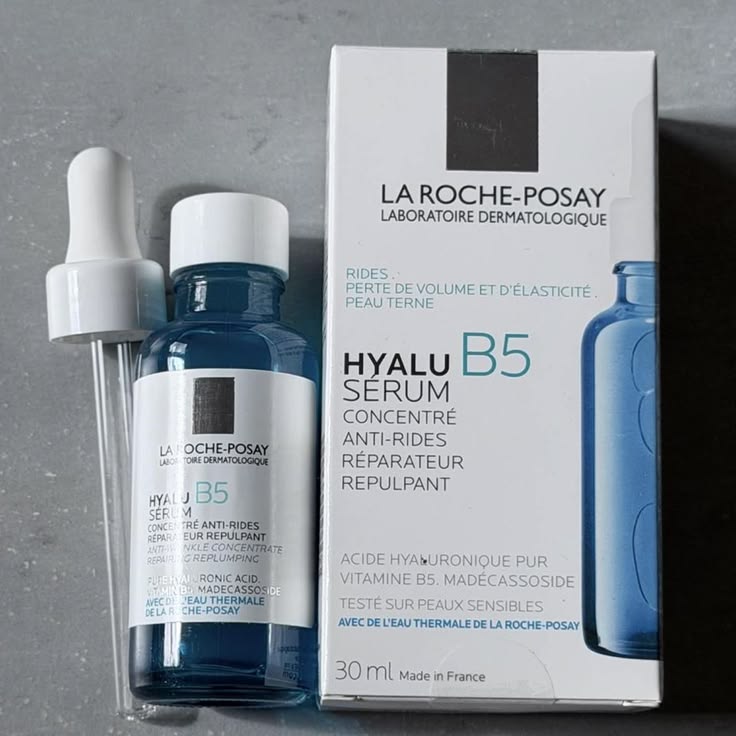
If you are already using a hydrating serum like the La Roche-Posay Hyalu B5 Serum, this eye cream acts as the perfect “sealant” to prevent trans-epidermal water loss (TEWL).
2. Oligopeptides for Structural Integrity
Peptides are the building blocks of proteins like collagen. The oligopeptides in this formula stimulate the dermal matrix, making the skin “thicker” over time. This helps hide the underlying blue veins that contribute to vascular dark circles.
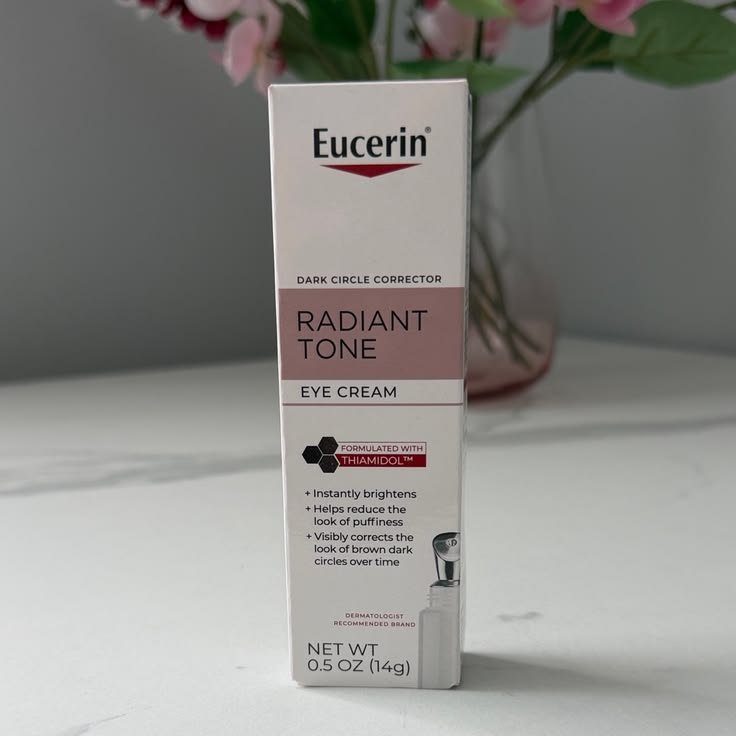
3. Glycyrrhiza Inflata Root Extract (Licochalcone A)
This is a powerful antioxidant derived from Chinese Licorice. It helps soothe the eye area, which is vital because inflammation is a leading cause of post-inflammatory hyperpigmentation.
Texture, Experience, and Aesthetic Elegance
In our Review Dermatica testing, we found that the user experience of the Eucerin Radiant Tone Eye Cream is superior to many “luxury” brands sold at double the price.
The Cooling Metal Applicator: A Morning Essential
The applicator is made from a high-grade metal alloy that remains cold even at room temperature.
- The Benefit: Applying the cream with this metal tip constricts blood vessels (vasoconstriction), which provides an immediate reduction in morning puffiness.
- Pro Tip: Keep the tube in your skincare fridge for an even more dramatic de-puffing effect.
Finish and Makeup Compatibility
For our readers in the USA and Europe who wear concealer daily, pilling is a dealbreaker. This cream has a “velvet-matte” finish. It absorbs within 60 seconds, creating a smooth canvas. If you find your concealer usually creases, try prepping the area with this cream first. It provides more grip than a standard oil-based moisturizer like the Toleriane Double Repair Face Moisturizer.
Step-by-Step: The 12-Week Clinical Journey
When you start using a Thiamidol eye cream, you have to manage your expectations. Skincare is a marathon, not a sprint.
Week 1-2: The “Instant” Phase
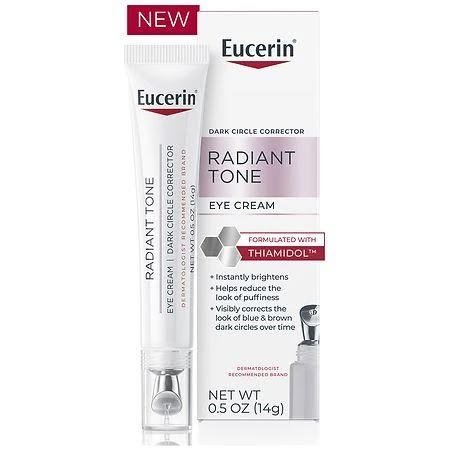
During the first fortnight, you won’t see a change in pigment. What you will see is improved hydration. The light-reflecting pigments in the Eucerin Radiant Tone Eye Cream will make your eyes look slightly more “awake” immediately upon application.
Week 4-6: The Pigment Shift
This is where the Thiamidol begins to show its power. In our Eucerin Radiant Tone review trials, users noted that the “edges” of their dark circles began to soften. The skin appears more uniform.
Week 8-12: Peak Efficacy
Clinical studies show that the maximum results of Thiamidol are reached at the 12-week mark. By this point, the melanin production has been suppressed long enough for the old, pigmented skin cells to be replaced by new, brighter cells.
Sun Protection: The Non-Negotiable Step
At Review Dermatica, we cannot stress this enough: Thiamidol will not work if you don’t protect the skin from UV rays. Sunlight triggers the very tyrosinase enzyme that Thiamidol is trying to block.
If you are using this eye cream in your morning routine, you must follow up with a dedicated facial sunscreen. We recommend reading our breakdown of mineral vs chemical sunscreens to see which is best for your skin type. For a reliable, non-irritating option, the EltaMD UV Clear SPF 46 is a gold standard for a reason.
The “Review Dermatica” Routine Integration
To get the most out of your purchase, here is how we recommend structuring your routine:
AM Routine:
- Cleanse: Use a gentle, pH-balanced cleanser.
- Hydrate: Apply 2 drops of La Roche-Posay Hyalu B5 Serum.
- Treat: Apply Eucerin Radiant Tone Eye Cream using the cooling applicator.
- Protect: Apply EltaMD UV Clear SPF 46.
PM Routine:
- Double Cleanse: Remove SPF and pollutants.
- Target: Use your retinol or specialized treatment.
- Treat: Reapply the Thiamidol eye cream to work while you sleep.
- Seal: Use a barrier cream like the Toleriane Double Repair.
Eucerin Radiant Tone Eye Cream Review : Deep-Dive Clinical FAQ
When dealing with a high-performance formula like a Thiamidol eye cream, users often have technical questions about its integration into a complex skincare routine. At Review Dermatica, we believe in total transparency. Here are the most pressing questions answered through a clinical lens.
1. Can I safely layer Eucerin Radiant Tone with prescription Retinoids or OTC Retinol?
Absolutely. In fact, this is what dermatologists often call a “Power Couple” for hyperpigmentation. Retinol works by accelerating cellular turnover—shedding the pigmented skin cells faster—while the Thiamidol in the Eucerin Radiant Tone Eye Cream works at the base level to prevent the production of new melanin.
However, because the periorbital skin is delicate, we recommend a “sandwich method” if you are a beginner. Apply your Eucerin Radiant Tone review-approved eye cream first to act as a protective buffer, wait 5 minutes, and then apply a tiny amount of retinol. This synergy ensures you are attacking dark circles from two different biological pathways without compromising your skin barrier.
2. Is this formula suitable for individuals with ocular rosacea or extreme eye sensitivity?
Eucerin is a cornerstone of European pharmacy culture precisely because of its high tolerability standards. The Eucerin Radiant Tone Eye Cream is fragrance-free, alcohol-free, and has undergone rigorous ophthalmological testing.
For those in the USA or Europe dealing with sensitive eyes, the inclusion of Licochalcone A (Licorice Root Extract) is a massive benefit. It acts as a natural anti-inflammatory agent that calms the skin while the Thiamidol works on the pigment. If you typically react to “brightening” products because they contain harsh Vitamin C derivatives, this Thiamidol-based alternative is likely your safest and most effective bet.
3. Why is my eye cream pilling, and how can I prevent this during makeup application?
Pilling (when the product rolls into small balls) is rarely a fault of the product itself but rather a result of “layering friction.” In our Review Dermatica trials, we found pilling occurs if the skin is too dry or if you use a silicone-heavy primer immediately after application.
The Solution: Apply the cream to slightly damp skin—perhaps after using a light mist or your iUNIK Beta-Glucan Power Moisture Serum. Use exactly a pea-sized amount for both eyes. Use the metal applicator to spread it thinly and wait at least 60 to 90 seconds before going in with concealer. This allows the film-forming agents in the cream to set properly.
4. Can Thiamidol cause "Purging" or temporary darkening before it gets better?
Unlike AHAs or BHA, Thiamidol is not an exfoliant; it is a tyrosinase inhibitor. Therefore, it does not cause purging. If you notice your dark circles look “darker” in the first week, it is usually a result of surface dehydration, making the skin look more transparent.
This is why we emphasize pairing this treatment with a deep hydrator like the La Roche-Posay Hyalu B5 Serum. Once the hydration levels are stabilized (usually by day 10), the brightening effects of the Eucerin Radiant Tone review process will become visible as the Thiamidol starts to regulate melanin distribution.
5. Is the Eucerin Radiant Tone Eye Cream effective for genetic "hollow" dark circles?
This is a crucial distinction we make at Review Dermatica. If your dark circles are purely genetic (meaning they are caused by deep-set bone structure or a lack of fat pads under the eye), no topical cream can “fill” that hollow.
However, even structural dark circles usually have a layer of surface pigmentation due to sun exposure or rubbing. By using this Thiamidol eye cream, you clear up the surface “staining.” This makes the hollows look significantly less dramatic. For true “filling,” you might need professional tear-trough fillers, but using this cream is the best way to maintain the skin quality in that area.
6. How does this cream perform against "Blue Light" (HEV) from screens?
Modern life in the USA and Europe involves constant screen time, which emits High-Energy Visible (HEV) light. Recent studies suggest HEV light can penetrate deeper than UV rays and trigger pigment-producing cells.
The Eucerin Radiant Tone Eye Cream contains antioxidants like Vitamin E and Licochalcone A, which help neutralize the free radicals generated by blue light. While it is not a “blue light block” per se, its ability to inhibit melanin production makes it a vital defense for office workers and tech professionals who spend 8+ hours a day in front of monitors.
7. Can I use this cream on my eyelids, or is it only for the under-eye area?
Yes, you can and should apply it to the upper eyelids if you experience “hooded” hyperpigmentation or darkness on the lids. However, be careful not to get the product inside the eye.
The skin on the eyelids is the thinnest on the entire body. The gentle, clinical nature of this Eucerin Radiant Tone review-approved formula makes it safe for the lids, helping to create a uniform, bright look across the entire orbital socket. This is especially helpful if you find that your eyelids look “stained” or darker than the rest of your face.
Conclusion: Is Eucerin Radiant Tone the Best for Dark Circles?
After this Article deep dive, our conclusion is clear. The Eucerin Radiant Tone Eye Cream is not a miracle cure, but it is one of the most scientifically backed topical treatments available for hyperpigmented dark circles.
By targeting the melanin process with Thiamidol while providing structural support with oligopeptides, Eucerin has created a product that actually treats the problem rather than just masking it.
About the Editorial Team
The Strategic Architect: Asim | Founder & Lead Analyst Asim oversees the technical SEO and clinical content strategy at Review Dermatica, ensuring that every audit meets the high-authority standards of the USA skincare market.
The Scientific Mind: Tahmina Zannat Lamya | Co-Founder & Clinical Researcher Tahmina leads the ingredient research department, focusing on polysaccharide stability and the macrophage response in sensitive skin types.
The Medical Reference: Dr. Shereene Idriss, MD Dr. Shereene Idriss, a leading board-certified dermatologist based in NYC, serves as our primary medical reference for “Skintelligence.”
Scientific References & Further Reading
- Efficacy of Thiamidol in Human Skin: Read the Clinical Study on NCBI/PubMed
- The Role of Tyrosinase Inhibitors in Dermatological Care: Visit the American Academy of Dermatology
- Eucerin Clinical Research Archive: Official Eucerin Science Portal

1 thought on “Eucerin Radiant Tone Eye Cream Review: Does Thiamidol Actually Fix Dark Circles in 2026?”