COSRX vs Beauty of Joseon: Snail Mucin vs Glow Serum Compared (2026)
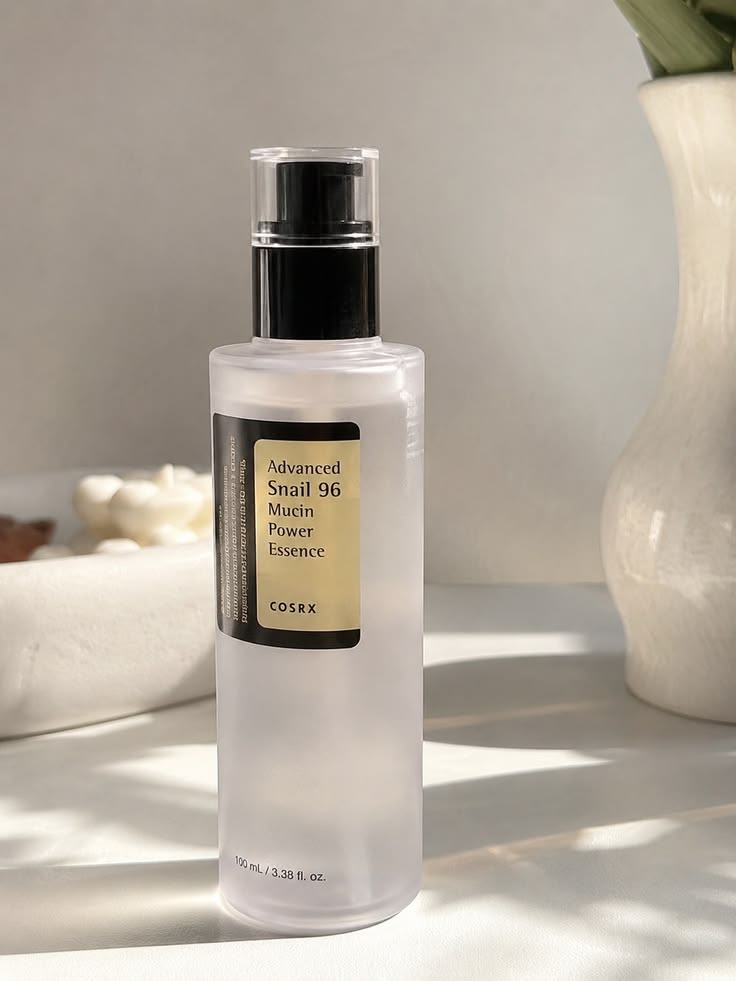
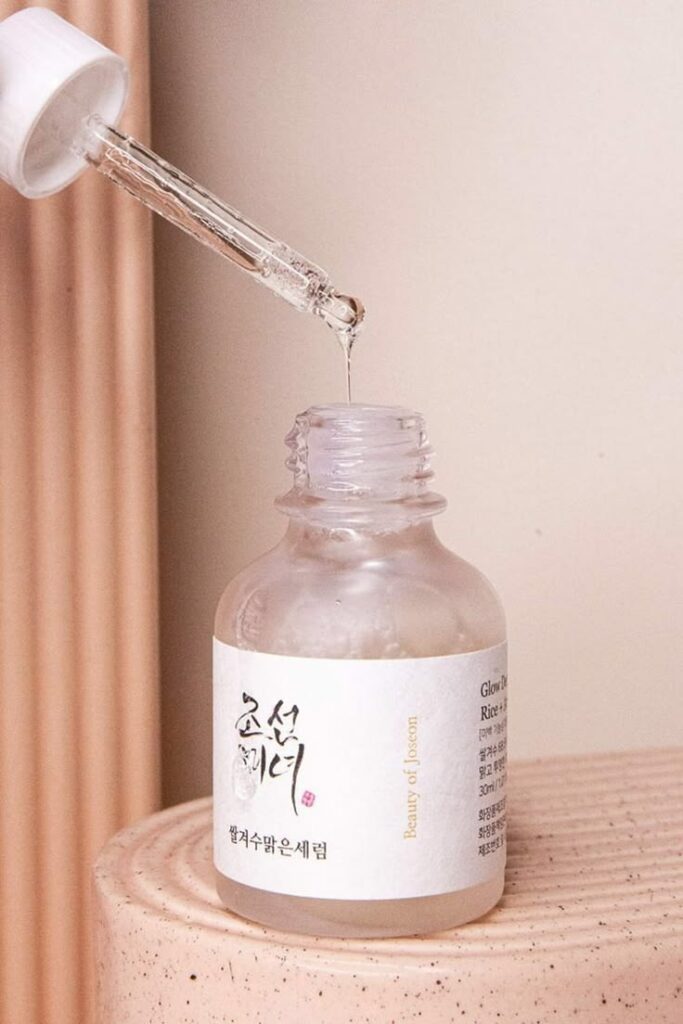
If your FYP has been flooded with “glazed donut skin” videos this year, you’ve probably seen these two products in the same breath: COSRX Advanced Snail 96 Mucin Power Essence and Beauty of Joseon Glow Deep Serum. They’re the most-compared K-beauty duo on TikTok right now, and for good reason — both promise that dewy, hydrated glow that’s defined Korean skincare for the better part of a decade.
But here’s the question nobody answers honestly: are they actually interchangeable, or are you better off picking one over the other based on your specific skin?
We put COSRX vs Beauty of Joseon side-by-side — ingredients, clinical backing, texture, and real-world results — so you don’t have to guess. Spoiler: the answer isn’t “buy both,” even though that’s what every affiliate link on the internet wants you to believe.
This review reflects independent testing and rigorous research compiled by the Review Dermatica team. To ensure accuracy, all scientific claims and clinical data are thoroughly verified by our Clinical Research Lead, Tahmina Zannat Lamya. As an affiliate partner, we may earn a small commission on qualifying purchases made through our links—at absolutely no extra cost to you. This transparency supports our work but never compromises our editorial integrity or objective ratings.
Quick Verdict: Which One Should You Buy?
If you only have 30 seconds, here’s the short version:
- Choose COSRX Snail Mucin Essence if your main concern is a damaged skin barrier, dehydration, acne scarring, or post-inflammatory marks. It’s a single-ingredient powerhouse built for repair.
- Choose Beauty of Joseon Glow Serum if you want brightening, tone-evening, and that “lit from within” glow alongside hydration. It’s a multi-active formula built for radiance.
- Use both if your budget allows — they layer well and target different skin goals without conflicting.
Now let’s get into why.
Best Snail Mucin Choice
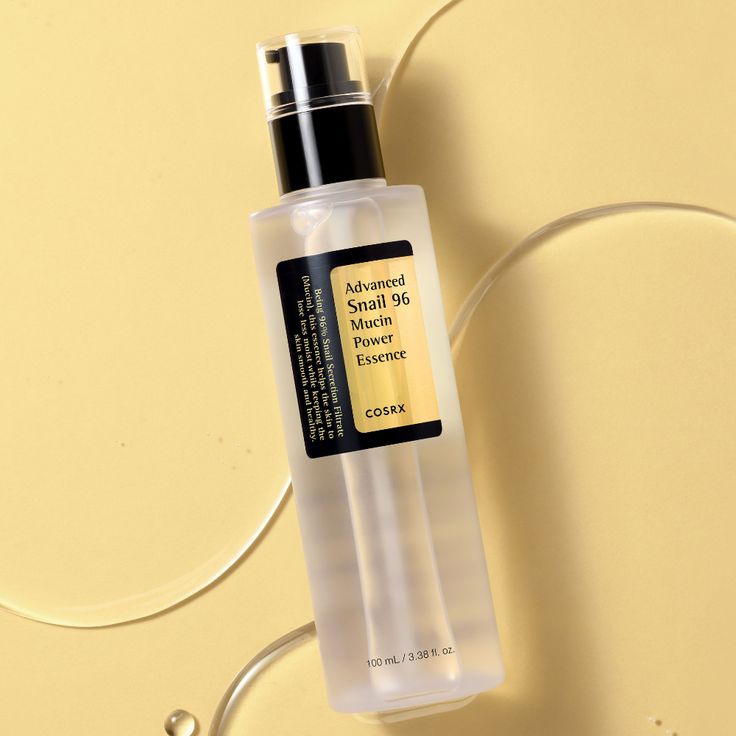
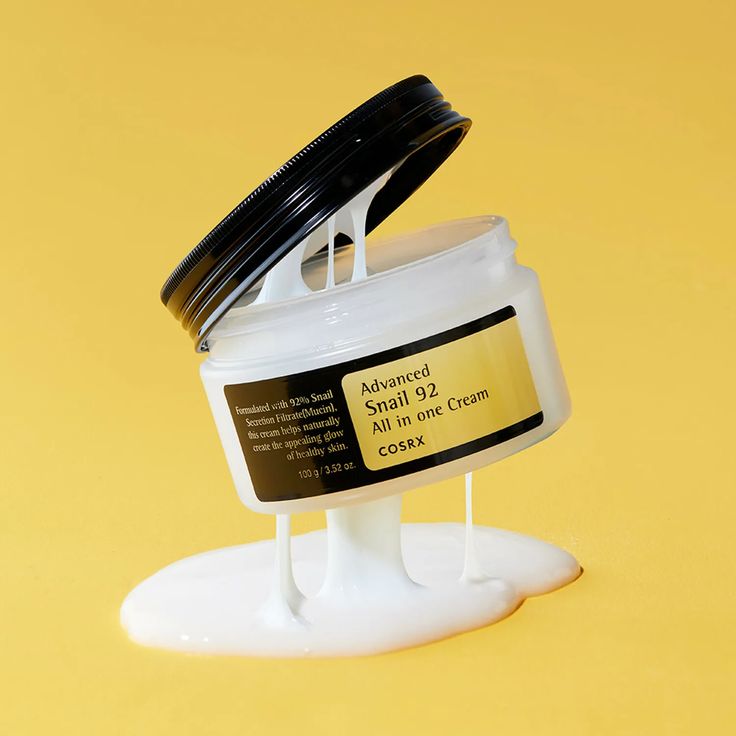
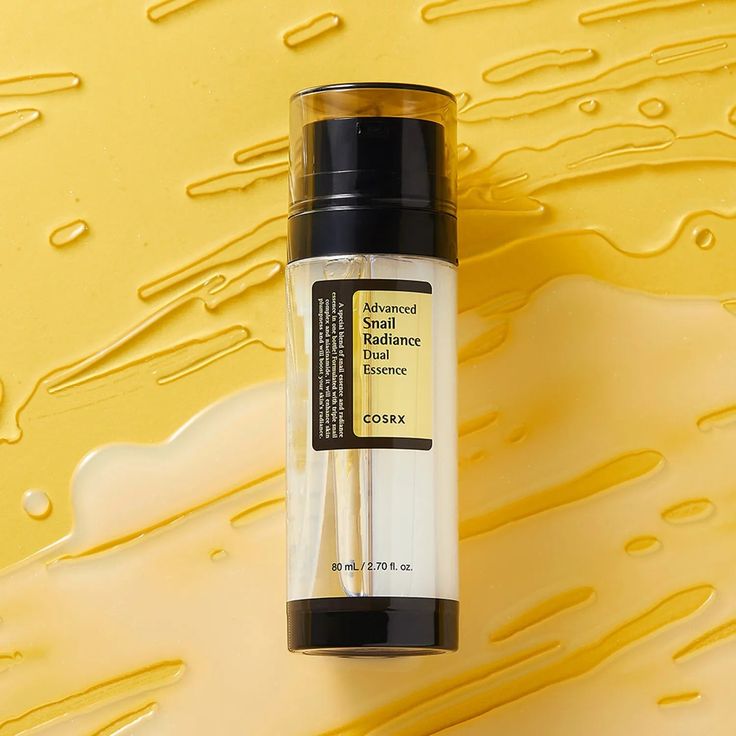
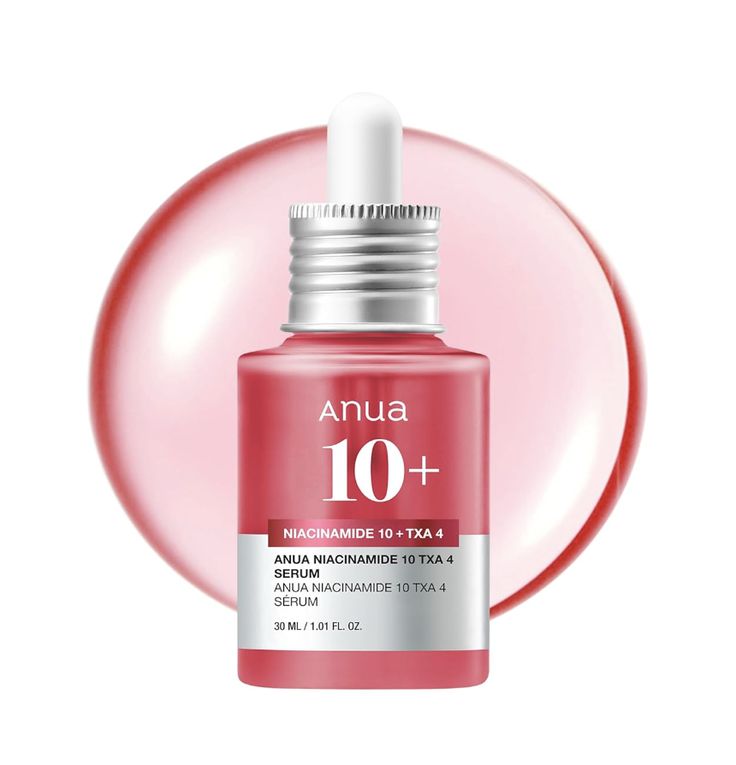
These three lead the snail mucin category right now — from the original cult-favorite to a niacinamide-boosted upgrade and a soothing dual-active alternative.
What’s Actually Inside Each Product
This is where most “comparison” articles online get lazy. They list ingredients without explaining what any of them actually does for your skin. Let’s fix that.
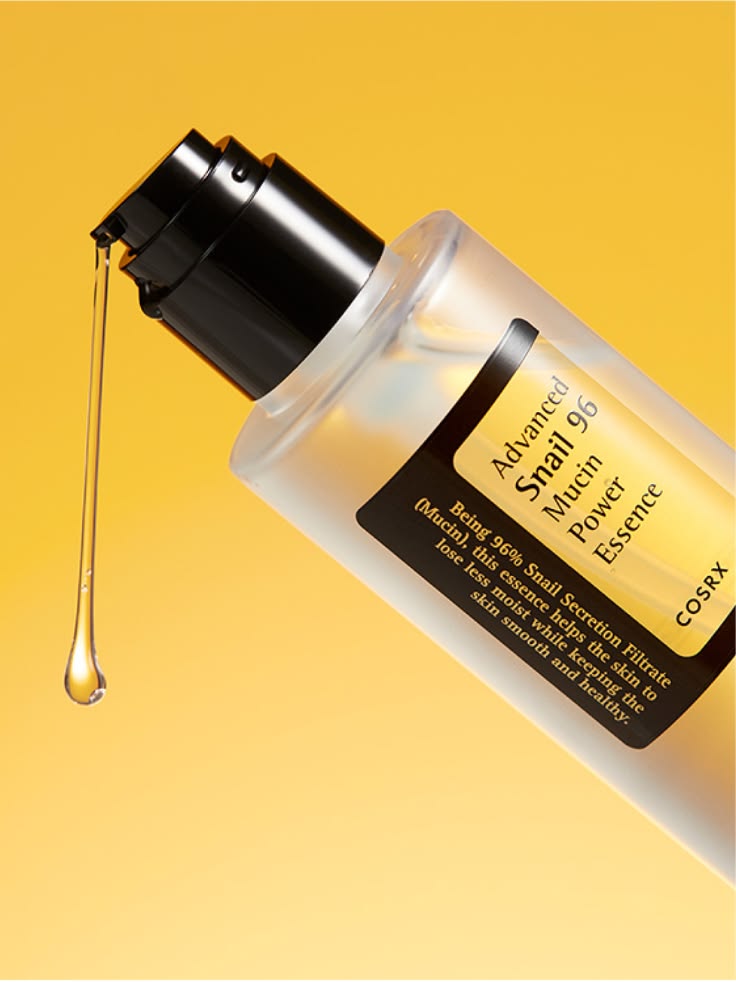
COSRX Advanced Snail 96 Mucin Power Essence
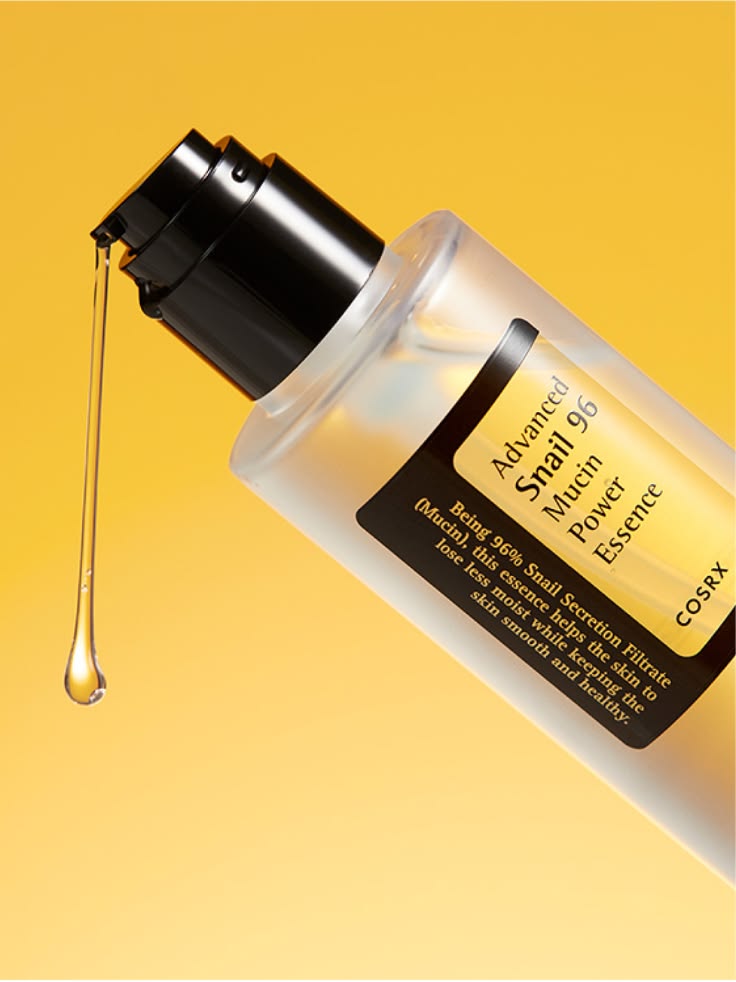
The hero ingredient is 96% Snail Secretion Filtrate (SSF) — yes, it’s exactly what it sounds like, derived from snails through a humane, no-harm harvesting process. The full formula is short: snail mucin, betaine, butylene glycol, sodium hyaluronate, allantoin, panthenol, and arginine.
What makes this formula notable is how unformulated it is. There’s no fragrance, no extra brightening agents, no exfoliating acids. It’s essentially one concentrated active ingredient in a hydrating base, which is precisely why dermatology researchers have been able to study SSF in isolation with fairly clean clinical results.
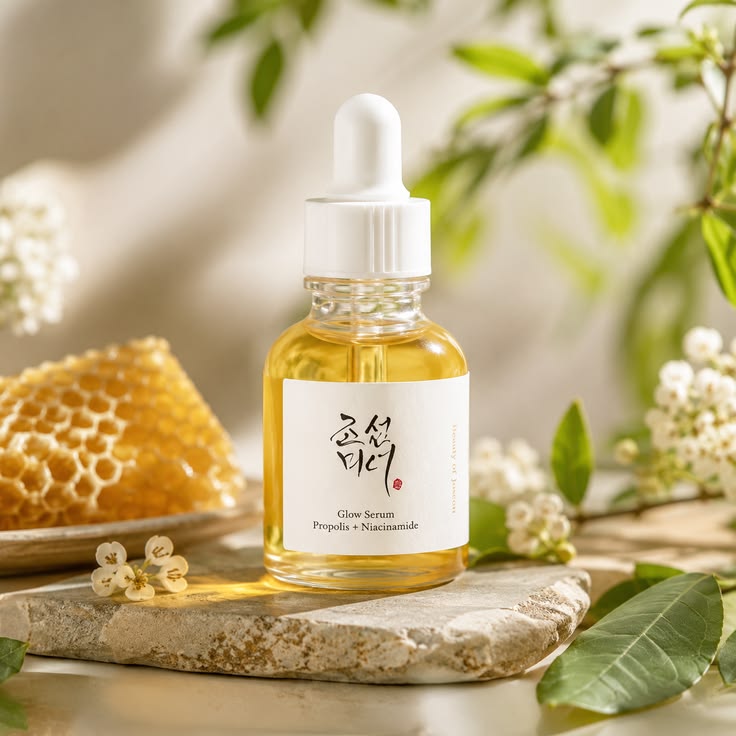
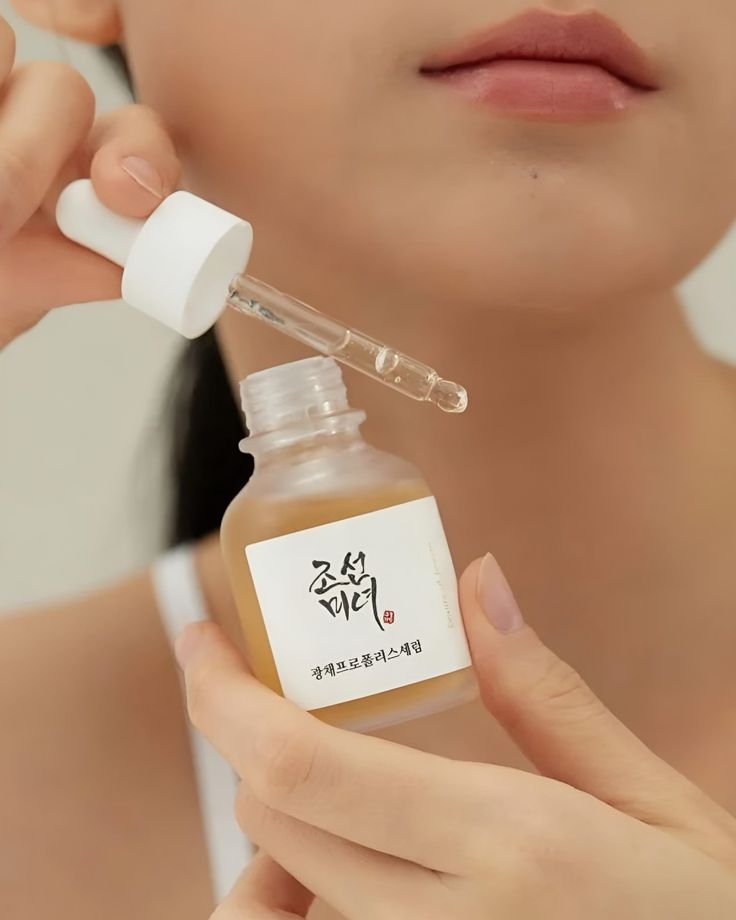
Beauty of Joseon Glow Deep Serum (Propolis + Niacinamide)
This one is a different philosophy entirely. The Glow Serum is a multi-active formula built around propolis extract and niacinamide, layered with rice bran water, alpha-arbutin, and a longer ingredient list (roughly 32 components compared to COSRX’s 12). It’s designed to hydrate, brighten, and even out tone in a single step.
Where COSRX is a scalpel, Beauty of Joseon is closer to a Swiss Army knife.
The Clinical Evidence: Does Either One Actually Work?
This is the part most influencer content skips entirely. Let’s look at what the research actually shows.
Snail Mucin’s Track Record
Snail secretion filtrate isn’t a TikTok invention — it’s been studied in dermatology literature for over a decade. A double-blind, randomized 14-week study on 25 patients with moderate to severe facial photodamage found that snail secretion filtrate significantly improved periocular wrinkles after 12 weeks of use compared to placebo, with benefits in skin texture still visible two weeks after stopping the product. PubMed
More directly relevant for breakout-prone skin: a randomized, double-blind, placebo-controlled trial enrolling 66 participants with mild-to-moderate maskne found that a serum combining snail secretion filtrate with calendula and licorice root extract produced a significantly greater reduction in inflammatory acne lesions than placebo over 12 weeks. PubMed
On the repair side, animal-model wound healing research has shown that topical snail secretion filtrate significantly speeds up wound closure while improving markers of proper tissue remodeling like collagen deposition, which lines up with the “barrier repair” claims COSRX makes for its essence. nihPubMed Central
A broader systematic review pulling from PubMed, Cochrane, and EMBASE databases found that snail-derived skincare ingredients consistently improved hydration, reduced transepidermal water loss, and supported antimicrobial activity across the human clinical trials reviewed. Journal of Integrative Dermatology
Bottom line: snail mucin’s reputation isn’t hype. The clinical evidence specifically supports barrier repair, hydration, and acne-related healing — which is exactly the lane COSRX has built its formula around.
Niacinamide and Propolis: The Glow Serum’s Foundation
Niacinamide is one of the most well-studied actives in all of skincare. Research published through the National Center for Biotechnology Information highlights niacinamide’s role in improving skin barrier function and elasticity, increasing collagen and epidermal ceramide synthesis, and reducing hyperpigmentation, rosacea, and acne. It’s also genuinely good at brightening — clinical studies have shown niacinamide reduces hyperpigmentation by inhibiting the transfer of pigment-producing melanosomes to surrounding skin cells. PubMed Centralnih
Propolis, the lesser-discussed ingredient here, has its own backing. Bees use it to seal and sterilize their hives, and that antimicrobial function carries over to skin. Propolis is recognized for antimicrobial properties that target acne-causing bacteria while reducing inflammation associated with active breakouts, and it pairs synergistically with niacinamide and hyaluronic acid in layered routines. City Skin Clinic
Bottom line: The beauty of Joseon’s formula is backed by two well-researched actives that specifically target tone, brightness, and barrier support — a different clinical lane than pure repair.
Best Glow & Brightening Choice
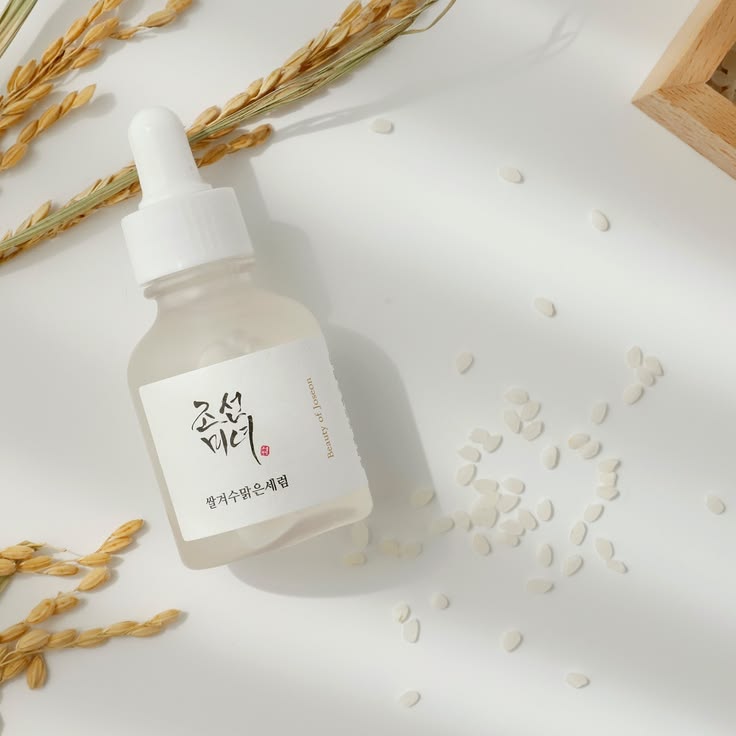
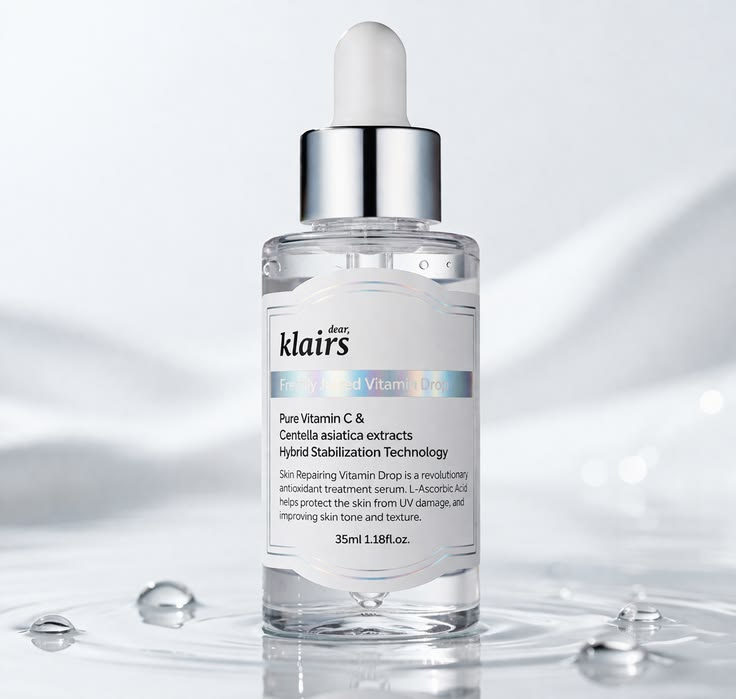
If radiance and tone-evening are your priority over pure repair, these three are leading that category right now.
Texture, Application, and Real-World Experience
Numbers on paper only tell half the story. Here’s how they actually feel on skin:
COSRX Snail Mucin Essence has a genuinely unusual texture — stringy, slightly tacky, almost gel-like when you first pat it on. It takes a few uses to learn the “press, don’t rub” application method. Once it sinks in, though, it leaves skin feeling cushioned and plump rather than sticky. Most users report it taking 6–12 weeks of consistent use before barrier improvements become visually obvious — this is a repair ingredient, not an instant-gratification one.
Beauty of Joseon Glow Serum feels closer to a traditional lightweight serum — slightly more fluid, faster-absorbing, less “slime factor.” Glow and surface hydration are noticeable almost immediately, which is part of why it photographs so well for the viral “glass skin” videos.
If you’re newer to K-beauty and worried about getting overwhelmed by the snail mucin texture, Beauty of Joseon is the gentler on-ramp.
Price and Value Comparison
| COSRX Snail Mucin Essence | Beauty of Joseon Glow Serum | |
|---|---|---|
| Hero ingredient | 96% Snail Secretion Filtrate | Propolis + Niacinamide |
| Best for | Barrier repair, scarring, dehydration | Brightening, tone, glow |
| Texture | Viscous, stringy, slight tack | Lightweight, fast-absorbing |
| Time to results | 6–12 weeks | 2–4 weeks (glow), longer for tone |
| Vegan-friendly | No (animal-derived) | Yes |
| Skin type fit | All types, especially compromised barriers | All types, especially dull/uneven tone |
Vegan-friendly No (animal-derived) Yes
Skin type fit All types, especially compromised barriers. All types, especially dull/uneven tone.
Both products sit in a similar accessible price bracket compared to Western department-store serums, which is part of why K-beauty has eaten into that market so aggressively — you’re getting research-backed actives without the luxury markup.
Can You Use Both Together?
Yes — and a lot of skincare-savvy users already do, based on how often this exact combo shows up in routine videos. They’re not formulated to compete; they’re formulated to complement.
A simple way to layer them:
- Cleanse
- Tone (optional)
- Beauty of Joseon Glow Serum — apply first since it’s thinner and faster-absorbing
- COSRX Snail Mucin Essence — apply second to seal in hydration and add the repair layer
- Moisturizer
- SPF (morning only — non-negotiable, especially with niacinamide and alpha-arbutin in your routine)
The one caution: avoid stacking either of these directly with high-concentration vitamin C, since vitamin C can destabilize some of the more delicate actives in both formulas. If vitamin C is part of your routine, use it at a separate time of day.
Who Should Skip Which Product
Skip COSRX Snail Mucin Essence if:
- You’re strictly vegan or avoid animal-derived ingredients on principle.
- You’re looking for fast, visible brightening — this is a slow-and-steady repair ingredient.
- You have a shellfish-adjacent allergy history (cross-reactivity has been noted in isolated case reports, though snail mucin isn’t chemically related to shellfish)
Skip Beauty of Joseon Glow Serum if:
- Your primary concern is barrier damage or active breakout healing, rather than tone and glow
- You’re sensitive to niacinamide (rare, but some report initial flushing)
- You want the absolute simplest, shortest ingredient list possible
Frequently Asked Questions For cosrx vs beauty of joseon
1. Can I use COSRX Snail Mucin and Beauty of Joseon Glow Serum in the same routine?
Yes. They’re formulated for different purposes — repair versus brightening — so they layer well rather than compete. Apply the thinner Beauty of Joseon serum first, then follow with COSRX’s thicker essence to seal in hydration.
2. Which one is better for acne-prone or breakout skin?
COSRX Snail Mucin Essence has a stronger clinical backing here. A randomized, placebo-controlled trial on snail secretion filtrate specifically showed reduced inflammatory acne lesions over 12 weeks of use, making it the better starting point for active breakouts and post-acne marks.
3. Is Beauty of Joseon Glow Serum vegan, and is COSRX?
Beauty of Joseon’s Glow Deep Serum is vegan-friendly, since its actives are plant- and bee-derived (propolis is the one ingredient some strict vegans choose to avoid, since it’s a bee product). COSRX’s Snail Mucin Essence is not vegan, as snail secretion filtrate is an animal-derived ingredient, though COSRX states it’s harvested without harming the snails.
4. How long does it take to see results from snail mucin or niacinamide?
Snail mucin is a slower-acting repair ingredient — most users notice barrier and texture improvements after 6 to 12 weeks of consistent use. Niacinamide tends to show brightening and tone-evening results faster, often within 2 to 4 weeks, though full hyperpigmentation fading can take longer.
5. Can sensitive skin handle both of these products?
Generally, yes. Both formulations are widely recognized for their exceptionally gentle profiles and are frequently recommended by clinical experts for sensitive, reactive, or compromised skin types. The COSRX essence stands out due to its minimalist, streamlined ingredient list which is entirely fragrance-free, alcohol-free, and essential oil-free, making it highly compatible with inflamed skin barriers, rosacea, or redness. The high concentration of Snail Secretion Filtrate works symbiotically with soothing agents like Allantoin and Panthenol to downregulate skin reactivity, providing a deep blanket of hydration without triggering contact dermatitis or cellular irritation.
However, sensitive-skin users should keep a minor biological factor in mind, as clinical studies indicate that individuals with a severe allergy to dust mites may experience a cross-reactive sensitivity to snail mucin, resulting in localized itching or minor bumps. Because reactive skin can respond uniquely even to the most gentle bio-actives, we always advise taking a proactive approach to your regimen. Before committing to a full-face application, perform a standard 24-hour patch test by applying a small amount to the inner forearm or jawline to monitor for any signs of irritation or erythema, ensuring total safety for your skin barrier.
Final Verdict
Neither product “wins” outright — they’re solving different problems. COSRX Snail Mucin Essence is the better pick for skin barrier repair, dehydration, and post-acne healing, backed by some of the more rigorous clinical research in the K-beauty space. Beauty of Joseon Glow Serum is the better pick if brightening, even tone, and that glass-skin glow are your priority, with niacinamide and propolis doing genuinely well-studied work.
If you’re building a routine from scratch and can only pick one, let your biggest skin frustration decide. If your skin feels compromised, reactive, or scarred — start with COSRX. If it feels dull, uneven, or just needs that extra glow — start with Beauty of Joseon. And if you can stretch the budget, the combination is one of the few “skincare duo” trends that’s actually backed by how the ingredients work, not just how well they perform on camera.
Check Today’s Price on Amazon → COSRX Advanced Snail 96 Mucin Power Essence
Check Today’s Price on Amazon → Beauty of Joseon Glow Deep Serum
Related reading: For more on building a complete hydration-first routine, see our guide on Hyaluronic Acid vs Glycerin, our breakdown of Round Lab 1025 Dokdo Toner, and our comparison of The Ordinary vs Paula’s Choice for layering actives safely. If barrier repair is your main goal, also check out our Beta Glucan for Skin explainer and IUNIK Beta Glucan Power Moisture Serum review. Don’t forget to finish every morning routine with SPF — our Mineral vs Chemical Sunscreen guide breaks down which formula suits sensitive, barrier-compromised skin best.
About the Editorial Team
The Strategic Architect
Asim | Founder & Lead Analyst
Asim is the visionary behind Review Dermatica, blending technical expertise with clinical skincare auditing. Stripping away marketing hype, he delivers data-driven, deeply researched analyses for the USA market. His strategy ensures every long-form deep dive meets the highest standards of accuracy, transparency, and search visibility.
The Scientific Mind
Tahmina Zannat Lamya | Co-Founder & Clinical Researcher
Tahmina is the scientific backbone of Review Dermatica. Specializing in cosmetic formulation and microbiome science, she audits the molecular structures of advanced bio-actives like PDRN and Ceramides. She translates complex, pharmaceutical-grade research into accessible, science-backed insights for the modern “Skintellectual” audience.
Clinical Insights Cited From
Dr. Shereene Idriss, MD | Board-Certified Dermatologist
To ground our ingredient analyses in established medical science, Review Dermatica references the public clinical insights of Dr. Shereene Idriss—a Harvard-trained, board-certified dermatologist and founder of Idriss Dermatology (NYC). Her evidence-based perspectives on skin health inform the medical context of our evaluations.
Note: Dr. Idriss is not affiliated with or employed by Review Dermatica; she is cited strictly as an external clinical authority whose published work supports the accuracy of our content.