6 Best Barrier Balms for Winter (2026 Skin Barrier Repair)
Winter has a way of exposing exactly what your skin barrier can and cannot handle. One week your usual moisturizer feels fine. The next, your cheeks feel tight after cleansing, the skin around your nose starts to flake, and a product that never bothered you before suddenly stings.
If that sounds familiar, you are not doing anything wrong. Cold air holds less moisture, indoor heating pulls even more water from the air, and hot showers strip away the oils your skin relies on. For dry, sensitive, or already-compromised skin, winter can push the barrier past its limit quickly.
That is where a good barrier balm earns its place. Unlike a lightweight lotion, a balm creates a more substantial protective layer over the skin. It helps reduce water loss, soothes rough or irritated areas, and gives compromised skin time to recover. The American Academy of Dermatology notes that creams and ointments are generally more effective than lotions for dry skin, especially in winter.
In this guide, we look at six of the best barrier balms for winter, covering different budgets, textures, and skin needs. We also explain who each one suits, how to use it, and when a balm may be too heavy for your skin.
Quick Summary
If you only have a minute, here is the short version of our picks for the best barrier balm for winter:
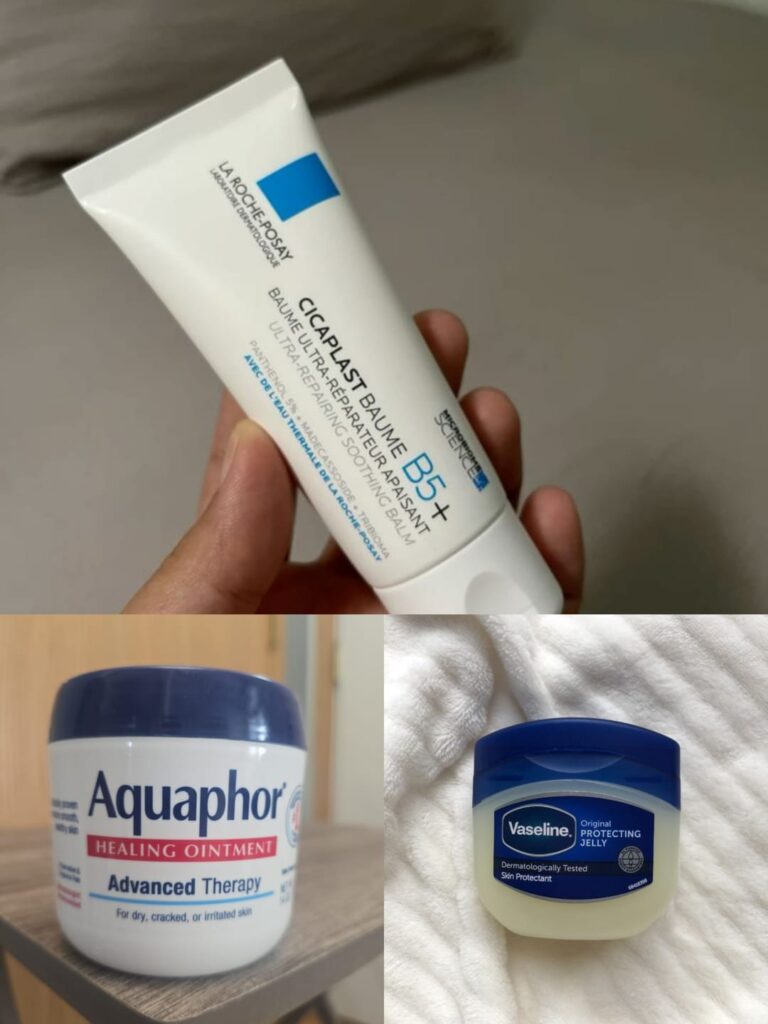
- Best overall:La Roche-Posay Cicaplast Baume B5 — a rich, versatile balm for dry patches, irritation, and compromised barriers.
- Best for very dry, cracked skin: Aquaphor Healing Ointment — a heavy-duty occlusive for hands, lips, heels, and very dry patches.
- Best budget option: Vaseline Original Petroleum Jelly — a simple, highly effective occlusive for sealing in moisture.
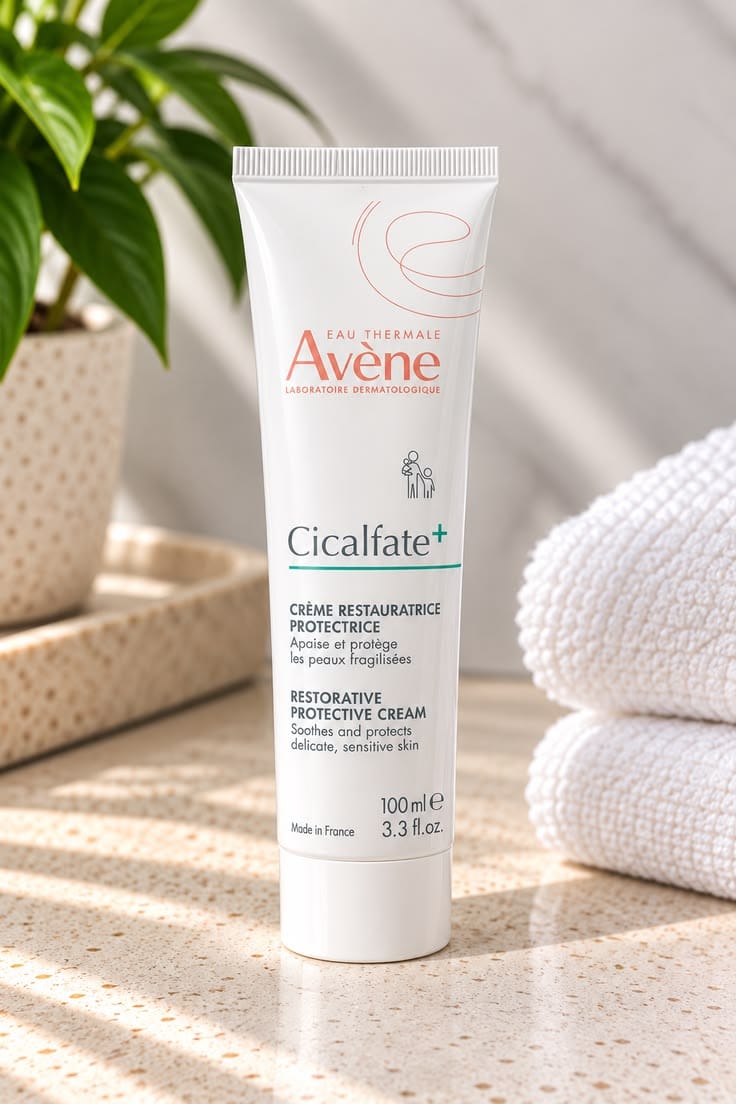
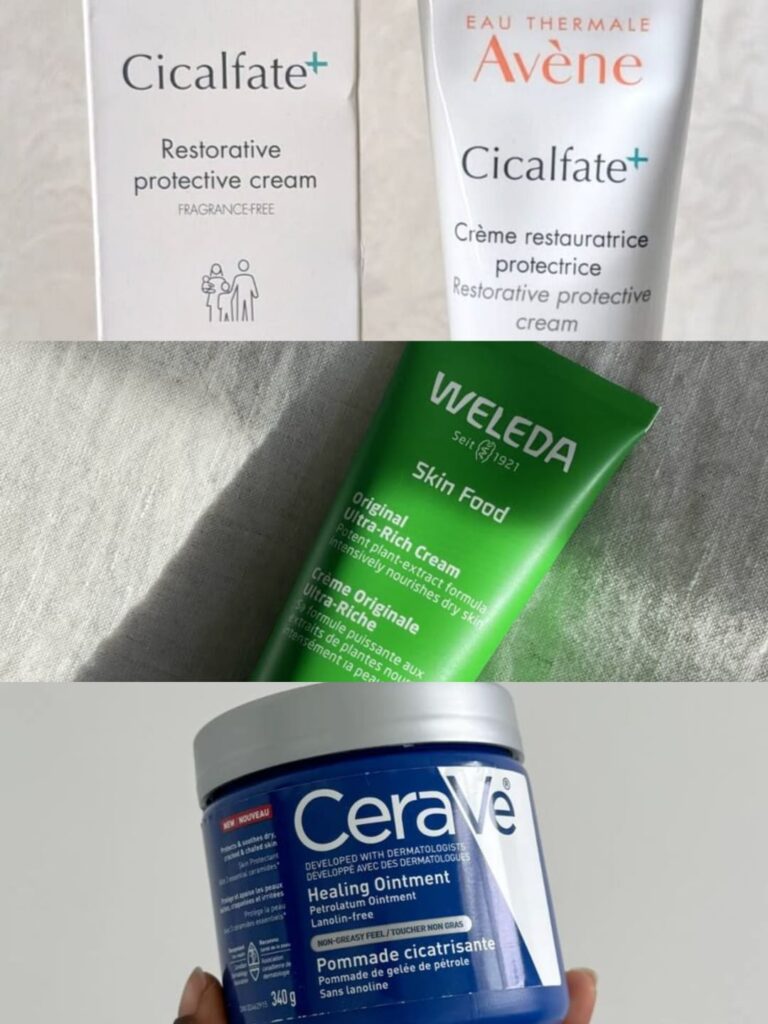
- Best for sensitive, reactive skin: Avène Cicalfate+ Restorative Protective Cream — a soothing cream-balm for irritated, compromised skin.
- Best for dry patches and rough texture: Weleda Skin Food Original Ultra-Rich Cream — a thick, nourishing balm-like cream for very dry areas.
- Best for targeted dry spots: CeraVe Healing Ointment — a petrolatum-based ointment with ceramides for localized dryness.
A barrier balm is not a replacement for your regular moisturizer in every case. For many people, it works best as a targeted treatment for dry patches, a nighttime sealing layer, or a protective product for areas exposed to wind and cold.
Affiliate Disclosure and Editorial Team
Affiliate Disclosure: Review Dermatica is reader-supported. Some links in this article are affiliate links, which means we may earn a small commission if you buy through them, at no extra cost to you. This never changes our opinion. We recommend products based on ingredients, formulation, available research, and suitability for different skin types.
Editorial Team: This article was written by the Review Dermatica editorial team. Asim, Founder and Lead Analyst, led the research and product analysis. Tahmina Zannat Lamya, Co-Founder, handled clinical and formulation research.
Sponsorship note: This is not a sponsored post. While Review Dermatica may work with sponsors on other content, this guide was not paid for by any brand mentioned here. We researched these products independently, looking at ingredient lists, formulation logic, available evidence, and real-world suitability for winter skin. If a product is not a good fit for a particular skin type, we say so.
Medical note: This guide is for education only. It is not medical advice and does not replace a visit to a doctor or dermatologist, especially if you have eczema, psoriasis, rosacea, or another diagnosed skin condition.
Why Winter Is So Hard on Your Skin Barrier
Your skin barrier is the outermost layer of your skin. Think of it as a brick wall: skin cells are the bricks, while lipids such as ceramides, cholesterol, and fatty acids act like the mortar. When that wall is intact, water stays in, and irritants stay out.
Winter attacks that wall from several directions at once. Cold outdoor air contains less moisture. Indoor heating dries the air further. Hot showers and harsh cleansers remove natural oils. Wind adds friction and increases water loss. Put together, your skin can lose water faster than it can replace it.
The AAD recommends using thicker creams or ointments for dry winter skin because they help trap water in the skin and reduce evaporation. For very dry skin, petroleum jelly or a thick ointment is often recommended because it forms a strong sealing layer.aad+1
This is where a barrier balm differs from a regular lotion. A lotion is mostly water with some oil. A cream is richer. A balm or ointment is usually the richest option, with a higher concentration of occlusive ingredients that sit on the surface and slow water loss. aad.
If your skin is already dry, sensitive, or reactive, the goal in winter is not to add more actives. It is to reduce water loss, calm irritation, and give the barrier a chance to repair itself.
What Makes a Good Barrier Balm for Winter?
Not every thick product is a good barrier balm. The best ones usually combine a few key types of ingredients:
- Occlusives such as petrolatum, dimethicone, shea butter, or beeswax, which form a protective layer and reduce water loss.
- Humectants such as glycerin, hyaluronic acid, or panthenol, which attract and hold water in the upper layers of skin.
- Emollients such as squalane, plant oils, or fatty acids, which soften rough, flaky texture.
- Barrier-supporting ingredients such as ceramides, cholesterol, fatty acids, or centella asiatica, which help support the skin’s natural repair process.
The AAD specifically highlights ceramides and hyaluronic acid as useful moisturizing ingredients, while advising people with dry skin to avoid fragrance- and alcohol-heavy formulas.
A good winter balm should also feel comfortable on your skin. Some balms are rich but still spread easily. Others are thick and best reserved for small patches, lips, hands, or overnight use. The right choice depends on your skin type, the area you are treating, and how compromised your barrier currently is.
1. La Roche-Posay Cicaplast Baume B5
Best overall barrier balm for winter
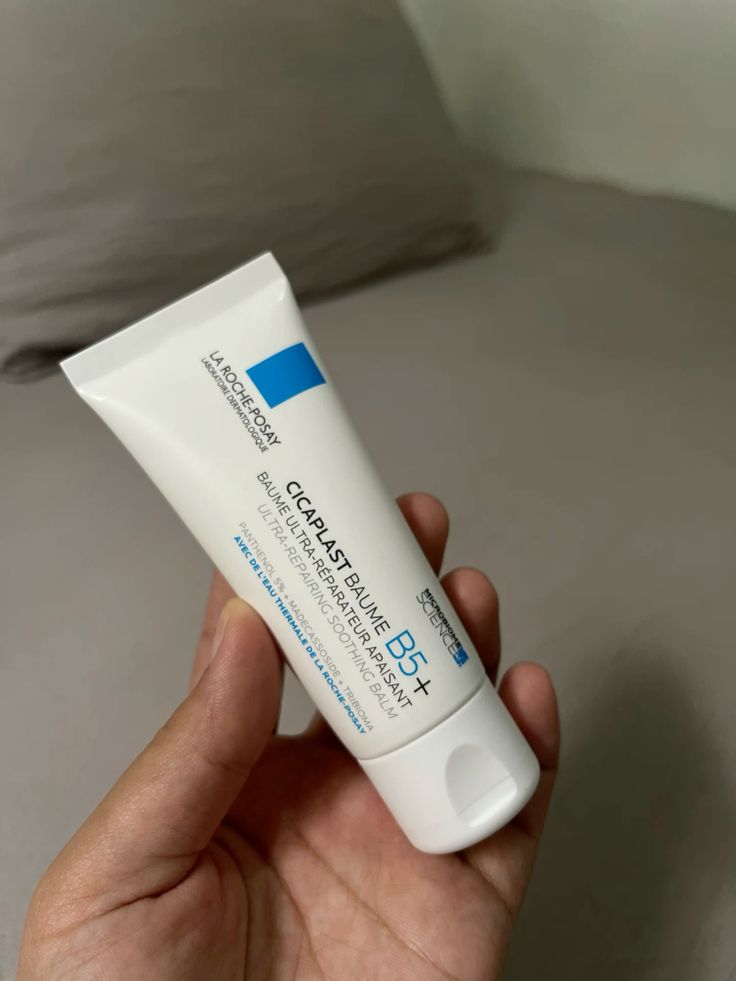
If we had to pick one balm that suits the widest range of winter skin problems, it would be La Roche-Posay Cicaplast Baume B5. It is rich enough to feel protective, but it spreads more easily than a heavy petroleum-based ointment.
This balm is designed for dry, irritated, and compromised skin. It contains panthenol, also known as vitamin B5, along with shea butter and a blend of soothing ingredients. The texture is thick but not as greasy as pure petroleum jelly, which makes it easier to use on the face as well as the body.
Best for:
- Dry patches around the nose, cheeks, or chin
- Skin irritated by cold weather, wind, or over-exfoliation
- People who want a balm that feels rich but not overly greasy
- Use on the face, hands, elbows, and other dry areas
Key strengths:
- Rich, protective texture
- Suitable for face and body
- Contains panthenol and shea butter
- Less greasy than many pure ointments
- Works well as a targeted treatment for dry patches
Potential drawbacks:
- May feel too rich for very oily or acne-prone skin if used all over the face
- Not the cheapest option
- Those with very reactive skin should still patch test first
For winter, we would use this balm on damp skin after cleansing or showering. Apply a thin layer to dry areas, then follow with your regular moisturizer if needed. At night, you can use a slightly thicker layer on cheeks, around the nose, or on any flaky patches.
If your skin is currently very reactive, pair it with a simple routine. Our guide to the best products for sensitive skin is a good place to start.
2. Aquaphor Healing Ointment
Best for very dry, cracked skin
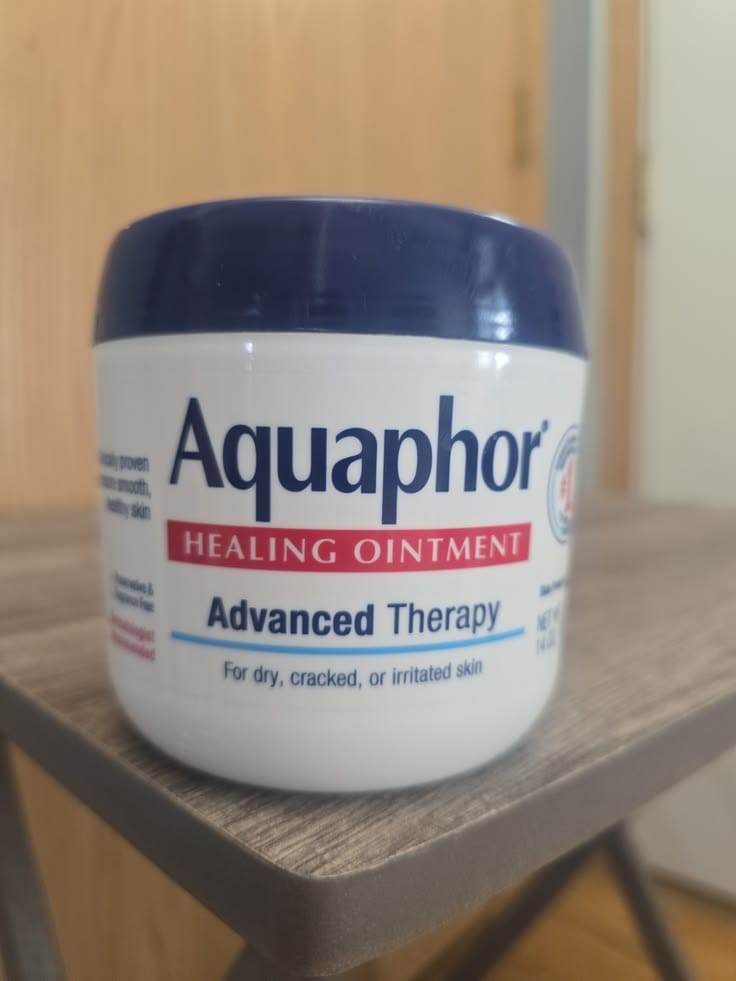
Aquaphor Healing Ointment is one of the most well-known occlusive products in the United States. It is thicker and more protective than a typical cream, making it especially useful for very dry, cracked, or wind-burned skin.
The formula is based on petrolatum, which is one of the most effective occlusive ingredients available. It also contains lanolin, glycerin, and panthenol. This combination helps seal in moisture while softening rough, flaky areas.
Best for:
- Cracked hands, heels, and elbows
- Very dry patches that do not respond to regular moisturizer
- Chapped lips and dry cuticles
- Overnight protection for extremely dry areas
- People who want a heavy-duty, no-frills occlusive
Key strengths:
- Very effective at reducing water loss
- Excellent for cracked or very dry skin
- Affordable and widely available
- Works well for hands, feet, lips, and body
- Long-lasting protective layer
Potential drawbacks:
- Too heavy for all-over facial use for many people
- Can feel greasy
- Contains lanolin, which some people prefer to avoid
- Not ideal for acne-prone skin if used across the whole face
For winter, Aquaphor is best used strategically. Apply it to damp skin after showering, or use a thin layer over your regular moisturizer at night. It is especially good for hands, heels, elbows, and lips.
If you like the idea of sealing in moisture at night, this is one of the strongest options. However, if you are acne-prone, avoid applying it all over your face. Instead, use it only on dry patches that are not prone to breakouts.
For more context on richer winter moisturizers, our CeraVe Moisturizing Cream review covers a cream-based alternative that is less occlusive than Aquaphor.
3. Vaseline Original Petroleum Jelly
Best budget barrier balm
Sometimes the simplest option is still one of the most effective. Vaseline Original Petroleum Jelly is essentially pure petrolatum, which makes it one of the strongest occlusive products you can buy.
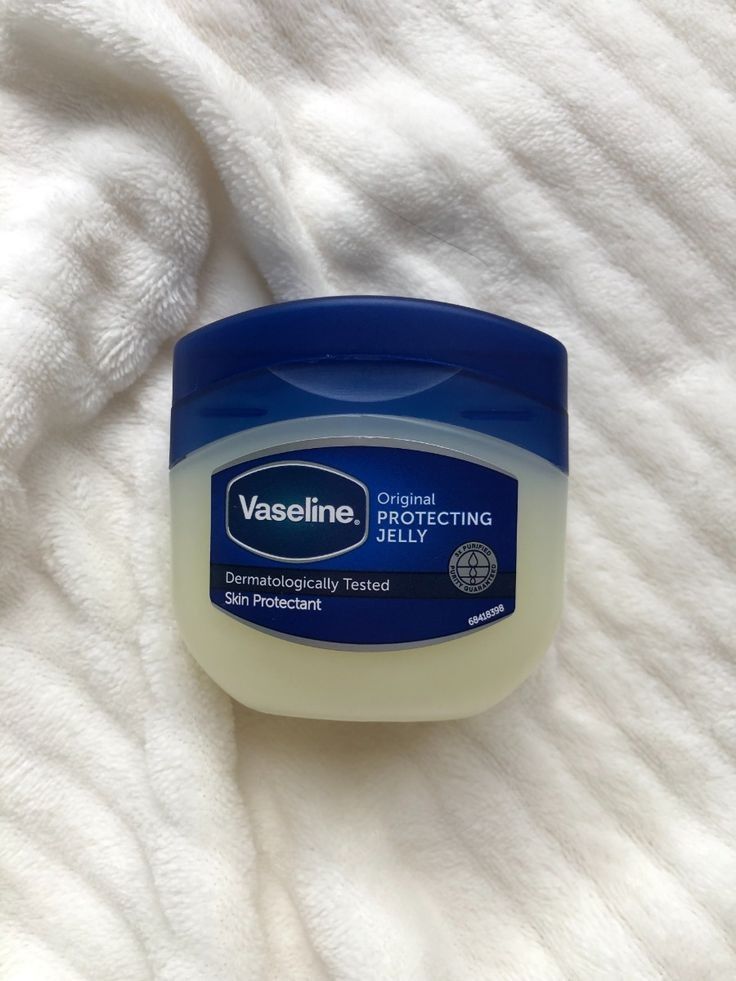
It does not contain ceramides, panthenol, or a long list of active ingredients. What it does do is form a very effective seal over the skin. That makes it useful for preventing water loss, especially on very dry areas or skin that has been damaged by cold weather.
Best for:
- Extremely dry patches
- Chapped lips
- Dry cuticles
- Cracked heels
- Overnight protection on very dry areas
- Anyone who wants a simple, inexpensive occlusive
Key strengths:
- Very affordable
- Simple formula
- Highly effective at reducing water loss
- Useful for lips, hands, feet, and body
- Minimal risk of added fragrance or active-ingredient irritation
Potential drawbacks:
- Very greasy texture
- Not ideal for all-over facial use
- Does not actively add humectants or barrier lipids
- Can feel heavy for daytime use
The AAD notes that petroleum jelly works by trapping existing moisture on the skin, which is why it is often recommended for very dry skin. That also means it works best when applied to slightly damp skin or over a hydrating product. AAD.
For winter, use Vaseline as a sealing layer rather than your only moisturizer. Apply your regular moisturizer first, then add a thin layer of Vaseline on top at night. It is especially useful for lips, around the nose, and on dry hands.
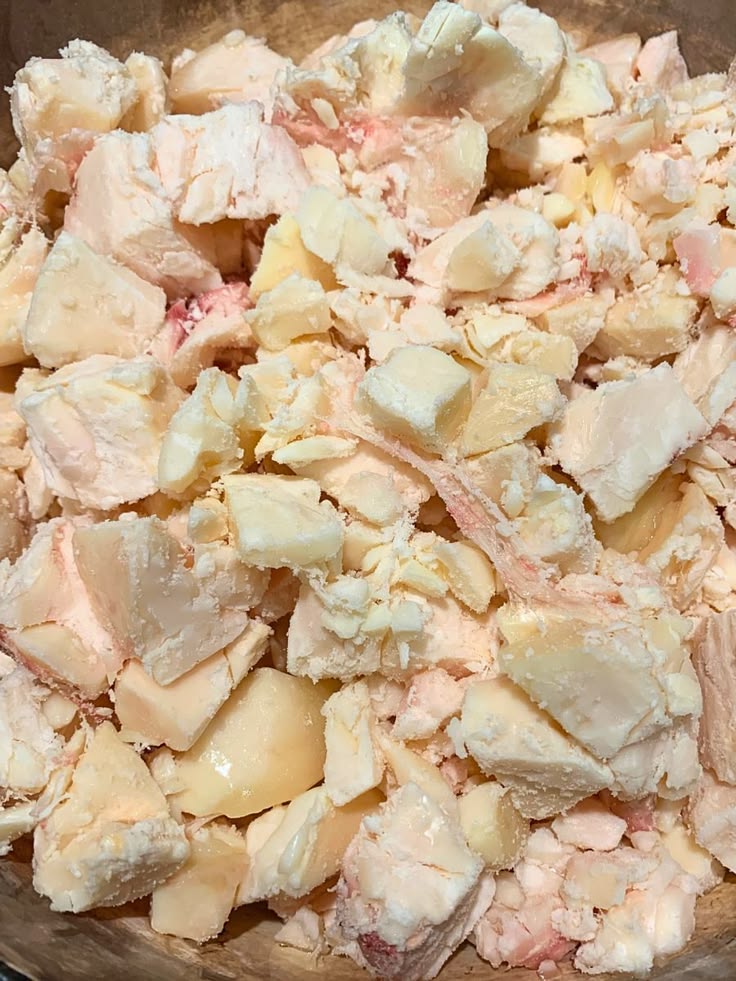
If you are comparing simple occlusives with more formulated creams, our article on beef tallow moisturizer covers another minimalist, fat-based approach to winter skin protection.
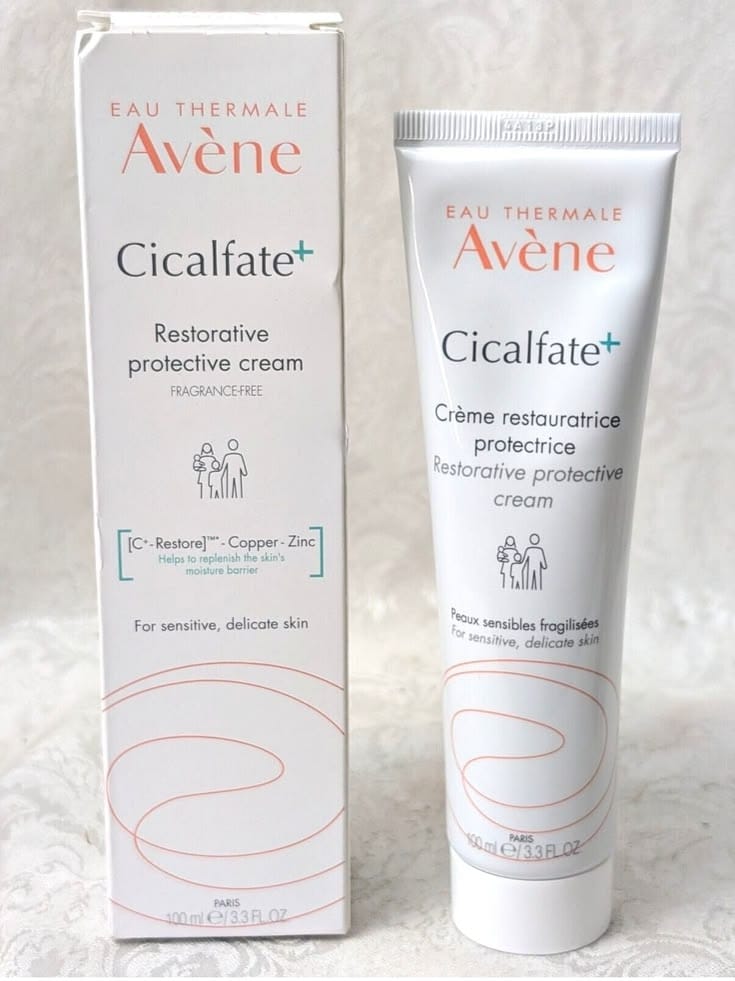
4. Avène Cicalfate+ Restorative Protective Cream
Best for sensitive, reactive skin
Avène Cicalfate+ Restorative Protective Cream is a good option for people whose skin does not just feel dry but also looks red, feels warm, or reacts easily to weather changes.
It has a rich cream-balm texture and is designed to support compromised skin. The formula includes Avène Thermal Spring Water along with soothing and protective ingredients. It feels more elegant than a heavy petroleum ointment, which makes it easier to use on the face.
Best for:
- Sensitive or reactive skin
- Skin irritated by cold, wind, or over-cleansing
- Redness and discomfort around the cheeks or nose
- People who want a barrier product that feels less greasy
- Use on the face as well as small body areas
Key strengths:
- Soothing, skin-friendly texture
- Suitable for facial use
- Less greasy than a pure ointment
- Good for irritated or compromised skin
- Elegant enough to use during the day
Potential drawbacks:
- More expensive than Aquaphor or Vaseline
- May not be rich enough for very cracked skin
- Those with very reactive skin should still patch test
- Not as occlusive as a pure petroleum-based product
For winter, this is a good choice if your main issue is irritation rather than extreme dryness. Apply it to damp skin after cleansing, then use it again at night if your skin feels tight or uncomfortable.
If your skin is reactive and you are trying to simplify your routine, our guide to the best skincare brands for sensitive skin can help you build a shorter, safer routine.
5. Weleda Skin Food Original Ultra-Rich Cream
Best for rough, flaky patches
Weleda Skin Food is a classic thick cream that behaves much like a balm. It is richer than a standard face cream and works well on rough, flaky, or very dry areas.
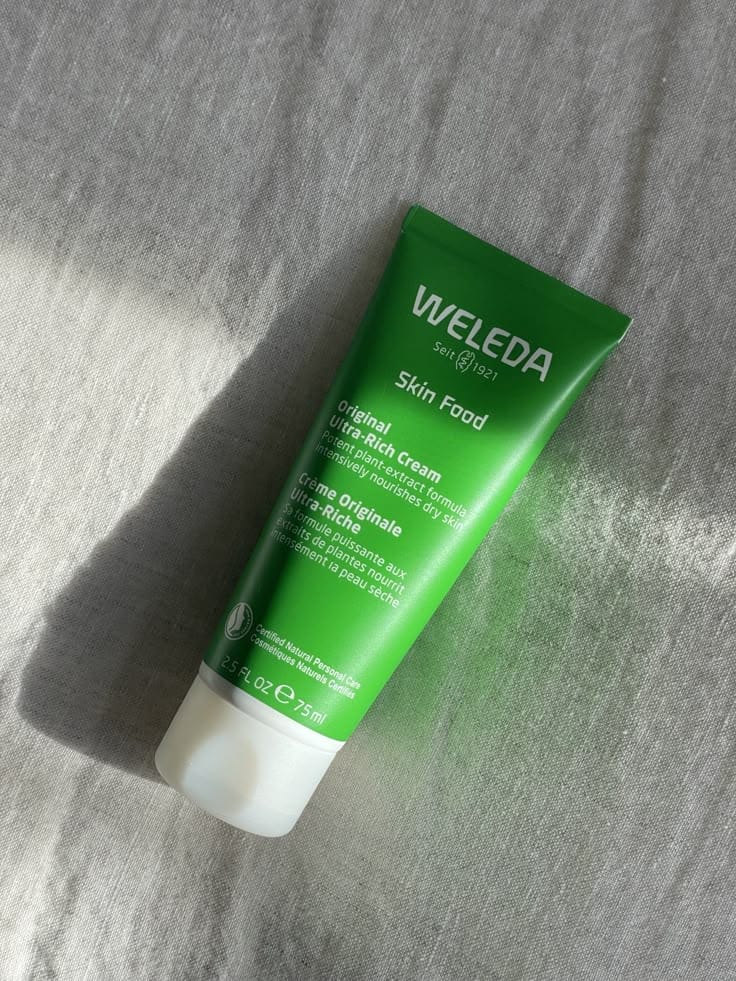
The formula includes plant oils, beeswax, and soothing botanical extracts. It has a distinctive thick texture and a noticeable herbal scent, so it may not suit everyone. But for dry elbows, knees, hands, and stubborn flaky patches, it can be very effective.
Best for:
- Rough elbows, knees, and hands
- Flaky patches on the face or body
- Very dry skin that needs a richer texture
- People who prefer plant-based formulas
- Overnight use on dry areas
Key strengths:
- Very nourishing texture
- Good for rough, flaky areas
- Contains plant oils and beeswax
- Works well on body and hands
- Long-lasting protective layer
Potential drawbacks:
- Strong herbal scent
- Contains fragrance and essential oils, so it is not ideal for highly reactive skin
- Too rich for oily or acne-prone facial skin
- Can feel heavy under makeup
For winter, use Weleda Skin Food on damp skin after showering, focusing on dry areas rather than applying it all over the face. It is especially useful for hands, elbows, knees, and legs.
If your skin is sensitive as well as dry, be cautious with this one. The fragrance and essential oils may be too much for very reactive skin. In that case, a fragrance-free option such as Cicaplast Baume B5 or Aquaphor may be a better fit.
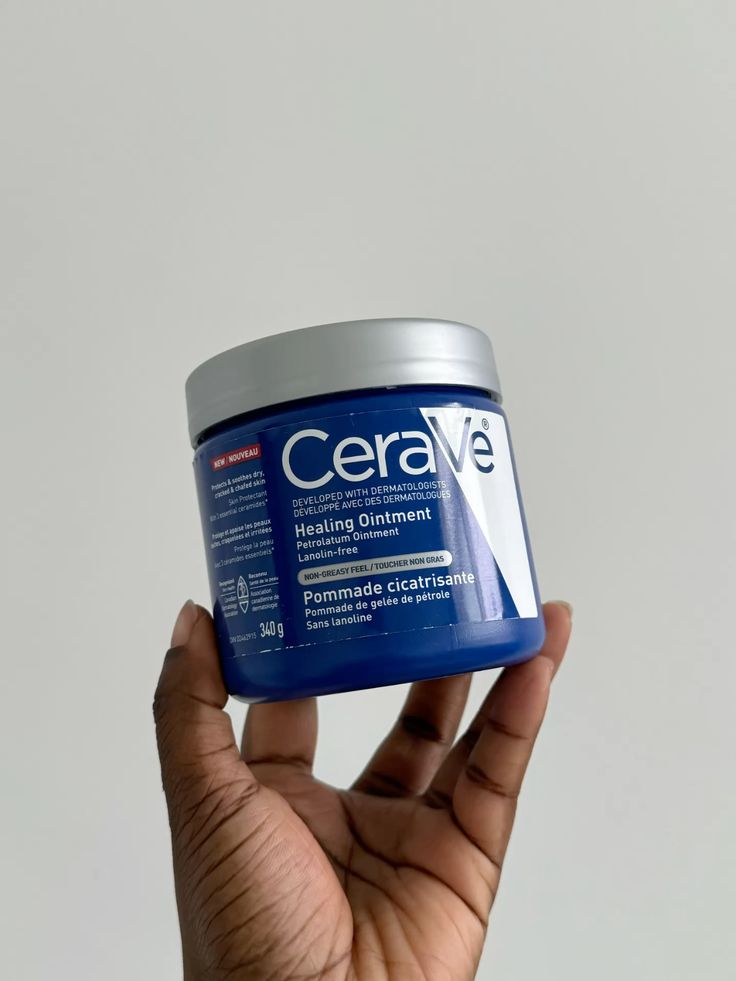
6. CeraVe Healing Ointment
Best for targeted dry spots
CeraVe Healing Ointment is a petrolatum-based ointment with the added benefit of ceramides. It is designed for very dry, cracked, or chafed skin and works well as a targeted treatment rather than an all-over face cream.
The formula combines petrolatum with ceramides, hyaluronic acid, and other barrier-supporting ingredients. That makes it a good middle ground between a simple petroleum jelly and a more complex cream.
Best for:
- Dry patches around the nose or mouth
- Cracked hands and cuticles
- Chafed skin
- Very dry areas that need extra protection
- People who want occlusion plus ceramides
Key strengths:
- Petrolatum-based occlusive
- Contains ceramides and hyaluronic acid
- Good for targeted dry areas
- Fragrance-free
- Useful for face and body
Potential drawbacks:
- Too heavy for all-over facial use for many people
- Can feel greasy
- Not ideal for acne-prone areas
- More expensive per ounce than plain petroleum jelly
For winter, use this ointment on damp skin after cleansing or showering. Apply a thin layer to dry patches, then follow with your regular moisturizer if needed. At night, you can use a slightly thicker layer on very dry areas.
If you want a more complete cream-based option rather than an ointment, our CeraVe Moisturizing Cream review covers a richer daily moisturizer from the same brand.
How to Choose the Right Barrier Balm for Your Skin
The best barrier balm for winter depends on what your skin actually needs. Here is a simple way to decide.
If your skin is dry but not very sensitive
Look for a balm with a balance of occlusive and humectant ingredients. Cicaplast Baume B5 or CeraVe Healing Ointment are good starting points.
If your skin is very dry or cracked
Choose a stronger occlusive such as Aquaphor Healing Ointment or Vaseline Petroleum Jelly. These are best for hands, feet, elbows, and other very dry areas.
If your skin is sensitive or reactive
Choose a fragrance-free option with a simple formula. Cicaplast Baume B5, Aquaphor, or CeraVe Healing Ointment are better choices than heavily fragranced balms.
If your skin is oily or acne-prone
Be careful with heavy balms. Use them only on dry patches, not all over the face. Avoid applying rich occlusives to areas that break out easily. The AAD notes that people with acne should look for non-comedogenic products and avoid applying heavy moisturizers to oily areas.
If your skin is mature
Mature skin often holds less moisture and may need richer textures in winter. A balm can be useful for dry patches, but a ceramide-rich cream may be better for daily all-over use. Our guide to the best skincare for mature skin covers this in more detail.
How to Use a Barrier Balm in Winter
Using a balm correctly matters just as much as choosing the right one.
- Cleanse gently. Use a mild, fragrance-free cleanser and lukewarm water. Hot water strips natural oils and worsens dryness
- Apply to damp skin. After cleansing or showering, gently pat your skin so it is still slightly damp. Then apply your balm. This helps trap water in the skin. aad.
- Use a thin layer first. More is not always better. Start with a thin layer and add more only if your skin still feels dry.
- Target dry areas. Focus on cheeks, around the nose, lips, hands, elbows, and heels. Avoid applying heavy balms all over oily or acne-prone areas.
- Use it at night for extra protection. If your skin is very dry, apply a slightly thicker layer before bed. This gives the product time to work without interference from makeup or sunscreen.
- Do not skip sunscreen. A balm protects against water loss, not UV damage. Continue using a broad-spectrum SPF 30 or higher during the day.
Common Mistakes to Avoid
- Using a balm as your only moisturizer. Balms seal in moisture but do not always add much water themselves. Pair them with a hydrating serum or cream.
- Applying too much. A thick layer can feel suffocating and may not absorb well. Start thin.
- Using heavy balms on acne-prone areas. Occlusives can trap oil and contribute to breakouts in some people.
- Exfoliating flaky skin. Flakes usually mean your barrier needs moisture, not more scrubbing. The AAD specifically advises against exfoliating dry, peeling winter skin.
- Skipping sunscreen. Cold weather does not eliminate UV exposure. Continue using SPF daily.
- Changing everything at once. If your skin reacts, you will not know which product caused it. Introduce one new product at a time.
When to See a Dermatologist
Dry skin is common in winter, but it is not always just dry skin. See a board-certified dermatologist if:
- Your skin is cracked or bleeding.
- Itching keeps you awake.
- You see widespread red, scaly patches.
- Nothing you try gives relief after a few weeks.
- You have eczema, psoriasis, or another diagnosed skin condition that is flaring.
The AAD notes that persistent dryness, cracking, pain, or irritation may require prescription treatment or a customized skincare plan. AAD.
Frequently Asked Questions
What is the best barrier balm for winter?
For most people, La Roche-Posay Cicaplast Baume B5 is the best all-round choice because it is rich but not overly greasy. For very dry or cracked skin, Aquaphor Healing Ointment or Vaseline Petroleum Jelly may be more effective.
Can I use a barrier balm on my face?
Yes, but choose one with a texture your skin tolerates. Cicaplast Baume B5 and Avène Cicalfate+ are easier to use on the face than very heavy petroleum-based ointments.
Can I use a barrier balm if I have acne?
Yes, but use it carefully. Apply it only to dry patches, not all over oily or breakout-prone areas. Avoid heavy occlusives on areas that clog easily.
Should I use a barrier balm morning or night?
You can use it in the morning if your skin is very dry, but many people find it more comfortable at night. Nighttime use gives the balm time to work without makeup or sunscreen on top.
Do barrier balms replace moisturizer?
Not always. A balm mainly seals in moisture and protects the skin. For best results, apply it over a hydrating serum or moisturizer, especially if your skin is very dry.
Can I use a barrier balm on my lips?
Yes. Balms are often very useful for chapped lips. Aquaphor, Vaseline, and CeraVe Healing Ointment are all good options for overnight lip care.
Final Thoughts
The best barrier balm for winter is the one that matches your skin’s current condition. If your skin is dry but not very reactive, a balanced balm such as Cicaplast Baume B5 is a strong choice. If your skin is cracked or extremely dry, a heavier occlusive such as Aquaphor or Vaseline may work better.
The key is to use these products strategically. Apply them to damp skin, focus on dry areas, and avoid overusing heavy balms on acne-prone skin. Winter skincare is not about doing more. It is about protecting what you already have and giving your barrier time to recover.
If you are building a full cold-weather routine, pair your balm with a gentle cleanser, a hydrating serum, and a barrier-supporting moisturizer. Our guides to the best moisturizers for dehydrated skin and winter skincare tips can help you put the full routine together.