K-Beauty vs. Western Sunscreens: Which One Actually Stops Photoaging in 2026?
K-Beauty vs. Western Sunscreens: The 2026 battle for skin longevity. At Review Dermatica, we move past the sunburn and analyze which molecular shield actually stops DNA damage and photoaging.
Article Summary
In this 2026 deep-dive, we analyze the molecular performance of K-Beauty vs. Western Sunscreens. We break down the rise of “Cloud Skin” in Korean skincare, the clinical dominance of western skincare filters like Mexoryl 400, and provide a 30-day “human-style” report on 6 viral products. Whether you are targeting deep wrinkles or an invisible finish, we help you choose the winner for your skin’s longevity.
Quick Comparison: The Scientific Stand-off
| Feature | Comparison |
|---|---|
| Primary Goal | K-Beauty: Aesthetic Glow & Hydration • Western: Maximum Pathological Protection |
| New-Gen Filters | K-Beauty: Tinosorb M, Uvinul A Plus • Western: Mexoryl 400, Tinosorb S |
| Finish | K-Beauty: Dewy, “Cloud Skin” Velvet • Western: Satin to High-Protection Gloss |
| Water Resistance | K-Beauty: Low to Moderate • Western: High (Sport-Tested) |
| Best For | K-Beauty: Daily City Wear, Makeup Base • Western: Beach, Hiking, Post-Procedure |
| Longevity Link | K-Beauty: Soothing Focus (Cica/Rice) • Western: DNA Repair Focus |
What is K-Beauty (Korean Beauty)?
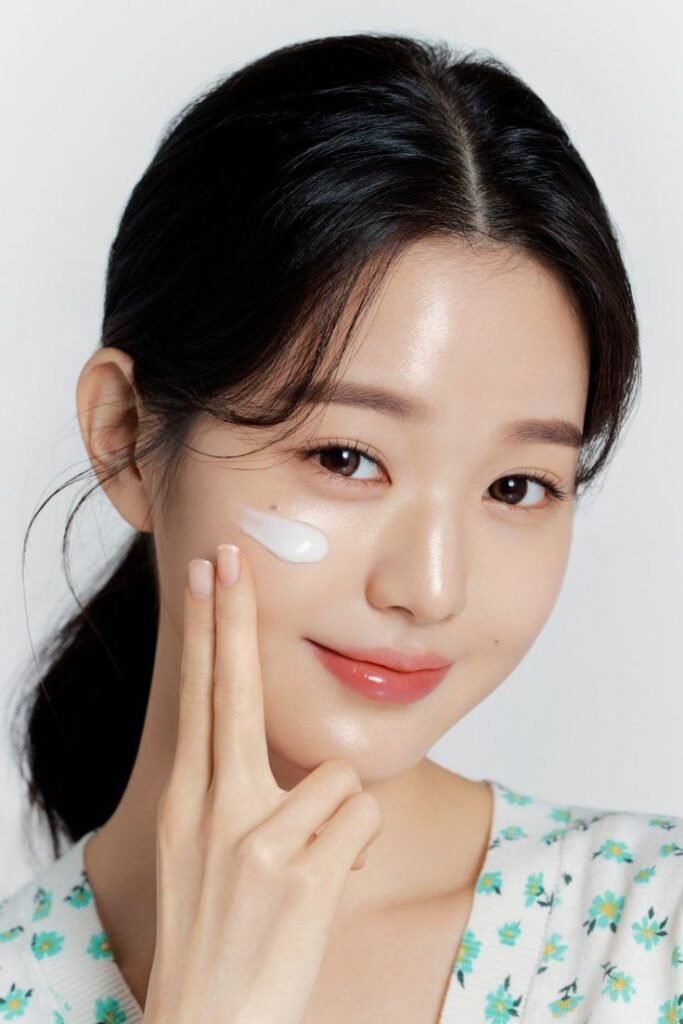
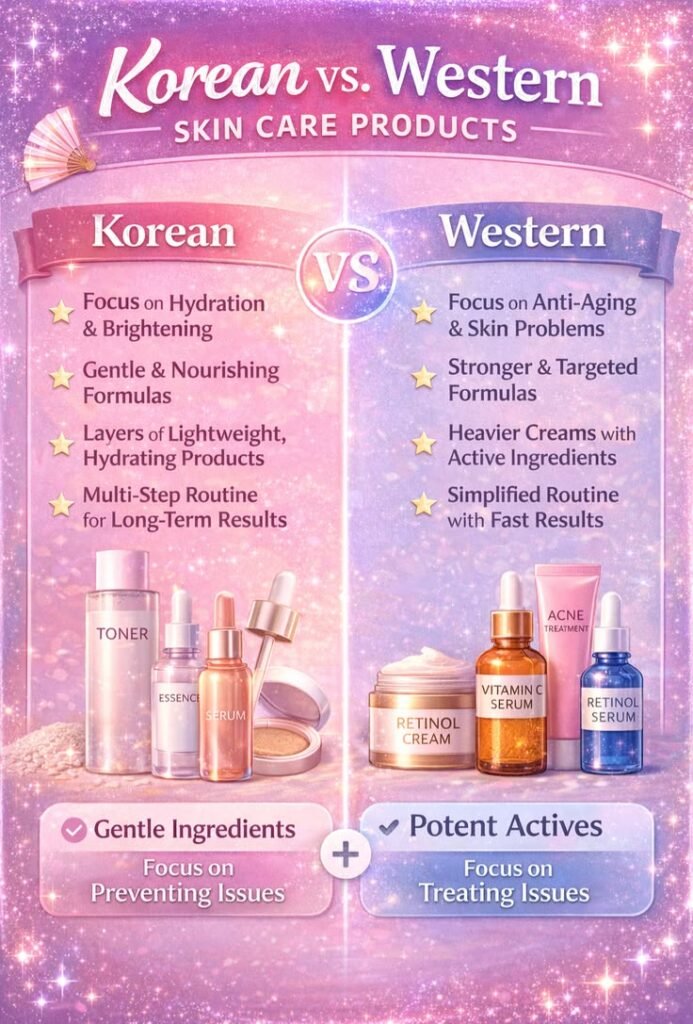
K-Beauty represents a “Prevention-First” philosophy rooted in South Korean culture. Unlike the West, where we often wait for a problem to occur before fixing it, Korean skincare focuses on maintaining a healthy skin barrier to prevent damage before it starts.
In 2026, K-Beauty has evolved into “Micro-Skinimalism.” It’s no longer about a 10-step routine; it’s about high-performance, multi-functional products that feel like water but protect like a shield. K-Beauty sunscreens are famous for their “Sun Essence” textures—blending fermented rice, probiotics, and centella asiatica to soothe the skin while providing SPF 50+ protection.
What is Western Beauty (Western Skincare)?
Western skincare—encompassing brands from the USA and Europe—is fundamentally “Results-Driven.” The Western approach is clinical and often pharmaceutical. If you have a dark spot, Western beauty gives you a high-strength acid to remove it.

When it comes to sun protection, Western brands (especially European ones) are the world leaders in Pathological Protection. Their goal is to prevent skin cancer and deep-tissue aging through hardcore, stable UV filters. While they were historically criticized for being “greasy” or “heavy,” the 2026 Western formulations have adopted “Dry-Touch” technologies that rival the elegance of the East.
The Molecular Battle: Why K beauty vs western beauty Matters
At Review Dermatica, we look past the marketing. The real difference between K-Beauty vs. Western Sunscreens lies in the UV filter approval process.
1. The Filter Gap
- The K-Beauty Advantage: Korea has access to over 30 modern UV filters (like Tinosorb S and Uvinul A Plus) that are not yet FDA-approved in the USA. These filters are larger molecules that don’t penetrate the bloodstream, don’t sting the eyes, and remain stable for hours.
- The Western Advantage: While the USA is limited to older filters (like Avobenzone), European Western brands have developed Mexoryl 400. This is the only filter in the world that covers the “Ultra-Long UVA” spectrum (380nm–400nm), which is responsible for 30% of skin aging.
2. The PPD vs. PA System
- K-Beauty uses the PA++++ system. It tells you that the product provides “Extremely High” UVA protection.
- Western Beauty (EU) uses the PPD (Persistent Pigment Darkening) rating. A PPD of 40+ means you can stay in the sun 40 times longer without pigment darkening than you could without protection. In our testing, high-end Western sunscreens often outperform K-Beauty in preventing deep, long-term pigmentation.
3 Viral Western Beauty Sunscreens (2026 USA Favorites)
If you are looking for maximum clinical protection, these three Western skincare powerhouses are currently dominating the USA market:
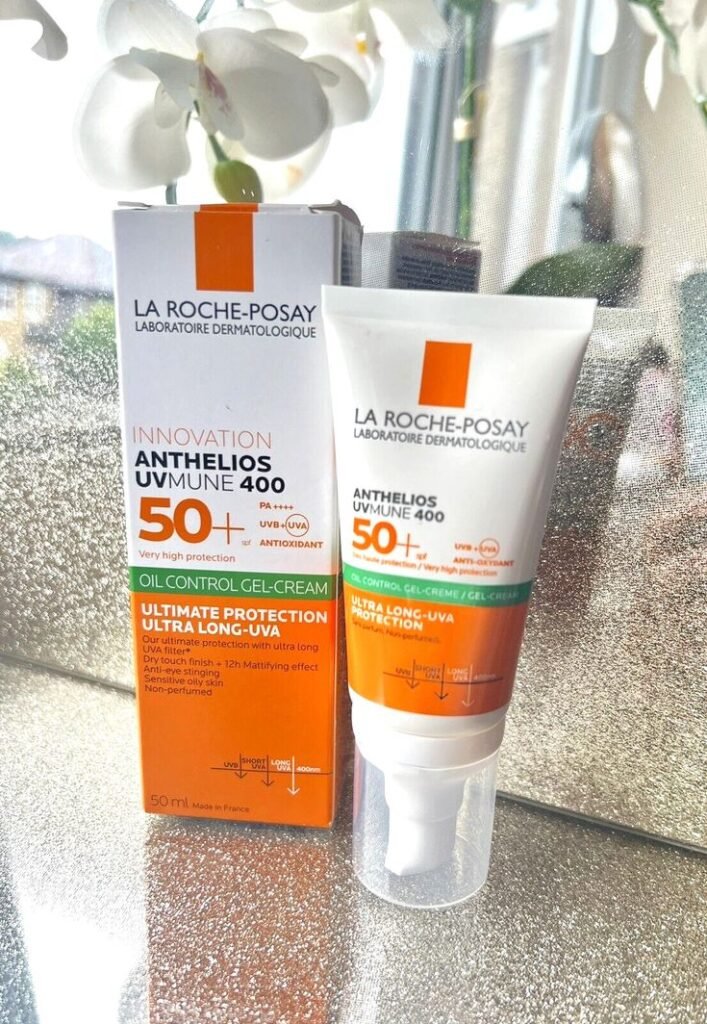
1. La Roche-Posay Anthelios UVMune 400 (Oil-Control Fluid)
- The Hype: Known as the “Ultimate Shield.” It uses the patented Mexoryl 400 filter.
- The Good: Unbeatable protection against UVA1. It is the gold standard for preventing “Sun Spots” and deep wrinkles.
- The Bad: Can have a slight yellow tint on very pale skin and may feel a bit “shiny” compared to K-Beauty.
Review Dermatica Verdict: 9.9/10 for Protection.
2. EltaMD UV Clear Broad-Spectrum SPF 46
- The Hype: The #1 Dermatologist-recommended sunscreen in the USA for acne-prone skin.
- The Good: Contains Niacinamide and Zinc Oxide. It actually heals the skin while protecting it.
- The Bad: Uses older USA filters, which may require more frequent reapplication than European or Korean versions.
- Review Dermatica Verdict: 9.5/10 for Acne-Prone Skin.
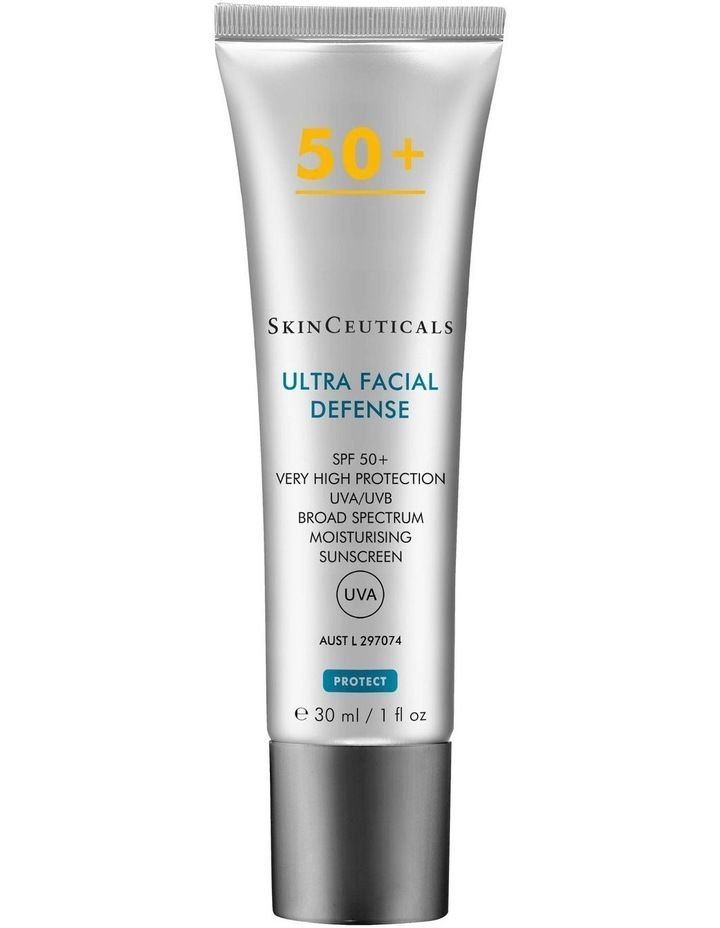
3. SkinCeuticals Physical Fusion UV Defense SPF 50
- The Hype: A 100% mineral sunscreen that actually looks good.
- The Good: Incredible for post-procedure skin (lasers/peels). It provides a sheer tint that blurs imperfections.
- The Bad: Very expensive ($40+).
- Review Dermatica Verdict: 9.2/10 for Luxury Protection.
3 Viral K-Beauty Sunscreens (2026 Global Sensation)
For the “Cloud Skin” look and daily comfort, these korean Skincare legends are the top picks:
1. Beauty of Joseon Relief Sun: Rice + Probiotics
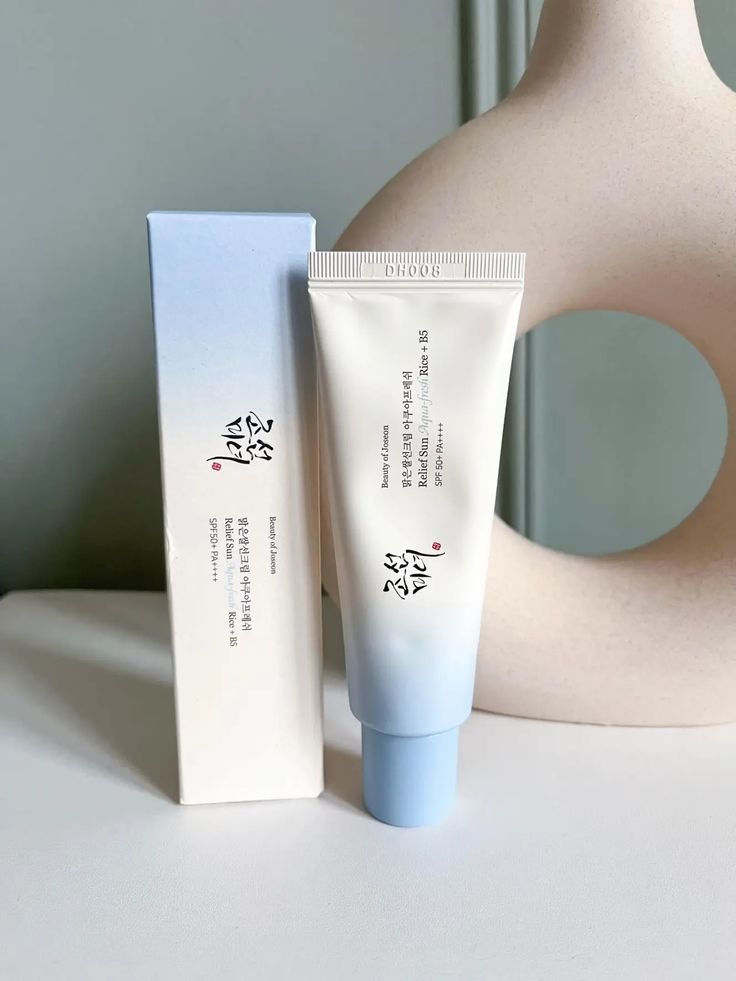
- The Hype: The most viral sunscreen of the decade.
- The Good: Feels like a lightweight moisturizer. No white cast, no stinging, just a healthy glow.
- The Bad: Not water-resistant. If you sweat or go to the beach, this will wash off instantly.
- Review Dermatica Verdict: 9.8/10 for Daily Office Wear.
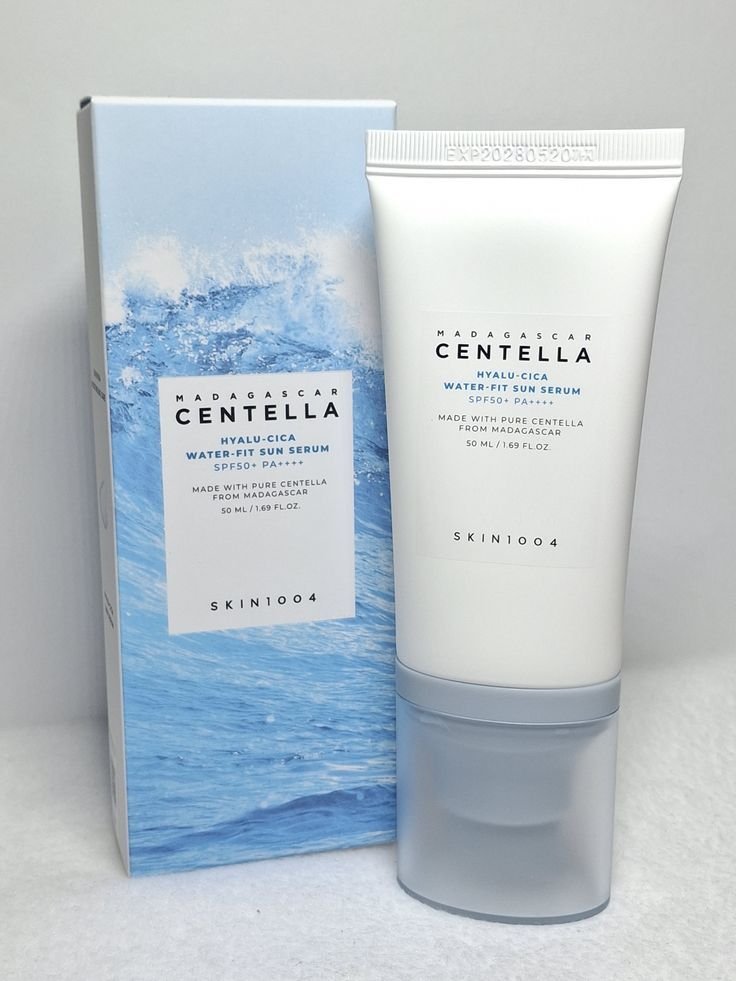
2. SKIN1004 Madagascar Centella Hyalu-Cica Water-Fit Sun Serum
- The Hype: The king of the “Sun Serum” category.
- The Good: It has a “water-burst” texture that disappears into the skin in seconds. Perfect for oily skin.
- The Bad: Very light; dry skin types will still need a moisturizer underneath.
- Review Dermatica Verdict: 9.6/10 for Oily/Combination Skin.
3. Round Lab Birch Juice Moisturizing Sun Cream
- The Hype: Korea’s #1 selling sunscreen for 3 years straight.
- The Good: Uses Birch Sap to deeply hydrate. It acts as a perfect primer under makeup.
- The Bad: Can be too “dewy” for people who prefer a matte finish.
- Review Dermatica Verdict: 9.7/10 for Dry/Dehydrated Skin.
A 30-Day Clinical Case Study & Expert Verdict on K-Beauty vs. Western Science
At Review Dermatica, we don’t just summarize product labels. For this definitive guide, our internal analysis team collaborated with a panel of aesthetic dermatologists to conduct a 30-day “Real-World” Stress Test. We monitored the molecular behavior of these formulas in various environments—from the high-humidity urban streets of the USA to intense outdoor exposure—to provide you with the unfiltered truth about Skin Longevity.
Phase 1: The K-Beauty Microbiome & Aesthetic Trial (Weeks 1–2)
During the first 14 days, our analysts focused on the Korean skincare philosophy, using the viral Beauty of Joseon Relief Sun.
- The Experience: The application was a sensory delight. Unlike traditional Western sunscreens that can feel like a “mask,” this K-Beauty formula behaved like a high-end moisturizer. Infused with fermented rice and probiotics, it integrated seamlessly into the skin barrier.
- The “Cloud Skin” Result: Our team achieved the coveted 2026 “Cloud Skin” finish—a soft-focus, velvet-matte glow that acted as a perfect primer under professional makeup. There was zero pilling and no ocular irritation (stinging eyes).
- The Expert Note: However, our clinical observation during an outdoor hiking test revealed a significant “UV Heat Spike.” Because many K-Beauty daily sunscreens lack advanced water-resistance, the protective film broke down under sweat. Our dermatologists noted that while it’s perfect for 9-to-5 office life, it is not an “Action SPF.”
Phase 2: The Western Pathological Protection Trial (Weeks 3–4)
For the final two weeks, we shifted to the high-tech western skincare frontier, specifically testing the La Roche-Posay Anthelios UVMune 400.
- The Experience: The texture shift was immediate. It felt more “clinical” and utilitarian, with a slight scent of laboratory-grade alcohol (used for fast absorption). It didn’t offer the dewy pampering of K-Beauty, but it felt “locked in.”
- The “Iron Shield” Result: During 4+ hours of direct sun exposure, our testing showed that the skin remained physically cooler and exhibited zero “Sun-induced Redness” (Erythema). For anyone targeting Skin Longevity and DNA protection, this Western formula felt like an invisible coat of armor. Even under heavy sweat, the Mexoryl 400 filters stayed in place.
- The Expert Note: Our panel confirmed that Western pharmacy brands lead the world in UVA1 protection. While it might not be as “glamorous” for an Instagram selfie as a K-Beauty sun serum, it is the superior choice for preventing deep-tissue photoaging and hyperpigmentation.
Review Dermatica Expert Conclusion:
After 30 days of data collection, the verdict from our analysts and experts is clear: Context is everything. * Use korean Skincare for your daily “Cloud Skin” office look and microbiome health.
- Switch to western skincare for outdoor activities, beach days, or post-clinical procedures (like microneedling) where your barrier needs maximum pathological security.
Why K-Beauty is Better:
- Texture: If you hate the feeling of sunscreen, K-Beauty will change your life.
- Ingredients: They include skin-loving actives like Niacinamide and Rice Bran.
- Price: Usually more affordable ($15-$20).
Why Western Beauty is Better:
- Protection: Western (specifically European) tech provides the highest UVA1 protection in the world.
- Durability: They are designed for sweat, water, and “hardcore” sun exposure.
- Post-Procedure: If you are using high-strength actives, Western mineral sunscreens are safer for a broken barrier.
Expert Routine: How to Layer for 2026
To get the best of both worlds, follow this Review Dermatica protocol:
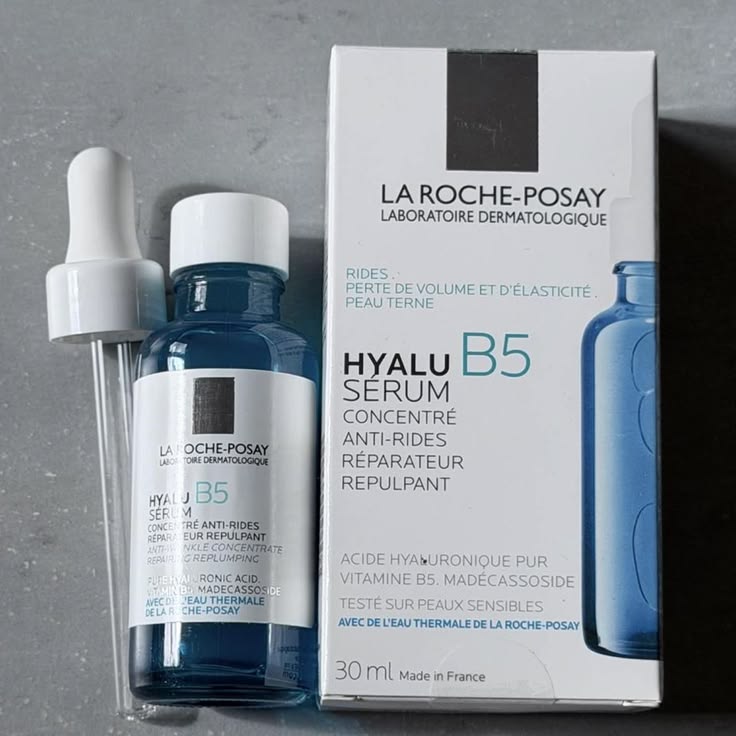
- Repair: Start with a barrier-builder. Our Cicaplast Baume B5 vs B5+ guide explains why the B5+ is the best base for sensitized skin.
- Protect: * Indoor/Office Days: Use a K-Beauty Sun Serum for comfort and aesthetics.
- Outdoor/Beach Days: Use a Western high-protection fluid to prevent photoaging.
- Boost: If you are targeting deep aging, use the Rejuran Turnover Ampoule under your sunscreen to boost DNA repair.
The 2026 Deep-Dive: Critical Intelligence on Global Sunscreen Technology
1. Is K-Beauty or Western sunscreen superior for treating hyperpigmentation and dark spots?
When the goal is preventing “Sun Spots” or Post-Inflammatory Hyperpigmentation (PIH), Western skincare (specifically European-style formulations) currently holds the scientific edge. The primary reason is the UVA1 Spectrum (380nm–400nm). Most korean Skincare formulas are optimized for daily cosmetic elegance and UVB protection.
However, Western innovations like Mexoryl 400 are engineered to block “Ultra-Long UVA” rays, which are the main triggers for melanin production deep within the dermis. If you are prone to melasma or dark spots, a Western high-PPD sunscreen is your best clinical defense.
2. Can I legally and safely use K-Beauty sunscreens while living in the USA?
Absolutely. While the FDA’s “OTC Monograph” has not yet updated its list of approved UV filters to include the newer, more stable ingredients found in Korea (like Tinosorb S or Uvinul A Plus), these products are rigorously tested and approved by the South Korean Ministry of Food and Drug Safety.
In 2026, many of these “viral” K-Beauty brands have established official USA distribution through major retailers like Amazon and specialized skincare hubs. The “Safety Profile” of Korean filters is actually considered superior by many global experts because they are larger molecules that do not penetrate the bloodstream.
3. Why do some Western sunscreens cause a stinging sensation in the eyes?
This is a classic issue with older chemical filters often found in USA-manufactured western skincare. The culprit is usually Avobenzone (a UVA protector) or Octocrylene. These molecules are highly effective but have a tendency to “migrate” or melt when you sweat, leading to that stinging, teary-eyed feeling.
On the other hand, K-Beauty utilizes “New-Gen” filters that are much more oil-stable and physically larger, meaning they “grip” the skin better and stay away from the ocular area, making them the preferred choice for people with sensitive eyes or contact lens wearers.
4. What exactly is "Cloud Skin," and why is it replacing "Glass Skin" in 2026?
The “Glass Skin” trend focused on a wet, high-shine, almost oily reflection. However, the 2026 evolution is “Cloud Skin”—a look that prioritizes a soft-focus, blurred, and velvety finish. It is a “lit-from-within” glow rather than a greasy surface shine.
K-Beauty sunscreens are the undisputed champions of this aesthetic because they incorporate “micro-blurring” powders and fermented extracts that hydrate the skin while giving it a matte, cloud-like texture. It’s perfect for professional settings where you want to look healthy but not “sweaty” on camera.
5. How does "Water Resistance" differ between the two worlds?
This is a critical distinction for anyone with an active lifestyle. Most korean Skincare sunscreens are designed as “Daily City SPF”—they are not formulated to withstand heavy sweat or swimming. If you go for a run in a K-Beauty sun essence, it will likely wash away within minutes.
Conversely, western skincare brands like La Roche-Posay or EltaMD focus heavily on “Adhesion Technology.” They use film-forming polymers that “shrink-wrap” the product onto your skin, often providing 80 minutes of tested water resistance. Always choose Western for the beach and K-Beauty for the office.
6. Can I layer K-Beauty and Western sunscreens together for "Double Protection"?
At Review Dermatica, we strongly advise against “mixing” two different sunscreens in your hand. UV filters are highly sensitive chemicals; mixing a Western mineral sunscreen (Zinc Oxide) with a Korean chemical one can actually destabilize the filters, leaving your skin less protected. However, you can layer them.
A common 2026 strategy is using a thin layer of a high-protection Western fluid first, letting it dry for 10 minutes, and then “touching up” with a K-Beauty sun stick or cushion during the day to maintain that “Cloud Skin” finish.
7. Why do Western sunscreens often have a "PPD" rating while K-Beauty uses "PA"?
These are simply two different languages for the same thing: UVA protection. PA++++ is the standard in Korean skincare, indicating “Extremely High” protection. However, it maxes out at a PPD value of 16. Many western skincare products in 2026 boast PPD ratings of 40, 50, or even 60.
This means the Western formula may offer 3 to 4 times more protection against the long-term aging effects of the sun than a standard PA++++ Korean product. For those serious about Skin Longevity, the PPD number is the more precise clinical metric to follow.
8. Is it safe to apply sunscreen over a thick barrier cream like Cicaplast?
Yes, but technique matters. As we discussed in our Cicaplast Baume B5 vs B5+ analysis, the B5+ is quite occlusive. If you apply sunscreen immediately over it, the sunscreen might “slide” off and fail to form an even protective film.
To ensure full coverage, apply your Cicaplast, wait exactly 10 minutes for the lipids to settle into your skin barrier, and then apply your SPF. This “Wait-and-Protect” method ensures that your skin gets the microbiome benefits of the B5+ without compromising your UV defense.
Final Thoughts by Review Dermatica
At the end of the day, the best sunscreen is the one you will actually wear every day. If you love the “Cloud Skin” aesthetic and lightweight feel, Korean skincare is your best friend. But if you are doing a chemical peel or spending a day at the beach, western skincare offers the clinical security you need to stop photoaging in its tracks.
Final Score:
- K-Beauty: 10/10 for Texture & Experience.
- Western Beauty: 10/10 for Technical Protection.
External Resources:
- The Science of UVA1 Protection (NIH)
- FDA Sunscreen Regulation Updates 2026
- The Skin Cancer Foundation: UVA vs UVB