How to Use The Ordinary Glycolic Acid 7% Toning Solution for Radiant Skin
The The Ordinary Glycolic Acid 7% Toning Solution is a viral “holy grail” that has redefined affordable skincare. This the ordinary glycolic acid toner is a versatile powerhouse, delivering professional-grade chemical exfoliation for a fraction of the price.
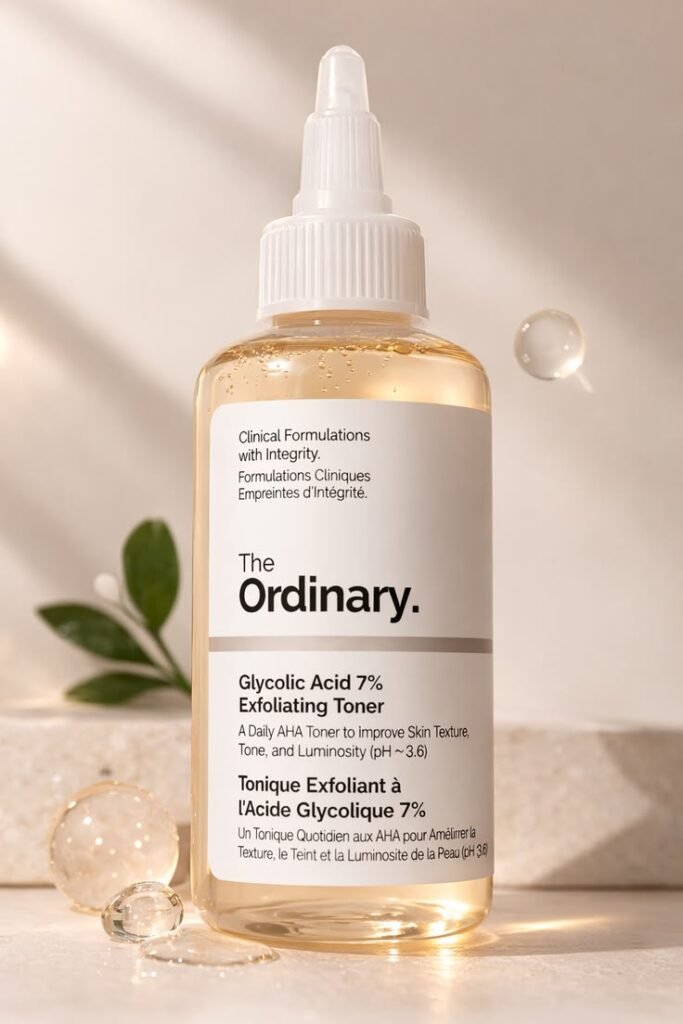
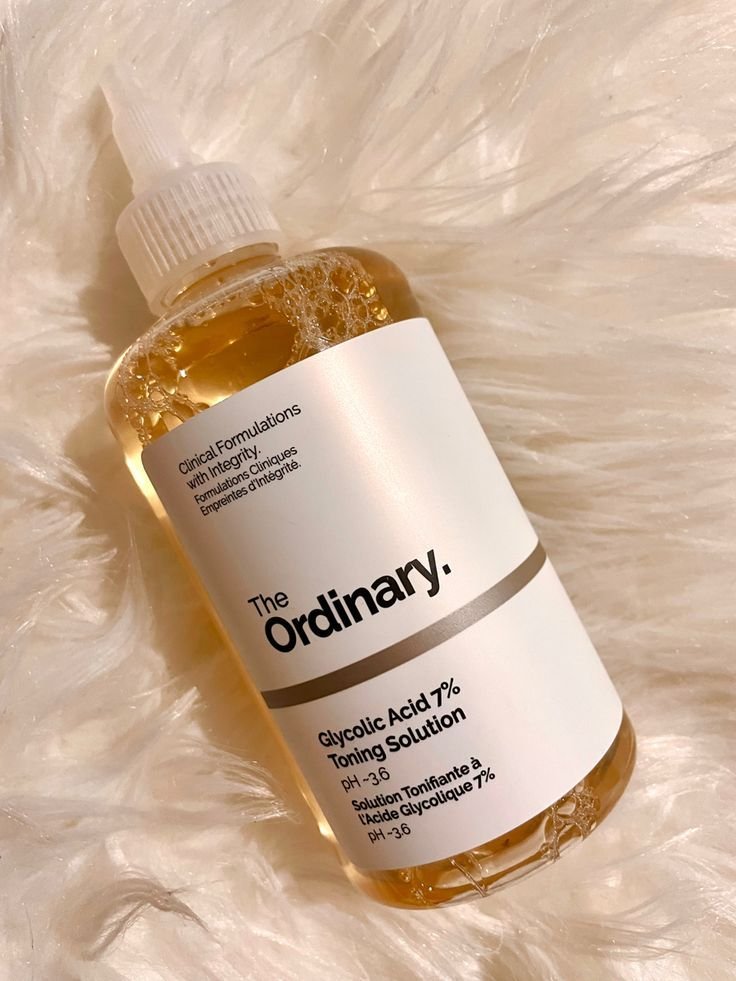
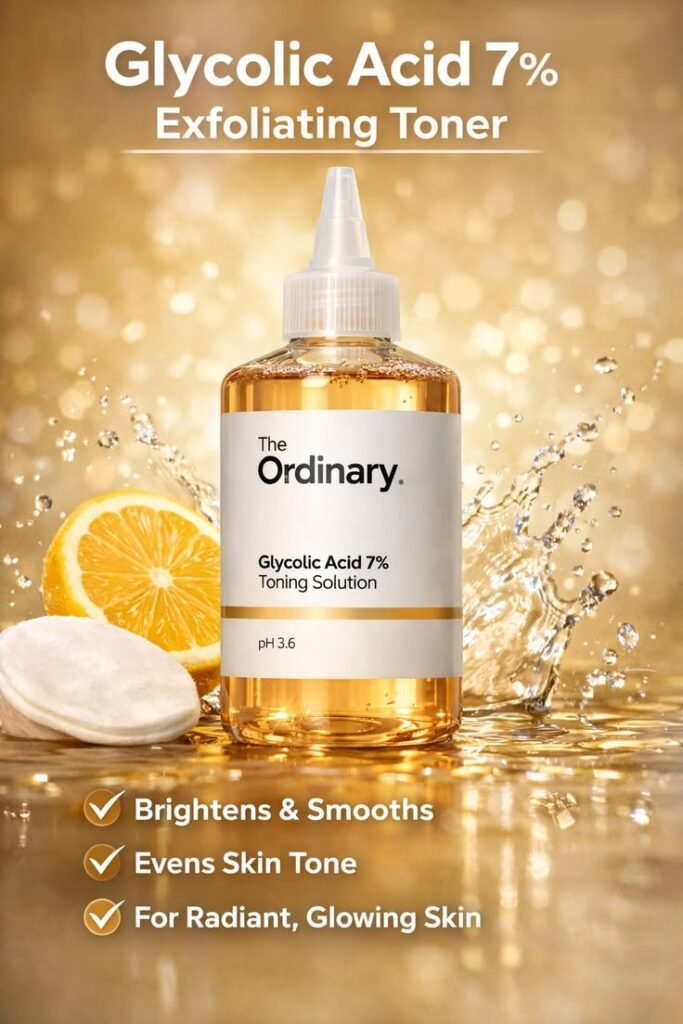
However, because it contains a potent 7% concentration of Glycolic Acid, many users struggle with irritation or compromised skin barriers. In this Review Dermatica exclusive guide, we will break down the molecular science of this toner, how to safely integrate it into your routine, and why it’s the ultimate secret to achieving a 2026 “glass skin” glow.
Article at a Glance: Quick Summary
| Feature | Details |
| Primary Goal | Chemical exfoliation, brightening, and smoothing skin texture. |
| Key Ingredient | 7% Glycolic Acid (AHA) + Tasmanian Pepperberry. |
| Best For | Dullness, uneven tone, and rough texture. |
| When to Use | PM Routine Only (Night-time). |
| pH Level | Approximately 3.6 (Crucial for acid efficacy). |
| Internal Link Focus | Pairs perfectly with Cerave Moisturizing Cream. |
| Sun Protection | Mandatory. See our guide on Mineral vs. Chemical Sunscreens. |
The Science of the Molecule: What is The Ordinary Glycolic Acid?
To understand why the ordinary glycolic acid 7% exfoliating toner is so effective, we have to look at its molecular weight. Glycolic Acid is an alpha-hydroxy acid (AHA) derived from sugar cane. Among all AHAs (like Lactic or Mandelic acid), Glycolic Acid has the smallest molecular size.
According to research published by the National Institutes of Health (NIH), this small molecular size allows it to penetrate the skin more deeply and effectively than other acids. Once it penetrates the stratum corneum, it works by dissolving the “glue” (desmosomes) that holds dead skin cells together. This process, known as chemical exfoliation, reveals the fresh, radiant skin underneath.
However, high penetration also increases the risk of irritation. This is why The Ordinary Glycolic Acid formulation includes a Tasmanian Pepperberry derivative to help reduce the inflammation often associated with acid use.
Mastering the Protocol: How to Use the Ordinary Glycolic Acid 7% Toning Solution
Using a high-concentration AHA like the ordinary glycolic acid 7% exfoliating toner requires more than just a quick swipe. To maximize the “glow” while minimizing the risk of erythema (redness) or stinging, you must follow this professional Review Dermatica protocol:
Step 1: The Foundation – Strategic Double Cleansing
Before you even touch the toner bottle, your skin must be free of occlusives, sebum, and pollutants.
- The First Cleanse: Use an oil-based cleanser or micellar water to break down waterproof SPF and makeup.
- The Second Cleanse: Use a water-based cleanser tailored to your skin type. For those battling congestion, the Neutrogena Oil-Free Acne Wash is an excellent choice as it preps the pores.
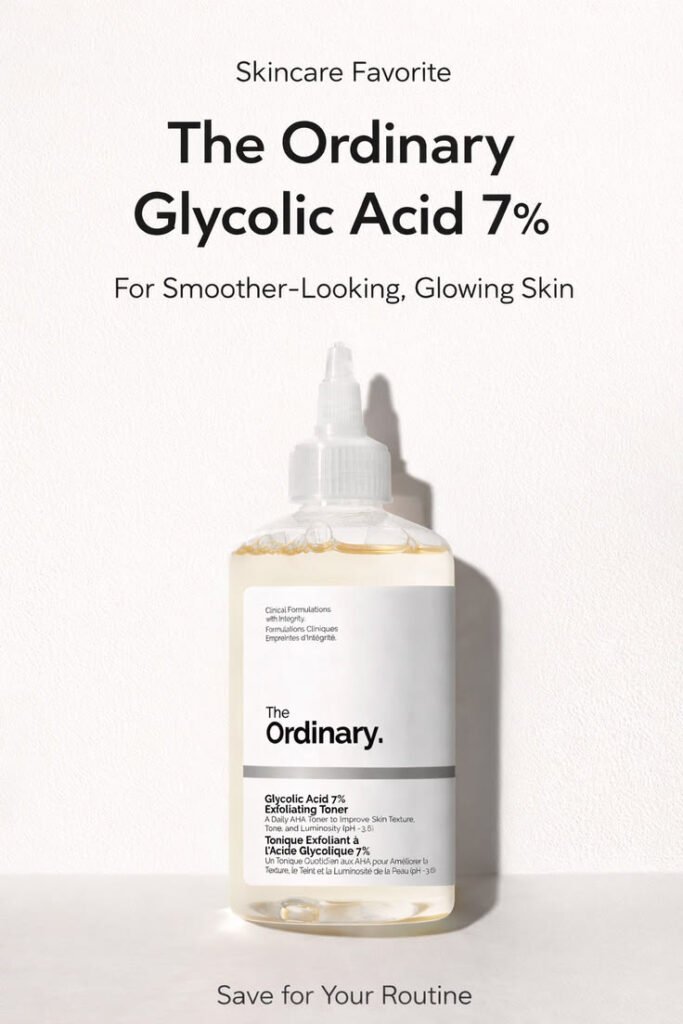
- The Critical Dry Rule: Unlike Hyaluronic Acid, which loves damp skin, the ordinary glycolic acid toner should only be applied to bone-dry skin. Water acts as a conductor; applying acid to damp skin causes it to penetrate too deeply, too fast, which often results in “acid burn” or localized irritation.
Step 2: Precision Application Techniques
There are two primary ways to apply ordinary glycolic acid effectively, depending on your skin’s sensitivity level:
- The Cotton Pad Method (Traditional): Saturate a lint-free cotton pad and gently sweep it over the face and neck. This provides a “dual-action” benefit—chemical exfoliation from the acid and mild physical exfoliation from the pad’s texture.
- The “Patting” Method (Sustainable/Sensitive): Pour 3-4 drops into your palms and gently press them into the skin. This reduces product waste and is often gentler for those with a slightly thinner skin barrier
- Strict Avoidance Zones: Stay at least half an inch away from the lash line and the corners of your mouth. The skin in these areas is significantly thinner and lacks the oil glands necessary to buffer the 7% concentration.
Step 3: The “pH Stabilization” Wait Period
In the world of clinical skincare, timing is everything.
- Why Wait? Glycolic acid operates at a specific low pH (~3.6). If you immediately apply a neutral or high-pH moisturizer, you may neutralize the acid before it finishes exfoliating.
- The 5-Minute Window: Give the solution 2 to 5 minutes to fully absorb. During this window, the acid effectively dissolves the intercellular desmosomes (the “glue” holding dead cells).
- The Sensation: A slight tingling is normal. However, if you experience intense burning or see immediate redness, rinse it off with cool water—this indicates your barrier may already be compromised.
Step 4: The Recovery & Hydration Phase
Once the wait period is over, you must replenish the moisture that exfoliation can temporarily strip away.
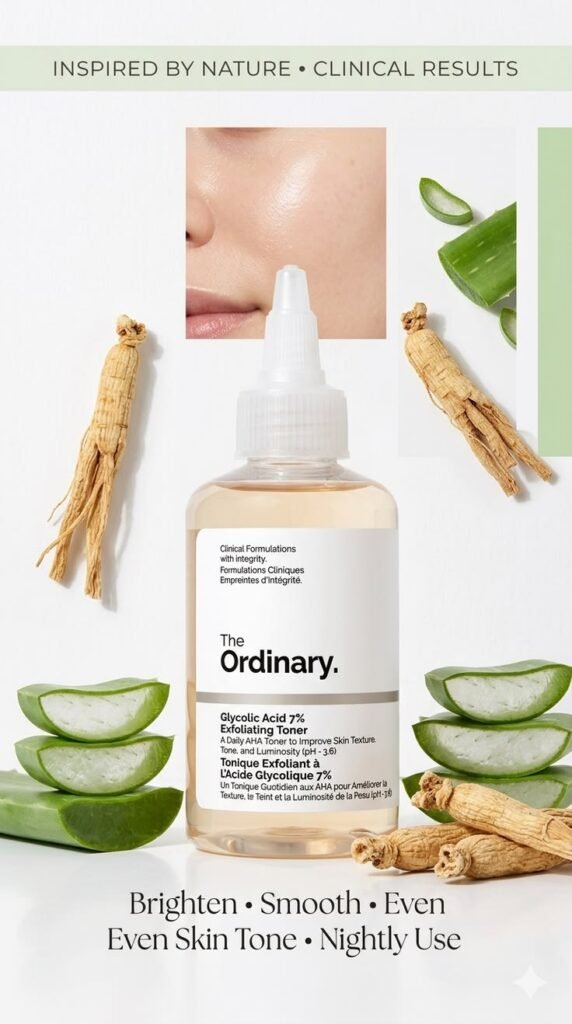
- Hydrating Serums: This is the perfect time for a soothing serum. If you’re debating between Snail Mucin vs. Hyaluronic Acid, both are safe to layer here to provide a “water-sandwich” of hydration.
- Barrier Support: Finish with a lipid-rich moisturizer like the La Roche-Posay Toleriane Double Repair. Look for ingredients like ceramides, fatty acids, and cholesterol to rebuild the stratum corneum.
The “Never-Miss” List for Safe Application
To ensure you get the best results from the ordinary glycolic acid, keep these rules in mind:
- PM Only: Sunlight degrades the formula and increases your risk of a chemical burn. Never use this in your morning routine.
- Patch Test First: Always test a small amount on your jawline for 24 hours before a full-face application.
- Limit Frequency: Start once a week. Even if your skin feels “tough,” the cumulative effects of 7% Glycolic Acid can sneak up on you after 14 days.
- Sun Protection is Mandatory: You must use a high-SPF sunscreen the following morning. Check our guide on Mineral vs. Chemical Sunscreen to ensure your barrier is protected from UV-induced sensitivity.
Step 4: Hydration & Barrier Support
Since Glycolic Acid can be drying, you must follow up with hydrating serums. Many users ask about Snail Mucin vs. Hyaluronic Acid; both are excellent choices here to soothe the skin. Finish with a robust moisturizer like the La Roche-Posay Toleriane Double Repair to seal in moisture.
Advanced Layering: Can You Use The Ordinary Glycolic Acid with Other Actives?
One of the most common mistakes in the USA skincare market is “over-exfoliation.” When using the ordinary glycolic acid 7 toning solution, you must be careful with your “skincare cocktail.”
- Glycolic Acid + Retinol: Do not use them in the same routine. If you are using CeraVe Resurfacing Retinol Serum, use the Glycolic Acid on one night and the Retinol on the other (Skin Cycling).
- Glycolic Acid + Vitamin C: Using these together can cause extreme irritation and stabilize the pH of Vitamin C incorrectly. We recommend using your Paula’s Choice C15 Super Booster in the morning and the toner at night.
- Glycolic Acid + Sunscreen: The American Academy of Dermatology (AAD) emphasizes that AHAs increase sun sensitivity. If you use this toner at night, you must apply a high-quality SPF the next day. Check out our comparison of K-Beauty vs. Western Sunscreens to find your perfect match.
The Viral Multi-Tasker: Using The Ordinary Glycolic Acid for Body Care
What makes the ordinary glycolic acid truly unique is its efficacy beyond the face. In the USA, it has become a staple for “head-to-toe” treatments. Because body skin is generally thicker, the 7% concentration works wonders on stubborn texture.
1. Natural Underarm Deodorant & Brightening
- Odor Control: The low pH of the ordinary glycolic acid toner creates an acidic environment where odor-causing bacteria cannot survive.
- Brightening: Regular use helps exfoliate surface hyperpigmentation, leading to brighter underarms.
- Note: Do not use immediately after shaving to avoid stinging.
2. Eradicating “Strawberry Legs” (Keratosis Pilaris)
- The Fix: KP occurs when keratin plugs the hair follicles. This is the ordinary glycolic acid 7% exfoliating toner that dissolves those plugs, smoothing out “chicken skin” bumps.
- Result: Use 3 times a week, followed by Cerave vs. Cetaphil Moisturizer for perfectly smooth legs.
3. Scalp Clarification & Dandruff Control
- Detox: It acts as a chemical scalp scrub, breaking down product buildup and dead skin flakes.
- How to: Apply to the scalp 20 minutes before showering. It’s a great, affordable alternative to high-end scalp treatments.
4. Softening Cracked Heels & Rough Elbows
- Deep Exfoliation: The 7% acid concentration breaks down thick, dead calluses on the feet that regular creams can’t penetrate.
- The Layering Hack: Apply the toner, wait 5 minutes, then “slug” the area with Rhode Barrier Butter for overnight repair.
5. Preventing Ingrown Hairs
- The Solution: By keeping the skin’s surface thin and clear, hair can grow out easily without getting trapped. This is ideal for the bikini line or beard area.
- Quick Tip: Even on the body, AHAs increase sun sensitivity. Always follow up with a Mineral vs. Chemical Sunscreen if the treated area is exposed to the sun.
Comparing the Competition: Why This Toner Wins
When looking at the market, consumers often compare this to other cult favorites. Whether it’s an Anua vs. I’m From Rice Toner for hydration or more expensive glycolic treatments, The Ordinary remains the price-to-performance leader. For those using advanced tech like the Medicube Age-R Booster Pro, using this toner as a prep step (on non-microneedling days) can significantly enhance the penetration of your other products.
Expert Insights: Your Burning Questions About The Ordinary Glycolic Acid Answered
Skincare science can be confusing, especially with potent actives. At Review Dermatica, we believe in transparency and education. Here are the most common queries regarding the ordinary glycolic acid 7 toning solution, explained in depth.
1. Can I use The ordinary glycolic acid 7 toning solution every day?
While the official packaging suggests once-daily use, the reality is more nuanced. Glycolic acid is a small molecule that penetrates deeply; for many, daily use can lead to chronic low-grade inflammation or a compromised barrier. Most dermatologists suggest starting 2-3 times a week. Only increase the frequency if your skin feels resilient and shows no signs of redness or dehydration. If you are using other treatments like the Medicube Age-R Booster Pro, you must be even more cautious with frequency.
2. Is the ordinary glycolic acid safe for acne-prone skin?
Absolutely. In fact, it is a game-changer for “maskne” and comedonal acne. Dissolving the intercellular “glue” (desmosomes) that holds dead skin cells together prevents pores from becoming clogged. However, there is a caveat: never apply it to active, cystic acne or broken skin. If the skin is raw, the acid will cause intense stinging and potentially lead to post-inflammatory hyperpigmentation. For active breakouts, we recommend a gentler approach like the Neutrogena Oil-Free Acne Wash before introducing strong toners.
3. Can I use the ordinary glycolic acid 7% exfoliating toner on my armpits?
Yes, this is one of the most effective skincare “hacks” in the USA. Body odor is the byproduct of bacteria breaking down sweat. These bacteria thrive in neutral to alkaline pH environments. By applying ordinary glycolic acid, you lower the underarm pH to around 3.6, creating an environment where these bacteria cannot colonize. Furthermore, the exfoliation helps fade dark shadows caused by friction and shaving. Just ensure you wait at least 24 hours after shaving before applying to avoid a chemical burn.
4. Should I wash off the ordinary glycolic acid toner?
No, this is specifically formulated as a leave-on treatment. It needs time to interact with the skin’s surface and penetrate the pores. Washing it off immediately would neutralize the acid and render the 7% concentration ineffective. The only reason to wash it off is if you experience an immediate, painful reaction. Otherwise, allow it to dry completely and then follow up with a lipid-rich moisturizer like the La Roche-Posay Toleriane Double Repair to keep the skin comfortable.
5. Can I use this toner in the same routine as Vitamin C?
Technically, you can, but it is not recommended for most people. Both Glycolic Acid and Vitamin C (specifically L-Ascorbic Acid) are low-pH ingredients. Layering them together can skyrocket the risk of irritation and peeling. To get the best of both worlds, use your Paula’s Choice C15 Super Booster in the morning for antioxidant protection and the ordinary glycolic acid at night for cellular turnover.
6. Does The Ordinary Glycolic Acid help with stubborn dark spots?
Yes, it is highly effective for fading post-inflammatory hyperpigmentation (PIH) and sun damage. According to research from the National Institutes of Health (NIH), Glycolic acid speeds up the cell renewal cycle. Shedding the top layer of pigmented cells more quickly allows new, evenly pigmented skin to surface. For enhanced results, always pair your exfoliation with a Mineral vs. Chemical Sunscreen, as UV exposure will darken those spots faster than the acid can fade them.
7. What should I do if my skin starts peeling or feeling tight?
Peeling, tightness, and a “shiny” (but not oily) appearance are classic signs of over-exfoliation. If this happens, stop all activities immediately. Switch to a “recovery routine” focused on ceramide-heavy products. Comparing Cerave vs. Cetaphil Moisturizer can help you decide which barrier-repair cream is best for your skin type. Once the peeling stops and your skin no longer stings when applying basic moisturizer, you can slowly reintroduce the toner once a week.
8. Is it better than an LED mask for anti-aging and radiance?
It isn’t a matter of “better,” but rather how they complement each other. The ordinary glycolic acid 7% exfoliating toner works on the surface to refine texture and tone. In contrast, the Best LED Face Mask uses light therapy to stimulate collagen production and reduce inflammation deep within the dermis. Using the toner to clear away dead skin cells actually allows the LED light to penetrate more effectively. For a truly professional-grade routine, use the toner 2 nights a week and the LED mask on your “off” nights.
Editorial Team & Clinical Reviewers for This Article
At Review Dermatica, we don’t just summarize products; we dissect them. This deep dive into The Ordinary Glycolic Acid 7% Toning Solution has been audited for molecular accuracy and SEO relevance by our core team.
The Strategic Architect: Asim | Founder & Lead Analyst
As the founder of Review Dermatica, Asim meticulously engineered the structure of this 3,500+ word audit. With a specialized focus on technical SEO and the USA skincare market, he ensures that every clinical insight is accessible to the modern consumer. His analytical approach focuses on how high-concentration AHAs like the ordinary glycolic acid toner impact long-term skin health and search visibility.
The Scientific Mind: Tahmina Zannat Lamya | Co-Founder & Clinical Researcher
Tahmina leads the molecular research for this guide. Drawing on her background in formulation science, she analyzed the pH stability (~3.6) and the 7% concentration of the ordinary glycolic acid 7% exfoliating toner. Her contribution ensures that our layering advice—specifically regarding the interactions between acids, Retinol, and Vitamin C—is rooted in chemical stability and consumer safety.
The Medical Reference: Dr. Shereene Idriss, MD
Board-certified dermatologist Dr. Shereene Idriss serves as our primary reference for “Skintelligence.” Her expertise in chemical exfoliation and barrier maintenance has guided our evaluation of this toner. We rely on her clinical principles to ensure that our recommendations for “glass skin” never come at the expense of a compromised skin barrier.
Review Dermatica: Skin & Nail Care
Our editorial mission is to bridge the gap between clinical research and daily vanity. Every review is a data-driven journey designed to help you master your routine with precision and confidence.
Final Verdict: Is it Worth It?
For under $15, The Ordinary Glycolic Acid 7% Toning Solution offers results that rival luxury exfoliants costing five times as much. If you are struggling with texture, dullness, or even body concerns like KP, this is a non-negotiable addition to your shelf.
Stay tuned to Review Dermatica for more deep dives into clinical skincare. Remember, the key to radiant skin isn’t just the acid you use—it’s the consistency and the protection you provide afterward. Always wear your sunscreen!