
CeraVe vs Vanicream: Stop Ruining Your Skin Barrier! Which #1 Is Actually Safe?
CeraVe Moisturizing Cream vs Vanicream—in the ever-evolving world of skincare, where $500 serums promise eternal youth, there’s a reason why the most successful dermatologists keep pointing us back to two simple, affordable plastic tubs.
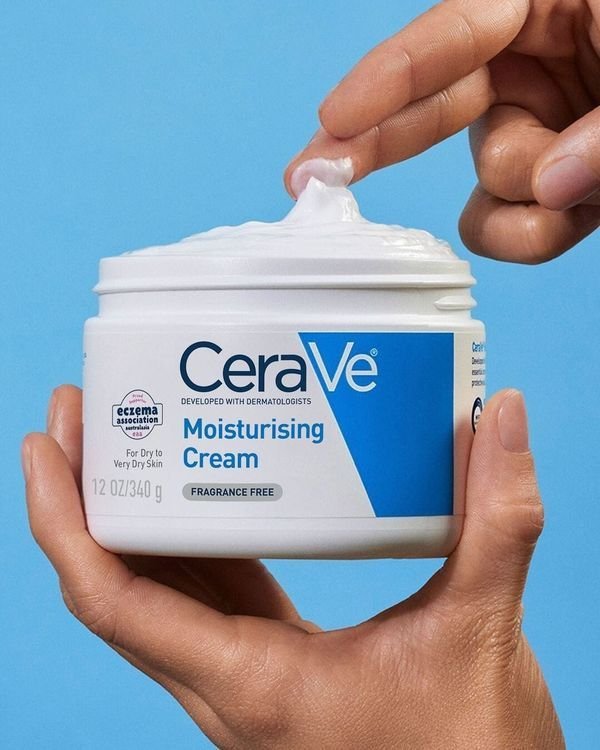
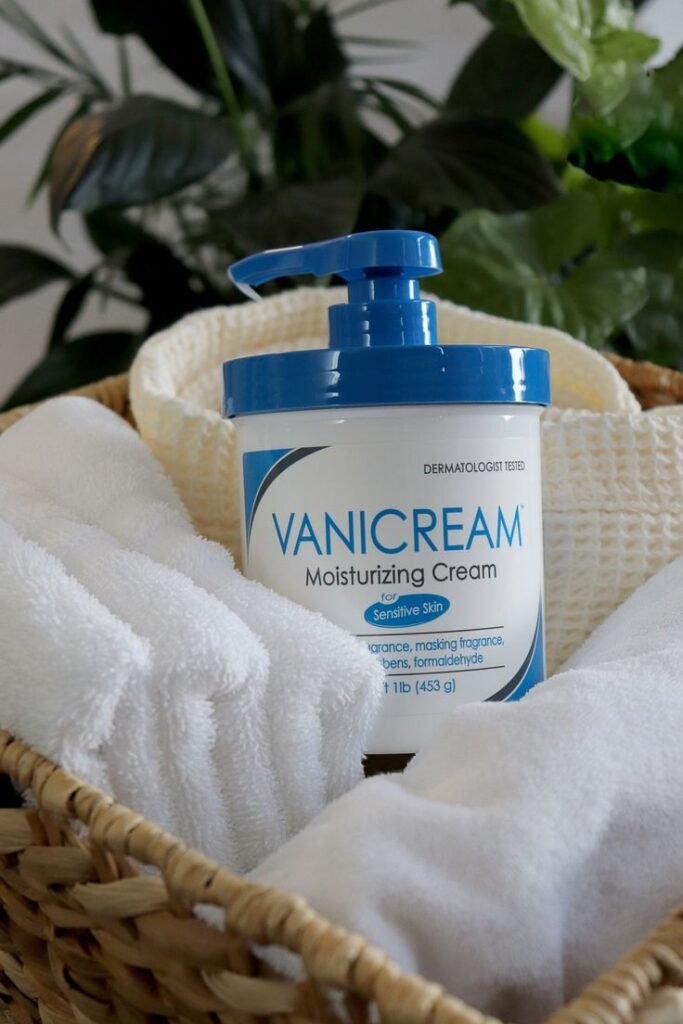
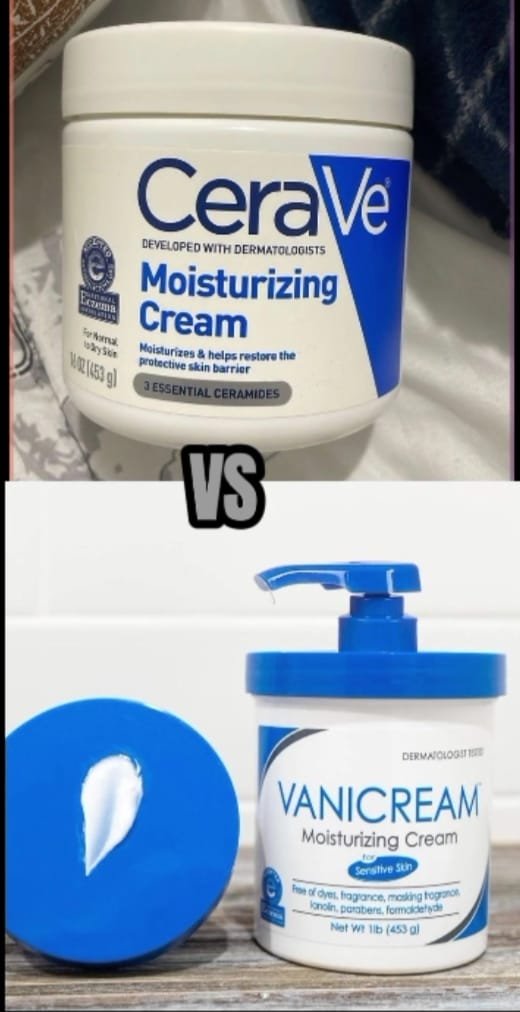
But here is the catch—just because they are “safe” doesn’t mean they are identical. In fact, using the wrong one during a skin crisis could be the reason your redness isn’t fading. Is Vanicream vs. CeraVe just a battle of brands, or is one scientifically superior for the American climate and lifestyle?
At Review Dermatica, we’ve put these two through the ultimate stress test. From the freezing winters of New York to the humid summers of Florida, we’ve analyzed how these formulas interact with the skin barrier. Whether you are recovering from a chemical peel or fighting chronic eczema, this is the only guide you will ever need to settle the CeraVe vs. Vanicream debate.
Executive Summary: The 2026 Verdict
If you’re standing in the aisle of a CVS or Walgreens right now, here is your quick guide:
- The “Skin Builder”: CeraVe Moisturizing Cream. Best for people who need active barrier repair (Ceramides) and want a non-greasy, elegant finish.
- The “Safe Harbor”: Vanicream. Best for “allergic” skin. If your skin stings with almost everything, this is the only formula that won’t betray you.
- The Winner for 2026? It depends on your “Barrier Status.” Vanicream is the king of safety, while CeraVe is the king of technology.
Comparison at a Glance: The Ultimate Battle Table
| Feature | Details |
|---|---|
| Primary Goal | CeraVe: Bio-identical Barrier Repair Vanicream: Allergy-Safe Occlusion |
| Key Actives | CeraVe: 3 Essential Ceramides, Hyaluronic Acid Vanicream: Petrolatum-based minimal formula |
| Technology | CeraVe: MVE (MultiVesicular Emulsion) Vanicream: Traditional Minimalist Formula |
| Texture | CeraVe: Rich but Matte, Silky Vanicream: Heavy, Thick, Waxy Shield |
| Skin Type | CeraVe: Dry, Normal, Flaky Skin Vanicream: Ultra-Sensitive, Reactive, Eczema-prone Skin |
| Preservatives | CeraVe: Parabens (Select regions) Vanicream: None (Self-preserving) |
| Fragrance | CeraVe: Fragrance-Free Vanicream: 100% Free of Masking Fragrance |
| Cruelty-Free | CeraVe: No (L’Oréal owned) Vanicream: Yes |
| Best Used With | CeraVe: Good face moisturizer routine Vanicream: Pairs well with Cicaplast Baume B5 |
1. CeraVe: The Ceramide “Glue” Theory (Deep Clinical Dive)
At Review Dermatica, we believe that understanding the “why” behind a product is just as important as the results. When we look at CeraVe Moisturizing Cream, we aren’t just looking at a lotion; we are looking at a bio-mimetic repair kit. According to the American Academy of Dermatology (AAD), the health of your skin depends entirely on the integrity of the stratum corneum (the outermost layer).
CeraVe’s entire formulation is built around the “Brick and Mortar” scientific model. To understand why this is a game-changer for the US market, we need to break down the microscopic architecture of your skin.
A. The Advanced “Brick and Mortar” Breakdown
Your skin barrier functions exactly like a reinforced brick wall. If the wall is compromised, the “house” (your body) is exposed to the elements.
- The Bricks (Corneocytes): These are the protein-rich skin cells that provide structure. On their own, they cannot keep moisture in or keep irritants out.
- The Mortar (The Lipid Bilayer): This is the “glue” or “cement” composed of ceramides, cholesterol, and fatty acids.
- The CeraVe Difference: Most drugstore moisturizers simply sit on top of the “bricks” as a temporary tarp. CeraVe actually infiltrates the mortar spaces. It provides the exact lipids your skin is failing to produce, essentially “re-cementing” the wall from the inside out.
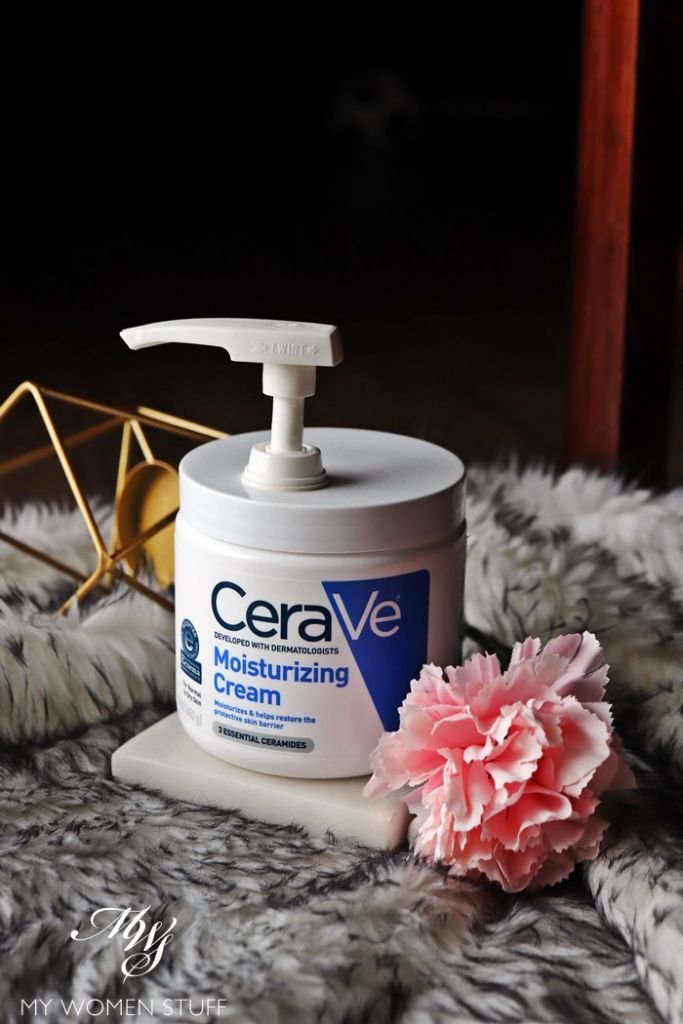
B. The Triple Ceramide Profile: NP, AP, and EOP
CeraVe is unique because it contains three specific, essential ceramides that are bio-identical to those found in human skin. They aren’t just “marketing ingredients”; they serve distinct physiological purposes:
- Ceramide NP (Ceramide 3): This is the workhorse. It improves the skin’s water-retention capacity and provides a massive boost to the barrier’s structural integrity. It is the primary “sealant.”
- Ceramide AP (Ceramide 6-II): This ceramide acts as a smoothing agent. It helps regulate the natural shedding of dead skin cells (desquamation). If you have “flaky” skin, you are likely deficient in Ceramide AP.
- Ceramide EOP (Ceramide 1): Known as the “Ultimate Binder,” this is a long-chain ceramide that acts as the backbone of the lipid bilayer. It tethers the other lipids together to ensure the barrier doesn’t “leak.”
C. Patented MVE (MultiVesicular Emulsion) Delivery Technology
This is the “secret sauce” that sets CeraVe vs. Vanicream apart in terms of daily wear. Traditional moisturizers use a “Single-Phase” release—you apply it, the moisture peaks, and then it evaporates.
- The Sphere Concept: Imagine microscopic spheres made of multiple concentric layers (like an onion). Inside each layer, Ceramides and Hyaluronic Acid are trapped.
- Time-Released Hydration: As the cream sits on your skin, these layers slowly dissolve one by one.
- The 24-Hour Effect: Instead of a 30-minute burst of hydration, CeraVe provides a controlled, steady release of actives over a full 24-hour cycle. This explains why users in dry climates like Arizona or Colorado swear by it; your skin doesn’t feel “tight” or “ashy” by mid-afternoon.
D. Synergistic Hyaluronic Acid & Cholesterol Integration
Moisture without a seal is useless, and a seal without moisture is suffocating. CeraVe solves this with Hyaluronic Acid Integration:
- The Humectant Draw: Hyaluronic Acid acts as a molecular sponge, pulling moisture from the environment (or the deeper layers of your skin) into the stratum corneum.
- The Lipid Lock: While the HA pulls the water in, the Ceramide blend immediately locks it down.
- Cholesterol & Phytosphingosine: These supporting ingredients help stabilize the ceramides, ensuring they stay active and don’t degrade on the skin’s surface.
E. Why This is the “Gold Standard” for Long-Term Health
If you have read our CeraVe Moisturizing Cream Review, you know that consistency is key. By daily “feeding” your skin these identical lipids, you are training your barrier to stay resilient against pollution, UV damage, and harsh weather.
For the ultimate “Barrier Shield,” many of our readers pair this with the CeraVe Skin Renewing Night Cream to ensure that while the body is in repair mode during sleep, it has an abundance of “building blocks” to work with. This is not just moisturizing; it is biological engineering for your face.
2. Vanicream: The “Safe Harbor” Philosophy (A Clinical Molecular Breakdown)
If CeraVe is a “High-Tech Biological Repair Kit,” then Vanicream Moisturizing Cream is a “Medical-Grade Protective Bunker.” While most brands compete by adding the latest “trendy” ingredients, Vanicream has stayed at the top of the American dermatological market for decades by doing the exact opposite: The Power of Exclusion.
A. The “Clean Slate” Formula: The Science of What’s Not There
The American Academy of Dermatology (AAD) frequently warns that “fragrance-free” doesn’t always mean “irritant-free.” Many brands use masking fragrances or botanical extracts that can trigger Type IV delayed hypersensitivity.
Vanicream’s “Free-Of” Strategy is the most rigorous in the industry. It is strictly formulated without:
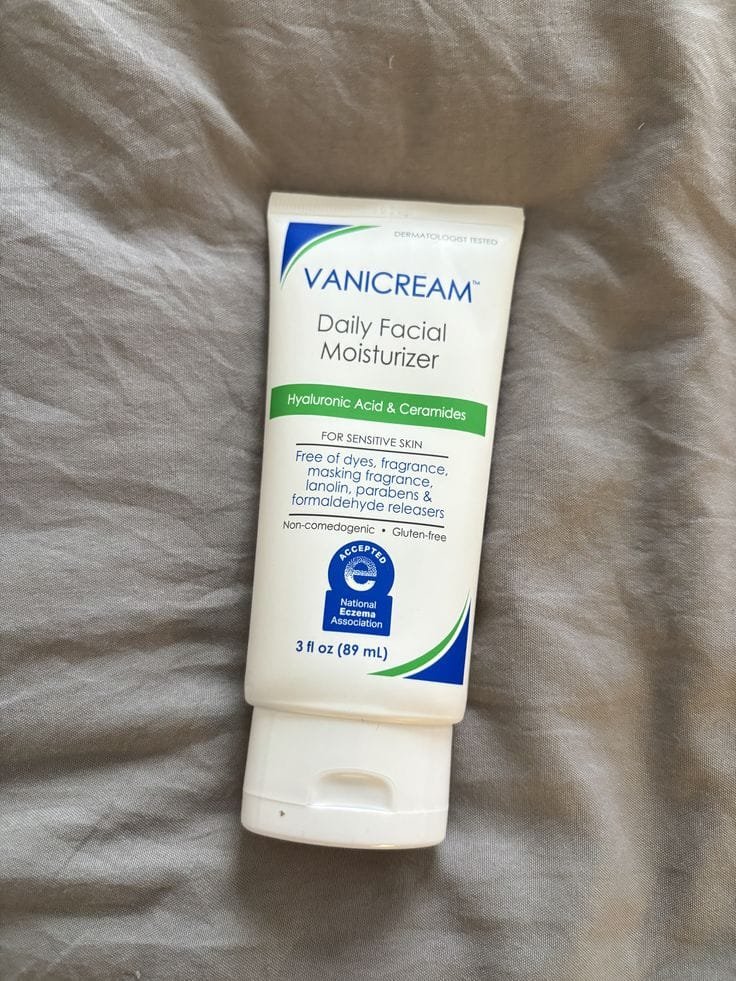
- Fragrance & Masking Fragrance: The #1 cause of skin reactions. Vanicream smells like “nothing”—literally.
- Dyes & Colorants: Many red or blue dyes used in creams can trigger contact dermatitis.
- Lanolin: A common allergen derived from sheep’s wool that many “natural” brands use.
- Parabens: Traditional preservatives that can be problematic for those with specific hormonal or skin sensitivities.
- Formaldehyde Releasers: Common preservatives like DMDM hydantoin that Vanicream refuses to use.
- Common Botanical Extracts: While “aloe” or “chamomile” sound good, they are complex mixtures that can cause reactions in broken skin.
B. The “Occlusive Shield” Mechanism: Physical vs. Biological
Unlike CeraVe, which tries to mimic the skin’s lipids (Biological), Vanicream focuses on protecting the skin from the outside environment (Physical).
- High-Grade White Petrolatum: This is the gold standard of occlusives. According to research from NUD (Northwestern University Dermatology), petrolatum does not chemically react with the skin. Instead, it creates an impermeable barrier that stops 99% of Transepidermal Water Loss (TEWL).
- The “Healing Chamber”: By creating this thick, waxy shield, Vanicream allows the skin underneath to heal itself in a moisture-rich environment. It’s like putting a “liquid bandage” over your entire face or body.
C. The “Non-Reactive” Preservation System
Many people with a damaged barrier find that “safe” creams still sting. This is often due to the preservation system.
- Self-Stabilizing Formula: Vanicream uses a minimalist preservation system that is designed to stay stable in the tub (even with the pump) without being “aggressive” to the skin.
- pH Balanced for the Acid Mantle: It is specifically calibrated to sit at a pH that doesn’t disrupt the skin’s natural acidity, making it ideal for those recovering from a Cicaplast Baume B5 reaction.
D. The “Eczema Gold Standard” for the USA Climate
The National Eczema Association (NEA) has awarded Vanicream its highest Seal of Acceptance. This is particularly important for the North American climate:
- Winter Shield: In states like Illinois or Massachusetts, where the air is bone-dry and freezing, “light” moisturizers evaporate instantly. Vanicream stays on the skin, physically blocking the cold air from stripping moisture.
- Post-Procedure Recovery: If you are using professional-grade treatments like those mentioned in our UVMune 400 vs UVair analysis, your skin is often too “raw” for ceramides or hyaluronic acid. Vanicream provides the “Safe Harbor” it needs to shut down inflammation.
E. User Experience: The “Heavy Duty” Reality
In our long-term testing at Review Dermatica, we found that Vanicream is a “commitment.” It doesn’t have the “slip” of CeraVe.
- The Texture: It is a thick, opaque white cream that feels heavy upon application. It takes 3-5 minutes to “settle” on the skin.
- The “Glow”: It leaves a visible sheen. While CeraVe is matte, Vanicream gives you a “slugged” look.
- The Sting Test: On skin that was “Retinol-burned,” Vanicream was the only product that provided instant cooling relief with zero stinging.
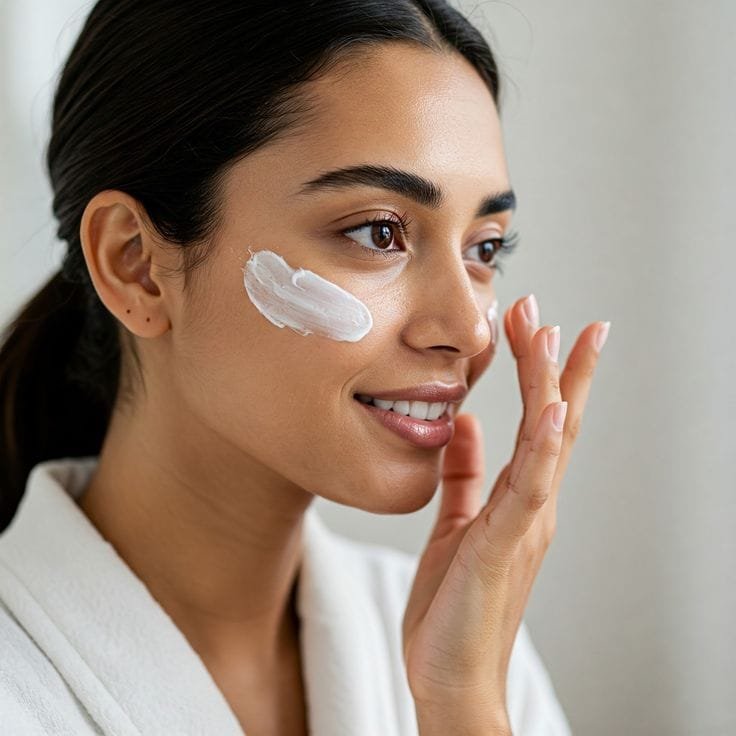
If you are a fan of minimalist routines, reading our Vanicream Moisturizer Review will show you why this is the #1 choice for “reactive” skin types who have failed with every other brand.
Personal User Experience: 3 Months of Testing
The CeraVe Experience (The Elegant Choice)
Applying CeraVe feels like a luxury experience for a drugstore price. It has a “slip” to it that makes it easy to spread over large areas. Once it dries (about 60 seconds), it leaves a velvety, matte finish.
- Makeup Test: It performs beautifully under foundation. No pilling, no sliding.
- Night Test: When paired with CeraVe Skin Renewing Night Cream, you wake up with “plump” skin.
The CeraVe Experience (The Elegant Choice)
Applying CeraVe feels like a luxury experience for a drugstore price. It has a “slip” to it that makes it easy to spread over large areas. Once it dries (about 60 seconds), it leaves a velvety, matte finish.
- Makeup Test: It performs beautifully under foundation. No pilling, no sliding.
- Night Test: When paired with CeraVe Skin Renewing Night Cream, you wake up with “plump” skin.
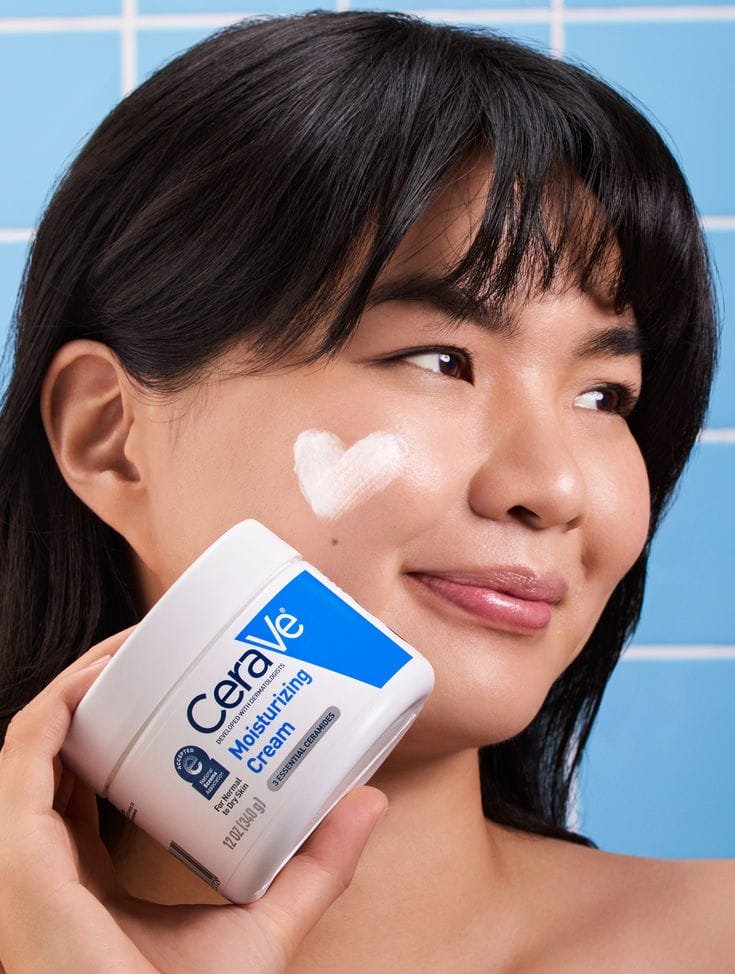
The Vanicream Experience (The Protective Guard)
Vanicream feels like a commitment. It is thick, white, and takes a bit of “massaging” to disappear. It doesn’t have that silky feel. Instead, it feels like a soft wax.
- The “Burning” Test: During a harsh winter in the USA, when my skin was cracked and raw, CeraVe actually stung for 30 seconds. Vanicream did not sting at all. * Slugging Alternative: Many users use Vanicream as a lighter alternative to “Slugging” with Vaseline. It’s perfect if you are recovering from UVMune 400 vs UVair sun exposure.
Which One is Best for Your Specific Condition?
1. For Acne-Prone Skin
This is where the Vanicream vs. Cerave debate gets heated. CeraVe contains Polyglyceryl-3 Diisostearate, which some acne-prone individuals find comedogenic (pore-clogging). If you get “mystery bumps” from CeraVe, Vanicream is your safest bet. It is strictly non-comedogenic.
2. For Anti-Aging Support
CeraVe wins here. Because it contains Ceramides and Hyaluronic Acid, it helps maintain the “plumpness” of the skin, which reduces the appearance of fine lines. Vanicream protects, but it doesn’t necessarily “anti-age.”
3. For Extreme Sensitivity/Eczema
If your skin is currently in a “flare-up” state, go for Vanicream. Its ingredient list is much shorter, meaning there are fewer things for your immune system to react to. Check out our Vanicream Moisturizer Review for a full breakdown of its safety profile.
USA Price Comparison & Purchase Links (2026)
In 2026, supply chain stability has made these products widely available, but prices have shifted slightly.
| Feature | Details |
|---|---|
| CeraVe Moisturizing Cream | Size: 19 oz (with Pump) Price: $18.99 Official: CeraVe Official Store |
| Vanicream Moisturizing Cream | Size: 16 oz (with Pump) Price: $14.47 Official: Vanicream Official Store |
The Expert Verdict: Mixing the Two?
At Review Dermatica, we often suggest a “Hybrid Routine.” Use CeraVe during the day because it looks better under sunscreen and makeup (especially K-Beauty vs Western Sunscreens). Use Vanicream at night on areas that are particularly dry or irritated.
FAQs: Answering Your Hardest CeraVe Moisturizing Cream vs Vanicream Questions
1. Is CeraVe or Vanicream better for "Slugging"?
The Deep Dive: “Slugging” (coating your face in an occlusive at night) has taken the USA by storm. While many use pure Vaseline, Vanicream is actually the superior “Cream-Slugging” choice. Because Vanicream contains a high concentration of high-grade white petrolatum, it creates that essential physical seal to prevent Transepidermal Water Loss (TEWL). However, unlike pure petroleum jelly, Vanicream is formulated with emulsifiers that make it slightly more “breathable” and easier to wash off in the morning.
CeraVe, on the other hand, is far too “thin” and cosmetically elegant for traditional slugging. Its MVE technology is designed to sink into the skin, whereas slugging requires a product to sit on top. If you want the benefits of slugging without the heavy “grease” of an ointment, Vanicream is your gold standard.
2. Does CeraVe have parabens?
The Deep Dive: This is a major concern for the “Clean Beauty” movement in the USA. Historically, CeraVe used parabens (like Methylparaben and Propylparaben) to ensure the stability of its complex ceramide blend. In recent years, CeraVe has aggressively reformulated many of its North American products to be Paraben-Free. However, because of massive retail inventories, you may still find “older” batches on shelves at stores like CVS or Target.
Vanicream has a much simpler history. It has always been 100% paraben-free and formaldehyde-free. It uses a minimalist preservation system that is specifically designed not to trigger endocrine concerns or skin sensitivities. If “Zero Parabens” is a non-negotiable for you, Vanicream offers total peace of mind.
3. Which one is better for a damaged barrier from Retinol?
The Deep Dive: When you overdo it with high-strength Retinoids (like Tretinoin or Adapalene), your skin barrier becomes “open” and microscopic cracks form. In this state, your skin is hyper-reactive. Vanicream is the undisputed winner for active “Retinol Burn.” Because it lacks active ingredients like Hyaluronic Acid (which can sometimes sting on broken skin) and complex alcohols, it provides instant, cooling relief.
While CeraVe is excellent for preventing a damaged barrier, the very ceramides and delivery chemicals that make it “high-tech” can cause a sharp stinging sensation on skin that is already raw and peeling. Our recommendation: use Vanicream to “rescue” the skin for 72 hours, then switch back to CeraVe once the stinging stops.
4. Can I use these on my kids?
Yes. Both are pediatrician-recommended. However, for babies with extreme allergies, Vanicream is the gold standard in the USA.
Conclusion: Stop Guessing, Start Healing
The CeraVe moisturizing cream vs. Vanicream choice comes down to one thing: Does your skin need Nutrition (CeraVe) or Protection (Vanicream)?
If your skin is healthy but dry, go with CeraVe. If your skin is “broken,” angry, or allergic, go Vanicream. Both are incredible tools in your skincare arsenal, but knowing when to use which will save you from “ruining your skin barrier.”

1 thought on “CeraVe vs Vanicream: Stop Ruining Your Skin Barrier! Which #1 Is Actually Safe?”