
Beauty of Joseon vs Anua: Full Comparison Guide (2026)
If you’ve spent more than five minutes on K-beauty TikTok, you’ve seen these two brands duke it out in comment sections everywhere. Beauty of Joseon vs Anua isn’t a rivalry the brands themselves started — it’s one that shoppers created, because both brands somehow ended up solving completely different skin problems while looking almost identical on a shelf (minimalist packaging, affordable pricing, cult-favorite status).
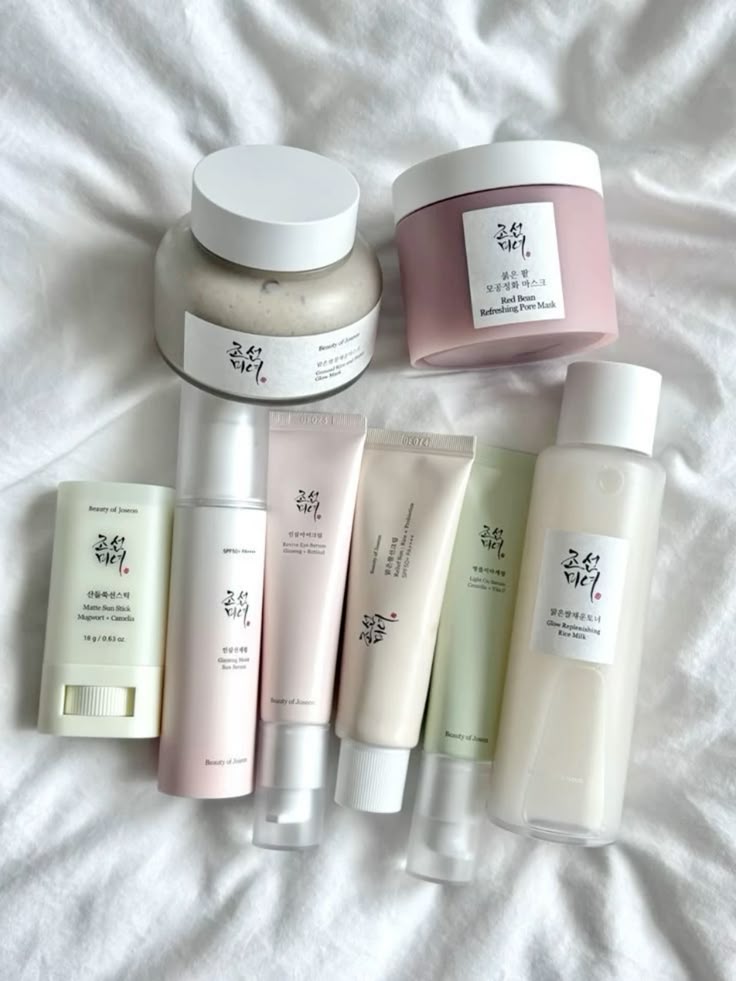
Vs
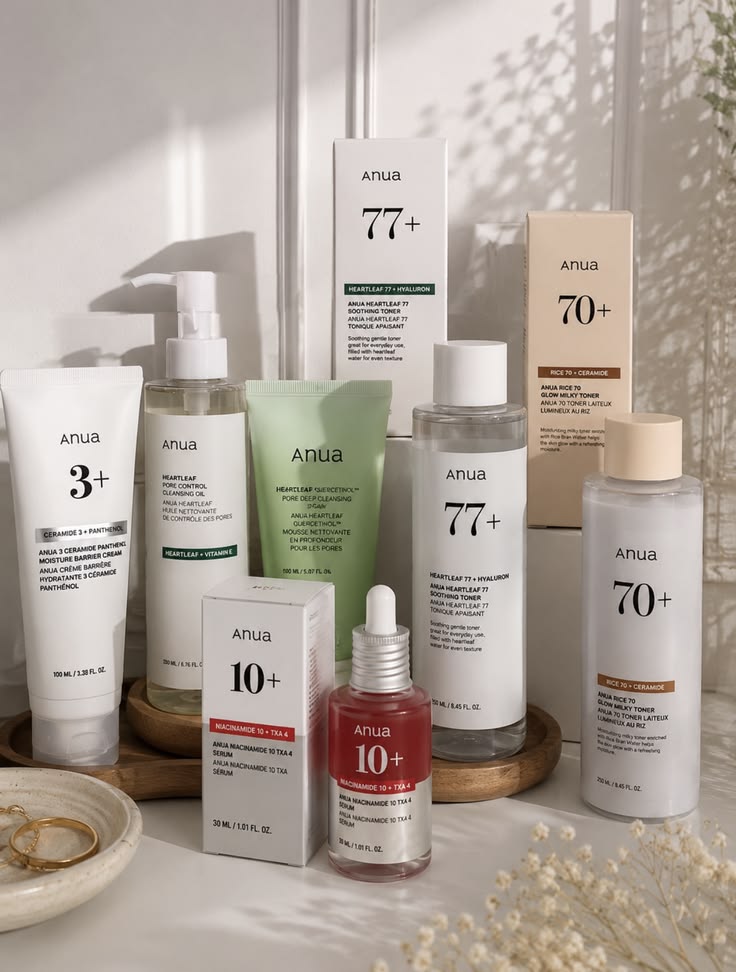
We get asked about this comparison constantly at Review Dermatica, so we sat down with both lineups, cross-referenced ingredient lists, and pulled together everything you actually need to know before you add either one to your cart.
This guide isn’t about crowning a winner. It’s about matching the right brand — or the right combination of both — to your actual skin. By the end, you’ll know exactly which Beauty of Joseon products and which Anua products are worth your money in 2026, and which ones you can skip.
Our Editorial Policy and Affiliate Disclosure
Before we get into ingredients and product picks, a quick note on how this article was put together. Review Dermatica is reader-supported. Some of the links in this guide are affiliate links, which means we may earn a small commission if you purchase through them — at no extra cost to you. This never influences which products we recommend or how we rate them.
Our formulation analysis is guided by our co-founder’s background in cosmetic formulation research, and where we reference clinical findings on specific ingredients, we link directly to the peer-reviewed studies so you can read the original research yourself. We are not affiliated with Beauty of Joseon or Anua, and neither brand has reviewed or approved this content before publication.
Quick Summary: Beauty of Joseon vs Anua at a Glance
- Brand philosophy: Beauty of Joseon leans on Hanbang (traditional Korean herbal medicine) using ginseng, rice, and propolis. Anua is a modern, minimalist brand built around a single hero botanical — heartleaf (Houttuynia cordata).
- Best for oily or acne-prone skin: Anua, thanks to its heartleaf-based, oil-balancing formulas.
- Best for dry, mature, or barrier-compromised skin: Beauty of Joseon, thanks to richer, nutrient-dense textures.
- Best sunscreen: Beauty of Joseon’s Relief Sun SPF50+ is the more famous one, but Anua’s lightweight sunscreen line is a strong runner-up for combination skin.
- Best for hyperpigmentation and dark spots: Anua’s niacinamide-and-TXA serum edges ahead here.
- Price range: Both brands sit in the affordable-to-mid-range K-beauty bracket, generally $12–$28 per item.
- Can you mix them? Yes. Many routines successfully combine an Anua toner with a Beauty of Joseon serum or moisturizer.
- Our take: There’s no single “winner” in the Beauty of Joseon vs Anua debate — your skin type decides which brand does more of the heavy lifting.
Beauty of Joseon vs Anua: Brand Philosophy and Origins
To really understand the Beauty of Joseon vs Anua debate, you have to start with why each brand exists, because that explains almost every formulation decision they’ve made since.
Beauty of Joseon built its identity around Hanbang — the idea that centuries-old Korean herbal remedies, when combined with modern cosmetic science, can outperform purely synthetic skincare. That’s why you’ll see ginseng, rice water, mugwort, and propolis show up again and again in their lineup. If you’ve already read our breakdown of I’m From Mugwort Essence, you’ll recognize this same “ancient ingredient, modern delivery” logic at play.
Anua, on the other hand, was built on restraint. Rather than blending a dozen actives into one product, Anua tends to pick one powerful ingredient — usually heartleaf, niacinamide, or azelaic acid — and formulate around it at a meaningful concentration. It’s a brand for people who want fewer products doing more, which is part of why it fits so naturally into the “skin streaming” trend that’s picked up steam through 2026.
Neither approach is objectively superior. Beauty of Joseon tends to feel more like a layered ritual; Anua tends to feel more like a target-specific tool. Once you know that, a lot of the rest of this comparison starts to make sense.
Beauty of Joseon vs Anua Skincare: Key Ingredients Compared
This is where the Beauty of Joseon vs Anua skincare conversation really gets interesting, because the two brands barely overlap on hero ingredients.
Beauty of Joseon’s signature actives include:
- Ginseng root extract — used for its revitalizing, firming properties in serums like the brand’s Revive line
- Rice extract and rice water — for brightening and hydration
- Propolis extract — found at high concentrations in their most popular serum, prized for calming and nourishing dull skin
- Niacinamide — used as a supporting ingredient rather than the star, usually at gentler concentrations (around 2%)
Anua’s signature actives include:
- Heartleaf (Houttuynia cordata) — the brand’s calling card, used at concentrations as high as 77% in some products
- Niacinamide at higher concentrations (up to 10%) paired with tranexamic acid (TXA) for pigmentation
- Azelaic acid — used in newer redness-and-breakout formulas
- Panthenol — layered in for extra barrier support alongside heartleaf
There’s real clinical backing behind heartleaf’s reputation, too. Multiple peer-reviewed studies have found that Houttuynia cordata extract shows measurable anti-inflammatory activity, including suppressing inflammatory markers like TNF-alpha in lab models (source: PubMed — https://pubmed.ncbi.nlm.nih.gov/37956635/). That’s a big part of why Anua’s toner has become the go-to recommendation for redness-prone skin.
Niacinamide, which both brands use but at very different concentrations, also has solid research behind it. A widely cited study published in a dermatology journal found that niacinamide significantly reduced hyperpigmentation and improved skin lightness after just four weeks of consistent use (source: PubMed — https://pubmed.ncbi.nlm.nih.gov/12100180/). This is exactly why Anua’s 10% niacinamide serum tends to outperform Beauty of Joseon’s gentler 2% version specifically for dark spot concerns — concentration matters here.
If you’re curious how niacinamide stacks up against other popular actives, our deep dive into hyaluronic acid vs glycerin covers a related ingredient comparison that’s worth bookmarking alongside this one.
Beauty of Joseon vs Anua for Oily Skin
If your main concern is oil control, clogged pores, or that midday shine that shows up by lunchtime, this section of the Beauty of Joseon vs Anua for oily skin debate matters most.
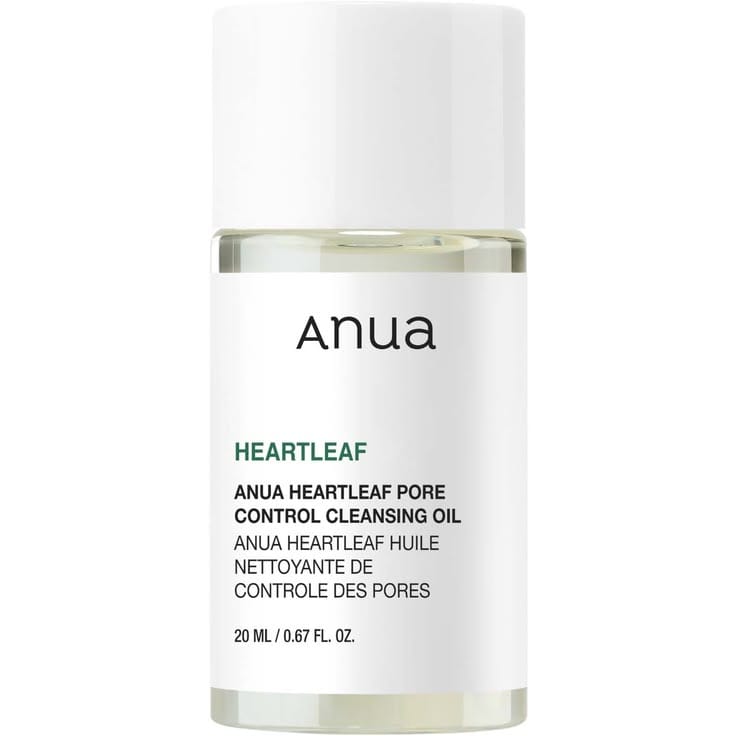
Anua tends to win here, and it’s not close. The brand’s Heartleaf Pore Control Cleansing Oil is specifically engineered to dissolve sunscreen and sebum buildup without leaving a greasy residue behind, and their toners and serums lean watery and fast-absorbing rather than rich and occlusive. If you already use a heavier moisturizer elsewhere in your routine (we’ve covered plenty, including our review of the Vanicream Enhanced Moisturizer), pairing it with Anua’s lightweight actives up top can be a smart way to balance texture without overloading oily skin.
Beauty of Joseon isn’t necessarily bad for oily skin, but several of its bestsellers — particularly the Dynasty Cream and some of the richer serums — are formulated with drier, more mature skin in mind. That said, their Green Plum Refreshing Toner (an AHA/BHA option) is a genuine exception and holds its own against Anua’s exfoliating lineup for anyone dealing with texture and clogged pores.
If oil control combined with actual acne management is your priority, it’s also worth reading our guide on the best non-comedogenic moisturizer, since the moisturizer you pair with either brand’s actives matters just as much as the actives themselves.
Beauty of Joseon vs Anua for Sensitive and Dry Skin
Flip the script to dry, reactive, or barrier-compromised skin, and Beauty of Joseon usually pulls ahead — though Anua still has a strong case to make.
Beauty of Joseon’s ginseng-and-rice-based formulas are built for long-term barrier support and deep hydration. Their moisturizers and essences layer well without pilling, and the brand’s overall texture profile trends richer, which tends to suit skin that gets tight or flaky in colder months. This overlaps nicely with what we found when we reviewed the Aveeno Oat Gel Moisturizer — richer, barrier-focused formulas consistently perform better for chronically dry skin than lightweight gel textures do.
Anua isn’t a bad choice for sensitive skin, though — quite the opposite. Heartleaf itself is one of the most extensively studied calming botanicals in Korean skincare, and Anua’s minimalist ingredient lists (often under 15 ingredients per product) mean fewer potential triggers for reactive skin. If your sensitivity comes with visible redness rather than dryness, Anua’s toner is frequently the safer starting point.
For a broader look at which brands handle reactive skin best across the board, our roundup of the best skincare brands for sensitive skin puts both of these brands into a wider context.
Anua vs Beauty of Joseon Reddit: What Real Users Actually Say
Search “anua vs beauty of joseon reddit,” and you’ll find the same handful of opinions repeated across dozens of threads, so we’ll save you the scrolling.
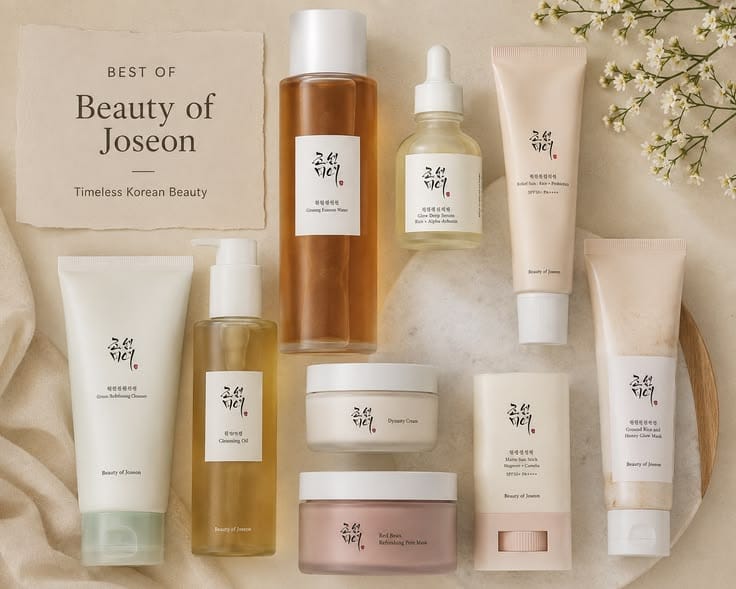
The most consistent theme: people with oily, acne-prone, or combination skin overwhelmingly favor Anua, specifically citing the heartleaf toner and cleansing oil as routine staples they’ve repurchased multiple times. The second most consistent theme: people with dry or “always dehydrated no matter what I do” skin tend to gravitate toward Beauty of Joseon, especially the Dynasty Cream and Revive Serum, describing noticeably calmer, plumper skin within a few weeks.
A smaller but very vocal group doesn’t pick a side at all — they simply use both brands for different steps, which lines up with what dermatology-adjacent skincare communities generally recommend: build your routine around what each product does, not around brand loyalty. That’s also the exact approach we take at Review Dermatica when we build out comparison guides like our COSRX vs Beauty of Joseon breakdown.
One caveat worth flagging: online reviews, including Reddit threads, are self-reported and not controlled for skin type, climate, or product combination. Treat them as a helpful pattern, not a clinical guarantee.
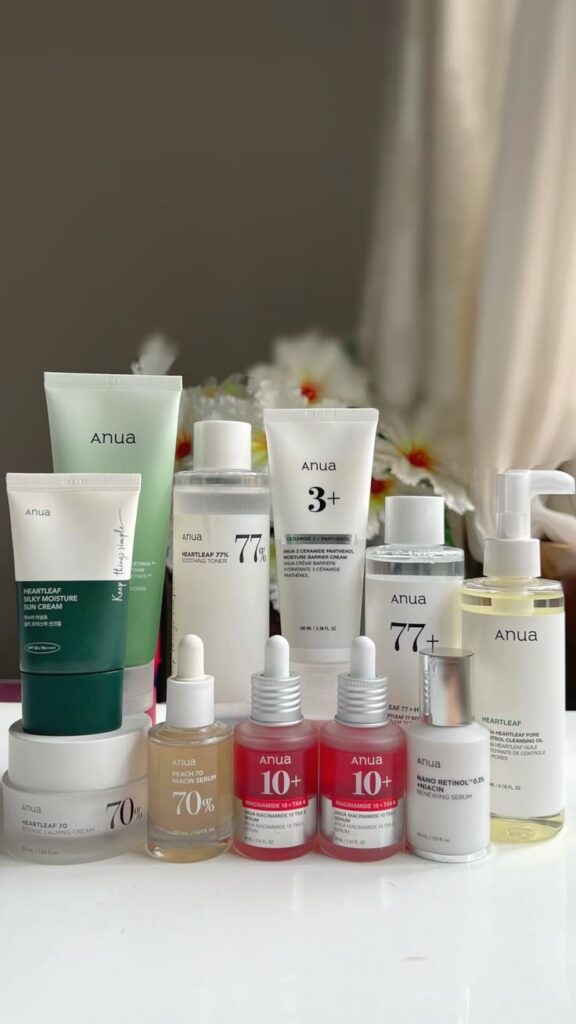
3 Trending Beauty of Joseon Products Worth Buying in 2026
Beauty of Joseon has a big catalog, but three products consistently show up at the top of best-seller lists and trend reports this year. Here’s what makes each one worth your attention.
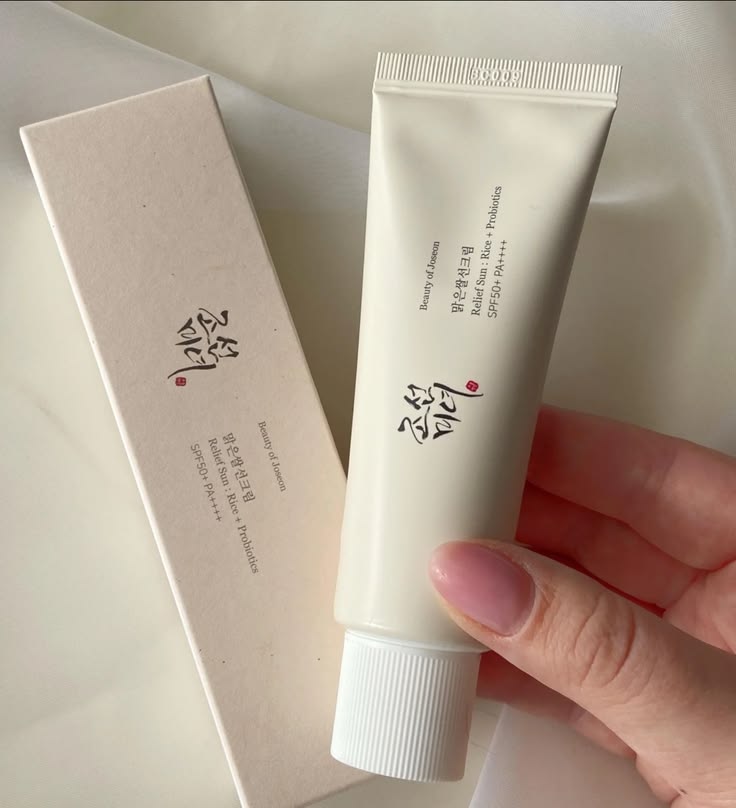
1. Beauty of Joseon Relief Sun SPF50+ PA++++
This is the sunscreen that made Beauty of Joseon a household name outside Korea, and it’s still trending for good reason. The fluid, lightweight texture leaves no white cast, layers invisibly under makeup, and uses rice extract and probiotic ferments to add a bit of hydration alongside sun protection. It’s fragrance-free and formulated without harsh alcohols, which makes it one of the rare sunscreens that genuinely works for sensitive, reactive skin without feeling like a compromise.
If you’re still deciding between chemical and mineral filters generally, our guide on mineral vs chemical sunscreen for face explains where a hybrid formula like this one fits into that decision.
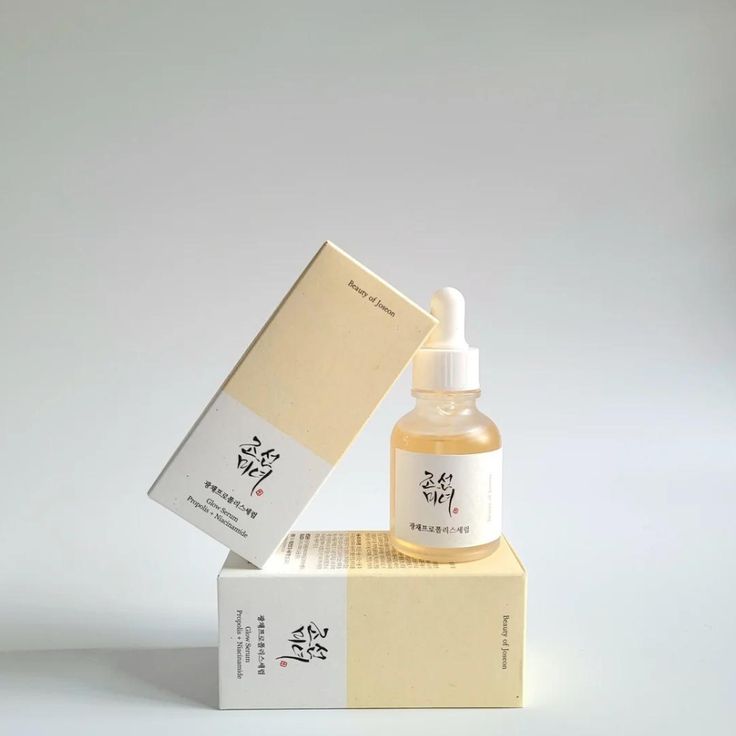
2. Beauty of Joseon Glow Serum: Propolis + Niacinamide
Formulated with a high concentration of propolis extract alongside a gentle 2% niacinamide, this serum has earned genuine cult-favorite status for a reason — it targets dullness and uneven tone without the irritation risk that comes with stronger actives. The slightly tacky, fast-absorbing texture makes it easy to layer under moisturizer, and it’s become the brand’s most consistently reordered serum according to multiple 2026 best-seller roundups.
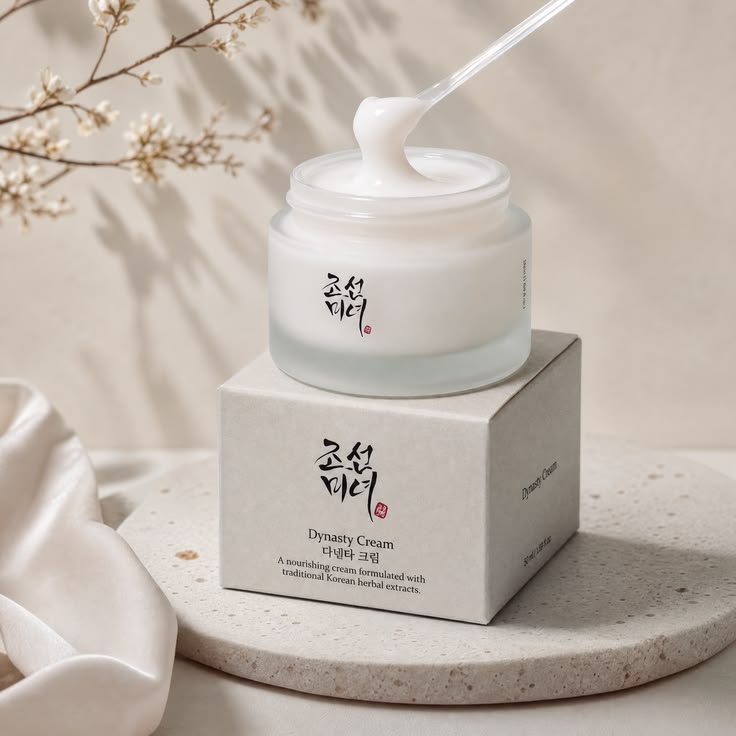
3. Beauty of Joseon Dynasty Cream
Inspired by traditional royal Korean skincare formulas, the Dynasty Cream blends ginseng, rice bran water, and niacinamide into a rich-but-non-comedogenic moisturizer. It’s become the brand’s flagship option for anyone dealing with dryness, dullness, or early signs of aging, and it pairs particularly well after a vitamin C serum — if you haven’t found your match yet, our list of the best vitamin C serums for sensitive skin is a good place to start.
3 Trending Anua Products Worth Buying in 2026
Anua’s lineup is more tightly focused than Beauty of Joseon’s, but these three products are the ones driving the brand’s continued growth this year.
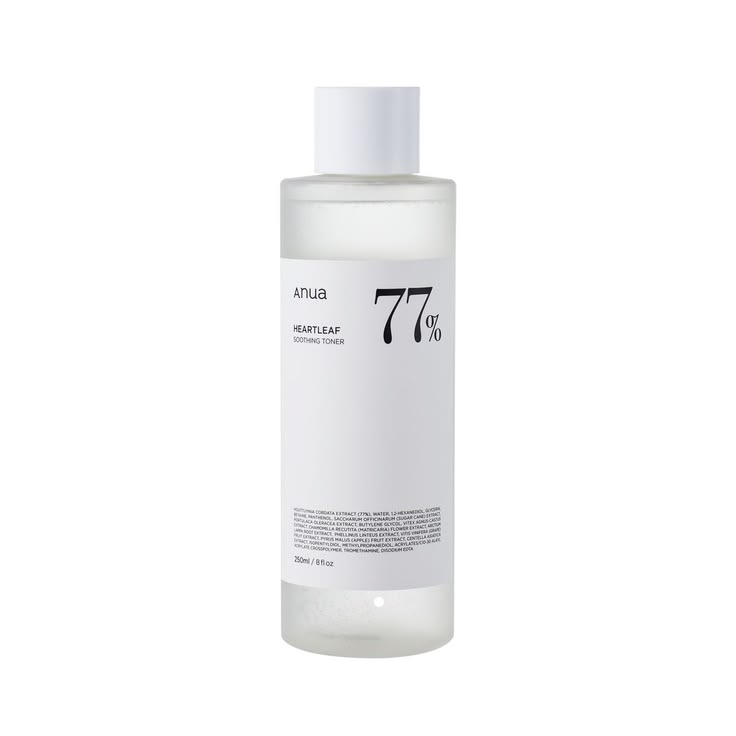
1. Anua Heartleaf 77% Soothing Toner
This is, without exaggeration, one of the best-selling facial toners in the world right now, and it’s held the top toner spot on Korean beauty review platforms for well over three years running. Formulated with 77% Houttuynia Cordata extract plus hyaluronic acid, it’s designed to calm redness, balance oil-moisture levels, and prep skin for the rest of your routine — all with a genuinely minimal ingredient list. We’ve covered the brand’s other heartleaf-based products before, including in our review of Anua Heartleaf Pore Control Cleansing Oil, which pairs naturally with this toner as a first-and-second cleanse duo. For More Info – Click Here
2. Anua Heartleaf Pore Control Cleansing Oil
Speaking of which — this cleansing oil deserves its own spotlight. It’s become a go-to first-cleanse step for people managing clogged pores, makeup, and sunscreen buildup, largely because it rinses clean without stripping skin or leaving residue behind. For anyone building a full double-cleanse routine, this is consistently one of the highest-rated oil cleansers in the K-beauty space right now. For More Update Click Here
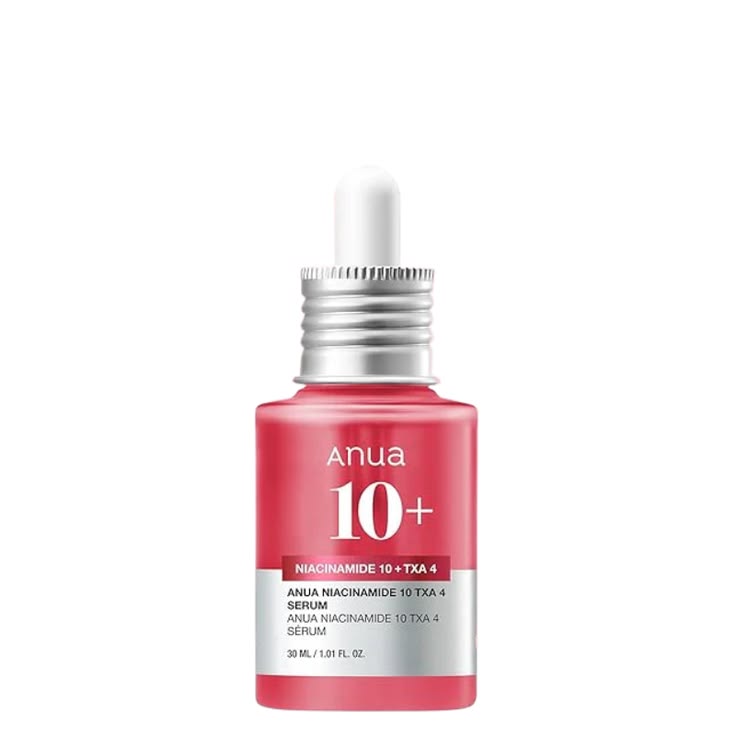
3. Anua Niacinamide 10% + TXA 4% Dark Spot Correcting Serum
This is Anua’s answer to hyperpigmentation, and it’s a noticeably more potent formula than most brightening serums on the market. Combining a high-percentage niacinamide with tranexamic acid gives it a two-pronged approach to fading dark spots — one ingredient working on melanin transfer, the other working on the inflammatory pathways that make marks linger. If you’re building out a full brightening routine, it’s worth comparing this against gentler options like those in our Klairs Freshly Juiced Vitamin Drop review to figure out which intensity level suits your skin.
Can You Mix Beauty of Joseon and Anua?
Short answer: yes, and a lot of people already do. There’s no formulation conflict between the two brands’ core ingredients — heartleaf, niacinamide, ginseng, and propolis all play well together, and many well-known routines combine an Anua toner with a Beauty of Joseon serum and moisturizer, or vice versa.
A popular seasonal approach worth trying: lean on Anua’s lighter, oil-balancing formulas during summer months, then switch to Beauty of Joseon’s richer textures when the weather turns cold and dry. This kind of brand-agnostic, ingredient-first thinking is the same approach we take across our other head-to-head guides, including our comparison of Peptides vs Retinol, where the goal is matching the active to the concern rather than picking a single loyalty brand.
The one thing to actually watch for: if you’re using Anua’s higher-percentage niacinamide serum alongside other active-heavy products in your routine (retinoids, strong exfoliating acids), introduce it gradually rather than layering everything at once, especially if your skin is on the reactive side.
Beauty of Joseon vs Anua: Price Comparison
Both brands sit comfortably in the affordable-to-mid-range K-beauty bracket, which is part of why they’re so often compared in the first place — neither one requires a luxury skincare budget.
Beauty of Joseon products generally run from around $11 for toners up to $25–$28 for their flagship serums and creams. Anua’s pricing follows a similar pattern, with the Heartleaf toner typically landing under $20 and the niacinamide serum priced in a similar range to Beauty of Joseon’s comparable products. Neither brand consistently undercuts the other by a meaningful margin — the real cost difference in most routines comes down to how many steps you’re buying, not which brand you choose.
Which One Should You Choose?
Here’s the honest, no-fluff breakdown:
Choose Beauty of Joseon if you have dry, dehydrated, or mature skin and want a richer, more ritual-like routine built around traditional Korean herbal ingredients. It’s also the safer starting point if you’re completely new to K-beauty and want a gentle, forgiving entry point — their Relief Sun alone is worth the purchase.
Choose Anua if you have oily, combination, or acne-prone skin, or if redness and inflammation are your primary concern. Its minimalist, high-concentration formulas are also the better pick if you’re managing hyperpigmentation and want a faster-acting option.
Combine both if your skin doesn’t fit neatly into one category — which, realistically, describes most people. Use Anua for oil control and calming, and Beauty of Joseon for hydration and barrier repair, and you’ll cover more ground than either brand does alone.
Frequently Asked Questions
Is Anua or Beauty of Joseon better for beginners?
Beauty of Joseon has a slight edge for total beginners, mainly because its formulas are gentle and forgiving across a wide range of skin types, and the brand offers smaller trial-size sets to test before committing to full sizes.
Can you use Beauty of Joseon and Anua together in the same routine?
Yes. There’s no ingredient conflict between the two brands, and many popular routines combine an Anua toner with a Beauty of Joseon serum or moisturizer.
Which brand is better for hyperpigmentation, Beauty of Joseon or Anua?
Anua generally performs better for hyperpigmentation, largely due to its higher-concentration niacinamide and TXA serum. Beauty of Joseon’s brightening products work more gradually and suit more sensitive skin types.
Are Beauty of Joseon and Anua cruelty-free?
Both brands are widely marketed as cruelty-free, though as with any brand, it’s worth checking current certification status directly on each brand’s official site, since policies can change.
Which is more affordable, Anua or Beauty of Joseon?
Pricing is very similar between the two brands overall, with most individual products falling between $11 and $28 depending on category.
Final Verdict
There’s no clean winner in the Beauty of Joseon vs Anua debate, and honestly, that’s the most useful takeaway from this whole comparison. These are two brands solving different problems with different philosophies — one leaning into rich, traditional formulations, the other into minimalist, high-concentration actives. The smartest move isn’t picking a side; it’s figuring out which parts of your routine need what each brand does best, and building from there.
If you’re just getting started, the Anua Heartleaf Toner and the Beauty of Joseon Relief Sun are the two lowest-risk, highest-reward products from either lineup — a genuinely solid place to begin regardless of which side of this debate you land on.
3 thoughts on “Beauty of Joseon vs Anua: Full Comparison Guide (2026)”