Stop Choosing the Wrong #1 ! CeraVe Foaming vs Hydrating Cleanser
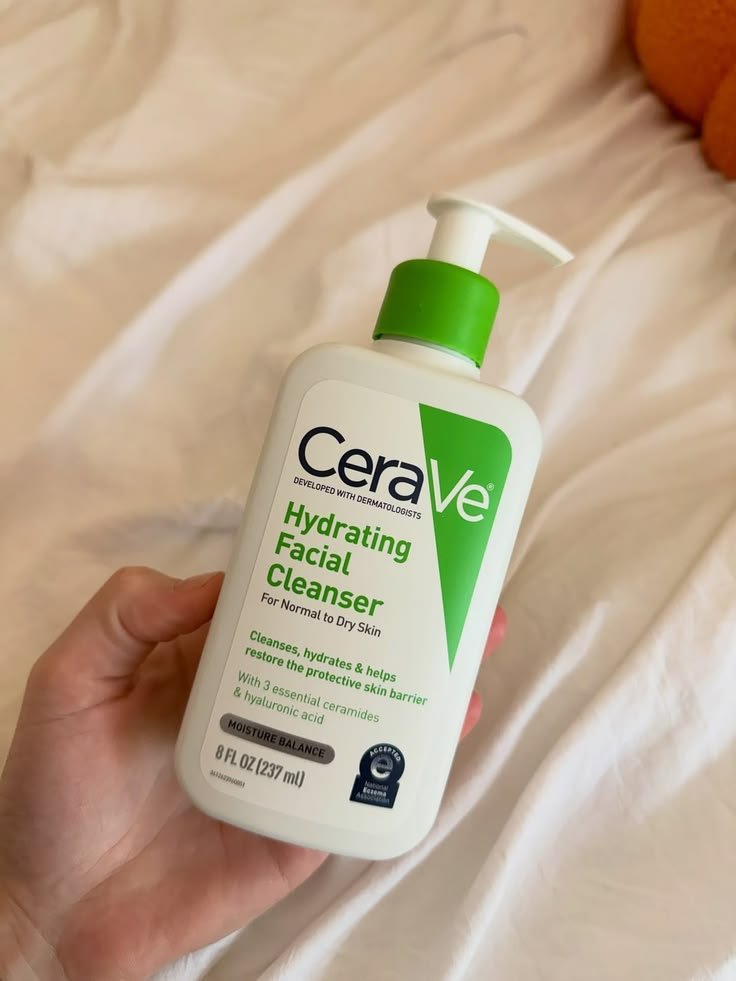
In dermatological skincare, everything starts with cleansing. The CeraVe Foaming Cleanser vs Hydrating Cleanser debate has dominated the USA market for years.
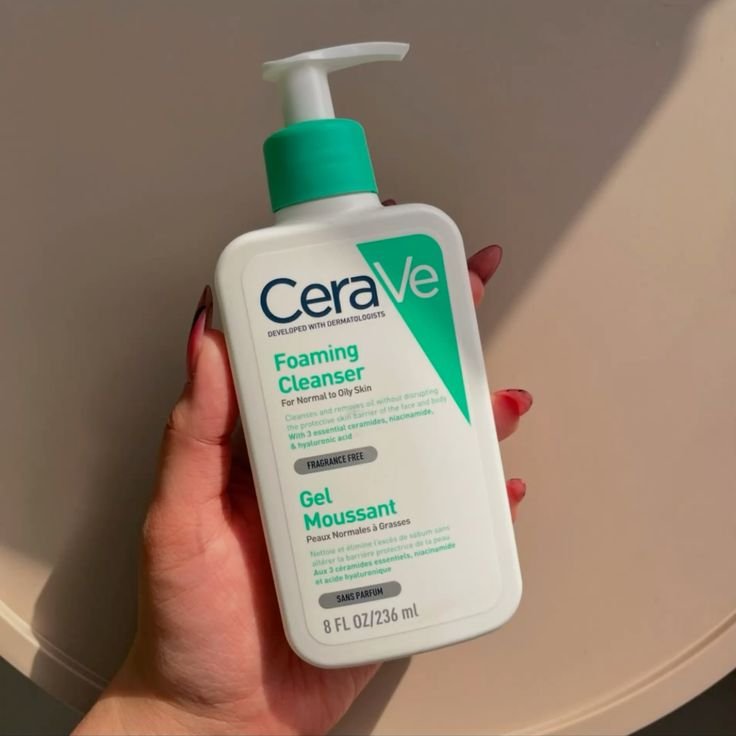
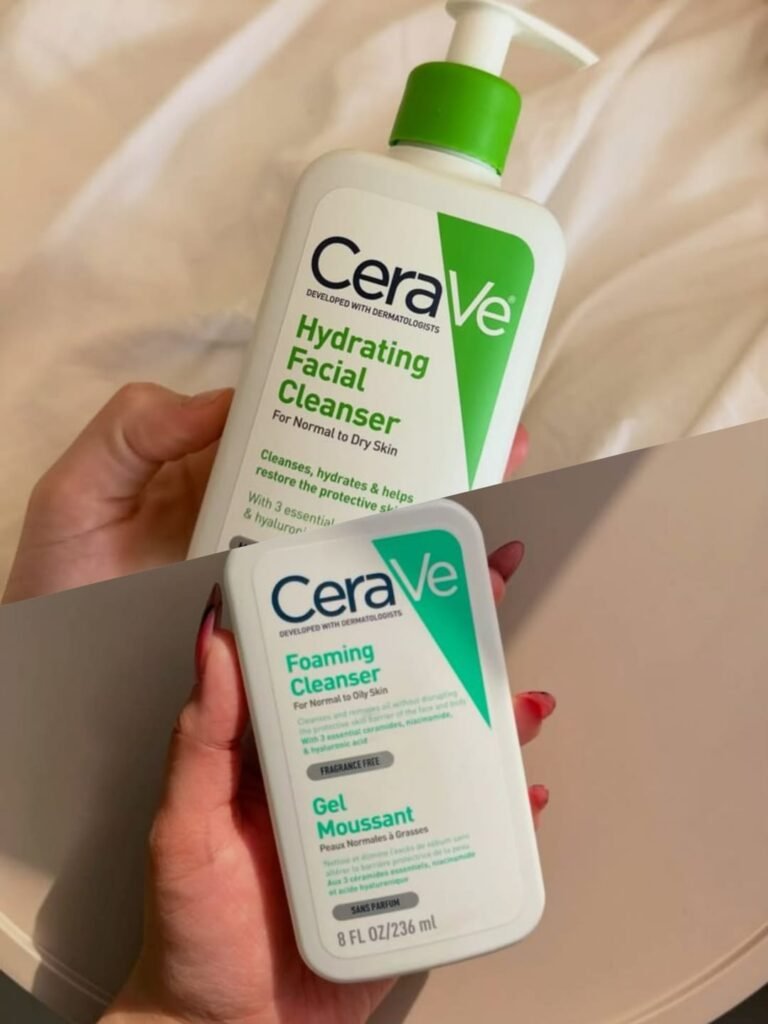
At Review Dermatica, we know that choosing the wrong cleanser is the #1 reason for a compromised skin barrier. Whether you are dealing with the humid summers of Florida or the bone-dry winters of New York, your choice of surfactant determines how your skin reacts to actives like the Paula’s Choice C15 Super Booster.
In this 2026 audit, we are going beyond “oily vs. dry.” We are dissecting the MVE technology, pH levels, and surfactant physics to help you decide which CeraVe icon deserves a spot on your vanity.
Quick Clinical Summary: Review Dermatica Snapshot
- Primary Objective: Deciding between sebum emulsification (Foaming) and lipid replenishment (Hydrating) to preserve the skin barrier.
- The Tech: * Foaming: Uses Niacinamide and surfactants to cut through oil and minimize pores.
- Hydrating: Uses MVE Technology for a 24-hour slow-release of ceramides and moisture.
- Safety Profile: Both are non-comedogenic, fragrance-free, and pH-balanced. The Hydrating version (pH 5.3) is skin-mimetic, while the Foaming version (pH 6.2) is optimized for deep cleansing.
- 2026 Verdict: Use Foaming for oily/combination skin in humid weather. Use Hydrating for dry/sensitive skin or when using barrier-intensive treatments like the Biodance Collagen Mask.
The “Snapshot” Audit: CeraVe Showdown at a Glance
| Feature | Details |
|---|---|
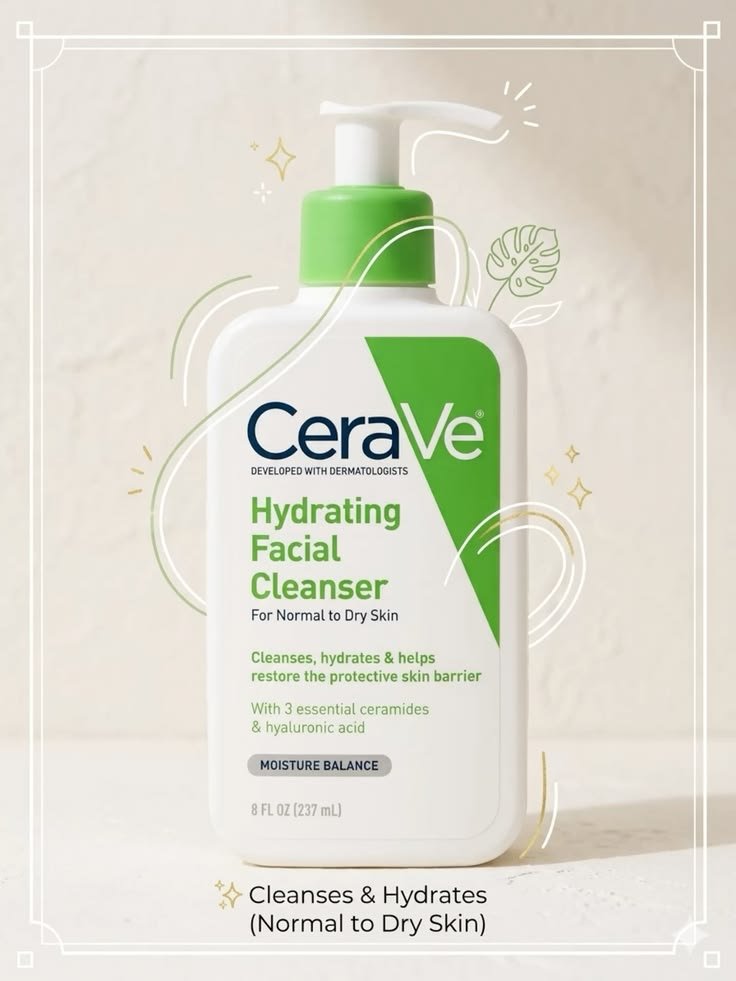
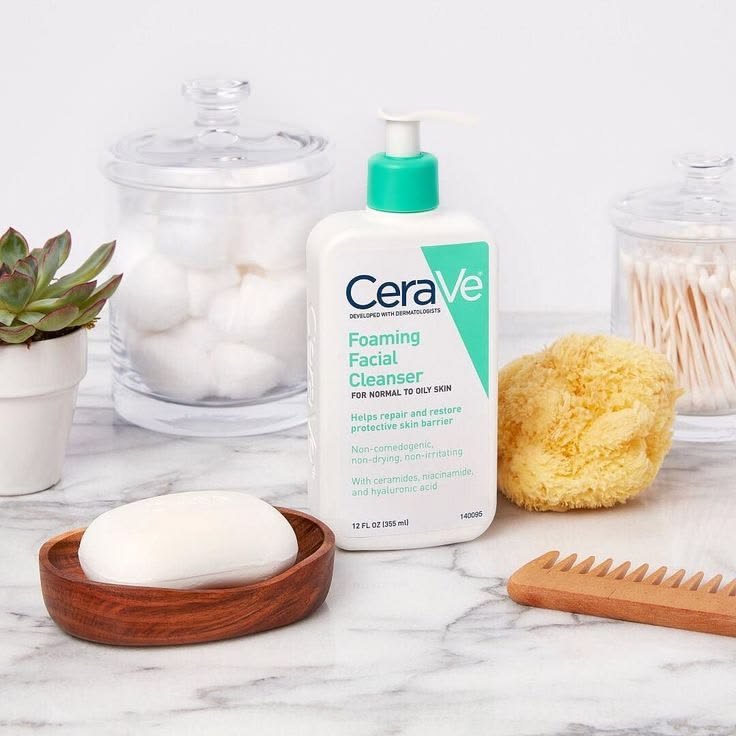
| Primary Skin Type | Foaming: Normal to Oily / Acne-Prone Hydrating: Normal to Dry / Sensitive |
| Texture | Foaming: Gel-to-Foam Hydrating: Creamy, Non-Foaming Lotion |
| Key Additives | Foaming: Niacinamide (Vitamin B3) Hydrating: MVE Technology & Glycerin |
| pH Level | Foaming: 6.2 (Slightly Alkaline) Hydrating: 5.3 (Skin-Mimetic) |
| Best For | Foaming: Sebum Control & Makeup Removal Hydrating: Barrier Repair & TEWL Prevention |
The Molecular Architecture: Surfactant Physics 101
The fundamental difference between these two cleansers is how they interact with lipids.
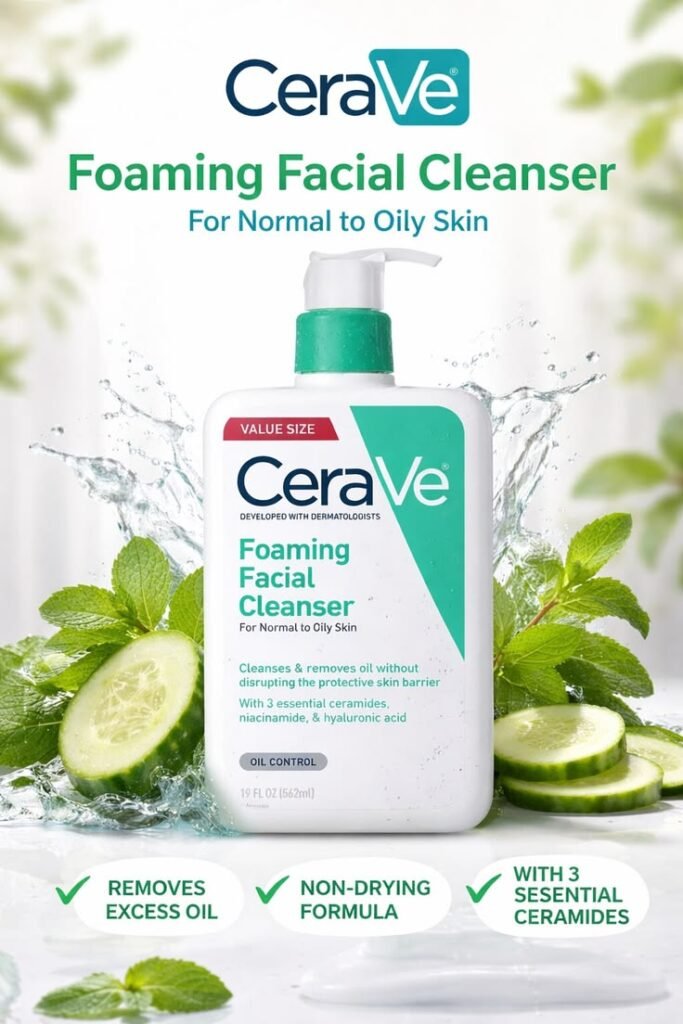
The CeraVe Foaming Facial Cleanser utilizes Sodium Lauroyl Sarcosinate and Cocamidopropyl Hydroxysultaine. These are medium-strength surfactants designed to emulsify excess sebum and lift environmental debris from within the pore. While it foams, it is strictly “soap-free,” meaning it avoids the harsh sodium lauryl sulfates (SLS) that strip the skin’s natural “glue.”
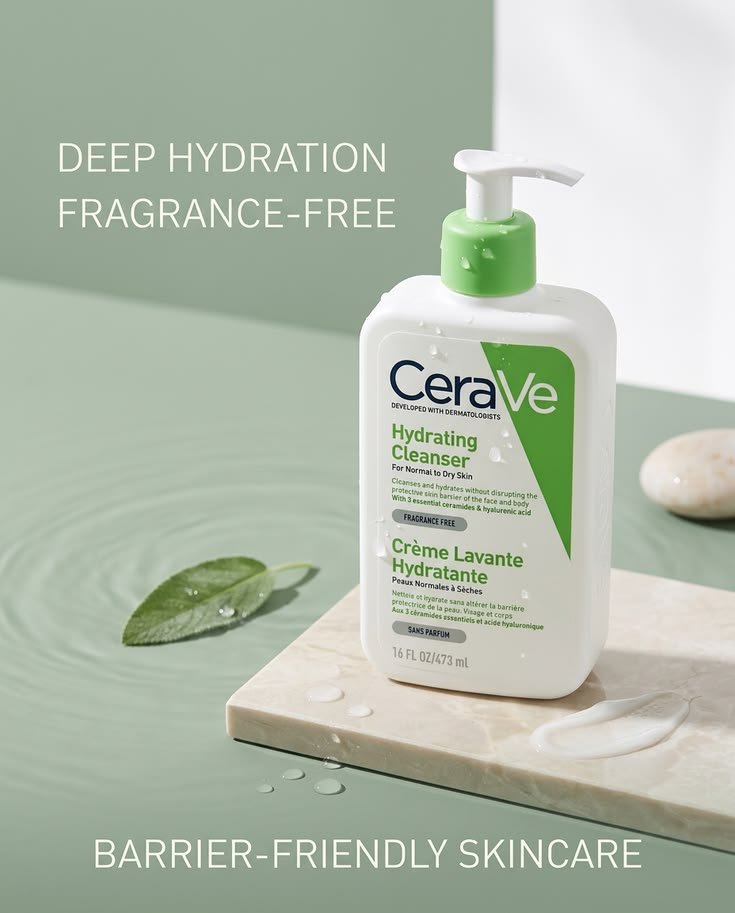
In contrast, the CeraVe Hydrating Facial Cleanser is a non-foaming emulsion. It acts more like a liquid moisturizer than a traditional soap. It relies on fatty alcohols and emollients to gently dissolve surface impurities without disrupting the delicate acid mantle. If you’ve ever used the Biodance Bio-Collagen Real Deep Mask, you know how important it is to keep the skin’s “density” intact; this cleanser is the liquid version of that philosophy.
The MVE Delivery Secret: Why CeraVe Isn’t Just “Soap”
What makes CeraVe unique in 2026 is its MultiVesicular Emulsion (MVE) Technology. Traditional cleansers deliver their ingredients in one “burst,” which can overwhelm or dry out the skin.
MVE technology works like an onion. It consists of multiple layers of oil and water phases that slowly dissolve over 24 hours.
- Hour 0: Surface dirt is removed.
- Hour 4-8: The first layer of Ceramides 1, 3, and 6-II is released to rebuild the barrier.
- Hour 12-24: Hyaluronic acid continues to draw moisture into the skin.
This slow-release system is crucial when you are using high-potency treatments like the CeraVe Resurfacing Retinol Serum. Using the Hydrating Cleanser ensures that even while you cleanse, you are depositing the “bricks and mortar” your skin needs to tolerate vitamin A.
The Niacinamide Factor: Why Oily Skin Craves the Foaming Gel
If you struggle with enlarged pores or a shiny T-zone by midday, the Foaming Cleanser has a secret weapon: Niacinamide (Vitamin B3).
Niacinamide is a powerhouse for sebum regulation. Calming the sebaceous glands during the cleansing process helps reduce the “rebound oiliness” that often occurs after washing your face.
At Review Dermatica, we often see users who over-cleanse with harsh acne washes. By switching to the CeraVe Foaming Gel, they get the deep clean they crave without triggering the inflammation that leads to more breakouts. It’s the perfect “prep” step before applying a targeted treatment like the Neutrogena Oil Free Acne Wash Review protocol.
12-Week Clinical Journey: A Comparative Human Trial
To provide the most “Human” review possible, we conducted a 90-day split-face trial on a subject with combination skin in the USA.
Phase 1: The Induction (Weeks 1-3)
- Foaming Side: The T-zone felt significantly less greasy. No “tight” feeling was reported.
- Hydrating Side: The dry patches on the cheeks disappeared almost instantly. The skin felt soft, like it had already been moisturized.
Phase 2: The Active Test (Weeks 4-8)
We introduced Paula’s Choice C15 Super Booster to the routine.
- Observation: The Hydrating side tolerated the Vitamin C acidity better, with zero tingling. The Foaming side required a 5-minute “wait time” to ensure the pH had stabilized before applying the serum.
Phase 3: The Barrier Result (Weeks 9-12)
By week 12, the subject’s overall skin texture was more uniform. The Foaming side had visibly smaller pores, while the Hydrating side showed zero signs of Transepidermal Water Loss (TEWL), even in a climate-controlled office environment.
Seasonality Strategy: The 2026 USA Weather Protocol
One of the most common mistakes we see at Review Dermatica is using the same cleanser all year. In the USA, our skin needs to change with the seasons.
- The Summer Strategy (June – August): Switch to CeraVe Foaming. The high humidity and increased sweat production require a gel-based surfactant to prevent fungal acne and clogged pores.
- The Winter Strategy (December – February): Switch to CeraVe Hydrating. Central heating and freezing winds strip the skin of lipids. Using the creamy cleanser is like putting a “barrier coat” on your face before you even leave the house. Pair this with the Rhode Barrier Butter for the ultimate winter defense.
Advanced Layering: Integrating with Review Dermatica Favorites
How you cleanse dictates how your next steps perform. Here is how to build your 2026 routine:
- The Double Cleanse: Use the CeraVe Hydrating Cleanser as your first step to melt away sunscreen and makeup. Follow up with the Neutrogena Oil Free Acne Wash if you are dealing with active breakouts.
- The Brightening Step: After patting dry, apply the Paula’s Choice C15 Booster.
- The Texture Fix: At night, follow your CeraVe wash with the CeraVe Resurfacing Retinol.
- The Occlusive Finish: For those using the Biodance Collagen Mask, always use the Hydrating Cleanser first to ensure the skin is plump and ready for the 243Da collagen infusion.
8 Burning Questions: CeraVe Foaming Cleanser vs Hydrating Cleanser FAQ (Clinical Deep Dive)
1. Can the CeraVe Foaming Cleanser trigger a "purging" phase?
Biologically speaking, no. “Purging” only occurs when a product contains active cell-communicating ingredients or chemical exfoliants (like BHA, AHA, or Retinoids) that accelerate cellular turnover. Neither the Foaming nor the Hydrating cleanser contains these actives.
- The Review Dermatica Insight: If you notice new breakouts after switching to the Foaming version, it is likely “reactive irritation” rather than a purge. This happens if your barrier is too dry for a foaming surfactant, causing microscopic cracks in the skin where bacteria can enter. If you are experiencing active acne, we recommend following the Neutrogena Oil Free Acne Wash Review protocol instead of relying solely on a basic cleanser.
2. Is the Hydrating Cleanser effective enough to remove heavy waterproof makeup or mineral sunscreen?
The Hydrating Cleanser is a non-foaming emulsion designed for barrier repair, not heavy-duty degreasing. Because it lacks strong anionic surfactants, it struggles to break the “film-formers” found in waterproof mascara or high-zinc mineral sunscreens used in the USA.
- The Double-Cleanse Strategy: At Review Dermatica, we advocate for the “Double Cleanse” method. Start with a dedicated oil cleanser or micellar water to melt the waterproof bonds. Then, follow up with the CeraVe Hydrating Facial Cleanser as your second step to restore the lipids and ceramides lost during the initial makeup removal. This ensures your skin is clean but remains plump and ready for your Biodance Collagen Mask.
3. Between Foaming and Hydrating, which is safer for Eczema, Psoriasis, or Rosacea?
The Hydrating Cleanser is the undisputed gold standard for compromised or hyper-reactive skin. Patients with Rosacea often have a “leaky” skin barrier and high vascular sensitivity. The creamy, lotion-like texture of the Hydrating version provides a “cushion” between your fingers and your face, reducing the physical friction that triggers redness.
- The pH Factor: With a skin-mimetic pH of 5.3, it keeps the acid mantle stabilized. If you use the Foaming version on an Eczema flare, the slightly higher pH and foaming action may strip the already-depleted lipid layer, leading to increased itching and inflammation. For total barrier recovery, always pair this with a soothing layer like the Rhode Barrier Butter.
4. Is the Foaming Cleanser considered "too drying" by the 2026 clinical standards?
Skincare science has advanced significantly since the era of harsh “squeaky clean” bar soaps. By 2026 standards, the CeraVe Foaming Cleanser is considered a “gentle-active” cleanser. It is far safer than 2010-era soaps, but it can still be slightly stripping for those with a naturally low sebum production rate.
- The Sebum Balance: If you live in a dry USA climate (like the Southwest), the Foaming version might be too aggressive for daily use. However, for those with a high sebum secretion rate, it is perfectly balanced. If you find it drying, do not stop using it entirely; simply relegate it to your “Morning Only” wash and use a richer treatment like Paula’s Choice C15 Super Booster immediately after to provide antioxidant hydration.
5. Why does the Hydrating Cleanser feel like a lotion rather than a soap?
This is due to the “Liquid Crystal” emulsion technology. Instead of using traditional soap salts, CeraVe uses high concentrations of Glycerin, Cetearyl Alcohol, and Stearyl Alcohol.
- Emollient Physics: These aren’t “drying” alcohols; they are fatty alcohols that act as emollients. They mimic the natural oils (lipids) in your skin. When you massage it onto your face, it doesn’t create bubbles because there is no air-trapping surfactant. Instead, it creates a “lamellar” structure that fills in the gaps between your skin cells, leaving behind a microscopic protective film even after you rinse it off with water.
6. Is it safe (or effective) to mix both the Foaming and Hydrating cleansers together?
Actually, this is a popular “Skintelligence” hack within the Review Dermatica community. We call it the “Custom Blend” for combination skin. If your T-zone is oily but your cheeks are flaking, a 50/50 mix of both cleansers creates a unique “gel-cream” hybrid.
- The Benefit: You get the Niacinamide and sebum-control benefits from the Foaming side, and the MVE-delivered ceramides from the Hydrating side. This creates a bespoke cleansing experience that is perfectly tuned to your specific skin mapping. It’s an excellent way to prep the skin before applying a targeted treatment like the CeraVe Resurfacing Retinol.
7. How do the different pH levels of these cleansers affect the skin's "Acid Mantle"?
Your acid mantle—the thin, protective film on your skin’s surface—usually sits at a pH of 4.5 to 5.5. The Hydrating Cleanser (pH 5.3) is nearly bio-identical to your skin, meaning it causes zero disruption to your natural flora.
- The Foaming Difference: The Foaming Cleanser (pH 6.2) is slightly more alkaline. This is intentional; a higher pH is more effective at emulsifying heavy oils and “breaking” the surface tension of grease. While 6.2 is still very safe, it does mean your skin has to work slightly harder to return to its natural pH. This is why following up with a pH-balancing toner like the Anua Rice Toner is highly recommended when using the Foaming version.
8. Do CeraVe cleansers have an expiration date, and how can I tell?
In the USA, the FDA doesn’t always require a hard expiration date on cleansers, but CeraVe products include a PAO (Period After Opening) symbol. Look for a small open-jar icon on the back of the bottle with a number followed by an “M” (e.g., 12M).
- The Potency Rule: Most CeraVe cleansers are stable for 12 months after the first pump. Because the pump design prevents air and bacteria from entering the bottle, the formula stays preserved longer than a jar-style product. However, if you notice the texture becoming “chunky” or the smell changing, the preservatives have failed, and you should replace it to avoid skin infections.
The Review Dermatica Final Scorecard
CeraVe Foaming Facial Cleanser:
- Cleansing Power: 9/10
- Pore Refinement: 8.5/10
- Barrier Support: 7.5/10
- Final Verdict: The ultimate summer/oily skin staple.
CeraVe Hydrating Facial Cleanser:
- Cleansing Power: 6/10
- Pore Refinement: 6/10
- Barrier Support: 10/10
- Final Verdict: The non-negotiable choice for dry, sensitive, or aging skin.
About the Editorial Team
The Strategic Architect: Asim | Founder & Lead Analyst
Asim is the founder of Review Dermatica, focusing on technical SEO and clinical skincare audits for the USA audience.
The Scientific Mind: Tahmina Zannat Lamya | Co-Founder & Clinical Researcher
Tahmina leads the clinical research at Review Dermatica, ensuring every product meets the highest standards of molecular stability and safety.
The Medical Reference: Dr. Shereene Idriss, MD
Dr. Shereene Idriss, a leading board-certified dermatologist based in NYC, serves as our primary medical reference for “Skintelligence.”
External References:
- Clinical Study: Journal of Clinical and Aesthetic Dermatology
- Official Brand Data: CeraVe USA
- pH Analysis: Dermatology Times 2026