8 Proven Ways to Repair a Damaged Skin Barrier and Restore Radiant, Healthy Skin
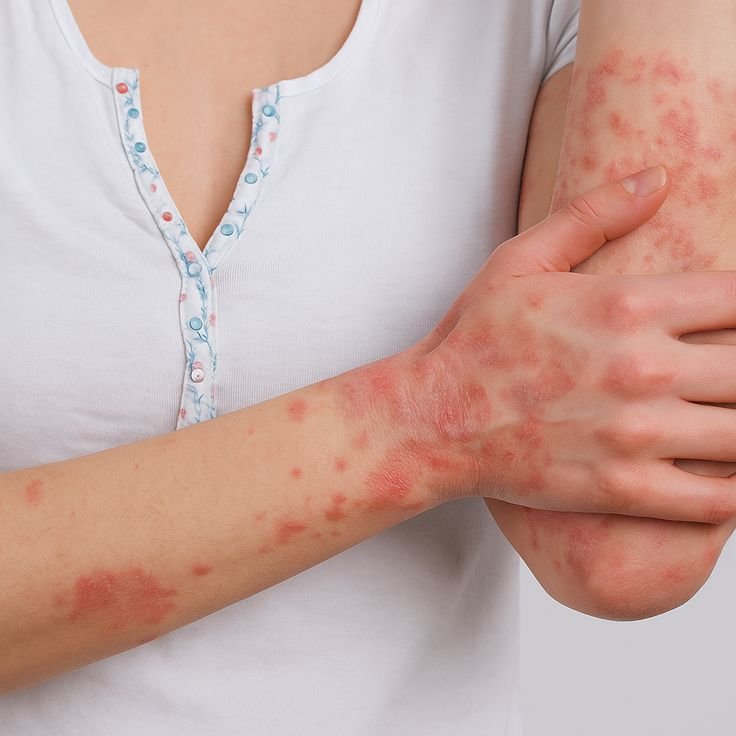
How to repair a damaged skin barrier starts with understanding that it’s more than just dry or irritated skin — it’s a signal that your skin’s protective layer has been compromised. This barrier, also known as the stratum corneum, protects your skin from environmental aggressors, bacteria, and moisture loss. Once weakened, the skin becomes sensitive and more prone to redness, breakouts, inflammation, and premature aging. Understanding how to repair a damaged skin barrier is critical for anyone serious about maintaining healthy, resilient skin.
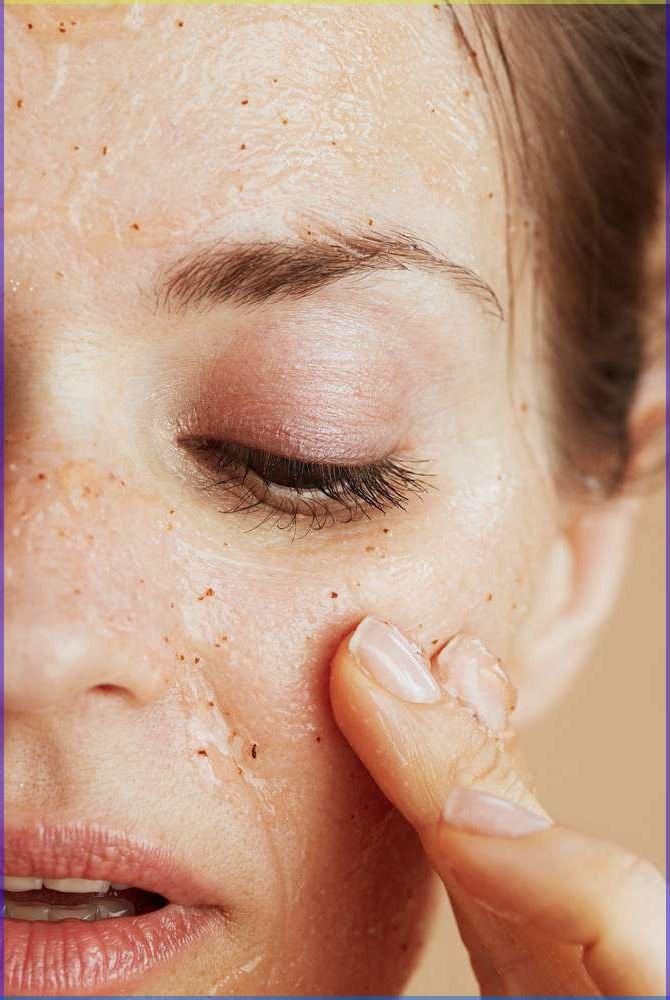
Many people unknowingly worsen a damaged skin barrier through over-exfoliation, harsh cleansers, or skipping hydration. According to dermatologists, repairing the barrier is not about expensive treatments but about gentle, consistent care and the right ingredients. Here, we break down 8 proven ways to restore your damaged skin barrier for long-term skin health.
1. Switch to a Gentle, Non-Stripping Cleanser
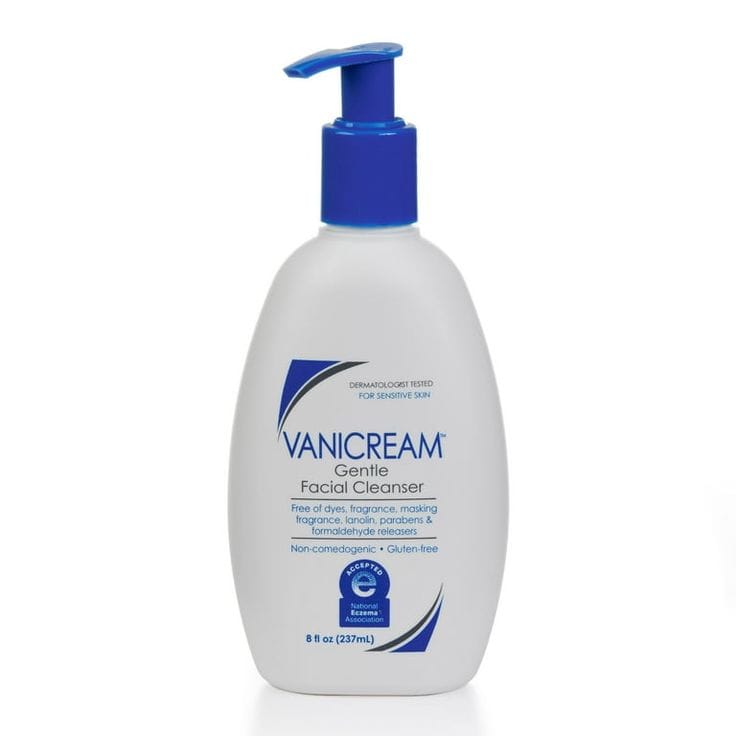
Cleansing is essential, but harsh soaps and foaming cleansers can strip natural oils, worsening a damaged skin barrier. Instead, opt for a pH-balanced, sulfate-free cleanser that removes impurities without disrupting the protective layer. Gentle cleansing prepares the skin to absorb hydrating and repairing ingredients.
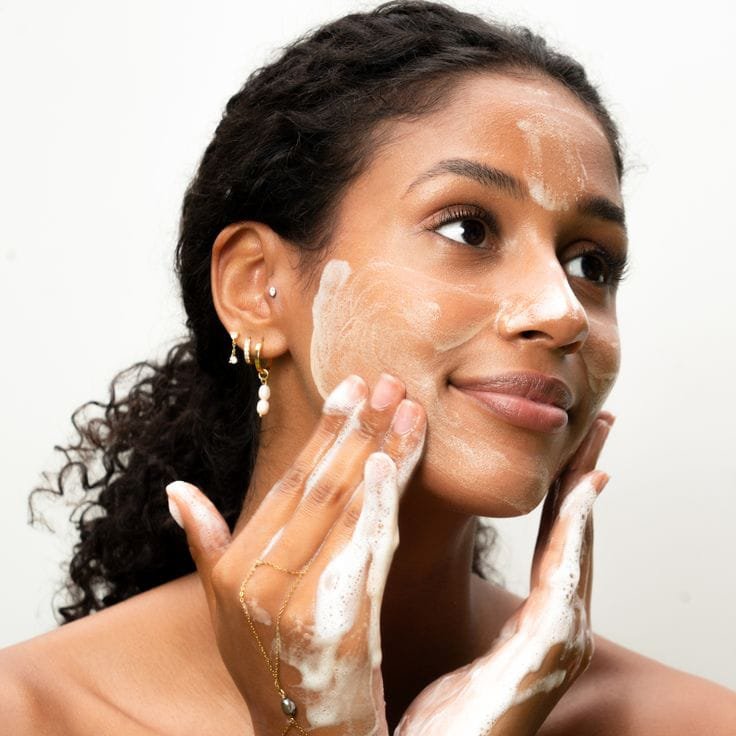
Tip: Avoid hot water; lukewarm water helps preserve the skin’s natural lipids.
Dermatologist Insight: Dr. Emily Parker, MD, emphasizes,
“A damaged skin barrier cannot heal if you strip it daily. Gentle cleansing ensures the skin can repair itself naturally.”
2. Hydrate Intensively With Moisturizers and Humectants
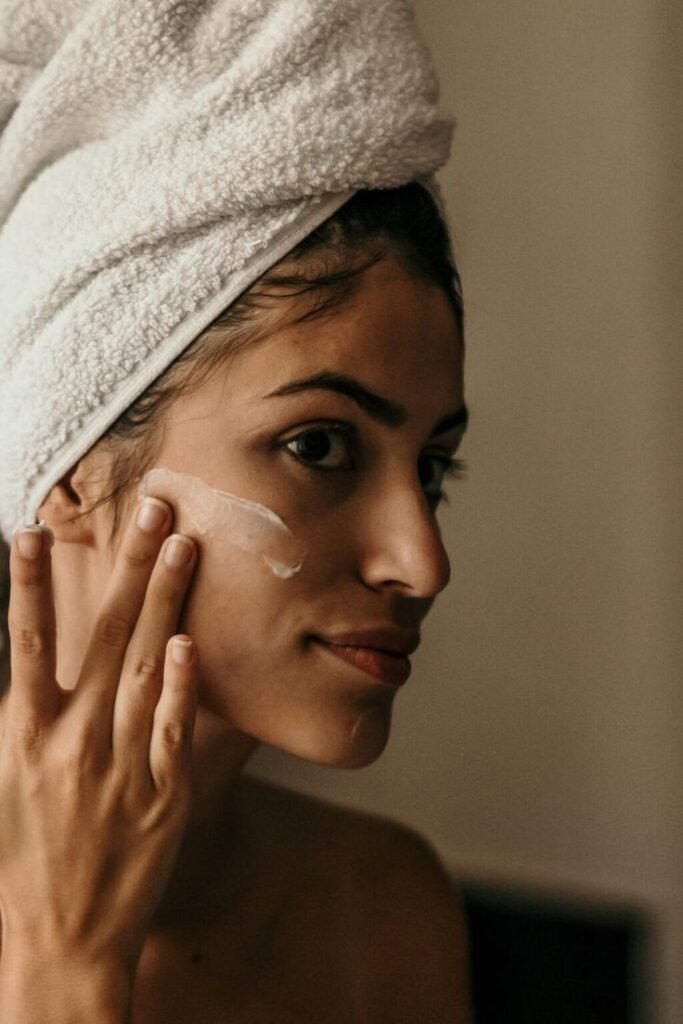
Hydration is key when repairing a damaged skin barrier. Look for moisturizers with humectants like hyaluronic acid and glycerin, which draw moisture in, and emollients like ceramides or squalane to lock it in. Layering moisturizer after cleansing maintains plump, resilient skin.

For those with dry skin, consider rich, creamy formulations. Oily skin benefits from lightweight, gel-based moisturizers that hydrate without clogging pores. Sensitive skin should choose fragrance-free, calming formulas.
3. Stop Over-Exfoliation and Active Ingredient Overload
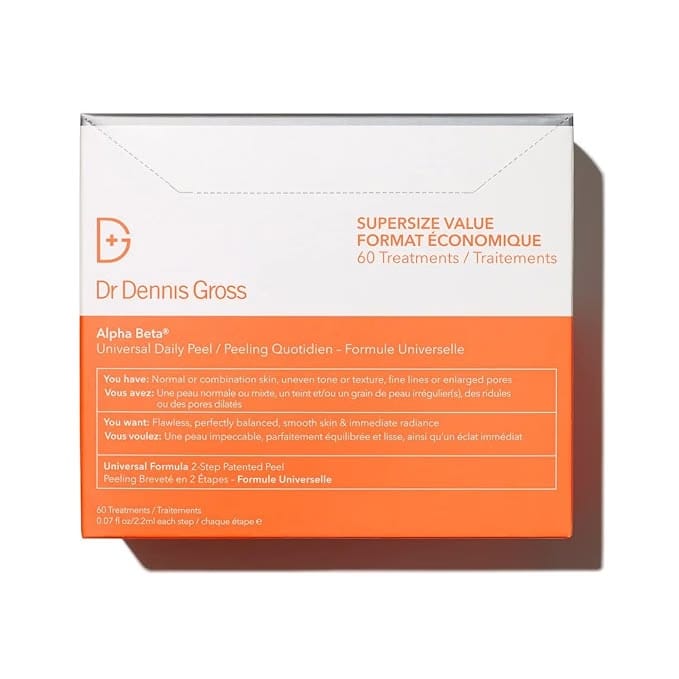
Exfoliation is perhaps the most overused step in modern skincare. While chemical and physical exfoliants are great for glow, they are the number one culprit behind a compromised skin barrier. Over-applying Alpha Hydroxy Acids (AHAs like Glycolic or Lactic acid), Beta Hydroxy Acids (BHAs like Salicylic acid), or harsh physical scrubs can strip the essential natural lipids (ceramides, cholesterol, and fatty acids) that hold your skin cells together.
- The “Slow Down” Rule: When your barrier is actively damaged, you must completely pause all exfoliation. Once your skin has healed (usually after 3–4 weeks), you should limit exfoliation to 1–2 times a week maximum. Modern US skincare trends, like “Skin Cycling,” suggest that your skin needs “recovery nights” just as much as it needs “treatment nights.”
- The Science of “Stripping”: Over-exfoliation triggers a pro-inflammatory response. It thins the stratum corneum (the outermost layer of the skin), making it easier for environmental pollutants and bacteria to enter, while allowing precious moisture to escape. This leads to a cycle of chronic redness, stinging, and heightened sensitivity to even the most basic products.
- Watch for “Silent” Over-Exfoliation: Many USA consumers don’t realize they are over-exfoliating because exfoliants are often “hidden” in cleansers, toners, and even moisturizers. Always check your labels for acids if your skin feels tight or “plastic-y” after washing. Remember: A healthy barrier is better than a forced glow.
4. Introduce Barrier-Repair Ingredients
Certain ingredients actively help repair a damaged skin barrier:
- Ceramides: Restore the lipid layer
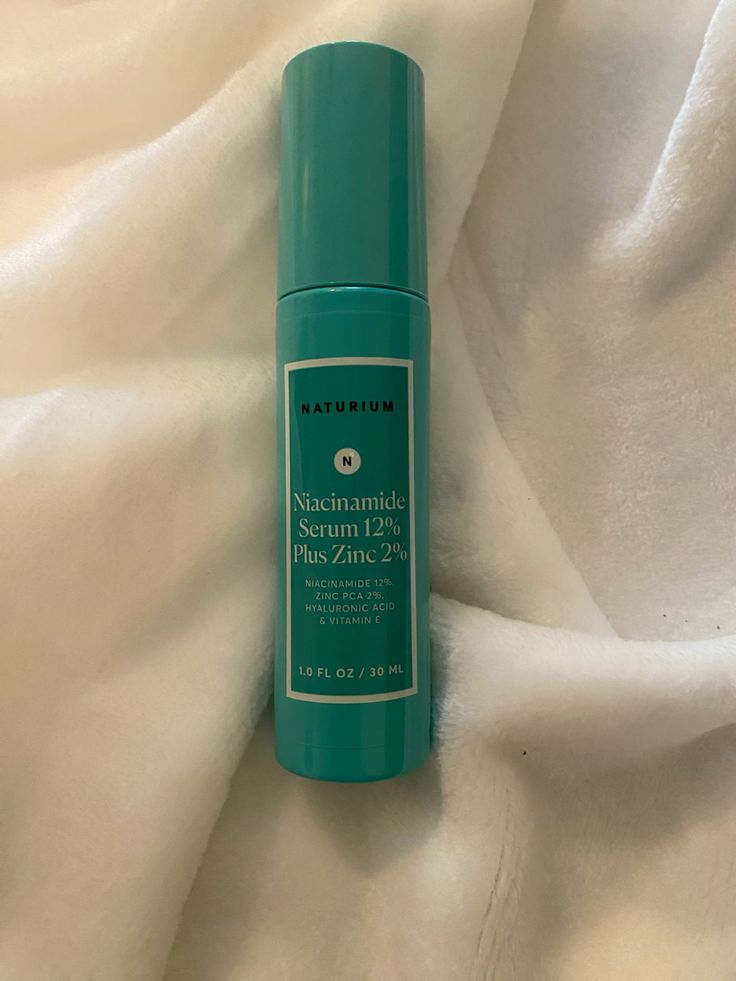
- Niacinamide: Reduces inflammation, strengthens barrier
- Fatty acids: Replenish essential lipids
- Cholesterol: Supports natural skin structure
Incorporate these daily — for example, a niacinamide serum in the morning and a ceramide-rich moisturizer at night.
5. Critical Protection with Broad-Spectrum Sunscreen
UV exposure is the primary external aggressor that accelerates barrier degradation. When your skin barrier is compromised, your natural defenses against ultraviolet radiation are virtually non-existent. Even “incidental” sun exposure—like sitting near a window or a quick walk to the car—can trigger a cascade of free radical damage, worsening existing redness, chronic dryness, and “inflammaging” (premature aging caused by persistent inflammation).
- Why Mineral is Better for Repair: For a damaged barrier, US dermatologists almost exclusively recommend Physical (Mineral) Sunscreens containing Zinc Oxide or Titanium Dioxide. Unlike chemical filters (like Oxybenzone or Avobenzone) which absorb UV rays and convert them into heat—potentially stinging sensitized skin—Mineral filters sit on top of the skin and reflect UV rays. Furthermore, Zinc Oxide is a natural anti-inflammatory often used in diaper creams; it actually helps soothe and “calm” a red, angry barrier while it protects.
- The SPF Standard: You should apply a broad-spectrum SPF 30 or higher every single morning as the final step of your routine. “Broad-spectrum” is a critical US regulatory term ensuring the product protects against both UVA (aging) and UVB (burning) rays.
- Don’t Skip Indoors: UVA rays can penetrate standard glass windows. If you are working from home near a natural light source, your skin is still vulnerable. Maintaining a consistent SPF shield prevents the “one step forward, two steps back” cycle where healing progress made overnight is undone by UV-induced irritation during the day.
Dermatologist’s Insight: Dr. Michael Stevens notes,
“Sunscreen is essential when repairing a damaged skin barrier. It prevents further breakdown and supports natural repair processes.”
6. Avoid Irritants and Allergens
While repairing a damaged skin barrier, minimize exposure to irritants. Alcohol, artificial fragrance, harsh preservatives, and strong actives can delay healing. Choose minimalistic, soothing formulations.
Tip: Patch-test new products and introduce ingredients slowly.
7. Support Skin From the Inside
External care is critical, but internal support enhances barrier repair:
- Nutrition: Omega-3 fatty acids, antioxidants, and vitamins A, C, E
- Hydration: Drink adequate water daily
- Sleep & stress management: Skin regenerates fastest during deep sleep
A holistic approach ensures that your damaged skin barrier heals more efficiently.
8. Build a Consistent Morning and Night Routine
Consistency is the most important factor. A damaged skin barrier heals best when supported by a routine:
Morning Routine for Barrier Repair:
- Gentle cleanser
- Hydrating serum (hyaluronic acid, niacinamide)
- Moisturizer with ceramides
- Broad-spectrum SPF 30+
Night Routine for Barrier Repair:
- Gentle double cleanse
- Barrier-repair serum
- Rich moisturizer or oil
- Optional: overnight hydration mask 2–3 times/week
Following a structured routine ensures that the skin has the environment it needs to restore and maintain health.
Skin-Type Specific Tips for How to repair a damaged skin barrier
Oily Skin
- Gel-based moisturizers
- Lightweight hydrators
- Niacinamide serums to balance sebum
Dry Skin
- Rich, creamy moisturizers
- Hydrating masks 1–2 times/week
- Avoid alcohol-based toners
Sensitive Skin
- Fragrance-free products
- Soothing ingredients like centella or allantoin
- Avoid strong activities until the barrier heals
Common Mistakes to Avoid
- Skipping moisturizer
- Overusing exfoliants
- Ignoring sun protection
- Frequently switching products
- Using hot water during cleansing
Each of these mistakes slows barrier recovery and can worsen redness, irritation, or dryness.
Lifestyle Habits That Support a Healthy Skin Barrier
- Diet: Include foods rich in omega-3s, antioxidants, and vitamins. Salmon, chia seeds, and leafy greens support barrier repair.
- Hydration: Adequate water intake keeps skin plump and aids recovery.
- Stress Management: Chronic stress increases cortisol, leading to barrier impairment. Meditation or light exercise can help.
- Sleep: Repair processes peak during deep sleep; aim for 7–8 hours nightly.
Comprehensive FAQ: How to Repair a Damaged Skin Barrier
1. How do I know if my skin barrier is damaged or if my skin is just purging?
The Distinction: Purging typically occurs when you introduce a new “active” (like Retinol or BHAs) that speeds up cell turnover, causing pre-existing clogs to surface in usual breakout areas. However, a damaged skin barrier feels systemic.
- Key Signs: Your skin feels “tight” even after moisturizing, looks “shiny” but feels dry (crepey texture), and products that usually don’t bother you (like a basic cleanser) suddenly cause a stinging or burning sensation. Chronic redness, flaking, and a sudden onset of “adult acne” or rashes are also major red flags that your acid mantle is compromised. How to Repair a Damaged Skin Barrier.
2. What are the best science-backed ingredients for barrier repair in the US market?
When scanning labels at retailers like Sephora or Ulta, look for these “Gold Standard” repair ingredients:
- Ceramides (1, 3, and 6-II): These are lipids that make up 50% of your skin composition; they act as the “mortar” between your skin cell “bricks.”
- Panthenol (Pro-Vitamin B5): A powerful humectant that promotes wound healing and reduces inflammation.
- Niacinamide: Helps the skin produce its own natural ceramides, though you should stick to lower concentrations (2-5%) when the barrier is raw.
- Squalane & Fatty Acids: These mimic your skin’s natural oils to prevent Transepidermal Water Loss (TEWL). (skin barrier, skin barrier)
3. Should I completely stop using Retinol, Vitamin C, and Exfoliants?
Absolutely. In the US skincare community, this is often called a “Routine Reset.” When your barrier is compromised, your skin’s defense system is down. Applying “actives” like L-Ascorbic Acid (Vitamin C) or Tretinoin will penetrate too deeply and cause chemical burns or contact dermatitis.
- The Rule: Pause all exfoliants and treatments for a minimum of 3 to 4 weeks. You should only reintroduce them one by one once your skin can handle a basic moisturizer without any stinging for 7 consecutive days. (skin barrier)
4. How long does it realistically take to fix a damaged moisture barrier?
The biological reality is that it takes roughly 28 to 30 days for a healthy adult’s skin cells to move from the deep layers to the surface (the skin cycle).
- Timeline: You might see surface-level relief (less redness) within 7 days, but the structural repair of the lipid bilayer takes a full cycle. If you have been over-exfoliating for months or using high-strength prescriptions, it may take up to 3 months of strict “skin minimalism” to fully restore the skin’s resilience. (skin barrier skin barrier)
5. Does "Slugging" actually help, and how do I do it correctly?
“Slugging” has become a viral sensation in the US for a reason—it works. It involves applying a thin layer of a petroleum-based occlusive (like Vaseline or Aquaphor) over your moisturizer at night.
- Why it works: It creates an impermeable seal that prevents 99% of water loss. This “greenhouse effect” allows your skin to heal in a hydrated environment.
- Warning: Never “slug” over active ingredients like Retinol or AHAs, as it will trap them and cause severe irritation. Only slug over a bland, hydrating cream.
6. Can I use Hyaluronic Acid if I live in a dry or high-altitude US climate?
Hyaluronic Acid (HA) is a double-edged sword. It is a humectant that pulls moisture from the air into your skin.
- The Risk: If you live in a dry climate (like Arizona, Colorado, or during a heated East Coast winter), there is no moisture in the air. The HA will instead pull water out of your deeper skin layers to hydrate the surface, making your barrier damage worse.
- The Fix: Always apply HA to dripping wet skin and immediately seal it with a heavy occlusive cream to “lock” the water in.
7. What is the most effective "Skin Minimalism" routine for a broken barrier?
US dermatologists often recommend the “Back to Basics” trio. Discard the 10-step routine and stick to this:
- Cleanser: A non-foaming, soap-free, pH-balanced milk or cream cleanser (e.g., La Roche-Posay Toleriane Hydrating Gentle Cleanser).
- Barrier Cream: A thick moisturizer containing ceramides and cholesterol (e.g., SkinCeuticals Triple Lipid Restore or CeraVe).
- Sunscreen: A 100% Mineral/Physical sunscreen (Zinc Oxide or Titanium Dioxide). Chemical filters can sting a damaged barrier, whereas Zinc is actually soothing and anti-inflammatory.
Final Thoughts
Repairing a damaged skin barrier requires patience, care, and the right strategy. By following these 8 steps — gentle cleansing, hydration, limited exfoliation, barrier-repair ingredients, sun protection, avoiding irritants, internal support, and consistent routines — you can restore your skin’s strength, hydration, and glow. Remember, a strong barrier is the foundation of healthy, resilient skin. With diligence, your skin will not only recover but also become stronger against future damage. Healthline